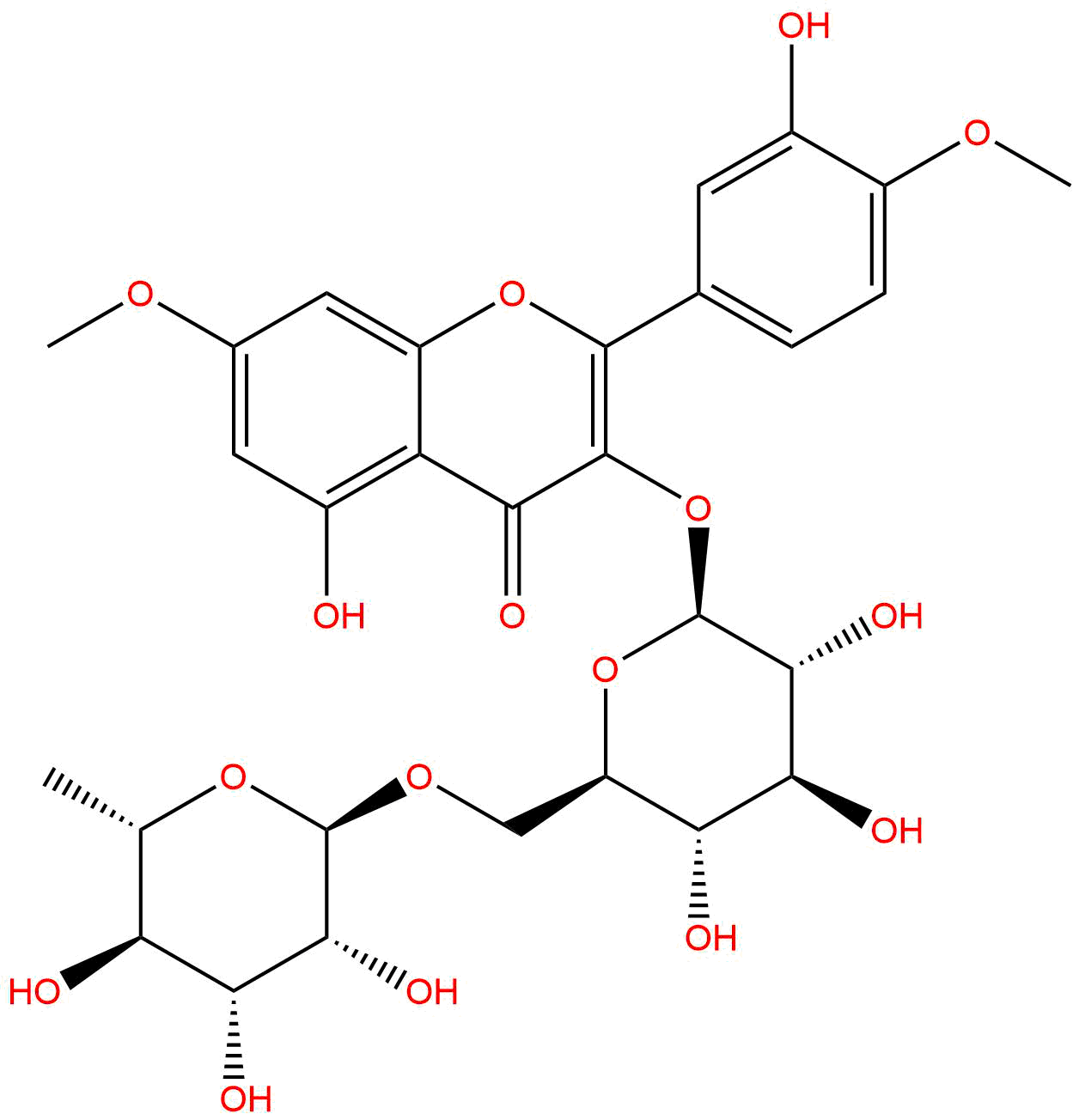


Product name: Ombuoside
Synonym name:
Catalogue No.: SBP02932
Cas No.: 20188-85-6
Formula: C29H34O16
Mol Weight: 638.575
Botanical Source: Phytolaccae radix
Type of Compound: Flavonoids
Purity: 95%~99%
Analysis Method: HPLC-DAD or/and HPLC-ELSD
Identification Method: Mass, NMR
Packing: Brown vial or HDPE plastic bottle
Storage: Store in a well closed container, protected from air and light. Put into refrigerate or freeze for long term storage.
Whenever possible, you should prepare and use solutions on the same day. However, if you need to make up stock solutions in advance, we recommend that you store the solution as aliquots in tightly sealed vials at -20℃. Generally, these will be useable for up to two weeks.
The product could be supplied from milligrams to grams
Inquire for bulk scale.
For Reference Standard and R&D, Not for Human Use Directly.
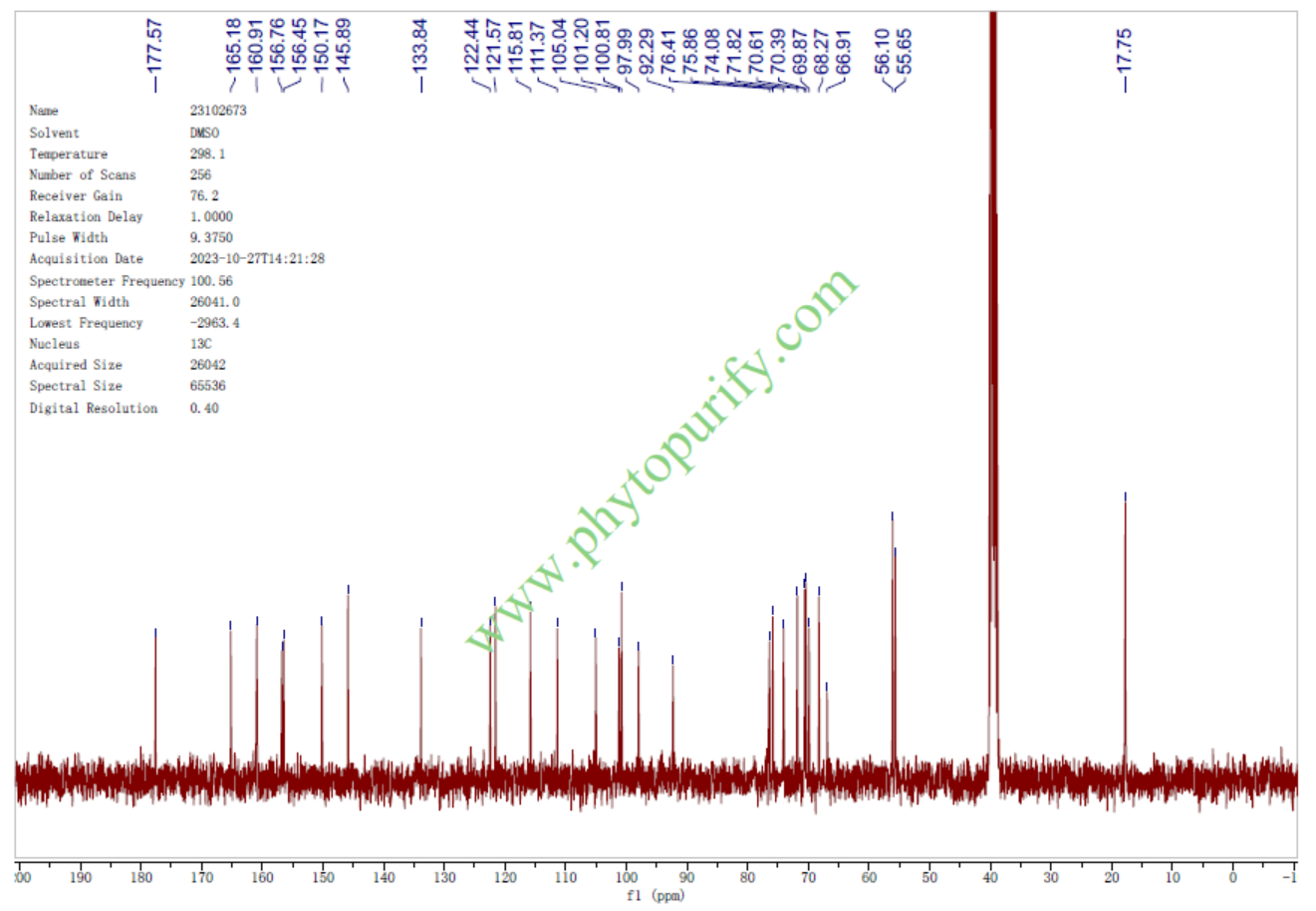
NMR of Ombuoside
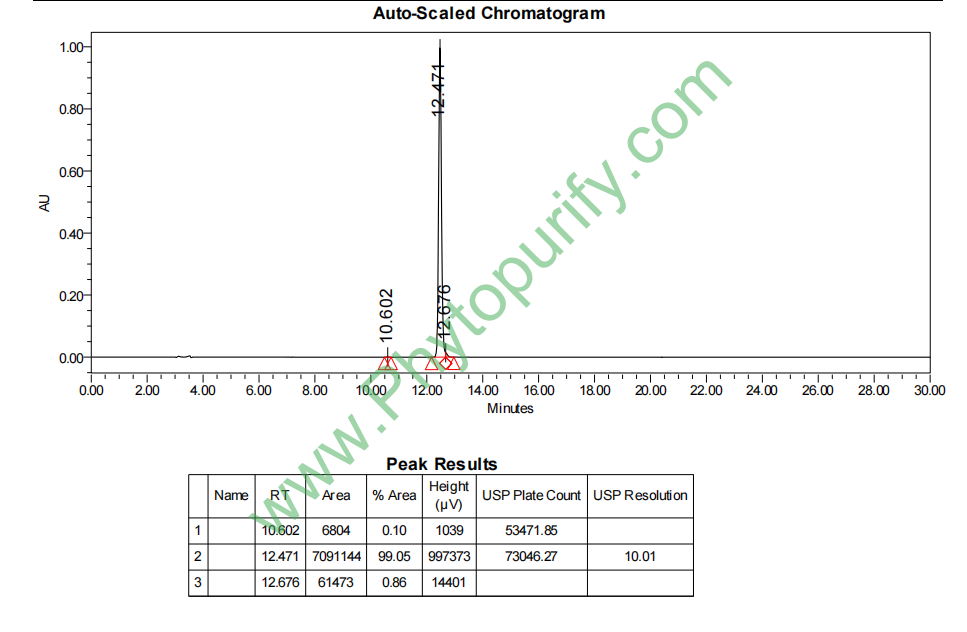
HPLC of Ombuoside
Storage conditions:Short-term storage at 2~8℃, long-term storage at -20 ~ -80℃
247.4300
.1540
.1442
2.2348
.5357
.2859
Low
77.7589
4.7298
Yes
No
Yes
No
Yes
No
0.6
Yes
No
Yes
Yes
Natural products, as an important source of drug discovery, play an irreplaceable role in the long history of human struggle against diseases. Flavonoids, as one of the most widely distributed and structurally diverse secondary metabolites in nature, have attracted much attention due to their broad biological activity and low toxicity. Among numerous flavonoids, Ombuoside, as a flavonol diglycoside with unique structural characteristics, has gradually entered the field of researchers in recent years and demonstrated multifaceted pharmacological potential.
Shanglu glycoside, named after its original plant source - Shanglu genus(Phytolacca)Plants. However, subsequent studies have found that the compound is not unique to plants of the genus Celastraceae and is distributed in various medicinal plants. From a chemical structure perspective, Shanglu glycoside belongs to flavonol compounds, with its parent nucleus being Quercetin, and a disaccharide group (rhamnose glucose) attached to the 3-hydroxyl group. This glycosylation modification not only endows it with unique physicochemical properties, but also profoundly affects its biological activity, metabolic pathways, and bioavailability.
Early research mainly focused on the antioxidant activity of Shanglu glycoside, which was found to effectively scavenge free radicals, inhibit the generation of reactive oxygen species (ROS), and protect cells from oxidative stress-induced apoptosis. This fundamental activity lays the foundation for its application in a wider range of disease models. With the deepening of research, the neuroprotective effect, antimicrobial activity, and potential antiviral ability of Shanglu glycoside have gradually been revealed. Especially its neuroprotective effect through regulating the ERK-JNK-caspase-3 signaling pathway, as well as promoting dopamine biosynthesis by activating tyrosine hydroxylase (TH) and cAMP response element binding protein (CREB), have shown promising prospects in the treatment of neurodegenerative diseases such as Parkinson's disease.
In addition, Shanglu glycoside is effective against various Gram positive bacteria, Gram negative bacteria, and Candida albicans(Candida albicans)The inhibitory effect suggests that it may serve as a novel antibacterial lead compound. In recent years, research based on computational biology and network pharmacology has also predicted the potential interactions between Shanglu glycoside and various viral targets (such as MPO, UL42, UL54, CCR5, CXCR4, etc.), suggesting that it may have broad-spectrum antiviral activity, although these predictions still require experimental validation.
This article aims to provide a systematic review of the research status of Shanglu glycoside, covering its chemical structure and physicochemical properties, plant sources and extraction methods, pharmacological activity, mechanism of action, drug evaluation, and clinical application prospects, in order to provide comprehensive references for the in-depth research and development of this natural product.
The chemical name of Shanglu glycoside is Quercetin-3-O - β - D-glucosyl - (1 → 2) - α - L-rhamnoside. Its chemical structure consists of three parts: the flavonol nucleus (Quercetin), one glucose molecule, and one rhamnose molecule. Specifically, glucose and rhamnose are linked through an α (1 → 2) glycosidic bond to form a disaccharide, which is then linked to the 3-hydroxyl group of quercetin through a β - glycosidic bond. This structure endows Shanglu glycoside with typical flavonoid glycoside characteristics.
From the perspective of physical and chemical properties, the molecular formula of Shanglu glycoside is C ₂₉ H ∝₄ O ₁₇, with a molecular weight of 638.5750 Da. Its lipid water partition coefficient LogP is 0.1540, indicating that the compound has high hydrophilicity and good solubility in aqueous phase (water solubility parameter is 2.2348). This characteristic is closely related to the presence of multiple phenolic hydroxyl and glycosyl structures in its molecule. The Topological Polar Surface Area (TPSA) is as high as 247.4300 Å ², far exceeding the threshold of passive diffusion through the cell membrane (approximately 140 Å ²), indicating that its oral absorption may be poor and difficult to pass through the Blood Brain Barrier (BBB). The evaluation of "blood-brain barrier: low" in the pharmacological parameters also confirms this point.
Shanglu glycoside is a light yellow to yellow crystalline powder that produces characteristic fluorescence under ultraviolet light. It is often used as a basis for thin-layer chromatography and high-performance liquid chromatography detection. The presence of multiple phenolic hydroxyl groups in its structure gives it significant reducibility and the ability to chelate metal ions, which forms the chemical basis for its antioxidant activity. Meanwhile, these phenolic hydroxyl groups also make them unstable in alkaline solutions and prone to oxidative degradation. The stability of Shanglu glycoside is influenced by factors such as pH, temperature, and light. It is relatively stable under acidic conditions, but easily hydrolyzed under neutral or alkaline conditions, losing its glycosyl portion and generating the glycoside quercetin. This hydrolysis reaction not only affects its chemical stability, but is also closely related to its in vivo metabolism and biological activity transformation.
Shanglu glycoside was initially isolated and identified from plants in the Phytolacaceae family, hence its name. However, its distribution range is far beyond this. With the deepening of plant chemistry research, Shanglu glycosides have been discovered in plants of multiple families and genera, mainly including:
It is worth noting that there are significant differences in the content of naringenin among different plant sources, production areas, harvest seasons, and tissue parts (roots, stems, leaves, flowers, fruits). For example, in the mature fruits of the American continent, the content of naringenin is relatively high, while in its roots it is relatively low. Therefore, selecting suitable plant materials and harvesting periods is the key to efficiently obtaining naringenin.
The extraction method of Shanglu glycoside is mainly based on its high polarity, usually using polar solvents for extraction. Common methods include:
The crude extract obtained from extraction needs to undergo a series of purification steps to obtain high-purity Shanglu glycoside. Common purification methods include:
The pharmacological activity research of Shanglu glycoside has expanded from its initial antioxidant activity to multiple fields such as neuroprotection, antimicrobial, anti-inflammatory, anti-tumor, etc., demonstrating its pleiotropic characteristics.
The antioxidant activity of Shanglu glycoside is its most fundamental and widely studied pharmacological action. The multiple phenolic hydroxyl groups in its molecular structure, especially the ortho dihydroxy group on the B ring, can effectively scavenge various free radicals, including 1,1-diphenyl-2-trinitrophenylhydrazine (DPPH) free radical, 2,2 '- diazo-bis-3-ethylbenzothiazoline-6-sulfonic acid (ABTS) cationic free radical, hydroxyl free radical, and superoxide anion free radical. In cell models, Shanglu glycoside can significantly reduce intracellular ROS levels induced by oxidants such as hydrogen peroxide (H ₂ O ₂) and 6-hydroxydopamine (6-OHDA), and increase the activity of endogenous antioxidant enzymes such as superoxide dismutase (SOD) and glutathione peroxidase (GSH Px), thereby protecting cells from oxidative damage. This antioxidant capacity is an important foundation for its neuroprotective and anti-inflammatory effects.
The neuroprotective effect of Shanglu glycoside is one of its most closely studied pharmacological activities. Multiple studies have shown that Shanglu glycoside can protect various nerve cells (such as PC12 cells, SH-SY5Y cells) from neurotoxins (such as 6-OHDA, MPP ⁺) damage. Its mechanism of action is closely related to inhibiting oxidative stress and regulating cell apoptosis signaling pathways. Research has found that pre-treatment with Shanglu glycoside can significantly inhibit 6-OHDA induced apoptosis in PC12 cells, targeting the ERK (extracellular signal regulated kinase) and JNK (c-Jun N-terminal kinase) signaling pathways. Specifically, Shanglu glycoside can inhibit the excessive phosphorylation of JNK induced by 6-OHDA, while restoring the inhibited ERK phosphorylation level, thereby downregulating caspase-3 activity and ultimately blocking the mitochondrial mediated apoptosis pathway. This discovery provides important molecular basis for the application of Shanglu glycoside in the treatment of Parkinson's disease.
In addition, Shanglu glycoside can promote dopamine biosynthesis by activating TH and CREB. TH is the rate limiting enzyme for dopamine synthesis, while CREB is a key transcription factor regulating TH gene expression. Shanglu glycoside can enhance the phosphorylation level of CREB, promote its binding to the TH gene promoter region, thereby upregulating TH expression and increasing dopamine synthesis and release. This effect is of great significance in alleviating the movement disorders caused by the dysfunction of dopaminergic neurons in Parkinson's disease.
Shanglu glycoside exhibits broad-spectrum antimicrobial activity. Research has shown that it is effective against various Gram positive bacteria, such as Staphylococcus aureus Staphylococcus aureus Bacillus subtilis Bacillus subtilis)And Gram negative bacteria (such as Escherichia coli) Escherichia coli Pseudomonas aeruginosa Pseudomonas aeruginosa)All have a certain inhibitory effect. In addition, Shanglu glycoside has an effect on the fungus Candida albicans(Candida albicans)It also exhibits inhibitory activity. Its antibacterial mechanism may be related to the destruction of bacterial cell membrane integrity, inhibition of bacterial nucleic acid or protein synthesis, but the specific mechanism still needs further research. Given the increasingly severe problem of antibiotic resistance, Shanglu glycoside, as a natural antibacterial lead compound, has potential development value.
Although there are relatively few direct antiviral experimental studies on Shanglu glycoside, its potential antiviral ability has been predicted through virtual screening and network pharmacology analysis based on computer-aided drug design. Research suggests that Shanglu glycoside may have high binding affinity with key proteins involved in various viral replication or infection processes. For example, for herpes simplex virus (HSV), shanglu glycoside may target UL42 (DNA polymerase helper protein), UL54 (DNA polymerase catalytic subunit), ICP27 (immediate early protein), and TK (thymidine kinase); For human immunodeficiency virus (HIV), it may target CCR5 and CXCR4 (co receptors for virus entry into host cells) as well as HIV-1 protease (HIV1-PR). In addition, Shanglu glycoside may indirectly exert antiviral effects by inhibiting the activity of myeloperoxidase (MPO) to regulate inflammatory responses. These predictions provide direction for the antiviral research of Shanglu glycoside, but there is an urgent need for validation through in vitro and in vivo experiments.
In addition to the aforementioned activities, Shanglu glycoside has also been reported to have anti-inflammatory, anti-tumor, and hepatoprotective effects. For example, it can reduce the production of inflammatory factors such as TNF - α and IL-6 by inhibiting the nuclear factor kappa B (NF - κ B) pathway. In terms of anti-tumor, Phytolacca acinosa glycoside has shown inhibitory effect on the proliferation of some cancer cell lines (such as HepG2 cells and MCF-7 cells of breast cancer), and its mechanism may be related to the induction of cell cycle arrest and apoptosis.
The pharmacological activity of Shanglu glycoside is the result of multi-target and multi pathway synergistic effects. Based on existing research, its main mechanisms of action can be summarized as follows:
Directly eliminate free radicals and chelate metal ions The ortho dihydroxy structure in the molecule of Shanglu glycoside is the direct chemical basis for its antioxidant activity. It can directly supply hydrogen or electrons to free radicals, stabilizing them and interrupting the chain reaction of free radicals. At the same time, it can chelate transition metal ions such as Fe ² ⁺ and Cu ² ⁺, inhibit hydroxyl radicals generated by Fenton reaction, and reduce oxidative damage from the source.
Regulating cellular signaling pathways This is the core mechanism by which Shanglu glycoside exerts neuroprotective and anti apoptotic effects.
Direct interaction with specific protein targets Based on molecular docking and other computational methods, it is predicted that Shanglu glycoside may interact with various viral proteins, such as UL42, UL54, ICP27, and TK of HSV; The CCR5, CXCR4, and HIV1-PR of HIV directly bind to host proteins such as MPO. This binding may inhibit its function by occupying active sites or altering protein conformation, thereby exerting antiviral or immunomodulatory effects. These predicted targets still need to be validated through experimental methods such as surface plasmon resonance (SPR) and drug affinity response target stability (DARTS).
From natural products to clinical drugs, drug efficacy evaluation is a crucial step. The physicochemical properties and preliminary pharmacokinetic characteristics of Shanglu glycoside provide important references for its drug development.
Analysis of drug properties parameters:
- Molecular weight (638.58 Da)Exceeding 500 Da does not meet the requirement of Lipinski's "Five Rules" for molecular weight less than 500, indicating that its oral bioavailability may be low.
- LogP(0.154)Highly hydrophilic, not conducive to passive diffusion across membranes.
- TPSA(247.43 Ų): Far higher than 140 Å ², further indicating poor oral absorption and difficulty in crossing the blood-brain barrier.
- HERG inhibition (No)This is a positive signal indicating a lower risk of heart QT interval prolongation and arrhythmia caused by Shanglu glycoside.
- Ames test (0.6)This value is close to the positive threshold (usually considered to have potential mutagenicity if the Ames test result is>0.5), indicating that there may be a certain genetic toxicity risk of Shanglu glycoside and more rigorous toxicological evaluation is needed.
Pharmacokinetic characteristics:
At present, there is limited direct research data on the pharmacokinetics of Shanglu glycoside in vivo, but based on its structural characteristics and studies on similar flavonoid glycosides, it can be inferred that:
- absorb Poor oral absorption. Its high polarity and high molecular weight make it difficult to passively diffuse and absorb through small intestinal epithelial cells. It may be actively transported through intestinal transporters (such as glucose transporters) or metabolized into aglycones (quercetin) by intestinal microbiota before being absorbed.
- distribution Due to its hydrophilicity and binding to plasma proteins, Shanglu glycoside is mainly distributed in blood and extracellular fluid. Due to the difficulty in passing through the BBB, its concentration in the central nervous system may be very low, which is consistent with the current situation that research on its neuroprotective effects is mainly based on in vitro cell models or local administration (such as brain stereotactic injection).
- Metabolism Shanglu glycoside undergoes extensive metabolism in the body. The main metabolic pathways include: ① Under the action of gut microbiota, glycosidic bonds are hydrolyzed to produce glycoside quercetin; ② Quercetin undergoes further phase II metabolic reactions such as methylation, sulfation, and glucuronidation; ③ Some Shanglu glycosides may also undergo II binding reactions directly in their original form in the liver.
- excretion Metabolites are mainly excreted through bile and urine.
Challenges and Strategies in Drug Development:
The main challenges for the pharmacological development of Shanglu glycoside are its low oral bioavailability and difficulty in crossing the blood-brain barrier. To address these challenges, the following strategies can be considered:
1. Structural modification Through prodrug design, such as esterification of phenolic hydroxyl groups, lipid solubility can be improved and absorption can be enhanced. Or design new drug delivery systems such as nano formulations and liposomes to improve their bioavailability and targeting.
2. Optimization of administration route For central nervous system diseases, non oral routes such as nasal administration or intrathecal injection can be considered to bypass the blood-brain barrier.
3. combination therapy Combined with P-glycoprotein (P-gp) inhibitors, it may increase its absorption and brain distribution.
Based on the unique pharmacological activity spectrum of Shanglu glycoside, it shows potential clinical application prospects in the following disease fields:
Neurodegenerative diseases Especially Parkinson's disease. Shanglu glycoside is expected to be developed as a candidate drug for the treatment of Parkinson's disease through multiple mechanisms such as antioxidant, anti apoptotic, and promotion of dopamine synthesis. However, its difficulty in crossing the blood-brain barrier is the biggest obstacle. The development of novel formulations capable of effectively delivering shanglu glycoside into the brain, such as brain targeted nanoparticles, is a key direction for future research.
infectious diseases The broad-spectrum antimicrobial activity of Shanglu glycoside, especially its potential effect on drug-resistant strains, makes it a promising lead compound for novel antibacterial drugs. In addition, the antiviral activity predicted based on virtual screening is worth conducting systematic in vitro and in vivo antiviral experiments to verify its actual effectiveness against viruses such as HSV and HIV.
Oxidative stress-related diseases Phytolacca acinosa glycoside has potential application value in cardiovascular disease, complications of diabetes, liver injury and other diseases closely related to oxidative stress due to its strong antioxidant capacity.
Future research directions:
- In depth mechanism research Using techniques such as gene knockout, RNA interference, proteomics, etc., systematically elucidate the molecular targets and signaling network of Shanglu glycoside, especially its detailed mechanisms of antiviral and anti-tumor effects.
- Pharmacokinetic and Toxicological Studies Conduct systematic pharmacokinetic studies in vivo to clarify its absorption, distribution, metabolism, and excretion characteristics. At the same time, conduct comprehensive acute, subchronic, and chronic toxicological evaluations, especially in-depth assessments of potential genetic toxicity suggested by Ames tests.
- Research on Structural Optimization and Structure Performance Relationship By synthesizing a series of derivatives of Shanglu glycosides and studying the relationship between their different structural fragments (such as sugar type, quantity, connection mode, and substituents on the mother nucleus) and biological activity, guidance is provided for designing better candidate compounds.
- Development of a new drug delivery system To address the issues of poor oral absorption and low BBB permeability, new drug delivery systems such as liposomes, nanoparticles, and phospholipid complexes have been developed to improve their bioavailability and targeting.
- preclinical research Validate its efficacy in various animal disease models, such as Parkinson's disease models and bacterial infection models, laying the foundation for entering clinical trials.
Shanglu glycoside, as a naturally occurring flavonol diglycoside, has become a hot molecule in the field of natural product research due to its pharmacological activities such as antioxidant, neuroprotective, and antimicrobial properties. The mechanism by which it exerts neuroprotective effects by regulating the ERK-JNK-caspase-3 pathway and TH-CREB pathway provides a new approach for the treatment of neurodegenerative diseases such as Parkinson's disease. Meanwhile, its potential antiviral activity is also worth exploring in depth.
However, the pharmacological properties of Shanglu glycoside face serious challenges, especially its low oral bioavailability and difficulty in crossing the blood-brain barrier. Future research needs to focus on optimizing the structure, developing new formulations, and conducting systematic pharmacokinetic and toxicological evaluations based on a thorough elucidation of its mechanism of action. Only by overcoming these obstacles can Shanglu glycoside be truly promoted from a "candidate molecule" in the laboratory to a "candidate drug" for clinical application. The continuous research on Shanglu glycoside not only helps to reveal the scientific connotation of traditional medicinal plants, but also provides valuable natural templates for the discovery of modern innovative drugs.
