N-Methylhydrazone: a potential anti anxiety molecule in lotus seeds
1. Overview
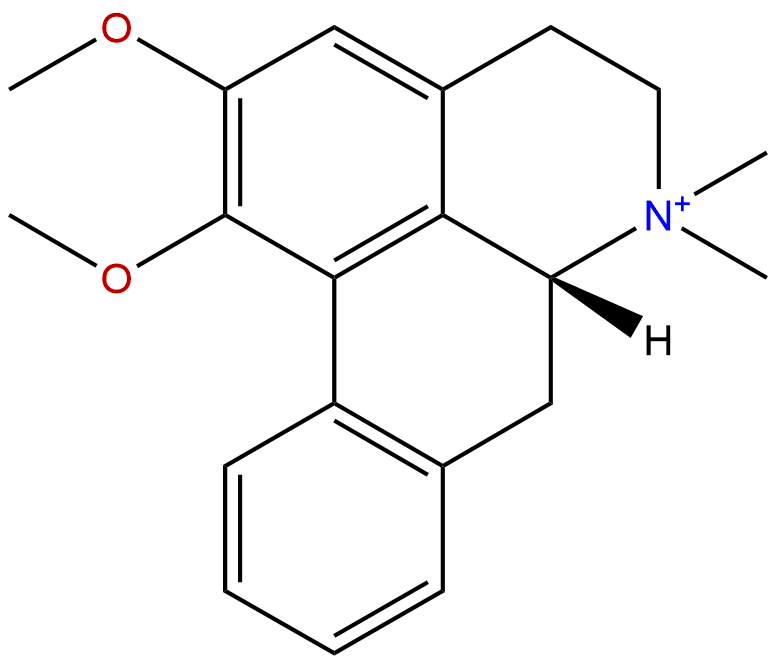
N-Methylluciferine (CAS number: 754919-24-9) is an isoquinoline alkaloid derived from the Nelumbo nucifera Gaertn. plant in the Nymphaeaceae family. As an N-methyl derivative of nuciferine, this compound has attracted attention in the field of natural product pharmacy research in recent years due to its potential activity in the central nervous system. Existing research data indicate that N-methyl hesperetin can improve depression like behavior induced by lipopolysaccharide (LPS), suggesting its potential application in the treatment of mood disorders. This compound exerts its pharmacological effects by acting on multiple targets related to the neurotransmitter system, including monoamine oxidase A (MAOA), serotonin transporter (SLC6A4), serotonin 1A receptor (HTR1A), and gamma aminobutyric acid type A receptor subunit (GABRA1, GABRB2). This article will provide a systematic and professional interpretation of this natural active molecule from the aspects of its chemical structure, plant origin, pharmacological mechanism, medicinal evaluation, and research prospects.
2. Chemical structure and physicochemical properties
The molecular formula of N-methyl lotus leaf alkaloid is C20H24NO2+, with a molecular weight of 310.4160 g/mol. Its structure belongs to the tetrahydroisoquinoline alkaloid class, and its SMILES represents (COc1cc2c3c (c1OC) - c1cccc1C [C @ H] 3)N+(C) CC2) revealed its core skeletal features: a tetrahydroisoquinoline ring system with two methoxy (- OCH3) substituents attached, and the nitrogen atom quaternized (positively charged). This quaternary ammonium salt structure has a significant impact on its water solubility and biological activity.
From the analysis of drug formation parameters, its theoretical polar surface area (TPSA) is 18.46 Å ², which is relatively low and usually favorable for the membrane permeability of the compound. The calculated LogP value (characterizing lipid solubility) is -0.492, indicating that the compound has a relatively hydrophilic property, which is consistent with its properties as a quaternary ammonium salt. The water solubility parameter is 0.0175 (usually measured in mg/mL or mol/L, as defined in the database), combined with the LogP value, indicating that it has some solubility in water, but may not be highly soluble. The permeability value of Caco-2 cells is 12.99 (usually on the order of apparent permeability coefficient Papp × 10 ⁻⁶ cm/s), which is relatively high and suggests that it may have good intestinal absorption potential. However, its blood-brain barrier (BBB) penetration is labeled as "low", which may be due to the interaction between its quaternary ammonium salt positive charge and BBB endothelial cell membrane negative charge, limiting its passive diffusion into the central nervous system. However, its pharmacological activity suggests that it can still produce central effects in some way (possibly through active transport or indirect effects on peripheral targets). The plasma protein binding rate (PPB) is about 64%, which is at a moderate level, indicating that a considerable portion of drugs are in a free state in the blood and can be distributed to tissues to exert their effects.
3. Plant sources and traditional applications
The plant source of N-methylhydrazone is single and clear, namely the lotus seed heart. Lotus seed heart is the green embryo found in the mature seeds of Nelumbo nucifera Gaertn, a plant in the Nymphaeaceae family. Lotus, also known as lotus, is an aquatic plant with important cultural, edible, and medicinal values. Its different parts (such as lotus leaves, lotus seeds, lotus chambers, lotus whiskers, lotus seed hearts, etc.) are widely used in traditional medical systems in many Asian countries.
In the theory of traditional Chinese medicine, lotus seeds have a cold nature and a bitter taste, and are associated with the heart and kidney meridians. The traditional functions mainly include clearing the heart and calming the mind, communicating with the heart and kidneys, and stopping bleeding with astringent essence. In clinical practice, it is commonly used to treat symptoms such as heat entering the pericardium, delirium, heart kidney dysfunction, insomnia and nocturnal emissions, blood heat and vomiting. The efficacy of its "clearing the heart and calming the mind" is highly consistent with the anti anxiety and depression like behaviors found in modern research, reflecting the inheritance and verification of traditional experience and modern scientific discoveries. Lotus seeds contain various active ingredients such as alkaloids (such as hesperetin, dehydrohesperetin, methyl hesperetin, etc.), flavonoids, polysaccharides, etc., which are the material basis for their pharmacological effects. N-methyl lotus alkaloid, as one of the alkaloid components, is likely to contribute to the calming and calming effects of lotus seed hearts. The modern research on lotus seed heart, a traditional medicinal herb, is precisely from the perspective of chemical substance basis, revealing the specific molecular mechanism of its "calming" effect. The study of N-methyl lotus alkaloid is a beneficial exploration in this direction.
4. Pharmacological activity and mechanism of action
The existing data mainly associates the pharmacological activity of N-methylhydrazone with "anxiolytic" and suggests that it can improve depression like behavior induced by lipopolysaccharide (LPS). This suggests that the compound has potential therapeutic value in mood and stress-related disorders. Its mechanism of action involves the regulation of multiple key neurotransmitter system targets, and this target information provides clear clues for us to understand its effects:
-
The role of monoamine oxidase A (MAOA)MAOA is a key enzyme responsible for degrading monoamine neurotransmitters such as serotonin, norepinephrine, and dopamine. Inhibiting MAOA activity can increase the concentration of these monoamine neurotransmitters in synaptic cleft, thereby producing antidepressant and anti anxiety effects. Many classic antidepressants, such as metoclopramide, are MAO inhibitors. N-Methylhydrazone acts on MAOA targets, possibly by inhibiting the enzyme and increasing monoamine levels in the brain, which is directly related to its ability to improve depressive like behavior.
-
The effect on serotonin transporter (SLC6A4)SLC6A4 is responsible for reuptake of 5-hydroxytryptamine (5-HT) released into the synaptic cleft back into presynaptic neurons, and is a key protein that regulates 5-HT neurotransmission. Selective 5-HT reuptake inhibitors (SSRIs, such as fluoxetine) are currently first-line antidepressant and anti anxiety drugs. N-Methylhydrazone acts on SLC6A4 and may act as a reuptake inhibitor to enhance 5-HT signaling, providing another important mechanistic pathway for its anti anxiety and anti depressive activities.
-
The effect on 5-hydroxytryptamine 1A receptor (HTR1A)HTR1A is an important subtype of 5-HT receptor, which regulates the release of 5-HT through both presynaptic self receptor negative feedback and postsynaptic receptor mediated 5-HT effects. Partial activation of HTR1A receptors (such as buspirone and tanshinone) is a known anti anxiety strategy. N-Methylhydrazone acts on HTR1A, possibly by regulating the function of this receptor, producing a stabilizing effect on the 5-HT system and alleviating anxiety.
-
The effect on GABAA receptor subunits (GABRA1, GABRB2)Gamma aminobutyric acid (GABA) is the main inhibitory neurotransmitter in the central nervous system. GABAA receptors are ligand gated chloride ion channels, and their activation leads to neuronal hyperpolarization, resulting in inhibitory effects. Classical anti anxiety drugs such as benzodiazepines enhance the inhibitory effect of GABA by conformational modulation of GABAA receptors (usually acting on receptors containing alpha 1, alpha 2, alpha 3, alpha 5, and gamma 2 subunits). N-Methylhydrazone acts on GABR1 (α 1 subunit) and GABRB2 (β 2 subunit), suggesting that it may directly or indirectly regulate the function of GABAA receptors, thereby producing sedative and anti anxiety effects similar to traditional anti anxiety drugs.
Comprehensive mechanism analysis N-Methylhydrazone may exert anti anxiety and anti depression effects through a multi-target synergistic network. It simultaneously regulates the monoaminergic system (increasing 5-HT and NE levels through MAOA inhibition and SLC6A4 inhibition), 5-HTergic receptors (HTR1A), and GABAergic system (GABAA receptors). This multi-target mode of action is similar to some natural products with multiple pharmacological effects, which may bring more balanced therapeutic effects or different side effect spectra. In the LPS induced depression model, LPS induces neuroinflammation leading to depletion of monoamine neurotransmitters and impaired neuroplasticity. N-Methylhydrazone may effectively counteract the neurochemical imbalance caused by LPS through the multi-target mechanism mentioned above, thereby improving behavioral performance.
5. Evaluation of drug properties
Based on the provided pharmacological parameters, we can conduct a preliminary evaluation of the "drug like properties" of N-methyl hesperetin as a potential drug, and analyze it in conjunction with the famous Lipinski Rule of Five (RO5). RO5 is commonly used to evaluate the potential of small molecule oral drugs, with the criteria being: molecular weight (MW)<500, calculated lipid water partition coefficient (cLogP)<5, number of hydrogen bond donors (HBD)<5, and number of hydrogen bond acceptors (HBA)<10.
- Molecular weight (MW)310.417, far less than 500, in compliance with RO5.
- LogP-0.492, far less than 5, in line with RO5. But its hydrophilicity is strong, which may affect its ability to cross lipid bilayers through passive diffusion.
- Hydrogen bond donor and acceptor Based on the molecular formula C20H24NO2+, it can be inferred that its quaternary ammonium salt structure results in a lack of typical acidic hydrogen (HBD may be 0) and a lower number of HBA (N, O atoms). The specific quantity needs to be accurately calculated, but it is highly likely to comply with RO5.
- TPSA 18.46 Å ², a small value, is usually favorable for cell membrane permeation.
Therefore, according to the classic Lipinski Five Rules, N-methyl ferulic acid basically meets the general physicochemical standards of oral drugs. However, a more in-depth analysis of drug efficacy needs to be combined with other parameters:
- absorb High Caco-2 permeability (12.99) indicates good intestinal absorption potential. Its Peff (effective permeability) value is 1.2049 (unit may be × 10 ⁻⁴ cm/s), which also supports good absorption characteristics.
- distribution The "low" BBB penetration is the main challenge in its development as a central nervous system drug. Although its pharmacological effects suggest central effects, low BBB penetration may indicate the need for higher doses or the presence of peripheral mediated central indirect effects. Moderate plasma protein binding (~64%) is beneficial for tissue distribution.
- Metabolism and toxicity The Ames test (mutagenicity) result is 0.6 (usually expressed as positive/negative or mutation rate, which needs to be determined based on specific experiments, but generally less than 2 can be considered negative tendency), chromosome aberration test is "none", hERG inhibition is "no", these are preliminary safety positive signals. However, it should be noted that "Resp_Sens" (respiratory sensitization) is marked as "Yes", which is a potential toxicity risk that requires caution. Other liver enzyme indicators (ALT, AST, ALK, GGT) are all "no", indicating no significant indication of liver cell damage.
- Feasibility of synthesis The SyneAccess value is 3.2377 (usually the lower the value, the easier it is to synthesize), indicating that its synthesis may be difficult, but the natural source (lotus seed heart) provides a pathway for its extraction and separation.
Summary N-methyl lotus leaf alkaloid has a good pharmacological basis, good oral absorption potential, and low initial genetic and cardiac toxicity risks. But its main development obstacle lies in its low blood-brain barrier penetration, which poses a challenge for its direct use as a central nervous system drug. Future research may need to improve its brain delivery through structural modifications (such as preparing prodrugs), or further investigate the exact mechanism of its central effects through peripheral targets.
6. Research Status and Application Prospects
At present, there is relatively limited public research literature on N-methylhydrazone, and the existing data mainly comes from natural product databases and preliminary pharmacological screening reports. As an alkaloid with anti anxiety potential in lotus seeds, its research is still in the early stages of discovery and mechanism exploration.
Research status:
1. basic research The plant origin, chemical structure, and multiple neuropsychiatric targets predicted through database analysis (MAOA, SLC6A4, HTR1A, GABRA1/B2) have been preliminarily identified. In vivo experimental evidence suggests that it has a positive effect in LPS induced depression models.
2. Mechanism Exploration The multi-target action characteristics have been revealed, but there is still a lack of in-depth biochemical and cellular level validation for the nature of each target's action (whether it is excitatory, antagonistic, or inhibitory), efficacy, and selectivity. The behavioral effects of its improvement on LPS depression model and its specific association with downstream indicators such as neuroinflammation, monoamine neurotransmitters, and neurotrophic factors still need to be elucidated.
3. Research on medicinal properties There have been no reports on the pharmacokinetics (absorption, distribution, metabolism, excretion) of the system, long-term toxicity evaluation, and optimization strategies for its low BBB penetration.
Application Prospects:
1. As a lead compound The core tetrahydroisoquinoline skeleton of N-methylhydrazone is a valuable starting point for medicinal chemistry. Medicinal chemists can modify its structure with the aim of: ① improving selectivity and efficacy towards specific targets such as HTR1A or GABAA receptors; ② Improve its pharmacokinetic properties, particularly enhancing BBB penetration (e.g. by preparing neutral or cleavable prodrugs to mask its quaternary ammonium salt positive charge); ③ Optimize its water solubility and metabolic stability.
2. Explain the material basis of traditional pharmacological effects In depth research on the contribution of N-methyl hydrazone in the overall pharmacological effect of lotus seed heart can help explain the traditional efficacy of lotus seed heart in "clearing the heart and calming the mind" from a modern scientific perspective, and promote the standardization and modern application of this traditional medicinal herb.
3. Developed as a novel multi-target neuropsychiatric drug If its multi-target synergistic effect is proven to produce better efficacy or fewer side effects (such as faster onset and better tolerability than single target SSRIs), it may become a prototype for a new type of anti anxiety/antidepressant drug. Especially for patients with refractory depression or comorbid anxiety, multi-target drugs may provide new treatment options.
4. Dietary supplements or functional food ingredients Given that it originates from the lotus seed heart, which shares the same origin as food and medicine, and has relatively high safety, after completing sufficient safety evaluations, N-methyl lotus alkaloids or their enriched extracts have the potential to be developed as health products for alleviating mild anxiety and improving emotions.
Future research directions:
-Conduct comprehensive in vitro target validation experiments to clarify its mode of action and EC50/IC50 values for each target.
-Validate its efficacy in more classic animal models of anxiety and depression, such as elevated cross maze, forced swimming, and tail suspension experiments.
-Conduct systematic ADMET (absorption, distribution, metabolism, excretion, and toxicity) studies to clarify its pharmacokinetic characteristics and safety window.
-Explore its structure-activity relationship (SAR) and initiate rational drug chemistry optimization projects.
In summary, N-methylhydrazone is a natural compound discovered from traditional medicinal plants with clear anti anxiety potential and interesting multi-target mechanisms. Although it still faces many scientific challenges before becoming a drug, especially the problem of brain delivery, it undoubtedly provides a valuable new starting point and idea for the development of new drugs for neurological and psychiatric disorders, and also adds scientific footnotes to the modern value exploration of lotus seed heart, a traditional medicinal herb.