| Catalog No | Package | Original Price | Price | Inventory | Quantity | Operating |
|---|---|---|---|---|---|---|
| BP3437-100mg | 100mg | $20.00 | Sign in |
|


Product name: 4-Hydroxyphenylacetic acid
Synonym name:
Catalogue No.: BP3437
Cas No.: 156-38-7
Formula: C8H8O3
Mol Weight: 152.149
Botanical Source:
Physical Description: Powder
Type of Compound: Phenols
Purity: 95%~99%
Analysis Method: HPLC-DAD or/and HPLC-ELSD
Identification Method: Mass, NMR
Packing: Brown vial or HDPE plastic bottle
The product could be supplied from milligrams to grams. Inquire for bulk scale.
We provide solution to improve the water-solubility of compounds, thereby facilitating the variety of activity tests and clinic uses.
For Reference Standard and R&D, Not for Human Use Directly.
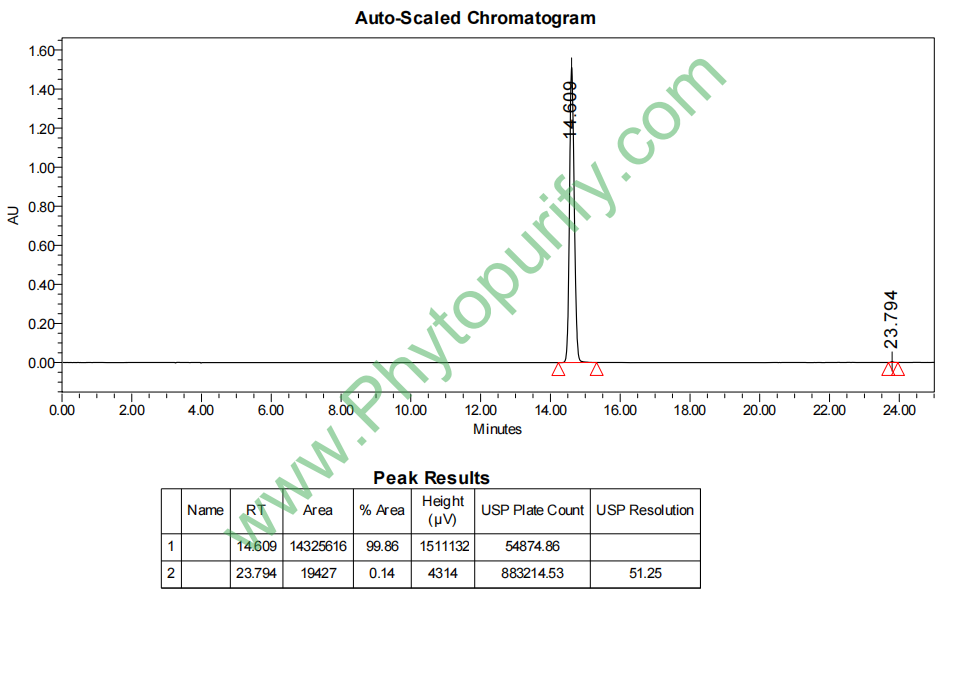
HPLC of 4-Hydroxyphenylacetic acid
Storage conditions:Short-term storage at 2~8℃, long-term storage at -20 ~ -80℃
57.5300
1.1194
-1.3384
4.5537
1.6369
6.5372
Low
77.6689
1.5304
Yes
No
No
No
No
No
0.0
Yes
Yes
Yes
Yes
In the field of natural product chemistry and pharmacology research, the interaction between microbial communities and hosts is increasingly becoming a key factor in revealing disease mechanisms and discovering new therapeutic strategies. Gut microbiota can metabolize complex polyphenolic substances in the diet into more bioavailable and active phenolic acid compounds, which are considered key effector molecules mediating the health benefits of plant-based foods. 4-Hydroxyphenylacetic acid (4-HPA), CAS number 156-38-7, is a highly anticipated metabolite derived from microbial communities. As one of the main degradation products of tyrosine and various dietary polyphenols (such as caffeic acid and flavonoids) in the intestine, 4-HPA stably exists in human plasma and urine, forming an important chemical bridge connecting "diet microbiota host health".
In recent years, numerous studies have revealed that 4-HPA has a wide range of pharmacological activities, particularly centered around its significant antioxidant and anti-inflammatory effects. It can induce the expression of key cellular defense transcription factor Nrf2 (encoded by NFE2L2 gene), thereby activating endogenous antioxidant response, providing a molecular basis for intervening in oxidative stress-related diseases. In addition, the study further suggests that 4-HPA is closely related to the occurrence and development of inflammatory diseases, and its action network involves multiple key inflammatory and pain signaling targets such as TLR4, STAT3, CASP1 (inflammasome), ALOX5/15, and TRPV1. These findings have elevated 4-HPA from a simple metabolic endpoint molecule to a naturally active compound with important physiological regulatory functions and potential therapeutic value.
This article aims to systematically review the chemical properties, natural sources, pharmacological activities, multi-target mechanisms of action, and pharmacological characteristics of hydroxyphenylacetic acid. It also looks forward to its application prospects as a lead compound or dietary supplement in inflammatory diseases and other fields, in order to provide reference for further research and development in related fields.
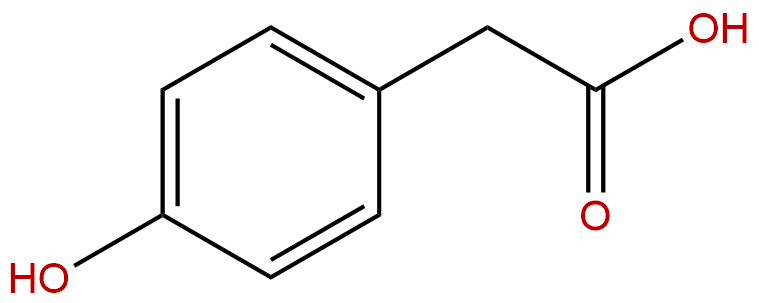
4-Hydroxyphenylacetic acid is a simple phenolic acid with a chemical structure consisting of a benzene ring, a para hydroxyl group (- OH), and an acetic acid side chain (- CH2COOH). Its molecular formula is C8H8O3 and its molecular weight is 152.1490. This structure combines the antioxidant properties of phenolic compounds with the water-soluble properties of carboxylic acids.
Its physicochemical properties have a decisive impact on its biological activity and metabolic behavior. The calculation and experimental data indicate that the logarithm of the lipid water partition coefficient (LogP) of 4-HPA is about 1.1194, indicating that it has a certain degree of lipophilicity, but overall it is still a hydrophilic compound. Its topological polar surface area (TPSA) is 57.53 Å ², reflecting the polarity brought by hydroxyl and carboxyl groups in the molecule. These parameters collectively determine its good water solubility, which is reported to be around 4.55 mg/mL, which is beneficial for its dissolution and transport in biological fluids.
In living organisms, 4-HPA mainly exists in the form of free acids or in combination with glycine, glucuronic acid, etc. The phenolic hydroxyl group in its structure is a key site for exerting antioxidant activity, which can clear free radicals through hydrogen atom transfer or single electron transfer mechanisms. Meanwhile, the presence of carboxyl groups makes it prone to binding reactions, affecting its pharmacokinetic behavior. Preliminary pharmacological screening suggests that 4-HPA has a lower ability to cross the blood-brain barrier, which to some extent limits its direct effects on central nervous system diseases, but may also reduce potential central side effects. Importantly, its hERG inhibition risk is negative, and the Ames test result is 0.0, preliminarily indicating that it has no mutagenicity and significant cardiotoxicity risk, providing favorable early data for its safety assessment.
Hydroxyphenylacetic acid is not widely present in plants in high abundance free form in nature. It is more commonly produced as a metabolic product of endogenous components in plants, such as certain amino acids and phenols, or by symbiotic microorganisms in plants. A small amount of free 4-HPA can be detected in olive oil, certain fungi (such as Ganoderma lucidum), and honey. However, the main source of 4-HPA in the human body is the gut microbiota metabolism of dietary polyphenols.
Foods rich in polyphenols, such as coffee, wine, green tea, berries, nuts, and whole grains, have limited absorption of most of their original compounds in the upper gastrointestinal tract after oral intake, ultimately reaching the colon. The gut microbiota (such as lactobacilli, bifidobacteria, eukaryotes, etc.) gradually depolymerizes and converts these polyphenols through their rich enzyme system (such as esterases, glycosidases, carbon carbon lyases, etc.). For example, hydroxycinnamic acids such as caffeic acid and ferulic acid, as well as certain flavan-3-alcohols, can be converted into simple phenolic acids such as 4-HPA through microbial reactions such as dehydroxylation, demethylation, and ring opening. Therefore, the level of 4-HPA is significantly influenced by individual dietary structure, gut microbiota composition, and function, and is a typical "epigenetic" substance.
Extracting 4-HPA from natural materials typically targets specific sources with relatively high levels, such as fermented foods or specific medicinal fungi. Conventional extraction methods include solvent extraction (commonly using methanol, ethanol, or ethyl acetate aqueous solutions), ultrasound assisted extraction, and microwave-assisted extraction to improve efficiency. Due to the moderate polarity of 4-HPA, methods such as medium low pressure column chromatography (such as silica gel column, macroporous adsorption resin) and preparative high-performance liquid chromatography (HPLC) are often used for separation and purification. Its identification mainly relies on mass spectrometry (MS), nuclear magnetic resonance (NMR, especially 1H NMR and 13C NMR), and high performance liquid chromatography compared with standard samples. At present, the targeted production of 4-HPA through microbial fermentation is also a promising research direction. By using engineering strains or specific strains to convert inexpensive substrates (such as tyrosine) into 4-HPA, it is expected to achieve large-scale preparation.
A large number of pharmacological studies both in vitro and in vivo have shown that p-hydroxyphenylacetic acid has various biological activities, with antioxidant and anti-inflammatory as the core, and extending to fields such as neuroprotection and metabolic regulation.
1. Antioxidant activity: 4-HPA is a clear free radical scavenger. In chemical systems, it can effectively scavenge DPPH and ABTS free radicals and has the ability to reduce iron ions. The antioxidant effect at the cellular level is more important. Research has shown that 4-HPA can significantly alleviate cellular oxidative damage induced by hydrogen peroxide (H2O2), lipopolysaccharide (LPS), or toxic substances, increase cell survival rate, reduce levels of reactive oxygen species (ROS) and malondialdehyde (MDA), and enhance the activity of endogenous antioxidant enzymes such as superoxide dismutase (SOD) and glutathione peroxidase (GPx). This protective effect is closely related to its activation of the Nrf2/ARE signaling pathway.
2. Anti inflammatory activity: The anti-inflammatory effect is one of the most concerned pharmacological properties of 4-HPA. In the LPS induced macrophage (such as RAW264.7) inflammation model, 4-HPA can dose dependently inhibit the production of nitric oxide (NO) and prostaglandin E2 (PGE2), and downregulate the protein and mRNA expression of inducible nitric oxide synthase (iNOS) and cyclooxygenase-2 (COX-2). Meanwhile, it can significantly inhibit the secretion of various pro-inflammatory cytokines such as TNF - α, IL-1 β, IL-6. In animal models, 4-HPA has shown good improvement effects on acute inflammation models (such as carrageenan induced paw swelling in rats) and chronic inflammation models (such as dextran sulfate induced ulcerative colitis), reducing tissue edema, inflammatory cell infiltration, and histopathological damage.
3. Neuroprotective activity: Based on its antioxidant and anti-inflammatory properties, 4-HPA has shown potential in neurological disease models. Research reports that 4-HPA can improve the vitality of Alzheimer's disease model cells and reduce the toxicity induced by β - amyloid protein. In Parkinson's disease models, it may have a protective effect on dopaminergic neurons. Although its blood-brain barrier permeability is low, it may still produce indirect or direct neurological benefits by regulating peripheral inflammation, gut brain axis, or mild central permeability.
4. Metabolic regulatory activity: As a metabolite of gut microbiota, 4-HPA is associated with energy metabolism and glucose and lipid homeostasis. Some studies suggest that 4-HPA may have a positive effect on improving insulin resistance and liver lipid accumulation by affecting the insulin signaling pathway or regulating related enzyme activity, providing clues for its application in metabolic syndrome and non-alcoholic fatty liver disease.
The action of hydroxyphenylacetic acid is not through a single target, but through a complex molecular network, whose core mechanism revolves around regulating oxidative stress and inflammatory signaling pathways.
1. The core activating role of Nrf2/ARE pathway: Nrf2 is the main regulator of cellular antioxidant stress response. In the resting state, Nrf2 binds to its inhibitory protein Keap1 and is degraded by ubiquitination. 4-HPA can interfere with Keap1-Nrf2 interactions and promote Nrf2 nuclear translocation. After entering the nucleus, Nrf2 binds to antioxidant response elements (ARE) and initiates the transcription of a series of downstream phase II detoxifying enzymes and antioxidant proteins (such as HO-1, NQO1, GCLC). This is the fundamental mechanism by which 4-HPA exerts its cellular protective effect.
2. Multiple inhibition of inflammatory signaling pathways:
* TLR4/NF - κ B pathway: TLR4 is a key receptor for recognizing pathogen associated molecular patterns such as LPS. 4-HPA has been shown to inhibit LPS induced TLR4 expression and downstream signaling, thereby suppressing NF - κ B activation. The inactivation of NF - κ B leads to a decrease in the transcription of iNOS, COX-2, and various inflammatory cytokine genes.
* STAT3 pathway: STAT3 is an important transcription factor associated with inflammation and tumorigenesis. 4-HPA can inhibit the phosphorylation (activation) of STAT3, thereby blocking its mediated pro-inflammatory and pro survival signals.
* NLRP3 inflammasome: The activation of inflammasomes is a key step in the mature release of IL-1 β and IL-18. 4-HPA can inhibit the assembly or activation of NLRP3 inflammasomes, reduce the activation of Caspase-1 (CASP1), and thus lower mature IL-1 β levels.
* Lipoxygenase (ALOX5 and ALOX15): 5-Lipoxygenase (ALOX5) and 15 Lipoxygenase (ALOX15) are important enzymes in the arachidonic acid metabolism pathway, catalyzing the production of lipid mediators such as leukotrienes and lipoxygenins, respectively. 4-HPA may inhibit the activity of these enzymes directly or indirectly, regulate the balance of eicosanoids, and tilt towards anti-inflammatory direction.
* Protein tyrosine phosphatase 1B (PTPN1/PTP1B): PTP1B is a negative regulator of the insulin receptor and leptin receptor signaling pathways, and is also associated with inflammation. 4-HPA has been reported to act as an inhibitor of PTP1B, which may be one of its mechanisms for improving insulin sensitivity and exerting anti-inflammatory effects.
* Protein kinase C (PRKCA/PKC) and PI3K γ (PIK3CG): PKC and PI3K γ are important signaling nodes in cells, involved in the activation, migration, and ROS production of inflammatory cells. 4-HPA may affect downstream inflammatory responses by regulating the activity of these kinases.
* Transient receptor potential vanillic acid subtype 1 (TRPV1): TRPV1 is an ion channel involved in pain and neurogenic inflammation. There are studies suggesting that phenolic compounds may regulate the activity of TRPV1, and whether 4-HPA participates in anti nociceptive and anti-inflammatory effects through this target is worth further exploration.
In summary, 4-HPA forms a synergistic antioxidant and anti-inflammatory network by simultaneously acting on Nrf2 activation and multiple inflammatory key targets (TLR4, STAT3, CASP1, etc.), which explains its broad protective effects in different disease models.
Although hydroxyphenylacetic acid is an endogenous metabolite, its pharmacological properties still need to be systematically evaluated as a potential therapeutic agent or lead compound.
Pharmacokinetic characteristics: The pharmacokinetic studies of 4-HPA are relatively limited, but based on its characteristics as a dietary metabolite, it is known that its oral bioavailability is high. After ingestion, it can be rapidly absorbed in the intestine, mainly in the small intestine and colon. The 4-HPA absorbed into the portal vein undergoes major II binding metabolism in the liver, and its main metabolic pathway is the formation of p-hydroxyphenylacetic acid by binding with glycine. It can also bind with glucuronic acid and sulfuric acid. These complexes are excreted in urine through the kidneys, with less excretion of the original drug. Its plasma half-life is relatively short, indicating that frequent administration or use of sustained-release formulations may be necessary for treatment. Due to its low LogP value and the presence of polar groups, its ability to cross the blood-brain barrier is indeed limited, as mentioned earlier.
Analysis of pharmacological parameters: According to the provided parameters, the molecular weight of 4-HPA (152.15) is much less than 500, which meets the Lipinski five rule requirements for the molecular weight of orally active drugs. The LogP value (~1.12) is within the ideal range (usually<5), indicating that it has an appropriate lipophilic hydrophilic balance. The TPSA (57.53 Å ²) is relatively small, which facilitates membrane permeation. Good water solubility (>1 mg/mL) is beneficial for formulation development. Overall, its drug like properties have a strong physical and chemical foundation.
Preliminary safety assessment: The preliminary safety data available is relatively optimistic. The negative inhibition of hERG indicates a low risk of inducing QT interval prolongation in the heart. A negative Ames test indicates no mutagenicity in the testing system. As a naturally occurring substance in the human body, its long-term safety background for consumption is positive. However, as a drug development, comprehensive preclinical toxicology studies are still needed, including acute toxicity, long-term toxicity, reproductive toxicity, etc., to determine the safe dose window.
Formulation development considerations: In order to improve its bioavailability, prolong its action time, or target specific tissues, it may be necessary to develop novel delivery systems, such as nanoparticles, liposomes, or prodrug strategies (such as esterification modification to enhance lipid solubility and BBB penetration).
Hydroxyphenylacetic acid, as a safe and multi-target natural active molecule, has shown broad application prospects in the prevention and treatment of various diseases.
1. Inflammatory bowel disease (IBD): Given the significant effect of 4-HPA in animal models of ulcerative colitis and its unique localization as a metabolite of gut microbiota, it is expected to become an adjuvant therapy or nutritional intervention for IBD. Through oral delivery, it can directly act on the intestinal mucosa, regulating local immunity and oxidative stress.
2. Metabolic disorders: By inhibiting PTP1B and regulating inflammatory status, 4-HPA may have an improvement effect on type 2 diabetes, obesity and nonalcoholic fatty liver disease. Using it as a functional food ingredient or supplement may help manage blood sugar and blood lipids.
3. Neurodegenerative diseases: Although BBB permeability is a challenge, developing prodrugs through structural modifications or utilizing their role in regulating systemic and intestinal inflammation (indirectly affecting the brain through the gut brain axis) may still provide new ideas for the prevention and treatment of Alzheimer's disease and Parkinson's disease.
4. Cardiovascular diseases: Its powerful antioxidant and anti-inflammatory properties help to reduce endothelial dysfunction and vascular inflammation in the process of atherosclerosis.
5. Optimize as a lead compound: The simple structure of 4-HPA provides convenience for chemical modification. It is possible to modify its phenolic hydroxyl, carboxyl, or benzene ring to enhance its activity, targeting, metabolic stability, or BBB penetration, thereby developing more promising new synthetic derivatives.
Challenges and Future Directions Faced:
* Mechanism depth: At present, the interactions between many targets (such as TRPV1, PIK3CG) are still at the level of correlation, and more direct biochemical and structural biology evidence (such as co crystallization, surface plasmon resonance analysis) is needed to confirm.
* In vivo efficacy verification: It is necessary to validate its efficacy in more rigorous animal models of diseases and clarify its effective dosage range.
* Individual differences: The concentration and efficacy in the body are highly dependent on the individual gut microbiota, and standardizing the therapeutic effect is a challenge. In the future, it may be necessary to combine prebiotics or specific probiotics to synergistically increase endogenous 4-HPA levels.
* Clinical translation: Ultimately, rigorous clinical trials need to be designed to evaluate its safety, pharmacokinetics, and efficacy against specific diseases in humans.
Hydroxyphenylacetic acid has gradually emerged as a star molecule that connects diet, microbial ecology, and host health from a common metabolite in the gut microbiota. Its chemical structure is simple, but its pharmacological action network is complex and synergistic. By strongly activating the Nrf2 defense pathway and multi-target inhibition of key inflammatory signals such as TLR4, STAT3, NLRP3, etc., it lays the foundation for its excellent antioxidant and anti-inflammatory activities. The good drug like characteristics and preliminary safety data have laid the foundation for its further development.
The current research has fully revealed the therapeutic potential of 4-HPA in inflammatory, metabolic, and neurodegenerative disease models. In the future, in-depth research on its precise molecular mechanism of action, development of novel derivatives based on its structure, exploration of its synergistic therapeutic strategies with the microbiome, and promotion of standardized clinical research are key steps in transforming this natural product from laboratory discoveries to practical clinical applications. The research on hydroxyphenylacetic acid not only provides lead compounds for the development of new therapeutic drugs, but also profoundly explains the modern scientific connotation of "medicinal food homology", that is, the components in our daily diet are cleverly "processed" by microorganisms in the body, and ultimately become important bioactive substances for maintaining health.
