Introduction/Overview
Parkinson's Disease (PD), as a common neurodegenerative disease, is characterized by progressive loss of dopaminergic neurons in the substantia nigra of the midbrain and formation of Lewy bodies. The continuous increase in the number of PD patients worldwide has brought a heavy burden to society and families. At present, drug therapy mainly using levodopa can alleviate symptoms, but cannot prevent disease progression, and long-term use often accompanies serious exercise complications. Therefore, exploring new therapeutic drugs that can intervene in the pathological process of PD with multiple targets and have both neuroprotective and symptom improving effects has become a hot and difficult topic in current research.
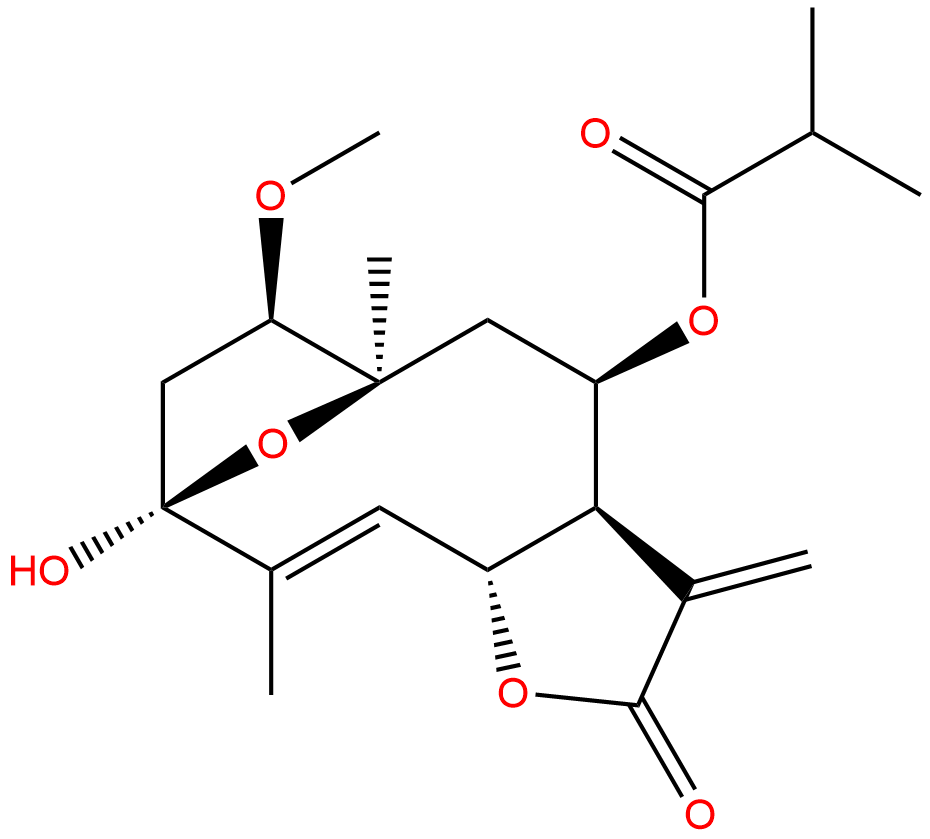
Natural products have always been an important source of innovative drug discovery due to their structural diversity and rich biological activity. Among them, sesquiterpene lactones have attracted much attention due to their significant anti-inflammatory, antioxidant, and neuroprotective activities. 1 β - Methoxydiversifolin, as a structurally unique sesquiterpene lactone, has a CAS number of 110382-36-0. In recent years, with the deepening of network pharmacology, molecular docking, and in vitro experimental research, the multi-target pharmacological potential of this compound in anti Parkinson's disease has gradually emerged. Its function involves regulating energy metabolism, inhibiting neuroinflammation, resisting oxidative stress, regulating cell apoptosis, and affecting key enzyme activity, which are closely related to PD pathology. This article aims to systematically review the chemical properties, plant sources, pharmacological activities, mechanisms of action, and pharmacological properties of 1 β - methoxyschisandrin, in order to provide comprehensive scientific references for the development of anti PD drugs based on this compound.
Chemical structure and physicochemical properties
1 β - methoxyschisandrin belongs to the class of guaiaceae sesquiterpenoid lactones. Its core skeleton is a fused system of a ten membered ring and a five membered lactone ring, which is the structural basis of its biological activity. The characteristic modification of this compound is the presence of a methoxy group (- OCH ∝) at its C-1 position, which may have a critical impact on the polarity, spatial conformation, and binding mode with the target protein of its molecule. Its C-12 or C-13 position is usually connected to an α - methylene - γ - butyrolactone group, which is an important pharmacophore for many sesquiterpene lactones to exert biological activity. It often undergoes Michael addition reactions with nucleophilic thiol groups (such as cysteine residues) in proteins, thereby covalently modifying the target and affecting its function.
According to the analysis of drug parameters, the molecular weight of this compound is 380.4370, which belongs to the category of small molecule compounds and meets the basic requirements of drug like molecules. The calculated lipid water partition coefficient (LogP) is 1.5002, indicating that it has moderate lipophilicity, which is beneficial for penetrating cell membranes and avoiding the problems of rapid metabolism or poor distribution caused by high lipid solubility. Its topological polar surface area (TPSA) is 91.2900 Å ², which is a moderate value, indicating that it may have good membrane permeability. The water solubility value is 0.5513, which belongs to the category of slight solubility. This may be a potential limiting factor for its oral absorption, but with the assistance of formulation technology (such as making nano formulations, cyclodextrin inclusion complexes, etc.), it is expected to be improved. Of particular importance is that its blood-brain barrier (BBB) penetration is predicted to be "high", which is a crucial prerequisite for therapeutic drugs for central nervous system diseases such as PD, indicating that the compound has the potential to achieve effective therapeutic concentrations at central targets. In addition, preliminary toxicity predictions showed no risk of hERG channel inhibition (low risk of arrhythmia) and an Ames test result of 0.0 (no mutagenicity), providing preliminary positive signals for its safety.
Plant sources and extraction methods
1 β - methoxyschisandrin is mainly isolated from Asteraceae plants, especially in Houttuynia genus(Ageratum)And Zelan genus(Eupatorium)Some species have relatively abundant content. For example, it has been found in the aboveground parts (stems, leaves, flowers) of various Houttuynia cordata plants. These plants are widely distributed in tropical and subtropical areas and are often used in folk medicine to treat inflammation, fever and infectious diseases, which indirectly suggests that their secondary metabolites may have anti-inflammatory and other biological activities.
Extracting and isolating 1 β - methoxyschisandrin from plant materials usually follows the conventional process of natural product chemistry. Firstly, organic solvents such as methanol, ethanol, or acetone are used to extract the dried and crushed plant materials by cold soaking or heating reflux, in order to fully dissolve the secondary metabolites, including the target compound. Subsequently, crude extract was obtained by vacuum concentration. Crude extracts are often subjected to preliminary fractionation using liquid-liquid extraction methods, such as sequentially extracting with solvents with increasing polarity such as petroleum ether, ethyl acetate, n-butanol, etc. The target compounds are often enriched in the moderately polar ethyl acetate fraction.
Further purification relies on various chromatographic techniques. Silica gel column chromatography is commonly used as the main separation method, using different ratios of petroleum ether ethyl acetate or chloroform methanol gradient elution to separate the components based on polarity differences. Subsequently, the flow containing the target compound can be further purified by reversed-phase silica gel (such as C18) column chromatography, dextran gel (Sephadex LH-20) column chromatography or high performance liquid chromatography (HPLC) until the monomer compound is obtained. The structural identification of compounds involves the comprehensive use of modern spectroscopic techniques, including nuclear magnetic resonance (¹ H-NMR, ¹ ³ C-NMR, 2D-NMR such as COSY, HSQC, HMBC), mass spectrometry (MS, HR-MS), and infrared spectroscopy (IR), to ultimately determine their planar and stereoisomeric configurations. At present, there are few reports on the total synthesis of this compound, and its supply mainly relies on plant extraction and isolation.
Pharmacological activity research
The pharmacological research on 1 β - methoxyschisandrin leaves is currently in the preclinical stage, but it has shown remarkable multiple activities, especially targeting the pathological stages of Parkinson's disease.
1. Neuroprotective and anti apoptotic activity: In various PD cell models, such as MPP ⁺ or 6-OHDA induced PC12 cells and SH-SY5Y cell injury models, 1 β - methoxyschisandrin showed a significant increase in cell survival rate. Its mechanism is closely related to the inhibition of mitochondrial pathway induced cell apoptosis. Research has shown that it can upregulate the expression of anti apoptotic protein Bcl-2 and downregulate the expression of pro apoptotic protein Bax, stabilize mitochondrial membrane potential, reduce the release of cytochrome C, thereby blocking the activation of caspase cascade reaction and protecting dopaminergic neurons from programmed cell death.
2. Antioxidant activation: Oxidative stress is the core factor causing neuronal damage in PD. This compound can effectively scavenge free radicals such as DPPH and ABTS, demonstrating direct antioxidant capacity. In cell models, it can reduce the abnormal increase in reactive oxygen species (ROS) and malondialdehyde (MDA) levels induced by neurotoxins, and enhance the activity of endogenous antioxidant enzymes such as superoxide dismutase (SOD) and glutathione peroxidase (GSH Px), restoring the redox balance of cells.
3. Anti neuroinflammatory activity: Chronic neuroinflammation mediated by microglia plays a "booster" role in the progression of Parkinson's disease. 1 β - methoxyschisandrin can inhibit the excessive release of inflammatory mediators, including nitric oxide (NO), prostaglandin E2 (PGE2), tumor necrosis factor - α (TNF - α), interleukin-1 β (IL-1 β), and IL-6, in microglia (such as BV2 cells) activated by lipopolysaccharide (LPS). This anti-inflammatory effect is closely related to its inhibition of the activation of the nuclear factor kappa B (NF - κ B) signaling pathway.
4. Enzyme inhibitory activity: This compound exhibits inhibitory potential against multiple key enzymes associated with PD pathology. Its inhibition of monoamine oxidase A (MAO-A) may help reduce the degradation of dopamine in synaptic cleft, thereby indirectly improving the efficiency of dopaminergic neurotransmission. The inhibition of β - secretase 1 (BACE1) suggests that it may intervene in the abnormal aggregation or processing of α - synuclein (although BACE1 is mainly associated with Alzheimer's disease, its role in PD is also of concern). The inhibition of aldose reductase (AKR1B1) and lipoxygenase (ALOX15) is respectively associated with combating oxidative stress and inflammatory response.
Mechanism of action and molecular targets
Based on network pharmacology prediction and preliminary experimental verification, 1 β - methoxyschisandrin may synergistically exert anti PD effects by acting on a complex target network. Its core mechanism of action can be summarized as follows:
1. Activate the AMPK signaling pathway to regulate energy metabolism and autophagy: AMP activated protein kinase (AMPK, encoded by PRKAA1) is a core sensor of cellular energy metabolism. In PD, mitochondrial dysfunction leads to energy crisis. 1 β - methoxyschisandrin may act as an activator of AMPK, promoting glucose uptake and fatty acid oxidation to produce ATP and alleviate neuronal energy depletion. Meanwhile, activated AMPK can induce protective autophagy by inhibiting the mTOR pathway, clearing damaged mitochondria and misfolded protein aggregates (such as alpha synuclein), which is one of the key mechanisms of its neuroprotective effect.
2. Inhibit the TLR4/NF - κ B inflammatory axis: Toll like receptor 4 (TLR4) is a key pattern recognition receptor that initiates neuroinflammation. This compound may directly or indirectly inhibit the activation of TLR4, thereby blocking its downstream myeloid differentiation factor 88 (MyD88) dependent pathway, inhibiting the I κ B kinase (IKK) complex, preventing the phosphorylation and degradation of NF - κ B inhibitory protein (I κ B), and ultimately preventing NF - κ B dimers from entering the nucleus, thereby inhibiting the transcription of numerous pro-inflammatory cytokines and inflammatory mediators such as inducible nitric oxide synthase (iNOS) and cyclooxygenase-2 (COX-2).
3. Regulating the balance of apoptosis related proteins: Its anti apoptotic effect is directly related to the regulation of Bcl-2 family proteins. By upregulating the expression ratio of Bcl-2 (anti apoptotic) and/or downregulating Bax (pro apoptotic), stabilizing mitochondrial outer membrane permeability and preventing the release of apoptotic factors. In addition, its potential inhibitory effect on protein tyrosine phosphatase 1B (PTPN1) may enhance insulin/insulin-like growth factor signaling, which has neuroprotective and pro survival effects.
4. Intervention in DNA repair and genome stability: The potential effects of APEX1 and BLM on purine/pyrimidine free endonuclease 1 and RecQ DNA helicase suggest that this compound may be involved in regulating DNA damage repair caused by oxidative stress. Maintaining genomic stability is crucial for long-term survival of neurons to resist chronic damage.
5. Synergistic effect of multiple enzyme inhibition: As mentioned earlier, inhibition of multiple enzymes such as MAOA, BACE1, ALOX15, AKR1B1, etc. forms a multi angle collaborative attack network: MAOA inhibition protects dopamine; BACE1 inhibition may affect protein metabolism; ALOX15 inhibits and reduces the production of pro-inflammatory leukotrienes; AKR1B1 inhibits and reduces the accumulation of toxic aldehydes and the production of inflammatory mediators.
Evaluation of drug properties and pharmacokinetics
Although 1 β - methoxyschisandrin has demonstrated excellent pharmacological activity in vitro, its development into a drug still requires systematic drug like and pharmacokinetic (PK) evaluations.
Drug analysis: According to the physical and chemical parameters mentioned earlier, this compound basically conforms to Lipinski's "Rule of Five", indicating that it has good oral absorption potential. Moderate LogP and TPSA are beneficial for its penetration into biofilms. The prediction of high blood-brain barrier penetration is one of its greatest advantages in treating PD. The absence of hERG inhibition and Ames mutagenicity alerts has given the green light for its preclinical safety assessment. However, its slightly soluble nature is a pharmaceutical challenge that requires special attention. By developing appropriate drug delivery systems such as solid dispersions, liposomes, self microemulsions, etc., it is expected to significantly improve their bioavailability.
Prospects for pharmacokinetic research: At present, there is still a gap in the in vivo pharmacokinetic studies of the 1 β - methoxy schisandrin system, which is a key data gap that must be filled for its development. Future research needs to focus on:
* Absorption: Is there a first pass effect on the absorption rate and degree in the gastrointestinal tract after oral administration.
* Distribution: The distribution characteristics of tissues in the body, especially whether effective therapeutic concentrations can be achieved and maintained in brain tissue, verify its BBB penetration ability.
* Metabolism: The main metabolic pathways, enzymes (such as CYP450 isoenzymes), and their metabolites in the liver. The α - methylene - γ - butyrolactone structure of sesquiterpene lactones may make them substrates for glutathione (GSH), and attention should be paid to their binding metabolism with GSH and their effects on cellular redox status.
* Excretion: Mainly excreted through the kidneys or bile, eliminating the half-life.
* Drug interactions: Based on its potential impact on CYP450 enzymes, evaluate the risk of interaction when used in combination with other drugs.
Comprehensive in vitro metabolic stability experiments (liver microsomes, liver cells), CYP enzyme inhibition/induction experiments, and in vivo PK studies in animal models such as rats and mice are necessary steps to promote the development of this compound.
Clinical application prospects and prospects
As a natural lead compound with multi-target anti PD potential, 1 β - methoxyschisandrin has broad clinical application prospects, but the road ahead is long and full of challenges.
Potential application directions:
1. As a lead compound for novel multi-target anti PD drugs: Its greatest value lies in providing a chemical framework that can simultaneously intervene in multiple core pathological processes of PD, including energy metabolism disorders, neuroinflammation, oxidative stress, and cell apoptosis. Through further chemical modification and optimization (such as improving solubility, enhancing target selectivity, and improving metabolic stability), it is expected to develop a new generation of PD therapeutic drugs with better efficacy than existing single target drugs.
2. As a component of disease modifying therapy: The current PD treatment mainly targets symptoms, and the neuroprotective potential exhibited by this compound suggests that it may have a "disease modifying" effect that delays or prevents disease progression. It is possible to explore the combination therapy with drugs such as levodopa, which can improve symptoms while protecting residual neurons and delaying the course of the disease.
3. Expand other indications: Its broad-spectrum activities of anti-inflammatory, antioxidant, and anti apoptotic also make it of exploratory value in the treatment of other neurodegenerative diseases (such as Alzheimer's disease), ischemic stroke, and certain chronic inflammatory diseases.
Challenges and future research directions:
1. In depth target validation and mechanism elucidation: At present, the target of action is mostly based on computational prediction and indirect evidence, and it is urgent to use surface plasmon resonance (SPR), cell thermal shift analysis (CETSA), drug affinity reaction target stability (DARTS) and other technologies to directly verify its interaction with key targets such as AMPK and TLR4. And its overall efficacy needs to be validated in more complex models, such as alpha synuclein transgenic mice.
2. System pharmacology and safety evaluation: Conduct standardized preclinical pharmacological studies to determine the effective dose and dose-response relationship in animal models. At the same time, comprehensive safety evaluations must be conducted on acute toxicity, long-term toxicity, reproductive toxicity, and other factors.
3. Overcoming the bottleneck of traditional Chinese medicine: Conduct systematic pharmaceutical research to address the issue of poor water solubility. Explore its prodrug strategy to improve its PK properties.
4. Exploring collaborative treatment strategies: Studying its combined application with other drugs or natural products with complementary mechanisms may result in synergistic effects and reduced single drug doses.
Conclusion
In summary, 1 β - methoxyschisandrin is a structurally unique sesquiterpene lactone derived from Asteraceae plants. Its outstanding multi-target pharmacological activity, especially in neuroprotection, antioxidant, anti-inflammatory, and key enzyme inhibition, has shown great potential in the development of anti Parkinson's disease drugs. Its excellent drug like parameters, especially the predicted high blood-brain barrier penetration ability, have laid a solid foundation for its treatment of central nervous system diseases. However, there is still a lot of work to be done from lead compounds to candidate drugs, including confirming their molecular targets, elucidating detailed mechanisms of action, completing systematic pharmacokinetic and safety evaluations, and optimizing their drug properties through formulation or chemical modifications. With the in-depth exploration of these scientific issues, 1 β - methoxyschisandrin is expected to provide important candidate molecules for the development of novel anti PD drugs with disease modifying effects, and also provide useful references for exploring complex disease treatment strategies from natural products.