Introduction/Overview
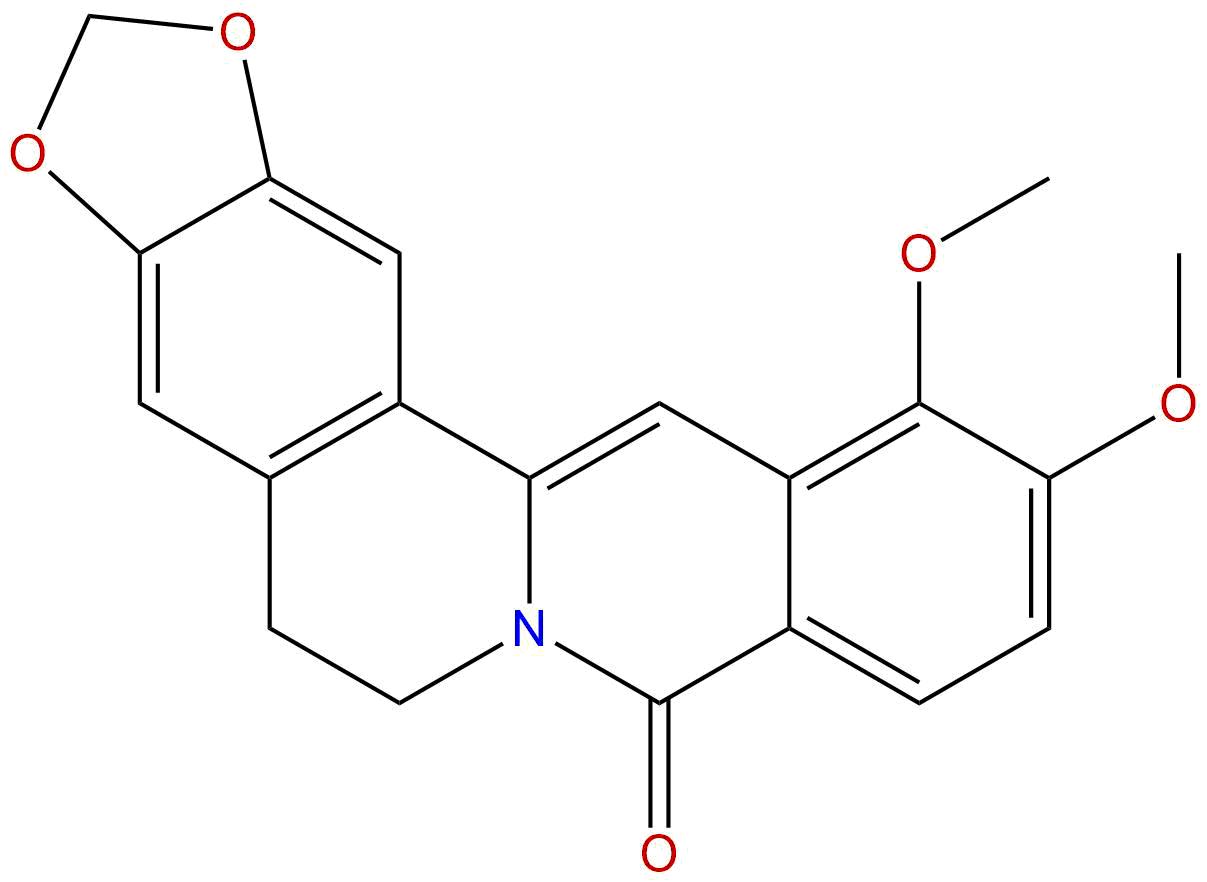
8-Keto berberine (CAS number: 81397-08-2), as an important alkaloid derivative, has attracted widespread attention in the field of natural product pharmacology in recent years. Its structure is based on the classic berberine skeleton, which has undergone 9,10-oxygenation and non natural 11,12-oxygenation modifications, endowing it with unique chemical properties and biological activity. Berberine compounds have shown good potential in the treatment of metabolic diseases such as diabetes due to their multi-target and multifunctional pharmacological effects. As a new derivative of this class of compounds, 8-ketoberberine shows significant anti diabetes activity, involving multiple metabolic regulation pathways and key molecular targets.
The purpose of this paper is to systematically review the chemical structure, physical and chemical properties, plant sources and extraction methods of 8-ketoberberine, with emphasis on its pharmacological activity and mechanism of action, analyze its pharmacokinetic characteristics in combination with pharmaceutical parameters, and explore its clinical application prospects and development direction in the field of anti diabetes, in order to provide theoretical support and research ideas for the pharmacological research of natural products and the development of new drugs.
Chemical structure and physicochemical properties
8-ketoberberine is an oxygenated derivative based on the structure of berberine, with the molecular formula C20H17NO5 and a molecular weight of 351.3580. Its structural features include the formation of oxygen bridges at positions 9 and 10, as well as non natural oxygenation modifications at positions 11 and 12. This dual oxygenation alters the electronic distribution and spatial configuration of the molecule, thereby affecting its binding affinity and pharmacological activity with biological targets.
In terms of physical and chemical properties, the LogP value of 8-ketoberberine is 2.8592, indicating its moderate lipid solubility, which is beneficial for cell membrane penetration and in vivo distribution. The polar surface area (TPSA) is 58.92 Å ², indicating moderate polarity and favorable interaction with protein targets. The low water solubility (0.0054 mg/mL) may limit its oral bioavailability, but it also suggests the need to improve the formulation or optimize the administration route to enhance its clinical application potential. The high permeability of the blood-brain barrier suggests that it may have central nervous system effects or potential neuroprotective functions. The negative result of hERG channel inhibition experiment indicates a low risk of cardiac toxicity. The Ames mutagenicity test value is 1.8, indicating a low risk of genotoxicity and meeting safety requirements.
Plant sources and extraction methods
Although 8-ketoberberine is a non natural 11,12-oxoderivative, its parent compound, berberine, is widely present in traditional Chinese medicine such as Coptis chinensis and Phellodendron amurense. Through chemical modification or microbial transformation techniques in the biosynthetic pathway, 8-ketoberberine can be obtained.
Common extraction methods include:
-
Solvent extraction Using polar organic solvents such as methanol and ethanol for reflux extraction of plant materials containing berberine, followed by enrichment and purification through liquid-liquid distribution, column chromatography, and other methods.
-
chemical modification Using berberine as the starting material, 8-ketoberberine is synthesized through oxidation at positions 9, 10, and 11, 12 using oxidants such as hydrogen peroxide and persulfate under specific reaction conditions.
-
biotransformation The application of specific microbial strains or enzyme catalytic systems for directed oxidation modification of berberine has the advantages of high selectivity and environmental friendliness.
During the extraction and purification process, it is necessary to combine high-performance liquid chromatography (HPLC), mass spectrometry (MS), and nuclear magnetic resonance (NMR) techniques to confirm the structure and detect the purity of the product, ensuring the acquisition of high-purity 8-ketoberberine for pharmacological research.
Pharmacological activity research
The pharmacological activity of 8-ketoberberine in the field of anti diabetes has been preliminarily verified. Its main manifestations are:
-
lower blood sugar: In vivo experiments show that 8-ketoberberine can significantly reduce fasting blood glucose and postprandial blood glucose levels in diabetes model animals, and improve glucose tolerance.
-
Improving insulin resistance By enhancing the insulin signaling pathway, promoting glucose uptake and metabolism, and alleviating insulin resistance.
-
Regulating lipid metabolism Some studies have shown that it can regulate blood lipids, reduce plasma triglycerides and cholesterol, and help to improve the metabolic syndrome associated with diabetes.
-
Anti inflammatory and antioxidant properties 8-ketoberberine can inhibit the release of inflammatory factors, alleviate oxidative stress damage, and protect pancreatic beta cell function.
In addition, due to its high permeability of blood brain barrier, researchers also pay attention to its potential role in diabetes neuropathy and central metabolic regulation.
Mechanism of action and molecular targets
The anti diabetes effect of 8-ketoberberine involves multi-target and multi-channel regulation, and the main targets and mechanisms include:
-
AMPK(5' AMP-activated protein kinase,PRKAA1)As a key regulator of energy metabolism, AMPK activation promotes glucose uptake and fatty acid oxidation. 8-ketoberberine can activate AMPK, promote downstream metabolic regulation, and improve insulin sensitivity.
-
SGLT2 (Sodium Glucose Co Transporter 2)By inhibiting renal glucose reabsorption, promoting urinary glucose excretion, and lowering blood sugar levels. 8-ketoberberine may indirectly regulate the expression or function of SGLT2 and exert hypoglycemic effects.
-
GCK (Glucokinase)As a rate limiting enzyme in glucose metabolism, the increase in GCK activity contributes to glucose sensing and insulin secretion in pancreatic beta cells.
-
PPARG (Peroxisome proliferator activated receptor gamma)Regulating lipid metabolism and insulin sensitivity. 8-ketoberberine may improve lipid metabolism disorders by activating PPARG.
-
AKT1 (protein kinase B)An important node in the insulin signaling pathway that promotes glucose transport and metabolism. 8-ketoberberine enhances AKT1 phosphorylation and promotes signal transduction.
-
DPP4 (dipeptidyl peptidase 4)Degradation of glucagon like peptide-1 (GLP-1), whose inhibition helps prolong the action of insulin secretion promoting factors. 8-ketoberberine may inhibit DPP4 activity and enhance GLP-1 effect.
-
IRS1 (Insulin Receptor Substrate 1)A key protein involved in insulin signaling, regulating glucose metabolism. 8-ketoberberine promotes the activity of IRS1 and improves insulin sensitivity.
-
SLC2A4(GLUT4)Glucose transporters in muscles and adipocytes promote glucose uptake. 8-ketoberberine promotes the translocation of GLUT4 to the cell membrane and enhances glucose uptake.
-
PIK3R1 (Phosphatidylinositol 3-kinase regulatory subunit)Regulating insulin signaling and promoting glucose metabolism. 8-ketoberberine promotes metabolic homeostasis by regulating the PI3K pathway.
To sum up, 8-ketoberberine can regulate glucose metabolism, lipid metabolism and insulin signaling pathway through multi target synergy, and play a comprehensive anti diabetes effect.
Evaluation of drug properties and pharmacokinetics
The development of medicinal properties is a crucial step in the development of natural product drugs. The pharmacological parameters of 8-ketoberberine show:
-
Molecular weight 351.36 The ideal range that conforms to Lipinski's rules is conducive to oral absorption.
-
LogP 2.86 Moderate lipid solubility helps with cell membrane permeability, but low water solubility (0.0054 mg/mL) may limit bioavailability and needs to be improved through formulation techniques.
-
TPSA 58.92 ŲModerate polarity is beneficial for target binding and in vivo distribution.
-
High blood-brain barrier penetration It is suggested that it may be used for central nervous system related diseases, but potential central side effects should also be considered.
-
HERG inhibition negative Reduce the risk of cardiac toxicity.
-
Ames test 1.8 The risk of genotoxicity is low and the safety is good.
In terms of pharmacokinetics, although specific in vivo metabolism and excretion data are still lacking, based on molecular structure and physicochemical properties, it is speculated that 8-ketoberberine may undergo liver metabolism, mainly through CYP450 enzyme system metabolism, and the metabolites need further identification. Its high blood-brain barrier permeability suggests a possible high distribution concentration in brain tissue. In the future, systematic pharmacokinetic studies need to be conducted, including oral absorption rate, bioavailability, half-life, tissue distribution, and metabolic pathways, to guide clinical medication design.
Clinical application prospects and prospects
Diabetes and its complications are a major challenge to global public health. the existing drugs have limited efficacy, obvious side effects and other problems, and new safe and effective therapeutic drugs are urgently needed. 8-ketoberberine shows good clinical application potential with its multi target, multi mechanism anti diabetes effect.
Future research directions include:
-
Preclinical efficacy and safety evaluation The animal model of the system is used to verify its efficacy, toxicology, and safety, laying the foundation for clinical trials.
-
Formulation development and optimization of administration routes Develop nano formulations, liposomes, or solid dispersions to improve their bioavailability due to their low water solubility.
-
Combination therapy strategy Combining existing hypoglycemic drugs, explore their synergistic effects, reduce monotherapy doses, and minimize side effects.
-
Expansion of indications for multiple diseases In view of its blood brain barrier permeability, explore its application in metabolic related nervous system diseases such as diabetes neuropathy and Alzheimer's disease.
-
In depth study of mechanisms By utilizing modern technologies such as genomics and proteomics, we can further reveal its functional network and signaling pathways, and guide precise medication.
In conclusion, as a new natural product derivative, 8-ketoberberine has the potential to become a new anti diabetes drug, which is worth increasing research and development investment and clinical transformation research.
Conclusion
As a unique oxygenated derivative of protoberberine, 8-ketoberberine has become a hot topic in natural product pharmacology due to its excellent physical and chemical properties and multi-target anti diabetes activity. It significantly improves glucose metabolism disorders by activating AMPK, regulating insulin signaling pathways, and glucose transporters through multiple mechanisms, demonstrating promising therapeutic prospects. The evaluation of drug properties indicates that it has good safety, but its water solubility and bioavailability still need to be optimized. In the future, it is necessary to combine modern medicinal chemistry and pharmacology methods to deeply explore its pharmacokinetic characteristics, conduct systematic preclinical and clinical research, and promote its translation into clinical applications. The study of 8-ketoberberine not only enriched the pharmacological knowledge of berberine natural products, but also provided new ideas and candidate drugs for the treatment of diabetes and related metabolic diseases.