Introduction/Overview
Natural products, as an important source of drug discovery, have long contributed numerous lead compounds with novel structures and unique activities to human health. With the continuous deepening of interdisciplinary research in plant chemistry and pharmacology, many natural small molecules with potential therapeutic value have been discovered and their biological functions have been elucidated. Aurantiamide is one of them, which is a natural dipeptide alkaloid originating from the plant kingdom. In recent years, it has received widespread attention due to its unique pharmacological activity and clear molecular targets.
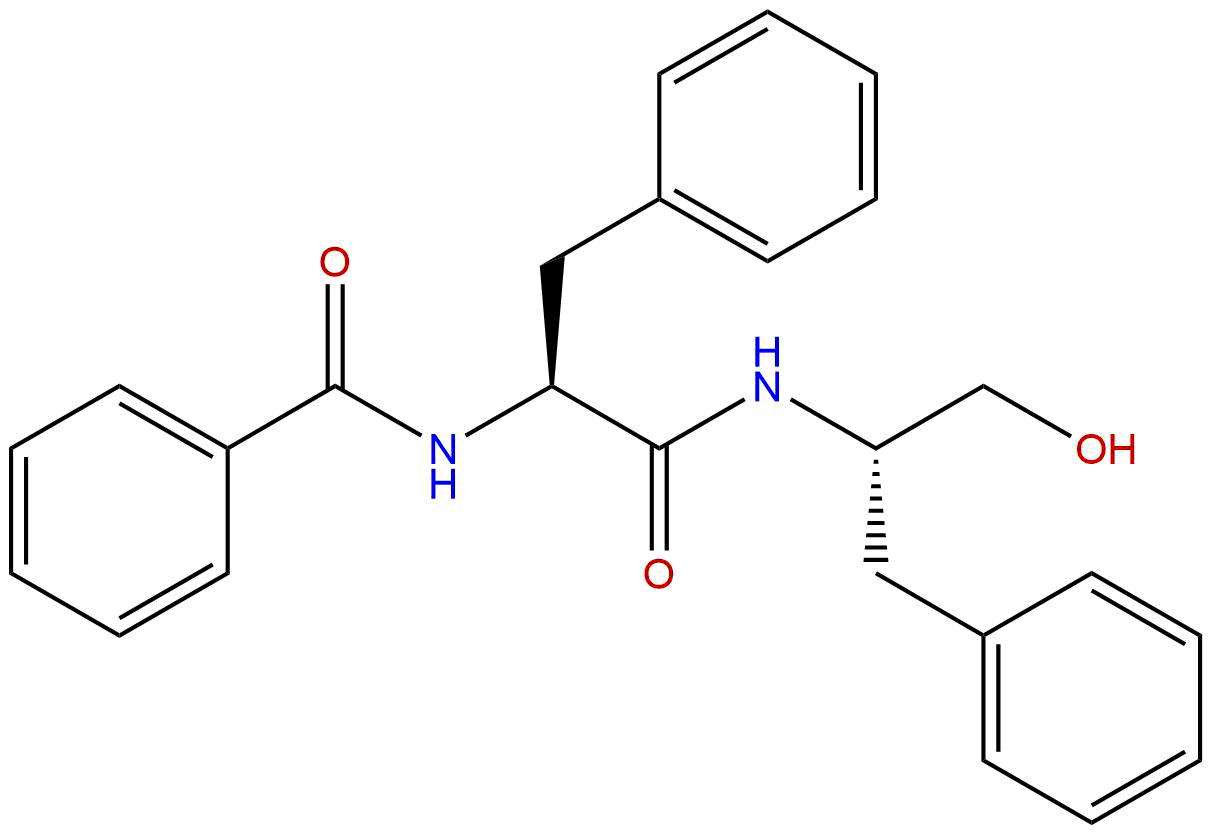
Orange pepper amide was initially isolated from Rutaceae plants, and its chemical structure belongs to N-benzoylphenylalanyl-phenylalanol compounds. Early research mainly focused on its chemical taxonomic significance as a plant metabolite, but with further exploration of its biological activity, researchers found that the compound has significant anti-inflammatory, antioxidant, and neuroprotective effects. Of particular note is that orange pepper amide has been identified as a non covalent, orally effective, and selective antagonist of the gastrin releasing peptide receptor (GRPR) that can cross the blood-brain barrier. GRPR belongs to the G protein coupled receptor family and plays a crucial role in various physiological and pathological processes, including inflammatory response, cell proliferation, pain transmission, and neurodegenerative disorders.
In recent years, breakthrough progress has been made in the research of orange pepper amide. In the acute kidney injury (AKI) model, this compound significantly reduces renal tissue inflammation and oxidative stress by inhibiting the GRPR mediated necrotic apoptosis pathway (such as RIPK3/MLKL signaling) and NF - κ B inflammatory pathway, demonstrating activity in protecting renal function and improving endothelial function. In the Alzheimer's disease (AD) model, orange pepper amide can inhibit the polarization of microglia towards M1 pro-inflammatory phenotype and block the activation of NLRP3 inflammasome, thereby improving cognitive function. In addition, it also exhibits in vivo inhibitory effects in acute kidney injury models such as ischemia/reperfusion, sepsis, and hypertension models. These findings not only reveal the therapeutic potential of orange pepper amide as a GRPR antagonist, but also provide important clues for the development of new drugs targeting GRPR related diseases. This article will provide a systematic review of the research progress on orange pepper amide from the aspects of chemical structure, plant origin, pharmacological activity, mechanism of action, and medicinal properties.
Chemical structure and physicochemical properties
The chemical name of orange pepper amide is N-benzoyl-L-phenylalanyl-L-phenylalaninol, with a molecular formula of C ₂₅ H ₂₆ N ₂ O3 and a molecular weight of 402.4940 g/mol. Structurally, this compound belongs to dipeptide alkaloids, which are composed of three parts: benzoic acid, L-phenylalanine, and L-phenylpropanol, connected by amide bonds. Specifically, the benzoyl group forms an amide bond with the alpha amino group of L-phenylalanine, while the carboxyl group of L-phenylalanine condenses with the amino group of L-phenylpropanol to form a second amide bond. This unique dipeptide backbone endows orange pepper amide with amphiphilic characteristics, enabling it to interact with various biological targets.
In terms of physicochemical properties, the lipid water partition coefficient (LogP) of orange pepper amide is 2.4372, indicating its moderate lipophilicity, which facilitates transmembrane transport and binding to receptors in the lipid environment. Its topological polar surface area (TPSA) is 78.4300 Å ², which is within the acceptable range for oral medication (usually<140 Å ²), indicating its good oral absorption potential. In terms of water solubility, the solubility of orange pepper amide is 0.0438 mg/mL, which is a low solubility compound. This may limit its bioavailability to some extent, but it can be improved through formulation technology.
It is worth noting that orange pepper amide has been reported to have low blood-brain barrier permeability, which seems to contradict some studies showing that it can enter the central nervous system and exert neuroprotective effects. In fact, 'low' permeability does not mean that it cannot be transmitted at all, but rather that its transmission rate or degree is relatively low. Under pathological conditions, the permeability of the blood-brain barrier may change, allowing more drug molecules to enter the brain parenchyma. In addition, GRPR is widely distributed in the central nervous system, and orange pepper amide, as a selective antagonist, may still produce pharmacological effects by binding to high affinity receptors even at low concentrations when entering the brain. Therefore, the evaluation of its blood-brain barrier permeability needs to be comprehensively analyzed in conjunction with specific pathological models and medication regimens.
From the perspective of drug safety, the hERG inhibition test result of orange pepper amide is negative, indicating a low risk of causing QT interval prolongation and arrhythmia in the heart. The Ames test result is 0.0, indicating that the compound did not exhibit mutagenicity in the bacterial recovery mutation test, and the preliminary genetic toxicity assessment is good. These data provide a safety basis for the further development of orange pepper amide.
Plant sources and extraction methods
Orange pepper amide was initially isolated and identified from plants in the Rutaceae family, especially from plants in the Zanthoxylum and Toddalia genera, where its content is relatively abundant. In addition, the presence of this compound has also been detected in various plants such as Asteraceae, Fabaceae, and Piperaceae. This widespread plant distribution suggests that orange pepper amide may play an important ecological role in the plant kingdom, such as resisting pathogenic microorganisms or insect invasion.
In terms of extraction methods, traditional plant chemical separation processes typically include the following steps: first, dry plant materials (such as roots, stems, or bark) are crushed and then soaked or refluxed with organic solvents (such as methanol, ethanol, or ethyl acetate) for extraction. After the extraction solution is concentrated under reduced pressure, crude extract is obtained. Subsequently, the crude extract is segmented by polarity using liquid-liquid extraction method, usually using petroleum ether, chloroform, ethyl acetate, and n-butanol for sequential extraction. Orange pepper amide is mainly enriched in the ethyl acetate or chloroform extraction sites due to its equipolarity.
Further purification mainly relies on column chromatography technology. Common stationary phases include silica gel, reverse silica gel (such as C18) and Sephadex LH-20 gel. Taking silica gel column chromatography as an example, gradient elution is usually performed using solvent systems such as chloroform methanol or n-hexane ethyl acetate. Collect fractions containing the target compound through thin-layer chromatography (TLC) monitoring. For impurities with similar structures, it may be necessary to refine them using preparative HPLC to obtain orange pepper amide monomers with a purity of over 98%.
In recent years, with the promotion of green chemistry concepts, new technologies such as supercritical fluid extraction (SFE) and microwave-assisted extraction (MAE) have also been attempted for the extraction of orange pepper amide. These methods have the advantages of high extraction efficiency, low solvent consumption, and environmental friendliness, and are expected to replace traditional organic solvent extraction methods. However, due to the typically low content of orange pepper amide in plants (usually 0.01% -0.1% of dry weight), large-scale production still faces cost challenges. In the future, efficient preparation of this compound through plant tissue culture or chemical synthesis will be the key to promoting its clinical translation.
Pharmacological activity research
Anti acute kidney injury activity
Acute kidney injury is a clinical syndrome characterized by a rapid decline in renal function, commonly induced by ischemia/reperfusion, sepsis, and nephrotoxic drugs. Research has confirmed that orange pepper amide exhibits significant protective effects in various AKI models. In the AKI mouse model induced by ischemia/reperfusion, intraperitoneal injection of orange pepper amide can significantly reduce serum creatinine and urea nitrogen levels, alleviate renal tubular injury and cell necrosis. Histopathological analysis showed that the infiltration of inflammatory cells, tubular formation, and epithelial cell shedding in the renal tissue of the treatment group were significantly reduced. In sepsis related AKI models, orange pepper amide is also effective, and its protective effect is closely related to the inhibition of GRPR mediated RIPK3/MLKL necrotic apoptosis pathway. In addition, the compound can also reduce the level of reactive oxygen species (ROS) in renal tissue, enhance antioxidant enzyme activity, and alleviate oxidative stress damage.
Neuroprotection and anti Alzheimer's disease activity
Alzheimer's disease is the most common neurodegenerative disease, characterized by deposition of beta amyloid protein, neurofibrillary tangles, and chronic neuroinflammation. Microglia, as intrinsic immune cells of the central nervous system, play a dual role in the pathogenesis of Alzheimer's disease. M1 type microglia release pro-inflammatory cytokines, exacerbating nerve damage; The M2 type plays a repairing and protective role. Research has found that orange pepper amide can effectively inhibit the polarization of microglia towards M1 type and promote their transformation towards M2 type. In the AD mouse model, long-term oral administration of orange pepper amide can significantly improve the spatial learning and memory abilities of mice, reduce the deposition of A β plaques in the hippocampus, and decrease the activation level of NLRP3 inflammasome. These results indicate that orange pepper amide provides a new candidate strategy for the treatment of Alzheimer's disease by regulating neuroinflammatory responses.
Anti inflammatory and antioxidant activity
In addition to the aforementioned disease models, orange pepper amide exhibits broad-spectrum anti-inflammatory activity in various inflammatory models. In macrophages stimulated by lipopolysaccharide (LPS), this compound can inhibit the release of pro-inflammatory factors such as TNF - α, IL-6, and IL-1 β, while reducing the production of nitric oxide (NO) and prostaglandin E2 (PGE2). Its anti-inflammatory mechanism is closely related to the inhibition of the NF - κ B signaling pathway, specifically manifested by the inhibition of phosphorylation and degradation of I κ B α, thereby preventing nuclear translocation of the p65 subunit. In terms of antioxidant activity, orange pepper amide can directly scavenge free radicals and upregulate the expression of nuclear factor E2 related factor 2 (Nrf2) and its downstream antioxidant enzymes, enhancing the antioxidant defense ability of cells.
Cardiovascular protective activity
In the hypertension model, orange pepper amide showed an improvement in endothelial function. By inhibiting GRPR mediated inflammatory response and oxidative stress, this compound can reduce the inflammatory level of vascular walls, improve endothelial dependent vasodilation function, and thus help lower blood pressure. This discovery expands the application prospects of orange pepper amide in the field of cardiovascular disease.
Analgesic activity
Based on its interaction with GRPR, the analgesic potential of orange pepper amide has also received attention. GRPR is involved in the transmission of itch and pain signals in the spinal dorsal horn. Although direct research on the analgesic activity of orange pepper amide is currently insufficient, considering its potential association with multiple pain related targets such as TRPV1, OPRM1, PTGS2, etc., this compound may exert analgesic effects through a multi-target mechanism. More behavioral experiments are needed in the future to validate its effectiveness in chronic pain models.
Mechanism of action and molecular targets
The core pharmacological mechanism of orange pepper amide lies in its function as a selective antagonist of GRPR. GRPR belongs to the G protein coupled receptor family, and its endogenous ligand is gastrin releasing peptide (GRP). After activation of GRPR, it mainly couples with G α q protein to activate phospholipase C (PLC), thereby causing intracellular calcium ion release and activation of protein kinase C (PKC). Under pathological conditions, excessive activation of GRPR is closely related to inflammation, cell necrosis, and neurodegeneration.
Inhibition of RIPK3/MLKL necrotic apoptosis pathway
In acute kidney injury, activation of GRPR can trigger phosphorylation of receptor interacting protein kinase 3 (RIPK3), which in turn phosphorylates mixed lineage kinase domain like protein (MLKL), forming necrotic bodies, ultimately leading to membrane rupture and necrotic apoptosis. Orange pepper amide competitively binds to GRPR, blocking its downstream signaling and inhibiting the activation of the RIPK3/MLKL pathway. This mechanism has been validated in both ischemia/reperfusion and sepsis AKI models, manifested as reduced necrosis of renal tubular epithelial cells and improved renal function.
Regulation of NF - κ B inflammatory pathway
NF - κ B is the core transcription factor of inflammatory response, regulating the expression of various pro-inflammatory factors. Orange pepper amide can inhibit the activity of I κ B kinase (IKK), prevent the phosphorylation and degradation of I κ B α, and retain NF - κ B in an inactive form in the cytoplasm, thereby reducing the transcription of inflammatory mediators such as TNF - α, IL-6, ICAM-1, etc. This effect is not limited to the kidneys, but is equally effective in vascular endothelial cells and microglia, explaining the broad-spectrum anti-inflammatory activity of the compound in various inflammatory models.
Inhibition of NLRP3 inflammasome
NLRP3 inflammasome is an important component of the innate immune system, and its abnormal activation is associated with various diseases such as AD, gout, metabolic syndrome, etc. Orange pepper amide can inhibit the assembly and activation of NLRP3, reduce the cleavage of caspase-1 and the mature release of IL-1 β. In AD mouse models, this effect helps alleviate neuroinflammation and A β - induced neurotoxicity. It is worth noting that the mechanism of signal crosstalk between GRPR and NLRP3 is not fully understood, but existing evidence suggests that GRPR may affect the activation of NLRP3 by regulating intracellular calcium ion concentration and ROS levels, while orange pepper amide achieves its inhibitory effect by blocking this upstream signal.
Regulation of polarization of microglia
The M1/M2 polarization state of microglia determines its functional orientation in neuroinflammation. Orange pepper amide can inhibit the activity of M1 polarization related transcription factors such as STAT1 and NF - κ B, while promoting the expression of M2 polarization related factors such as STAT6 and PPAR γ. This polarization regulation effect is closely related to the blockade of GRPR, as GRPR activation can promote the transformation of microglia into pro-inflammatory phenotype. By inhibiting GRPR, orange pepper amide transforms microglia from "pro-inflammatory killers" to "repair assistants", thereby improving the pathological process of AD.
Evaluation of drug properties and pharmacokinetics
Analysis of drug properties parameters
From a medicinal chemistry perspective, the molecular weight of orange pepper amide (402.49 Da) meets the Lipinski five rule requirement of a molecular weight less than 500. Its LogP is 2.44, which is within the ideal range (1-3), indicating moderate lipophilicity and favorable for oral absorption and transmembrane transport. The TPSA is 78.43 Å ², below the threshold of 140 Å ², indicating its good potential for oral bioavailability. However, the low water solubility (0.0438 mg/mL) is a potential weakness that may affect its dissolution rate and in vivo absorption. It is expected to improve its water solubility through techniques such as salt formation, eutectic or nanoformulation.
Pharmacokinetic characteristics
At present, there is insufficient systematic pharmacokinetic research on orange pepper amide, but preliminary data suggests that after oral administration, the compound can be absorbed into the systemic circulation and reach an effective blood drug concentration. Its low blood-brain barrier permeability may limit the therapeutic effect of central nervous system diseases, but in certain pathological states (such as AD or cerebral ischemia), the destruction of the blood-brain barrier may actually facilitate drug entry into the brain parenchyma. In addition, the metabolic pathway of orange pepper amide may involve oxidative metabolism of liver cytochrome P450 enzyme system and glucuronic acid binding reaction, and the specific metabolites and excretion pathways need further clarification.
safety evaluation
As mentioned earlier, orange pepper amide showed negative results in both hERG inhibition and Ames tests, indicating a low risk of cardiac and genetic toxicity. In animal experiments, no significant weight loss, liver and kidney dysfunction, or behavioral changes were observed with the therapeutic dose of orange pepper amide, indicating its good safety window. However, there is still a lack of data on long-term toxicity, reproductive toxicity, and carcinogenicity, which are essential components for advancing preclinical research.
Clinical application prospects and prospects
Orange pepper amide, as a natural GRPR selective antagonist, has shown broad application prospects in multiple disease fields.
In terms of acute kidney injury, there is currently a lack of effective drug treatment methods in clinical practice, mainly relying on supportive therapy. Orange pepper amide is expected to become a novel therapeutic drug for AKI by simultaneously inhibiting necrotic apoptosis and inflammatory response. Its oral efficacy gives it an advantage in preventive medication for patients at high risk of chronic kidney disease or AKI. More preclinical studies are needed in the future to evaluate its efficacy and safety in large animal models, and to explore the optimal dosing regimen and dosage form.
In the field of Alzheimer's disease, orange pepper amide provides a new approach for disease modification therapy of AD by inhibiting neuroinflammation and NLRP3 inflammasome. Unlike current cholinesterase inhibitors that can only improve symptoms, orange pepper amide may delay disease progression from a pathological mechanism perspective. However, its low blood-brain barrier permeability is a barrier that needs to be overcome. Improving drug concentration in the brain through structural modifications (such as prodrug design) or nano delivery systems (such as liposomes, polymer nanoparticles) will be a key direction for future research.
In addition, the potential applications of orange pepper amide in hypertension, chronic pain, and inflammatory diseases are also worth exploring. Given the widespread distribution of GRPR in various tissues, this compound may have therapeutic potential beyond current known indications. For example, GRPR is also expressed in tumor cells and participates in cell proliferation and angiogenesis, so the anti-tumor activity of orange pepper amide is also worth paying attention to.
From the perspective of drug development strategy, orange pepper amide, as a natural product lead compound, has a large space for structural optimization. Through the study of structure-activity relationships, a series of derivatives can be designed and synthesized to improve their target selectivity, metabolic stability, and bioavailability. At the same time, combining computer-aided drug design technology can more accurately analyze its binding mode with GRPR, providing guidance for rational drug design.
Conclusion
Orange pepper amide, as a natural dipeptide alkaloid, exhibits significant pharmacological effects in anti-inflammatory, neuroprotective, and organ protective aspects due to its unique GRPR selective antagonistic activity. A relatively complete knowledge system has been constructed around the study of this compound, from chemical structure to pharmacological mechanism, from plant origin to medicinal evaluation. It exerts therapeutic effects through multiple targets and pathways by inhibiting the RIPK3/MLKL necrotic apoptosis pathway, NF - κ B inflammatory pathway, and NLRP3 inflammasome, reflecting the characteristic of "multi-component, multi-target" action of natural products.
However, research on orange pepper amide is still in its early stages and there are still many challenges to overcome before clinical application. The problems of poor water solubility, low blood-brain barrier permeability, and incomplete pharmacokinetic data all need to be solved through drug chemical modification and formulation technology. In addition, its safety, efficacy, and optimal indications in the human body still need to be validated through rigorous clinical trials.
Looking ahead to the future, with a deeper understanding of the biological functions of GRPR and continuous advancements in medicinal chemistry, orange pepper amide and its derivatives are expected to become a new generation of candidate drugs for the treatment of major diseases such as acute kidney injury and Alzheimer's disease. This natural molecule discovered from traditional plants is being empowered by modern pharmacology and medicinal chemistry, radiating new vitality and contributing the wisdom of nature to human health.