Introduction/Overview
Natural products, as an important source of drug discovery, play an irreplaceable role in the long history of human struggle against diseases. Among numerous natural products, active secondary metabolites derived from higher fungi have attracted much attention due to their structural diversity and significant biological activity. Ganoderma lucidum(Ganoderma lucidum)As a traditional and precious medicinal fungus, it has been used for thousands of years in China and East Asia, and is known as the "fairy grass" and "auspicious grass". Modern pharmacological research has confirmed that Ganoderma lucidum contains various active ingredients, including polysaccharides, triterpenoids, nucleosides, sterols, etc. Among them, Ganoderma triterpenoids are considered the main material basis for various pharmacological activities such as anti-tumor, anti-inflammatory, and immune regulation of Ganoderma lucidum.
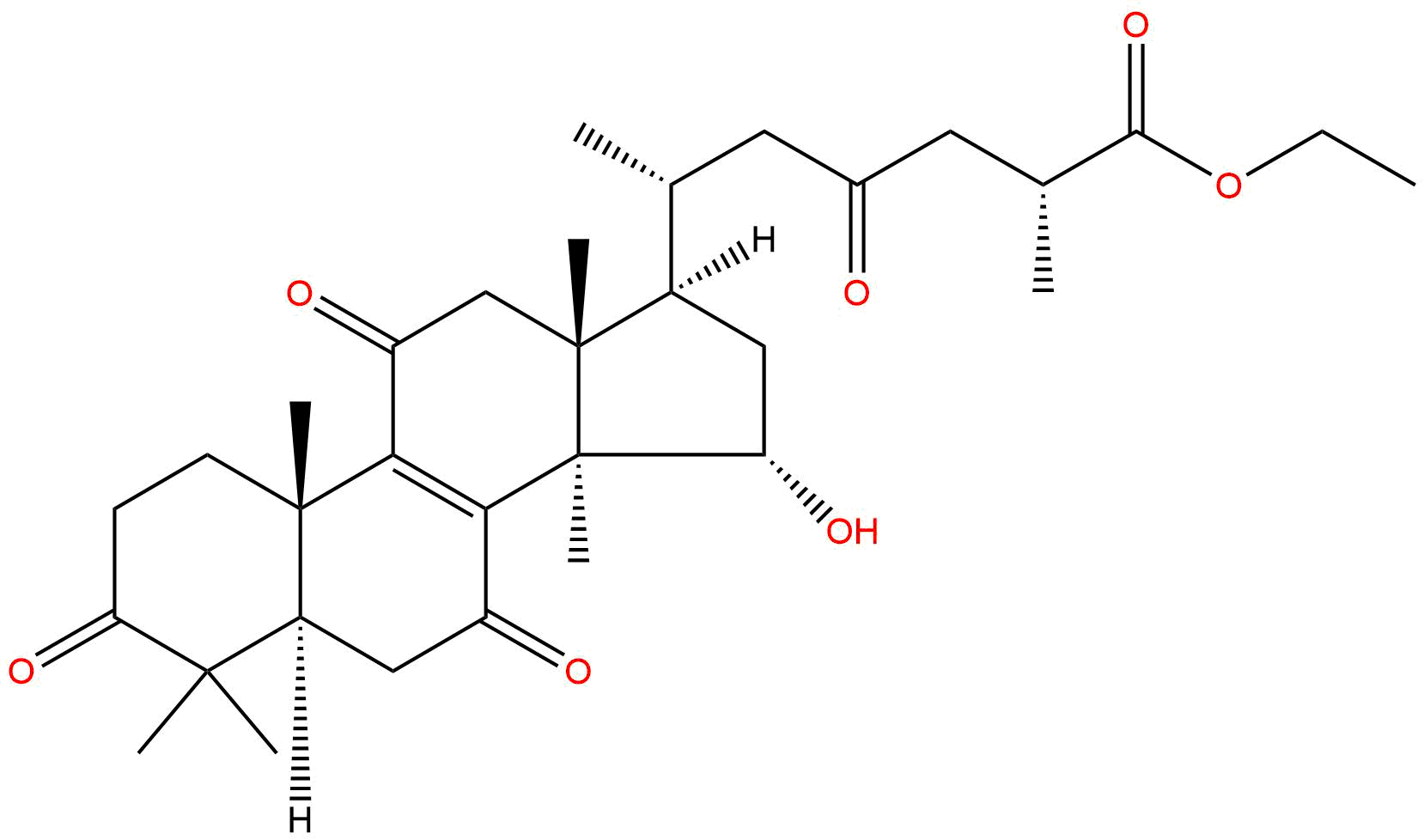
Ethyl ganoderite J is an important member of the triterpenoid family of Ganoderma lucidum, belonging to the highly oxidized lanostane type triterpenoid compounds. Since its isolation and identification, J ethyl ganoderic acid has gradually become a hot topic in natural product chemistry and pharmacology research due to its unique chemical structure and potential biological activity, especially anti-tumor activity. In recent years, with the development of molecular biology and systems biology technologies, the study of the mechanism of action of J ethyl ganoderic acid has deepened from macroscopic pharmacological observation to microscopic molecular targets and signaling pathways. Research has shown that this compound exhibits significant proliferation inhibition and induces apoptosis in various malignant tumor cells, including cervical cancer. Its targets involve BCL2、TOP1、HIF1A、TOP2A、MAPK1、CASP9、MAPK8、MMP9、EGFR、PTGS2 Multiple key proteins closely related to cell survival, proliferation, apoptosis, invasion, and angiogenesis.
This article aims to systematically review the chemical structure and physicochemical properties, plant sources and extraction methods, pharmacological activity, mechanism of action and molecular targets, pharmacological evaluation and pharmacokinetic characteristics of J ethyl ganoderic acid, and prospects its clinical application prospects, in order to provide comprehensive scientific references for the in-depth research and development of this natural product.
Chemical structure and physicochemical properties
The chemical structure of ethyl ganoderite J belongs to a typical lanostane type tetracyclic triterpenoid skeleton, with its core structure consisting of four rings A, B, C, and D. Similar to many other ganoderic acid compounds, its molecular structure contains multiple chiral centers and oxygen-containing functional groups, including hydroxyl, carbonyl, and carboxylate groups. Specifically, ganoderic acid J ethyl ester is an ethylated derivative of ganoderic acid J. Its C-26 carboxyl group forms an ester bond with ethanol, and this structural modification significantly affects its polarity and biological activity. The molecular formula of this compound is C ∝₂ H ₄₆ O ₇, with a molecular weight of 542.7130 g/mol.
From the perspective of physicochemical properties, J ethyl ganoderic acid exhibits typical lipophilic triterpenoid characteristics. Its lipid water partition coefficient (LogP) is 3.7562, indicating that the compound has high lipid solubility and is easy to penetrate biofilms, but it also results in extremely low solubility in water (water solubility is only 0.0023 mg/mL). This characteristic has a significant impact on its absorption, distribution, metabolism, and excretion processes in the body. The polar surface area (TPSA) is 114.8100 Å ², indicating that the molecule has a certain polarity but still leans towards hydrophobicity overall. It is worth noting that the predicted results show that J ethyl ganoderic acid has a high blood-brain barrier penetration ability, which provides a possibility for its potential therapeutic application in central nervous system diseases, but may also increase the risk of central nervous system toxicity. In addition, the compound has a low risk of inhibiting hERG potassium channels (hERG inhibition: No) and showed negative results in Ames test (0.0), indicating a low risk of genetic toxicity. This provides favorable information for its safety evaluation as a candidate drug.
Plant sources and extraction methods
The main source of J ethyl ganoderic acid is fungi of the Ganoderma genus in the family Polyporus, especially Ganoderma lucidum(Ganoderma lucidum)The fruiting body, mycelium, and spore powder. Lingzhi is distributed worldwide, but it is most commonly cultivated in East Asian regions such as China, Japan, and South Korea. There are significant differences in the content and composition of triterpenoids in Ganoderma lucidum from different origins, growth stages, and cultivation methods. Research has shown that the accumulation of triterpenoids in Ganoderma lucidum fruiting bodies reaches its peak during maturity, and artificially cultivated Ganoderma lucidum can also obtain higher levels of target compounds by optimizing the composition of the culture medium and growth conditions.
The extraction of J ethyl ganoderic acid usually relies on organic solvent extraction method. Due to its lipophilic properties, commonly used extraction solvents include ethanol, methanol, chloroform, ethyl acetate, and their mixed solvents. Traditional extraction methods such as impregnation, percolation, and reflux extraction are still widely used, but they have disadvantages such as long extraction time, high solvent consumption, and low efficiency. In recent years, various modern extraction techniques have been introduced to improve extraction efficiency and purity, including ultrasound assisted extraction, microwave-assisted extraction, supercritical fluid extraction (especially supercritical CO ₂ extraction), etc. Among them, ultrasound assisted extraction has become a commonly used method in laboratories and industries due to its advantages of easy operation, high extraction efficiency, and minimal damage to thermosensitive components.
The crude extract after extraction needs to undergo a series of separation and purification steps to obtain high-purity ganoderic acid J ethyl ester. Common separation methods include silica gel column chromatography, ODS (octadecylsilane bonded silica gel) reverse phase column chromatography, Sephadex LH-20 gel column chromatography and preparative high-performance liquid chromatography. Due to the similar structure of triterpenoids in Ganoderma lucidum, separation is difficult and usually requires a combination of multiple chromatographic techniques. For example, preliminary separation is performed using silica gel column chromatography, followed by purification using reverse phase column chromatography and preparative HPLC. The structural identification of compounds mainly relies on the comprehensive analysis of nuclear magnetic resonance spectroscopy (including two-dimensional spectroscopic techniques such as ¹ H-NMR, ¹ ³ C-NMR, DEPT, COSY, HSQC, HMBC, etc.) and high-resolution mass spectrometry (HR-ESI-MS).
Pharmacological activity research
Antitumor activity
The pharmacological activity of J ethyl ganoderic acid that has received the most attention is its anti-tumor effect, especially in the field of cervical cancer where research is more in-depth. In vitro experiments have shown that J ethyl ganoderic acid can significantly inhibit the proliferation of various human cervical cancer cell lines (such as HeLa, SiHa, CaSki, etc.), and its effect is dose-dependent and time-dependent. The half maximal inhibitory concentration (IC ₅₀) of this compound on cervical cancer cells is usually at the micromolar level, as detected by MTT or CCK-8 methods, demonstrating strong cytotoxicity. It is worth noting that J ethyl ganoderic acid has relatively low toxicity to normal cervical epithelial cells and exhibits certain selective anti-tumor effects.
In addition to cervical cancer, ethyl J-ganoderate also showed inhibitory activity on a variety of other tumor cell lines, including liver cancer, lung cancer, breast cancer, colon cancer, etc. This indicates that its anti-tumor effect may have a broad-spectrum nature, but its sensitivity and mechanism of action may vary among different types of tumors.
Inducing cell apoptosis
Apoptosis is the main form of programmed cell death and the ultimate pathway through which most anti-tumor drugs exert their effects. Ganoderma lucidum acid J ethyl ester can effectively induce apoptosis in cervical cancer cells. After treatment with this compound, cells exhibit typical apoptotic morphological features such as cell shrinkage, chromatin condensation, nuclear fragmentation, and the formation of apoptotic bodies. Flow cytometry analysis showed a significant increase in the proportion of Annexin V-FITC/PI double staining positive cells. In addition, the compound can also cause a decrease in mitochondrial membrane potential, promote the release of cytochrome c from mitochondria to cytoplasm, and activate downstream Caspase cascade reactions, including the activation of Caspase-9 and Caspase-3, ultimately leading to the execution of cell apoptosis.
cell cycle arrest
Abnormal regulation of the cell cycle is an important characteristic of tumor occurrence and development. Ganoderma lucidum acid ethyl ester can interfere with the cell cycle progression of cervical cancer cells, usually blocking them in the G0/G1 or G2/M phase. This cycle arrest effect may be related to the regulation of the expression of cell cycle dependent kinases (CDKs) and their inhibitors (CKIs). For example, the compound may upregulate the expression of CDK inhibitors such as p21 and p27, while downregulating the expression of cell cycle regulators such as Cyclin D1, Cyclin E, CDK2, and CDK4, thereby preventing the transition of cells from G1 phase to S phase.
Anti inflammatory and immune regulation
Inflammation is closely related to the occurrence and development of tumors. Ganoderma lucidum acid J ethyl ester also showed certain anti-inflammatory activity. Research has shown that this compound can inhibit the production of nitric oxide (NO) and prostaglandin E ₂ (PGE ₂) in macrophages stimulated by lipopolysaccharide (LPS), and downregulate the expression of inducible nitric oxide synthase (iNOS) and cyclooxygenase-2 (COX-2, encoded by the PTGS2 gene). In addition, it can also inhibit the release of various pro-inflammatory cytokines such as tumor necrosis factor - α (TNF - α), interleukin-6 (IL-6), and interleukin-1 β (IL-1 β). These anti-inflammatory effects may have a synergistic effect with their anti-tumor activity.
Angiogenesis inhibition
The growth and metastasis of tumors depend on the formation of new blood vessels. Ganoderma lucidum acid J ethyl ester can inhibit the expression and stability of hypoxia inducible factor-1 α (HIF-1 α), thereby downregulating the expression of its downstream target gene vascular endothelial growth factor (VEGF). VEGF is a key factor in promoting angiogenesis. By inhibiting the HIF-1 α/VEGF signaling axis, J ethyl ganoderic acid can effectively suppress tumor angiogenesis, cut off tumor nutrition supply, and thus inhibit tumor growth and metastasis.
Mechanism of action and molecular targets
The pharmacological activity of J ethyl ganoderic acid is the result of multi-target and multi pathway synergistic effects. Based on existing research, its main molecular targets and signaling pathways can be summarized as follows:
Apoptosis related targets: BCL2 family and Caspase pathway
BCL2 family proteins are the core regulators of mitochondrial apoptosis pathways. BCL2 protein itself is an anti apoptotic protein, while BAX, BAK, etc. are pro apoptotic proteins. Ganoderma lucidum acid J ethyl ester can downregulate the expression of anti apoptotic protein BCL2 and upregulate the expression of pro apoptotic protein BAX, leading to a decrease in BCL2/BAX ratio. The change in this ratio is a key switch that determines whether cells enter the apoptotic program. The decrease in BCL2/Bax ratio promotes an increase in mitochondrial outer membrane permeability, releasing cytochrome c, which in turn activates Caspase-9 (CASP9) and downstream effector Caspase-3/7, ultimately leading to apoptosis. Therefore, BCL2 and CASP9 are key targets for this compound to induce apoptosis.
Proliferation and Survival Signaling Pathway: MAPK Family and EGFR
The mitogen activated protein kinase (MAPK) family includes members such as ERK (MAPK1), JNK (MAPK8), and p38, which play important roles in cell proliferation, differentiation, survival, and apoptosis. Ganoderma lucidum acid ethyl ester can regulate the activity of MAPK pathway. Research has shown that this compound typically inhibits the phosphorylation of ERK (i.e. suppresses its activity), thereby blocking the transmission of pro proliferative signals; Meanwhile, it can activate the phosphorylation of JNK and p38, two pathways typically associated with stress response and apoptosis induction. Therefore, MAPK1 and MAPK8 are important nodes in the regulation of cell fate by this compound.
The epidermal growth factor receptor (EGFR) is a member of the receptor tyrosine kinase family, and its overactivation is closely related to the occurrence and development of various tumors. Ganoderma lucidum acid ethyl ester can inhibit the phosphorylation of EGFR and its downstream signaling pathways (such as PI3K/Akt and Ras/ERK pathways), thereby suppressing the proliferation and survival of tumor cells.
Invasion and metastasis related targets: MMP9
Matrix metalloproteinase 9 (MMP9) is a key enzyme that degrades the extracellular matrix and plays an important role in tumor invasion and metastasis. Ganoderma lucidum acid J ethyl ester can downregulate the expression and activity of MMP9, thereby inhibiting the migration and invasion ability of tumor cells. This effect may be related to the inhibition of transcription factors such as NF - κ B and AP-1, as these transcription factors are important regulators of MMP9 gene expression.
Hypoxia adaptation and angiogenesis: HIF1A
Hypoxia is a common characteristic of the solid tumor microenvironment, and HIF-1 α (HIF1A) is a key transcription factor for cells to adapt to the hypoxic environment. The stable expression of HIF-1 α can activate a series of genes related to angiogenesis, glycolysis, and cell survival. Ganoderma lucidum acid ethyl ester can inhibit the protein accumulation of HIF-1 α, possibly by promoting its degradation or inhibiting its synthesis. The downregulation of HIF-1 α further reduces the expression of VEGF and inhibits tumor angiogenesis.
Inflammation and DNA Topology: PTGS2 and TOP1/TOP2A
Cyclooxygenase-2 (PTGS2/COX-2) is a key enzyme in inflammatory response, and its overexpression is closely related to the occurrence and progression of tumors. Ganoderma lucidum acid J ethyl ester can inhibit the expression and activity of PTGS2, which is consistent with its anti-inflammatory and anti-tumor effects.
DNA topoisomerases I (TOP1) and II α (TOP2A) are key enzymes that regulate DNA topology and are also targets of various clinical anti-tumor drugs, such as camptothecin and etoposide. Research has shown that J ethyl ganoderic acid may exert cytotoxic effects by inhibiting the activity of TOP1 and TOP2A, interfering with DNA replication and transcription. This suggests that the compound may have a mechanism of action similar to topoisomerase inhibitors.
Evaluation of drug properties and pharmacokinetics
Analysis of drug properties parameters
Based on the aforementioned physicochemical properties, the pharmacological characteristics of J ethyl ganoderic acid can be summarized as follows:
- Molecular weight (542.71 Da)Slightly higher than the "five rules" of traditional small molecule drugs (MW<500), which may affect their oral absorption and cell membrane permeability. But many drugs already on the market have a molecular weight exceeding 500, so it is not an absolute barrier.
- Fat solubility (LogP=3.7562)Being within an ideal range (usually considered to be between 2-5 LogP) is beneficial for membrane permeability and binding to target proteins.
- Water solubility (0.0023 mg/mL)The extremely low water solubility is its main weakness, which will severely limit its oral bioavailability and the possibility of intravenous administration. Formulation technology (such as liposomes, nanoparticles, cyclodextrin inclusion complexes, etc.) is the key to solving this problem.
- Polar surface area (TPSA=114.81 Å ²)A TPSA greater than 140 Å ² is generally considered to have poor oral absorption, with 114.81 Å ² being in the critical range, suggesting that its oral absorption may be limited.
- Penetration of blood-brain barrier (high)This characteristic may be advantageous for treating brain diseases, but for non central nervous system targeted drugs, it may pose a risk of central neurotoxicity.
- HERG inhibition (No) and Ames test (0.0)These two safety indicators are good, reducing the risk of cardiac toxicity and genetic toxicity.
Pharmacokinetic characteristics
At present, there is insufficient systematic research on the pharmacokinetics of J ethyl ganoderic acid in vivo, but based on its physicochemical properties and related triterpenoid compounds, its pharmacokinetic characteristics can be inferred
- absorb Due to poor water solubility, oral absorption may be poor and bioavailability may be low. High lipid solubility may facilitate its absorption in the intestinal lymphatic system, but overall absorption is limited.
- distribution High fat solubility makes it easy to distribute to various tissues in the body, especially those rich in fat. High blood-brain barrier penetration suggests its possible distribution in the central nervous system.
- Metabolism Triterpenoids are mainly metabolized by the cytochrome P450 enzyme system (CYP450) in the liver, and may undergo hydroxylation, oxidation, reduction, and binding reactions with glucuronic acid or sulfuric acid. Its metabolites may retain or lose their biological activity.
- excretion Metabolites are mainly excreted into the intestine through bile, some may be excreted through feces, and a small amount may be excreted from urine through the kidneys.
Overall, the main challenges facing the pharmacological properties of J ethyl ganoderic acid are poor water solubility and potential low oral bioavailability. Future drug development needs to focus on addressing formulation issues, such as developing into liposomes, nanoemulsions, solid dispersions, or prodrug forms to improve their solubility and bioavailability.
Clinical application prospects and prospects
Ganoderma lucidum acid J ethyl ester, as a natural triterpenoid compound derived from traditional medicinal fungi, exhibits various pharmacological activities, especially in the field of anti-tumor, with potential application value. Its multi-target and multi pathway mode of action may give it unique advantages in overcoming tumor drug resistance.
In the treatment of cervical cancer, J ethyl ganoderic acid exerts its effects through various mechanisms such as inducing apoptosis, blocking cell cycle, inhibiting invasion and metastasis, and anti angiogenesis, targeting multiple key molecules such as BCL2, EGFR, HIF-1 α, MMP9, etc. This provides a theoretical basis for its use as an adjuvant therapy for cervical cancer or in combination with existing chemotherapy drugs such as cisplatin and paclitaxel. Combination therapy may improve treatment efficacy through synergistic effects, reducing toxic side effects, and reversing drug resistance.
In addition, its anti-inflammatory activity suggests that it may be applicable to inflammation related diseases, such as chronic inflammation, autoimmune diseases, etc. The high blood-brain barrier penetration provides the possibility for its application in brain diseases such as glioblastoma and Alzheimer's disease, but its neurotoxicity needs to be carefully evaluated.
However, from laboratory research to clinical application, J ethyl ganoderic acid still faces many challenges:
1. Pharmacokinetic optimization Low water solubility and potential poor oral bioavailability are the primary issues. We need to develop advanced drug delivery systems.
2. In vivo efficacy verification At present, research is mostly focused on in vitro experiments, lacking systematic in vivo animal model pharmacological studies, especially on the therapeutic effects of cervical cancer xenograft models.
3. toxicological evaluation Although the Ames test and hERG inhibition prediction results are good, comprehensive acute and chronic toxicity studies are needed, including their effects on normal tissues and organs.
4. Deepening the mechanism of action Although multiple targets have been identified, the complete map of the interaction network, key driving targets, and downstream signaling pathways between each target still needs further clarification.
5. Source and Production The content of ganoderic acid J ethyl ester in Ganoderma lucidum is usually low, and chemical synthesis or semi synthesis is difficult. The analysis of biosynthetic pathways and heterologous expression may be the direction to solve the source problem.
Conclusion
As a representative component of triterpenoids in Ganoderma lucidum, J ethyl ganoderic acid has become an important candidate molecule in the field of natural product drug development due to its unique chemical structure and various pharmacological activities, especially its significant anti-tumor effect against cervical cancer. It exhibits a synergistic effect of multiple targets and pathways by regulating multiple molecular targets closely related to tumor occurrence and development, such as BCL2, MAPK1/8, EGFR, HIF1A, MMP9, TOP1/2A, PTGS2, etc., reflecting the unique value of natural products in the treatment of complex diseases.
Despite significant challenges in drug formulation, particularly in terms of water solubility and oral bioavailability, the development of modern medicinal chemistry and formulation provides multiple strategies to address these issues. In the future, by combining interdisciplinary research methods such as systems pharmacology, chemical biology, and nanomedicine, it is expected to deeply reveal the mechanism of action of J ethyl ganoderic acid, optimize its pharmacokinetic properties, and ultimately promote its transition from the laboratory to clinical practice, providing new options for the treatment of diseases such as cervical cancer. The continuous research on J ethyl ganoderic acid not only helps to clarify the pharmacological substance basis of traditional Chinese medicine Ganoderma, but also provides an important example for discovering innovative drugs from natural products.