Resveratrol: Pharmaceutical exploration of a multi-target natural product derived from resveratrol
1. Overview
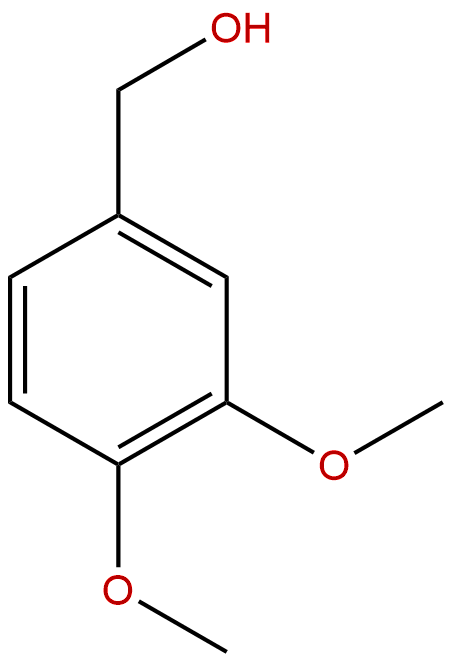
Veratryl alcohol, also known as (3,4-dimethoxyphenyl) methanol, is a relatively simple natural product of benzyl alcohol. Its CAS number is 93-03-8, molecular formula is C9H12O3, and molecular weight is 168.19 g/mol. It was originally derived from the plant of the genus Resveratrol in the family Liliaceae(Veratrum nigrum)The Chinese isolation and identification are derived from the English name of this plant genus. In nature, resveratrol not only exists as a secondary metabolite in higher plants, but has also been found to be associated with certain white rot fungi, such as Phanerochaete chrysosporium)Metabolites of lignin play the role of redox mediators in enzymatic reaction systems for lignin degradation, which has attracted much attention in the field of environmental biotechnology.
In recent years, with the deepening of natural product research and the rise of new methods such as systems biology and network pharmacology, the biological activity of resveratrol has surpassed its initial role as a "mediator" and demonstrated remarkable multi-target regulatory potential. Database analysis reveals that its potential targets involve multiple key proteins closely related to cellular aging, stress response, autophagy, and energy metabolism, such as SIRT1, TERT, TP53, MTOR, and FOXO3. These targets collectively point to a core biological theme——anti-aging Therefore, resveratrol is transforming from a traditional phytochemical component to a potential lead compound for studying the mechanisms of aging and related diseases, and exploring intervention strategies. This article will provide a systematic interpretation of this promising natural molecule from its chemical nature, origin, pharmacological mechanism, medicinal properties, and prospects.
2. Chemical structure and physicochemical properties
The chemical structure of resveratrol can be regarded as a derivative of benzyl alcohol, in which a methoxy (- OCH3) substituent is introduced at the 3rd and 4th positions of the benzene ring. The SMILES expression (COc1ccc (CO) cc1OC) clearly demonstrates this structure: a benzene ring (c1ccc... cc1) connected to a hydroxymethyl group (- CH2OH, i.e. CO), and a methoxy group (COc... OC) at position 1 (corresponding to position 3) and the last oxygen connected position (corresponding to position 4). This structure endows it with unique physicochemical properties.
From the provided pharmacological parameters:
- Molecular weight (MW):168.19 g/mol, Far less than 500 Da, it conforms to the typical characteristics of small molecule drugs.
- Lipid water partition coefficient (LogP/LogD)All are 1.33. This indicates that resveratrol has moderate lipophilicity, neither too hydrophilic (LogP<0) causing difficulty in cell membrane penetration, nor too lipophilic (LogP>5) causing poor water solubility and poor in vivo distribution, suggesting that it may have good membrane permeability.
- Topological Polarity Surface Area (TPSA): 38.69 Å ². TPSA is an important parameter for predicting molecular permeability and intestinal absorption. Generally, compounds with TPSA<140 Å ² have good oral absorption potential. The TPSA value of resveratrol is extremely low, mainly due to its only two hydrogen bond acceptors (two oxygen atoms of methoxy groups) and one hydrogen bond donor (hydrogen atom of hydroxyl group), which is very advantageous for its transmembrane transport.
- Water solubility The value is 9.7258 (usually measured in mg/mL or log mol/L, not specified here, but inferred from the structure), indicating that it has a certain degree of water solubility, which is related to the polar hydroxyl and ether bonds in its molecule.
- Blood-brain barrier permeability (BBB)Annotated as' high '. This is highly consistent with its moderate LogP value, small molecular weight, and low TPSA, indicating that resveratrol may cross the blood-brain barrier and act on central nervous system targets, which is of great significance for studying age-related brain diseases such as neurodegenerative diseases.
In summary, resveratrol is a "small and beautiful" molecule in terms of chemical structure, and its physicochemical properties exhibit excellent drug like characteristics, laying a good physical and chemical foundation for subsequent biological activity.
3. Plant sources and traditional applications
The main natural plant source of resveratrol is Black Resveratrol(Veratrum nigrum L.)Resveratrol belongs to the Liliaceae family and the genus Resveratrol(Veratrum)It is a perennial herbaceous plant widely distributed in Europe and Asia. In traditional Chinese medicine, the dried roots and rhizomes of plants in the genus Resveratrol (such as Resveratrol and Garlic Resveratrol) are used as medicinal herbs called "Resveratrol". Its taste is bitter, pungent, cold, toxic, and belongs to the lung, stomach, and liver meridians. The main traditional effects are Spitting wind phlegm and treating sores with insecticides It is commonly used to treat conditions such as stroke phlegm obstruction, epilepsy, and scabies. However, it must be emphasized that the toxicity of traditional medicinal resveratrol is strong, and its main toxic components are various steroid alkaloids (such as resveratrol, resveratrol, etc.), rather than resveratrol discussed in this article. Resveratrol, as one of the non alkaloid components, has a relatively low content.
In traditional applications, there is a deep understanding of the toxicity of resveratrol, which is often used as a model of "fighting poison with poison" and is often used topically, with extreme caution when taken orally, and strict dosage control. Modern pharmacological research has also confirmed that the steroidal alkaloids of resveratrol have strong emetic, antihypertensive, and cardiac inhibitory effects. Therefore, the safety of resveratrol isolated from the traditional medicinal herb Resveratrol is completely different from that of the parent herb. This reminds us that in natural product research, independent and rigorous evaluations of the efficacy and toxicity of different chemical components from the same plant source must be conducted, and the value of all components cannot be completely denied due to the toxicity of the source plant. The discovery of resveratrol is an example of extracting low toxicity and high activity lead compounds from traditional toxic plants.
4. Pharmacological activity and mechanism of action
The database information indicates that resveratrol is associated with five key targets, SIRT1, TERT, TP53, MTOR, and FOXO3, and is related to the disease/physiological process of "anti-aging". This is not accidental, as these five targets are the core hubs in the aging research network. Below, we will analyze one by one the anti-aging and related biological effects that resveratrol may exert by regulating these targets.
1. SIRT1 (silencing information regulatory factor 2 homologous protein 1)SIRT1 is a NAD+- dependent class III histone deacetylase that serves as a core sensor for cellular energy metabolism, stress resistance, and lifespan regulation. It responds to energy states (NAD+/NADH ratio) by deacetylating various substrates such as PGC-1 α, FOXO, p53, etc., promoting mitochondrial biosynthesis, enhancing antioxidant defense, inhibiting inflammation, and regulating cell apoptosis. Famous anti-aging natural products such as resveratrol are activators of SIRT1. Resveratrol, as a structurally similar compound, may activate SIRT1 directly or indirectly, simulating the heat restriction effect and delaying cell and body aging.
2. FOXO3 (forkhead box protein O3)The FOXO transcription factor family is a key regulator of cellular stress response and longevity. FOXO3 can be deacetylated and activated by SIRT1. Activated FOXO3 is transferred into the nucleus, initiating the expression of a series of target genes that involve Antioxidants (such as MnSOD, catalase), DNA repair, cell cycle arrest, and autophagy Therefore, resveratrol may enhance the ability of cells to self repair and clear damage through the SIRT1-FOXO3 axis, which is an important mechanism for combating the accumulation of senescent cells (senescent cells).
3. TP53 (tumor protein p53)P53 is a well-known tumor suppressor that plays a central role in DNA damage response. It can induce cell cycle arrest for repair or initiate apoptosis to clear severely damaged cells. However, p53 is also a double-edged sword. Continuous or excessive activation of p53 can lead to cellular aging or apoptosis, and instead promote tissue aging. SIRT1 can deacetylate p53 and inhibit its transcriptional activity, so as to regulate its reaction intensity after DNA damage and avoid over reaction. Resveratrol may achieve a balance between maintaining genomic stability and preventing excessive aging reactions by regulating the SIRT1-p53 interaction.
4. MTOR (mammalian target protein of rapamycin)MTOR is the main regulator of cell growth and metabolism, integrating nutrient, energy, and growth factor signals. The overactive mTOR pathway inhibits autophagy, promotes synthetic metabolism, and is positively correlated with aging and various age-related diseases. Inhibition of mTOR (such as rapamycin) has been shown to prolong the lifespan of various model organisms. The activation of SIRT1 can inhibit mTOR signaling. Therefore, resveratrol may indirectly inhibit mTOR activity through upstream signals such as AMPK/SIRT1, thereby Promote autophagy and improve metabolic homeostasis Play an anti-aging role.
5. TERT (telomerase reverse transcriptase)Telomerase is responsible for maintaining the length of telomeres at the ends of chromosomes, and its activity is closely related to cell replication potential. In most somatic cells, TERT expression is silenced, and telomeres gradually shorten with division, leading to replicative aging. Reactivating TERT can prolong telomeres and delay cellular aging. Some studies have shown that factors such as SIRT1 can regulate telomerase activity or telomere related proteins. Although the direct effect of resveratrol on TERT remains to be experimentally confirmed, the network association of its core target SIRT1 cannot rule out its potential positive impact on telomere maintenance.
Mechanism integration In summary, the anti-aging potential of resveratrol is not achieved through a single target, but through its action on a closely interconnected system SIRT1-FOXO3-TP53-MTOR Aging Regulatory Network The core may lie in Regulating SIRT1 activity After activating SIRT1, on the one hand, deacetylation and activation of FOXO3 enhance cellular stress resistance and repair ability; On the other hand, deacetylation inhibits the excessive activity of p53 and balances the DNA damage response; Meanwhile, activation of SIRT1 may inhibit mTOR and induce protective autophagy through pathways such as AMPK. This series of coordinated cellular responses collectively point to the goal of delaying cellular aging and maintaining tissue function. This multi-target, networked mode of action is a typical feature of many natural products exerting complex physiological regulatory effects, and may also make them more advantageous than single target drugs in intervening in the multifactorial driven aging process.
5. Evaluation of drug properties
Based on the provided pharmacological parameters, we can conduct a preliminary evaluation of the potential of resveratrol as an oral medication by combining standards such as Lipinski's Rule of Five
-
Lipinski Five Rule Compliance:
- Molecular weight<500 Da (168.19, Comply with)
- LogP ≤ 5 (1.33, Comply with)
- The number of hydrogen bond donors is ≤ 5 (1- OH, Comply with)
- The number of hydrogen bond acceptors is ≤ 10 (3 O atoms, Comply with)
- Number of rotatable keys: Approximately 4 are estimated based on the structure, with a typical standard of ≤ 10, Comply with。
Resveratrol fully complies with Lipinski's rules, indicating its good oral absorption potential.
-
Absorption and distribution:
- Caco-2 permeability 19.9148 (unit not provided, usually on the order of 10 ^ -6 cm/s), with a high value indicating good permeability of intestinal epithelial cells and possible high oral bioavailability.
- Effective penetration rate (Peff)5.0416, further supporting its good intestinal absorption characteristics.
- Blood-brain barrier permeability Clearly labeled as' high ', as mentioned earlier, provides the possibility for it to act on central nervous system targets (possibly related to neurodegenerative diseases).
- Plasma protein binding rate (PPB)48.08%, belonging to the moderate to low level. A lower protein binding rate means a higher proportion of free drugs are available to distribute to tissues and produce pharmacological effects, but it may also mean that clearance in the body will be slightly faster.
-
Metabolism and toxicity:
- AMES test 0.0 (usually negative) indicates no direct bacterial mutagenicity and low risk of genetic toxicity.
- chromosome aberration: None.
- HERG inhibition No, indicating a low potential for causing QT interval prolongation in the heart (a serious risk of arrhythmia).
- Skin/respiratory sensitization All are marked as' No '.
- Phototoxicity: None.
- Serum enzyme indicators The data shows that it has an effect on serum alkaline phosphatase (ALK), gamma glutamyl transferase (GGT), and alanine aminotransferase (ALT) (marked as "yes"), but has no effect on aspartate aminotransferase (AST) (marked as "no"). ALT and AST are sensitive indicators of liver cell damage, while GGT and ALP are associated with the hepatic biliary system. This signal indicates resveratrol May have certain potential liver effects In subsequent preclinical studies, it is necessary to conduct focused evaluations through animal experiments to determine the dose-dependent and reversible hepatotoxicity.
- Maximum Recommended Treatment Dose (MRTD)Annotated as' Yes' indicates that it has a therapeutic window within the dose range predicted by the database model.
comprehensive evaluation Resveratrol is present in Excellent drug like properties in terms of absorption, distribution, and basic genotoxicity safety Its characteristics of small molecules, moderate lipid solubility, and low TPSA make it easy to be absorbed across membranes and able to enter the brain. The main potential risk signals are concentrated in Influence of liver enzymes In the early stages of drug development, this requires rigorous investigation through in vitro liver cell toxicity experiments and in vivo animal toxicity studies. Overall, resveratrol is a natural lead compound with a high starting point for drug development.
6. Research Status and Application Prospects
At present, research on the biological activity of resveratrol is still in its infancy, far less in-depth than its star molecule Resveratrol, which has the same name but a different structure. Current research mainly focuses on its role as Redox mediators of fungal lignin degrading enzymes In terms of industrial application potential. However, based on its excellent chemical structure and preliminary multi-target network predictions, resveratrol is showing promising prospects in the field of biomedicine.
Research status:
1. Lack of basic research Direct experimental evidence (such as cell experiments and animal models) for its anti-aging and SIRT1 regulation targets is very limited in public literature. Most associations come from computational prediction and database mining.
2. Mechanism verification is the top priority The most urgent research at present is to verify whether resveratrol can indeed regulate targets such as SIRT1, FOXO3, mTOR, and produce phenotypes that delay cell aging and enhance stress resistance through biochemical experiments (such as SIRT1 deacetylase activity detection) and cell models (such as oxidative stress-induced premature aging models and replicative aging models).
3. Security reassessment Although the prediction of drug efficacy is optimistic, it must be systematically evaluated through standardized preclinical toxicology studies, especially for the liver enzyme effects predicted.
Application Prospects:
1. Anti-aging lead compound If its SIRT1 activation and multi-target anti-aging mechanism are experimentally confirmed, resveratrol can serve as an excellent lead molecule for structural optimization and development of candidate drugs or dietary supplements for delaying aging and improving age-related functional decline (such as muscle atrophy and cognitive decline).
2. Neuroprotective agent Due to its high BBB permeability, resveratrol has unique advantages in treating neurodegenerative diseases such as Alzheimer's disease and Parkinson's disease. These diseases are closely related to oxidative stress, mitochondrial dysfunction, and protein homeostasis imbalance, which are the core regulatory areas of the SIRT1/FOXO3 pathway.
3. Metabolic diseases SIRT1 and mTOR are also key targets for regulating glucose and lipid metabolism. Resveratrol may have potential benefits in improving metabolic disorders such as insulin resistance and non-alcoholic fatty liver disease.
4. cosmetic ingredient Its potential antioxidant and cell protective activities, as well as its smaller molecular weight, may be beneficial for skin absorption, making it a promising functional cosmetic ingredient for anti-aging.
Future direction:
Future research should follow the path of "computational prediction → in vitro validation → in vivo efficacy → mechanism deepening → safety evaluation". Firstly, the direct interaction between it and targets such as SIRT1 was verified using techniques such as molecular docking and cellular thermal displacement analysis. Subsequently, its anti-aging efficacy was evaluated in animal models such as cellular aging models and rapidly aging mice. At the same time, systematic pharmacokinetic studies and preclinical toxicology experiments should be conducted to comprehensively evaluate its development value.
In summary, resveratrol is a natural small molecule discovered from traditional medicinal plants, with excellent medicinal properties and fascinating multi-target anti-aging potential. It is like a jade that has not yet been carefully carved, waiting for more in-depth pharmacological and chemical research to reveal its full value, and is expected to bring new insights and tools to the field of anti-aging and related disease treatment.