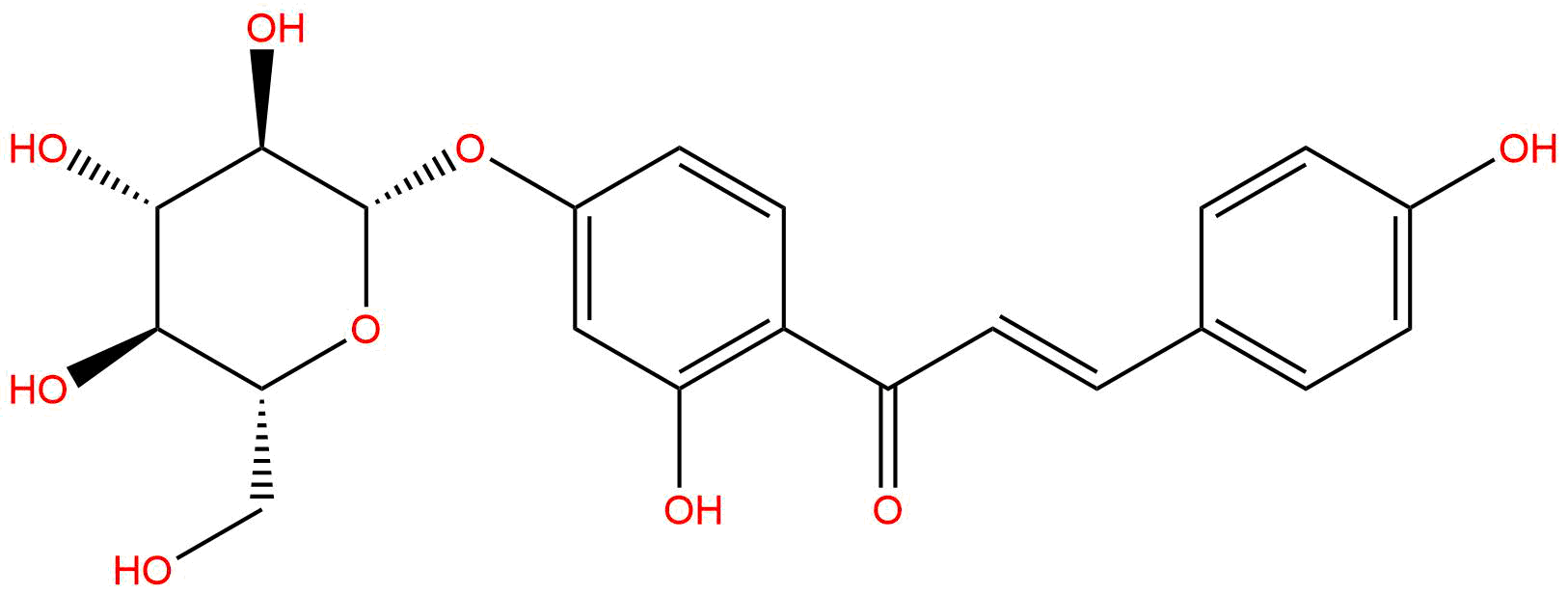


Product name: Neoisoliquiritin
Synonym name:
Catalogue No.: BP3266
Cas No.: 59122-93-9
Formula: C21H22O9
Mol Weight: 418.39
Botanical Source:
Physical Description:
Type of Compound: Flavonoids
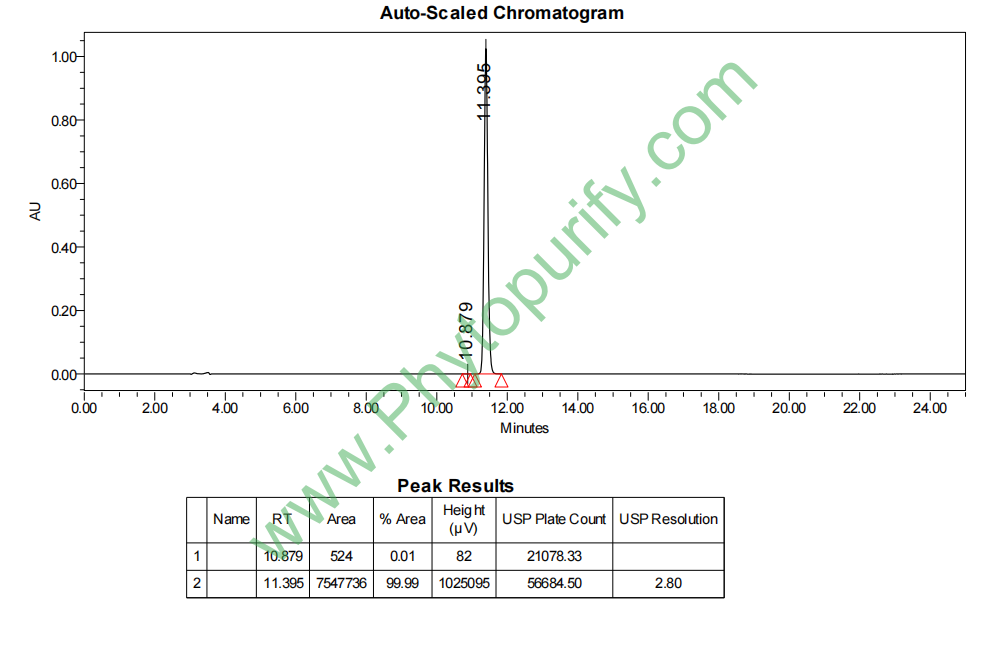
Purity: 95%~99%
Analysis Method: HPLC-DAD or/and HPLC-ELSD
Identification Method: Mass, NMR
Packing: Brown vial or HDPE plastic bottle
The product could be supplied from milligrams to grams. Inquire for bulk scale.
We provide solution to improve the water-solubility of compounds, thereby facilitating the variety of activity tests and clinic uses.
For Reference Standard and R&D, Not for Human Use Directly.
HPLC of Neoisoliquiritin
Storage conditions:Short-term storage at 2~8℃, long-term storage at -20 ~ -80℃
156.9100
.6864
.6517
1.4426
.6787
.1540
Low
79.4950
3.6467
Yes
No
Yes
No
Yes
No
0.0
Yes
Yes
Yes
Yes
Natural products, as an important source of drug discovery, have written a brilliant chapter in the history of human health maintenance and disease treatment. Among many medicinal plants, licorice(Glycyrrhiza Plants have attracted much attention for their long medicinal history and extensive pharmacological activities. Licorice is known as the "national old man" in the traditional medical system, and its effects cover multiple aspects such as tonifying the spleen and qi, clearing heat and detoxifying, dispelling phlegm and cough, relieving urgency and pain, and harmonizing various medicines. Modern pharmacological research reveals that the complex chemical composition of licorice is the material basis for its diverse pharmacological effects, among which flavonoids are a core active ingredient. Neoisoliquiritin is one of the important bioactive flavonoids isolated and identified from licorice.
New glycyrrhizin, as a typical representative of flavonoids in licorice, has gradually entered the field of researchers in recent years. Its unique chemical structure endows it with physicochemical properties and biological activities that are different from other licorice flavonoids such as glycyrrhizin and isoliquiritigenin. Early research mainly focused on its presence as a minor component in licorice extract, but with the advancement of separation and purification technology and the refinement of pharmacological screening models, neoglycyrrhizin has shown remarkable potential in anti-inflammatory, antioxidant, and especially protective effects against digestive system diseases. Especially for the common and prevalent global disease of peptic ulcer, the association study of neoglycyrrhizin and its related targets (such as PTGS1/2, GAST, CCKBR, TRPM8, ATP4A, MUC2, TFF1) provides new ideas for the development of novel and low side effect anti ulcer drugs. The pathogenesis of peptic ulcer is complex, involving multiple factors such as gastric acid, pepsin, Helicobacter pylori infection, use of nonsteroidal anti-inflammatory drugs (NSAIDs), and weakened mucosal defense mechanisms. Although traditional therapeutic drugs such as proton pump inhibitors (PPIs) and H2 receptor antagonists have definite therapeutic effects, their long-term use has many limitations, such as acid reflux, nutrient absorption disorders, gut microbiota dysbiosis, and potential kidney risks. Therefore, the search for natural active molecules that can simultaneously act on multiple processes, enhance mucosal defense, promote ulcer healing, and have high safety has become a research hotspot in this field. New glycyrrhizin, with its multi-target action characteristics, perfectly meets this demand. This article will provide a systematic review of the research progress of neoglycyrrhizin from multiple dimensions, including chemical structure, plant origin, pharmacological activity, mechanism of action, medicinal properties, and clinical application prospects, aiming to provide comprehensive scientific basis for the in-depth development and transformation of this natural product.
The chemical name of neoglycyrrhizin is 4 ', 7-dihydroxy-3' - isopentenyl flavonoid, and its structural parent nucleus is the flavonoid skeleton (2-phenylchromenone). Unlike common glycyrrhizin and isoliquiritin, the key structural feature of new isoliquiritin is the presence of an isopentenyl (3,3-dimethylallyl) substituent on its B ring. Specifically, the isopentenyl group is attached to the 3 'carbon atom of the B ring, while the 4' and 7 'positions each have a hydroxyl group. The introduction of this isopentenyl group greatly changes the lipid solubility, spatial conformation, and interaction mode with biological targets of the molecule. From the perspective of its source pathway, neoglycyrrhizin belongs to the flavonoid class of compounds, with a double bond between the C-2 and C-3 positions of its C ring, and the C-3 position is not directly connected to the B ring. This is consistent with the structural characteristics of typical flavonoids (C-2 and C-3 are double bonds, and C-3 is connected to the B ring) and isoflavones (the B ring is connected to the C-3 position).
In terms of physicochemical properties, according to the provided pharmacological parameters, the molecular weight of neoglycyrrhizin is 418.3980 Da, which belongs to the category of medium-sized natural product molecules. The LogP of its lipid water partition coefficient is 0.6864, indicating that the compound has moderate lipophilicity, neither completely hydrophilic nor completely lipophilic, which is beneficial for its absorption, distribution, and binding to target proteins in vivo. The topological polar surface area (TPSA) is 156.9100 Å ², which is relatively high and mainly attributed to the presence of multiple hydroxyl groups (- OH) and carbonyl groups (C=O) in the molecule. A higher TPSA usually indicates strong hydrogen bonding ability between molecules and water molecules, good water solubility, but it may also limit their passive diffusion through cell membranes, especially the blood-brain barrier. In fact, its blood-brain barrier penetration was evaluated as "low", which is consistent with high TPSA values, indicating that neoglycyrrhizin mainly acts on peripheral tissues rather than the central nervous system. The water solubility parameter is 1.4426, indicating that it has a certain solubility in water, but not very soluble, which corresponds to its LogP value. In addition, hERG inhibition was evaluated as' no ', which is a positive pharmacological indicator, indicating that neoglycyrrhizin has a lower risk of cardiac safety and is less likely to cause serious arrhythmias such as QT interval prolongation. The Ames test result was 0.0, indicating that it did not exhibit mutagenicity in the standard bacterial recovery mutation test, suggesting a low risk of genetic toxicity. Overall, neoglycyrrhizin has good drug like characteristics, especially its moderate lipid water partition coefficient, low risk of cardiac toxicity, and low genetic toxicity, laying a favorable foundation for its subsequent drug development. However, its high TPSA and low blood-brain barrier penetration also suggest that this characteristic may become advantageous when targeting non central nervous system diseases such as peptic ulcers, as it can reduce potential side effects on the central nervous system.
The new glycyrrhizin mainly comes from the Fabaceae genus of licorice(Glycyrrhiza)The roots and rhizomes of plants. Common types of licorice, such as Ural licorice(Glycyrrhiza uralensis Fisch.)、 Swelling fruit licorice(Glycyrrhiza inflata Bat.)、 Guangguo Licorice(Glycyrrhiza glabra L. All of them have been reported to contain neoisoglycyrrhizin. However, its content in total flavonoids is usually low and belongs to secondary components, far lower than major flavonoids such as glycyrrhizin and isoliquiritigenin. Therefore, efficient and specific extraction and purification methods are crucial for obtaining sufficient and high-purity neoglycyrrhizin for further research.
Traditional extraction methods often use solvent extraction. Given that neoglycyrrhizin has a phenolic hydroxyl structure, is weakly acidic, and has a certain polarity, commonly used extraction solvents include methanol, ethanol, water, or their mixed solvents. For example, using 70% -80% ethanol reflux extraction can effectively extract total flavonoids (including neoisoglycyrrhizin) from licorice. After concentration, the extraction solution can be preliminarily separated through liquid-liquid extraction, such as defatting with petroleum ether and enriching flavonoids with ethyl acetate or n-butanol extraction. However, traditional methods have poor selectivity, limited extraction efficiency, and high solvent consumption.
In order to overcome the shortcomings of traditional methods, various modern extraction techniques have emerged in recent years, significantly improving the extraction efficiency and purity of neoglycyrrhizin. Ultrasonic assisted extraction (UAE) utilizes the cavitation effect and mechanical vibration of ultrasound to effectively destroy plant cell walls, accelerate solvent penetration and target component dissolution, thereby achieving higher extraction rates in a shorter period of time. Microwave assisted extraction (MAE) utilizes the dielectric heating effect of microwaves to rapidly increase the internal temperature and pressure of cells, leading to cell rupture and promoting component release. Both methods have the advantages of time-saving, high efficiency, and low solvent consumption. In addition, enzyme assisted extraction (EAE) can further improve the extraction rate of flavonoids by degrading cell wall components using cellulases, pectinases, etc., especially for compounds with relatively stable structures.
In terms of separation and purification, due to the similar polarity of neoisoglycyrrhizin and other structurally similar flavonoids in licorice (such as glycyrrhizin, isoglycyrrhizin, licorice chalcone A, etc.), conventional silica gel column chromatography is often difficult to achieve complete separation. Therefore, more refined separation methods are needed. High performance counter current chromatography (HSCCC) is a chromatographic technique based on the liquid-liquid distribution principle, which does not require a solid stationary phase and avoids irreversible adsorption of samples. It is particularly suitable for the preparation level separation of natural products. By optimizing the solvent system (such as n-hexane ethyl acetate methanol water), HSCCC can efficiently separate neoglycyrrhizin from complex mixtures and obtain high-purity products. Prepa HPLC is another powerful tool that uses a reverse phase C18 column with acetonitrile water or methanol water as the mobile phase, and gradient elution to achieve baseline separation of neoglycyrrhizin from other flavonoids. In recent years, molecular imprinting technology (MIT) has also been attempted for the selective recognition and enrichment of neoglycyrrhizin. By synthesizing polymers with specific recognition sites for target molecules, neoglycyrrhizin can be captured in one step from crude extracts, demonstrating extremely high selectivity. The comprehensive use of modern extraction and separation techniques, such as UAE or MAE combined with HSCCC or Prep HPLC, has become a standard process for obtaining high-purity neoglycyrrhizin, providing material guarantees for subsequent in-depth pharmacological research and drug evaluation.
Although the pharmacological activity research of neoglycyrrhizin is not as extensive as its homologs glycyrrhizin and isoglycyrrhizin, there is evidence to suggest that it has multiple biological activities, especially outstanding in digestive system protection, anti-inflammatory, and antioxidant aspects.
1. Anti peptic ulcer activity
This is the most studied direction of neoglycyrrhizin. The occurrence of peptic ulcers is closely related to the imbalance between attacking factors of gastric acid and pepsin, as well as defense factors such as gastric mucosal barrier, blood flow, and prostaglandins. Research has shown that neoglycyrrhizin can exert anti ulcer effects through multiple pathways. In animal models, pre administration of neoglycyrrhizin can significantly inhibit gastric ulcer formation induced by ethanol, indomethacin (NSAIDs), or pyloric ligation. Its mechanism of action may include:
- Inhibit gastric acid secretion By acting on the gastrin receptor (CCKBR) and proton pump (ATP4A), the basal secretion and stimulated secretion of gastric acid are reduced.
- Enhance gastric mucosal defense Promote gastric mucus secretion, increase the expression of mucin MUC2, thereby strengthening the mucus bicarbonate barrier. At the same time, upregulating the expression of Trifolium Factor 1 (TFF1), a key protein that maintains gastric mucosal integrity and promotes ulcer healing.
- Antioxidant and anti-inflammatory properties Clearing excess free radicals generated at the ulcer site, inhibiting lipid peroxidation, and reducing oxidative stress damage. At the same time, inhibiting the release of inflammatory mediators, such as by regulating the activity of PTGS1/2 (cyclooxygenase-1/2), affects the synthesis of prostaglandins. It is worth noting that inhibition of PTGS1 may lead to gastrointestinal side effects, while inhibition of PTGS2 mainly exerts anti-inflammatory effects. The selective inhibition mode of neoglycyrrhizin on PTGS1/2 may be the key to its dual efficacy and low gastrointestinal toxicity.
- Adjusting ion channels Acting on the transient receptor potential channel M8 (TRPM8), it may affect gastric mucosal blood flow and pain perception by regulating the excitability of sensory nerve endings.
2. Anti inflammatory activity
Inflammation is the common pathological basis of many diseases. New glycyrrhizin has shown inhibitory effects in various inflammatory models. In a macrophage model stimulated by lipopolysaccharide (LPS), neoglycyrrhizin can significantly reduce the levels of pro-inflammatory cytokines such as tumor necrosis factor - α (TNF - α), interleukin-6 (IL-6), and interleukin-1 β (IL-1 β). The mechanism may be related to the inhibition of the activation of the nuclear factor kappa B (NF - κ B) signaling pathway, which is a key transcription factor regulating inflammatory responses. In addition, it can also inhibit the expression of inducible nitric oxide synthase (iNOS) and cyclooxygenase-2 (COX-2), thereby reducing the production of inflammatory mediators such as nitric oxide (NO) and prostaglandin E2 (PGE2).
3. Antioxidant activity
The phenolic hydroxyl group in the molecular structure of neoglycyrrhizin is the structural basis for its antioxidant activity. It can effectively scavenge various free radicals, such as 1,1-diphenyl-2-trinitrophenylhydrazine (DPPH) free radical, 2,2 '- diazo-bis-3-ethylbenzothiazoline-6-sulfonic acid (ABTS) free radical, and hydroxyl free radical. At the cellular level, it can alleviate oxidative damage induced by hydrogen peroxide (H ₂ O ₂), reduce intracellular reactive oxygen species (ROS) levels, and enhance the activity of endogenous antioxidant enzymes such as superoxide dismutase (SOD) and glutathione peroxidase (GSH Px). This antioxidant capacity is one of the important mechanisms for its protection of gastric mucosa, anti-inflammatory effects, and potential protective effects on other organs.
4. Other potential activities
Preliminary studies also suggest that neoglycyrrhizin may have other pharmacological activities. For example, in antibacterial experiments, it exhibits certain inhibitory effects on certain Gram positive bacteria, such as Staphylococcus aureus. In addition, due to its structural similarity to estrogen, some studies have explored its potential phytoestrogenic activity, but the conclusion is still unclear. In terms of neuroprotection, although its blood-brain barrier penetration is low, there are still studies reporting its protective effects in vitro neuronal injury models, which may be related to its antioxidant and anti apoptotic properties.
The pharmacological activity of neoglycyrrhizin is the result of its interaction with multiple molecular targets, reflecting the characteristic of "multi-target, multi pathway" action of natural products. Regarding its core activity in treating peptic ulcers, the following will elaborate on its key mechanisms of action and molecular targets.
1. Regulation of gastric acid secretion
Excessive secretion of gastric acid is one of the main pathogenic factors of peptic ulcers. New glycyrrhizin may inhibit gastric acid secretion through the following pathways:
- Targeted gastrin receptor (CCKBR)Gastrin (GAST) is the main hormone that stimulates gastric acid secretion. It binds to the cholecystokinin B receptor (CCKBR) on gastric wall cells, activates downstream signaling pathways, and promotes gastric acid secretion. New glycyrrhizin may act as an antagonist of CCKBR, competitively blocking the action of gastrin and reducing gastric acid secretion.
- Targeted Proton Pump (ATP4A)H ⁺/K ⁺ - ATPase (proton pump) is the ultimate executor of gastric acid secretion, responsible for pumping H ⁺ into the stomach cavity. New glycyrrhizin may directly inhibit the activity of ATP4A, similar to the mechanism of action of proton pump inhibitors (PPIs), but may have different binding sites and reversibility, thereby inhibiting gastric acid while avoiding the side effects of long-term use of PPIs.
2. Enhance the defense mechanism of gastric mucosa
The integrity of the gastric mucosal barrier is crucial in resisting erosion by gastric acid and pepsin. The new glycyrrhizin has a significant effect on enhancing mucosal defense:
- Targeting Mucin MUC2 MUC2 is the main component of the gastric mucus layer, forming a physical barrier. New glycyrrhizin can upregulate the expression of MUC2 gene, promote mucus synthesis and secretion, thereby thickening the mucus layer and enhancing its protective function.
- Targeting Trifolium Factor 1 (TFF1)TFF1 is a small molecule protein secreted by gastric mucosal epithelial cells, which is crucial for maintaining mucosal integrity, promoting cell migration, and ulcer healing. New glycyrrhizin can significantly upregulate the expression of TFF1 and accelerate the repair process of damaged mucosa.
- Targeted prostaglandin synthase (PTGS1/2)Prostaglandins (especially PGE2) are important gastric mucosal protective factors that can promote mucus and bicarbonate secretion, increase mucosal blood flow, and inhibit inflammation. Cyclooxygenase (COX, also known as PTGS) is a key enzyme in prostaglandin synthesis. The regulatory effects of neoglycyrrhizin on PTGS1 and PTGS2 are relatively complex. The ideal anti ulcer drug should be able to selectively inhibit PTGS2 (reduce inflammation) without inhibiting or slightly inhibiting PTGS1 (maintain the synthesis of protective prostaglandins). Preliminary research suggests that neoglycyrrhizin may have a stronger inhibitory effect on PTGS2, or indirectly upregulate the synthesis of protective prostaglandins through other pathways (such as activating PPAR γ), thereby exerting anti-inflammatory effects without weakening the defense ability of the gastric mucosa.
3. Anti inflammatory and antioxidant mechanisms
- Targeting TRPM8 channel Transient receptor potential channel M8 (TRPM8) is a non selective cation channel expressed in both sensory neurons and gastric mucosal cells. Activation of TRPM8 can produce a cold sensation and analgesic effect, and may regulate local blood flow and inflammatory response. New isoliquiritigenin may alleviate ulcer related pain and inflammation by activating or regulating TRPM8, affecting the release of neuropeptides.
- Inhibition of NF - κ B pathway New glycyrrhizin can inhibit the phosphorylation and degradation of I κ B α, thereby preventing nuclear translocation of NF - κ B and reducing the transcription of downstream pro-inflammatory cytokines (TNF - α, IL-6, IL-1 β) and inflammatory enzymes (iNOS, COX-2).
- Directly eliminate free radicals Its phenolic hydroxyl structure can directly neutralize reactive oxygen species (ROS) and reactive nitrogen species (RNS), block oxidative stress chain reactions, and protect cell membranes and DNA from damage.
In summary, neoglycyrrhizin forms a synergistic network regulatory mechanism by simultaneously acting on gastric acid secretion (CCKBR, ATP4A), mucosal defense (MUC2, TFF1, PTGS1/2), inflammatory response (NF - κ B, TRPM8), and oxidative stress, thereby achieving effective treatment and prevention of peptic ulcers. This multi-target mode of action is its unique advantage over single target chemical drugs.
Based on the provided pharmacological parameters, neoglycyrrhizin exhibits ideal early pharmacological characteristics. Its molecular weight (418.4 Da) and LogP value (0.69) are both within the reasonable range of Lipinski's Rule of Five (MW<500, LogP<5), indicating that it has good oral absorption potential. The high TPSA (156.9 Å ²) and low blood-brain barrier penetration, although limiting the application of the central nervous system, are actually an advantage for treating peripheral diseases such as peptic ulcers, reducing central side effects. HERG inhibition negative (no) and Ames test negative (0.0) are the two major highlights of its drug development, indicating lower risks of cardiac and genetic toxicity, which are important prerequisites for the preclinical safety evaluation of candidate drugs.
However, pharmacokinetic (PK) characteristics are crucial in determining whether a compound can ultimately become a drug. At present, research on the pharmacokinetics of neoglycyrrhizin in vivo is not sufficient, but reasonable inference and preliminary research prospects can be made based on its physicochemical properties.
absorb The LogP of neoglycyrrhizin is 0.69, indicating that its hydrophilicity is slightly stronger than its lipophilicity. This moderate lipophilicity facilitates its dissolution in aqueous environments such as the gastrointestinal tract and enables passive diffusion through the intestinal epithelial cell membrane. However, its higher TPSA suggests that it may not be a good substrate for efflux transporters such as P-glycoprotein (P-gp), but it may also affect its transmembrane efficiency. Oral bioavailability may be limited by its metabolism in the gut (such as hydrolysis of glycosidic bonds by gut microbiota) and first pass effects. Preliminary Caco-2 cell model studies or in vivo intestinal perfusion experiments in rats will help evaluate their intestinal absorption characteristics.
distribution Due to its low blood-brain barrier penetration, neoglycyrrhizin is mainly distributed in plasma and peripheral tissues. Its binding rate with plasma proteins is yet to be determined, but considering its phenolic hydroxyl structure, it may have a moderate degree of binding with albumin. The study of organizational distribution will reveal its enrichment in target organs such as the stomach, liver, and kidneys.
Metabolism As a flavonoid glycoside, the metabolism of neoglycyrrhizin mainly involves two stages. Firstly, in the intestine and liver, its glycosidic bonds may be hydrolyzed by β - glucosidase to produce aglycones (neoisoliquiritigenin). Glycosides subsequently undergo phase II metabolism, such as glucuronidation, sulfation, or methylation, to generate more water-soluble metabolites that are easier to excrete. In addition, its isopentenyl side chain may also undergo oxidative metabolism. Liver microsomes (such as CYP450 enzyme system) and gut microbiota play important roles in metabolism.
excretion New isoliquiritigenin and its metabolites are mainly excreted through bile and urine. Due to its moderate molecular weight and increased water solubility after undergoing phase II metabolism, renal excretion may be one of the main pathways. After bile excretion, some metabolites may enter the enterohepatic circulation, prolonging their duration of action in the body.
Preliminary evaluation of safety In addition to negative Ames test results, a more comprehensive toxicological evaluation is needed, including acute toxicity, subchronic toxicity, reproductive and developmental toxicity, and cardiac safety (such as further confirmation of hERG channel inhibition). Given its long-term history of use with licorice, neoisoglycyrrhizin may have good safety, but it still needs to be confirmed through standardized toxicological studies.
Overall, neoglycyrrhizin has a good pharmacological basis, especially in terms of safety advantages. Future pharmacokinetic studies should focus on its oral bioavailability, metabolic stability, tissue distribution, and major metabolic pathways, providing a basis for designing appropriate administration routes and dosage forms (such as sustained-release formulations, nanocarriers, etc.) to overcome potential absorption or metabolism barriers and maximize its therapeutic potential.
New glycyrrhizin, with its unique chemical structure and multi-target pharmacological activity, has shown significant clinical application prospects, especially in the treatment of peptic ulcers.
1. Development of a new type of anti peptic ulcer drug
This is the most direct and clear clinical application direction of neoglycyrrhizin. Compared to existing drugs, its potential advantages lie in:
- Multi target synergistic effect Simultaneously inhibiting gastric acid secretion, enhancing mucosal defense, anti-inflammatory and antioxidant effects can more comprehensively intervene in the pathogenesis of ulcers, potentially achieving higher cure rates and lower recurrence rates.
- high security Low cardiac toxicity, low genetic toxicity, and potential low inhibition of PTGS1 mean it may avoid common side effects of traditional NSAIDs and PPIs, such as gastrointestinal bleeding, osteoporosis, kidney damage, etc.
- Promote ulcer healing By upregulating TFF1 and MUC2, it directly promotes mucosal repair and regeneration, which is a unique advantage that many existing drugs do not possess.
In the future, it can be developed into oral formulations (such as tablets, capsules, or oral liquids) for the treatment of gastric ulcers and duodenal ulcers. Combination therapy strategies are also worth exploring, such as using antibiotics to eradicate Helicobacter pylori or low-dose PPIs to enhance efficacy.
2. Development as a functional food or dietary supplement
Given the widespread application of licorice in the fields of food and health products, neoglycyrrhizin, as one of its active ingredients, has the potential to develop functional foods or dietary supplements. For example, it can be developed into health foods that protect the gastric mucosa and alleviate stomach discomfort, used for daily stomach maintenance or as an auxiliary treatment method. Its antioxidant and anti-inflammatory properties also make it promising to be developed into health products with functions such as delaying aging and improving skin health.
3. Potential applications in other disease fields
Despite its low blood-brain barrier penetration, its anti-inflammatory and antioxidant activities still suggest its potential value in other peripheral inflammatory diseases, such as:
- Inflammatory bowel disease (IBD)Such as Crohn's disease and ulcerative colitis. New glycyrrhizin may exert therapeutic effects by inhibiting intestinal inflammation and protecting the intestinal mucosal barrier.
- Liver injury protection Its antioxidant and anti-inflammatory activities may have protective effects against chemical liver injury, alcoholic liver disease, or non-alcoholic fatty liver disease (NAFLD).
- oral ulcer Localized application may help promote the healing of oral mucosal ulcers.
Future research directions and challenges:
Despite the promising prospects, the clinical translation of neoglycyrrhizin still faces many challenges:
1. Pharmacokinetic optimization It is necessary to systematically study its oral bioavailability and metabolic stability, and improve its PK characteristics through prodrug design, nano formulations, or structural modifications.
2. In depth toxicological research Standardized long-term toxicity, reproductive toxicity, and carcinogenicity studies are needed to comprehensively evaluate their safety.
3. In depth elucidation of the mechanism of action It is necessary to use techniques such as molecular docking and surface plasmon resonance (SPR) to clarify the specific binding modes and affinities with key targets such as CCKBR, ATP4A, PTGS1/2, etc.
4. Large scale production process Develop efficient, low-cost, and environmentally friendly extraction and purification processes to meet the needs of future commercial production.
5. Clinical trial validation Ultimately, its efficacy and safety need to be validated in humans through rigorously designed randomized, double-blind, placebo-controlled clinical trials.
New Glycyrrhizin, a natural flavonoid compound derived from traditional Chinese medicine licorice, is moving from behind the scenes to the forefront, demonstrating great potential as an innovative drug lead compound. Its unique isopentenyl structure endows it with physicochemical properties and biological activity that are different from other licorice flavonoids. This article systematically reviews the research progress on its chemical structure, plant origin, pharmacological activity, mechanism of action, medicinal properties, and clinical application prospects.
What is particularly noteworthy is that neoglycyrrhizin achieves multidimensional synergistic effects of inhibiting gastric acid, enhancing mucosal defense, anti-inflammatory and antioxidant effects by acting on multiple targets closely related to peptic ulcers, such as PTGS1/2, GAST, CCKBR, TRPM8, ATP4A, MUC2, TFF1, etc. This "multi-target, multi pathway" mode of action has the potential to surpass existing single target drugs in the treatment of peptic ulcers, and is expected to become a new treatment option with better efficacy and fewer side effects. At the same time, its good early pharmacological parameters, especially low cardiac toxicity and low genetic toxicity, have laid a solid safety foundation for its subsequent development.
However, the road to the transformation of neoglycyrrhizin from laboratory discovery to clinical application is still long and arduous. Future research should focus on: systematically elucidating its pharmacokinetic characteristics in vivo, and improving its bioavailability through modern formulation techniques or structural modifications; Conduct in-depth toxicology research and comprehensively evaluate its long-term medication safety; Using modern molecular biology and chemical biology techniques to accurately analyze its interaction patterns with key targets; And ultimately validate its clinical value through rigorous clinical trials. We have reason to believe that with the continuous deepening of research, the ancient natural molecule of neoglycyrrhizin will shine with new vitality in the modern drug development system, making unique contributions to human health, especially the prevention and treatment of digestive system diseases.
