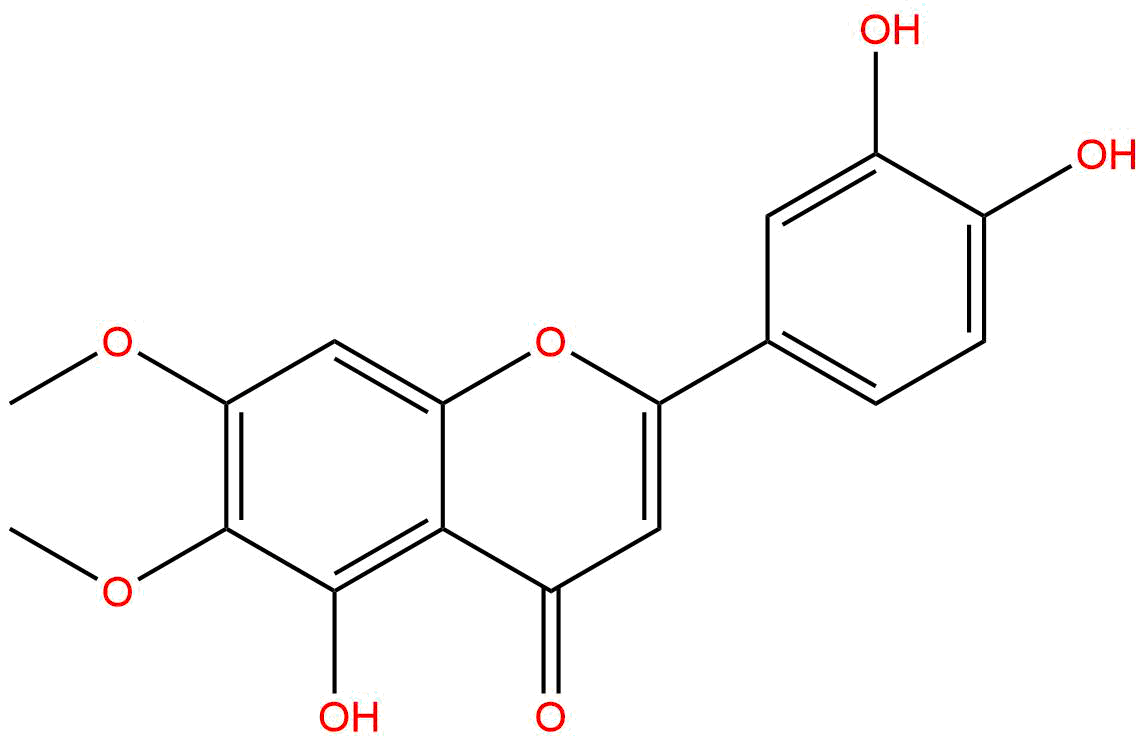


Product name: Crisiliol
Synonym name:
Catalogue No.: BP4488
Cas No.: 34334-69-5
Formula: C17H14O7
Mol Weight: 330.292
Botanical Source:
Type of Compound:
Purity: 95%~99%
Analysis Method: HPLC-DAD or/and HPLC-ELSD
Identification Method: Mass, NMR
Packing: Brown vial or HDPE plastic bottle
Storage: Store in a well closed container, protected from air and light. Put into refrigerate or freeze for long term storage.
Whenever possible, you should prepare and use solutions on the same day. However, if you need to make up stock solutions in advance, we recommend that you store the solution as aliquots in tightly sealed vials at -20℃. Generally, these will be useable for up to two weeks.
The product could be supplied from milligrams to grams
Inquire for bulk scale.
For Reference Standard and R&D, Not for Human Use Directly.
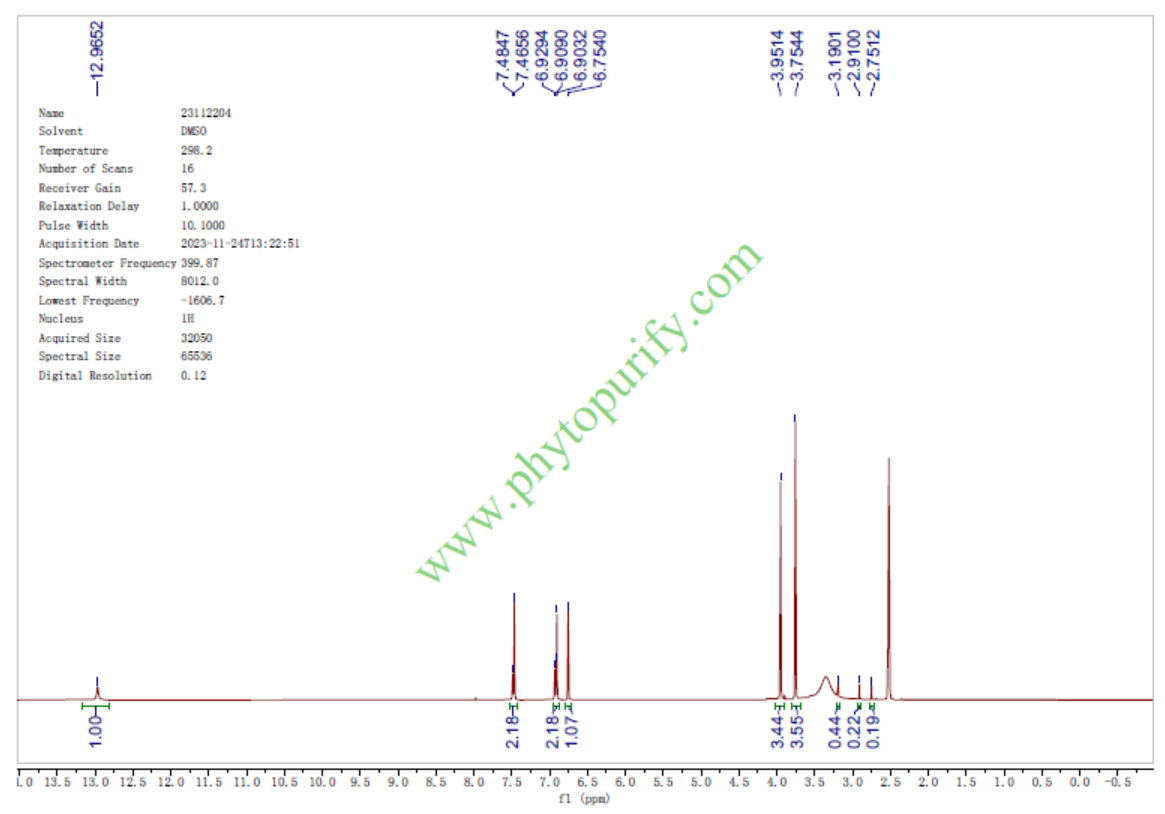
HNMR of Crisiliol
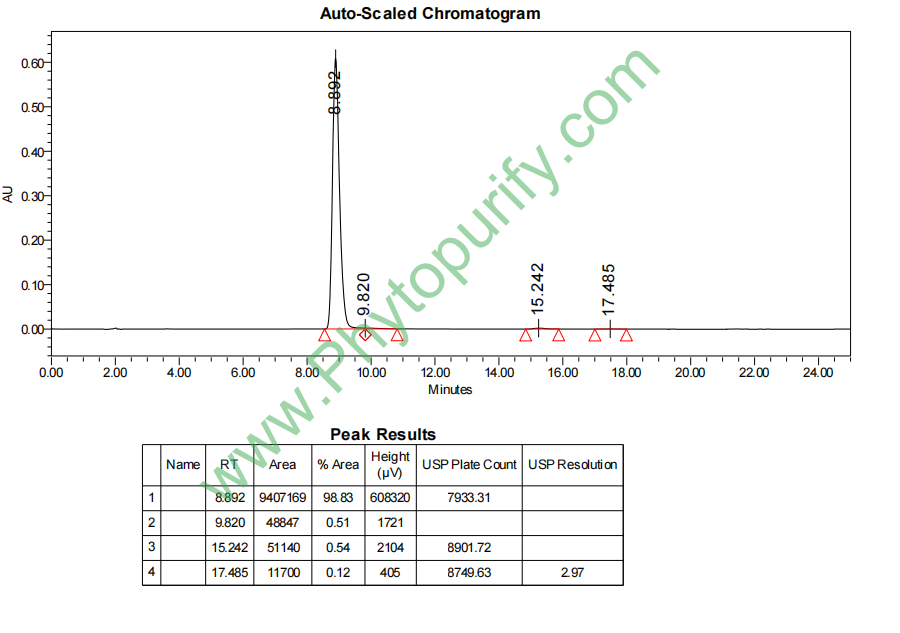
HPLC of Crisiliol
Storage conditions:Short-term storage at 2~8℃, long-term storage at -20 ~ -80℃
109.3600
2.2355
2.1276
.0159
3.1317
24.1781
Low
87.9988
2.4295
Yes
No
Yes
No
Yes
No
0.6
Yes
No
Yes
No
Natural products, as an important source of drug discovery, play an irreplaceable role in the long history of human fight against diseases. Flavonoids, as the most widely distributed class of plant secondary metabolites in nature, have attracted much attention due to their structural diversity and extensive biological activity. Among numerous flavonoids, Crisiliol, as a dimethoxyflavonoid with a unique substitution pattern, has gradually entered the field of researchers in recent years. The chemical name of thistle extract is 5,3 ', 4' - trihydroxy-6,7-dimethoxyflavone. Its structural feature is that the C-6 and C-7 positions of the A ring are replaced by methoxy groups, while the C-5, C-3 ', and C-4' positions are replaced by hydroxyl groups. This specific arrangement pattern of hydroxyl and methoxy groups endows streptomycin with unique physicochemical properties and biological activities that distinguish it from other flavonoids.
Streptomycin was initially isolated and identified from Asteraceae plants, and its name "Crisiliol" comes from its first discovered plant source. With the advancement of separation technology and structural identification methods, researchers have found that streptomycin is distributed in various medicinal plants, especially in plants used in traditional medicine to treat inflammation, liver diseases, and metabolic disorders, where its content is relatively abundant. In recent years, significant progress has been made in the pharmacological activity research of Cirsiumin, especially in its effects on anti liver fibrosis, anti-inflammatory, antioxidant, and regulation of cell apoptosis, which have attracted widespread attention. Liver fibrosis is a common pathological process in the progression of various chronic liver diseases to cirrhosis, characterized by the activation of hepatic stellate cells, excessive deposition of extracellular matrix, and abnormal remodeling of liver structure. At present, there is a lack of effective anti liver fibrosis drugs in clinical practice, so it is of great practical significance to search for safe and effective therapeutic candidates from natural products. Streptomycin exhibits multiple pharmacological effects by regulating multiple key signaling pathways such as AMPK, STAT3, TLR4, etc. It inhibits the activation of hepatic stellate cells, promotes activated hepatic stellate cell apoptosis, and reduces oxidative stress and inflammatory response, making it a potential lead compound for the development of anti liver fibrosis drugs. This article will provide a systematic review of the research progress of Cirsiumin from the aspects of chemical structure, plant origin, pharmacological activity, mechanism of action, medicinal properties, and clinical application prospects, in order to provide reference for the in-depth research and development of this natural product.
The chemical structure of Crisiliol belongs to the flavonoid subclass of flavonoids, and its parent nucleus structure is 2-phenylchromenone. Specifically, the chemical structural characteristics of streptomycin can be described as follows: the C-5 position of the A ring is connected to a hydroxyl group (- OH), and the C-6 and C-7 positions are respectively connected to a methoxy group (- OCH ∝); The C-3 'and C-4' positions of the B ring are each connected to a hydroxyl group. Therefore, its system is named 5,3 ', 4' - trihydroxy-6,7-dimethoxyflavone. This substitution mode allows for the dual structural characteristics of both trihydroxyflavone and dimethoxyflavone to be present in silk thistle extract. From the molecular formula, the molecular formula of Cirsiumin is C ₁₇ H ₁₄ O ₇, with a molecular weight of 330.2920 g/mol. The three phenolic hydroxyl groups and one carbonyl group in its structure endow the molecule with excellent hydrogen bond donor and acceptor abilities, while the two methoxy groups increase the lipophilicity of the molecule. This hydrophilic lipophilic balance has a significant impact on its biological activity and pharmacokinetic behavior.
In terms of physical and chemical properties, silk fibroin appears as a yellow or pale yellow crystalline powder. Its lipid water partition coefficient (LogP) is 2.2355, indicating that the compound has a certain lipophilicity, which is conducive to its penetration of biological membranes and interaction with intracellular targets. The topological polar surface area (TPSA) is 109.3600 Å ², which is slightly higher than the recommended threshold for oral drugs (usually considered TPSA<140 Å ²), suggesting that it may have good oral absorption potential, but may also be affected by intestinal efflux transporters. Water solubility is one of the key parameters affecting the in vivo process of drugs, and the water solubility measurement value of streptomycin is 0.0159 mg/mL, which belongs to low water solubility compounds. This characteristic may limit its oral bioavailability, indicating the need to consider solubilization strategies in formulation development, such as using cyclodextrin inclusion, solid dispersion, or lipid nanocarriers. In addition, the structure of silk thistle contains multiple phenolic hydroxyl groups, which give it a certain acidity. In alkaline environments, it can form phenolic salts and increase water solubility. In terms of stability, flavonoids are usually sensitive to light, heat, and oxidation conditions. Therefore, during storage and experimentation, caution should be taken to avoid light, low temperatures, and inert gas protection. Overall, thread thistle has the basic physicochemical characteristics as a drug lead compound, but its low water solubility and potential metabolic instability are key issues that need to be focused on in subsequent drug formulation optimization.
Cirsium was originally isolated from Asteraceae plants, and its name comes from the first discovered plant in the genus Cirsium. With the deepening of research, researchers have found that Cirsiumin is widely distributed in nature, mainly found in medicinal plants of multiple families such as Asteraceae, Lamiaceae, and Fabaceae. Specifically, plants rich in thistle include but are not limited to: thistle plants such as Cirsium japonicum, Cirsium arvense, etc; Plants of the Artemisia genus in the Asteraceae family, such as Artemisia annua; Lipstick plants such as Rosmarinus officinalis and Perilla frutescens. The content of silk thistle in these plants varies significantly depending on species, place of origin, harvest season, and location, with higher levels typically found in flowers, leaves, and whole plants. It is worth noting that many plants containing hesperetin have been used in traditional medical systems. For example, wild thistle has the effects of cooling blood, stopping bleeding, dispersing blood stasis, and reducing swelling in traditional Chinese medicine theory, while rosemary is widely used for antioxidant and anti-inflammatory treatment, providing a phytochemical basis for the traditional medicinal value of hesperetin.
The extraction method of thistle extract is mainly based on the conventional extraction strategy of flavonoids, while optimizing its specific physicochemical properties. The traditional extraction methods include solvent extraction and reflux extraction. The commonly used extraction solvents are methanol, ethanol, or their aqueous solutions. Due to the good solubility of streptomycin in alcohol solvents, 70% -95% ethanol or methanol is usually used for extraction. During the extraction process, temperature, time, and solid-liquid ratio are key parameters that affect the extraction efficiency. Generally speaking, high extraction rates can be obtained by refluxing at 60-80 ℃ for 1-3 hours. In order to improve extraction efficiency and selectivity, modern extraction techniques such as ultrasound assisted extraction, microwave-assisted extraction, and enzyme assisted extraction have also been applied to the extraction of silk thistle in recent years. Ultrasound assisted extraction utilizes the cavitation effect to destroy plant cell walls, accelerate solvent permeation and solute diffusion, and can achieve high extraction rates in a short period of time. Microwave assisted extraction utilizes the penetration and selective heating properties of microwaves to rapidly raise the temperature of polar solvents, thereby improving extraction efficiency. Enzyme assisted extraction degrades plant cell wall components through cellulase, pectinase, and other enzymes, promoting the release of active ingredients, especially suitable for plant materials with low levels of gibberellins.
The crude extract after extraction needs to undergo further separation and purification to obtain high-purity streptomycin. Common separation and purification methods include column chromatography, preparative high-performance liquid chromatography, and high-speed countercurrent chromatography. Column chromatography is the most commonly used method, usually using silica gel, polyamide, or ODS (octadecylsilane bonded silica gel) as the stationary phase, and gradient elution with different proportions of organic solvents (such as chloroform methanol, ethyl acetate methanol, etc.) as the mobile phase. Polyamide column chromatography has good selectivity for flavonoids, as its amide groups can form hydrogen bonds with the phenolic hydroxyl groups of flavonoids, thereby achieving effective separation. Preparation type high-performance liquid chromatography is suitable for the preparation of high-purity streptomycin, usually using a reverse phase C18 column with methanol water or acetonitrile water system as the mobile phase. High speed countercurrent chromatography, as a liquid-liquid distribution chromatography technique, has the advantages of high sample recovery and low solvent consumption. In recent years, it has been widely used in the separation of flavonoids. Overall, the extraction and purification process of silk thistle extract is relatively mature, but systematic optimization of extraction conditions and purification processes is still needed for different plant sources and application requirements to achieve efficient, economical, and environmentally friendly production goals.
In recent years, significant progress has been made in the pharmacological activity research of Cirsiumin, especially in the areas of anti liver fibrosis, anti-inflammatory, antioxidant, and anti-tumor effects, showing good biological activity. Among them, the anti liver fibrosis effect is one of its most prominent pharmacological activities and is currently a hot research direction. Liver fibrosis is a liver repair response caused by various chronic liver injuries, characterized by the activation of hepatic stellate cells (HSCs), excessive deposition of extracellular matrix (ECM), and abnormal remodeling of liver structure. Research has shown that streptomycin can significantly inhibit the proliferation and activation of hepatic stellate cell lines (such as LX-2 cells), and reduce the expression levels of α - smooth muscle actin (α - SMA) and type I collagen I. In a mouse model of liver fibrosis induced by carbon tetrachloride (CCl ₄), treatment with streptomycin can significantly alleviate the degree of liver fibrosis, reduce the levels of alanine aminotransferase (ALT) and aspartate aminotransferase (AST) in serum, and decrease the content of hydroxyproline in liver tissue. These results indicate that streptomycin has significant anti liver fibrosis effects both in vitro and in vivo.
In addition to its anti liver fibrosis properties, the anti-inflammatory activity of Cirsiumin has also attracted much attention. Inflammatory response is a common pathological basis for the occurrence and development of various diseases. Streptomycin can inhibit the production of nitric oxide (NO), prostaglandin E ₂ (PGE ₂), and pro-inflammatory cytokines such as tumor necrosis factor - α (TNF - α), interleukin-6 (IL-6), and interleukin-1 β (IL-1 β) in macrophages stimulated by lipopolysaccharide (LPS). Its anti-inflammatory mechanism is closely related to the inhibition of the activation of the nuclear factor kappa B (NF - κ B) signaling pathway. In addition, silk thistle also exhibits good antioxidant activity. The multiple phenolic hydroxyl groups in its molecular structure can effectively scavenge free radicals, such as 1,1-diphenyl-2-trinitrophenylhydrazine (DPPH) free radical, 2,2 '- diazobis (3-ethylbenzothiazole-6-sulfonic acid) (ABTS) free radical, and superoxide anion free radical. In cell models, streptomycin can reduce the levels of oxidative stress markers such as malondialdehyde (MDA) and increase the activity of superoxide dismutase (SOD) and glutathione peroxidase (GSH Px), thereby protecting cells from oxidative damage.
In terms of anti-tumor activity, streptomycin exhibits a proliferation inhibitory effect on various tumor cell lines. It has been found that silymarin can induce apoptosis in human hepatoma cells (HepG2), human breast cancer cells (MCF-7) and human colon cancer cells (HT-29), and its mechanism involves the activation of mitochondrial apoptosis pathway and cell cycle arrest. It is worth noting that streptomycin has relatively low toxicity to normal cells and exhibits certain selective anti-tumor activity. In addition, silk thistle also has the function of regulating glucose and lipid metabolism. In the liver cell model of insulin resistance, streptomycin can improve insulin sensitivity, promote glucose uptake, and inhibit lipid accumulation. This discovery suggests that streptomycin may have potential application value in the treatment of metabolic diseases such as non-alcoholic fatty liver disease (NAFLD). Overall, Xianjisu has demonstrated potential as a multi-target natural medicine through multiple pharmacological activities such as anti liver fibrosis, anti-inflammatory, antioxidant, anti-tumor, and metabolic regulation.
The pharmacological activity of Cirsiumin is closely related to its regulation of multiple molecular targets and signaling pathways. In the anti fibrotic effect, streptomycin mainly exerts its function by regulating key molecules such as AMPK, STAT3, TLR4, and BCL2. AMPK (AMP activated protein kinase, encoded by PRKAA1 gene) is a core regulatory factor of cellular energy metabolism, and its activation can inhibit the activation of hepatic stellate cells and the expression of fibrosis related genes. Research has shown that streptomycin can promote AMPK phosphorylation (Thr172 site) in a dose-dependent manner, thereby activating the AMPK signaling pathway. Activated AMPK further inhibits downstream mTOR signaling, reduces protein synthesis and cell proliferation, while promoting autophagy and accelerating the clearance of activated hepatic stellate cells. In addition, activation of AMPK can inhibit the Smad signaling pathway induced by transforming growth factor - β (TGF - β), thereby reducing collagen synthesis and extracellular matrix deposition.
STAT3 (Signal Transduction and Transcription Activation Factor 3) is an important transcription factor that mediates inflammation and fibrosis. During the process of liver fibrosis, the sustained activation of STAT3 promotes the survival of hepatic stellate cells and the expression of pro fibrotic factors. Streptomycin can inhibit the phosphorylation of STAT3 (Tyr705 site), thereby blocking its nuclear translocation and transcriptional activity. The inhibition of STAT3 activity leads to downregulation of downstream target genes such as Bcl xL, Cyclin D1, and VEGF, thereby inducing apoptosis in activated hepatic stellate cells. TLR4 (Toll like receptor 4) is a pattern recognition receptor in the innate immune system. In liver fibrosis, gut derived lipopolysaccharides activate TLR4 on the surface of hepatic stellate cells, promoting inflammatory response and fibrosis process. Cirsiumin can bind to the MD-2 domain of TLR4, competitively inhibiting the binding of LPS to TLR4, thereby blocking TLR4 mediated MyD88- and TRIF dependent signaling pathways, and reducing the production of pro-inflammatory cytokines and chemokines. This mechanism not only alleviates the inflammatory microenvironment of the liver, but also inhibits the paracrine activation of hepatic stellate cells.
In regulating cell apoptosis, streptomycin works by modulating BCL2 family proteins. BCL2 (B-cell lymphoma 2) is an anti apoptotic protein that is highly expressed in activated hepatic stellate cells, enabling them to acquire resistance to apoptotic signals. Streptomycin can downregulate the expression of BCL2 and upregulate the expression of pro apoptotic protein BAX, leading to increased mitochondrial outer membrane permeability, release of cytochrome c, and activation of caspase-9 and caspase-3, ultimately inducing cell apoptosis. In addition, streptomycin can activate CASP1 (caspase-1) and promote the expression of apoptosis related proteins, which may be another pathway for its clearance and activation of hepatic stellate cells. In terms of antioxidant stress, streptomycin exerts a protective effect by activating the NFE2L2 (nuclear factor E2 related factor 2, NRF2) signaling pathway. NRF2 is a key transcription factor in the cellular antioxidant defense system. Streptomycin can promote the dissociation of NRF2 from Keap1, causing its nuclear translocation and activating antioxidant response elements (ARE), thereby upregulating the expression of antioxidant enzymes such as SOD, GSH Px, and HO-1, and reducing oxidative stress damage to liver cells.
The regulation of matrix metalloproteinases (MMPs) by streptomycin is also involved in its anti fibrotic effect. MMP2 and MMP1 are key enzymes involved in extracellular matrix degradation. During the process of liver fibrosis, the expression and activity of MMP2 increase, promoting the degradation of the basement membrane and the migration of hepatic stellate cells; MMP1 (MMP13 in rodents) is responsible for degrading fibrotic collagen. Cirsium extract can inhibit the expression and activity of MMP2, reducing the invasive ability of hepatic stellate cells; At the same time, it can upregulate the expression of MMP1, promote the degradation of deposited collagen fibers, and thus reverse the fibrosis process. In addition, the regulation of PRKCA (protein kinase C α) by streptomycin is also involved in its anti fibrotic effect. The activation of PRKCA is related to the contraction and migration of hepatic stellate cells. Streptomycin can inhibit the activity of PRKCA, thereby reducing hepatic sinus resistance and improving portal hypertension. Finally, the regulatory effect of icariin on RECQL (RecQ like helicase) is also worth paying attention to. RECQL is involved in DNA repair and telomere maintenance, and streptomycin may affect the aging and apoptosis of hepatic stellate cells by regulating RECQL activity. In summary, through a multi-target and multi pathway network regulatory mechanism, Cirsiumin has achieved comprehensive intervention in the process of liver fibrosis, providing a solid molecular pharmacology basis for its use as a candidate drug for anti liver fibrosis.
The evaluation of drug properties is a crucial step in the transition of natural products from laboratory research to clinical applications. The pharmacological parameters of Silymarin show that its molecular weight is 330.2920, which is consistent with the typical molecular weight range of small molecule drugs (usually<500). The lipid water partition coefficient LogP is 2.2355, which is within the ideal lipophilic range (1-3), indicating its good membrane permeability potential. The topological polarity surface area (TPSA) is 109.3600 Å ², which is slightly higher than the recommended threshold for oral medication (140 Å ²), but still within an acceptable range, suggesting that it may have moderate oral absorption capacity. Water solubility is one of the key factors limiting the pharmacological properties of Cirsium, with a water solubility of only 0.0159 mg/mL, making it a low water soluble compound. According to the Biopharmaceutical Classification System (BCS), streptomycin may belong to Class II or IV drugs, namely low solubility high permeability or low solubility low permeability drugs. This characteristic may lead to lower oral bioavailability, which needs to be improved through formulation technology.
In terms of safety evaluation, the blood-brain barrier penetration of Streptomycin was assessed as "low", indicating a lower risk of central nervous system side effects, which is a favorable characteristic for drugs used to treat peripheral diseases such as liver disease. The inhibition assessment of hERG (human ether - à - go related gene) is' no ', indicating a low risk of QT interval prolongation caused by streptomycin and reducing concerns about cardiac toxicity. The Ames test result is 0.6, which usually indicates that the compound did not show significant mutagenicity in the bacterial recovery mutation test, suggesting a low risk of genetic toxicity. However, it should be noted that the Ames test is only a preliminary screening for genetic toxicity assessment, and more comprehensive genetic toxicity studies are needed in the future, including in vitro chromosomal aberration tests and in vivo micronucleus tests. In addition, the hepatotoxicity, nephrotoxicity, and reproductive toxicity of streptomycin also need to be systematically evaluated in animal models.
Regarding the pharmacokinetic studies of Cirsiumin, there is currently relatively limited publicly available data, but preliminary studies have revealed its in vivo processes. In terms of absorption, the oral bioavailability of streptomycin may be influenced by its low water solubility and intestinal efflux transporters such as P-glycoprotein. Research has shown that flavonoids often undergo II phase metabolic reactions such as glucuronidation and sulfation in the intestine, leading to a decrease in exposure to the original drug. The phenolic hydroxyl group in the structure of silk thistle is a potential site for phase II metabolism, so it may undergo extensive metabolism in the intestinal wall and liver after oral administration, forming glucuronic acid complexes and sulfate complexes. These metabolites may re-enter the systemic circulation through the enterohepatic circulation, prolonging the duration of drug action. In terms of distribution, streptomycin may be widely distributed in blood rich tissues such as the liver, kidneys, and lungs due to its lipophilicity. The binding rate between flavonoids and plasma proteins still needs further research, but flavonoids usually have a high binding rate with albumin. In terms of metabolism, in addition to phase II metabolism, streptomycin may also undergo phase I metabolic reactions such as O-demethylation, generating hydroxylated metabolites. In terms of excretion, streptomycin and its metabolites are mainly excreted through bile and urine. Overall, the pharmacokinetic characteristics of streptomycin are not yet fully developed and require systematic in vitro and in vivo studies, including oral bioavailability determination, tissue distribution, metabolic pathway identification, and excretion kinetics, to comprehensively evaluate its pharmacokinetic properties and provide a basis for subsequent formulation design and clinical dosing regimens.
Streptomycin, as a natural flavonoid compound with multi-target regulatory effects, has shown broad application prospects in the treatment of liver fibrosis and related diseases. Liver fibrosis is a common pathological link in the progression of various chronic liver diseases to cirrhosis and liver cancer. There are a large number of liver fibrosis patients worldwide caused by viral hepatitis, alcoholic liver disease, and non-alcoholic fatty liver disease. At present, there is a lack of approved specific anti liver fibrosis drugs in clinical practice. The existing treatment methods mainly target the causes (such as antiviral therapy, alcohol withdrawal, etc.), and the reversal effect on already formed liver fibrosis is limited. Streptomycin is expected to become a novel candidate drug for anti liver fibrosis by inhibiting the activation of hepatic stellate cells, promoting their apoptosis, reducing inflammation and oxidative stress, and regulating extracellular matrix metabolism through multiple mechanisms. Especially its ability to simultaneously regulate multiple key targets such as AMPK, STAT3, TLR4, etc., enables it to intervene in the pathological process of liver fibrosis from multiple dimensions, which may have better efficacy and lower resistance risk than single target drugs.
However, there are still many challenges for the transition of streptomycin from laboratory research to clinical application. Firstly, its low water solubility and potential low oral bioavailability are the main bottlenecks restricting its clinical translation. Future research should focus on developing efficient drug delivery systems, such as liposomes, nanoparticles, phospholipid complexes, and self microemulsifying drug delivery systems, to improve the solubility and oral absorption of streptomycin. Secondly, the pharmacokinetic characteristics of streptomycin are not yet clear, and systematic in vitro and in vivo studies are needed to clarify its absorption, distribution, metabolism, and excretion patterns, as well as the effects of food drug interactions. Thirdly, there is still a lack of safety evaluation data on the long-term toxicity, reproductive toxicity, and carcinogenicity of streptomycin, and standardized toxicological studies need to be conducted in various animal models. Fourthly, the research on the structure-activity relationship of streptomycin is not yet in-depth. In the future, candidate compounds with stronger activity, higher selectivity, and better pharmacokinetic properties can be obtained through structural modification and derivative synthesis. For example, introducing a prodrug group into the C-5 hydroxyl group can improve its water solubility and metabolic stability; Alternatively, introducing fluorine atoms into the B ring can enhance its binding affinity with the target protein.
In terms of clinical application expansion, the anti-inflammatory, antioxidant, and metabolic regulatory activities of streptomycin suggest that it may have therapeutic potential in other diseases. For example, in non-alcoholic fatty liver disease, streptomycin can reduce liver lipid accumulation and inflammatory response by activating AMPK and improving insulin resistance. In cardiovascular disease, its antioxidant and anti-inflammatory activities may help to inhibit the progression of atherosclerosis. The potential of streptomycin as a chemotherapy sensitizer in tumor treatment is also worth exploring. In addition, streptomycin is commonly used in traditional medicine to treat inflammation related diseases, and its anti-inflammatory mechanism is closely related to the inhibition of NF - κ B and STAT3 pathways, which provides a theoretical basis for its application in chronic inflammatory diseases such as rheumatoid arthritis and inflammatory bowel disease. Overall, as a natural product with multi-target regulatory activity, Cirsiumin has clear development value in the field of liver fibrosis treatment. However, it needs to overcome the shortcomings in drug development and ultimately achieve its clinical translational application through systematic preclinical research and clinical trials.
As a type of dimethoxyflavonoid with a unique substitution pattern, thread thistle has become a research hotspot in the field of natural product pharmacology due to its abundant plant sources, clear chemical structure, and multifaceted pharmacological activities. This article provides a systematic review of the research progress on the chemical structure, plant origin, extraction methods, pharmacological activity, mechanism of action, pharmacological evaluation, and clinical application prospects of Cirsium japonicum. Silymarin exhibits significant biological activity in anti liver fibrosis, anti-inflammatory, antioxidant, and anti-tumor effects by regulating multiple molecular targets such as AMPK, STAT3, TLR4, BCL2, and NFE2L2. Especially, its mechanism of synergistic intervention in the process of liver fibrosis through multiple targets and pathways makes it a highly promising candidate drug for anti liver fibrosis. However, the research on streptomycin is still in its early stages, and its low water solubility leads to bioavailability issues, unclear pharmacokinetic characteristics, and lack of safety evaluation data, which are the main obstacles restricting its clinical translation. Future research should focus on developing efficient drug delivery systems, conducting systematic pharmacokinetic and toxicological studies, exploring structure-activity relationships and optimizing structures, and expanding their potential applications in other disease fields. With the continuous deepening of research and the continuous advancement of technology, streptomycin is expected to gradually develop from a natural product with potential medicinal value into a new type of drug for the treatment of liver fibrosis and related diseases, contributing to human health.
