


Product name: Jujuboside A
Synonym name:
Catalogue No.: BP0813
Cas No.: 55466-04-1
Formula: C58H94O26
Mol Weight: 1207.36
Botanical Source: Ziziphispinosae semen
Physical Description:
Type of Compound: Triterpenoids
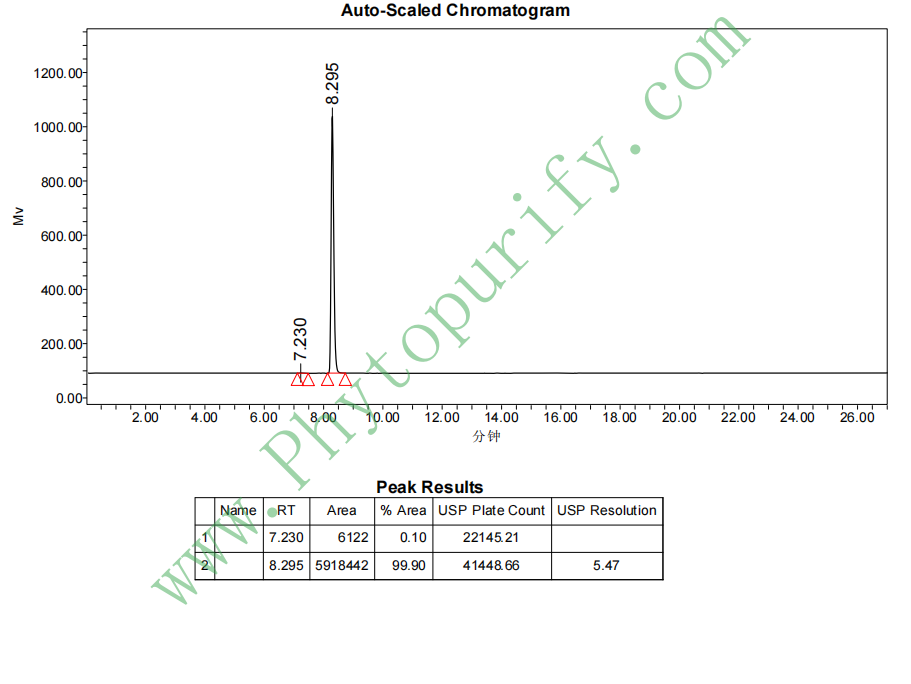
Purity: 95%~99%
Analysis Method: HPLC-DAD or/and HPLC-ELSD
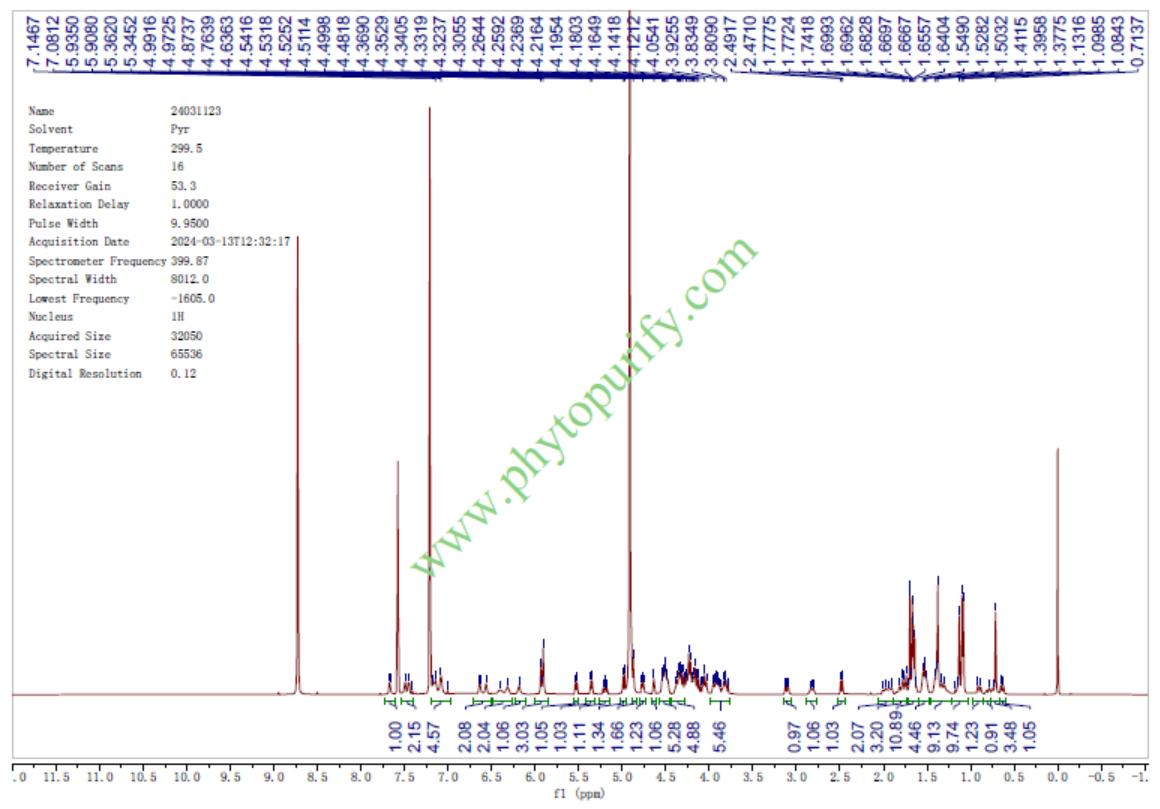
Identification Method: Mass, NMR
Packing: Brown vial or HDPE plastic bottle
Storage: Store in a well closed container, protected from air and light. Put into refrigerate or freeze for long term storage.
The product could be supplied from milligrams to grams
Inquire for bulk scale.
Description:
Jujuboside A, a neuroprotective agent, can ameliorates behavioral disorders of the dementia mouse model induced by Aβ1-42. It possesses sedative , anticonvulsant , antianxiety, anti-proliferation, antioxidant, and anti-inflammatory effects, it can notably reduce the damage cause by ISO via promoting the phosphorylation of PI3K, Akt, and mTOR and inhibiting LC3 conversion, which may be a potential choice for the treatment of heart diseases. Jujuboside A can inhibit gamma aminobutyric acid type A receptor, and the hyperactivity of hippocampal CAl area induced by penicillin sodium.
References:
Evid Based Complement Alternat Med. 2016;2016:9593716.
Jujuboside A Protects H9C2 Cells from Isoproterenol-Induced Injury via Activating PI3K/Akt/mTOR Signaling Pathway.
Jujuboside A is a kind of the saponins isolated from the seeds of Ziziphus jujuba, which possesses multiple biological effects, such as antianxiety, antioxidant, and anti-inflammatory effects; however, its mediatory effect on isoproterenol-stimulated cardiomyocytes has not been investigated yet. In this study, we tried to detect the protective effect and potential mechanism of JUA on ISO-induced cardiomyocytes injury.
METHODS AND RESULTS:
H9C2 cells were treated with ISO to induce cell damage. Cells were pretreated with JUA to investigate the effects on the cell viability, morphological changes, light chain 3 conversion, and the activation of PI3K/Akt/mTOR signaling pathway. Results showed that ISO significantly inhibited the cell viability in a time- and dose-dependent manner. JUA pretreatment could reverse the reduction of cell viability and better the injury of H9C2 cells induced by ISO. Western blot analysis showed that JUA could accelerate the phosphorylation of PI3K, Akt, and mTOR. Results also indicated that JUA could significantly decrease the ratio of microtubule-associated protein LC3-II/I in H9C2 cells.
CONCLUSIONS:
Taken together, our research showed that JUA could notably reduce the damage cause by ISO via promoting the phosphorylation of PI3K, Akt, and mTOR and inhibiting LC3 conversion, which may be a potential choice for the treatment of heart diseases.
Northwest Pharmaceutical Journal, 2013, 28(3):281-4.
Inhibitory effect of jujuboside A on proliferation of human normal liver cells,hepatic stellate cells and human hepatoma cells by MTT assay
To observe the effect of different mass concentration of Jujuboside A(JuA)on proliferation of human normal liver cells LO2,rat hepatic stellate cells and human hepatoma cells SMMC-7721,respectively.
METHODS AND RESULTS:
The three cells were respectively divided into control group and six experimental groups which had different mass concentration of JuA.MTT assay was used to detect the activeness of cells.Effective mass concentration range and optimal dosing time were obtained by inhibition ratio.Results There was no difference in inhibitory effect of JuA on proliferation of human normal liver cells LO2and rat hepatic stellate cells(P0.05).But for human hepatoma cells SMMC-7721,there was a significant difference in inhibitory effect of JuA on proliferation(P0.05).The effective mass concentration was ranged from 5to 80μg.mL-1,the optimal dosing time was 48hand the IC50was 1.996μg.mL-1.
CONCLUSIONS:
JuA has a potential anti-hepatoma activity but has no toxicity to human normal liver cells LO2and rat hepatic stellate cells.
Eur J Pharmacol. 2014 Sep 5;738:206-13.
Jujuboside A, a neuroprotective agent from semen Ziziphi Spinosae ameliorates behavioral disorders of the dementia mouse model induced by Aβ 1-42.
Semen Ziziphi Spinosae (SZS) has been used as a hypnotic-sedative medicine for thousands of years. Recently, SZS has also shown notable neuroprotective activities via anti-oxidative and anti-inflammatory effects in dementia animals. Jujuboside A (JuA), isolated from SZS, has been proved to be a major hypnotic-sedative component of SZS.
METHODS AND RESULTS:
In the present study, we firstly evaluated the effects of intracerebroventricular (ICV) injection of JuA (0.02 and 0.2mg/kg) for five consecutive days on cognitive impairment induced by ICV injection of Aβ 1-42. The results showed that ICV treatment with JuA significantly mitigated learning and memory impairment in mice induced by Aβ 1-42 as measured by the Y-maze, active avoidance and Morris water maze. Furthermore, ICV treatment with JuA reduced the level of Aβ 1-42 in hippocampus, significantly inhibited the activities of acetylcholinesterase (AChE) and NO, and decreased the amount of the increased malondialdehyde (MDA) in the hippocampus and cerebral cortex of mice treated with ICV injection of Aβ 1-42. Shrinkage of nuclei, swollen and eccentrically dispersed neuronal bodies were observed in hippocampus of AD mice induced by Aβ 1-42, however, JuA noticeably improved the histopathological damage.
CONCLUSIONS:
Cumulatively, the present study indicates that JuA may serve as a potential therapeutic agent for the treatment of Alzheimer' disease.
HPLC of Jujuboside A
HNMR of Jujuboside A
Storage conditions:Short-term storage at 2~8℃, long-term storage at -20 ~ -80℃
393.9800
1.6871
1.6871
.1860
.4670
.3189
Low
66.5860
7.7371
No
No
No
No
No
No
0.0
Yes
No
No
No
Insomnia and anxiety disorders, as prevalent mental and neurological disorders in modern society, seriously affect the quality of life and physical and mental health of hundreds of millions of people worldwide. According to the World Health Organization, approximately 27% of the global population suffers from varying degrees of sleep disorders, and the lifetime prevalence of anxiety disorders is as high as 16.6%. In clinical treatment, although benzodiazepines and selective serotonin reuptake inhibitors are first-line drugs, their accompanying side effects such as dependence, tolerance, cognitive impairment, and withdrawal reactions have prompted researchers to constantly seek safer and more effective alternative therapies. In this context, natural products derived from traditional Chinese medicine are increasingly becoming an important source for the development of neuropsychiatric drugs due to their multi-target and low toxicity characteristics.
Sour jujube kernels(Ziziphus jujuba Mill. var. spinosa Bunge Hu ex H.F. Chow, as one of the oldest sedative drugs in traditional Chinese medicine clinical use, was first recorded in the "Shennong Bencao Jing" and is listed as a top-grade medicine. It has the effects of nourishing the heart and liver, calming the heart and calming the mind, and reducing sweating and generating fluids. It is mainly used to treat symptoms such as restlessness, insomnia, palpitations, and excessive sweating. Modern pharmacological research has confirmed that the main active ingredients of jujube seeds include saponins, flavonoids, alkaloids, and fatty acid compounds. Among them, jujuboside A (JuA) is considered the core material basis for its sedative, hypnotic, and anti anxiety effects.
Suanzaoren saponin A is a type of dammarane triterpenoid saponin with a complex chemical structure and a molecular weight of up to 1207.36 Da, exhibiting a unique sugar chain modification pattern. Since its first isolation and identification from jujube seeds in the 1980s, JuA has been a research hotspot in the fields of natural product chemistry and neuropharmacology. In recent years, with the development of molecular biology and systems pharmacology techniques, the mechanism of action of JuA in regulating neurotransmitter systems, synaptic plasticity, and affecting neuroinflammatory responses has gradually been revealed. Its therapeutic potential in various neurological diseases such as insomnia, anxiety, and cognitive impairment has also received widespread attention. This article will provide a systematic review of the research progress of jujube seed saponin A from the aspects of chemical structure, plant origin, pharmacological activity, molecular mechanism, medicinal evaluation, and clinical application prospects, in order to provide reference for the in-depth development and clinical translation of this natural product.
The chemical name of jujube seed saponin A is (3 β, 16 β, 20R) -16,23:16,30-diepoxy-20-hydroxydamaan-24-en-3-yl-O - β - D-xylopyranosyl - (1 → 2) - O - β - D-glucopyranosyl - (1 → 3) - O - α - L-rhamnopyranosyl - (1 → 2) - β - D-glucopyranosyl, with CAS registration number 55466-04-1. Its molecular formula is C ₅₈ H ₉₄ O ₂₆, with a molecular weight of 1207.3640 Da, belonging to typical high molecular weight natural glycoside compounds.
From the perspective of structural characteristics, the glycoside of JuA is a damaane type tetracyclic triterpenoid skeleton, and the C-3 hydroxyl group is connected to a linear sugar chain composed of four monosaccharides through a glycosidic bond. The connection order is: glucose (Glc) - rhamnose (Rha) - glucose (Glc) - xylose (Xyl), where xylose is connected to the terminal glucose via a β - (1 → 2) bond, and rhamnose is connected to the intermediate glucose via an α - (1 → 3) bond. In addition, the glycoside moiety forms an epoxy bridge between positions C-16 and C-23, and another epoxy bridge between positions C-16 and C-30. This unique cyclic ether structure endows JuA with a special spatial conformation and biological activity. The C-20 position is a tertiary hydroxyl group, and the C-24-25 positions are double bonds, which may participate in the interaction between the molecule and the target protein.
In terms of physicochemical properties, the lipid water partition coefficient (LogP) of JuA is 1.6871, indicating that it has a certain lipophilicity but overall leans towards hydrophilicity. The topologically polar surface area (TPSA) is as high as 393.98 Å ², far exceeding the recommended upper limit of 140 Å ² for oral drugs, mainly due to the large number of hydroxyl and glycosidic bond oxygen atoms in the molecule. The water solubility parameter is 0.1860 mg/mL, which belongs to the category of slight solubility. It is worth noting that JuA's blood-brain barrier penetration ability was evaluated as "low", which is consistent with its high molecular weight, high polarity surface area, and hydrophilicity characteristics. However, subsequent studies have confirmed that JuA can still exert pharmacological effects in the central nervous system, suggesting the possibility of active transport mechanisms or acting through metabolites. In addition, the hERG inhibition test result was negative, indicating that JuA does not pose a risk of cardiac toxicity; The Ames test result is 0.0, indicating no mutagenicity and preliminary good safety.
Suanzaoren saponin A is mainly derived from Suanzaozi, a plant of the jujube genus in the Rhamnaceae family(Ziziphus jujuba Mill. var. spinosa)Dry and mature seeds. Jujube is widely distributed in North China, Northwest China, and Northeast China, with the highest production in provinces such as Hebei, Shanxi, Shaanxi, and Shandong. In addition, the same plant as Diancizao jujube(Ziziphus mauritiana Lam. and jujube(Ziziphus jujuba The seeds of Mill. also contain a small amount of JuA, but the content is much lower than that of jujube kernels. The content of JuA in sour jujube kernels is affected by factors such as variety, origin, harvesting time, and processing method, usually ranging from 0.03% to 0.15% (based on dry products), and belongs to the lower content of active ingredients.
The traditional extraction of saponins from jujube seeds often uses ethanol reflux method. The specific process is as follows: after crushing the dried jujube kernels, extract them with 60%~80% ethanol under reflux conditions at 60~80 ℃ for 2-3 times, each time for 1-2 hours. Combine the extracts and concentrate them under reduced pressure to obtain the paste. This extract is defatted with petroleum ether and extracted with n-butanol, which can enrich saponin components. Further purification can be achieved by using macroporous adsorption resin column chromatography (such as D101, AB-8 resin), with water ethanol gradient elution. The eluted fraction of 30%~70% ethanol is collected and concentrated to obtain crude total saponins. The separation and purification of JuA usually require a combination of techniques such as silica gel column chromatography, ODS reverse phase column chromatography, and preparative high-performance liquid chromatography (HPLC). For example, using chloroform methanol water (65:35:10, lower layer) as the mobile phase for silica gel column chromatography, and then using acetonitrile water (30:70) as the mobile phase for preparative HPLC separation, JuA monomer with a purity of over 98% can be obtained.
In recent years, various modern extraction techniques have been applied to the preparation of JuA in order to improve extraction efficiency and product purity. Ultrasound assisted extraction utilizes cavitation effect to destroy cell wall structure, and can be completed within 30-60 minutes. The JuA extraction rate is 20% -30% higher than traditional reflux method. Microwave assisted extraction generates internal heat through the rapid vibration of polar molecules in a microwave field, shortening the extraction time to 10-20 minutes and reducing the amount of solvent used. Supercritical fluid extraction (using CO ₂ as the solvent and ethanol as the entrainer) has the advantages of being environmentally friendly and highly selective, but the equipment cost is relatively high. In addition, enzyme assisted extraction (using cellulase and pectinase to pretreat raw materials) can break down the cell wall polysaccharide skeleton, making JuA easier to release and increasing the extraction rate by more than 40%. The application of these new technologies provides technical support for the efficient preparation and industrialization of JuA.
The sedative and hypnotic activity of JuA is its most classic and extensively studied efficacy. As early as the 1990s, Japanese scholars discovered that intraperitoneal injection of JuA could significantly prolong pentobarbital induced sleep time in mice and reduce the frequency of spontaneous activity. Subsequent studies have validated this effect in various animal models: oral or intraperitoneal administration of JuA (5-40 mg/kg) can dose dependently shorten sleep latency and prolong sleep duration, without causing typical side effects of benzodiazepines such as muscle relaxation and ataxia. It is worth noting that the hypnotic effect of JuA exhibits a unique "bidirectional regulation" feature - it has a relatively small impact on sleep structure under normal physiological conditions, but can significantly improve sleep quality under stress or pathological conditions (such as chronic restraint stress and insomnia models induced by phenylalanine), suggesting that it may exert its effect by regulating endogenous sleep wake homeostasis.
Electroencephalogram analysis shows that JuA can increase the duration of non rapid eye movement sleep (NREM), especially slow wave sleep (SWS), while having a relatively small impact on rapid eye movement sleep (REM). This mode of action is different from classical GABAergic drugs, which often simultaneously inhibit REM sleep. In addition, JuA can reduce the power density of EEG delta waves, suggesting that it may promote sleep by regulating the functional activity of the thalamocortical loop.
The anti anxiety activity of JuA has been confirmed in various behavioral models. In the elevated cross maze experiment, JuA (10-20 mg/kg) significantly increased the frequency and time ratio of mice entering the open arm, indicating its anti anxiety effect. In both light and dark box experiments, Vogel conflict experiments, and social interaction experiments, JuA showed dose-dependent anti anxiety effects, which were comparable to the positive control drug diazepam, but without significant sedative or motor inhibitory side effects. It is worth noting that the anti anxiety effect of JuA is particularly prominent in chronic stress models: long-term administration of JuA can reverse anxiety like behavior induced by chronic unpredictable mild stress (CUMS) in rats, while improving hypothalamic pituitary adrenal (HPA) axis dysfunction.
In addition to its sedative hypnotic and anti anxiety effects, the neuroprotective activity of JuA has received widespread attention in recent years. In the glutamate induced excitotoxicity model, JuA significantly reduces the apoptosis rate of primary cortical neurons, inhibits mitochondrial membrane potential decline and cytochrome c release. In the Alzheimer's disease cell model induced by β - amyloid protein (A β), JuA can reduce A β aggregation, decrease Tau protein hyperphosphorylation levels, and improve synaptic protein expression. In addition, JuA has shown protective effects on cerebral ischemia-reperfusion injury, Parkinson's disease models, and epilepsy models, and its mechanisms involve multiple pathways such as antioxidant stress, anti neuroinflammation, and anti apoptosis.
In recent years, studies have also found that JuA has the ability to regulate gut microbiota and improve metabolic disorders. In antibiotic induced gut microbiota dysbiosis mice, JuA can restore the abundance of lactobacilli and bifidobacteria, reduce the proportion of opportunistic pathogens, and improve intestinal barrier function. In addition, JuA also exhibits certain protective effects against myocardial ischemia-reperfusion injury, liver fibrosis, and kidney injury, suggesting that it may have a pharmacological activity spectrum with multiple systems and targets.
GABA (gamma aminobutyric acid) is the most important inhibitory neurotransmitter in the central nervous system, and its receptor GABAA is the target of benzodiazepines and various sedative hypnotic drugs. The regulation of the GABAergic system by JuA is one of the core mechanisms underlying its sedative and hypnotic effects. Research has shown that JuA can enhance GABA induced chloride ion influx and increase the opening frequency of GABAA receptors, but its mode of action is different from benzodiazepine drugs: JuA does not compete with benzodiazepine binding sites, but enhances the affinity between GABA and receptors through allosteric regulation. Molecular docking and mutation analysis showed that JuA may bind to the α 1/β 2 subunit interface of GABAA receptor, forming hydrogen bonds and hydrophobic interactions with amino acid residues such as Tyr157 and Thr202 of β 2 subunit and Phe64 of α 1 subunit.
In terms of receptor subunit composition, JuA exhibits high selectivity towards GABAA receptors containing alpha 1, beta 2, and gamma 2 subunits (GABRA1, GABRB2, GABRG2). This feature has important pharmacological significance: the α 1 subunit mediates sedative hypnotic effects, while the α 2/α 3 subunit mainly participates in anti anxiety and muscle relaxation effects. The selectivity of JuA towards the alpha 1 subunit may explain why it produces hypnotic effects without causing significant muscle relaxation and ataxia. In addition, JuA can upregulate the protein expression levels of various subunits of GABAA receptors. Long term administration can increase the expression of GABRA1, GABRB2, and GABRG2 in the cortex and hippocampus, which may be the molecular basis for its sustained anti anxiety effect.
The serotonin (5-HT) system plays a crucial role in emotion regulation, sleep wake cycles, and anxiety responses. The regulation of the 5-HT system by JuA involves multiple targets. Firstly, JuA can inhibit the activity of 5-hydroxytryptamine transporter (SLC6A4, SERT), reduce the reuptake of 5-HT in the synaptic cleft, and thus increase the concentration of 5-HT in the synaptic cleft. This effect is similar to selective serotonin reuptake inhibitors (SSRIs), but with weaker intensity, which may avoid the common side effects of delayed onset and sexual dysfunction of SSRIs.
Secondly, JuA can regulate the expression and function of 5-HT receptors. Research has found that JuA can upregulate the expression of 5-HT1A receptor (HTR1A) and downregulate the expression of 5-HT2A receptor (HTR2A). 5-HT1A receptors are presynaptic and postsynaptic inhibitory receptors, and their activation can reduce the firing frequency of 5-HTergic neurons, producing anti anxiety and anti depression effects; The activation of 5-HT2A receptors is associated with anxiety and insomnia. The differential regulation of these two receptors by JuA may synergistically produce anti anxiety and sedative hypnotic effects. In addition, JuA can enhance the coupling efficiency between 5-HT1A receptors and G proteins, and improve the transduction activity of downstream signaling pathways.
The hypothalamic pituitary adrenal (HPA) axis is the core regulatory system of the body's stress response, and its dysfunction is closely related to insomnia and anxiety. JuA can significantly reduce the levels of corticotropin releasing hormone (CRH), adrenocorticotropic hormone (ACTH), and corticosterone in the serum of chronic stress model rats, and inhibit excessive activation of the HPA axis. Mechanism studies have shown that JuA can upregulate the expression of glucocorticoid receptors (GR) in the hippocampus, enhancing the negative feedback regulation of GR on the HPA axis; Simultaneously inhibiting the activation of CRH neurons in the paraventricular nucleus of the hypothalamus, reducing the synthesis and release of CRH. This regulatory effect on the HPA axis may be an important mechanism for JuA to improve stress-related sleep disorders and anxiety symptoms.
Neuroinflammation and oxidative stress are important pathological mechanisms of insomnia and anxiety. JuA can inhibit the activation of microglia induced by lipopolysaccharide (LPS) or A β, reduce the release of pro-inflammatory factors such as tumor necrosis factor - α (TNF - α), interleukin-1 β (IL-1 β), and interleukin-6 (IL-6), and increase the expression of anti-inflammatory factor IL-10. Its anti-inflammatory mechanism involves inhibiting the Toll like receptor 4 (TLR4)/nuclear factor kappa B (NF - κ B) signaling pathway, as well as activating the nuclear factor E2 related factor 2 (Nrf2)/antioxidant response element (ARE) pathway. In terms of oxidative stress, JuA can reduce the levels of reactive oxygen species (ROS) and malondialdehyde (MDA), increase the activity of superoxide dismutase (SOD), glutathione peroxidase (GSH Px), and catalase (CAT), thereby protecting neurons from oxidative damage.
Chronic insomnia and anxiety are often accompanied by damage to synaptic plasticity in the hippocampus and prefrontal cortex. JuA can reverse the stress-induced decrease in dendritic spine density and synaptic protein expression (such as PSD-95, Synapsin I) in the hippocampal CA1 region, and enhance the long-term potentiation (LTP) effect. Mechanism studies have shown that JuA can promote synapse and neurogenesis by activating the brain-derived neurotrophic factor (BDNF)/tyrosine kinase receptor B (TrkB)/cAMP response element binding protein (CREB) signaling pathway. In addition, JuA can regulate glutamatergic synaptic transmission, reduce NMDA receptor-mediated excitotoxicity, and maintain excitation/inhibition balance.
The pharmacokinetic studies of JuA are mainly based on rat and mouse models. After oral administration, the absorption of JuA is poor, with an absolute bioavailability of about 1% to 3%, which is closely related to its high molecular weight, high polarity, and low permeability. The plasma drug concentration time curve shows a bimodal phenomenon, indicating the possible existence of enterohepatic circulation or gut microbiota metabolism. The peak time (Tmax) is about 1-2 hours, and the elimination half-life (t ₁/₂) is about 3-5 hours. After intravenous administration, JuA is widely distributed in the body, with the highest concentrations in the liver, kidneys, and lungs, and lower concentrations in brain tissue, but can pass through the blood-brain barrier, with a brain/plasma concentration ratio of approximately 0.05-0.1.
In terms of metabolism, JuA mainly undergoes deglycosylation metabolism in the body. The gut microbiota can hydrolyze the sugar chains of JuA, generating secondary glycosides (such as jujube seed saponin B and jujube seed saponin) and monosaccharides. These metabolites may have different pharmacological activities, and some metabolites (such as jujube seed saponin) have been shown to have stronger sedative activity. The cytochrome P450 enzyme (CYP3A4 as the main subtype) in the liver also participates in the oxidative metabolism of JuA. The main excretion pathways are bile and feces, and only a small amount of the prototype drug was detected in urine.
From the perspective of drug development, the main challenges faced by JuA are low oral bioavailability and poor blood-brain barrier penetration ability. Its molecular weight (1207 Da) far exceeds the "five rules" of oral drugs (MW<500), and its TPSA (394 Å ²) is also much higher than the recommended upper limit of 140 Å ² for oral drugs. These parameters indicate that there are obstacles in its oral absorption and central distribution. However, JuA can still exert significant central pharmacological effects in vivo, suggesting the possibility of the following mechanisms: (1) active metabolites produced by gut microbiota metabolism can penetrate the blood-brain barrier; (2) Through carrier mediated transport (such as organic anion transport peptide OATP), intestinal absorption and brain distribution are achieved; (3) Indirectly regulate central function by acting on peripheral targets such as the enteric nervous system and vagus nerve.
In terms of safety, JuA exhibits good tolerability. The acute toxicity test showed that the LD ₅₀ of oral JuA in mice was greater than 5000 mg/kg, and the LD ₅₀ of intraperitoneal injection was about 800 mg/kg. No significant organ toxicity or hematological abnormalities were observed in the subchronic toxicity test (repeated administration for 28 days). HERG inhibition test negative, indicating no risk of cardiac toxicity; The Ames test is negative, indicating no genetic toxicity. These data support the potential of JuA as a lead compound for structural optimization and formulation development.
To enhance the pharmacological properties of JuA, researchers have conducted various structural modifications and formulation studies. The prodrug strategy is an effective means of improving oral absorption: by introducing ester or phosphate groups on the hydroxyl group of JuA, lipid solubility can be increased, intestinal absorption can be promoted, and the prototype drug can be explained by enzymes in vivo. For example, the oral bioavailability of JuA's succinate prodrug was increased by more than 5 times in rats. Nanoformulation technology also shows promising prospects: poly (lactic acid glycolic acid) copolymer (PLGA) nanoparticles can encapsulate JuA, improve its stability, prolong circulation time, and enhance brain delivery. Liposomes, solid lipid nanoparticles, and phospholipid complexes are also being studied, and preliminary results show that they can significantly improve the oral absorption and brain targeting of JuA.
Based on the sedative and hypnotic effects of JuA and its unique pharmacological features (no muscle relaxation, no dependence, bidirectional regulation of sleep structure), it has broad application prospects in the treatment of insomnia. At present, traditional Chinese patent medicines and simple preparations (such as Suanzaoren Decoction and Suanzaoren Capsules) with Suanzaoren total saponins as the main component have been widely used in clinical practice, but JuA monomer preparations have not yet been marketed. In the future, JuA is expected to be developed as a novel drug for treating chronic insomnia, especially insomnia accompanied by anxiety symptoms. Its "stress selective" hypnotic characteristics make it particularly suitable for stress-related insomnia and sleep rhythm disorders caused by shift work.
The anti anxiety effect of JuA is comparable to SSRIs, but it takes effect faster (several hours to several days vs. several weeks), and common side effects such as sexual dysfunction and weight gain. JuA may provide a new treatment option for generalized anxiety disorder, social anxiety disorder, and panic disorder. In addition, the regulatory effect of JuA on the HPA axis makes it potentially applicable in stress-related disorders such as post-traumatic stress disorder (PTSD).
The neuroprotective, anti-inflammatory, and antioxidant effects of JuA suggest its potential applications in neurodegenerative diseases such as Alzheimer's disease and Parkinson's disease. Especially, insomnia and anxiety are common non motor symptoms of these diseases, and JuA may simultaneously improve cognitive function and emotional sleep disorders, achieving "one drug, multiple effects". However, current research is mainly based on cell and animal models, and clinical evidence still needs to be accumulated.
Despite significant progress in JuA research, its clinical translation still faces multiple challenges. Firstly, low oral bioavailability is the biggest bottleneck, requiring the development of efficient prodrug or nanoformulation systems. Secondly, although the multi-target mechanism of action of JuA is beneficial for achieving comprehensive therapeutic effects, it also increases the complexity of predicting side effects and evaluating drug interactions. Thirdly, there is currently a lack of high-quality randomized controlled trials, and their clinical efficacy and safety data are not yet sufficient. Future research should focus on: (1) developing highly bioavailable JuA derivatives or formulations; (2) Using systems pharmacology and network pharmacology methods, elucidate the "multi-component multi-target multi-path" action network of JuA; (3) Conduct rigorously designed clinical studies to verify the effectiveness and safety of its treatment for insomnia and anxiety; (4) Explore the synergistic effects of JuA with other natural products or chemical drugs, and develop compound formulations.
Suanzaoren Saponin A, as the core active ingredient of traditional Chinese medicine Suanzaoren, has been studied for decades. Its chemical structure, physicochemical properties, pharmacological activity, and molecular mechanism have been systematically elucidated. From the GABAergic system and 5-HT system to the HPA axis, neuroinflammation, and synaptic plasticity, JuA exerts sedative hypnotic, anti anxiety, and neuroprotective effects through synergistic regulation of multiple targets and pathways. Its unique pharmacological features - no muscle relaxation side effects, no dependence, bidirectional regulation of sleep structure - distinguish it from traditional benzodiazepines and have the potential to become a new type of sedative hypnotic and anti anxiety drug.
However, the low oral bioavailability and blood-brain barrier penetration ability caused by JuA's high molecular weight and high polarity are the main obstacles to its clinical translation. In the future, through prodrug design, nano formulation technology, and structural optimization, it is expected to break through these bottlenecks in drug development. Meanwhile, with further research on JuA metabolites, gut microbiota interactions, and peripheral central communication mechanisms, our understanding of its in vivo mode of action will become more comprehensive. From the traditional experience of "sour jujube kernels calming the nerves" to the modern pharmacological interpretation of JuA, this natural product not only provides new candidate molecules for the treatment of insomnia and anxiety, but also demonstrates the integration of traditional Chinese medicine wisdom and modern pharmaceutical science. We have reason to believe that in the near future, jujube seed saponin A or its derivatives will enter clinical practice, bringing new treatment hope to billions of insomnia and anxiety patients worldwide.
