Introduction/Overview
Natural products, as an important source of drug discovery, play an irreplaceable role in the long history of human struggle against diseases. Chili genus(Capsicum)Plants, as widely cultivated and used vegetables and seasonings worldwide, have long been highly regarded for their unique sensory properties and diverse biological activities, particularly their spicy ingredient Capsaicinoids. Capsaicin and dihydrocapsaicin are the two most extensively studied main components, which activate the transient receptor potential vanillic acid subtype 1 (TRPV1) channel, not only producing a burning sensation, but also exhibiting various pharmacological effects such as analgesia, anti-inflammatory, anti obesity, and anti-tumor. However, capsaicin class substances are a structurally diverse family, which includes a series of structurally similar but lower content secondary components in addition to the main components mentioned above, among which Isohomocapsaicin II is one of them.
Isocapsaicinoid II belongs to the capsaicinoid homolog class, and its chemical structure is similar to that of classical capsaicinoid molecules, both containing a vanillylamine head, an amide bond, and a fatty acid side chain composed of different lengths and branches. Unlike capsaicin (with a side chain of 8-methyl-6-nonenoyl), isocapsaicin II has a side chain of 8-methyl-7-decenoyl. This subtle structural difference may lead to significant changes in its interaction mode, affinity, and subsequent signaling pathways with targets such as TRPV1, thereby endowing it with a unique pharmacological activity spectrum. For a long time, due to the relatively low content of isocapsaicin II in natural chili extracts, its separation and purification have been difficult, resulting in less in-depth pharmacological research on it than capsaicin. However, with the advancement of analytical chemistry techniques, especially the widespread use of high-performance liquid chromatography (HPLC) combined with mass spectrometry (MS), the identification, quantification, and acquisition of trace capsaicin components have become possible. This opens the door for a deeper exploration of the unique biological functions of isocapsaicin II and its potential as a lead compound or drug candidate molecule.
This article aims to provide a comprehensive professional review of isocapsaicin II. We will systematically elucidate its chemical structure and physicochemical properties, trace its plant origin and extraction methods, focus on reviewing its existing pharmacological activity research, and explore its potential mechanisms of action and molecular targets. Given the current scarcity of pharmacological data for this compound, this article will also conduct a prospective evaluation of its pharmacological prospects and potential pharmacokinetic properties based on its structural characteristics and knowledge of similar compounds. Finally, we will look forward to the application prospects of isocapsaicin II in the fields of medicine, food, and agriculture, and point out the current research gaps and key scientific issues that need to be overcome in the future. Through this review, we hope to provide researchers in the fields of natural product chemistry, pharmacology, and drug development with a clear and comprehensive knowledge framework about isocapsaicin II, inspiring more exploration of its unique value.
Chemical structure and physicochemical properties
Chemical structure analysis
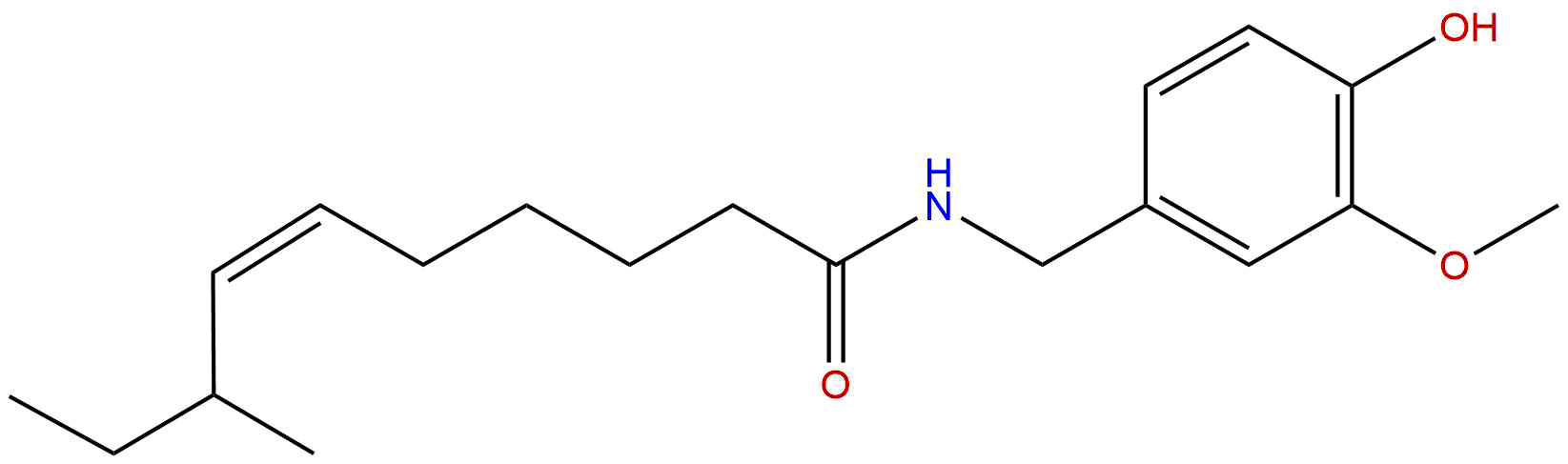
The chemical name of Isohomocapsaicin II is (E) - N - (4-hydroxy-3-methoxybenzyl) -8-methyl-7-decenamide. Its molecular formula is C ₁₉ H ₂₉ NO ∝, and its molecular weight is 319.44 g/mol. Structurally, it belongs to the typical capsaicin class compounds, consisting of three main domains:
- Vanillin amine head (A ring)4-hydroxy-3-methoxybenzyl moiety. The benzene ring structure of the ortho methoxy para hydroxyl group is the key pharmacophore for capsaicin compounds to bind to TRPV1 receptors. The hydrogen bond donor/acceptor properties of phenolic hydroxyl and methoxy groups are crucial for ligand acceptor interactions.
- Amide bond bridge As a hub connecting the head and tail fatty acid chains. The polarity of amide bonds and their ability to form hydrogen bonds play an important role in maintaining molecular conformation and binding to target proteins.
- Fatty acid side chain (B chain)This is the core area that distinguishes different capsaicin substances. The side chain of Isocapsaicin II is an unsaturated fatty acid chain containing 10 carbon atoms, characterized by a methyl branch at position C-8 and a trans chain between C-7 and C-8(E)Double bond configuration. Specifically, its side chain is 8-methyl-7-decenoyl. Compared with capsaicin (8-methyl-6-nonenoyl), its carbon chain length has an additional methylene group (- CH ₂ -), and the position of the double bond has shifted one carbon atom towards the carboxyl end. Compared to dihydrocapsaicin (saturated side chain), it has an additional double bond. The differences in side chain length, branch position, and unsaturation are the fundamental reasons for the differences in biological activity between it and capsaicin and other homologs.
Physicochemical properties
Based on its chemical structure, it can be inferred that isocapsaicin II has the following physicochemical properties:
- physical state At room temperature, it should be a white or off white crystalline powder.
- solubility Due to the presence of both polar groups (phenolic hydroxyl, amide bond, ether bond) and non-polar long-chain alkyl groups in the molecule, its solubility exhibits amphiphilicity. It is easily soluble in organic solvents such as methanol, ethanol, acetonitrile, acetone, chloroform, and ethyl acetate. The solubility in water is extremely low, but in alkaline aqueous solutions (such as dilute NaOH solution), its solubility increases significantly due to deprotonation of phenolic hydroxyl groups.
- Stability Normally, capsaicin like substances are more sensitive to light, heat, and oxygen. Especially the phenolic hydroxyl groups in the molecule are easily oxidized, leading to compound degradation or discoloration. Trans double bonds may undergo isomerization or oxidation under strong acid, strong base, or high temperature conditions. Therefore, isocapsaicin II should be stored in the dark, at low temperatures, and under inert gas protection.
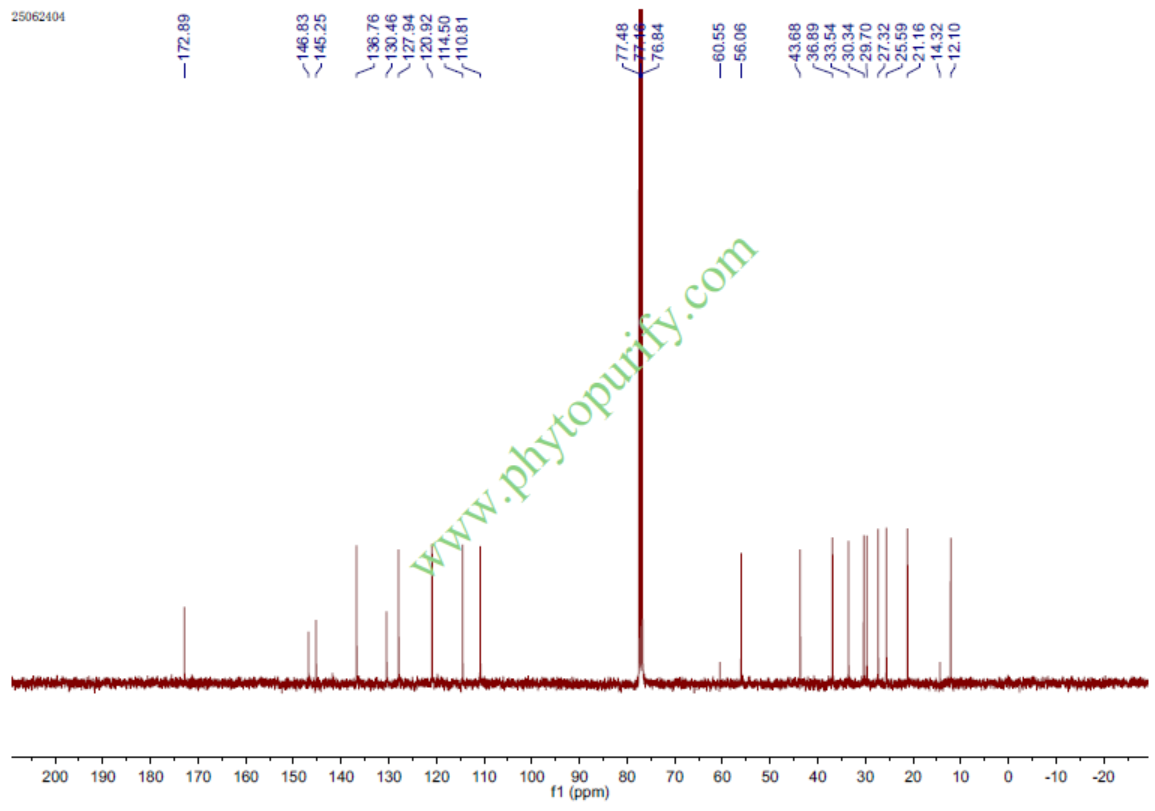
- spectral characteristics Its ultraviolet (UV) absorption spectrum is mainly contributed by the vanilloamine moiety, with characteristic absorption peaks at around 230 nm and 280 nm. Infrared (IR) spectroscopy can observe characteristic absorption of phenolic hydroxyl groups (~3400 cm ⁻¹), amide carbonyl groups (~1650 cm ⁻¹), and aromatic rings (~1600 cm ⁻¹). Nuclear magnetic resonance (NMR) spectra, especially ¹ H and ¹ ³ C NMR, are used to determine their structure and identify double bond configurations(E/Z)The key means of determining the position of the branch chain. In mass spectrometry (MS) analysis, the molecular ion peak [M+H] ⁺ is m/z 320.2, which is confirmed by characteristic fragment ions (such as vanillyl amine fragment m/z 137).
Plant sources and extraction methods
Plant-based
Isocapsaicin II is mainly present in the chili genus(Capsicum)Among the fruits of plants, especially those with high spiciness. It is a minor component in the total content of capsaicin like substances, and its content is usually much lower than capsaicin and dihydrocapsaicin, but its relative content may increase in certain specific varieties or growth conditions. Research has shown that isocapsaicin II is detected in the following chili varieties:
- Annual chili pepper(Capsicum annuum L.)This includes most common varieties of bell peppers and chili peppers, such as morning bell peppers, string peppers, etc. Its content varies depending on the variety, place of origin, and maturity.
- Chinese chili pepper(Capsicum chinense Jacq.)Including famous super spicy varieties such as Habanero and Scotch Bonnet. These varieties typically contain more complex and higher levels of capsaicin compounds, making them an important source for searching for trace amounts of capsaicin components.
- Shrubs shaped chili pepper(Capsicum frutescens L.)Tabasco chili, for example, is also one of the sources of capsaicin substances.
In addition to chili fruits, theoretically, other parts of chili plants (such as leaves and stems) may also contain trace amounts of capsaicin, but the content is extremely low and does not have extraction value.
Extraction and Separation Purification Methods
Due to the low content of isocapsaicin II in natural products, its acquisition usually requires a combination of efficient extraction techniques and sophisticated chromatographic separation methods.
1. Extraction method
- Solvent extraction method This is the most traditional and commonly used method. Usually, dried and crushed chili fruit powder is soaked, percolated or refluxed with polar organic solvents (such as ethanol, methanol, acetonitrile or their mixed solutions with water) at room temperature or under heating conditions. To improve extraction efficiency and selectivity, ultrasound assisted extraction (UAE) or microwave-assisted extraction (MAE) techniques can be used, which can destroy cell walls and accelerate the dissolution of target compounds.
- Supercritical fluid extraction (SFE)Using supercritical CO ₂ as the extraction solvent has the advantages of being green, efficient, and selectively adjustable. By adjusting pressure and temperature, capsaicin like substances can be selectively extracted, reducing the co extraction of impurities such as pigments and oils. This method is particularly suitable for preparing high-purity capsaicin extracts.
2. Separation and purification methods
Obtaining high-purity isocapsaicin II from crude extracts relies on efficient chromatographic separation techniques.
- Column chromatography method Classic silica gel column chromatography is a commonly used method for preliminary separation. By using different ratios of organic solvents (such as n-hexane ethyl acetate, chloroform methanol) for gradient elution, capsaicin like substances can be separated from other impurities with significant polarity differences.
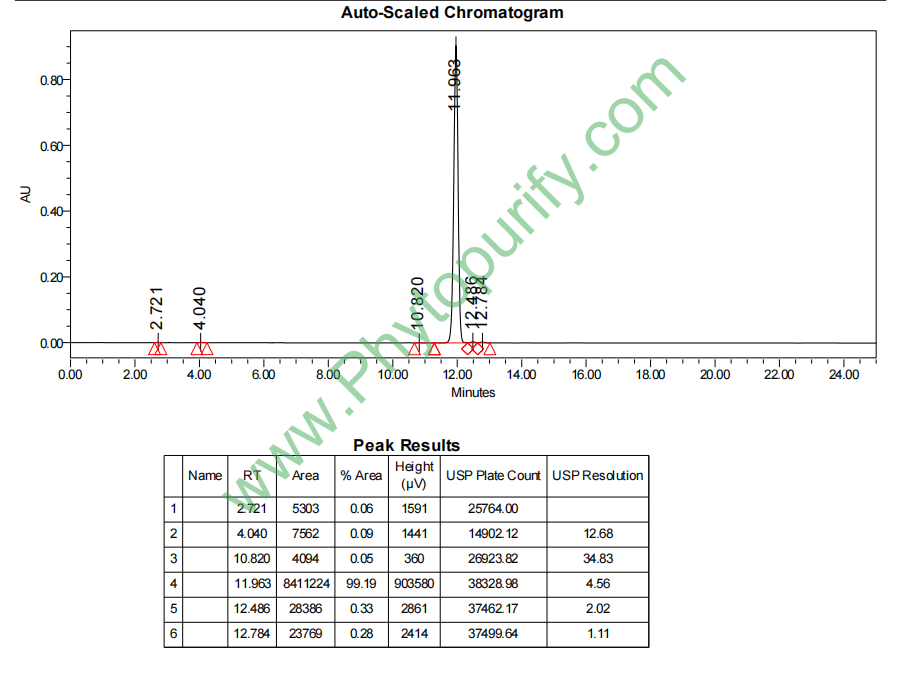
- Preparation type high performance liquid chromatography (Prep HPLC)This is the most effective method to obtain high-purity single capsaicinoid homologs. By using a reverse phase C18 chromatography column with acetonitrile water or methanol water as the mobile phase and optimizing the gradient elution program, baseline separation can be achieved between structurally similar components such as capsaicin, dihydrocapsaicin, isocapsaicin II, and dihydrocapsaicin. By combining a ultraviolet detector (UV) or an evaporative light scattering detector (ELSD), the target peak can be accurately collected. For components with low levels of isocapsaicin II, multiple cycles of injection and collection are usually required to obtain sufficient amounts of pure product.
- High Speed Counter Current Chromatography (HSCCC)This is a chromatographic technique based on the liquid-liquid distribution principle, which avoids irreversible adsorption between the sample and the solid stationary phase, and has the advantages of high sample recovery and large preparation capacity. Choosing a suitable solvent system (such as n-hexane ethyl acetate methanol water) can also effectively separate capsaicin homologues.
Pharmacological activity research
Compared with capsaicin, the pharmacological activity research on isocapsaicin II is relatively limited, but existing studies have preliminarily revealed its unique biological effects, especially in terms of analgesia, anti-inflammatory, and anti-tumor potential.
Analgesic activity
As an agonist of TRPV1 receptor, the most direct pharmacological activity of isocapsaicin II is analgesia. Similar to capsaicin, it initially causes a burning sensation by activating TRPV1, but long-term or high-dose application can lead to desensitization and functional inactivation of TRPV1 receptors, resulting in long-lasting analgesic effects. Research has shown that isocapsaicin II exhibits activity in various pain models.
- Acute pain model In the classic acetic acid writhing test and hot plate test, isocapsaicin II showed dose-dependent analgesic effects, which may be slightly lower than capsaicin but higher than some other homologs. This difference is believed to be related to the influence of its side chain length and double bond position on its binding kinetics with TRPV1 receptor.
- Neuropathic pain model: In the model of chronic constrictive injury (CCI) or streptozotocin (STZ) induced diabetes neuropathy, local or systemic administration of isocapsaicin II can significantly reduce mechanical abnormal pain and thermal hyperalgesia. The mechanism may involve long-term desensitization of TRPV1 receptors and downregulation of the release of pro-inflammatory cytokines and pain related neurotransmitters in the spinal dorsal horn.
- Inflammatory pain model In inflammatory pain models induced by formalin or complete Freund's adjuvant (CFA), iso capsaicin II also exhibits significant analgesic effects and can inhibit inflammatory responses.
anti-inflammatory activity
Isocapsaicin II exhibits clear anti-inflammatory activity. In the macrophage model stimulated by lipopolysaccharide (LPS), it can significantly inhibit the production of pro-inflammatory cytokines such as nitric oxide (NO), prostaglandin E ₂ (PGE ₂), tumor necrosis factor - α (TNF - α), interleukin-6 (IL-6), and interleukin-1 β (IL-1 β). Its anti-inflammatory mechanism may involve multiple levels:
- Inhibition of NF - κ B pathway Isocapsaicin II can inhibit the phosphorylation and degradation of I κ B α, thereby preventing the nuclear translocation of NF - κ B and downregulating the expression of various inflammation related genes downstream of it.
- Activate Nrf2 pathway As an electrophilic molecule, it may activate the nuclear factor E2 related factor 2 (Nrf2) pathway, inducing the expression of a series of antioxidant enzymes (such as heme oxygenase-1, HO-1), thereby combating oxidative stress and inflammation.
- Regulating the MAPK pathway Phosphorylation levels of mitogen activated protein kinase (MAPK) signaling pathways such as p38, JNK, and ERK may also be affected.
Antitumor activity
Preliminary in vitro cell experiments have revealed the anti-tumor potential of isocapsaicin II. Research shows that it can inhibit the proliferation of many human cancer cell lines (such as HepG2, breast cancer MCF-7, cervical cancer HeLa, lung cancer A549, etc.), and has relatively low toxicity to normal cells. Its anti-tumor mechanism may include:
- Inducing cell apoptosis By activating caspase-3/9, upregulating Bax, downregulating Bcl-2, disrupting mitochondrial membrane potential, and releasing cytochrome c, the endogenous apoptotic pathway is activated.
- Inducing cell cycle arrest Block the cell cycle in G0/G1 or G2/M phase to inhibit cell proliferation.
- Inhibit angiogenesis In an in vitro angiogenesis model, isocapsaicin II can inhibit the luminal formation of human umbilical vein endothelial cells (HUVEC), suggesting its potential anti angiogenic activity.
- Suppression transfer Possible inhibition of cancer cell migration and invasion by downregulating the expression of matrix metalloproteinases (MMPs).
Other activities
- metabolic regulation As a capsaicin like substance, isocapsaicin II may also have a regulatory effect on energy metabolism. It may promote heat production and energy expenditure in adipose tissue by activating TRPV1, or affect host metabolism by acting on gut microbiota.
- antioxidant activity The phenolic hydroxyl groups in its molecules endow it with the ability to directly scavenge free radicals and exhibit certain antioxidant activity.
- Antibacterial activity Reports have shown that capsaicin like substances have inhibitory effects on certain bacteria and fungi, and isocapsaicin II may also have similar activity.
Mechanism of action and molecular targets
The pharmacological effects of Isocapsaicin II, especially its analgesic and anti-inflammatory activities, are mainly attributed to its regulation of the transient receptor potential vanillic acid subtype 1 (TRPV1) channel. TRPV1 is a non selective cation channel primarily expressed on sensory neurons and can be activated by capsaicin, heat (>43 ° C), acid (pH<5.9), and endogenous inflammatory mediators such as arachidonic acid ethanolamine.
Interaction with TRPV1
Isocapsaicin II, as an agonist of TRPV1, has a mechanism of action highly similar to capsaicin, but with slight differences.
- binding site It binds to the intracellular region of the TRPV1 channel, specifically located in a hydrophobic pocket between the S3 and S4 transmembrane helices. Vanillin head forms hydrogen bonds and van der Waals interactions with key amino acid residues on the channel, such as Tyr511, Ser512, Thr550. The fatty acid side chains are embedded in hydrophobic channels composed of S3, S4, and S6 helices, and their length, branched chain, and double bond positions determine the stability and conformational changes of the binding.
- Channel activation and desensitization After binding, isocapsaicin II induces conformational changes in TRPV1 channel protein, opening the channel and causing Ca ² ⁺ and Na ⁺ influx, leading to neuronal depolarization and the production of burning signals. Continuous agonist stimulation can lead to Ca ² ⁺ - dependent desensitization of channels, which reduces their responsiveness to subsequent stimuli. This is the core mechanism underlying their analgesic effects. The side chain structure of isocapsaicin II may result in different binding kinetics (binding rate, dissociation rate) with TRPV1 compared to capsaicin, thereby affecting the rate and degree of desensitization, which may be the molecular basis for the persistent differences in its analgesic effect.
Other potential targets
In addition to TRPV1, isocapsaicin II may also act on other molecular targets, resulting in a wider range of pharmacological effects.
- Other TRP channels It may have varying degrees of excitatory or antagonistic effects on other TRP channels such as TRPV3 and TRPA1, which are also involved in sensory transduction and inflammatory responses.
- Peroxisome proliferator activated receptors (PPARs)Studies have shown that capsaicin like substances can activate PPAR γ and PPAR α, and participate in regulating lipid metabolism and inflammatory response. Isocapsaicin II may also have a similar effect.
- Cyclooxygenase (COX) and Lipoxygenase (LOX)Its anti-inflammatory activity may stem from direct inhibition of COX-2 and 5-LOX activity, thereby reducing the synthesis of prostaglandins and leukotrienes.
- ion channel May have a regulatory effect on voltage-gated sodium ion channels (Nav) or calcium ion channels (Cav), affecting neuronal excitability.
Evaluation of drug properties and pharmacokinetics
Drugability assessment
At present, there is no systematic report on the pharmacological data of isocapsaicin II, such as the "Lipinski Five Rules" parameters. However, based on its chemical structure, we can conduct preliminary theoretical evaluations.
- molecular weight:319.44 Da, Less than 500 Da, in compliance with the rules.
- Lipid water partition coefficient (LogP)Its LogP value is expected to be between 3-4, slightly higher than capsaicin (about 3.5), indicating its strong lipophilicity, which is beneficial for penetrating biofilms, but may also lead to poor water solubility and affect oral bioavailability.
- Hydrogen bond donor/acceptor There is one phenolic hydroxyl group (hydrogen bond donor) and three hydrogen bond acceptors (amide carbonyl, ether oxygen, phenolic hydroxyl oxygen) in the molecule, all of which comply with the rules (donor ≤ 5, acceptor ≤ 10).
- Number of rotatable keys The multiple methylene groups and double bonds on the side chain endow it with a certain degree of flexibility, and the expected number of rotatable bonds is 8-10, slightly higher than many traditional drugs, but still within an acceptable range.
Overall, the physicochemical properties of isocapsaicin II generally conform to the principle of drug likeness, but its poor water solubility and metabolic instability (phenolic hydroxyl groups are easily glucuronidated or sulfated, and double bonds are easily oxidized) pose potential challenges. It is expected to improve its drug properties through structural modifications such as prodrug strategies and the introduction of polar groups.
pharmacokinetics
At present, there is no specialized pharmacokinetic (PK) study on isocapsaicin II. But based on the common knowledge of capsaicin like substances, its PK characteristics can be inferred:
- absorb Oral absorption may be poor and irregular, mainly influenced by its water solubility and first pass effect. Local administration (transdermal, mucosal) is a commonly used route of administration, which can bypass the first pass effect and directly enter the systemic circulation.
- distribution Due to its high lipophilicity, isocapsaicin II is widely distributed in the body and easily accumulates in adipose tissue and organs rich in blood vessels. It may bind extensively to plasma proteins such as albumin.
- Metabolism The liver is its main metabolic organ. The metabolic pathways mainly include:
- Phase I metabolism Oxidation of side chains (ω - and β - oxidation) and epoxidation of double bonds.
- Phase II metabolism The glucuronidation and sulfation of phenolic hydroxyl groups are the main pathways for clearance. Hydrolysis of amide bonds may also occur, but to a lesser extent.
- excretion Metabolites are mainly excreted through urine and bile. The excretion of the prototype drug in urine is extremely low.
Clinical application prospects and prospects
Based on its unique pharmacological activity, isocapsaicin II has shown broad application prospects in multiple fields.
pharmaceutical field
- New analgesics As a TRPV1 agonist, its greatest potential lies in the development of drugs for the treatment of chronic pain, such as neuropathic pain, osteoarthritis pain, and cancer pain. Compared with capsaicin, it may have different desensitization kinetics and side effect profiles, and is expected to become a better alternative or complementary therapy. The main direction is to develop topical patches, creams or gel.
- antiinflammatory drug Can be used to treat various inflammatory diseases, such as rheumatoid arthritis, inflammatory bowel disease, dermatitis, etc. Its multi-target anti-inflammatory mechanism (TRPV1, NF - κ B, Nrf2) makes it possible to have a more comprehensive therapeutic effect.
- Antitumor adjuvant therapy Its activity of inducing apoptosis and inhibiting proliferation makes it potential as a chemotherapy sensitizer or direct anti-tumor drug. Further research is needed on its in vivo anti-tumor effect, toxicity, and synergistic effect with existing chemotherapy drugs.
- Treatment of metabolic diseases It may be used to treat obesity and type 2 diabetes by regulating energy metabolism and improving insulin resistance.
Other fields
- food industry As a natural spicy flavor substance, it can be used to develop new seasonings and food additives. Its unique spiciness and flavor profile may provide new choices for food innovation.
- Agriculture Its antibacterial and insecticidal activity makes it potentially developed into a natural plant protectant or biopesticide for the prevention and control of crop pests and diseases.
- chemical products for daily use It can be added to skincare products, massage creams, or body care products with "heating" or "soothing" effects to promote local blood circulation and relieve pain.
Future research directions
Despite its promising prospects, the research on isocapsaicin II is still in its very early stages. In the future, we need to focus on breaking through the following directions:
- Large scale preparation technology Develop efficient and low-cost biosynthetic or chemical synthesis methods to address the scarcity of natural sources and provide a material basis for further in-depth research.
- In depth pharmacological research Conduct systematic in vivo pharmacological studies, validate its activity in various animal models of diseases, and clarify its dose-response relationship. Using tools such as gene knockout mice, rigorously verify the specificity of its target (especially TRPV1).
- Comprehensive toxicological evaluation Conduct acute and chronic toxicity tests to evaluate their safety and tolerability, particularly their effects on cardiovascular, liver, and nervous systems.
- Pharmacokinetic study of the system Establish sensitive biological sample analysis methods to elucidate their absorption, distribution, metabolism, and excretion characteristics in animal bodies, providing guidance for drug design.
- Research on Structural Optimization and Structure Performance Relationship Based on its molecular docking model with TRPV1, a series of structurally similar compounds were designed and synthesized. The effects of side chain length, branching, unsaturation, and head group modification on their activity, selectivity, and metabolic stability were systematically studied, and lead compounds with higher activity and fewer side effects were identified.
Conclusion
As a relatively "low-key" member of the capsaicin family, isocapsaicin II's unique chemical structure - an additional methylene group and a double bond in a different position - endows it with biological characteristics distinct from the main component capsaicin. Although current research is not sufficient, existing evidence suggests that it has clear pharmacological activities in pain relief, anti-inflammatory, and anti-tumor effects. Its mechanism of action mainly revolves around the TRPV1 channel and may involve multiple other targets. Its potential clinical application value cannot be ignored, especially in the development of new chronic pain treatment drugs.
However, from natural products to clinical drugs, isocapsaicinoid II still faces challenges in terms of source, drug formulation, pharmacokinetics, and toxicology. Future research requires the collaboration of multidisciplinary experts in chemistry, pharmacology, toxicology, and medicinal chemistry. By developing efficient preparation methods, conducting in-depth mechanistic studies, and conducting systematic preclinical evaluations, we can truly reveal its medicinal potential and ultimately transform it into an effective tool for benefiting human health. The in-depth study of isocapsaicin II not only helps us to comprehensively understand the structure-activity relationship of capsaicin like substances, but also provides valuable ideas and examples for exploring new drug lead compounds from the natural product treasure trove.