| Catalog No | Package | Original Price | Price | Inventory | Quantity | Operating |
|---|---|---|---|---|---|---|
| BP4535-5mg | 5mg | $520.00 | Sign in |
|


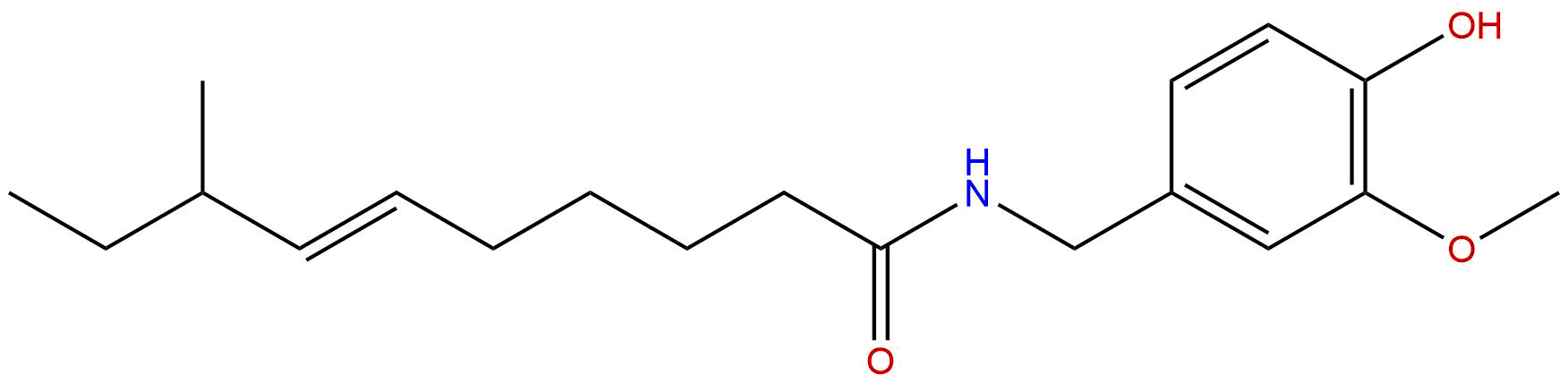
Product name: Homocapsaicin II
Synonym name:
Catalogue No.: BP4535
Cas No.: 71240-51-2
Formula: C19H29NO3
Mol Weight: 319.445
Botanical Source:
Type of Compound: Alkaloids
Purity: 95%~99%
Analysis Method: HPLC-DAD or/and HPLC-ELSD
Identification Method: Mass, NMR
Packing: Brown vial or HDPE plastic bottle
Storage: Store in a well closed container, protected from air and light. Put into refrigerate or freeze for long term storage.
Whenever possible, you should prepare and use solutions on the same day. However, if you need to make up stock solutions in advance, we recommend that you store the solution as aliquots in tightly sealed vials at -20℃. Generally, these will be useable for up to two weeks.
The product could be supplied from milligrams to grams
Inquire for bulk scale.
For Reference Standard and R&D, Not for Human Use Directly.
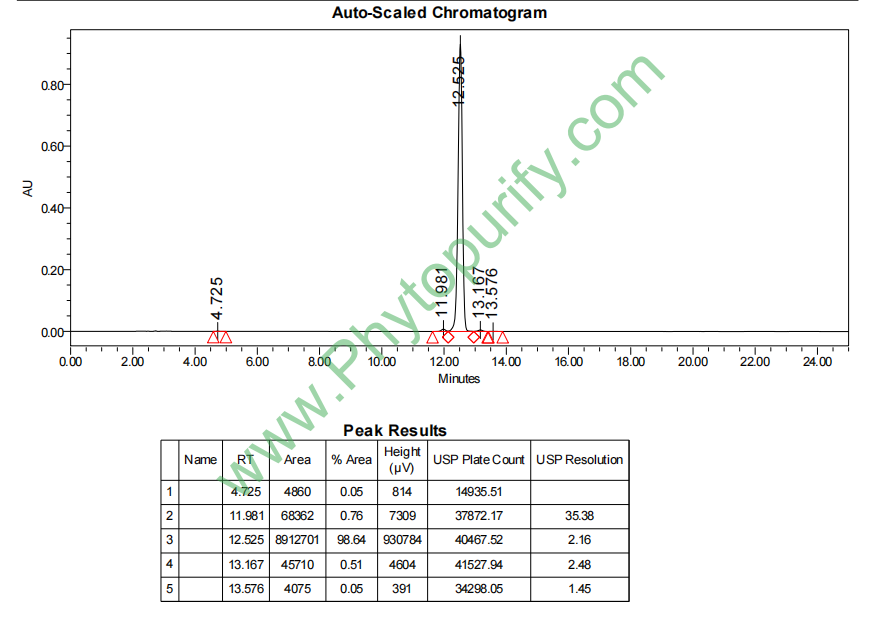
HPLC of Homocapsaicin II
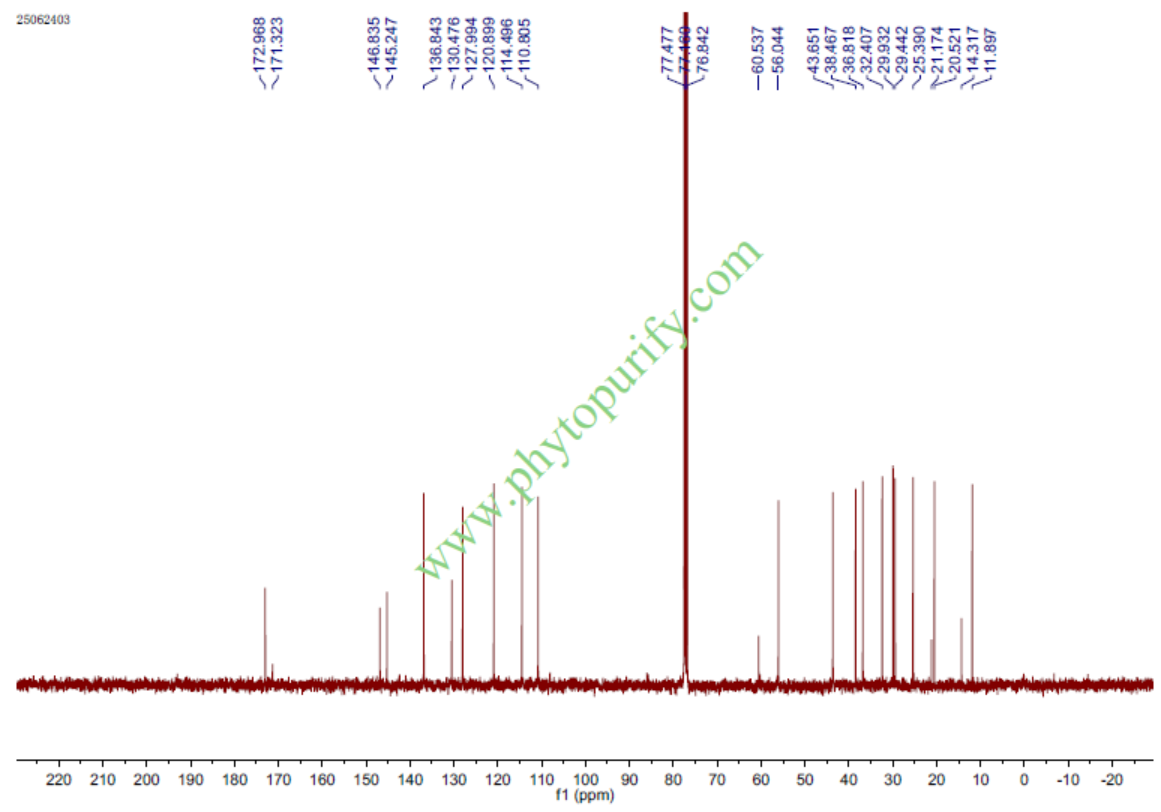
NMR of Homocapsaicin II
Storage conditions:Short-term storage at 2~8℃, long-term storage at -20 ~ -80℃
58.5600
4.0350
4.0339
.0371
2.9487
5.5353
High
92.7439
2.7124
No
Yes
Yes
No
No
No
0.0
No
No
No
Yes
Chili pepper(Capsicum annuum L.)As a widely consumed spice and vegetable worldwide, its unique spicy flavor and various health benefits have attracted much attention. This spiciness is mainly attributed to a class of alkaloids called capsaicin, among which capsaicin and dihydrocapsaicin are the most extensively studied and abundant components. However, there are also a series of structurally similar and low content capsaicin analogues in chili plants, which together form the chemical basis for the spicy taste and biological activity of chili. Homocapsaicin II (CAS number: 71240-51-2) is one of them. As a stimulating compound, although it accounts for a small proportion of total capsaicin substances, its unique chemical structure endows it with potential differential pharmacological activity, and it is gradually becoming an emerging interest in natural product pharmacology research. This article aims to provide a systematic review of the chemical properties, plant sources, pharmacological activities, mechanisms of action, and medicinal potential of capsaicin II, in order to provide a comprehensive academic perspective for the in-depth research and application development of this atypical capsaicin compound.
Capsaicin II belongs to the vanillimide class of compounds and is a structural homolog of capsaicin. Its system is named (E) - N - [(4-hydroxy-3-methoxyphenyl) methyl] -9-methyl-8-decenamide. Compared to the classic capsaicin (C8 straight chain), capsaicin II has an additional methylene group (- CH2-) on its fatty acyl side chain, resulting in a side chain length of 9 carbon atoms (C9). It also has a double bond on the 8th carbon and a methyl branch on the 9th carbon. This structural difference is the origin of its name "Homo -" and directly affects its physicochemical properties.
Its molecular formula is C20H29NO3 and its molecular weight is 319.4450. The calculated lipid water partition coefficient (LogP) is 4.0350, indicating that the compound has high lipophilicity, which is consistent with its longer fatty chain structure. The theoretical polar surface area (TPSA) is 58.5600 Å ², mainly contributed by amide bonds and phenolic hydroxyl groups. The predicted water solubility value is relatively low (about 0.0371 mg/mL), indicating that it is difficult to dissolve in water, but has good solubility in organic solvents such as ethanol, acetone, and ethyl acetate. These physicochemical parameters determine the distribution, absorption, and metabolic characteristics of capsaicin II in organisms, and its high lipophilicity indicates good cell membrane penetration ability.
Capsaicin II naturally exists in the genus Capsicum of the Solanaceae family(Capsicum)In the fruits of plants, especially cultivated chili peppers Capsicum annuum L.Compared with capsaicin and dihydrocapsaicin, the content of high capsaicin II in pepper fruit is usually lower, and its specific content varies significantly depending on the pepper variety, cultivation conditions, maturity, and fruit part. Generally speaking, the higher the spiciness of chili peppers, the higher their total capsaicin content, and the relative proportion of high capsaicin II and similar substances may also change.
The extraction of capsaicin II from chili fruits usually follows the overall extraction and purification process of capsaicin like substances. The conventional extraction methods include:
1. Organic solvent extraction method The most commonly used method. Extract, reflux or Soxhlet the dried and crushed chili powder using polar organic solvents (such as acetone, ethanol, methanol) or mixed solvents. This method is highly efficient and can simultaneously extract all capsaicin like substances.
2. Supercritical fluid extraction method Using supercritical CO2 as the extractant, it has the advantages of low temperature, non toxicity, and no residue. It can selectively extract fat soluble components and is suitable for obtaining high-quality crude extracts of capsaicin substances.
3. Ultrasonic or microwave-assisted extraction method By utilizing physical fields to enhance the extraction process, extraction time can be shortened and extraction efficiency can be improved.
After obtaining crude extracts of capsaicin, further separation and purification are required to obtain a single high capsaicin II. Common separation techniques include:
- column chromatography Silica gel column chromatography is commonly used, with gradient elution using solvent systems of different polarities (such as n-hexane ethyl acetate, chloroform methanol), to preliminarily separate each component based on polarity differences.
- High performance liquid chromatography It is a key technology for isolating and identifying capsaicin II. A reverse phase C18 chromatography column combined with a UV detector (~280 nm) or a mass spectrometry detector can efficiently and high-resolution separate compounds with extremely similar structures, such as capsaicin, dihydrocapsaicin, capsaicin I, and capsaicin II. Preparation HPLC can be used for the preparation of pure products ranging from milligrams to grams.
- Thin layer chromatography Can be used for rapid monitoring of extraction and separation processes.
Due to the low content of capsaicin II, its separation and purification process is relatively complicated, and obtaining high-purity monomers is a prerequisite for subsequent precise pharmacological activity research.
Although there are far fewer independent pharmacological studies on capsaicin II compared to capsaicin, its biological activity in multiple aspects has been revealed based on its structural similarity and some research results.
TRPV1 receptor activation and analgesic effects As a capsaicin analogue, the core pharmacological characteristic of capsaicin II is its ability to act as an agonist of transient receptor potential vanillic acid subtype 1 (TRPV1). TRPV1 is a non selective cation channel mainly expressed in sensory neurons (especially nociceptive C fibers and A δ fibers), which can be activated by heat (>43 ° C), acid (pH<6), and capsaicin like substances. After binding with TRPV1, capsaicin II causes channel opening, calcium ion influx, and generates strong burning sensation and pain signals. However, similar to capsaicin, repeated or high-dose application can lead to desensitization of TRPV1, subsequent reversible inhibition of sensory neuron function, and depletion of pain mediators such as substance P in nerve endings, resulting in long-lasting analgesic effects. The characteristic of "first stimulating and then desensitizing" is the cornerstone of its potential topical analgesic effect. Research has shown that its stimulation intensity and desensitization effect may be related to the length and structure of the side chains, and may differ in potency from capsaicin.
anti-inflammatory activity Inflammation is closely related to pain. Capsaicin like substances activate TRPV1, which not only affects pain transmission but also regulates neurogenic inflammation. Capsaicin II may alleviate neurogenic inflammation by desensitizing sensory nerves and reducing the release of neuropeptides such as substance P and calcitonin gene-related peptides. In addition, studies suggest that capsaicin like substances may exert anti-inflammatory effects through non TRPV1 dependent pathways, such as inhibiting the nuclear factor kappa B (NF - κ B) signaling pathway and reducing the production of pro-inflammatory cytokines (such as TNF - α, IL-6). Whether capsaicin II has similar or unique anti-inflammatory mechanisms remains to be further explored.
antioxidant activity The phenolic hydroxyl group in the molecular structure of capsaicin II is its potential antioxidant group. Phenolic compounds typically have the ability to scavenge free radicals and inhibit lipid peroxidation. Although its antioxidant capacity may be weaker than some polyphenolic substances, in the complex biological activity network of capsaicin like substances, antioxidant effects may help alleviate tissue damage related to oxidative stress, assisting in its anti-inflammatory and neuroprotective effects.
Anti obesity and metabolic regulation potential Capsaicin has been extensively studied and confirmed to activate TRPV1, promote adrenaline release, increase energy expenditure and fat oxidation, and may regulate appetite. As a TRPV1 agonist, capsaicin II theoretically should also have the potential to regulate metabolism. Its lipophilicity may affect its distribution and activity in adipose tissue, but the specific effect needs to be experimentally verified.
Preliminary exploration of anti-tumor activity Capsaicin and its analogues have shown inhibitory activity on proliferation and induction of apoptosis in various tumor cell lines, with mechanisms involving intracellular calcium overload, mitochondrial dysfunction, cell cycle arrest, etc. The long-chain hydrophobic structure of capsaicin II may affect its interaction with cell membranes or intracellular targets, but its anti-tumor activity and specificity have not been systematically reported.
The biological effects of capsaicin II mainly stem from its specific interactions with molecular targets.
Main target: TRPV1 ion channel This is the most clear and core target of capsaicin II. Its mechanism of action is similar to capsaicin: the vanillyl group in the molecule interacts with the binding pocket of the TRPV1 channel intracellular region, causing a conformational change in the channel from a closed state to an open state, resulting in the influx of cations such as Na ⁺ and Ca ² ⁺, depolarization of the membrane, generation of action potentials, and transmission of pain signals. Long term or high concentration exposure can cause channel desensitization (reduced responsiveness to subsequent stimuli) and calcium dependent cytotoxicity, leading to reversible loss of sensory nerve endings function. The affinity, activation efficiency, and desensitization kinetics of capsaicin II and TRPV1 may differ slightly from capsaicin due to its C9 branched structure, which determines the subtle differences in its pharmacological properties.
Potential secondary targets and signaling pathways:
At present, most of the research on the mechanism of action of capsaicin II is based on the inference of the known mechanism of capsaicin, lacking in-depth molecular and cellular biology research on the compound itself, which is an important gap that needs to be filled in the future.
Based on the provided calculation parameters and known characteristics of capsaicin like substances, a preliminary evaluation of the pharmacological properties of capsaicin II can be conducted.
Absorption, distribution, metabolism, excretion (ADME) prediction:
Preliminary Safety Assessment:
Formulation considerations Due to its extremely poor water solubility, it is difficult to directly produce aqueous solution formulations. Common formulations of capsaicin products include:
Overall, capsaicin II has certain favorable physicochemical properties for use as a drug (such as good absorption, no hERG inhibition), but its strong irritability, potential neurotoxicity, and poor solubility are the main challenges in its development as a systemic drug. Topical local administration is its most promising research and development direction.
The clinical application prospects of capsaicin II are mainly based on the pharmacological basis of TRPV1 agonists, and may open up niche fields due to its unique properties.
pain management:
Dermatology applications:
Adjuvant therapy for metabolic diseases If its metabolic regulatory activity is confirmed, it may be used as an adjuvant ingredient for the management of obesity or metabolic syndrome, but the irritation issue of oral administration needs to be addressed.
research tool As a differential ligand for TRPV1, capsaicin II is a valuable tool molecule for studying the structure function relationship and subtype specific signal transduction of TRPV1 channels.
Future research prospects:
1. Deepening basic research There is an urgent need to conduct rigorously controlled pharmacological studies on capsaicin II itself, accurately determining its affinity, potency, efficacy, and functional selectivity towards TRPV1 and other potential targets, and elucidating its unique cellular signaling network.
2. Structural optimization and derivative development Using it as the parent nucleus, chemical modifications (such as side chain modification, introduction of polar groups) can be used to improve its solubility, regulate its irritant and desensitizing kinetic balance, or enhance its selectivity towards specific pathological states (such as tumor microenvironment).
3. Research on New Delivery Systems Develop advanced delivery technologies such as nanoliposomes, microspheres, and transdermal patches to achieve controlled release and targeted delivery of capsaicin II, maximizing therapeutic efficacy while minimizing local and systemic side effects.
4. Preclinical and clinical evaluation On the basis of clarifying its unique advantages, design reasonable preclinical safety and efficacy evaluations, and gradually promote clinical trials to explore its value in specific indications.
As a low content but structurally unique capsaicin analogue in chili peppers, capsaicin II not only enriches the chemical diversity of capsaicin compounds, but also provides a new molecular entity for us to understand the structure-activity relationship of TRPV1 agonists and develop novel analgesic and anti-inflammatory drugs. Although there is currently insufficient independent and systematic research on it, its clear TRPV1 agonist activity, favorable pharmacokinetic predictive parameters (such as absence of hERG inhibition), and potential differentiated pharmacological properties endow it with certain translational medicine potential. Future research should go beyond treating it as a 'minor homolog' of capsaicin and delve deeper into its unique biological effects and mechanisms. Through interdisciplinary collaboration, combined with modern medicinal chemistry, pharmacology, and molecular pharmacology methods, capsaicin II is expected to transform from a natural spicy ingredient into a lead compound or drug with specific clinical application value, providing new options for the treatment of pain, inflammation, and other related diseases.
