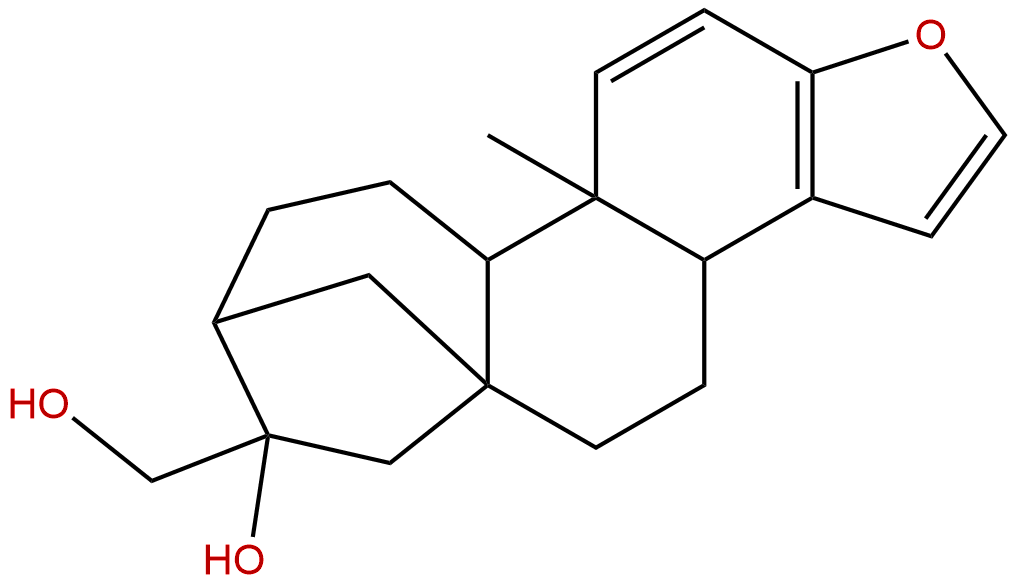


Product name: Kahweol
Synonym name:
Catalogue No.: BP1764
Cas No.: 6894-43-5
Formula: C20H26O3
Mol Weight: 314.425
Botanical Source: Coffea Bean
Physical Description:
Type of Compound:
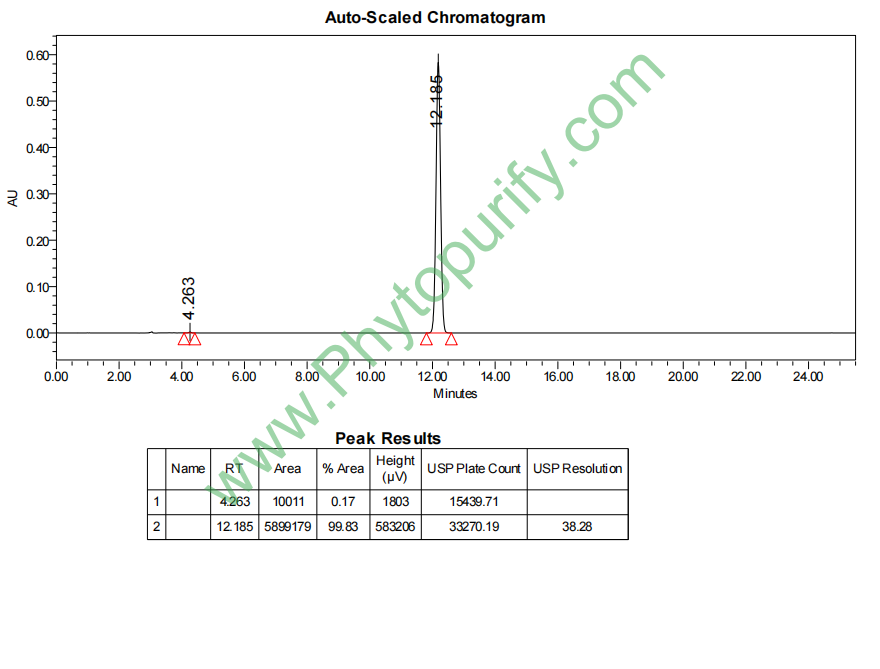
Purity: 95%~99%
Analysis Method: HPLC-DAD or/and HPLC-ELSD
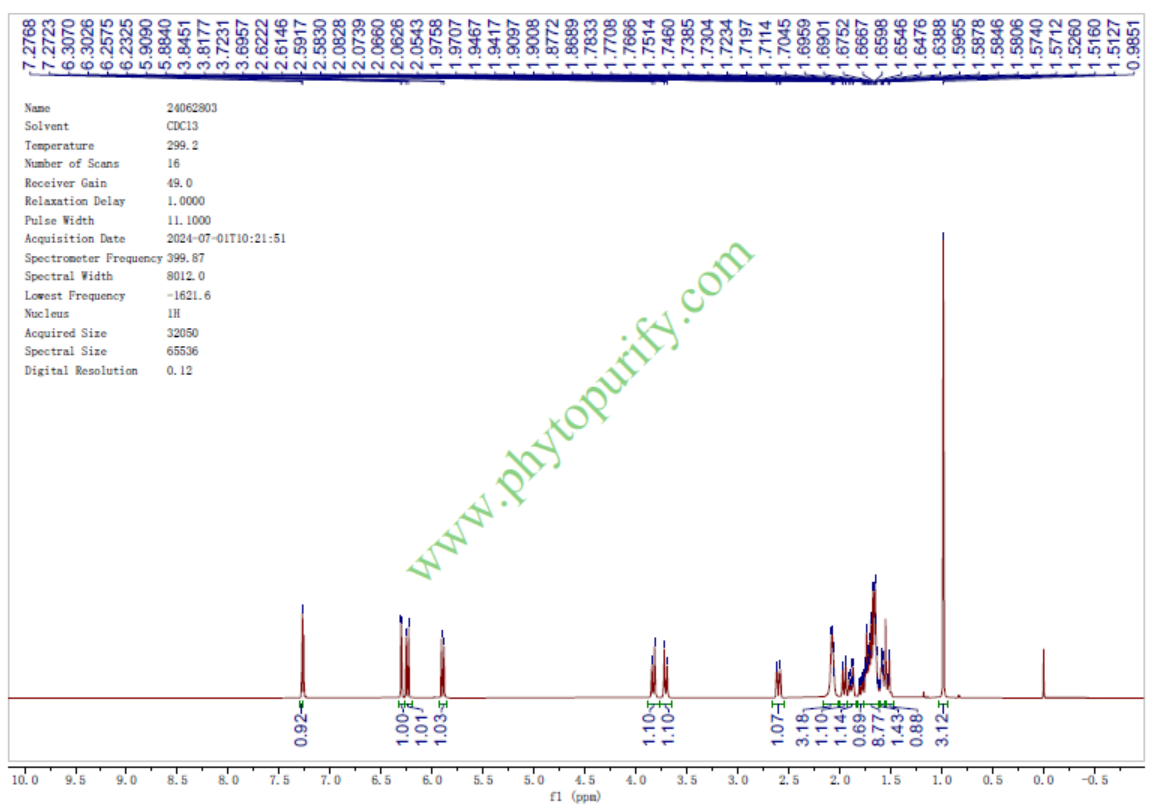
Identification Method: Mass, NMR
Packing: Brown vial or HDPE plastic bottle
The product could be supplied from milligrams to grams. Inquire for bulk scale.
We provide solution to improve the water-solubility of compounds, thereby facilitating the variety of activity tests and clinic uses.
For Reference Standard and R&D, Not for Human Use Directly.
Description:
Kahweol has anticarcinogenic, anti-angiogenic,and anti-inflammatory activities, it can block the LPS-induced activation of NF-kappaB by preventing IkappaB degradation and inhibiting IkappaB kinase activity. Kahweol also has hepatoprotective and antioxidant effects on carbon tetrachloride-induced liver damage in mice.
References:
Food Chem Toxicol. 2007 Nov;45(11):2118-25.
Hepatoprotective and antioxidant effects of the coffee diterpenes kahweol and cafestol on carbon tetrachloride-induced liver damage in mice.
The hepatoprotective effects of Kahweol and cafestol, coffee-specific diterpenes, on the carbon tetrachloride (CCl(4))-induced liver damage as well as the possible mechanisms involved in these protections were investigated.
METHODS AND RESULTS:
Pretreatment with Kahweol and cafestol prior to the administration of CCl(4) significantly prevented the increase in the serum levels of hepatic enzyme markers (alanine aminotransferase and aspartate aminotransferase) and reduced oxidative stress, such as reduced glutathione content and lipid peroxidation, in the liver in a dose-dependent manner. The histopathological evaluation of the livers also revealed that Kahweol and cafestol reduced the incidence of liver lesions induced by CCl(4). Treatment of the mice with Kahweol and cafestol also resulted in a significant decrease in the cytochrome P450 2E1 (CYP2E1), the major isozyme involved in CCl(4) bioactivation, specific enzyme activities, such as p-nitrophenol and aniline hydroxylation. Kahweol and cafestol exhibited antioxidant effects on FeCl(2)-ascorbate induced lipid peroxidation in a mouse liver homogenate, and on superoxide radical scavenging activity.
CONCLUSIONS:
These results suggest that the protective effects of Kahweol and cafestol against the CCl(4)-induced hepatotoxicity possibly involve mechanisms related to their ability to block the CYP2E1-mediated CCl(4) bioactivation and free radical scavenging effects.
PLoS One. 2011;6(8):e23407.
Anti-angiogenic and anti-inflammatory properties of kahweol, a coffee diterpene.
Epidemiological studies have shown that unfiltered coffee consumption is associated with a low incidence of cancer. This study aims to identify the effects of Kahweol, an antioxidant diterpene contained in unfiltered coffee, on angiogenesis and key inflammatory molecules.
METHODS AND RESULTS:
The experimental procedures included in vivo angiogenesis assays (both the chicken and quail choriallantoic membrane assay and the angiogenesis assay with fluorescent zebrafish), the ex vivo mouse aortic ring assay and the in vitro analysis of the effects of treatment of human endothelial cells with Kahweol in cell growth, cell viability, cell migration and zymographic assays, as well as the tube formation assay on Matrigel. Additionally, two inflammation markers were determined, namely, the expression levels of cyclooxygenase 2 and the levels of secreted monocyte chemoattractant protein-1. We show for the first time that Kahweol is an anti-angiogenic compound with inhibitory effects in two in vivo and one ex vivo angiogenesis models, with effects on specific steps of the angiogenic process: endothelial cell proliferation, migration, invasion and tube formation on Matrigel. We also demonstrate the inhibitory effect of Kahweol on the endothelial cell potential to remodel extracellular matrix by targeting two key molecules involved in the process, MMP-2 and uPA. Finally, the anti-inflammatory potential of this compound is demonstrated by its inhibition of both COX-2 expression and MCP-1 secretion in endothelial cells.
CONCLUSIONS:
Taken together, our data indicate that, indeed, Kahweol behaves as an anti-inflammatory and anti-angiogenic compound with potential use in antitumoral therapies. These data may contribute to the explanation of the reported antitumoral effects of Kahweol, including the recent epidemiological meta-analysis showing that drinking coffee could decrease the risk of certain cancers.
HPLC of Kahweol
HNMR of Kahweol
Storage conditions:Short-term storage at 2~8℃, long-term storage at -20 ~ -80℃
53.6000
3.2023
3.2020
.0078
4.8218
10.0156
High
85.6263
6.0755
No
No
No
No
No
Yes
0.0
No
No
Yes
Yes
Coffee, as a widely consumed beverage worldwide, has always been a hot topic in scientific research regarding its health effects. In addition to the well-known caffeine, coffee beans also contain various bioactive diterpenoid compounds, among which Kahweol and its structural analogue Cafestol have received much attention in recent years. Caffeinol (CAS No. 6894-43-5) is mainly found in coffee not filtered by filter paper, such as Türkiye coffee, French coffee and espresso. Early research focused more on its potential effect of raising serum cholesterol, but in-depth studies in the past two decades have found that coffee bean alcohol exhibits various pharmacological activities, including significant anti-inflammatory, antioxidant, anti angiogenic, and anti-tumor effects. Especially in many cancer models such as breast cancer, caffeinol shows the potential to induce apoptosis, inhibit cell proliferation and metastasis. Its mechanism of action involves the regulation of multiple key signaling pathways and molecular targets, such as AMP activated protein kinase (AMPK), B-cell lymphoma 2 (BCL2), signal transduction and transcription activator 3 (STAT3), etc. This article aims to systematically review the chemical properties, plant sources, pharmacological activities, molecular mechanisms of action, pharmacological evaluation, and clinical application prospects of coffee bean alcohol, in order to provide comprehensive scientific references for the deep development and utilization of this natural product.
Coffee bean alcohol is a furan type diterpenoid compound, with the chemical names (3bS, 5aS, 7R, 10aS, 10bR, 12aR) -3b, 4,5,6,7,8,9,10,10a,10b, 11,12-dodehydro-7-hydroxy-10a-methyl-5a, 10 bridged methylenecycloheptano [1,2-a] cyclopentadieno [1,2-c] cyclopentadiene-3b alcohol. Its molecular formula is C20H26O3 and its molecular weight is 314.4250 g/mol.
Structurally, coffee bean alcohol has a unique five ring skeleton consisting of a furan ring and a hydroxyl group. Its lipophilicity is strong, and the calculated lipid water partition coefficient (LogP) is 3.2023, indicating that it is easy to penetrate the cell membrane. The topologically polar surface area (TPSA) is 53.6 Å ², which is relatively low, further confirming its good membrane permeability. However, its water solubility is extremely low, only 0.0078 mg/mL, which poses a challenge for its formulation development. Pharmacokinetic predictions indicate that caffeic acid has a high blood-brain barrier permeability, which provides a possibility for its action on central nervous system related targets. In terms of preliminary safety prediction, the hERG inhibition risk is negative, and the Ames mutagenicity test prediction value is 0.0, indicating low risks of cardiac and genetic toxicity and good development potential.
Coffee bean alcohol is one of the characteristic components of Arabica coffee beans (Coffea Arabica L.), and its content is extremely low or almost non-existent in Robusta coffee beans (Coffea canephora). Its content in coffee beans is influenced by various factors such as coffee variety, origin, roasting degree, and brewing method. Usually, the total content of caffeic acid and caffeic acid in Arabica green beans is about 0.4-0.7% (dry weight). The roasting process can lead to partial degradation of coffee bean alcohol, resulting in greater losses during deep roasting.
Coffee bean alcohol mainly exists in the oil part of coffee beans. The extraction methods mainly include organic solvent extraction and supercritical fluid extraction. Traditional solvent extraction often uses organic solvents such as n-hexane, dichloromethane, or ethyl acetate to extract total lipids from roasted and ground coffee powder through Soxhlet extraction or extraction. Then, it is separated and purified using methods such as silica gel column chromatography, high-performance liquid chromatography (HPLC), or preparative thin layer chromatography (TLC) to obtain the coffee bean alcohol monomer. Supercritical carbon dioxide (SC-CO2) extraction technology has become the preferred method for extracting coffee oil components such as coffee bean alcohol due to its advantages of being green, efficient, selective, and avoiding residual organic solvents. By optimizing the extraction pressure, temperature, and entrainer, the extraction rate and purity of coffee bean alcohol can be effectively improved.
Numerous in vitro and in vivo studies have confirmed that coffee bean alcohol has a wide range of pharmacological activities, with its core activities focused on anti-tumor, anti-inflammatory, and metabolic regulation.
Antitumor activity: Caffeinol has shown growth inhibition and apoptosis promoting effects on a variety of cancer cell lines, especially in breast cancer research. Studies have shown that caffeinol can significantly inhibit the proliferation of human breast cancer cells (such as MCF-7, MDA-MB-231) and induce their apoptosis. In addition, it can also inhibit the migration and invasion ability of cancer cells, which is related to its downregulation of the expression of proteins such as matrix metalloproteinase-2 (MMP2). In animal models, caffeinol can effectively inhibit the growth and metastasis of breast cancer xenografts by gavage or intraperitoneal injection.
Anti inflammatory and antioxidant activity Coffee bean alcohol is an effective activator of nuclear factor E2 related factor 2 (Nrf2). Nrf2 is a key regulatory factor in cellular antioxidant response. Coffee bean alcohol induces Nrf2 nuclear translocation, upregulates the expression of phase II detoxifying enzymes and antioxidant enzymes such as heme oxygenase-1 (HO-1) and quinone oxidoreductase 1 (NQO1), thereby enhancing the antioxidant defense ability of cells and reducing oxidative stress damage. Meanwhile, it can also inhibit pro-inflammatory signaling pathways such as nuclear factor kappa B (NF - κ B) and reduce the production of inflammatory factors such as tumor necrosis factor - α (TNF - α) and interleukin-6 (IL-6).
Anti angiogenic activity The growth and metastasis of tumors depend on the formation of new blood vessels. Coffee bean alcohol can inhibit the formation, migration, and proliferation of human umbilical vein endothelial cells (HUVEC) induced by vascular endothelial growth factor (VEGF), and has also shown inhibitory effects on angiogenesis in the chicken embryo chorioallantoic membrane (CAM) model, indicating its potential for anti angiogenesis.
Metabolic regulatory activity Coffee bean alcohol can activate AMPK, which is the core sensor of cellular energy metabolism. The activation of AMPK not only inhibits the expression and activity of key enzymes in fat synthesis (fat production) such as acetyl CoA carboxylase (ACC) and fatty acid synthase (FAS), but also promotes the translocation of glucose transporter 4 (GLUT4), increasing glucose uptake in muscles and adipocytes, thereby improving insulin sensitivity and energy metabolism homeostasis.
The multiple pharmacological effects of caffeic acid stem from its regulation of complex cellular signaling networks. The key mechanisms and molecular targets of breast cancer are described as follows:
AMPK (PRKAA1) pathway activation The activation of AMPK is one of the core mechanisms by which coffee bean alcohol exerts metabolic regulation and anti-tumor effects. Coffee bean alcohol activates AMPK by upregulating the intracellular AMP/ATP ratio or through direct action. Activated AMPK phosphorylation inhibits the mammalian rapamycin target protein (mTOR) signaling pathway, thereby suppressing protein synthesis and cell proliferation. At the same time, AMPK phosphorylates and inhibits ACC, reducing the production of acetyl CoA, thereby inhibiting fatty acid synthesis and promoting fatty acid oxidation.
Inducing cell apoptosis Caffeinol induces apoptosis of breast cancer cells through multiple pathways.
Inhibition of estrogen signaling: For estrogen receptor positive (ER+) breast cancer (such as MCF-7 cells), caffeinol shows an anti estrogen effect. It may inhibit estrogen driven cell proliferation by interfering with the signaling of estrogen receptor beta (ESR2) or affecting estrogen metabolism enzymes.
Reverse multidrug resistance (MDR)The failure of chemotherapy in breast cancer is often associated with MDR, and the main mechanism is the overexpression of ATP binding cassette (ABC) transporters such as ABCB1 (P-gp) and ABCG2 (BCRP). Research has shown that caffeic acid can inhibit the function of these efflux pumps, increase the accumulation of chemotherapy drugs (such as doxorubicin) in cancer cells, and thus reverse drug resistance.
Inhibit invasion and metastasis Coffee bean alcohol reduces the degradation of extracellular matrix and inhibits cancer cell invasion and metastasis by downregulating the expression and activity of MMP2. In addition, its potential regulatory effect on the SRC family kinase LCK may also affect signaling pathways related to cell migration.
Other targets Coffee bean alcohol may also indirectly affect the stability of the cytoskeleton by affecting the phosphorylation status of microtubule associated protein tau (MAPT). Its strong Nrf2 activation ability is the main molecular basis for its chemopreventive effects (antioxidant, anti-inflammatory).
Despite the significant pharmacological activity of coffee bean alcohol, its medicinal properties still face some challenges.
As a multi-target and multifunctional natural product, coffee bean alcohol has broad clinical application prospects, but there are also many directions that need to be explored.
Coffee bean alcohol, a natural diterpenoid compound derived from the daily beverage coffee, has evolved from a substance initially considered to have potential health risks to a candidate drug molecule with rich pharmacological activity and clear molecular mechanisms of action. Its outstanding performance in anti breast cancer and other tumors, anti-inflammatory, antioxidant and metabolic regulation reveals the great value of natural products in the treatment of complex diseases. Despite facing challenges such as poor water solubility in drug development, these obstacles are expected to be overcome through the intervention of modern medicinal chemistry and pharmacology methods. In the future, with the advancement of more refined analysis of its mechanism of action and clinical translational research, coffee bean alcohol and its derivatives are expected to move from the laboratory to clinical practice, providing new strategies and weapons for the prevention and treatment of major diseases such as cancer and metabolic disorders, fully interpreting the translational medicine concept of "from the dining table to the laboratory and then to the hospital bed".
