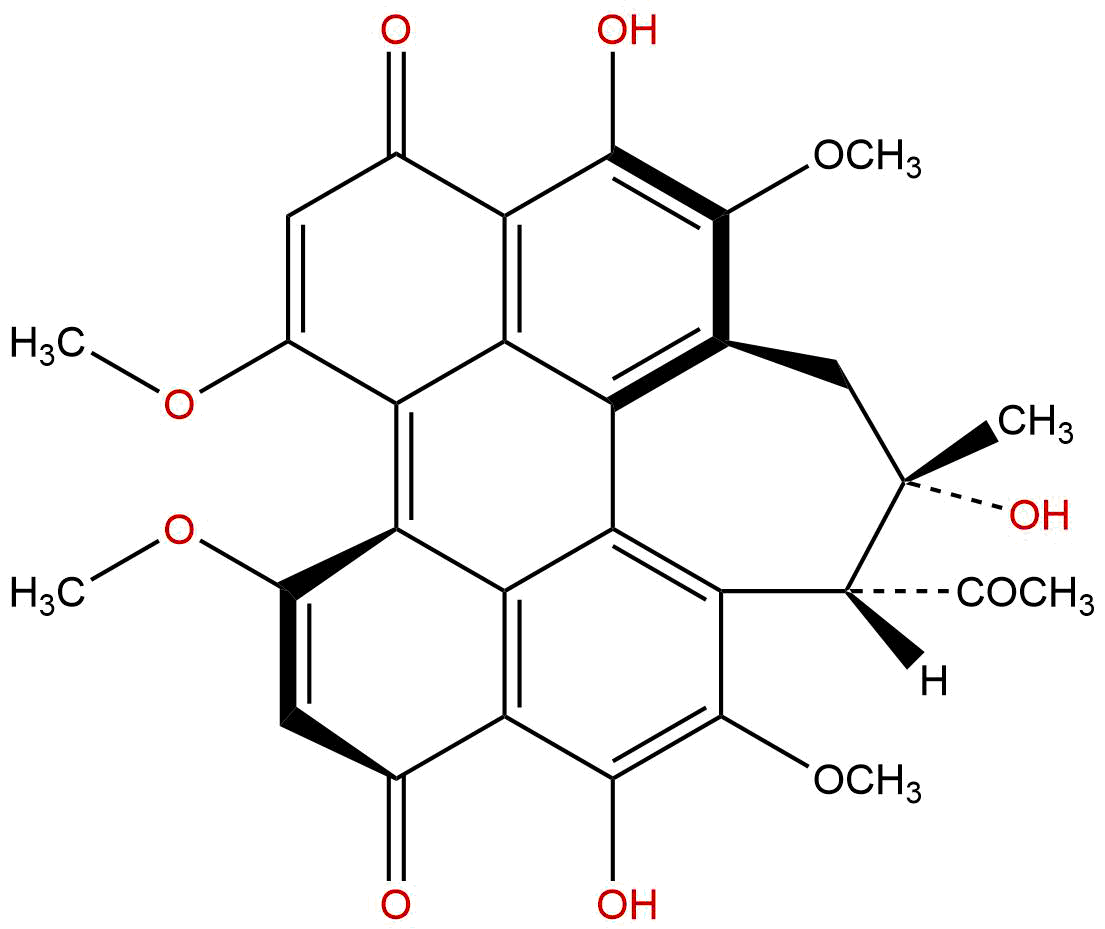


Product name: Hypocrellin C
Synonym name:
Catalogue No.: BP1480
Cas No.: 149457-83-0
Formula: C30H26O10
Mol Weight: 546.528
Botanical Source: Hypocrella bambusae (Berk. et Br.) Sacc
Physical Description:
Type of Compound: Anthraquinones
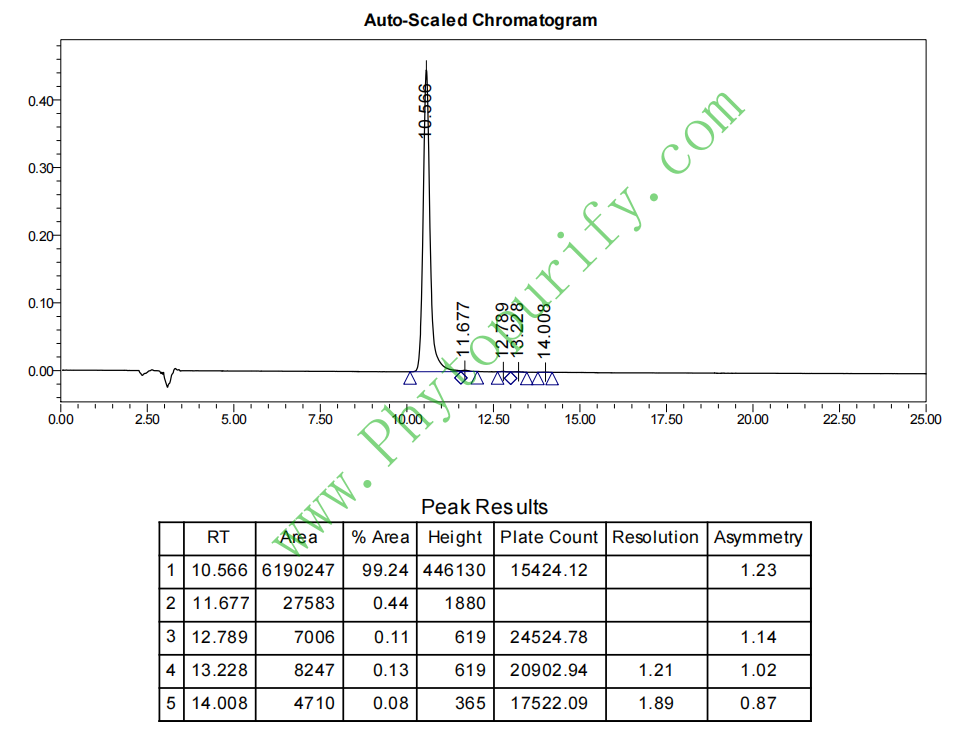
Purity: 95%~99%
Analysis Method: HPLC-DAD or/and HPLC-ELSD
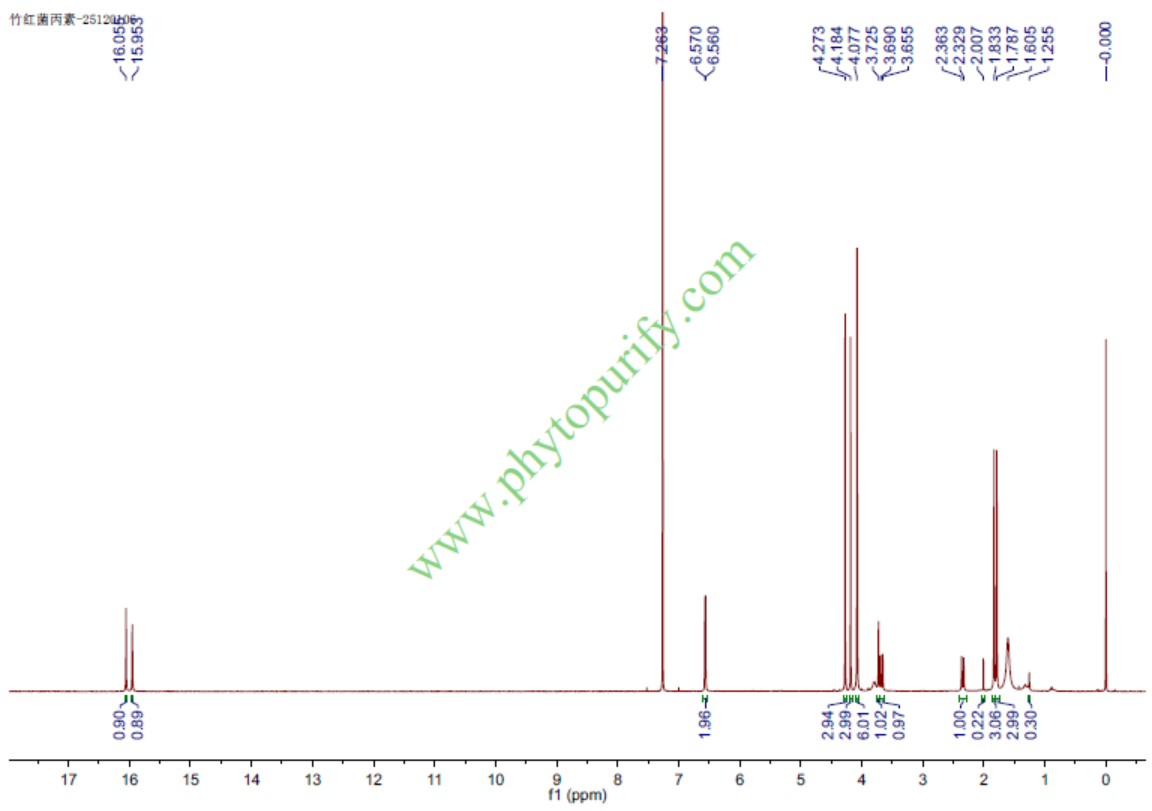
Identification Method: Mass, NMR
Packing: Brown vial or HDPE plastic bottle
Storage: Store in a well closed container, protected from air and light. Put into refrigerate or freeze for long term storage.
Whenever possible, you should prepare and use solutions on the same day. However, if you need to make up stock solutions in advance, we recommend that you store the solution as aliquots in tightly sealed vials at -20℃. Generally, these will be useable for up to two weeks.
The product could be supplied from milligrams to grams
Inquire for bulk scale.
Chengdu Biopurify Phytochemicals Ltd. is a leading company in the research, development, manufacture and marketing of High Quality Phytochemicals and Extracts(especially Active Ingredients from Traditional Chinese Medicine,TCM), Natural Active Pharmaceutical Ingredients worldwide.
The main services:
A. Supply active ingredients and reference standards of TCM, from mgs to kgs scale
B. Custom extraction and purification, target Herb Active Ingredients
C. Custom synthesis and semi-synthesis for Natural Active Ingredients
D. CR(contract research), CM(contract manufacture) and PD(process development) services from lab scale, pilot scale to commercial scale(GMP is also available)
E. TCM compounds library for drug screen,more than 3000 compounds available, many of them are rare and unique.
HNMR of Hypocrellin C
HPLC of Hypocrellin C
Storage conditions:Short-term storage at 2~8℃, long-term storage at -20 ~ -80℃
148.8200
3.0339
1.8267
.0018
2.0487
2.6921
Low
88.1588
4.3174
No
No
Yes
No
Yes
No
0.9
Yes
No
Yes
No
Photodynamic therapy (PDT), as an emerging minimally invasive and targeted treatment strategy, has demonstrated unique advantages in the treatment of tumors, microbial infections, and certain benign diseases. The core lies in the synergistic effect of photosensitizers, light sources, and molecular oxygen, which selectively kills diseased cells by generating reactive oxygen species (ROS) with cytotoxicity. Therefore, the development of efficient, low toxicity, and highly targeted ideal photosensitizers has always been a research hotspot in the field of PDT. Among the numerous photosensitizers from natural sources, compounds of Caryophyllin have attracted much attention due to their excellent photophysical and chemical properties and significant biological activity.
Hypocrellin C (HC), as an important member of the Hypocrellin family, is derived from the fungus Zhuhuang(Shiraia bambusicola)And its closely related species Hypocrella bambusae A lipid soluble perylene quinone pigment isolated from the sub seat. Since its structure was elucidated, HC has gradually entered the field of researchers due to its unique photobiological properties compared to classical photosensitizers Hypocrellin A (HA) and Hypocrellin B (HB). Research has shown that HC can efficiently generate ROS such as singlet oxygen (¹ O ₂) under specific wavelength light excitation, thereby inducing tumor cell apoptosis, inhibiting angiogenesis, and exhibiting antiviral and antibacterial potential. Its mechanism of action involves intervention in multiple key cell cycle and apoptosis regulatory proteins such as BCL2, TP53, CASP3, BAX, CDKN1A, suggesting the possibility of multi-target action.
This article aims to provide a systematic review of the chemical structure, plant origin, pharmacological activity, molecular mechanism of action, pharmacological evaluation, and clinical application prospects of Caryophyllum oxysporum, in order to provide comprehensive scientific references for the deep development and transformation research of this natural product.
The molecular formula of Caryophyllin B (CAS number: 149457-83-0) is C ∝₀ H ₂ ₆ O ₁₀, with a molecular weight of 546.5280 Da. Its core structure is similar to Caryophyllin A and B, and belongs to the perylene quinone derivatives. It has a highly conjugated planar aromatic ring skeleton, which is the structural basis for its excellent light absorption and photosensitivity. The specific structural differences of HC are usually reflected in the substituents on the side chains, such as the number and position of hydroxyl and methoxy groups, which profoundly affect their photophysical properties, lipid water partition coefficient, and biological activity.
In terms of physical and chemical properties, HC exhibits typical lipid solubility characteristics. Its calculated LogP value is 3.0339, indicating that it has moderate lipophilicity and tends to be distributed in lipid rich areas such as cell membranes. The topological polar surface area (TPSA) is 148.82 Å ², reflecting the presence of multiple hydrogen bond donors and acceptors (such as hydroxyl and carbonyl groups) in the molecule. Its water solubility is extremely low, about 0.0018 mg/mL, which to some extent limits its direct application in aqueous systems, but also promotes the development of various drug delivery systems (such as liposomes, nanoparticles, cyclodextrin inclusion complexes) to improve their dispersibility and targeting.
In terms of optical properties, HC has a strong and wide absorption band in the visible light region (about 400-600 nm), with a maximum absorption wavelength typically around 460-480 nm, and can extend to the red light region. This spectral characteristic enables it to be effectively excited by commonly used blue or green light sources in clinical practice, with moderate penetration depth through tissues. Under illumination, HC can efficiently transition from the ground state to the excited state and transfer energy to the surrounding triplet oxygen (³ O ₂) through energy transfer (Type II mechanism), generating highly cytotoxic singlet oxygen (¹ O ₂), which is the main pathway for its photodynamic effect. Meanwhile, free radicals such as superoxide anions (O ₂⁻ •) and hydroxyl radicals (• OH) may also be generated through electron transfer (Type I mechanism).
Bamboo red fungus C mainly comes from two parasitic ascomycetes on bamboo plants: bamboo yellow fungus(Shiraia bambusicola Henn.) and Hypocrella bambusae (Berk. & Broome) Sacc.。 These two fungi are widely distributed in southern China, especially in Yunnan, Sichuan, Guizhou, and other areas. Their bright red to dark red pedes (commonly known as "bamboo yellow") are the main storage sites for active ingredients.
The traditional extraction method is mainly based on the lipid solubility of HC. Dry and crushed sub bases are usually extracted using organic solvents for leaching or reflux extraction. Common solvents include chloroform, ethyl acetate, acetone, methanol, etc., or gradient extraction can be performed using solvents of different polarities. For example, petroleum ether can be used for degreasing first, and then chloroform or ethyl acetate can be used to extract the target pigment component. After the crude extract is concentrated, it is separated and purified through silica gel column chromatography, gel column chromatography (such as Sephadex LH-20), preparative thin layer chromatography, high performance liquid chromatography (HPLC) and other chromatographic techniques, and finally high-purity HC monomer is obtained. The selection of solvent system is crucial for separation efficiency, and mixed solvent systems such as chloroform methanol and petroleum ether ethyl acetate are often used for elution.
With the development of biotechnology, the use of fungal fermentation to produce arbuscular mycorrhizal compounds has become a research hotspot. By optimizing Shiraia bambusicola The liquid fermentation conditions (such as carbon source, nitrogen source, pH, light, inducer, etc.) can significantly increase the yield of target products, including HC, which provides a potential pathway for large-scale and sustainable production and avoids excessive collection of wild resources.
The pharmacological activity research of Zhuhongjun C mainly focuses on its photodynamic effect, showing significant potential in anti-tumor, antimicrobial, and antiviral aspects.
1. Antitumor activity: HC is the core of PDT anti-tumor research. A large number of in vitro studies have shown that, under light of appropriate wavelength, HC shows strong photocytotoxicity to a variety of human tumor cell lines, such as HepG2, breast cancer cancer MCF-7, lung cancer A549, cervical cancer HeLa, melanoma A375, etc., and its half inhibitory concentration (IC ≮₀) is usually at the level of micromol or even nanomol, and is dose and drug concentration dependent. Its killing mechanism mainly induces cell apoptosis, accompanied by necrosis. In vivo studies using mouse transplant tumor models (such as S180 sarcoma and H22 liver cancer) have confirmed that intravenous or intratumoral injection of HC followed by local illumination can significantly inhibit tumor growth, even leading to complete tumor regression, and has relatively low toxicity to major organs.
2. Antimicrobial and antiviral activity: HC-PDT has bactericidal effects on various Gram positive bacteria (such as Staphylococcus aureus), Gram negative bacteria (such as Escherichia coli, but the effect is usually weaker than Gram positive bacteria), and fungi (such as Candida albicans). Its main targets are the cell membrane and cell wall of microorganisms, and ROS can cause membrane lipid peroxidation, protein inactivation, and DNA damage. In addition, studies have shown that HC also has photo inactivation effects on enveloped viruses such as herpes simplex virus and human immunodeficiency virus, and its mechanism may be related to the destruction of viral envelope and capsid proteins.
3. Anti angiogenic activity: The growth and metastasis of tumors depend on neovascularization. Research has shown that HC-PDT can destroy endothelial cells, inhibit their proliferation, migration, and lumen formation abilities, and downregulate the expression of angiogenic factors such as vascular endothelial growth factor (VEGF), thereby exerting anti angiogenic effects and cutting off the nutritional supply to tumors.
4. Immune regulatory effect: The PDT process itself has a certain immune adjuvant effect. HC-PDT induced tumor cell death (especially immunogenic cell death, ICD) may release damage associated molecular patterns (DAMPs), such as calreticulin exposure, HMGB1, and ATP release, which activate dendritic cells, promote the presentation of tumor antigens, and stimulate specific anti-tumor immune responses in the body. This characteristic makes it promising for combined application with immunotherapy.
The anti-tumor mechanism of Zhuhongjunsu PDT is a complex biological process involving multiple links and targets, with the core being the oxidative stress cascade triggered by ROS generated by light, ultimately leading to cell cycle arrest and programmed cell death.
1. Oxidative stress and cell damage: After being activated by light, HC generates ROS such as ¹ O ₂, which first attack its neighboring biomolecules. They can cause lipid peroxidation of the plasma membrane and damage membrane integrity; Oxidative modification of proteins (including enzymes and structural proteins) leading to their loss of function; And it directly causes DNA strand breakage and base damage. These initial damages are the starting point for the activation of subsequent signaling pathways.
2. Cell cycle arrest: ROS can activate the DNA damage response pathway. Research has shown that HC-PDT can significantly upregulate the expression of cyclin dependent kinase inhibitor CDKN1A (p21/WAF1). P21 is a key downstream effector molecule of p53, which can inhibit the activity of various cyclin cyclin dependent kinase complexes, block cells at G1/S or G2/M checkpoint, buy time for DNA repair, and initiate apoptosis if the damage is severe.
3. Mitochondrial pathway and endoplasmic reticulum stress-induced apoptosis: This is the main pathway through which HC-PDT induces cell death.
* P53/BAX/BCL2 axis: ROS can stabilize and activate tumor suppressor protein TP53 (p53). Activated p53, as a transcription factor, upregulates the expression of pro apoptotic protein BAX and downregulates the expression of anti apoptotic protein BCL2. The decrease in BCL2/BAX ratio leads to an increase in mitochondrial outer membrane permeability.
* Mitochondrial dysfunction: BAX oligomerizes on the mitochondrial membrane to form pores, promoting the release of apoptotic factors such as cytochrome c from the mitochondrial membrane gap into the cytoplasm.
* Caspase cascade activation: Cytochrome c forms apoptotic bodies with Apaf-1 and caspase-9 precursors, activating the initiating caspase-9 and subsequently cleaving and activating effector caspase-3 (CASP3). Activated caspase-3 cleaves multiple substrates (such as PARP), ultimately leading to typical morphological and biochemical changes in cell apoptosis. Experimental results have shown that after HC-PDT treatment, intracellular caspase-3 activity is significantly enhanced, BAX expression is upregulated, and BCL2 expression is downregulated.
* Endoplasmic reticulum stress: The oxidative stress caused by PDT can also act on the endoplasmic reticulum, activating the unfolded protein response (UPR). If the stress cannot be relieved, it will promote apoptosis through pathways such as CHOP.
4. Death receptor pathway: Some studies suggest that PDT may also activate caspase-8 by upregulating the expression of death receptors such as Fas/CD95 and their ligands, thereby directly activating caspase-3 or amplifying the mitochondrial pathway by cleaving Bid proteins, jointly inducing apoptosis.
In summary, Zhuhongjun C-PDT precisely regulates key targets such as TP53, CDKN1A, BCL2 family (BCL2/BAX), and CASP3 by inducing oxidative stress, forming a network that promotes cell apoptosis, which is the molecular basis for its efficient anti-tumor effect.
Based on the provided parameters and existing research, a preliminary evaluation of the pharmacological properties of Caryophyllum B is conducted
1. Physical and chemical properties and ADME properties:
* Solubility and permeability: Low water solubility and moderate LogP value (3.0339) classify it as a class II or IV drug in the Biopharmaceutical Classification System (BCS) (low solubility, high/low osmolarity). This suggests that its oral absorption may be irregular and heavily influenced by food, but it has a certain membrane permeability. Developing injectable lipid or nano formulations is a reasonable strategy to improve their in vivo delivery.
* Blood-brain barrier permeability: A prediction of 'low' indicates that it is not easily accessible to the central nervous system, which is a disadvantageous factor for treating brain tumors, but may also reduce its potential side effects on the central nervous system.
* Metabolism and toxicity warning:
* HERG inhibition: 'No' is a positive signal indicating that at the molecular level, HC directly inhibits the rapid delayed rectifier potassium channel (hERG) in the heart, resulting in a lower risk of QT interval prolongation and arrhythmia. However, complete in vitro cardiac safety and in vivo cardiovascular toxicology evaluations are still required.
* Ames test: A value of 0.9 (usually expressed as the ratio of the number of revertant mutant colonies to the control, less than 2 and without dose dependence is usually considered negative) suggests that HC did not show significant genetic toxicity under the test conditions used. But more comprehensive genetic toxicity and long-term carcinogenicity studies are needed.
2. Pharmacodynamics: There are relatively few reports on systematic pharmacokinetic studies of HC. Based on the study of its structural similarity, Caryophyllin A, it can be inferred that after intravenous administration of HC, it may rapidly distribute to organs rich in blood vessels (such as liver, kidney, spleen) and tumor tissues. Due to its lipophilicity, it may also accumulate in adipose tissue. Its metabolism in the body may mainly be mediated by the liver's cytochrome P450 enzyme system, which undergoes phase I reactions such as hydroxylation and demethylation, as well as phase II binding reactions with glucuronic acid and sulfuric acid. The prototype drug and its metabolites may be mainly excreted through bile and feces, with some excreted through the kidneys. The elimination half-life, tissue distribution specificity, and light exposure time window (when the drug concentration ratio in tumor to normal tissue is maximum) are key parameters that determine the efficacy and safety of PDT, and further research is needed through radioactive labeling or high-sensitivity analysis methods such as LC-MS/MS.
3. Challenges and Strategies in Pharmaceutical Science: In order to overcome the problems of poor water solubility and insufficient in vivo targeting of HC, new drug delivery systems have been widely studied. Including: ① liposome Improve water dispersibility and target tumors using enhanced permeability and retention (EPR) effects. ② Nanoparticles (PLGA, albumin, etc.)Provide protection and control release. ③ Cyclodextrin inclusion complex Significantly improve water solubility and stability. ④ Active targeted modification Connect folate, RGD peptide and other targets on nanocarriers to specifically recognize receptors overexpressed in tumor cells. These strategies aim to improve the bioavailability, tumor accumulation, and therapeutic index of HC.
As a promising natural photosensitizer, the clinical application prospects of Zhuhongjun C are broad, but it also faces challenges.
1. Potential application areas:
* Tumor treatment: This is the main application direction. Suitable for superficial tumors, early-stage cancers, or precancerous lesions on the surface or in the cavity of the skin, oral cavity, esophagus, bronchi, bladder, etc. that can be directly irradiated by light. For solid tumors, interstitial irradiation can be performed through fiber optic intervention.
* Antibacterial applications: Used for treating local drug-resistant bacterial infections, such as chronic wound infections, periodontal disease, dental caries, etc. Its broad-spectrum antibacterial properties and difficulty in inducing bacterial resistance are quite advantageous.
* Virus inactivation: Explore the inactivation treatment of viruses in blood products or transplanted organs.
* Benign skin diseases: There are precedents of successful use of other photosensitizers, such as psoriasis, erythematous nevi, and genital warts.
2. Advantages and Challenges:
* Advantage: Natural source, clear structure; High photosensitivity and high singlet oxygen yield; There may be a certain degree of selective retention in tumor tissue; Compared with first generation photosensitizers such as hemoglobin derivatives, the duration of skin phototoxicity may be shorter (experimental confirmation is needed); It has a multi-target anti-tumor mechanism.
* Challenge: Poor water solubility and difficulty in formulation; The optimal treatment window (drug light interval) needs to be precisely defined; Insufficient light penetration depth for deep large tumors (relying on novel light sources such as near-infrared upconversion materials); The systemic distribution after systemic administration may cause photosensitive side effects on normal tissues, especially the skin and eyes; The complete preclinical toxicology, pharmacokinetics, and long-term safety data still need to be enriched.
3. Future research directions:
* Structural modification and derivative development: Through chemical synthesis, HC is structurally modified by introducing hydrophilic groups, targeting groups, or altering the conjugated system, with the aim of improving its water solubility, red light absorption (increasing tissue penetration), tumor targeting, and photodynamic therapy.
* Construction of Intelligent Delivery System: Develop stimulus responsive (such as pH, enzyme, ROS responsive) nano delivery systems to achieve tumor microenvironment triggered drug release and further improve selectivity.
* Combination therapy strategy: Explore the combined application of HC-PDT with chemotherapy, radiotherapy, immune checkpoint inhibitors, and anti angiogenic drugs to achieve synergistic effects and overcome tumor drug resistance.
* Clinical translational studies: On the basis of completing non clinical studies on GLP toxicology and pharmacokinetics, we will promote the production of standardized formulations and design rigorous Phase I/II clinical trials to evaluate their safety, tolerability, pharmacokinetic characteristics, and preliminary efficacy in humans.
Zhuhongjun C, as a natural perylene quinone photosensitizer derived from traditional medicinal fungi, has shown significant research value and application potential in the field of photodynamic therapy due to its excellent photophysical properties, clear pro apoptotic molecular mechanisms, and multifaceted pharmacological activities. The precise biological process of inducing tumor cell apoptosis by regulating TP53, BCL2/BAX, CASP3, and CDKN1A through their action network is clearly elucidated. Despite facing challenges such as poor water solubility and complex in vivo behavior in drug development, these bottlenecks are gradually being overcome through modern pharmaceutical chemical modification and advanced nanoformulation technology. In the future, with the in-depth disclosure of its pharmacokinetic characteristics, the innovative development of intelligent delivery systems and the exploration of joint treatment schemes, hypocrellin C is expected to move from laboratory to clinical, providing a new, efficient and low toxic treatment option for patients with tumors and infectious diseases, and enriching the connotation and application of natural products in modern precision medicine.
