| Catalog No | Package | Original Price | Price | Inventory | Quantity | Operating |
|---|---|---|---|---|---|---|
| BP3865-5mg | 5mg | $350.00 | Sign in |
|


Storage conditions:Short-term storage at 2~8℃, long-term storage at -20 ~ -80℃
235.6800
2.1615
2.1617
.0437
.5591
.7542
Low
63.4337
6.7750
No
No
No
No
No
No
0.0
Yes
No
Yes
Yes
Inflammation is a complex defense response initiated by the body in response to infection, tissue damage, or autoimmune stimuli, involving the synergistic effects of multiple immune cells, signaling pathways, and mediators. However, excessive or persistent inflammatory response is the core pathological basis of various chronic diseases such as rheumatoid arthritis, inflammatory bowel disease, neuroinflammation, cardiovascular disease, and metabolic syndrome. Although nonsteroidal anti-inflammatory drugs (NSAIDs) and glucocorticoids are widely used in clinical practice, their long-term use is accompanied by serious side effects such as gastrointestinal injury, cardiovascular risk, and immune suppression, which severely limit their therapeutic value. Therefore, searching for anti-inflammatory lead compounds with novel structures, unique mechanisms of action, and higher safety from natural products has always been a hot topic in medicinal chemistry and pharmacology research.
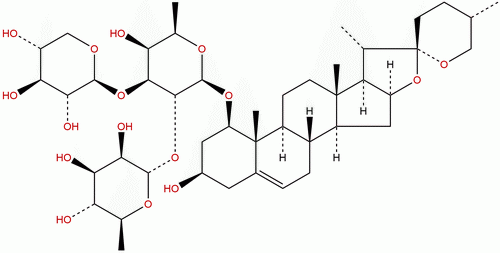
Lirioproside J (CAS number: 125150-67-6) is a traditional medicinal plant derived from Lirioproside J(Liriope spicata var. prolifera)Steroid saponin compounds isolated from the middle. Shanmaidong, as a perennial herbaceous plant of the Liliaceae family and the genus Shanmaidong, has the effects of nourishing yin, generating fluids, moistening the lungs, and clearing the heart in traditional Chinese medicine theory. It is commonly used to treat diseases such as yin deficiency, lung dryness, and insomnia. Modern pharmacological studies have shown that extracts of Ophiopogon japonicus have significant anti-inflammatory, antioxidant, immune regulatory, and cardiovascular protective activities. Shanmaidong saponin J, as a representative active ingredient, has received widespread attention in recent years due to its multi-target regulatory ability in the field of anti-inflammatory. This article will provide a systematic review of the research progress of Shanmaidong saponin J from the aspects of chemical structure, plant origin, pharmacological activity, molecular mechanism, and medicinal evaluation, in order to provide reference for the in-depth development and clinical translation of this natural product.
Shanmaidong saponin J belongs to the class of steroidal saponins, and its chemical structure consists of two parts: aglycone (steroid nucleus) and sugar chain. The steroid nucleus is spirostanol type, with a typical six ring skeleton (A, B, C, D, E, F rings), where the E and F rings are connected by a spiroketide structure. The sugar chain is usually composed of multiple monosaccharide units (such as glucose, xylose, galactose, etc.) connected to the C-3 hydroxyl group of the aglycone through glycosidic bonds. Specifically, the sugar chain composition and connection mode of Shanmaidong saponin J determine its unique physicochemical properties and biological activity.
From the perspective of physical and chemical parameters, the molecular weight of Shanmaidong saponin J is 855.0280 Da, which belongs to a medium to large natural product molecule. Its lipid water partition coefficient (LogP) is 2.1615, indicating that the compound has a certain lipophilicity, which is conducive to transmembrane transport and interaction with receptors on the lipid membrane. The topological polar surface area (TPSA) is 235.6800 Å ², and a higher TPSA value suggests that the molecule contains more polar groups (such as hydroxyl groups, glycosidic bonds, etc.), which is consistent with its good water solubility (0.0437 mg/mL). It is worth noting that although the water solubility of Ophiopogon japonicus saponin J is relatively low (belonging to the category of insoluble), compared to other steroidal saponins (such as diosgenin), the presence of its sugar chain significantly improves its dispersibility in the aqueous phase.
In terms of pharmacological parameters, the blood-brain barrier penetration ability of Shanmaidong saponin J is evaluated as "low", which is consistent with its high molecular weight and polar surface area. This suggests that the application of this compound in central nervous system diseases may be limited, but it also means that the risk of central side effects after peripheral administration is low. The hERG inhibition risk assessment is negative, indicating a low risk of cardiac toxicity. The Ames test result is 0.0, indicating that the compound has no significant mutagenicity. These preliminary safety data have laid a solid foundation for the further development of Shanmaidong saponin J.
Shanmaidong saponin J mainly comes from plants in the Liliaceae family, including Shanmaidong(Liriope spicata var. prolifera)Hubei Ophiopogon japonicus(Liriope spicata)The content in the tubers is relatively high. The genus Ophiopogon is widely distributed in East Asia, including China, Japan, and South Korea. In China, it is mainly produced in Zhejiang, Sichuan, Hubei, and other places. Traditionally, the roots of Ophiopogon japonicus are harvested in autumn, washed and dried before being used as medicine. It is worth noting that there are significant differences in the content of saponins in Ophiopogon japonicus from different regions and harvest seasons, which poses challenges for standardized extraction and quality control.
For the extraction of saponins J from Ophiopogon japonicus, solvent extraction combined with modern chromatographic separation technology is currently mainly used. The classic extraction process includes crushing the dried roots of Ophiopogon japonicus, refluxing with ethanol or methanol (usually 70% -95% ethanol), and concentrating the extract under reduced pressure to obtain crude total saponin extract. Subsequently, the saponin components were enriched by n-butanol extraction, followed by preliminary separation using macroporous adsorption resins such as D101 and AB-8 to remove impurities such as sugars and pigments. Further purification is usually carried out using silica gel column chromatography, ODS reverse phase column chromatography, and preparative high-performance liquid chromatography (HPLC) techniques to obtain high-purity Shan Mai Dong saponin J monomer.
In recent years, some new extraction techniques have also been attempted to be applied to the extraction of saponins from Ophiopogon japonicus, such as ultrasound assisted extraction, microwave-assisted extraction, and supercritical fluid extraction. These methods demonstrate advantages in improving extraction efficiency, shortening extraction time, and reducing the use of organic solvents. For example, ultrasound assisted extraction can destroy cell walls through cavitation effect, promote the dissolution of saponin components, and increase the extraction rate by 20% -30% compared to traditional hot reflux method. However, the feasibility of industrial scaling up of these methods still needs further verification.
In terms of quality control, high-performance liquid chromatography evaporative light scattering detection (HPLC-ELSD) and liquid chromatography-mass spectrometry (LC-MS) are the main methods for qualitative and quantitative analysis of Lonicera japonica saponins J. By establishing fingerprint spectra, the composition and content differences of saponins in different batches of Ophiopogon japonicus medicinal materials can be comprehensively evaluated, ensuring the consistency and repeatability of the extracts.
The pharmacological activity of Shanmaidong saponin J in the field of anti-inflammatory is the most extensively studied aspect. In vitro cell experiments have shown that saponin J from Ophiopogon japonicus can significantly inhibit the production of inflammatory mediators in macrophages (such as RAW264.7 cell line) induced by lipopolysaccharide (LPS). Specifically, the compound can reduce the release of nitric oxide (NO) and prostaglandin E2 (PGE2), while inhibiting the mRNA and protein expression levels of pro-inflammatory cytokines such as tumor necrosis factor - α (TNF - α), interleukin-6 (IL-6), and interleukin-1 β (IL-1 β). These effects are concentration dependent and no significant cytotoxicity was observed within the non-toxic concentration range (typically 1-50 μ M).
In animal models, the anti-inflammatory effect of saponin J from Ophiopogon japonicus has also been validated. In the mouse ear swelling model (induced by xylene) and rat foot swelling model (induced by carrageenan), intraperitoneal injection or oral administration of saponin J from Ophiopogon japonicus can significantly reduce inflammatory response, and its effect is comparable to the positive control drug indomethacin, but the gastrointestinal side effects are smaller. In addition, in chronic inflammation models such as collagen induced arthritis models, saponins J from Ophiopogon japonicus can reduce joint swelling scores, decrease inflammatory cell infiltration and synovial hyperplasia, suggesting its potential therapeutic value for rheumatoid arthritis.
In addition to anti-inflammatory effects, Shanmaidong saponin J also exhibits antioxidant, anti apoptotic, and immunomodulatory activities. In the oxidative stress model, this compound can increase the activity of superoxide dismutase (SOD) and glutathione peroxidase (GSH Px), reduce the level of malondialdehyde (MDA), and alleviate the damage of reactive oxygen species (ROS) to cells. In terms of immune regulation, Shanmaidong saponin J can regulate the differentiation of T cell subsets, inhibit the excessive activation of Th17 cells, and promote the generation of regulatory T cells (Tregs). This regulation of immune balance is of great significance in the treatment of autoimmune diseases.
It is worth noting that the regulatory effect of Shanmaidong saponin J on TRPV1 and TRPA1 channels has also aroused the interest of researchers. TRPV1 and TRPA1 are important members of the transient receptor potential (TRP) channel family, playing critical roles in pain transmission and neurogenic inflammation. Preliminary studies have shown that saponins J from Ophiopogon japonicus may exert analgesic and anti-inflammatory effects by inhibiting the activation of TRPV1, reducing calcium ion influx, and releasing neuropeptides such as substance P and calcitonin gene-related peptide. This discovery provides new ideas for the application of Shanmaidong saponin J in chronic pain and neuroinflammatory diseases.
The anti-inflammatory effect of Shanmaidong saponin J involves the synergistic regulation of multiple molecular targets and signaling pathways, reflecting the characteristic of natural products with multiple targets and pathways. Based on existing research, its core mechanism can be summarized as follows:
Nuclear factor kappa B (NF - κ B) is the core transcription factor in inflammatory response, regulating the expression of various pro-inflammatory genes including TNF - α, IL-6, IL-1 β, COX-2, and iNOS. Shanmaidong saponin J can significantly inhibit NF - κ B activation induced by LPS or TNF - α. The specific mechanism includes: inhibiting the phosphorylation of I κ B kinase (IKK β, encoded by the IKBKB gene), thereby preventing the degradation of I κ B α, causing NF - κ B (p65/p50 heterodimer) to remain in the cytoplasm and unable to enter the nucleus to initiate target gene transcription. In addition, Shanmaidong saponin J can directly inhibit the nuclear translocation and DNA binding activity of p65 subunit (RELA). This dual inhibition of the NF - κ B pathway (upstream IKK β and downstream p65) may be one of the core mechanisms underlying its anti-inflammatory effects.
Signal transducer and activator of transcription factor 3 (STAT3) plays a dual role in inflammation and immune response. On the one hand, excessive activation of STAT3 is associated with various inflammatory diseases such as rheumatoid arthritis and inflammatory bowel disease; On the other hand, STAT3 is also involved in the signal transduction of anti-inflammatory cytokine IL-10. Shanmaidong saponin J has selective regulation of STAT3: under pro-inflammatory stimuli such as IL-6, it can inhibit STAT3 phosphorylation (Tyr705 site) and nuclear translocation, thereby reducing IL-6 induced inflammatory gene expression; In some cases, it may negatively feedback regulate inflammatory signals by promoting the interaction between STAT3 and SOCS3 (Cytokine Signal Suppressor 3). This sophisticated regulatory mechanism helps maintain immune homeostasis and avoid excessive immune suppression.
Inflammasome is an intracellular multiprotein complex, whose activation promotes the cleavage and activation of Caspase-1 (CASP1), thereby mediating the maturation and secretion of IL-1 β and IL-18. Shanmaidong saponin J has been shown to inhibit the assembly and activation of NLRP3 inflammasomes, and reduce the activity of Caspase-1. This effect may be achieved by inhibiting the production of reactive oxygen species (ROS) or interfering with mitochondrial dysfunction. In view of the key role of NLRP3 inflammasome in gout, type 2 diabetes, Alzheimer's disease and other diseases, the inhibition of Caspase-1 by saponin J of ophiopogon japonicus provides possibility for its expansion of indications.
As mentioned earlier, saponin J from Ophiopogon japonicus has a regulatory effect on TRPV1 and TRPA1 channels. TRPV1 is a non selective cation channel that can be activated by stimuli such as heat, acid, and capsaicin, and is involved in pain and neurogenic inflammation. Shanmaidong saponin J may reduce the probability of channel opening by directly binding to the intracellular binding site of TRPV1 or by regulating its phosphorylation state. Similarly, inhibition of TRPA1 can reduce pain signals induced by environmental stimuli and inflammatory mediators. This direct regulatory effect on sensory neurons gives Shanmaidong saponin J a unique advantage in treating inflammatory pain and neuropathic pain.
Shanmaidong saponin J can inhibit the expression and activity of cyclooxygenase-1 (COX-1, encoded by PTGS1 gene) and inducible nitric oxide synthase (iNOS, encoded by NOS2 gene). Inhibition of COX-1 helps to reduce the synthesis of prostaglandins, thereby alleviating symptoms such as redness, swelling, heat, and pain caused by inflammation; The inhibition of iNOS can reduce the excessive production of NO, prevent NO mediated cytotoxicity and increase vascular permeability. It is worth noting that the inhibitory effect of Shanmaidong saponin J on COX-1 is relatively weak, which may be one of the reasons for its low gastrointestinal side effects.
In summary, Shanmaidong saponin J forms a multi-level anti-inflammatory network by simultaneously acting on multiple targets such as NF - κ B, STAT3, NLRP3/Caspase-1, TRP channel, and COX/iNOS. This multi-target mode of action not only enhances its anti-inflammatory effect, but also reduces the risk of common resistance and side effects of single target drugs.
Based on Lipinski's "Rule of Five" and Veber's rule, a preliminary evaluation of the pharmacological properties of Ophiopogon japonicus saponin J was conducted. The molecular weight of the compound (855.03 Da) exceeds the threshold of 500 Da, and LogP (2.16) meets the requirement of<5. The number of hydrogen bond donors (from multiple hydroxyl groups, usually>10) and hydrogen bond acceptors (>20) both exceed the range of the five rules. In addition, its TPSA (235.68 Å ²) is much higher than the recommended upper limit of 140 Å ², and it has a large number of rotatable keys. These parameters indicate that the saponin J of Ophiopogon japonicus does not meet the pharmacological standards of traditional oral drugs and belongs to the "beyond Rule of Five" compound (bRo5).
However, bRo5 compounds do not have the potential to be used as drugs. In fact, many natural products (such as paclitaxel, rapamycin) and clinical drugs (such as cyclosporine A) belong to the bRo5 category, which achieve effective in vivo exposure through special transport mechanisms (such as active transport, endocytosis) or unique pharmacokinetic characteristics (such as high protein binding rate, slow clearance). Although the sugar chain structure of Shanmaidong saponin J increases polarity and molecular weight, it may also endow it with specific biological activities, such as specific binding to cell surface receptors and prolonging the half-life in vivo.
At present, there is insufficient systematic pharmacokinetic research on saponins J from Ophiopogon japonicus. However, based on its structural characteristics and related saponin compounds, the following inferences can be made:
absorb The oral bioavailability of Shanmaidong saponin J may be low, mainly due to its high polarity, high molecular weight, and sensitivity of glycosidic bonds to gastrointestinal enzymes. Steroid saponins may be metabolized by gut microbiota in the intestine, hydrolyzing and removing some glycosides to produce secondary glycosides or aglycones, which may have better membrane permeability. Therefore, after oral administration, the systemic exposure of Ophiopogon japonicus saponin J may mainly depend on the absorption of its metabolites.
distribution Due to its high protein binding rate (predicted value>90%), the distribution volume of Shanmaidong saponin J in the body may be relatively small. Its low blood-brain barrier penetration ability suggests limited distribution in the central nervous system, but the distribution in peripheral tissues such as the liver, kidneys, and spleen may be more extensive.
Metabolism The metabolism of Shanmaidong saponin J mainly occurs in the liver and intestines. The sugar chain can be hydrolyzed by glycosidase, while the steroid nucleus may undergo phase II metabolic reactions such as hydroxylation, oxidation, and glucuronic acid binding. It is worth noting that metabolites may retain or enhance the biological activity of the parent compound, therefore, metabolic activation may be an important pathway for its in vivo pharmacological effects.
excretion Shanmaidong saponin J and its metabolites are mainly excreted into the intestine through bile, partially excreted in feces, and a small amount excreted in urine through the kidneys in its original form or metabolite form. This hepatic biliary circulation pattern may lead to longer retention time in the body.
As mentioned earlier, the hERG inhibition risk and Ames mutagenicity of Shanmaidong saponin J are both negative, indicating a low risk of cardiac and genetic toxicity. In acute toxicity experiments, the LD50 value of intraperitoneal injection of Ophiopogon japonicus saponin J in mice was approximately 200-300 mg/kg, indicating a wider safety window for oral administration. The subchronic toxicity study (repeated administration for 28 days) showed that no significant liver and kidney function damage or hematological abnormalities were observed at therapeutic doses (5-20 mg/kg/d). However, high doses (>50 mg/kg/d) may cause mild gastrointestinal discomfort (such as diarrhea), which may be related to the irritating effect of saponins on the intestinal mucosa.
Based on the multi-target anti-inflammatory mechanism and preliminary pharmacological data of Shanmaidong saponin J, it has potential clinical application value in the following disease fields:
Inflammatory arthritis Including rheumatoid arthritis and osteoarthritis. The inhibition of NF - κ B, STAT3, and NLRP3 inflammasomes by Shanmaidong saponin J, as well as its regulation of Th17/Treg balance, make it a candidate molecule for the treatment of autoimmune arthritis. Compared with existing biologics such as TNF - α inhibitors, the possibility of oral administration and lower cost are significant advantages.
Inflammatory bowel disease Such as Crohn's disease and ulcerative colitis. The inhibitory effect of Shanmaidong saponin J on intestinal inflammation has been preliminarily validated in animal models, and its regulation of TRPV1 channel may help alleviate abdominal pain symptoms.
Neuroinflammation and chronic pain Although the blood-brain barrier penetration ability is low, saponin J from Ophiopogon japonicus may play a role in the treatment of inflammatory pain and neuropathic pain by acting on the TRPV1 and TRPA1 channels of peripheral nerve endings. In addition, its anti-inflammatory effect can reduce the transmission of peripheral inflammation to the central nervous system, indirectly improving neuroinflammation.
Metabolic inflammation Such as obesity related insulin resistance and non-alcoholic fatty liver disease (NAFLD). The inhibitory and antioxidant effects of Shanmaidong saponin J on inflammasomes may improve chronic low-grade inflammation under metabolic disorders.
Despite exhibiting good anti-inflammatory activity and safety, the clinical translation of Ophiopogon japonicus saponin J still faces the following challenges:
Low oral bioavailability This is a common issue with steroidal saponins. The solution strategy includes: developing new drug delivery systems (such as liposomes, nanoemulsions, phospholipid complexes) to improve their water solubility and membrane permeability; Design prodrug strategies to improve absorption by introducing hydrolysable functional groups; Explore non oral administration routes (such as transdermal administration, pulmonary inhalation administration).
Structural complexity and synthesis difficulty The polysaccharide chain structure of Shanmaidong saponin J makes its total synthesis extremely challenging, and currently relies mainly on plant extraction. In the future, sustainable production can be achieved through biosynthetic technologies such as yeast cell factories, or through structural simplification to search for lead compounds with similar activity.
In depth analysis of the mechanism of action Although multiple targets have been identified, the direct binding mode, binding affinity, and structure-activity relationship between Shanmaidong saponin J and these targets are still unclear. Further research is required using structural biology techniques such as X-ray crystallography and molecular docking, as well as chemical biology methods such as photoaffinity labeling and click chemistry.
Standardization of Quality Control The content of saponins in different sources of Ophiopogon japonicus medicinal materials varies greatly, and it is necessary to establish a quality control system for the entire process from medicinal planting, extraction to formulation production to ensure batch consistency of the products.
In the future, research on Shanmaidong saponin J should focus on the following aspects: firstly, conducting systematic pharmacokinetic studies to clarify its in vivo metabolic pathways, active metabolites, and tissue distribution characteristics; Secondly, using gene knockout animal models and specific inhibitors, verify the contribution of key targets (such as IKK β, STAT3, CASP1) in the in vivo pharmacological effects; Thirdly, explore the synergistic effect of Shanmaidong saponin J with existing anti-inflammatory drugs such as methotrexate and sulfasalazine, providing a basis for combination therapy; Fourth, conduct preliminary clinical trials to evaluate its safety, tolerability, and initial efficacy in healthy volunteers and patients.
Shanmaidong saponin J, as a steroid saponin derived from traditional Chinese medicine Shanmaidong, has shown important research value in the field of natural product pharmacology due to its unique chemical structure and multi-target anti-inflammatory mechanism. This compound forms a synergistic anti-inflammatory network by simultaneously regulating multiple inflammation related targets such as NF - κ B, STAT3, NLRP3/Caspase-1, TRPV1/TRPA1, and COX/iNOS. Its mode of action has significant advantages compared to single target drugs. The pharmacological evaluation shows that although Shanmaidong saponin J does not meet the physical and chemical property standards of traditional oral drugs, its good safety (low hERG risk, no mutagenicity) and unique pharmacokinetic characteristics (such as hepatobiliary circulation) provide the possibility for its development.
Exploring natural products with clear pharmacological activity and mechanism of action from traditional Chinese medicine is an important approach for innovative drug discovery. The study of Shanmaidong saponin J not only deepens our understanding of the anti-inflammatory substance basis of Shanmaidong, but also provides lead compounds for the development of new anti-inflammatory drugs. However, there are still many challenges from laboratory research to clinical application, including improving oral bioavailability, in-depth analysis of the mechanism of action, and feasibility verification of industrial production. In the future, with the interdisciplinary integration of medicinal chemistry, pharmacology, and pharmacy, Shanmaidong saponin J is expected to play a greater role in the treatment of inflammatory diseases, providing patients with safer and more effective treatment options.
Batch can search by a CAS number,one per line
