| Catalog No | Package | Original Price | Price | Inventory | Quantity | Operating |
|---|---|---|---|---|---|---|
| BPF2787-5mg | 5mg | $260.00 | Sign in |
|


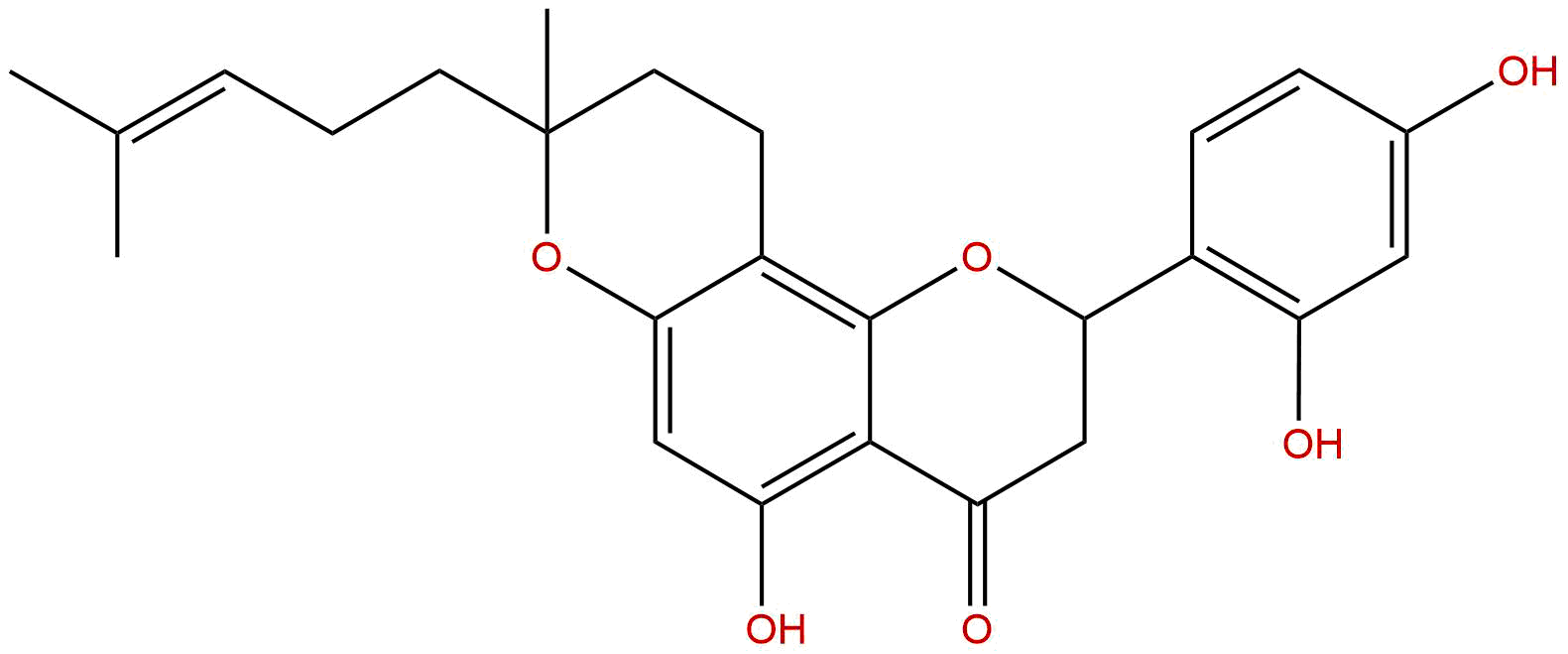
Product name: Sanggenol L
Synonym name:
Catalogue No.: BPF2787
Cas No.: 329319-20-2
Formula: C25H28O6
Mol Weight: 424.493
Botanical Source:
Type of Compound:
Purity: 95%~99%
Analysis Method: HPLC-DAD or/and HPLC-ELSD
Identification Method: Mass, NMR
Packing: Brown vial or HDPE plastic bottle
Storage: Store in a well closed container, protected from air and light. Put into refrigerate or freeze for long term storage.
Whenever possible, you should prepare and use solutions on the same day. However, if you need to make up stock solutions in advance, we recommend that you store the solution as aliquots in tightly sealed vials at -20℃. Generally, these will be useable for up to two weeks.
The product could be supplied from milligrams to grams
Inquire for bulk scale.
For Reference Standard and R&D, Not for Human Use Directly.
Storage conditions:Short-term storage at 2~8℃, long-term storage at -20 ~ -80℃
96.2200
5.2993
5.2470
.0447
4.0523
9.0660
Low
91.1311
3.9274
No
No
Yes
No
No
No
0.0
No
No
No
No
Natural products, as an important source of drug discovery, play an irreplaceable role in the long history of human struggle against diseases. Flavonoids, as one of the most widely distributed and structurally diverse secondary metabolites in nature, have attracted much attention due to their rich and diverse biological activities. From basic antioxidant and anti-inflammatory properties to complex anti-tumor and neuroprotective effects, flavonoids have shown tremendous therapeutic potential. Among the numerous members of flavonoids, a more complex and unique class of "Extended Flavonoids" has gradually become a research hotspot. Sanggenol L is an outstanding representative of this type of compound.
Mulberry root alcohol L, CAS number 329319-20-2, is derived from the mulberry family plants(Morus A unique isoprenyl substituted extended flavonoid compound isolated from the root bark of spp. The "Sanggenol" series of compounds in its name specifically refers to a class of polyphenolic substances derived from the genus Morus, structurally based on flavonoid mother nuclei and connected with side chains such as isopentenyl and geranyl groups, or forming complex cyclic systems. Compared with simple flavonoids such as quercetin and kaempferol, extended flavonoids such as mulberry root alcohol L have a more complex molecular structure and significantly enhanced lipid solubility due to the introduction of hydrophobic isopentenyl side chains. This often endows them with stronger interaction ability with biological membranes and protein targets, thereby exhibiting unique pharmacological activities beyond traditional flavonoids.
In recent years, with the gradual deepening of research on mulberry root alcohol L, its potential application value in multiple fields such as antioxidant, anti-inflammatory, anti-tumor, neuroprotective, and skin protection has been continuously revealed. Especially its role in regulating oxidative stress-related signaling pathways and key targets has aroused widespread interest among pharmacologists. Oxidative stress is considered to be one of the core pathological mechanisms for the occurrence and development of aging, cardiovascular diseases, neurodegenerative diseases, diabetes, cancer and other major diseases. The strong antioxidant capacity of Sanggenol L, as well as its regulatory effects on a series of antioxidant enzymes and transcription factors such as NFE2L2 (NRF2), SOD1, CAT, GPX1, HMOX1, make it an ideal candidate molecule for developing new antioxidant drugs or functional food/cosmetic additives.
This article aims to provide a systematic review of the current research status of mulberry root alcohol L. We will start from its unique chemical structure, explore its physicochemical properties, plant sources, and extraction processes, focusing on its pharmacological activities such as antioxidant and anti-inflammatory effects, as well as the underlying molecular mechanisms. We will evaluate its potential as a lead compound based on its pharmacological parameters, and finally look forward to its future application prospects in the pharmaceutical and health industries. Through this review, it is expected to provide a comprehensive and in-depth professional reference on mulberry root alcohol L for researchers engaged in natural product chemistry, pharmacology, and drug development.
Mulberry root alcohol L is a typical extended flavonoid compound. Its core skeleton is the classic flavonoid structure (2-phenylchromenone), but unlike simple flavonoids, mulberry root alcohol L has prenyl side chains attached to the A and/or B rings. According to existing literature reports, the molecular formula of mulberry root alcohol L is C ₂₅ H ₂₈ O ₆, and its precise structure is usually described as containing an isopentenyl group at a specific position (such as C-8 or C-6) in the flavonoid mother nucleus, and may have an ortho dihydroxy group structure on the B ring. This structural feature combines the planarity of the flavonoid core with the flexibility of the isopentenyl side chain, which facilitates its insertion into the lipid bilayer of biological membranes or interaction with the hydrophobic pockets of proteins.
Based on the provided pharmacological parameters, we can conduct a comprehensive analysis of the physicochemical properties of Sanggenol L
Molecular weight (MW): 424.4930 Da The molecular weight falls within the range of drug like rules (such as Lipinski's Five Rules) (MW<500), indicating its fundamental potential as an oral medication. However, for natural products, this molecular weight is moderate to high, indicating that they may face certain absorption challenges.
Lipid water partition coefficient (LogP): 5.2993 LogP is an important indicator for measuring the lipophilicity of compounds. The LogP value of Sanggenol L is 5.30, significantly higher than most traditional flavonoids (usually between 1-3), and also exceeds the limit of LogP<5 in Lipinski's rule. This is mainly attributed to the isopentenyl side chain in its molecule, which greatly enhances the lipophilicity of the molecule. A high LogP value means that mulberry root alcohol L is highly soluble in organic solvents, but its solubility in water will be very low. This is both an advantage (advantageous for penetrating cell membranes and binding to membrane proteins) and a challenge (which may lead to poor water solubility and low oral bioavailability).
Polar surface area (TPSA): 96.22 Å ²TPSA reflects the ability of compounds to form hydrogen bonds. The TPSA of Sangen alcohol L is 96.22 Å ², mainly due to multiple phenolic hydroxyl and carbonyl groups in its molecule. It is generally believed that the TPSA of oral medications should be less than 140 Å ², and molecules below 60-70 Å ² are more likely to penetrate the blood-brain barrier. The TPSA value of Sanggenol L indicates a moderate degree of polarity and a certain potential for oral absorption, but its ability to penetrate the blood-brain barrier may be limited.
Water solubility: 0.0447 mg/mL The extremely low value confirms the problem of poor water solubility caused by its high LogP. Low water solubility is one of the main reasons for the failure of the development of many natural products and candidate drugs. The poor solubility of Sanggenol L means that its dissolution rate in the gastrointestinal tract may be slow, which seriously affects its oral absorption.
Blood-brain barrier (BBB) permeability: low Combined with its high TPSA and molecular weight, sangol L is predicted to have low blood-brain barrier permeability. This suggests that it may be difficult to enter the central nervous system, so its pharmacological effects may mainly be concentrated in peripheral tissues. This may be a favorable factor for developing drugs targeting peripheral diseases such as skin aging, inflammation, and metabolic disorders, which can avoid side effects on the central nervous system.
HERG inhibition: No The hERG (human Ether - à - go Related Gene) potassium ion channel is closely associated with prolonged QT interval and the risk of fatal arrhythmias in the heart. Sanggenol L is predicted to have no hERG inhibitory activity, which is a very positive signal indicating its low risk of cardiac toxicity and good safety.
Ames test: 0.0 The Ames test is used to evaluate the mutagenicity of compounds. The Ames test result of Sanggenol L is 0.0, indicating that it has no mutagenicity and low genetic toxicity risk in this prediction model, further supporting its safety as a lead compound.
Summary The chemical structure of Sanggenol L determines its unique physicochemical properties. Its high LogP and low water solubility are the core features, which are both the structural basis for its potent biological activity and the main bottleneck for its drug development. However, its low hERG inhibition risk and negative Ames test results provide preliminary assurance for its safety. Future pharmaceutical chemistry research needs to focus on addressing the issue of poor water solubility, such as through prodrug design, nano formulations, or structural modifications.
Mulberry root alcohol L mainly comes from the Moraceae genus in the Moraceae family(Morus)The root bark of plants. Mulberry trees have a long cultivation history in East Asian countries such as China, Japan, and South Korea. Their root bark (mulberry bark) is a commonly used medicinal herb in traditional Chinese medicine, which has the effects of clearing the lungs, relieving asthma, promoting diuresis, and reducing swelling. Modern research has shown that mulberry bark is rich in various active ingredients, including Diels Alder type adducts, flavonoids, stilbenes (such as resveratrol and oxidized resveratrol), and benzofuran derivatives. Mulberry root alcohol L was discovered in a systematic study of the chemical composition of mulberry bark.
Except for mulberry trees(Morus alba L. In addition, other mulberry plants such as chicken mulberry(Morus australis)Meng Sang(Morus mongolica)It may also contain mulberry root alcohol L or its structural analogues. Plant chemistry studies have shown that the content of mulberry root alcohol L in mulberry plants is usually low and belongs to trace active ingredients, which poses challenges for its large-scale extraction and purification.
Given the high lipid solubility of Sanggenol L, its extraction and separation processes typically follow the principle of "similar phase solubility" and are refined using modern chromatographic techniques. The typical process flow is as follows:
Raw material pretreatment Collect mulberry bark, wash, dry in the shade or at low temperature, and grind it to an appropriate particle size (such as 20-40 mesh) to increase the extraction contact area.
Extract:
Preliminary separation and enrichment:
Fine purification:
Structural Identification The purified compounds were structurally confirmed using modern spectroscopic techniques, including nuclear magnetic resonance spectroscopy (¹ H-NMR, ¹ ³ C-NMR, 2D-NMR) and high-resolution mass spectrometry (HR-ESI-MS). By comparing with the L-spectral data of mulberry root alcohol reported in literature, its chemical structure was finally determined.
Summary The extraction and separation of mulberry root alcohol L is a typical natural product chemistry research process, which relies on its high lipid solubility to gradually enrich and purify target components from complex plant matrices through a combination of organic solvent extraction, liquid-liquid extraction, and various column chromatography techniques. Due to its low content in plants, the development of efficient and green extraction processes (such as enzyme assisted extraction, supercritical fluid extraction) and large-scale preparation technologies is the key to promoting its research and application in the future.
As a characteristic component of mulberry plants, the pharmacological activity research of mulberry root alcohol L mainly focuses on its antioxidant, anti-inflammatory, anti-tumor, and skin protection aspects, among which antioxidant activity is its most core and fundamental function.
Oxidative stress is a state in which the production of reactive oxygen species (ROS) and reactive nitrogen species (RNS) in the body is imbalanced with the antioxidant defense system. The molecular structure of Sangen alcohol L contains multiple phenolic hydroxyl groups, which can directly scavenge free radicals and are the chemical basis for its antioxidant activity.
Inflammation is the body's defense response to harmful stimuli, but chronic inflammation is a common pathological basis for various diseases. Sanggenol L has shown significant anti-inflammatory activity in various inflammatory models.
Sanggenol L exhibits inhibitory effects on proliferation and induces apoptosis in various cancer cell lines.
Due to its strong antioxidant and anti-inflammatory activities, Sanggenol L has shown great potential in skin protection, especially in anti photoaging and whitening.
The pharmacological activity of Sanggenol L is the result of multi-target and multi pathway synergistic effects. Its core mechanism of action can be summarized as regulating the redox balance and intervening in key signaling pathways.
NRF2 (Nuclear factor erythroid 2-related factor 2) is composed of genes NFE2L2 Coding is the core transcription factor that cells use to respond to oxidative stress and electrophilic substances. Under normal physiological conditions, NRF2 binds to the inhibitory protein KEAP1 (Kelch like ECH associated protein 1) in the cytoplasm and is degraded by ubiquitination. When stimulated by oxidants or electrophilic substances (such as the phenolic hydroxyl oxidation product of Sanggenol L), the conformation of KEAP1 changes, leading to the release and stabilization of NRF2. Subsequently, NRF2 translocates into the nucleus and binds to antioxidant response elements (ARE), initiating the expression of a series of downstream protective genes.
Sanggenol L is an effective activator of NRF2. By activating NRF2, it upregulated including SOD1, SOD2, CAT, GPX1, HMOX1 Multiple antioxidant enzyme genes are included. This mechanism is the core of its antioxidant, anti-inflammatory, and cell protective effects. For example, the products of HMOX1, biliverdin and carbon monoxide, have strong anti-inflammatory and anti apoptotic effects. Therefore, Sanggenol L constructs a powerful cellular defense network through the NRF2 pathway.
Inhibition of Tyrosinase (TYR)Mulberry root alcohol L can directly bind with tyrosinase, inhibiting its catalytic activity. Tyrosinase catalyzes the hydroxylation of L-tyrosine to L-dopa and further oxidizes it to dopa quinone, which is the starting and limiting step in melanin synthesis. The inhibitory effect of Sanggenol L may be achieved by chelating copper ions from the active center of tyrosinase or competing with substrates for binding sites. This is the direct molecular basis of its whitening activity.
Inhibition of matrix metalloproteinases (MMP-1, MMP-3)MMPs are key enzymes involved in the degradation of extracellular matrix (ECM). During the process of skin photoaging, UV irradiation activates epidermal growth factor receptor (EGFR) and cytokine receptor, thereby activating the MAPK pathway (such as ERK, JNK, p38). Activated MAPK phosphorylates and activates transcription factor AP-1 (c-Fos/c-Jun dimer), which enters the nucleus and binds to the MMP-1 and MMP-3 gene promoters, promoting their transcription. Sanggenol L can inhibit the phosphorylation of the MAPK pathway, thereby blocking the activation of AP-1 and ultimately downregulating the expression of MMP-1 and MMP-3, protecting skin collagen and elastin from degradation.
Inhibition of NF - κ B pathway NF - κ B is the core regulatory factor of inflammatory response. In the resting state, NF - κ B binds to I κ B and exists in an inactive form in the cytoplasm. Inflammatory stimuli such as LPS and TNF - α activate I κ B kinase (IKK), leading to phosphorylation and ubiquitination degradation of I κ B α, releasing NF - κ B into the nucleus and activating pro-inflammatory genes (such as iNOS, COX-2, TNF-α, IL-1β, IL-6)The transcription. Mulberry root alcohol L can inhibit the activity of IKK or the phosphorylation of I κ B α, thereby blocking the nuclear translocation of NF - κ B and exerting anti-inflammatory effects.
Inhibition of MAPK pathway As mentioned earlier, the MAPK pathway (ERK, JNK, p38) not only participates in the regulation of MMP, but also in the production of inflammatory factors. The inhibition of MAPK pathway by Sanggenol L is a common mechanism for its anti-inflammatory and anti-aging activities.
Summary The mechanism of action of mulberry root alcohol L exhibits a network like feature. It focuses on activating the NRF2 antioxidant pathway as its core, while simultaneously inhibiting key pro-inflammatory and pro degradation signaling pathways such as MAPK and NF - κ B, achieving multiple regulation of oxidative stress, inflammation, and ECM degradation. This multi-target mode of action is the fundamental reason for its broad pharmacological activity, and also makes it a potential pleiotropic drug for treating complex diseases related to oxidative stress, such as metabolic syndrome, neurodegenerative diseases, and skin aging.
Based on the aforementioned physicochemical properties and pharmacological activity, it is crucial to objectively evaluate the pharmacological properties of Sanggenol L.
In response to the above challenges, future research in medicinal chemistry and pharmacy can start from the following aspects:
Summary Mulberry root alcohol L is a lead compound with clear pharmacological activity and novel mechanism, but its pharmacological properties are severely limited by poor water solubility and potential high metabolic rate. The development prospects depend on whether these obstacles can be effectively overcome through modern pharmaceutical chemistry and formulation methods. At present, positioning it as a topical application (such as cosmetics, skin drugs) or achieving oral/injection administration through special formulation technology is a more realistic research and development path.
The unique chemical structure and multi effect pharmacological activity of Sanggenol L have opened up broad prospects for its application in multiple fields.
This is the most promising field for the practical application of Sangen alcohol L. Its powerful antioxidant, anti-aging (inhibiting MMPs), and whitening (inhibiting TYR) activities make it an ideal active ingredient for developing new functional cosmetics and skin care products.
Given its strong NRF2 activation ability, sangentol L has the potential to serve as an adjuvant therapy for intervening in various chronic diseases closely related to oxidative stress.
Mulberry root alcohol L, as an extended flavonoid compound derived from traditional Chinese medicine mulberry bark, exhibits excellent biological activity beyond traditional flavonoids due to its unique isopentenyl structure and polyphenol skeleton. Its powerful antioxidant, anti-inflammatory, anti-tumor, and skin protective effects, especially in regulating the NRF2 antioxidant pathway and inhibiting MMP/TYR activity, make it a highly promising natural lead molecule for development.
However, the road from natural products to clinical drugs is still long and challenging. The poor water solubility and high lipophilicity of Sanggenol L are the main bottlenecks in its drug development, severely limiting its oral bioavailability and the possibility of systemic administration. Future research should focus on overcoming these obstacles through structural modification, prodrug design, or advanced nanoformulation technology. Meanwhile, systematic research on its pharmacokinetic properties, long-term toxicity, and underlying mechanisms of action is also essential.
Despite facing challenges, the application prospects of sangentol L remain bright. In the short term, its application in the field of skin health and beauty (such as developing anti-aging and whitening cosmetics) may be the most direct and feasible conversion path. In the long run, with the advancement of formulation technology and medicinal chemistry, sangol L and its derivatives are expected to play an important role in combating major human diseases related to oxidative stress. The continuous in-depth research on mulberry root alcohol L not only helps to reveal the medicinal value of mulberry plants, but also provides valuable inspiration and candidate molecules for modern drug discovery.
Batch can search by a CAS number,one per line
