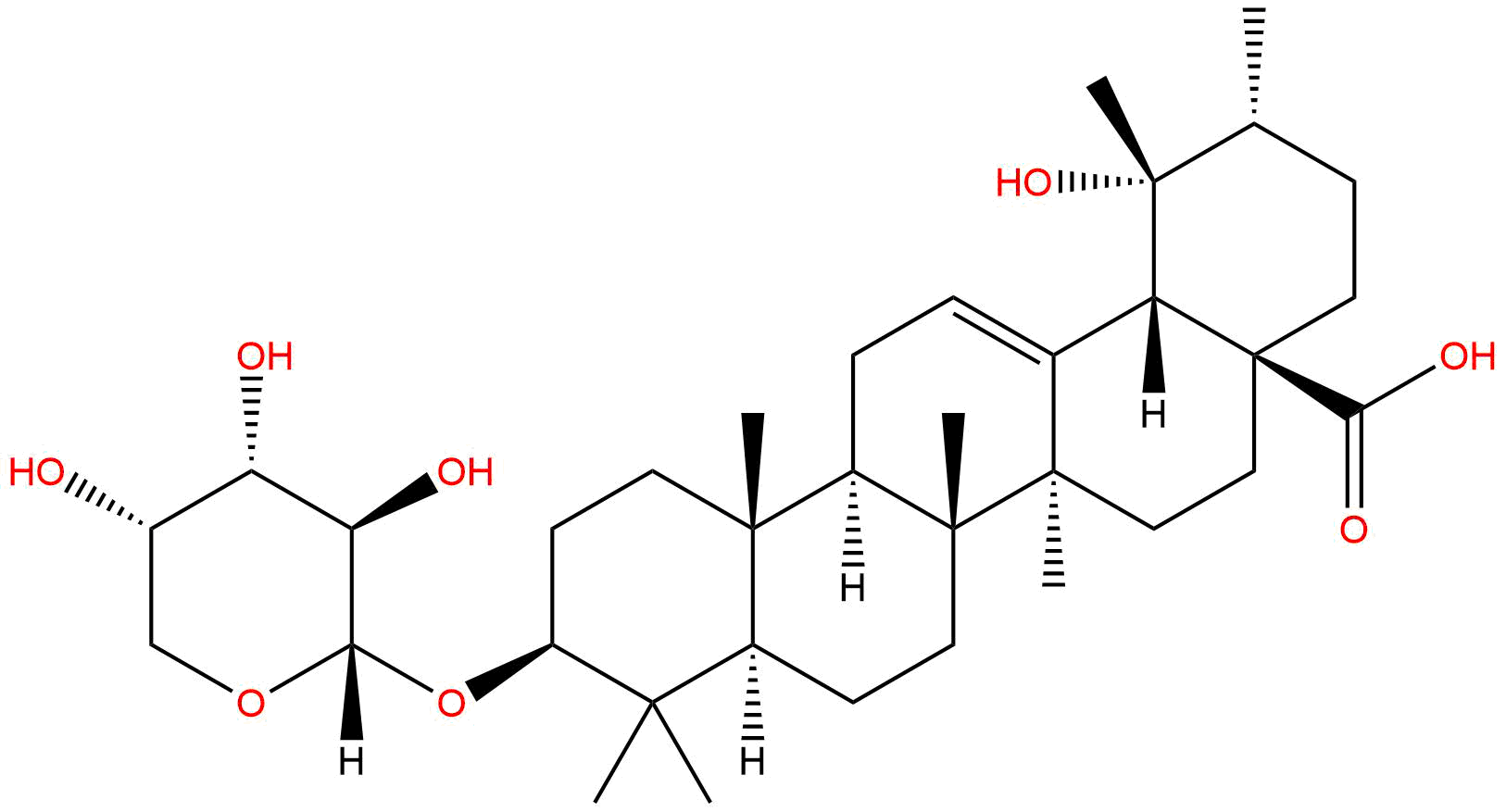


Synonym name: Gouguside 1
Catalogue No.: BP1468
Cas No.: 35286-59-0
Formula: C35H56O8
Mol Weight: 604.825
Botanical Source: Ilex cornuta and Sanguisorba officinalis
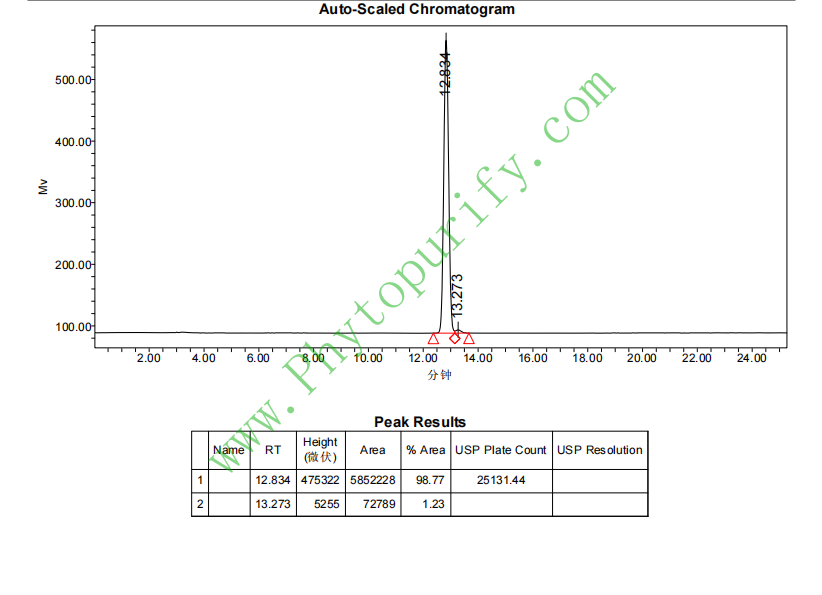
Purity: 95%~99%
Analysis Method: HPLC-DAD or/and HPLC-ELSD
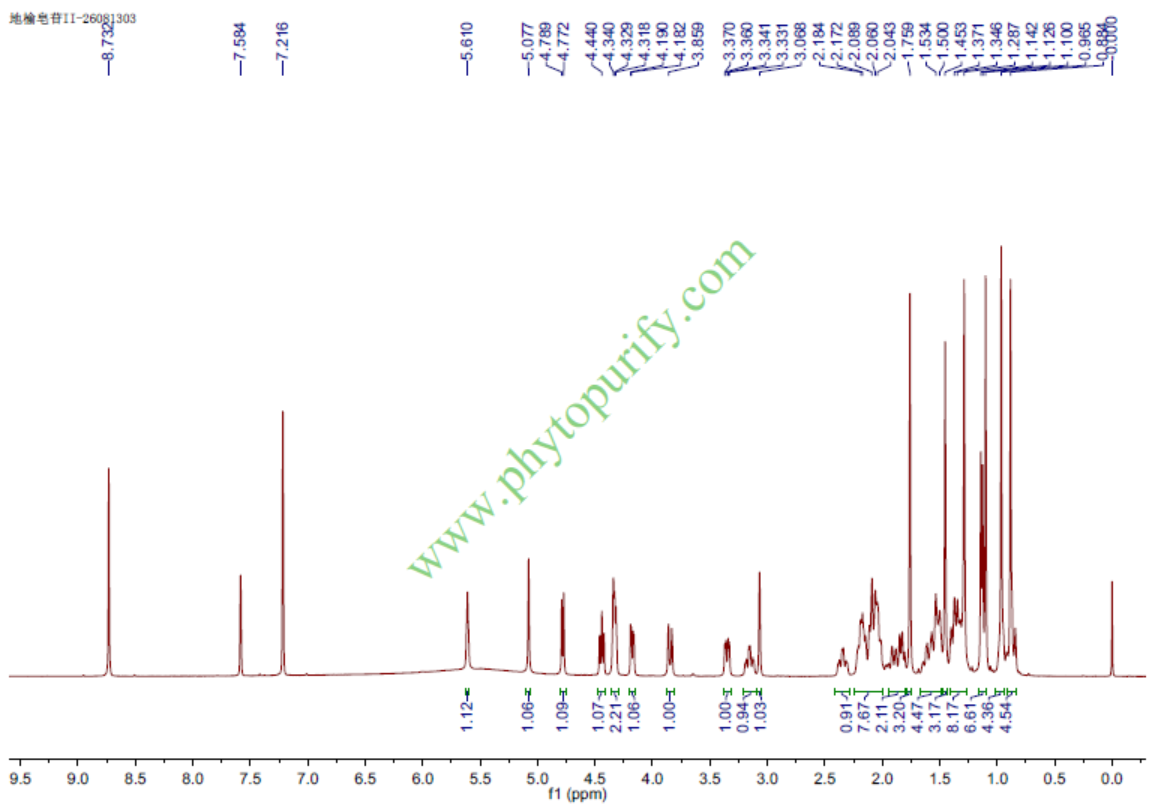
Identification Method: Mass, NMR
Packing: Brown vial or HDPE plastic bottle
Can be supplied from milligrams to grams.
For Reference Standard and R&D, Not for Human Use Directly.
Inquire for bulk scale.
Description:
Ziyuglycoside II has a wide range of clinical applications including hemostasis, antibiosis, anti-inflammation and anti-oxidation. Ziyuglycoside II has inhibitory effect on the growth of MDA-MB-435 cells, it induces cell cycle arrest and apoptosis through activation of ROS/JNK pathway in human breast cancer cells.Ziyuglycoside II methyl ester possess improved anti-diabetic properties, and has hepato-renal protective activities in type 2 diabetes.
References:
Toxicol Lett. 2014 May 16;227(1):65-73.
Ziyuglycoside II induces cell cycle arrest and apoptosis through activation of ROS/JNK pathway in human breast cancer cells.
Ziyuglycoside II, a triterpenoid saponin compound extracted from Sanguisorba officinalis L., has been reported to have a wide range of clinical applications including anti-cancer effect. In this study, the anti-proliferative effect of Ziyuglycoside II in two classic human breast cancer cell lines, MCF-7 and MDA-MB-231, was extensively investigated.
METHODS AND RESULTS:
Our study indicated that Ziyuglycoside II could effectively induce G2/M phase arrest and apoptosis in both cell lines. Cell cycle blocking was associated with the down-regulation of Cdc25C, Cdc2, cyclin A and cyclin B1 as well as the up-regulation of p21/WAF1, phospho-Cdc25C and phospho-Cdc2. Ziyuglycoside II treatment also induced reactive oxygen species (ROS) production and apoptosis by activating the extrinsic/Fas/FasL pathway as well as the intrinsic/mitochondrial pathway. More importantly, the c-Jun NH2-terminal kinase (JNK), a downstream target of ROS, was found to be a critical mediator of Ziyuglycoside II-induced cell apoptosis. Further knockdown of JNK by siRNA could inhibit Ziyuglycoside II-mediated apoptosis with attenuating the up-regulation of Bax and Fas/FasL as well as the down-regulation of Bcl-2. Taken together, the cell death of breast cancer cells in response to Ziyuglycoside II was dependent upon cell cycle arrest and cell apoptosis via a ROS-dependent JNK activation pathway.
CONCLUSIONS:
Our findings may significantly contribute to the understanding of the anti-proliferative effect of Ziyuglycoside II, in particular to breast carcinoma and provide novel insights into the potential application of such compound in breast cancer therapy.
Nutrients. 2015 Jul 7;7(7):5469-83.
Anti-Diabetic and Hepato-Renal Protective Effects of Ziyuglycoside II Methyl Ester in Type 2 Diabetic Mice.
Type 2 diabetes is a metabolic disorder caused by abnormal carbohydrate metabolism, and closely associated with abnormal lipid metabolism and hepato-renal dysfunction. This study investigated the anti-diabetic and hepato-renal protective properties of ziyuglycoside I (ZG01) derivative on type 2 diabetes.
METHODS AND RESULTS:
ZG01 was isolated from roots of Sanguisorba officinalis and chemically modified by deglycosylation and esterification to obtained Ziyuglycoside II methyl ester (ZG02-ME). Here, we showed that ZG02-ME has stronger anti-diabetic activity than the original compound (ZG01) through decreasing blood glucose, glycated hemoglobin (HbA1c), and insulin levels in a mouse model of type 2 diabetes (db/db mice). We further found that ZG02-ME treatment effectively ameliorated serum insulin, leptin and C-peptide levels, which are key metabolic hormones, in db/db mice. In addition, we showed that elevated basal blood lipid levels were decreased by ZG02-ME treatment in db/db mice. Furthermore, treatment of ZG02-ME significantly decreased serum AST, ALT, BUN, creatinine, and liver lipid peroxidation in db/db mice.
CONCLUSIONS:
These results demonstrated that compared to ZG01, chemically modified ZG02-ME possess improved anti-diabetic properties, and has hepato-renal protective activities in type 2 diabetes.
HPLC of Ziyuglycoside II
HNMR of Ziyuglycoside II
Storage conditions:Short-term storage at 2~8℃, long-term storage at -20 ~ -80℃
136.6800
3.9354
2.2491
.0136
.8517
1.1913
Low
86.5593
5.3474
No
No
Yes
No
No
No
0.0
Yes
No
No
No
Natural products, as an important source of drug discovery, play an irreplaceable role in the history of human disease prevention and treatment. Triterpenoid saponins have always been a hot topic in medicinal chemistry and pharmacology research due to their structural diversity and wide range of biological activities. Ziyuglycoside II (CAS number: 35286-59-0) is derived from the traditional Chinese medicine Diyu(Sanguisorba officinalis L. An important triterpenoid saponin monomer component isolated from the roots of (). As a commonly used traditional Chinese medicine, Diyu has the effects of cooling blood, stopping bleeding, detoxifying and astringing sores. Its modern pharmacological research has revealed its various activities such as anti-inflammatory, antibacterial, antiviral and anti-tumor. Diyu saponin II, as one of its key active ingredients, has received widespread attention in recent years. Research has shown that saponins II from Eucommia ulmoides can exhibit significant anti-inflammatory and anticancer potential by inducing reactive oxygen species (ROS) production, triggering cell apoptosis, and other pathways. Its function involves the regulation of multiple key inflammatory and tumor related targets, such as interleukin-6 (IL-6), signal transduction and transcription activator 3 (STAT3), nuclear factor kappa B (NF - κ B), and cyclooxygenase-2 (PTGS2/COX-2). This article aims to systematically review the chemical structure, plant origin, pharmacological activity, molecular mechanism of action, pharmacological characteristics, and clinical application prospects of Diyu saponin II, in order to provide comprehensive scientific references for the in-depth research and development of this compound.
The molecular formula of Diyu saponin II is C35H56O9, with a molecular weight of 604.8250 Da. Its chemical structure belongs to the pentacyclic triterpenoid oleanane type saponin, and its aglycone is oleanolic acid. There is a disaccharide chain composed of glucuronic acid and arabinose connected to the C-3 hydroxyl group of the glycoside, which is a key structural feature that distinguishes it from other saponins of the elm tree (such as elm saponin I). This specific glycosylation modification has a decisive impact on its biological activity and solubility.
From the analysis of physical and chemical properties, the calculated value of the lipid water partition coefficient (LogP) of Diyu saponin II is 3.9354, indicating that the compound has moderate lipophilic properties. Its topological polar surface area (TPSA) is 136.68 Å ², reflecting the strong polarity brought by the sugar moiety. The water solubility value is relatively low (about 0.0136 mg/mL), which is consistent with the limited solubility of most saponin compounds in pure water, but can be improved with cosolvent or formulation techniques. These basic physicochemical parameters provide important basis for subsequent pharmacokinetic studies and formulation development.
Diyu saponin II mainly comes from the genus Diyu in the Rosaceae family(Sanguisorba officinalis L. Dry roots. Diyu is widely distributed in China, Japan, South Korea, and Europe, and its roots are traditional medicinal parts. In addition to saponins II from Eucommia ulmoides, this plant also contains various structurally similar saponins such as saponins I, III, IV from Eucommia ulmoides, as well as tannins, flavonoids, and other components, which together form the basis of its pharmacological substances.
The extraction of saponins II from plant materials is usually carried out using organic solvent extraction combined with modern separation and purification techniques. The conventional process is as follows: first, dry and crush the roots of Eucommia ulmoides, and use polar solvents such as methanol, ethanol, or aqueous ethanol for heating reflux or ultrasound assisted extraction. The extract is concentrated under reduced pressure to obtain a paste. Subsequently, macroporous adsorption resins (such as D101 and AB-8) were used for preliminary enrichment, and gradient elution was performed using water and different concentrations of ethanol. Saponins are usually concentrated in the 30% -70% ethanol elution site. Further purification relies on techniques such as normal or reverse phase silica gel column chromatography and preparative high-performance liquid chromatography (HPLC). The combination of reverse phase C18 chromatography column and methanol water or acetonitrile water mobile phase system is an effective method for separating and purifying high-purity monomers such as Diyu saponin II. The optimization of extraction and separation processes aims to improve the yield and purity of target compounds to meet the needs of pharmacological research and subsequent development.
A large number of in vitro and in vivo pharmacological experiments have confirmed that saponins II from Eucommia ulmoides have various biological activities, among which anti-inflammatory and anticancer effects are the most prominent.
1. Anti inflammatory activity:
Diyu saponin II has shown strong anti-inflammatory effects in various inflammatory models. In the lipopolysaccharide (LPS) - induced macrophage (such as RAW264.7 cells) inflammation model, dioscin II can dose dependently inhibit the production of nitric oxide (NO), prostaglandin E2 (PGE2), and key pro-inflammatory cytokines such as tumor necrosis factor - α (TNF - α), interleukin-6 (IL-6), and interleukin-1 β (IL-1 β). In animal models, acute and chronic inflammation models such as carrageenan induced paw swelling in rats, acetic acid induced increased intra-abdominal capillary permeability in mice, and cotton ball induced granuloma in rats have shown significant anti-inflammatory effects when administered intraperitoneally or orally, comparable to some nonsteroidal anti-inflammatory drugs.
2. Anti cancer activity:
Sanguisorba officinalis saponin II can inhibit the growth and induce apoptosis of many human cancer cell lines, including colon cancer (such as HCT-116, HT-29), breast cancer (such as MCF-7, MDA MB-231), liver cancer (such as HepG2, SMMC-7721), lung cancer (such as A549), and leukemia cells (such as HL-60). Its anti-cancer mechanism is not limited to inducing apoptosis. Studies have also shown that it can inhibit cancer cell proliferation, block the cell cycle (often in G0/G1 or S phase), inhibit cell migration and invasion, and regulate autophagy. It is worth noting that the toxicity of Diyu saponin II to certain normal cells is relatively low, indicating its certain selectivity.
3. Other activities:
In addition, the study also suggests that saponins II from Eucommia ulmoides may have auxiliary activities such as antioxidant, antibacterial, antiviral (such as against influenza virus), and immune regulation. These activities are inherently related to their anti-inflammatory effects, and together constitute the modern scientific connotation of the traditional efficacy of Eucommia ulmoides.
The multiple pharmacological activities of Diyu saponin II stem from its precise regulation of multiple intracellular signaling pathways, and its mechanism of action has been studied at the molecular target level.
1. Anti inflammatory mechanism:
The anti-inflammatory effect of Diyu saponin II is mainly achieved by inhibiting classic inflammatory signaling pathways such as NF - κ B and MAPKs. It can inhibit LPS induced degradation of I κ B α and p65 nuclear translocation, thereby blocking the transcriptional activity of NF - κ B, leading to downregulation of downstream inflammatory mediators such as inducible nitric oxide synthase (NOS2/iNOS), cyclooxygenase-2 (PTGS2/COX-2), TNF - α, and IL-6 expression. Meanwhile, it can also inhibit the phosphorylation of JNK, ERK, and p38 MAPK. Of particular note is that dioscin II can directly or indirectly inhibit the activation of the IL-6/JAK2/STAT3 signaling axis. STAT3 is a key node connecting chronic inflammation and tumorigenesis, and saponins II from Eucommia ulmoides block the transmission of pro-inflammatory and pro proliferative signals by inhibiting its phosphorylation. In addition, the study also found that it can inhibit the activation of NLRP3 inflammasome and reduce the maturation and release of IL-1 β mediated by CASP1. The regulation of pain related ion channels such as transient receptor potential vanillic acid subtype 1 (TRPV1) and anchored protein subtype 1 (TRPA1) may be related to their ability to alleviate inflammatory pain.
2. Anti cancer mechanism:
The anticancer mechanism of Diyu saponin II is complex and multidimensional. One of its core mechanisms is Inducing reactive oxygen species (ROS) - mediated mitochondrial apoptosis pathway Diyu saponin II can significantly increase ROS levels in cancer cells, leading to a decrease in mitochondrial membrane potential, release of cytochrome c, and activation of caspase-9 and caspase-3 cascade reactions, ultimately triggering cell apoptosis. This process is usually accompanied by an upregulation of Bax/Bcl-2 ratio and a decrease in apoptosis inhibitory proteins.
Secondly, it has an impact on STAT3 signaling pathway Inhibition is crucial in anti-cancer treatment. STAT3 is continuously activated in many cancers, and saponins II from Eucommia ulmoides inhibit its phosphorylation, downregulate the expression of downstream target genes (such as Cyclin D1, Bcl-2, Survivor, VEGF), thereby suppressing cell proliferation, promoting apoptosis, and inhibiting angiogenesis.
Furthermore, Diyu saponin II can also be regulated by PI3K/Akt/mTOR、Wnt/β-catenin Plays an anti-cancer effect through pathways related to cell survival, proliferation, and metabolism. The inhibition of PTGS2 (COX-2) is also related to its anti-inflammatory and tumor prevention effects.
In summary, Diyu saponin II acts on multiple targets such as IL-6, STAT3, NFKB1, PTGS2, TNF, CASP1, NOS2, forming a multi-target and multi pathway network mode of action, which provides a molecular basis for its treatment of complex inflammatory diseases and cancers.
Based on the provided pharmacological parameters and existing research, the preliminary evaluation of the pharmacological properties of Diyu Saponin II is as follows:
1. Pharmacodynamics:
Existing pharmacokinetic studies (mostly conducted in rat models) have shown that the absorption of Diyu saponin II after oral administration is slow, and its bioavailability is moderately low, which is related to its poor water solubility, possible hydrolysis by gut microbiota, and first pass effects. It is widely distributed in the body, but has a low ability to cross the blood-brain barrier (consistent with its higher molecular weight and polar surface area), indicating limited direct effects on the central nervous system, but may also reduce central side effects. Diyu saponin II mainly undergoes metabolic processes such as hydrolysis (deglycosylation) and oxidation in the body. Its glycoside, oleanolic acid, is one of the important metabolites and may also contribute to some of its activity. The main excretion pathways are bile and urine.
2. Preliminary safety evaluation:
The preliminary safety data provided shows that the result of Diyu saponin II in the Ames test is negative (0.0), indicating that it has no direct genetic toxicity risk. At the same time, it has no significant inhibitory effect on hERG potassium channels, indicating a low potential risk of inducing QT interval prolongation and apical torsion type ventricular tachycardia, which is an important feature beneficial to its cardiac safety. However, a comprehensive safety assessment still requires systematic preclinical research data support on acute toxicity, long-term toxicity, reproductive toxicity, and other factors.
3. Challenges and strategies for drug development:
The main pharmacological challenges faced by Diyu Saponin II include:Oral bioavailability needs to be improved、Poor water solubility Affects formulation development. To address these challenges, the following strategies can be considered:Improvement of formulation technology, such as making nanocrystals, liposomes, solid dispersions, or cyclodextrin inclusion complexes to increase solubility and dissolution rate;Structural modification On the premise of ensuring activity, modify the sugar or glycoside groups to optimize their physicochemical properties;Developing new routes of administration Such as injectable or topical formulations, bypassing first pass effects.
Diyu saponin II, as a natural compound with clear anti-inflammatory and anticancer activities, has broad clinical application prospects, but also faces many challenges.
1. Potential therapeutic areas:
* Inflammatory related diseases Can be used to treat rheumatoid arthritis, inflammatory bowel disease (such as ulcerative colitis), chronic hepatitis, dermatitis, etc., especially for patients with poor efficacy or significant side effects of traditional anti-inflammatory drugs, it may provide a new option.
* Cancer adjuvant therapy Can be used as a sensitizer for chemotherapy or radiotherapy, or for chemoprevention of cancer. Its multi-target mechanism of action can help overcome tumor drug resistance, and its combination with existing drugs targeting the STAT3 or NF - κ B pathways is worth exploring.
* Other Its potential in pain relief (through TRPV1/TRPA1), anti infection, and other aspects also needs to be explored.
2. Future research directions and challenges:
* In depth mechanism research Further use of chemical biology methods (such as molecular probes) is needed to clarify their direct targets and draw more accurate signal network diagrams.
* Preclinical development Urgently need to complete systematic pharmacodynamic, pharmacokinetic, and safety evaluations that meet the requirements for new drug registration, and establish stable production processes for active pharmaceutical ingredients and formulations.
* clinical translation Designing a reasonable clinical trial plan and verifying its effectiveness and safety in the human body is a crucial step in ultimately achieving its application.
* Combination therapy research Exploring the synergistic effect of Diyu saponin II with existing clinical drugs may lead to the discovery of more efficient and low toxicity treatment options.
Diyu saponin II is a natural triterpenoid saponin compound with significant research value discovered from the traditional Chinese medicine Diyu. It exhibits a unique multi-target and multi pathway mechanism of action in anti-inflammatory and anticancer fields by regulating key signaling nodes such as ROS, STAT3, NF - κ B. Despite challenges in drug formulation such as water solubility and oral bioavailability, its clear pharmacological activity and good preliminary safety features (such as no genetic toxicity and hERG inhibition) have laid a solid foundation for its further development. With the continuous progress of modern medicinal chemistry, pharmacy, and molecular pharmacology, through structural optimization, development of new delivery systems, and in-depth translational medicine research, Diyu saponin II is expected to gradually develop from a promising lead compound into an innovative drug for treating inflammatory diseases and cancer, thus demonstrating the enduring vitality of natural products in modern pharmaceutical research and development.
