| Catalog No | Package | Original Price | Price | Inventory | Quantity | Operating |
|---|---|---|---|---|---|---|
| BP1505-20mg | 20mg | $30.00 | Sign in |
|


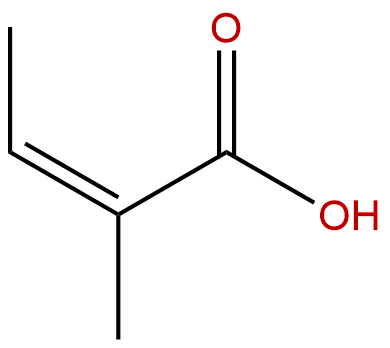
Product name: Angelic acid
Synonym name: Z-2-Methylcrotonic acid; cis-2-Methyl-2-butenoic acid; (2Z)-2-Methyl-2-butenoic acid
Catalogue No.: BP1505
Cas No.: 565-63-9
Formula: C5H8O2
Mol Weight: 100.117
Botanical Source: Constit. of Angelica archangelica (angelica) and as esters of many alcohols
Physical Description:
Type of Compound: Aliphatics
Purity: 95%~99%
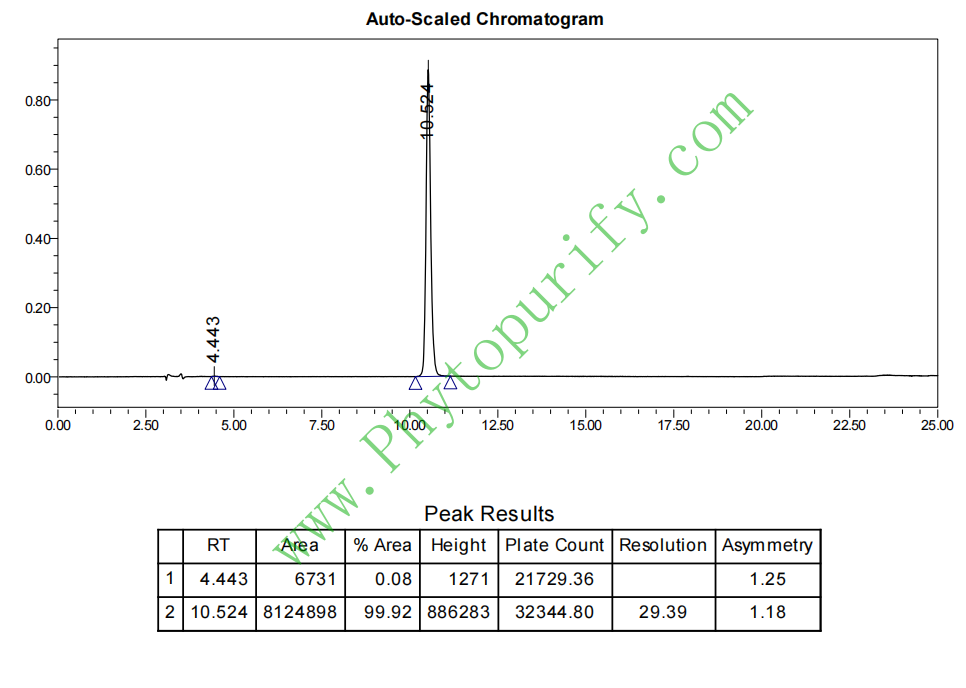
Analysis Method: HPLC-DAD or/and HPLC-ELSD
Identification Method: Mass, NMR
Packing: Brown vial or HDPE plastic bottle
The product could be supplied from milligrams to grams. Inquire for bulk scale.
We provide solution to improve the water-solubility of compounds, thereby facilitating the variety of activity tests and clinic uses.
For Reference Standard and R&D, Not for Human Use Directly.
HPLC of Angelic acid
Storage conditions:Short-term storage at 2~8℃, long-term storage at -20 ~ -80℃
37.3000
.7398
-1.4228
57.4070
2.3056
13.0241
Low
66.6126
2.6818
Yes
No
No
No
No
No
0.0
Yes
Yes
Yes
Yes
Ferroptosis, as a novel programmed cell death mechanism, is characterized by excessive accumulation of iron dependent lipid peroxides, ultimately leading to the breakdown of the cell membrane system. This process is precisely regulated by the intracellular antioxidant system, especially glutathione peroxidase 4 (GPX4) and its upstream regulatory network. Nuclear factor E2 related factor 2 (NRF2), as a key transcription factor in cellular oxidative stress response, plays a crucial "guardian" role in inhibiting ferroptosis by activating the expression of a series of antioxidant and detoxifying genes. Therefore, targeting the NRF2 pathway and relieving its inhibition of lipid peroxidation has become an important research direction for inducing ferroptosis in tumor cells and developing novel anti-tumor strategies. In this context, Angelic acid, a natural small molecule compound derived from traditional medicinal plants, has received widespread attention from pharmacological researchers in recent years due to its unique NRF2 targeted degradation ability and activity in inducing ferroptosis. Angelica sinensis acid not only exhibits significant anti-tumor potential, but also has multiple pharmacological activities such as anti-inflammatory, antioxidant, and tissue repair promotion. It provides scientific basis for its application in inflammatory diseases, skin photoaging, and wound healing. This article aims to systematically review the chemical properties, plant sources, pharmacological activities, molecular mechanisms of action, and medicinal properties of Angelica sinensis, and to explore its future clinical application prospects.
Angelica acid, chemical name (Z) -2-methyl-2-butenoic acid, CAS number 565-63-9. Its molecular formula is C5H8O2 and its molecular weight is 100.1170. Structurally, Angelica sinensis acid is a simple five carbon unsaturated carboxylic acid, characterized by a cis (Z-shaped) double bond (located between C2 and C3) and a methyl substitution at the C2 position. This cis - α, β - unsaturated carboxylic acid structure is the key pharmacophore for its biological activity, allowing it to act as a Michael reaction receptor and covalently bind to nucleophilic cysteine residues in proteins, thereby affecting the function and stability of target proteins.
In terms of physicochemical properties, the lipophilic water partition coefficient (LogP) of Angelica sinensis acid is 0.7398, indicating that it has a certain degree of lipophilicity, but overall it still tends to be hydrophilic. Its topological polar surface area (TPSA) is 37.3000 Å ², which is relatively small and conducive to transmembrane diffusion. The water solubility measured in the experiment is about 57.4070 mg/L, which is slightly soluble in water. Based on its small molecular weight and low TPSA, it is predicted that its ability to cross the blood-brain barrier is low, which to some extent limits its direct effects on central nervous system diseases, but may also reduce the risk of central nervous system side effects. The preliminary drug risk assessment showed that Angelica sinensis acid had a negative result (0.0) in the Ames test, indicating no significant genetic toxicity; At the same time, it has no inhibitory effect on hERG potassium channels, indicating a low risk of causing QT interval prolongation in the heart, which provides a favorable safety data basis for its subsequent development.
Angelica acid is not Angelica sinensis(Angelica sinensis)The main active ingredient is derived from the name of the first plant in the genus Angelica Angelica archangelica Separated from the middle. In fact, this compound is widely present in various Apiaceae plants such as Angelica sinensis, Angelica dahurica, and Angelica sinensis, as well as in Asteraceae and other plant families. In these plants, Angelica sinensis acid often exists in the form of free acids or esters (such as components of Angelica sinensis lactone).
The extraction method mainly follows the conventional process of natural product chemistry. Firstly, the plant raw materials (such as roots and stems) are dried and crushed, and then extracted or refluxed using organic solvents (such as methanol, ethanol, or ethyl acetate). After filtration and concentration, the obtained crude extract can be preliminarily enriched using liquid-liquid extraction (such as using an ethyl acetate/water system). Further purification typically relies on chromatographic techniques, including silica gel column chromatography, preparative thin-layer chromatography, and high-performance liquid chromatography (HPLC). Considering the small molecular weight and carboxyl group content of Angelica sinensis, a reverse phase C18 chromatography column combined with acidic aqueous phase (such as 0.1% formic acid) and acetonitrile gradient elution is an effective separation and purification strategy. During the extraction process, it is important to control the temperature and avoid light to prevent isomerization of the cis double bond into trans Tiglic acid, which may have different biological activities. Modern green extraction techniques, such as supercritical CO2 extraction, may also be applicable for the extraction of volatile or semi volatile acids, with the advantages of high efficiency and low solvent residue.
Angelica sinensis acid exhibits diverse pharmacological activities, with research hotspots mainly focused on anti-tumor and anti-inflammatory/antioxidant aspects.
1. Antitumor and ferroptosis inducing activity
The most notable activity of Angelica sinensis acid is its use as an NRF2 degrader to induce ferroptosis in tumor cells. Multiple in vitro studies have shown that Angelica sinensis acid can effectively inhibit the proliferation of various cancer cell lines, such as lung cancer, liver cancer, and colon cancer cells, and its effect is synergistic with classical iron death inducers such as Erastin and RSL3. Mechanistically, Angelica sinensis acid weakens the cell's defense against oxidative stress by promoting the ubiquitination degradation of NRF2 protein. This leads to a significant increase in intracellular reactive oxygen species (ROS) levels, a large accumulation of lipid peroxidation products (such as MDA, 4-HNE), and indirect inhibition of the expression or activity of GPX4, a key negative regulator of iron death. Biomarker analysis shows that Angelica acid treatment can significantly upregulate iron death related genes CHAC1 Glutathione degrading enzyme and PTGS2 The expression of prostaglandin endoperoxide synthase 2, which is often induced in ferroptosis, further confirms its characteristic of inducing ferroptosis. This method of inducing ferroptosis by "releasing the brake" instead of directly "stepping on the accelerator" provides a new idea for overcoming the resistance of certain tumors to direct GPX4 inhibitors.
2. Anti inflammatory and antioxidant activity
Angelica acid has a clear anti-inflammatory effect, which is consistent with its application background in traditional herbal medicine. Research has shown that Angelica sinensis acid can inhibit the production of pro-inflammatory mediators in macrophages induced by stimuli such as lipopolysaccharide (LPS), including nitric oxide (NO), prostaglandin E2 (PGE2), and various cytokines such as TNF - α and IL-6. Its anti-inflammatory mechanism involves the regulation of multiple key inflammatory signaling pathways and targets: it can inhibit the activation of the NF - κ B signaling pathway, downregulate the expression of inducible nitric oxide synthase (iNOS/NOS2) and cyclooxygenase-2 (COX-2/PTGS2); It can also affect the phosphorylation activation of STAT3. In addition, research suggests that it may also have a regulatory effect on transient receptor potential vanillic acid subtype 1 (TRPV1) and ANKTM1 (TRPA1) channels, which are closely related to inflammatory pain perception.
In terms of antioxidant properties, Angelica sinensis acid exhibits a "dual role". In tumor cells, it weakens overall antioxidant capacity by degrading NRF2 and promotes oxidative stress that promotes death. However, in normal tissue cells such as skin fibroblasts, it itself has a certain direct free radical scavenging ability. Research has shown that Angelica sinensis acid can effectively eliminate ROS induced by long wave ultraviolet (UVA) radiation, thereby protecting skin fibroblasts from oxidative damage, inhibiting the appearance of cellular aging phenotype, and reducing the degradation of extracellular matrix components such as collagen. The differences in tissue-specific effects may stem from variations in NRF2 basal activity, covalent binding protein networks, and redox states across different cell types.
3. Other pharmacological activities
In addition to the core activities mentioned above, studies have also reported that Angelica sinensis acid has the effect of promoting wound healing, which may be related to its anti-inflammatory, antioxidant, and potential promotion of fibroblast migration and collagen synthesis properties. In addition, early pharmacological studies have documented its sedative activity, but its specific mechanism has not been fully elucidated at the modern molecular level.
The core molecular mechanism of Angelica sinensis acid is that it acts as an electrophilic ligand and undergoes covalent modification with specific cysteine residues in the target protein. At present, the most clear and extensively studied target is NRF2 and its negative regulatory protein KEAP1.
1. Targeting the NRF2-KEAP1 axis induces ferroptosis
In steady state, NRF2 binds to its cytoplasmic anchor protein KEAP1 and is continuously degraded by the proteasome through KEAP1 mediated ubiquitination. The α, β - unsaturated carboxylic acid structure of Angelica sinensis enables it to act as a Michael reaction receptor, directly covalently binding to nucleophilic cysteine residues (such as C151, C273, C288) on KEAP1 protein. This binding may alter the conformation of KEAP1, but its main effect is not to inactivate KEAP1 and stabilize NRF2 like classical NRF2 activators such as sulforaphane. On the contrary, existing evidence suggests that Angelica acid treatment promotes ubiquitination degradation of NRF2 protein. One possible mechanism is that the modification of Angelica sinensis acid may alter the mode of interaction between KEAP1 and NRF2 or other E3 ubiquitin ligase complexes (such as β - TrCP), or directly or indirectly promote the recognition of NRF2 by other E3 ligases, ultimately accelerating the degradation of NRF2 through the ubiquitin proteasome pathway. The decrease in NRF2 levels leads to downstream genes driven by antioxidant response elements (ARE), such as NQO1, HO-1, GCLC, GCLM)Reduced expression weakens the buffering capacity of cells against lipid peroxidation, leading to increased sensitivity to ferroptosis.
2. Regulating inflammation related signaling networks
The anti-inflammatory effect of Angelica sinensis acid involves a more complex target network. Its inhibition of the NF - κ B and STAT3 pathways may be the core of its anti-inflammatory effect. This may be achieved through upstream signal regulation (such as affecting IKK or JAK kinase activity) or direct interaction with key proteins in these pathways. In addition, its inhibition of COX-2 (PTGS2) and iNOS (NOS2) expression is the direct cause of reducing the production of inflammatory mediators such as PGE2 and NO. It is worth noting that in the anti-inflammatory scenario, Angelica sinensis inhibits COX-2 and induces it in ferroptosis PTGS2 The seemingly contradictory nature of gene expression precisely indicates that its regulation is highly dependent on cell types and context. In inflammatory cells, it may preferentially inhibit pro-inflammatory transcription factors such as NF - κ B, thereby overwhelming other regulatory factors. The potential regulation of TRPV1/TRPA1 plasma channels may provide an explanation for their analgesic and anti neuroinflammatory effects.
3. Integrated view of multi-target effects
In summary, Angelica sinensis acid is a natural product with multi-target properties. The cis - α, β - unsaturated carboxylic acid structure is the common basis for covalent modification. In different biological scenarios, it triggers distinct downstream effects by binding to targets such as KEAP1 and key proteins in the inflammatory signaling pathway: in tumor cells, it "breaks down defense" by degrading NRF2, promoting ferroptosis; In an inflammatory environment, it exerts anti-inflammatory effects by suppressing pathways such as NF - κ B/STAT3 to "calm the storm"; In the skin photoaging model, the protective effect is achieved by directly clearing ROS. This "context dependent" pharmacological effect is a manifestation of the complexity of natural products, and also brings challenges and opportunities for their precise application.
Based on its physicochemical parameters and preliminary in vitro safety data, Angelica sinensis acid exhibits certain potential for drug development. Its small molecular weight and simple structure are conducive to chemical synthesis and structural modification. The moderate LogP value indicates that it has a relatively balanced lipid solubility and water solubility, which is beneficial for gastrointestinal absorption. Low blood-brain barrier permeability is not an absolute disadvantage for systemic anti-tumor or anti-inflammatory drugs, and can reduce central side effects. The absence of hERG inhibition and Ames mutagenicity is an important early safety advantage.
However, as a small molecule carboxylic acid, Angelica sinensis also faces typical pharmacokinetic challenges. Firstly, its oral bioavailability may be affected by the first pass effect, and may undergo binding reactions in the liver (such as binding with glucuronic acid) to inactivate or accelerate clearance. Secondly, compounds containing α, β - unsaturated bonds may pose non-specific covalent modification risks, leading to potential off target toxicity and immunogenicity concerns, which require careful toxicological studies for evaluation. There is currently a lack of systematic in vivo research data on key pharmacokinetic parameters such as metabolic pathways, major metabolites and their activity, half-life, and tissue distribution. In addition, although its water solubility is still acceptable, in order to improve the stability and delivery efficiency of the formulation, it may be necessary to develop suitable dosage forms such as liposomes, nanoparticles, or prodrug strategies (such as preparing ester prodrugs to increase membrane permeability and release the active ingredient through hydrolysis in vivo).
The multiple pharmacological activities of Angelica sinensis acid have brought broad application prospects in multiple therapeutic fields, but there are also many challenges.
1. Anti tumor therapy
As an iron death inducer, Angelica sinensis acid has great potential in tumor treatment. Especially suitable for tumors with excessive activation of NRF2 (such as KEAP1 mutant lung cancer and NRF2 amplified tumors), which usually have strong resistance to cell death induced by radiotherapy, chemotherapy, and oxidative stress. Angelica acid can effectively reverse its drug resistance by degrading NRF2. The future development direction includes: ① Combining with existing iron death inducers, chemotherapy drugs, targeted drugs, or immune checkpoint inhibitors to exert synergistic anti-tumor effects; ② Optimize its structure to improve its selectivity and efficacy in the degradation of NRF2, and reduce off target effects; ③ Develop tumor targeted delivery systems to increase local tumor concentration and reduce systemic toxicity.
2. Treatment of inflammatory diseases
Its anti-inflammatory spectrum covers multiple key targets and can be used to treat chronic inflammatory diseases such as rheumatoid arthritis, inflammatory bowel disease, dermatitis, etc. Its potential TRP channel regulatory role also suggests its potential application in pain management. It is necessary to clarify its dominant mechanism of action and effective concentration window in different inflammatory models.
3. Skin care and prevention of photoaging
Its activity in clearing UVA induced ROS, anti-aging, and protecting extracellular matrix makes it a potential candidate ingredient for functional cosmetics or topical drugs for preventing and treating skin photoaging and wrinkle formation.
4. Challenges and Future Research Directions
The main challenge lies in: ① Mechanism depth A more precise proteomic panorama of its covalent modification is needed to clarify its direct target and subsequent signaling network. ② Specificity and Safety How to improve its targeting specificity and avoid potential damage to normal tissues (especially normal cells that rely on NRF2 for protection) is the core issue in developing it as a drug. ③ pharmacokinetics Comprehensive preclinical ADME (absorption, distribution, metabolism, excretion) and toxicology studies must be conducted. ④ structural optimization By using medicinal chemical methods to modify its structure, it is possible to obtain derivatives with stronger activity, higher selectivity, and better pharmacokinetic properties.
Angelica acid, a natural small molecule discovered from traditional medicinal plants, successfully links the cutting-edge anti-tumor strategy of "targeting NRF2 degradation" with "inducing ferroptosis" through its unique cis - α, β - unsaturated carboxylic acid structure, while retaining traditional anti-inflammatory and antioxidant activities. It is like a sophisticated "molecular switch" that covalently modifies multiple targets such as KEAP1 and inflammatory signaling molecules in different pathological and physiological environments, thereby regulating NRF2 stability, redox balance, and inflammatory response. Although it still faces challenges in terms of specificity, safety, and pharmacokinetics on the path of becoming a drug, existing research has endowed it with clear modern pharmacological connotations and promising application potential. In the future, through interdisciplinary and in-depth research, including the joint efforts of chemical biology, structural pharmacology, medicinal chemistry, and formulation, Angelica sinensis and its derivatives are expected to transform from an ancient plant component into a new weapon for treating tumors, inflammation, and skin diseases, fully demonstrating the eternal value of natural products as a source of innovative drugs.
