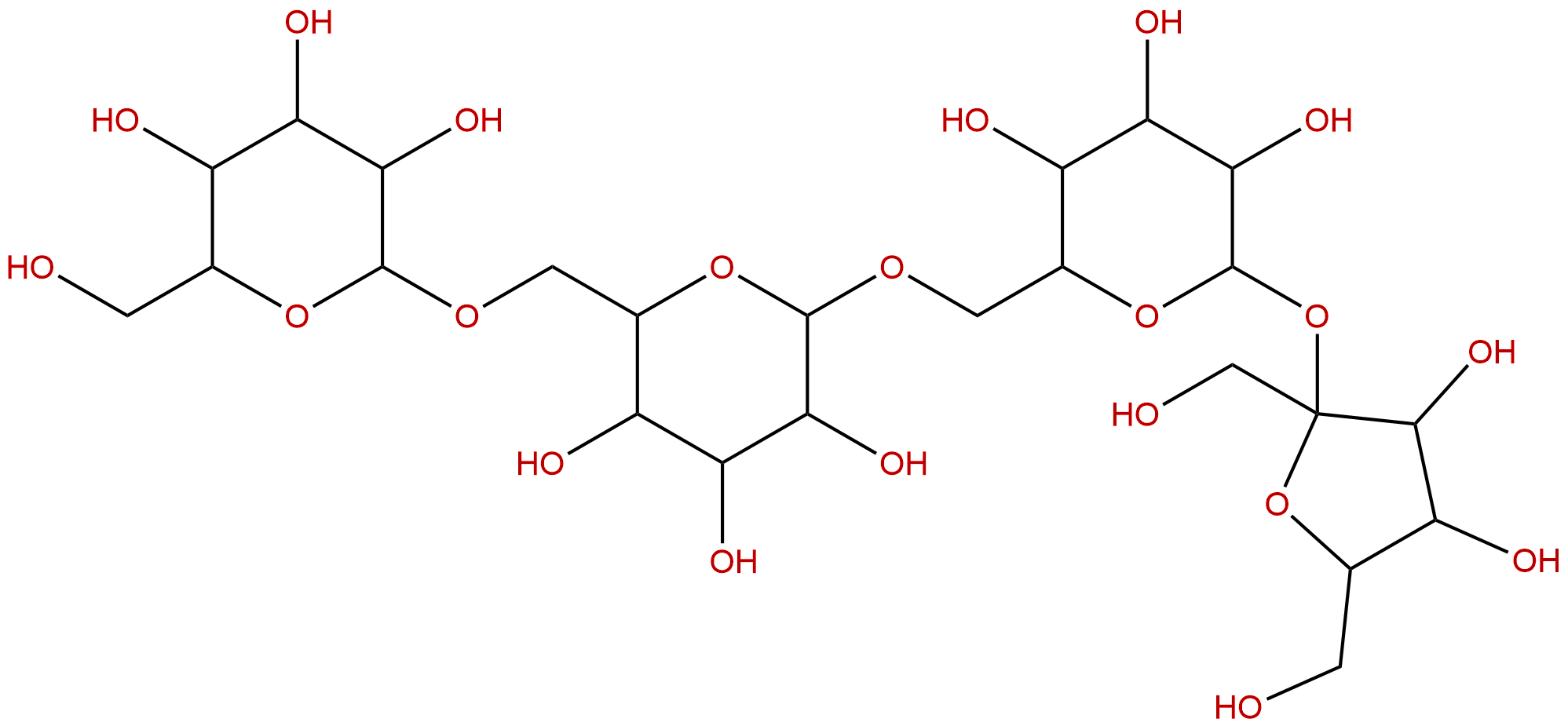


product name: Stachyose
Synonym name: Stachyose hydrate, 54261-98-2; Manneotetrose; β-Galactan
Catalogue No.: BP1340
Cas No.: 470-55-3
Formula: C24H42O21
Mol Weight: 666.579
Botanical Source: many plants, e.g. twigs of white jasmine, seeds of yellow lupin (Lupinus luteus), lentils and ash manna (Fraxinus ornus)
Purity: 95%~99%
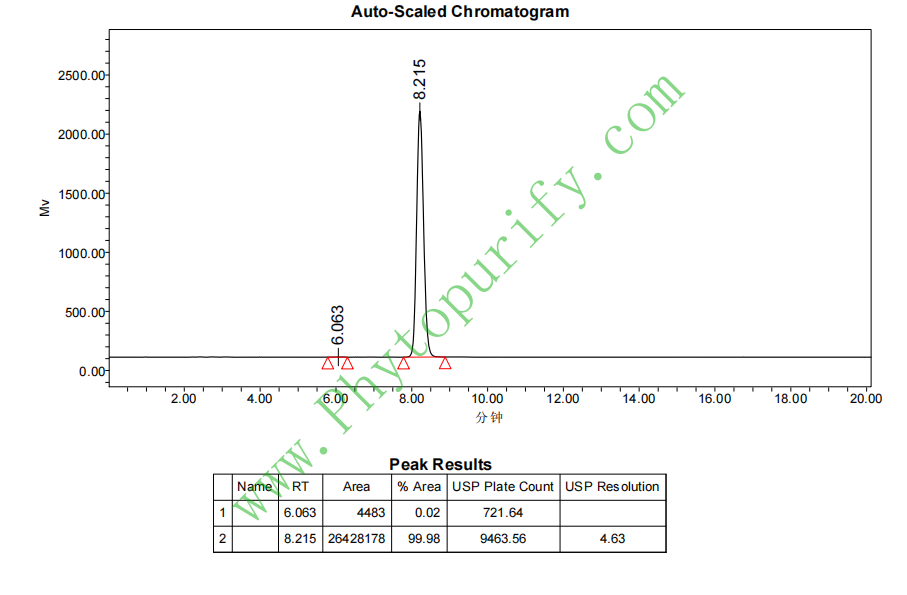
Analysis Method: HPLC-DAD or/and HPLC-ELSD
Identification Method: Mass, NMR
Packing: Brown vial or HDPE plastic bottle
Can be supplied from milligrams to grams.
For Reference Standard and R&D, Not for Human Use Directly.
Inquire for bulk scale.
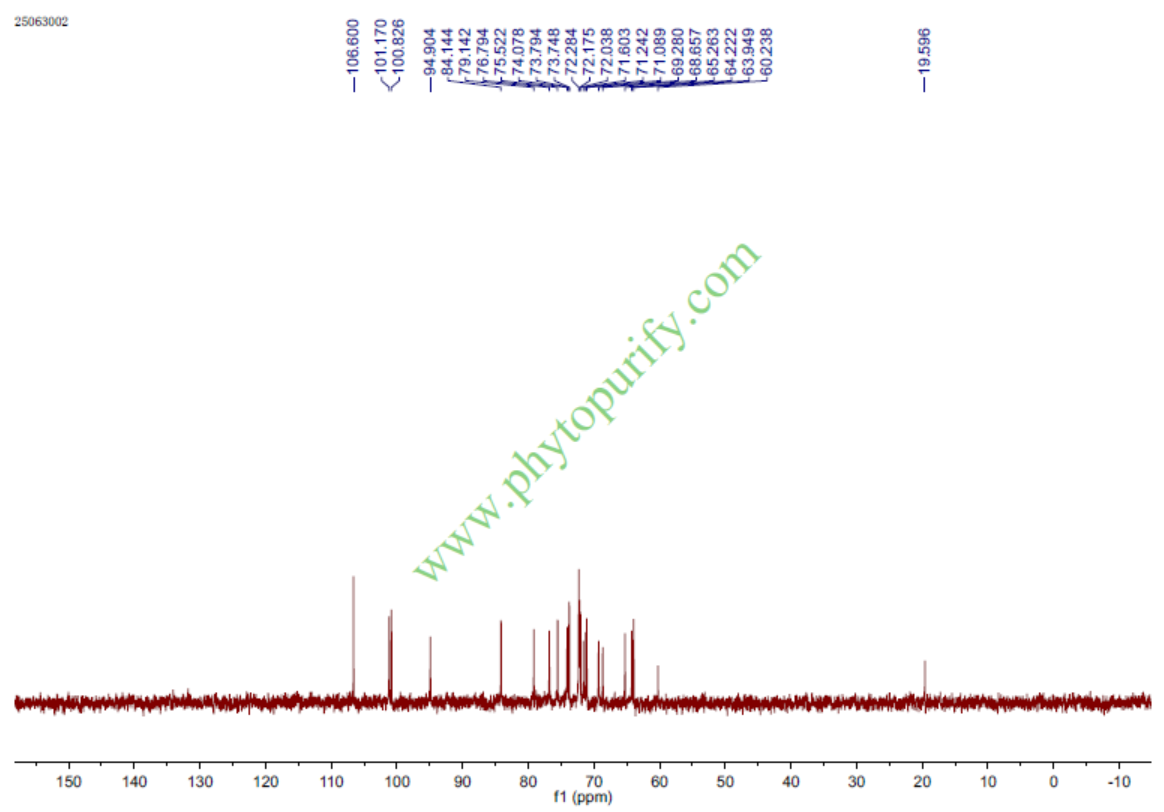
NMR of Stachyose
HPLC of Stachyose
Storage conditions:Short-term storage at 2~8℃, long-term storage at -20 ~ -80℃
347.8300
-3.8355
-3.8355
57.6423
.3360
.1579
Low
16.8493
5.3617
Yes
No
No
No
Yes
No
0.9
Yes
Yes
Yes
Yes
In the field of natural product chemistry and pharmacology research, oligosaccharides are increasingly receiving attention due to their unique biological activity and good safety. Stachyose (CAS number: 470-55-3), as a typical tetrasaccharide of the raffinose family, is widely present in various medicinal plants and foods. Traditionally, plants rich in raffinose, such as Rehmannia glutinosa and Salvia miltiorrhiza, are often used in traditional Chinese medicine prescriptions to nourish yin, clear heat, produce fluids, and quench thirst. Modern pharmacological research has revealed that stachyose is not only an important osmoregulatory substance and carbon storage form, but also exhibits significant hypoglycemic activity and profound regulatory effects on intestinal microbiota. With the global prevalence of metabolic diseases, especially type 2 diabetes, and diseases related to intestinal flora disorders, finding safe and effective intervention strategies has become a research hotspot. As a natural functional oligosaccharide, stachyose provides a highly promising candidate molecule for the development of novel hypoglycemic drugs or functional foods by regulating gut microbiota and improving host metabolism through the "microbiota host" dialogue mechanism. This article aims to provide a systematic review of the chemical properties, plant sources, pharmacological activities, molecular mechanisms of action, and medicinal properties of stachyose, and to explore its clinical application prospects.
Shuisulin is a non reducing oligosaccharide composed of four monosaccharide units, with the chemical name α - D-galactosyl - (1 → 6) - α - D-galactosyl - (1 → 6) - α - D-glucosyl - (1 → 2) - β - D-fructoside. Its molecular formula is C24H42O21 and its molecular weight is 666.5790. Structurally, stachyose can be regarded as a galactose group connected by two α -1,6-glycosidic bonds on the hydroxyl group at position 6 of the glucose unit of sucrose (glucose fructose). This structure makes it a homolog of raffinose (trisaccharide), belonging to the oligosaccharides of the raffinose family.
In terms of physical and chemical properties, stachyose is a white crystalline powder with a slightly sweet taste. Due to the presence of a large number of hydrophilic hydroxyl groups in its molecule, its theoretical polar surface area (TPSA) is as high as 347.8300 Å ², and the calculated LogP value is -3.8355, indicating that it has strong hydrophilicity and extremely low lipophilicity. This characteristic is consistent with its excellent water solubility (approximately 57.64 g/L). Shuisulin is relatively stable to heat and acid, but can undergo hydrolysis under strong acid conditions to produce galactose, glucose, and fructose. Due to its large molecular weight and strong polarity, raffinose is difficult to penetrate the blood-brain barrier (predicted low permeability), which limits its direct central nervous system effects but also reduces the potential risk of central side effects. Preliminary pharmacological screening data shows that raffinose has no significant inhibitory effect on hERG potassium channels (indicating low risk of cardiac toxicity), and the Ames test result is 0.9 (usually considered negative if less than 2), indicating that it has no obvious mutagenicity and good basic safety.
Shuisulin is widely distributed in nature and is one of the main soluble carbohydrates in many leguminous plants (such as soybeans and peas), labiaceae plants (such as Rehmannia glutinosa and Salvia miltiorrhiza), and Scrophulariaceae plants. Its content is particularly high in legume seeds and the rhizomes of some medicinal plants. For example, the root of Rehmannia glutinosa, a traditional Chinese medicine, is a rich source of raffinose, with a content of over 20% of its dry weight. This is potentially related to the traditional efficacy of Rehmannia glutinosa in nourishing yin and generating saliva. In addition, soybeans, beans, etc. are also important resources for obtaining raffinose.
The extraction and purification of stachyose are usually based on its strong water solubility and polarity differences from other sugars. The conventional extraction process includes: 1)Hot water extraction After crushing the plant raw materials, extract them with hot water to dissolve soluble sugars such as raffinose. 2)impurity removal Remove insoluble impurities through centrifugation and filtration, and sometimes use alcohol precipitation to remove large molecules such as proteins and polysaccharides. 3)Preliminary separation Use activated carbon for decolorization or remove ion impurities through ion exchange resin. 4)Refined and purified This is a key step in obtaining high-purity raffinose. Column chromatography technology, such as gel permeation chromatography (based on molecular weight separation) or high-performance liquid chromatography (HPLC), is often used, especially the chromatography system equipped with amino column or calcium cation exchange resin column, which can effectively separate stachyose, raffinose, sucrose and other carbohydrate mixtures. 5)Concentration and drying: Conduct vacuum concentration, freeze drying or spray drying of the collected stachyose fraction to obtain the final product. In recent years, membrane separation technologies such as nanofiltration and ultrafiltration have also been applied to the preliminary concentration and classification of raffinose extract due to their low energy consumption and high efficiency. Optimizing the extraction and purification process aims to improve the yield and purity of raffinose, in order to meet the needs of pharmacological research and potential applications.
A large number of in vitro and in vivo studies have confirmed that stachyose has various pharmacological activities, among which lowering blood sugar and regulating gut microbiota are the most prominent.
1. Hypoglycemic activity Many animal experiments have shown that stachyose can effectively improve the glucose metabolism disorder of diabetes model animals. In the model of streptozotocin (STZ) - induced diabetes rats or mice, intragastric administration of stachyose can significantly reduce fasting blood glucose, glycosylated hemoglobin levels, and improve oral glucose tolerance. Its hypoglycemic effect is not directly stimulated by insulin secretion, but achieved through multiple pathways such as improving insulin resistance and protecting pancreatic beta cell function.
2. Regulating gut microbiota Shusu sugar is a typical prebiotic. Due to the presence of alpha-1,6-glycosidic bonds in its molecular structure that cannot be hydrolyzed by endogenous enzymes in the human digestive tract, raffinose can fully reach the colon and be selectively utilized by beneficial bacteria such as bifidobacteria and lactobacilli in the intestine, promoting its proliferation. Meanwhile, it inhibits the growth of certain harmful bacteria, such as Clostridium perfringens. This prebiotic effect can significantly increase the number and proportion of beneficial bacteria in the intestine, improving the structure of the microbiota.
3. Improve intestinal barrier function The intake of stachyose is associated with upregulation of intestinal tight junction proteins (such as ZO-1, Occludin) expression, which helps maintain the integrity of intestinal epithelial cells, reduce intestinal permeability, prevent endotoxin (such as lipopolysaccharide LPS) translocation, and thus alleviate systemic low-grade inflammation.
4. Immune regulation and anti-inflammatory effects By regulating the microbiota and its metabolites, stachyose can affect the host's immune system. Research has shown that it can regulate intestinal associated lymphoid tissue, promote the production of anti-inflammatory cytokines (such as IL-10), inhibit the overexpression of pro-inflammatory cytokines (such as TNF - α, IL-6), and have a protective effect on inflammatory bowel disease models such as colitis.
5. Other activities There are also research reports that stachyose has potential activities such as regulating lipid metabolism, antioxidation, and relieving constipation, which are indirectly related to its core function of regulating intestinal microbiota.
The pharmacological effects of stachyose, especially its hypoglycemic and intestinal protective effects, are mainly mediated through the "prebiotics gut microbiota host signaling axis", involving a complex molecular network. The core mechanism and key molecular targets are as follows:
1. Mechanism of gut microbiota dependence:
Shuisulin is fermented by beneficial bacteria to produce short chain fatty acids (SCFAs, such as acetic acid, propionic acid, and butyric acid). SCFAs are not only energy sources for intestinal epithelial cells, but also important signaling molecules. They can:
* Activate AMPK pathway SCFAs (especially butyric acid) can activate AMP activated protein kinase (AMPK), enhance cellular uptake and utilization of glucose, and improve insulin sensitivity in the liver and muscles.
* Exciting G protein coupled receptors (GPCRs)GPR41 and GPR43 regulate the secretion of intestinal hormones such as glucagon like peptide-1 (GLP-1), which can promote insulin secretion, inhibit glucagon release, delay gastric emptying, and comprehensively exert hypoglycemic effects.
* Inhibition of histone deacetylase (HDAC)Butyric acid is a potent HDAC inhibitor that can regulate gene expression through epigenetic modifications, exerting anti-inflammatory and maintaining intestinal homeostasis effects.
2. Immune and inflammatory regulation related targets:
* Toll like receptor (TLR) and myeloid differentiation factor 88 (MYD88) pathway The microbiota regulated by stachyose can alter the exposure of pathogen associated molecular patterns (PAMPs). Research has shown that stachyose may inhibit the nuclear translocation of nuclear factor kappa B (NF - κ B, encoded by the NFKB1 gene) by downregulating the overactivation of TLR4, TLR2, and their downstream adaptor protein MYD88, thereby reducing the production of downstream pro-inflammatory factors (TNF - α, IL-6).
* NOD2 receptor As an intracellular pattern recognition receptor, NOD2 perceives bacterial peptidoglycan. The microbiota regulated by stachyose may affect NOD2 signaling and participate in maintaining intestinal immune homeostasis.
* Anti inflammatory factor IL-10 Shuisulin can promote the production of IL-10 by intestinal immune cells, which is a key anti-inflammatory cytokine crucial for controlling intestinal inflammation.
3. Intestinal barrier and defense related targets:
* Mucin 2 (MUC2)Shuisulin and its SCFAs can stimulate goblet cells to secrete MUC2, thicken the intestinal mucus layer, and enhance physical barriers.
* Defensin 1 (DEFB1)It may indirectly affect the secretion of antimicrobial peptide DEFB1 by intestinal epithelial cells and enhance chemical barriers by regulating the microbiota.
* Peroxisome proliferator activated receptor gamma (PPAR gamma)SCFAs (especially butyric acid) are natural ligands for PPAR γ. Activation of PPAR γ can inhibit the NF - κ B pathway, alleviate inflammation, and promote fatty acid metabolism and differentiation and repair of intestinal epithelial cells.
In summary, stachyose reshapes the gut microbiota to produce active metabolites such as SCFAs, which in turn targets key signaling pathways such as AMPK, PPAR γ, TLR/NF - κ B, ultimately achieving a comprehensive effect of improving glucose metabolism, enhancing intestinal barrier, and regulating immunity.
From the perspective of medicinal properties, stachyose, as a natural oligosaccharide, exhibits unique advantages and challenges.
Advantage:
1. High security Originating from food and traditional medicinal herbs, its long-term consumption history has proven its safety. Ames test negative, no hERG inhibition risk, good basic toxicology data.
2. Stable physical and chemical properties Excellent water solubility, easy to make into various dosage forms such as oral liquids, granules, tablets, etc. Stable to acid and digestive enzymes, it can ensure sufficient delivery to the colon to exert prebiotic effects.
3. Unique mechanism of action Targeting the gut microbiota, it belongs to "indirect" regulation, avoiding off target effects and drug resistance that may arise from direct intervention in host metabolic pathways, and has a milder and more lasting effect.
challenge:
1. Oral bioavailability Shuisulin is almost not absorbed by the upper gastrointestinal tract, and its blood drug concentration is extremely low. Traditional pharmacokinetic (PK) parameters such as AUC and Cmax are difficult to characterize. Its "pharmacokinetics" should pay more attention to its distribution in the colon, microbial fermentation kinetics, and systematic exposure to metabolites (SCFAs).
2. Dose effect relationship As a prebiotic, its effects are dose-dependent and vary among individuals (depending on baseline gut microbiota structure). The determination and standardization of effective doses is a challenge.
3. onset time Regulating the microbiota is a relatively slow process that typically requires continuous ingestion for several days to weeks before significant effects can be observed, and is not suitable for acute treatments that require rapid onset of action.
4. High molecular weight and polarity As mentioned earlier, this results in its inability to pass through the blood-brain barrier and its minimal absorption throughout the body, limiting its use for treating central nervous system diseases or situations that require systemic distribution. However, as a result, the risk of systemic side effects is extremely low.
Pharmacokinetic characteristics After oral administration, stachyose is hardly hydrolyzed or absorbed in the stomach and small intestine, and quickly enters the colon in its original form. In the colon, its pharmacokinetics are characterized by "microbiota mediated pharmacokinetics". Its elimination is mainly achieved through the fermentation and decomposition of colonic microorganisms, and the fermentation rate and degree are influenced by the composition of individual microbial communities. The final products are gases (CO ₂, H ₂, which may cause initial bloating and exhaust) and SCFAs. SCFAs are partially absorbed and utilized by the colonic epithelium, while some enter the portal vein circulation, resulting in systemic effects. A small amount of unfermented residue is excreted with feces.
The clinical application prospects of stachyose are broad, mainly positioned in functional foods, health foods, and as a supplement for drug assisted therapy.
1. Application in the prevention and treatment of metabolic diseases:
* Type 2 diabetes/pre diabetes As a dietary supplement and lifestyle intervention, it improves insulin resistance and blood glucose control by regulating the microbiota. It can be used in combination with conventional hypoglycemic drugs, which may have the potential to synergistically enhance efficacy and reduce the dosage of some drugs.
* Obesity and metabolic syndrome By generating SCFAs, increasing satiety, and regulating energy metabolism, it may help with weight management and improve blood lipid abnormalities.
2. Application in the management of gastrointestinal diseases:
* Functional constipation/Irritable Bowel Syndrome (IBS)Its prebiotic properties can improve intestinal peristalsis, regulate microbial dysbiosis, and alleviate IBS related symptoms.
* Adjuvant therapy for inflammatory bowel disease (IBD)By enhancing barrier function and inhibiting intestinal inflammation, it may serve as a maintenance therapy adjuvant for IBD (such as ulcerative colitis) during remission.
* Antibiotic associated diarrhea Supplementing during or after antibiotic treatment can help restore damaged gut microbiota and prevent diarrhea.
3. Potential applications in other fields:
* liver disease Reducing endotoxin translocation may have an improving effect on non-alcoholic fatty liver disease (NAFLD).
* immunomodulation May have a certain regulatory effect on allergic diseases.
* Tumor prevention and treatment assistance The gut microbiota is associated with certain cancers, such as colorectal cancer, and its role in regulating the microbiota is worth exploring.
Future research directions and prospects:
1. Precision prebiotic research Further research is needed to clarify the specific effects of stachyose on different populations, such as age, disease status, and baseline microbiota, in order to achieve personalized applications.
2. Deep analysis of the mechanism of action Using technologies such as metagenomics and metabolomics, more accurately depict the causal chain of "stachyose specific strain metabolite host target".
3. Upgrading clinical evidence At present, most studies are animal experiments and small-scale human trials, and there is an urgent need to design rigorous, large sample, and long-term randomized controlled clinical trials (RCTs) to confirm their efficacy and optimal treatment plans in different diseases.
4. Structural Modification and Formulation Innovation Exploring moderate chemical modifications of stachyose to alter its fermentation characteristics or impart new functions; Develop new delivery systems (such as colon targeted formulations) to improve their efficiency in reaching the site of action.
5. Joint application strategy Study the combined application of stachyose with probiotics (synbiotics), other prebiotics or drugs, and explore synergistic effects.
As a naturally occurring four sugar family of raffinose, raffinose exhibits various pharmacological activities in regulating gut microbiota, improving glucose metabolism, enhancing intestinal barrier, and immune regulation due to its clear prebiotic properties. The core mechanism of its action lies in the production of SCFAs through microbial fermentation, which in turn network regulates key host signaling pathways such as AMPK, PPAR γ, TLR/NF - κ B. Although there are limitations in traditional pharmacological parameters such as oral bioavailability, its extremely high safety and unique target of action (gut microbiota) make it have great potential for development in the prevention and adjuvant treatment of metabolic diseases, gastrointestinal disorders, and other fields. In the future, with the deepening understanding of the "microbiota host" interaction mechanism and the advancement of high-quality clinical research, stachyose is expected to develop from a traditional natural ingredient into a functional food ingredient or drug auxiliary ingredient based on microbial ecological regulation strategies, providing a safe and effective natural solution for modern health management.
