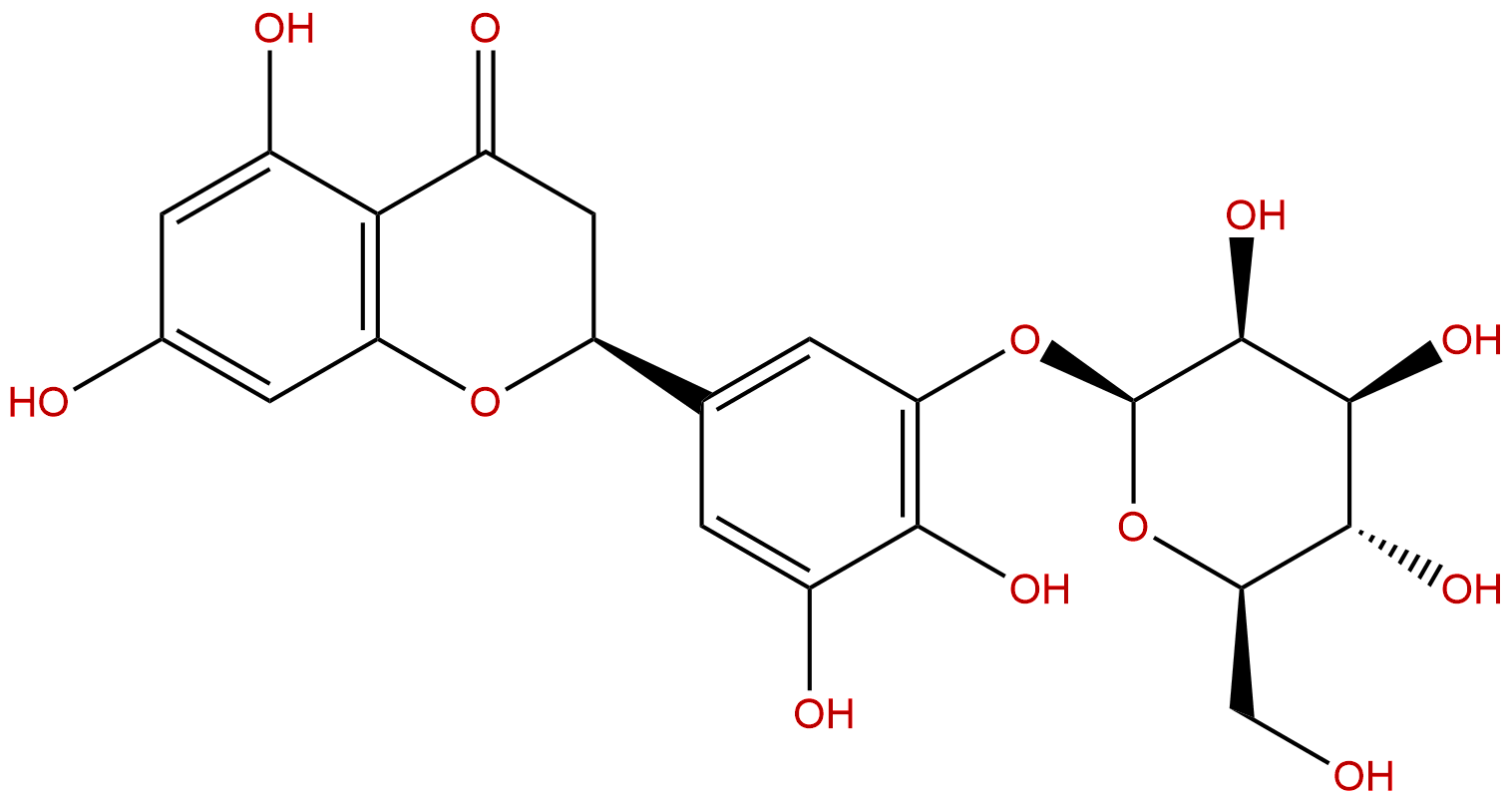


Product name: Plantagoside
Synonym name:
Catalogue No.: BP3666
Cas No.: 78708-33-5
Formula: C21H22O12
Mol Weight: 466.395
Botanical Source:
Physical Description:
Type of Compound: Phenylpropanoids
Purity: 95%~99%
Analysis Method: HPLC-DAD or/and HPLC-ELSD
Identification Method: Mass, NMR
Packing: Brown vial or HDPE plastic bottle
The product could be supplied from milligrams to grams. Inquire for bulk scale.
We provide solution to improve the water-solubility of compounds, thereby facilitating the variety of activity tests and clinic uses.
For Reference Standard and R&D, Not for Human Use Directly.
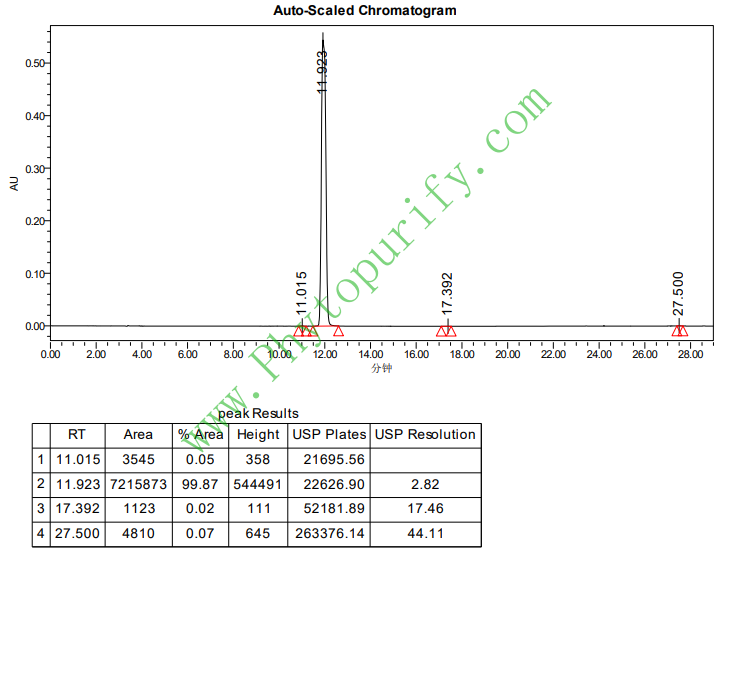
HPLC of Plantagoside
Storage conditions:Short-term storage at 2~8℃, long-term storage at -20 ~ -80℃
206.6000
-.2581
-.4340
4.9420
.5551
.0558
Low
68.9469
4.2619
Yes
No
No
No
Yes
No
0.0
Yes
No
Yes
No
Plantagoside (CAS number: 78708-33-5) is a traditional medicinal plant derived from Plantago asiatica(Plantago asiatica)Flavonoid glycosides isolated from seeds. Its molecular formula is C21H22O12 and its molecular weight is 466.3950 g/mol. As a typical plant secondary metabolite, Plantago asiatica glycoside has attracted continuous attention from researchers in the fields of plant chemistry and pharmacology. Early research mainly focused on its activity as a specific non competitive inhibitor of alpha glucosidase, with an IC50 value of 5 μ M. However, with the deepening of research, its pharmacological activity spectrum has been continuously expanded. Modern pharmacological research shows that plantain can not only effectively inhibit Maillard reaction and the formation of advanced glycation end products of proteins, thus showing potential in preventing complications of diabetes, but also show significant anti-inflammatory activity by acting on several key inflammatory targets such as TNF, IL-6, IL-1 β, etc. These findings have pushed this ancient plant component to the forefront of modern drug development, making it a promising natural lead compound for studying potential therapeutic strategies for inflammation related and metabolic diseases. This article will provide a systematic professional popularization of Plantago asiatica glycosides from the aspects of their chemical structure, plant origin, pharmacological mechanism, medicinal evaluation, and research prospects.
The chemical structure of Plantago asiatica glycoside belongs to the flavanone glycoside class, specifically a derivative of (2S) - flavanone. The parent nucleus (2S) - flavanone is substituted with hydroxyl groups at positions 5, 7, 4 ', and 5', and a β - D-glucopyranoside group is attached at position 3 '. This structural feature determines its basic physicochemical properties and biological activity. Its SMILES string (O=C1C)C@@H Oc2cc (O) cc (O) c21) accurately describes its stereochemistry and atomic connectivity, demonstrating its multiple chiral centers, which are crucial for its biological activity.
From the analysis of drug parameters, its molecular weight (MW) is 466.40, slightly higher than the recommended upper limit of 500 for small molecule drugs in the Lipinski Rule of Five, but still within an acceptable range. Its topological polar surface area (TPSA) is as high as 206.60 Å ², mainly attributed to the presence of multiple hydroxyl and glycoside structures in the molecule, indicating its high hydrophilicity. The LogP value is -0.2581 and the LogD value is -0.4340, both of which are negative values, further confirming the compound's strong hydrophilicity and poor lipid solubility. The water solubility parameter is 4.9420, indicating that it has a medium to high solubility in water. These physicochemical parameters collectively point to a conclusion: Plantago asiatica glycoside is a typical hydrophilic and highly polar molecule, which will have a decisive impact on its absorption, distribution, metabolism, and excretion (ADME) processes in organisms.
The plant source of Plantago asiatica glycoside is clear and singular, mainly derived from the plantain Plantago asiatica(Plantago asiatica)Separated from the seeds. Plantago asiatica is a perennial herbaceous plant widely distributed in Asia, especially in China. Its whole plant and seeds (also known as the traditional Chinese medicine "Plantago asiatica") have been clinically used in traditional Chinese medicine for thousands of years.
In traditional medical texts, Plantago asiatica is known for its sweet and cold taste, and is associated with the liver, kidney, lung, and small intestine meridians. The seed "Plantago asiatica" has the effects of clearing heat and diuresis, promoting diuresis and diuresis, clearing dampness and promoting diuresis, improving vision, and eliminating phlegm. Commonly used to treat conditions such as difficulty urinating, cloudy discharge, edema and fullness, diarrhea caused by heat and dampness, redness and swelling of the eyes, phlegm and heat cough. The whole plant can also be used for clearing heat and detoxifying. These traditional effects, especially the diuretic, heat clearing, and anti-inflammatory effects, have an inherent logical connection with the anti-inflammatory, antioxidant, and glycosylation inhibiting activities discovered in modern pharmacology from Plantago asiatica. It can be said that modern research on Plantago asiatica glycosides provides a scientific explanation for the partial pharmacological substance basis and mechanism of action of traditional Chinese medicine Plantago asiatica. From traditional experience to modern molecular pharmacology, the study of Plantago asiatica glycosides is a typical example of the modernization of traditional Chinese medicine and the development of new natural product drugs.
The pharmacological activities of Plantago asiatica glycoside are diverse, and its mechanism of action involves multiple key biological targets and pathways, among which anti-inflammatory activity is particularly prominent.
Core Activity 1: Inhibition of α - mannosidase and glycosylation reaction
The initial research found that Plantago asiatica glycoside is a specific, non competitive inhibitor of alpha mannosidase in adzuki beans (IC50=5 μ M). Alpha mannosidase is involved in the processing of glycoproteins, and its abnormalities are associated with certain diseases. More importantly, subsequent studies have revealed that psyllin is an effective inhibitor of the Maillard reaction. Maillard reaction is a complex reaction between non enzymatic sugar and protein/amino acid, and its end products (AGEs) play a key role in the occurrence and development of diabetes complications, aging and inflammatory diseases. Plantago asiatica glycoside can inhibit the formation of AGEs and protein cross-linking glycosylation under physiological conditions. This mechanism directly points to its Prevent complications of diabetes(such as diabetes nephropathy, neuropathy, angiopathy). The accumulation of AGEs in a hyperglycemic environment activates a series of downstream inflammatory and oxidative stress pathways.
Core Activity 2: Multi target anti-inflammatory effect
According to database information, the targets of Plantago asiatica glycoside include TNF, PTGS2 (COX-2), NFKB1 (NF - κ B p50), IL6, and IL1B. These five targets form a closely related classical pro-inflammatory signaling network, explaining its powerful anti-inflammatory potential.
1. TNF (tumor necrosis factor)It is the initiating factor and core cytokine of inflammatory response, which can activate pathways such as NF - κ B and MAPK, and induce the expression of downstream inflammatory factors such as IL-6 and IL-1 β.
2. IL-6 (interleukin-6) and IL-1B (interleukin-1 β)It is an important pro-inflammatory cytokine that participates in acute phase response, fever, cell proliferation and differentiation regulation, and is consistently highly expressed in chronic inflammations such as rheumatoid arthritis and autoimmune diseases.
3. NFKB1 (nuclear factor kappa B)It is a core transcription factor that regulates inflammation, immunity, cell survival, and proliferation. At rest, it binds to the inhibitory protein I κ B and exists in the cytoplasm. After being activated by signals such as TNF and IL-1, it enters the nucleus to initiate the transcription of many inflammation related genes such as TNF, IL-6, IL-1 β, COX-2, etc.
4. PTGS2 (prostaglandin endoperoxide synthase 2, also known as COX-2)It is an inducible cyclooxygenase that is highly expressed by pathways such as NF - κ B under inflammatory stimulation. It is responsible for catalyzing the synthesis of prostaglandin inflammatory mediators, causing pain, fever, and vasodilation.
Plantago asiatica glycoside can act on multiple nodes in this network, possibly by directly or indirectly inhibiting the production or activity of factors such as TNF and IL-1 β, thereby inhibiting the overactivation of the NF - κ B pathway and ultimately reducing the expression of COX-2 and the release of downstream inflammatory mediators. This Multi target synergistic effect The model enables it to more effectively block the cascade amplification effect of inflammation, which may have better efficacy and lower resistance risk than single target inhibitors. In fact, there is evidence to support this point: studies have shown that Plantago asiatica glycoside can inhibit the antibody response induced by sheep red blood cells and the lymphocyte proliferation induced by concanavalin A (measured by [3H] thymidine incorporation method), which directly reflects its immunomodulatory and anti-inflammatory activities.
Summary of Mechanism of Action Correlation The anti-inflammatory activity of Plantago asiatica glycoside and its activity in inhibiting the formation of AGEs are likely complementary. AGEs can also strongly activate the NF - κ B pathway by binding to cell surface receptors such as RAGE, leading to the outbreak of inflammatory factors such as TNF - α and IL-6. Therefore, Plantago asiatica glycoside can alleviate inflammation triggering upstream by inhibiting the generation of AGEs; Simultaneously intervene directly in the inflammatory signaling pathway (TNF/NF - κ B/COX-2) to block the inflammatory response downstream. This dual mechanism makes it unique in the treatment of diabetes with inflammation, chronic low-grade inflammation and related degenerative diseases.
Based on the provided pharmacological parameters, we can conduct a preliminary evaluation of the potential of Plantago asiatica glycoside as an oral drug lead compound, and analyze it in conjunction with the Lipinski Five Rules:
Lipinski's Five Rules Evaluation:
Key ADME/Tox parameter analysis:
Conclusion of comprehensive drug evaluation:
Plantago asiatica glycoside as a Natural lead compounds with clear multi-target anti-inflammatory activity Its advantages lie in its novel mechanism of action, multi-target synergy, and its origin from medicinal plants with a long history of safe application. However, its inherent Drug like defects It is also very obvious that the polar glycoside structure may lead to extremely low oral bioavailability; More importantly,Potential Risks of Chromosomal Aberrations It is a severe challenge that it must first face and solve on the road to drug conversion. It is currently more suitable as a tool compound for pharmacological mechanism research, or as a starting point for structural modification and optimization. Future structural optimization strategies may include: preparing prodrugs to improve lipid solubility and absorption; Modify the sugar moiety or search for more active aglycones; By synthesizing analogues to improve physicochemical properties while retaining activity and completely eliminating the risk of genetic toxicity.
At present, research on Plantago asiatica glycoside has gradually progressed from the initial stage of activity discovery to the stage of exploring its mechanism of action and expanding its potential application areas. The mechanism of inhibiting AGEs formation and multi-target anti-inflammatory has been preliminarily elucidated, which is useful for the development of drugs for Complications of diabetes(such as diabetes nephropathy, retinopathy) and Chronic inflammatory diseases New therapeutic agents (such as atherosclerosis, osteoarthritis, and adjuvant treatment of some autoimmune diseases) provide a solid theoretical basis.
However, as mentioned earlier, the bottleneck in its pharmacological properties limits its potential for direct development as a drug. Therefore, current and future research may focus on the following directions:
1. In depth mechanism research By utilizing techniques such as molecular docking and surface plasmon resonance, the exact binding mode and site of psyllin with target proteins such as TNF and NF - κ B can be clarified, providing a blueprint for structure based rational drug design.
2. Structural modification and optimization This is the core path to push it towards clinical application. Pharmaceutical chemists will use it as the parent nucleus to systematically synthesize a series of derivatives or analogues through strategies such as sugar substitution or removal, hydroxyl alkylation or esterification, simplification and modification of the parent nucleus, aiming to improve lipid solubility, membrane permeability, metabolic stability, and most importantly, eliminate potential genetic toxicity, ultimately obtaining candidate compounds with better activity and drug properties.
3. Exploration of a new drug delivery system To address its poor absorption, research is being conducted on novel delivery systems such as nano formulations (such as liposomes, polymer nanoparticles), microemulsions, phospholipid complexes, etc., in order to improve their oral bioavailability or develop local delivery formulations (such as for skin inflammation).
4. Collaborative effect research In the context of traditional Chinese medicine formulas, studying the interactions between psyllium glycosides and other coexisting components (such as other phenolic acids and cyclohexene ether terpenes in psyllium), revealing the material basis of the overall efficacy of the formula, and providing support for the development of standardized plant medicines or compound natural medicines.
In short, Plantago asiatica glycoside is a valuable chemical template endowed by nature. It is like a key, opening up new doors for us to treat metabolic and inflammatory diseases by intervening in glycosylation reactions and multi-target anti-inflammatory measures. Despite the challenges of directly converting it into a drug, the unique pharmacological mechanisms and clear chemical structure it reveals will continue to inspire researchers to conduct in-depth development through modern medicinal chemistry and pharmacology methods. Its future application prospects may not only give birth to new drugs with independent intellectual property rights, but also further promote the modernization and international recognition of active ingredients in traditional Chinese medicine.
