


Synonym name: Desmethylemetine; Dihydropsychotrine; Alangine B
Catalogue No.: BP0330
Cas No.: 483-17-0
Formula: C28H38N2O4
Mol Weight: 466.622
Botanical Source: Alkaloid from Alangium lamarckii, Alangium salviifolium, Psychotria granadensis, Psychotria ipecacuanha and Cephaelis acuminata
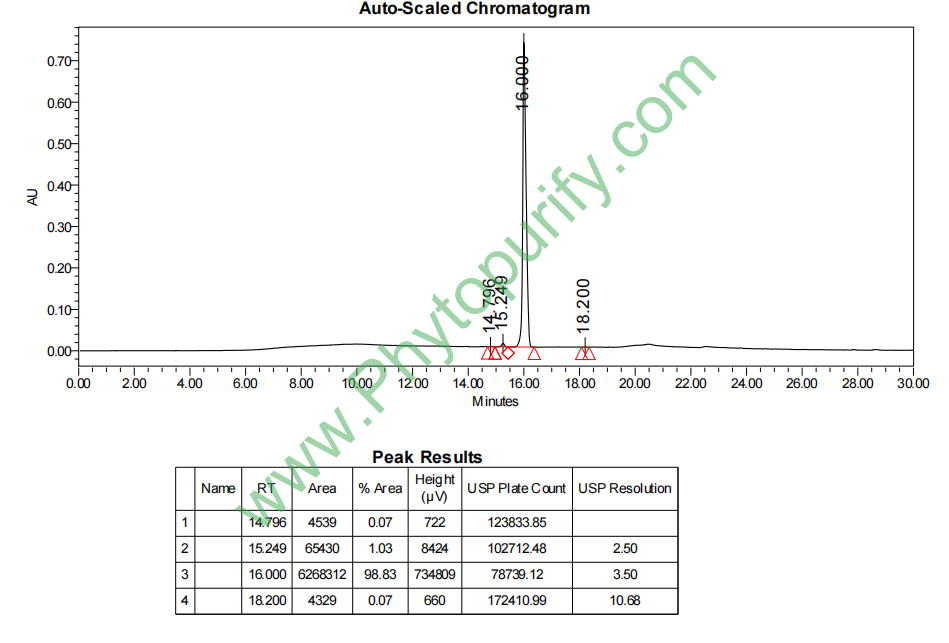
Purity: 95%~99%
Analysis Method: HPLC-DAD or/and HPLC-ELSD
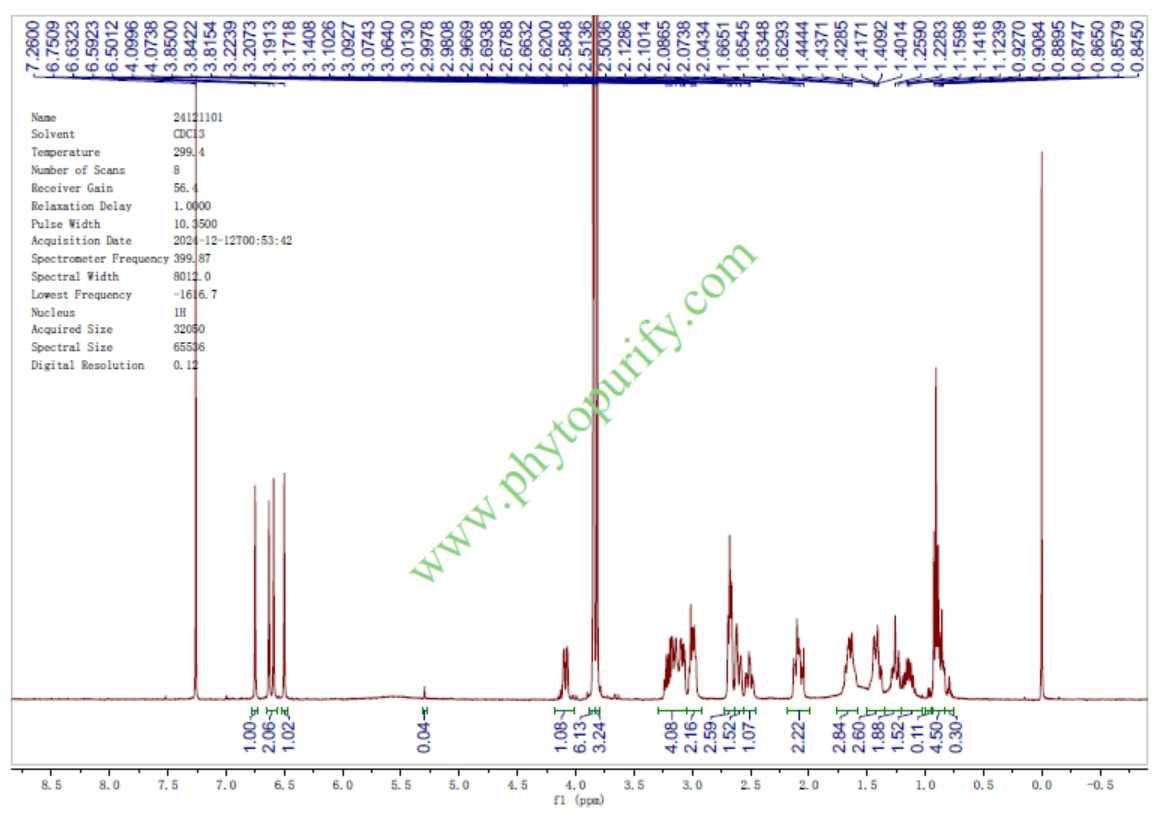
Identification Method: Mass, NMR
Packing: Brown vial or HDPE plastic bottle
Can be supplied from milligrams to grams.
For Reference Standard and R&D, Not for Human Use Directly.
Inquire for bulk scale.
HPLC of Cephaeline
HNMR of Cephaeline
Storage conditions:Short-term storage at 2~8℃, long-term storage at -20 ~ -80℃
78.4800
2.8100
2.1000
Low
Unknown
Unknown
Unknown
Unknown
No
Unknown
Cephaline (CAS number: 483-17-0) is a phenolic alkaloid isolated from Indian Ipecac roots, and its chemical structure is a demethylated analogue of Emetine. As a traditional natural product, turmeric alkaloids have been widely studied for their significant anti amoebic activity. In recent years, with the deepening of research on viral diseases and tumors, turmeric alkaloids have shown unique pharmacological potential in antiviral (such as Zika virus ZIKV and Ebola virus EBOV) and anti-tumor fields. Especially in the treatment of lung cancer, turmeric alkaloids exhibit inhibitory effects on mucoepidermoid cancer stem cells (MECs) by regulating histone H3 acetylation and inhibiting the ferroptosis pathway mediated by nuclear factor erythroid associated factor 2 (NRF2), suggesting their potential as a new anti-cancer drug.
This article provides a systematic review of the chemical structure and physicochemical properties, plant sources and extraction processes, pharmacological activities and mechanisms, drug evaluation and pharmacokinetic characteristics of turmeric alkaloids, combined with their clinical application prospects, aiming to provide scientific basis and theoretical support for natural product pharmacology research and new drug development.
The molecular formula of turmeric phenolic alkaloid is C29H40N2O4, with a molecular weight of 466.62 Da. Its chemical structure is an isoquinoline phenolic alkaloid, similar in structure to Emetine, except that one methyl group in Emetine molecule has been removed. The LogP value of turmeric alkaloids is 2.81, indicating moderate lipid solubility and facilitating membrane penetration. Its polar surface area (TPSA) is 78.48 Å ², indicating that it has a certain polarity and is conducive to interacting with biomolecules. The molecule contains six hydrogen bond receptors, indicating that it may form stable complexes through hydrogen bonding when binding to target proteins.
The physicochemical properties of turmeric alkaloids give them good distribution potential in the body, but their low blood-brain barrier permeability may limit their application in central nervous system diseases. There is currently no clear data on its safety indicators such as hepatotoxicity, cardiotoxicity, and hERG channel inhibition, and further systematic evaluation is needed.
Turmeric alkaloids mainly come from the Indian turmeric plant (Psychotria ipecacuanha or Cephaelis ipecacuanha), which is a perennial herbaceous plant in the Rubiaceae family. Its roots contain abundant alkaloids. Traditionally, Indian ipecac has been used as an emetic and medicinal herb for treating amoebiasis.
The process of extracting phenolic alkaloids from Turmeric usually includes the following steps:
In recent years, ultrasound assisted extraction and microwave-assisted extraction techniques have also been applied to improve the extraction efficiency and purity of phenolic alkaloids from Turmeric, promoting their industrial production.
Turmeric alkaloids, as a classic anti amoebic drug, can effectively inhibit the growth of pathogenic Entamoeba histolytica. Its targets include multiple amoebic proteins such as EHI115350, EHI182180, EHI056990, EHI089710, EHI123030, as well as key molecules such as EhSTIRP, EhADH, EhCP5, Gal/GalNAc receptors, and EhRab7. These targets involve the cell adhesion, endocytosis, intracellular transport, and pathogenic mechanisms of amoebas. Turmeric alkaloids inhibit the infectivity of amoebas by interfering with these processes.
Recent studies have shown that turmeric alkaloids have inhibitory effects on various viruses, particularly on Zika virus (ZIKV) and Ebola virus (EBOV) infections. Its antiviral mechanism may involve blocking key steps in the virus replication cycle, such as virus invasion, genome replication, and protein synthesis. In addition, turmeric alkaloids may enhance the resistance of host cells to viruses by regulating their immune response and antioxidant pathways.
The research on turmeric alkaloids in the field of tumor treatment is gradually deepening, especially showing potential in the treatment of lung cancer. Research has found that turmeric alkaloids can induce histone H3 acetylation, regulate chromatin structure and gene expression, thereby inhibiting the proliferation and stem cell characteristics of lung cancer cells. More importantly, turmeric alkaloids promote ferroptosis by inhibiting the NRF2 signaling pathway, disrupting the iron homeostasis of cancer cells, inducing cell death, and thereby inhibiting the growth and metastatic ability of mucoepidermoid cancer stem cells (MECs). This mechanism provides a theoretical basis for the development of new anti lung cancer drugs.
The pharmacological effects of turmeric alkaloids involve multi-target and multi pathway regulation, mainly including:
Amoeba target regulation
Turmeric alkaloids interfere with the adhesion, endocytosis, and intracellular transport mechanisms of amoebic cells by binding and inhibiting EHI series proteins (such as EHI115350, EHI182180, etc.) and key factors such as EhSTIRP, EhADH, and EhCP5, blocking their pathogenic process.
Acetylation induction of histone H3
Turmeric alkaloids can promote acetylation modification of histone H3, affect chromatin relaxation and gene transcription activity, regulate cell cycle and apoptosis related gene expression, and inhibit tumor cell proliferation.
Inhibition of NRF2 and Induction of Iron Death
NRF2, as an important intracellular antioxidant transcription factor, regulates the expression of various antioxidant enzymes and iron homeostasis proteins. Turmeric alkaloids inhibit NRF2 activity, leading to intracellular iron ion accumulation and lipid peroxidation, inducing iron death, and selectively killing lung cancer stem cells.
Antiviral mechanism
Although the specific target is not yet fully understood, turmeric alkaloids may interfere with viral genome replication and protein synthesis, regulate host cell antiviral signaling pathways, and inhibit the infection process of ZIKV and EBOV.
The pharmacological parameters of turmeric alkaloids show that they have certain potential for drug development:
However, the low blood-brain barrier permeability of turmeric alkaloids limits their application in central nervous system diseases. There is currently no systematic data on safety indicators such as hepatotoxicity, cardiotoxicity, and hERG channel inhibition, and further toxicology and safety evaluations are needed.
In terms of pharmacokinetics, existing literature reports are limited. Due to its chemical properties, turmeric alkaloids may be metabolized through the liver metabolic enzyme system and excreted mainly through the kidneys. In the future, it is necessary to systematically study its absorption, distribution, metabolism, and excretion (ADME) characteristics to guide clinical dosage form design and dosing regimen optimization.
Turmeric alkaloids, as a natural product, have multi-target and multi mechanism pharmacological activities, especially showing broad application prospects in the fields of anti amoebic disease, antiviral and anti-tumor.
Anti amoebic treatment
As a traditional anti amoebic drug, emetic alkaloids have a clear clinical application basis. With the emergence of drug resistance issues, research on turmeric alkaloids and their derivatives is expected to provide new treatment options for clinical practice.
Development of antiviral drugs
The effective inhibitory effect on Zika virus and Ebola virus makes iperoxine a potential molecule for the development of new antiviral drugs. In the future, combining structural optimization and pharmacokinetic improvement is expected to promote its entry into clinical trials.
Research and development of anti-tumor drugs
Turmeric alkaloids target lung cancer stem cells by regulating histone acetylation and ferroptosis pathways, providing an innovative anti-tumor strategy. Combining modern drug delivery technologies, such as nanocarrier systems, is expected to enhance its bioavailability and targeting, improve therapeutic efficacy, and reduce low toxicity and side effects.
Safety and Formulation Optimization
In the future, it is necessary to conduct a systematic toxicological evaluation of turmeric alkaloids to clarify their safety limits. At the same time, through chemical modification and dosage form innovation, its pharmacokinetic properties are improved and its clinical applicability is enhanced.
In summary, as a multifunctional natural product, sophocarpine has great potential for drug development and urgently needs interdisciplinary collaboration to promote its clinical translational research.
As an important phenolic alkaloid in Indian turmeric, turmeric alkaloids have become a research hotspot in the field of natural product pharmacology due to their unique chemical structure and diverse pharmacological activities. Its multi-target mechanism of action in anti amoebic disease, antiviral and anti-tumor effects reveals the enormous potential of natural products in modern disease treatment. Although its safety and pharmacokinetic data are currently incomplete, with the development of molecular biology, medicinal chemistry, and pharmacology technologies, turmeric alkaloids are expected to become a new generation of multifunctional drugs through structural optimization and dosage form improvement.
Future research should focus on in-depth analysis of its mechanism of action, safety evaluation, and preclinical pharmacokinetic studies to promote its translation into clinical applications. The development of turmeric alkaloids not only enriches the natural product drug library, but also provides new ideas and strategies for anti infection and anti-tumor treatment. As pharmacological researchers and drug developers, continuous attention and in-depth exploration of the potential of turmeric alkaloids will help maximize their clinical value.
