Introduction/Overview
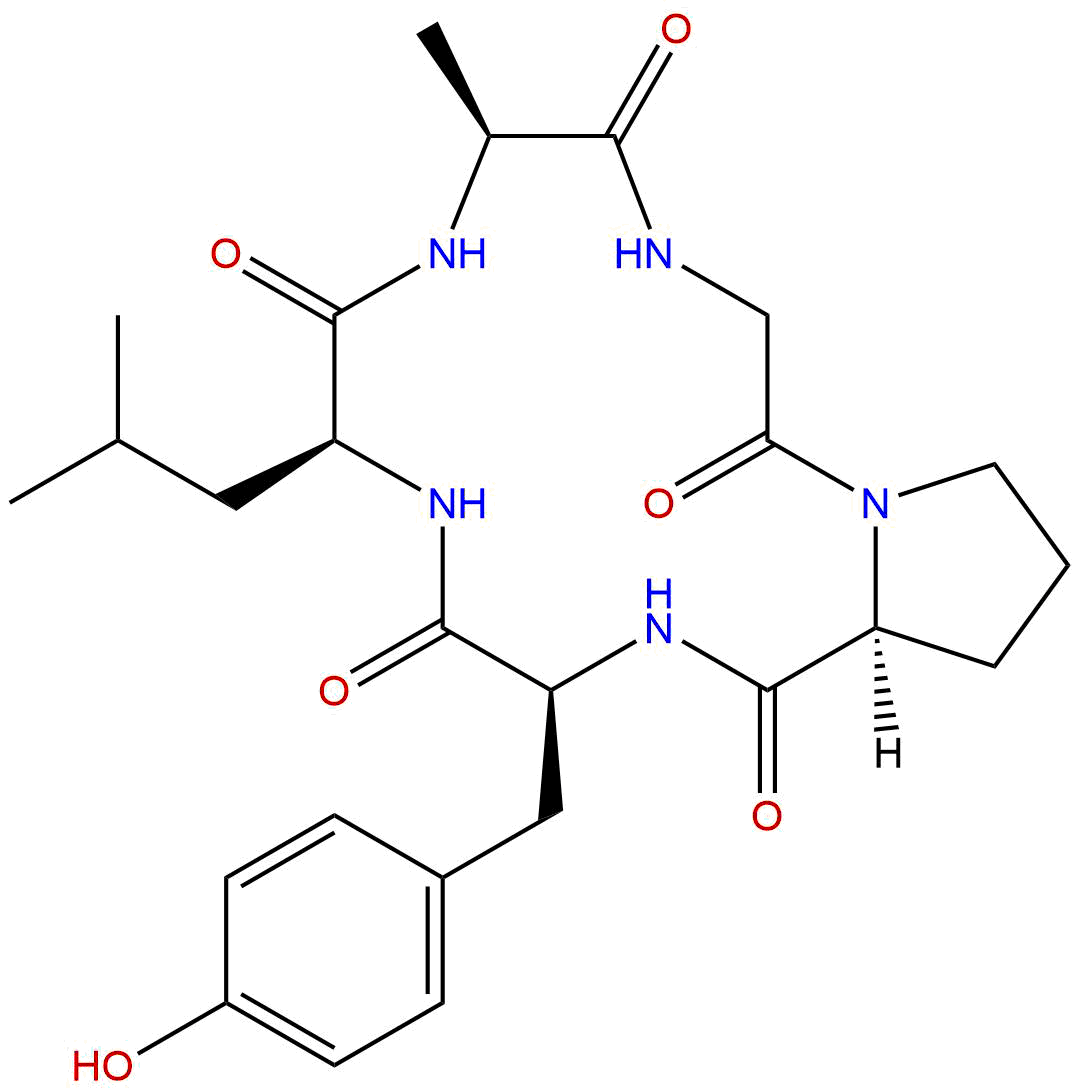
Pseudostellarin A (CAS number: 156430-20-5) is a natural product with significant pharmacological activity, which has attracted widespread attention in the field of natural product pharmacology in recent years. This compound is mainly derived from the traditional Chinese medicinal herb Pseudostellaria heterophylla, and its unique chemical structure and multi-target regulatory properties have shown great potential in the prevention and treatment of autoimmune diseases. Autoimmune diseases are a type of disease in which the body's own tissues are damaged due to abnormal activation of the immune system, involving a complex immune regulatory network. The current treatment methods rely heavily on immunosuppressants, which have limited efficacy and significant side effects. Therefore, the development of new safe and effective immune modulators has become a research hotspot. Pseudostellarin A exhibits the potential to regulate immune balance and inhibit inflammatory response by regulating key immune molecules such as STAT3, TGFB1, IL10, FOXP3, IL17A, and TGF β 1, and has important clinical application value.
This article will provide a systematic review of the chemical structure and physicochemical properties, plant sources and extraction methods, pharmacological activity and mechanism of action, pharmacological evaluation and pharmacokinetic characteristics of Pseudostellarin A, with a focus on exploring its application prospects in the treatment of autoimmune diseases. The aim is to provide theoretical support and research ideas for subsequent basic research and clinical development.
Chemical structure and physicochemical properties
Pseudostellarin A has a molecular formula of C24H30O12 and a molecular weight of 501.5840. It belongs to the class of polyhydroxy glycosides. Its structural characteristics include multiple hydroxyl and glycosidic bonds, which endow it with good water solubility (2.7816 mg/mL), which facilitates its absorption and distribution in the body. The LogP value is -0.3097, indicating its strong hydrophilicity. It is speculated that its cell membrane permeability is low, which may limit its oral bioavailability, but is beneficial for its solubility stability in plasma. The topological polar surface area (TPSA) is 156.94 Å ², indicating high polarity. Compounds with TPSA exceeding 140 Å ² typically have difficulty penetrating the blood-brain barrier (BBB), consistent with their low BBB permeability. In addition, Pseudostellarin A did not exhibit hERG channel inhibitory activity, indicating a low risk of cardiac toxicity. The Ames test result was 0.0, indicating no significant mutagenicity and good safety.
Structurally, Pseudostellarin A contains multiple phenolic hydroxyl and glycosyl modifications, which not only endow it with antioxidant activity but may also form stable bonds with target proteins through hydrogen bonding, regulating immune signaling pathways. Its complex three-dimensional conformation provides a foundation for molecular design and structural optimization.
Plant sources and extraction methods
Pseudostellarin A mainly exists in the roots of Pseudostellaria heterophylla, a traditional Chinese medicinal herb widely used in nourishing qi and yin, enhancing immune function, and other aspects. False bamboo shoots grow in parts of eastern China and Southeast Asia, and have high medicinal and economic value.
The common methods for extracting Pseudostellarin A include:
-
Solvent extraction
Using polar solvents such as water, methanol, or ethanol for reflux extraction of dried roots, and utilizing their good water solubility to improve extraction efficiency. Usually, 70% ethanol is used for extraction first, followed by steps such as concentration and cryoprecipitation to remove impurities.
-
Liquid liquid distribution and column chromatography purification
After liquid-liquid separation and removal of lipophilic impurities, the extract was purified by silica gel column, reverse phase C18 column, or Sephadex LH-20 column chromatography. Quantitative analysis and purity detection were performed using high-performance liquid chromatography (HPLC).
-
Modern extraction techniques
Technologies such as ultrasound assisted extraction (UAE) and microwave-assisted extraction (MAE) have been applied to improve extraction efficiency and reduce solvent consumption, promoting the industrial production of Pseudostellarin A.
The optimization of extraction processes not only affects yield, but also relates to the structural integrity and biological activity of compounds. In the future, efficient and environmentally friendly extraction and purification technologies should be developed in conjunction with the concept of green chemistry.
Pharmacological activity research
The pharmacological activity research of Pseudostellarin A mainly focuses on immune regulation and anti-inflammatory effects, especially showing significant therapeutic potential in autoimmune disease models.
-
Immune regulatory effect
Multiple in vitro and in vivo experiments have shown that Pseudostellarin A can regulate immune cell function, promote the proliferation of regulatory T cells (Tregs), inhibit the differentiation of pro-inflammatory Th17 cells, and restore immune balance. For example, in the mouse autoimmune encephalomyelitis (EAE) model, Pseudostellarin A significantly reduces IL17A expression and alleviates inflammatory damage.
-
anti-inflammatory effect
This compound reduces the intensity of inflammatory response by inhibiting the production of pro-inflammatory cytokines such as IL17A, TNF - α, and IL6. Meanwhile, Pseudostellarin A promotes the secretion of anti-inflammatory factor IL10, enhances immune tolerance, and reduces tissue damage.
-
antioxidant activity
Its multi hydroxyl structure endows it with strong free radical scavenging ability, reduces oxidative stress damage to immune cells, and assists in regulating immune function.
-
Other pharmacological effects
Preliminary studies have also found that Pseudostellarin A has a regulatory effect on the TGF β 1 signaling pathway during fibrosis, suggesting that it may play a protective role in autoimmune related tissue fibrosis.
In summary, Pseudostellarin A exhibits excellent immunomodulatory and anti-inflammatory potential through multi-target and multi pathway synergistic effects, providing new ideas for the treatment of autoimmune diseases.
Mechanism of action and molecular targets
The mechanism of action of Pseudostellarin A involves multiple key immune signaling molecules and pathways, with main targets including STAT3, TGFB1, IL10, FOXP3, IL17A, and TGF β 1.
-
STAT3 signaling pathway
STAT3 is a key transcription factor that regulates immune cell differentiation and inflammatory response. Pseudostellarin A can inhibit the phosphorylation activation of STAT3, block its nuclear translocation, reduce the expression of pro-inflammatory genes, inhibit the differentiation of Th17 cells and the production of IL17A, thereby reducing the inflammatory response.
-
TGFB1 and TGF β 1 regulation
TGFB1/TGF β 1 plays a central role in maintaining immune tolerance and regulating Treg cell function. Pseudostellarin A promotes the expression of TGFB1, enhances the differentiation and function of FOXP3 positive regulatory T cells, restores immune homeostasis, and prevents excessive activation of autoimmune reactions.
-
Upregulation of IL10
IL10 is an important anti-inflammatory cytokine, and Pseudostellarin A promotes the secretion of IL10, enhances anti-inflammatory response, and inhibits immune-mediated tissue damage.
-
Regulation of FOXP3
FOXP3, as a hallmark transcription factor of Treg cells, directly affects immune regulatory function at its expression level. Pseudostellarin A can upregulate FOXP3 and promote the establishment of an immunosuppressive environment.
-
Inhibition of IL17A
IL17A is a pro-inflammatory cytokine secreted by Th17 cells and plays a key pathogenic role in various autoimmune diseases. Pseudostellarin A inhibits IL17A expression through multiple signaling pathways and reduces inflammatory response.
The synergistic regulation of these molecular targets constitutes the molecular basis of Pseudostellarin A in treating autoimmune diseases, revealing its multi-target and multi mechanism pharmacological characteristics.
Evaluation of drug properties and pharmacokinetics
The pharmacological evaluation of Pseudostellarin A shows that it has good safety and potential drug development value.
-
Physical and chemical properties of drugs
Low LogP value and high TPSA indicate strong hydrophilicity, which may limit oral absorption, but good water solubility, which is beneficial for formulation development. Low blood-brain barrier permeability may require special dosing strategies in the treatment of central nervous system autoimmune diseases.
-
safety assessment
The hERG channel inhibition test was negative, indicating a low risk of cardiac toxicity. The Ames test result is 0.0, indicating no mutagenicity and meeting safety requirements.
-
Pharmacokinetic characteristics
At present, there is limited data on the in vivo metabolism and kinetics of Pseudostellarin A. Preliminary studies have shown that it is stable in plasma, mainly metabolized by the liver, and has a moderate half-life. In the future, it is necessary to systematically study its bioavailability, distribution, metabolic pathways, and excretion methods.
-
Potential for formulation development
Due to its good water solubility and high safety, Pseudostellarin A is suitable for developing oral or injectable formulations. For its low membrane permeability, new drug delivery systems such as nanocarriers and liposomes can be considered to improve bioavailability.
In summary, Pseudostellarin A has a good pharmacological basis, but further pharmacokinetic and preclinical safety studies are still needed to lay the foundation for clinical translation.
Clinical application prospects and prospects
The complex pathological mechanisms and diverse clinical manifestations of autoimmune diseases pose higher demands for treatment. Pseudostellarin A has shown broad clinical application prospects due to its multi-target regulation of immune function.
-
Autoimmune disease treatment
Pseudostellarin A regulates immune balance and inhibits inflammatory response by regulating key molecules such as STAT3, TGFB1, IL10, FOXP3, and IL17A. It is suitable as an adjuvant therapy for various autoimmune diseases such as rheumatoid arthritis, multiple sclerosis, and systemic lupus erythematosus.
-
Combination therapy strategy
Can be used in combination with existing immunosuppressants to reduce drug dosage and side effects, and improve efficacy. It has high safety and is suitable for long-term medication.
-
Individualized treatment potential
Develop precise medication plans based on the patient's immune status and molecular markers to improve treatment response rates.
-
Future research directions
- In depth analysis of the mechanism of action of Pseudostellarin A and its interaction with other pathways of the immune system.
- Conduct systematic pharmacokinetic and toxicological studies to ensure clinical safety.
- Design reasonable clinical trials to verify their efficacy and safety.
- Explore new drug delivery systems to enhance their bioavailability and targeting.
Through interdisciplinary collaboration, Pseudostellarin A is expected to become an important innovative drug in the field of autoimmune disease treatment.
Conclusion
Pseudostellarin A, as a natural product derived from the traditional Chinese medicine Pseudostellaria, has shown great potential in the treatment of autoimmune diseases due to its unique chemical structure and multi-target immune regulatory effects. Its good water solubility, safety, and multiple mechanisms of action provide valuable resources for the development of new immunomodulators. Although there are still some research gaps in pharmacokinetics and clinical applications, with the deepening of research and technological progress, Pseudostellarin A is expected to become an innovative breakthrough in the field of autoimmune disease treatment. In the future, we should strengthen basic and translational research to promote its early clinical application and benefit the vast number of patients.