Introduction/Overview
In the research landscape of human health and disease prevention, the steady-state regulation of intestinal microbiota has become a core issue. The gut is not only the main site for digestion and absorption, but also the largest immune organ in the human body. The vast microbial community residing in it, the gut microbiota, deeply affects the host's nutritional metabolism, immune maturation, neurological function, and even disease susceptibility through complex metabolic and signaling networks. In recent years, with the deepening understanding of the "gut brain axis" (such as gut brain axis, gut liver axis, gut lung axis), regulating the structure of gut microbiota through dietary intervention to maintain host health has become a research hotspot at the intersection of nutrition and pharmacology. In this context, functional oligosaccharides and polysaccharides have attracted much attention due to their excellent prebiotic properties.
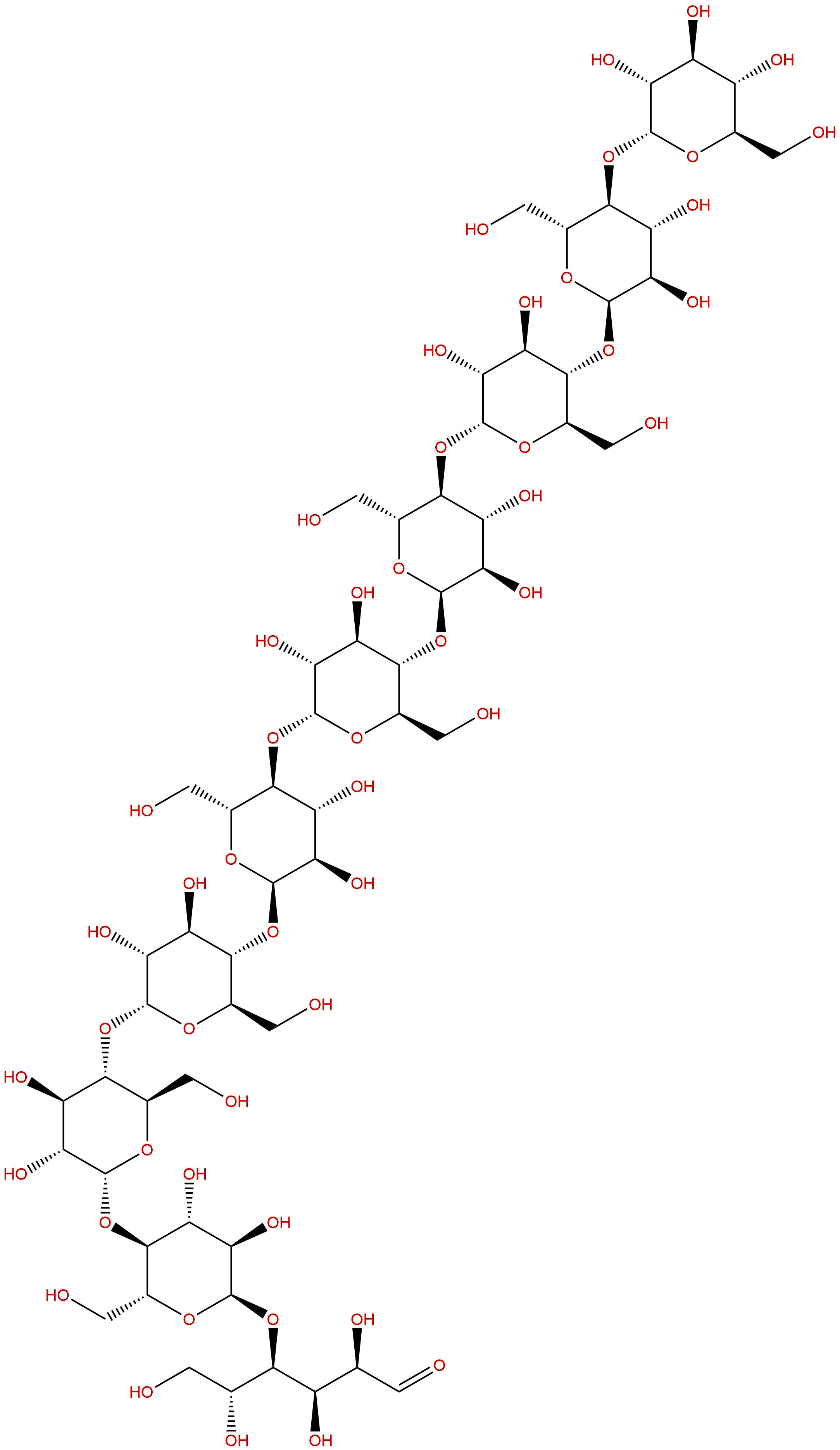
Maltodecane, with the chemical formula C ₆₀ H ₁₁₀ O ₅₅ and CAS number 6082-21-9, is a linear oligosaccharide composed of ten D-glucopyranose units connected by alpha-1,4-glycoside bonds. As a specific member of the maltodextrin family with a degree of polymerization (DP) of 10, maltodextrin is structurally intermediate between starch and simple sugars. Unlike common short chain oligosaccharides such as oligosaccharides and galactooligosaccharides, maltose decasaccharides have higher molecular weight and more complex structural features. For a long time, maltodextrin (usually referring to starch hydrolysates with a DP less than 20) has been mainly used as a filler, thickener, or energy supplement in the food industry. Its biological activity, especially as a precise prebiotic, has not been fully explored.
However, in recent years, research has gradually revealed the unique biological value of maltose. Unlike rapidly fermenting short chain oligosaccharides, maltose decasaccharides have a relatively slow fermentation rate in the intestine due to their longer sugar chain structure, which allows them to act more persistently on the distal colon and provide a "slow-release" carbon source for specific beneficial bacteria. This selective fermentation characteristic demonstrates unique advantages in regulating gut microbiota composition, enhancing gut barrier function, and modulating host immune response. Especially, its target is not limited to the microbiota itself, but also indirectly regulates host cell surface receptors such as Toll like receptors (TLR2, TLR4), G protein coupled receptors (GPR41, GPR43), and tight junction proteins (OCLN, ZO1, CLDN1) through microbiota metabolites (such as short chain fatty acids, SCFAs), forming a multi-level regulatory network from "bacteria" to "intestine" and then to "whole body".
This article aims to systematically review the research progress of maltose, a specific natural product. We will explore its source and preparation process based on its chemical structure and physicochemical properties, focusing on its pharmacological activity and molecular mechanism in prebiotic effects, intestinal barrier protection, and immune regulation. We will evaluate its potential as a functional food ingredient or drug based on its pharmacological parameters, and finally look forward to its clinical application prospects in metabolic diseases, inflammatory bowel diseases, and immune regulation.
Chemical structure and physicochemical properties
The chemical structure of maltose decaose has clear characteristics. Its molecular formula is C ₆₀ H ₁₁₀ O ₅₅, and its molecular weight is accurately calculated to be 1639.4250 Da. Structurally, it is composed of ten D-glucose units linearly connected by α -1,4-glycosidic bonds. The connection method of this glycosidic bond determines the flexibility and spatial conformation of its molecular chain. In solution, maltose tends to form a left-handed helical structure, similar to the local conformation of starch chains, but with a shorter chain length and no ability to form stable double helices or crystalline regions. Its molecular end has a reducing end (hemiacetal hydroxyl) and a non reducing end, which makes it weakly reducing, but it is usually considered a non reducing oligosaccharide in conventional analysis.
From the perspective of physical and chemical properties, maltose decaose exhibits typical characteristics of high molecular weight sugars. Its oil-water partition coefficient (LogP) is -5.3505, which is an extremely low value, indicating that the compound has strong hydrophilicity and is almost insoluble in lipids or organic solvents. This characteristic determines that after oral administration, it is almost impossible for it to cross biological membranes through passive diffusion. Its polar surface area (TPSA) is as high as 830.5700 Å ², further confirming its highly polar molecular characteristics. Such a large polar surface area and strong hydrophilicity make maltose mainly exist in intact or partially hydrolyzed form in the gastrointestinal tract, making it difficult for small intestinal epithelial cells to directly absorb it into the bloodstream.
In terms of water solubility, the predicted value of maltose decaose is 78.9839 mg/mL, which belongs to the category of highly soluble in water. This enables it to be easily dispersed in aqueous solutions, beverages, or liquid food matrices, providing convenience for formulation development. However, high water solubility also means that it will be heavily diluted in the small intestine, increasing the difficulty of reaching the colon intact. Fortunately, due to the resistance of alpha-1,4-glycoside bonds to mammalian digestive enzymes such as alpha amylase, especially for maltose with a chain length exceeding 7 glucose units, their hydrolysis rate is significantly lower than that of maltose or maltotriose. Therefore, a considerable portion of maltose can escape digestion in the small intestine and enter the large intestine as "resistant oligosaccharides", becoming fermentation substrates for the gut microbiota.
In addition, the sweetness of maltose is much lower than that of sucrose, only 10% -20% of the latter, and the taste is refreshing without any unpleasant aftertaste. It has good thermal stability and is not prone to Maillard reaction or caramelization reaction at conventional food processing temperatures (such as pasteurization and high-temperature instantaneous sterilization), which gives it significant advantages in the development of functional foods.
Plant sources and extraction methods
Strictly speaking, maltose is not directly derived from a specific plant's natural secondary metabolite, but rather a processed product obtained through enzymatic or acid hydrolysis of starch. Its "natural product" attribute is reflected in its precursor substance - starch, which is widely present in the tubers, seeds, or rhizomes of higher plants such as corn, wheat, potatoes, cassava, etc. Therefore, the preparation process of maltose is essentially a process of converting natural high molecular weight polymers (starch) into oligosaccharides with specific degrees of polymerization.
The traditional production of maltodextrin mainly uses acid hydrolysis or alpha amylase hydrolysis. Although acid hydrolysis (such as hydrochloric acid and sulfuric acid) is low-cost, the reaction is difficult to control, the product polymerization degree distribution is extremely wide, and a large amount of by-products (such as 5-hydroxymethylfurfural) are produced, which is not suitable for preparing high-purity maltose. In modern industry, the preparation of high-purity maltose mainly relies on the combination of enzymatic synthesis and separation purification technology.
Enzymatic synthesis The core lies in using enzymes with strict substrate specificity. At present, the most commonly used strategy is to use cyclodextrin glucosyltransferase (CGTase) or specific maltose amylase to enrich DP10 components using starch or maltodextrin as substrates by controlling reaction conditions (temperature, pH, substrate concentration, reaction time). Another efficient method is to use tool enzymes such as "starch invertase" or "4,6- α - glucosyltransferase" to perform in vitro enzymatic synthesis from sucrose or simple sugar substrates, but the cost is relatively high and it is mainly used for research.
Separation and purification Due to the fact that enzymatic hydrolysis products are usually a mixture of DP2 to DP20, obtaining high-purity (>95%) maltose requires efficient separation techniques. The main methods include:
1. Gel filtration chromatography Using the molecular sieve effect to separate molecules based on their size. Fillers such as Sephadex G-15, G-25, or Bio Gel P-2 are widely used for laboratory scale separation. This method has high resolution, but has low processing capacity, long time consumption, and is not suitable for large-scale production.
2. High performance liquid chromatography Especially using amino bonded silica gel columns or cation exchange resin columns (such as Ca ² ⁺ type, Na ⁺ type) with water or acetonitrile water as the mobile phase, baseline separation of DP2-DP20 components can be achieved. Preparation HPLC can be used for purification of samples ranging from milligrams to grams.
3. membrane separation technology Nanofiltration (NF) and ultrafiltration (UF) are the most promising separation methods in industry. By selecting membranes with different cut-off molecular weights, the oligosaccharide mixture can be preliminarily divided into different molecular weight ranges. For example, using a nanofiltration membrane with a cut-off molecular weight of 1000 Da can intercept components with DP>7, while components with DP<7 can pass through. Subsequently, DP10 components can be further enriched using multi-stage membrane coupled or simulated moving bed chromatography (SMBC) techniques. Membrane separation technology has the advantages of continuous operation, low energy consumption, and easy scaling up, and is currently the main direction for industrial production of high-purity maltose.
It is worth noting that due to the fact that maltose is not present in large quantities in free form in nature, its "plant source" should be more accurately described as "prepared from plant starch through biotechnological means". This production method ensures its safety as a 'natural' food ingredient.
Pharmacological activity research
The pharmacological activity research of maltodextrin mainly focuses on its intestinal health effects as a prebiotic, and gradually extends to systemic metabolism and immune regulation.
1. Probiotic effects and regulation of gut microbiota
This is the core pharmacological activity of maltose. In vitro fermentation experiments and animal model studies have shown that maltose can selectively promote the proliferation of beneficial bacteria in the intestine, especially the genus Bifidobacterium(Bifidobacterium)Lactobacillus genus(Lactobacillus). Compared with short chain oligosaccharides (such as oligosaccharides), maltose has a slower fermentation rate and its prebiotic effect is more biased towards the distal colon. This "slow-release" characteristic enables it to provide a sustained carbon source for the microbiota of the distal colon, thereby more effectively inhibiting the growth of potential pathogenic bacteria such as Clostridium perfringens and Escherichia coli. Research has shown that long-term intake of maltose can significantly increase the concentration of short chain fatty acids (mainly acetic acid, propionic acid, and butyric acid) in feces, lower intestinal pH, and improve the intestinal microenvironment.
2. Protection of intestinal barrier function
The integrity of the intestinal barrier is crucial for preventing pathogen invasion and maintaining immune homeostasis. Maltose ten sugar indirectly enhances intestinal barrier function by regulating the microbiota. Animal experiments have shown that in the colitis model induced by dextran sulfate sodium (DSS), the intervention group of maltodextrin significantly reduced the degree of colonic mucosal damage and decreased the disease activity index (DAI) in mice. The mechanism is closely related to the upregulation of the expression of tight junction proteins. Specifically, maltose treatment can significantly increase the content of colon tissue Occludin (OCLN)、Zonula Occludens-1 (ZO1) and Claudin-1 (CLDN1) MRNA and protein levels. These proteins are key components that make up the "sealing" structure between intestinal epithelial cells, and upregulation of their expression means reduced intestinal permeability, i.e. repair of "intestinal leakage".
3. Immune regulatory activity
The immunomodulatory effect of maltose is an extension of its prebiotic effect. On the one hand, by promoting the growth of beneficial bacteria such as bifidobacteria, these bacterial communities themselves or their cell wall components (such as peptidoglycans and lipoteichoic acids) can act as immunostimulants, activating the host immune system through the Toll like receptor (TLR) pathway. On the other hand, short chain fatty acids (especially butyric acid) produced by microbial fermentation are important immune regulatory molecules. Research has shown that intervention with maltose can significantly upregulate colon tissue IL-22 The expression. IL-22 is a key cytokine primarily secreted by Th17 cells and innate lymphoid cells (ILC3), playing a central role in maintaining the intestinal epithelial barrier, promoting the production of antimicrobial peptides (such as RegIII γ), and facilitating epithelial repair. In addition, maltose can also regulate TLR2 and TLR4 The level of expression. In an inflammatory state, excessive activation of TLR4 drives a pro-inflammatory response, while maltose can moderately downregulate TLR4 signaling by regulating the microbiota, while enhancing TLR2 mediated anti-inflammatory or tolerance signaling, thereby balancing the intestinal immune response.
4. Metabolic regulation effect
By regulating the gut microbiota and SCFAs production, maltose has shown potential to improve metabolic health. Animal model studies have found that long-term supplementation of maltose can improve glucose tolerance and insulin resistance in obese mice induced by a high-fat diet. The mechanism may be related to the activation of SCFAs (especially propionic acid) on intestinal L cells GPR41 and GPR43 Related to receptors. The activation of GPR41 and GPR43 can promote the secretion of glucagon like peptide-1 (GLP-1) and casein peptide (PYY), which can delay gastric emptying, increase satiety, promote insulin secretion, and improve blood glucose control. In addition, butyric acid can improve adipose tissue inflammation and energy metabolism through epigenetic regulation (inhibition of histone deacetylase).
Mechanism of action and molecular targets
The pharmacological effects of maltose are not directly acting on host cell receptors, but are achieved through an indirect pathway of "microbiota metabolite host". The molecular mechanism can be summarized into the following three levels:
First layer: Selective microbiota regulation (Prebiotic Axis)
Maltose, as a carbon source substrate, is utilized by specific gut microbiota such as Bifidobacterium longum, Bifidobacterium animalis, Lactobacillus acidophilus, etc. These microbial communities possess efficient starch/oligosaccharide utilization systems, including extracellular alpha amylase, maltose phosphorylase, and ABC transporters. After being taken up by these bacterial communities, maltose is metabolized through the Embden Meyerhof Parnas pathway or phosphoketolase pathway, ultimately producing short chain fatty acids (SCFAs: acetic acid, propionic acid, butyric acid) and gases (H ₂, CO ₂). This process directly leads to an increase in the abundance of beneficial bacteria such as bifidobacteria(BIFIDO Target), while inhibiting the growth of harmful bacteria through competitive exclusion and the production of antibacterial substances (such as bacteriocins).
Second layer: SCFA mediated host signaling axis
SCFAs produced by microbial fermentation are the core messengers that connect the microbial community with the host. They function through the following mechanisms:
1. GPCR activation Acetic acid and propionic acid are GPR43 The main ligands of FFAR2, propionic acid and butyric acid, are GPR41 The main ligand of FFAR3. These receptors are highly expressed on intestinal L cells, immune cells (such as neutrophils and macrophages), and adipocytes. After binding to GPR43/GPR41, SCFAs inhibit adenylate cyclase (AC), reduce cAMP levels, or activate signaling pathways such as ERK1/2 and MAPK through Gi/o protein coupling. In intestinal L cells, this promotes the secretion of GLP-1 and PYY. Activation of GPR43 in immune cells can inhibit the NF - κ B pathway and reduce the production of pro-inflammatory factors such as TNF - α and IL-6.
2. Histone deacetylase (HDAC) inhibition Butyric acid is a known potent HDAC inhibitor. It can enter the host cell nucleus, inhibit HDAC activity, increase histone acetylation levels, loosen chromatin structure, and promote transcription of specific genes. For example, butyric acid upregulates HDAC by inhibiting it MUC2 Gene expression. MUC2 is the main mucin secreted by intestinal goblet cells, forming the main skeleton of the intestinal mucus layer and serving as the first line of defense against pathogens. Meanwhile, butyric acid can also promote OCLN、ZO1、CLDN1 The expression of tight junction protein genes enhances the integrity of the intestinal epithelial barrier.
3. Energy metabolism and immune regulation Butyric acid is the main energy source for colonic epithelial cells, providing ATP through β - oxidation to maintain the health and renewal of epithelial cells. In addition, butyric acid can promote epithelial barrier repair by activating HIF-1 α (hypoxia inducible factor-1 α) signaling. At the immune level, SCFAs regulate T cell differentiation, promote the generation of regulatory T cells (Tregs), inhibit the overactivation of Th17 cells, and maintain intestinal immune homeostasis through dual pathways of GPR43 and HDAC inhibition.IL-22 The induction of IL-22 may partially depend on the activation of aromatic hydrocarbon receptors (AhR) or the synergistic effect of microbial metabolites (such as indole derivatives), and maltose indirectly upregulates IL-22 by promoting the production of these metabolites by microbial communities (such as lactobacilli).
Third layer: TLR signaling regulation (TLR Modulation Axis)
Although maltose itself is not a direct ligand for TLR, the structural changes in the microbiota it regulates significantly affect TLR signaling. The cell wall components of Bifidobacterium and Lactobacillus, such as fatty acids, are TLR2 Weak agonists tend to induce tolerance signals (such as IL-10). And the lipopolysaccharides (LPS) of certain Gram negative bacteria, such as Escherichia coli, are TLR4 Strong agonists drive pro-inflammatory responses. Maltose decasaccharides alter the spectrum of TLR ligands in the intestinal lumen by increasing the ratio of bifidobacteria/lactobacilli and reducing potential pathogenic bacteria. This change leads to a relative increase in TLR2 signaling and a relative decrease in TLR4 signaling, ultimately shifting the intestinal immune environment from a pro-inflammatory tendency to an anti-inflammatory/tolerant tendency.
In summary, maltodextrin acts on the microbiota (BIFIDO), metabolite receptors (GPR41/43), barrier functional genes (MUC2, OCLN, ZO1, CLDN1), and immune regulatory factors (IL-22, TLR2/4) through a "one substrate, multiple targets" mode, forming a synergistic regulatory network.
Evaluation of drug properties and pharmacokinetics
Based on the provided pharmacological parameters, maltodextrin exhibits typical "non drug like" characteristics, but its potential as a functional food or oral biopharmaceutical is enormous.
Drugability assessment:
- Molecular weight and LogP The molecular weight of 1639 Da far exceeds the 500 Da threshold of the Lipinski Five Rules, and the LogP is -5.35, far below 5. This indicates that maltose does not possess the characteristics of traditional oral small molecule drugs and cannot be absorbed across membranes through passive diffusion.
- TPSA and blood-brain barrier The TPSA is as high as 830 Å ², far exceeding the threshold of 140 Å ², which means that it is almost unable to penetrate the blood-brain barrier (BBB), and the risk of central nervous system toxicity is extremely low.
- HERG inhibition and Ames test The hERG inhibition prediction is' no ', and the Ames test result is 0.0, indicating no risk of cardiac toxicity and no genetic toxicity. This is highly consistent with its safety awareness as a food grade starch hydrolysate.
Pharmacokinetic characteristics:
- absorb After oral administration, maltose is almost not absorbed in the small intestine. Its extremely high hydrophilicity and molecular weight prevent it from passing through small intestinal epithelial cells. A small amount may passively diffuse through the paracellular route, but the efficiency is extremely low. Therefore, its oral bioavailability is close to zero.
- distribution Due to its non absorption, maltose is mainly distributed in the gastrointestinal tract. Its distribution volume (Vd) is theoretically close to the volume of the gastrointestinal tract.
- Metabolism The metabolism of maltose mainly occurs in the colon and is completed by the gut microbiota. Mammalian alpha amylase has limited hydrolysis efficiency, especially for molecules with DP ≥ 10. Therefore, most maltose decasaccharides reach the colon in their intact form and are fermented and metabolized by the microbiota into SCFAs and gas. A small portion may be absorbed into the portal vein in the colon, but the concentration is extremely low.
- excretion Unfermented maltose is excreted from the body with feces. Its metabolites SCFAs are absorbed and utilized by colonic epithelial cells or enter the bloodstream, ultimately being oxidized and broken down into CO ₂ and H ₂ O in tissues such as the liver and muscles.
Summary of Medicinal Properties Maltose decaose does not have the conditions to become a traditional oral small molecule drug. However, its excellent safety (no hERG inhibition, no Ames toxicity), extremely low systemic exposure (not absorbed), and clear local action targets (colonic microbiota) make it an ideal "intestinal local action type" functional ingredient. Its' medicinal properties' should be redefined as' suitability as an oral probiotic preparation or functional food ingredient ', rather than traditional drug development. Its high water solubility and thermal stability provide convenience for the development of its formulations.
Clinical application prospects and prospects
Based on its unique pharmacological activity and safety, maltose has broad application prospects in multiple disease fields, but also faces challenges.
1. Inflammatory bowel disease (IBD)
The core pathological features of IBD (including Crohn's disease and ulcerative colitis) include dysbiosis of the gut microbiota, impaired barrier function, and immune abnormalities. Maltose decaose is expected to become an adjuvant therapy or dietary intervention for maintaining remission of IBD by promoting the growth of bifidobacteria, upregulating MUC2 and tight junction proteins, inducing IL-22, and regulating TLR signaling. Its "sustained-release" properties enable it to act on the distal colon, which may be more advantageous for ulcerative colitis (lesions mainly in the colon). In the future, high-quality randomized controlled trials (RCTs) are needed to validate its efficacy.
2. Metabolic syndrome and type 2 diabetes
By regulating the gut microbiota and SCFAs-GR41/43 axis, maltose may improve insulin sensitivity, promote GLP-1 secretion, and increase satiety. Its low sweetness and low glycemic index (GI) make it an ideal raw material for developing diabetes specific nutrition products. Clinical studies should focus on its effects on glycated hemoglobin (HbA1c), fasting blood glucose, postprandial blood glucose, and body weight.
3. Immune regulation and allergic diseases
The gut microbiota plays a crucial role in the maturation and tolerance establishment of the immune system. Maltose may help prevent or improve allergies in infants and young children, such as eczema and food allergies, by promoting the growth of bifidobacteria and lactobacilli. Its ability to regulate immune balance through TLR2/4 and SCFAs also suggests its potential value in autoimmune diseases such as rheumatoid arthritis.
4. Intestinal infection and antibiotic associated diarrhea
Maltose may help prevent or shorten the course of intestinal infections (such as Clostridium difficile infection) by selectively promoting beneficial bacteria and inhibiting pathogenic bacteria. After antibiotic treatment, supplementing maltose can accelerate the reconstruction of gut microbiota and reduce the occurrence of antibiotic associated diarrhea.
Outlook and Challenges:
- Precision application Future research needs to clarify whether there are differences in the regulatory effects of maltodextrin on gut microbiota in different individuals (i.e. "individualized prebiotics"), and explore its synergistic effects with specific strains (such as specific bifidobacteria strains).
- Dose and formula optimization It is crucial to determine the optimal effective dosage and administration regimen. Excessive dosage may lead to side effects such as bloating and diarrhea. Developing compound formulations with other prebiotics (such as oligofructose) or dietary fiber may result in synergistic effects.
- Clinical Evidence Currently, most of the evidence comes from in vitro and animal experiments. Large scale, long-term, double-blind, placebo-controlled clinical trials are urgently needed to confirm its exact efficacy and safety in human diseases.
- industrialized production Developing low-cost, high-efficiency, and high-purity (DP10 content>90%) industrial preparation processes is the key bottleneck in pushing it from the laboratory to the market.
Conclusion
Maltose decasaccharides, long regarded as common food fillers, are emerging in the field of natural product pharmacology due to their unique "sustained-release prebiotic" properties. Its chemical structure is clear, its physical and chemical properties are stable, and its safety is extremely high. Through the intricate indirect network of "microbiota metabolite host", maltose can simultaneously regulate intestinal microbiota composition (BIFIDO), enhance intestinal barrier function (MUC2, OCLN, ZO1, CLDN1), regulate host immune response (TLR2/4, IL-22), and improve metabolic signaling (GPR41/43). This multi-target and multi-level mode of action has shown great potential for application in fields such as inflammatory bowel disease, metabolic syndrome, immune regulation, and intestinal infections.
Although maltose does not have oral bioavailability from the perspective of traditional drug development, its "local intestinal action" characteristic is precisely its advantage - it avoids systemic side effects and achieves precise intestinal targeting. In the future, with the in-depth analysis of its mechanism of action, the continuous accumulation of clinical evidence, and breakthroughs in industrial production technology, maltose is expected to move from the laboratory to clinical practice, becoming an important functional food ingredient or new prebiotic preparation, providing a safe, effective, and natural solution for human intestinal health and even systemic health management. The study of maltose provides us with an inspiring example to re-examine and explore the extraordinary value of "ordinary" natural products.