| Catalog No | Package | Original Price | Price | Inventory | Quantity | Operating |
|---|---|---|---|---|---|---|
| BP5331-10mg | 10mg | $160.00 | Sign in |
|
||
| BP5331-20mg | 20mg | Inquiry |
Inquiry |
|
||
| BP5331-100mg | 100mg | Inquiry |
Inquiry |
|


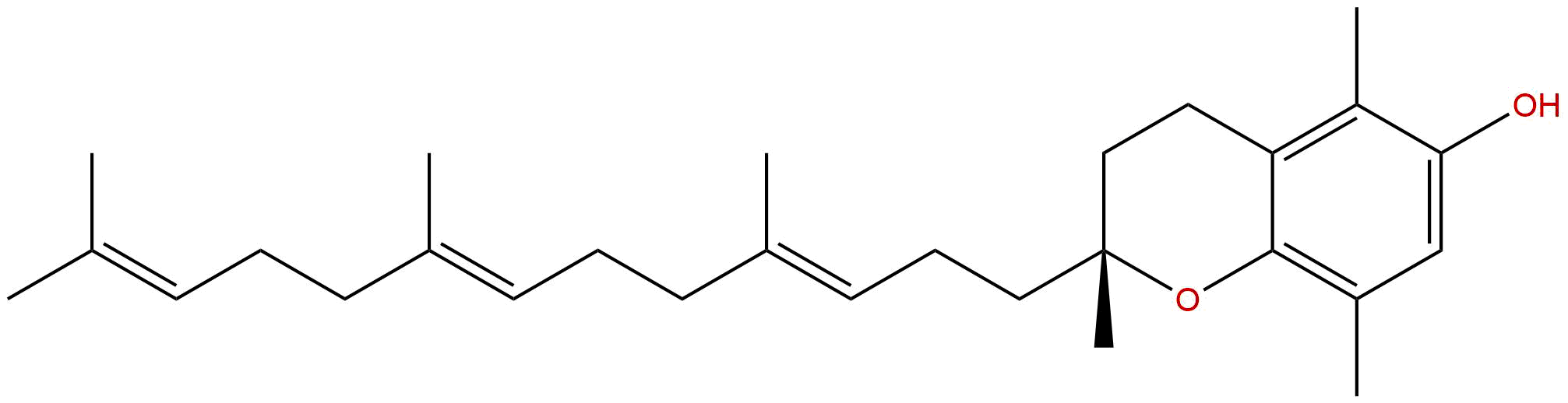
Product name: D-β-Tocotrienol
Synonym name: β-Tocotrienol; ε-Tocopherol; 5,8-Dimethyltocotrienol
Catalogue No.: BP5331
Cas No.: 490-23-3
Formula: C28H42O2
Mol Weight: 410.642
Botanical Source:
Type of Compound: Tocopherols
Purity: 95%~99%
Analysis Method: HPLC-DAD or/and HPLC-ELSD
Identification Method: Mass, NMR
Packing: Brown vial or HDPE plastic bottle
Storage: Store in a well closed container, protected from air and light. Put into refrigerate or freeze for long term storage.
Whenever possible, you should prepare and use solutions on the same day. However, if you need to make up stock solutions in advance, we recommend that you store the solution as aliquots in tightly sealed vials at -20℃. Generally, these will be useable for up to two weeks.
The product could be supplied from milligrams to grams
Inquire for bulk scale.
For Reference Standard and R&D, Not for Human Use Directly.
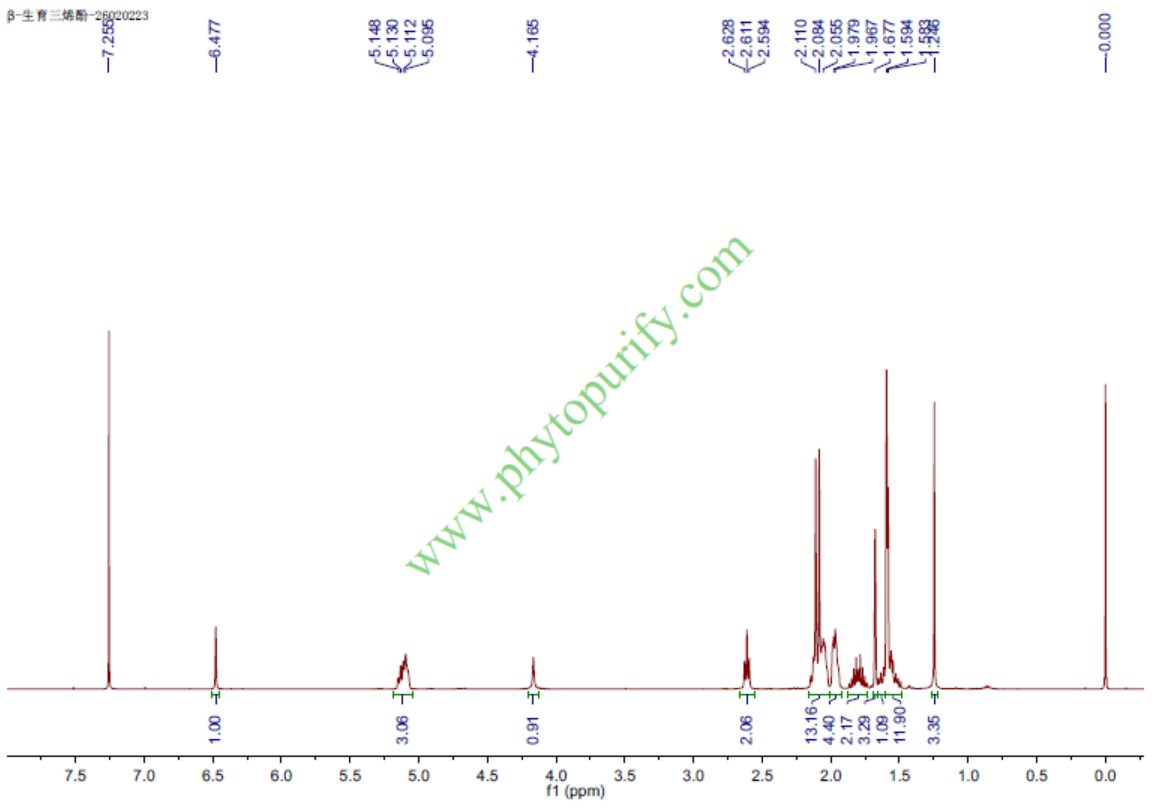
HNMR of D-β-Tocotrienol
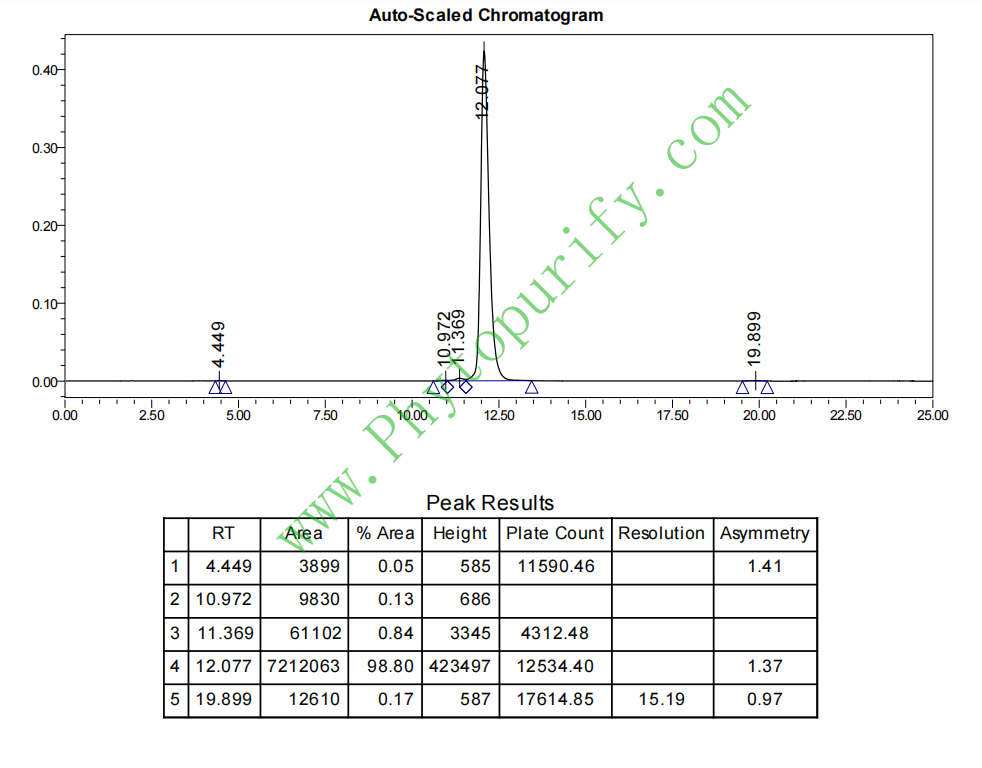
HPLC of D-β-Tocotrienol
Storage conditions:Short-term storage at 2~8℃, long-term storage at -20 ~ -80℃
29.4600
9.0236
9.0235
.0009
5.1677
10.1690
High
93.2371
3.6500
Yes
Yes
Yes
No
No
No
0.0
No
Yes
No
No
The vitamin E family is a type of fat soluble antioxidant that has long held an important position in human nutrition and health. Traditionally, vitamin E has been divided into two categories: tocopherols and tocotrienols, each containing four homologous compounds: alpha, beta, gamma, and delta. Compared with the widely studied alpha tocopherol, tocotrienol has gradually become a hot topic in natural product pharmacology research in the past two decades, and its unique chemical structure and biological activity have attracted widespread attention from the academic community.
β - tocotrienol (CAS number: 490-23-3) is an important member of the tocotrienol family, and its chemical name is 2,5,8-trimethyl-2- (4,8,12-trimethyltridecan-3,7,11-triene) -6-chromanol. This compound has a typical 6-chromenol core in structure, which is substituted by methyl at positions 2, 5, and 8, and is connected to a farnesyl side chain containing three double bonds at position 2. This unique structure endows β - tocotrienol with biological characteristics that distinguish it from tocopherol.
From a functional perspective, β - tocotrienol has been proven to have various pharmacological activities, including anti-tumor, antioxidant, anti-inflammatory, neuroprotective, and cholesterol lowering effects. Especially in the field of anti-tumor, β - tocotrienol has shown potential as an anti-tumor agent and apoptosis inducer, which can inhibit tumor cell proliferation and induce programmed cell death through multiple signaling pathways. As a natural plant metabolite, β - tocotrienol is mainly present in certain grains, vegetable oils, and nuts, with the most in-depth research on its isolation and extraction from wheat varieties.
With the increasing emphasis on the development of natural product drugs, β - tocotrienol is gradually becoming a research focus in the fields of medicinal chemistry and pharmacology due to its unique chemical structure, diverse pharmacological activities, and relatively low toxicity. This article will provide a systematic review of the research progress of β - tocotrienol from the aspects of chemical structure, plant origin, pharmacological activity, mechanism of action, medicinal evaluation, and clinical application prospects, in order to provide reference for the in-depth research and development of this natural product.
The molecular formula of β - tocotrienol is C ₂₈ H ₄₂ O ₂, with a molecular weight of 410.6420 g/mol. Its core structure consists of two parts: one is the aromatic chromenol ring (6-chromenol), and the other is the aliphatic farnesyl side chain. On the chromophore ring, there is a methyl substituent at positions 2, 5, and 8, with the methyl group at position 2 connected to the farnesyl side chain. The farnesyl side chain contains three unsaturated double bonds located at positions 3 ', 7', and 11 ', forming a conjugated system. This is the key structural feature that distinguishes tocotrienols from tocopherols.
Compared with α - tocotrienol, β - tocotrienol has a different methyl substitution pattern on the chromophore ring: α - tocotrienol has three methyl groups at positions 5, 7, and 8, while β - tocotrienol has three methyl groups at positions 2, 5, and 8. The difference in methyl substitution positions directly affects the electronic distribution, spatial conformation, and interaction mode with biological targets of the compound.
The physicochemical properties of β - tocotrienol have a significant impact on its bioavailability and medicinal properties. According to computational chemical analysis, the lipid water partition coefficient (LogP) of the compound is 9.0236, indicating that it has extremely high lipid solubility and tends to be distributed in the lipid bilayer of biological membranes. This characteristic is closely related to its function as a membrane antioxidant, enabling it to effectively embed into the cell membrane and eliminate lipid peroxidation free radicals.
The polar surface area (TPSA) is 29.4600 Å ², which is relatively small and facilitates the passive diffusion of compounds across biofilms. The water solubility is extremely low, only 0.0009 mg/mL, which is consistent with its high lipid solubility and explains why the absorption of β - tocotrienol in the body relies on lipid carriers or chylomicron pathways.
It is worth noting that the blood-brain barrier penetration of β - tocotrienol is evaluated as "high", which is of great significance for the development of therapeutic drugs for neurodegenerative diseases. Meanwhile, the hERG inhibition assessment was negative, indicating a low risk of cardiac toxicity; The Ames test result is 0.0, indicating that the compound has no significant mutagenicity under standard testing conditions and has good safety.
The phenolic hydroxyl group (6-OH) on the chromophore ring of β - tocotrienol is a key functional group for its antioxidant activity, which can provide hydrogen atoms to scavenge free radicals. The unsaturated double bond of the farnesyl side chain not only enhances the lipophilicity of the compound, but also endows it with unique membrane anchoring ability and signal transduction regulation function. Compared with the saturated plant-based side chains of tocopherol, the unsaturated side chains of tocotrienol enable it to more effectively insert into cell membranes and affect membrane fluidity and the formation of microstructural domains.
The distribution of β - tocotrienol in nature is relatively limited, mainly found in the seeds, fruits, and oils of certain specific plants. The currently reported plant sources rich in β - tocotrienols include:
Wheat (Triticum spp.)Wheat germ oil is an important source of β - tocotrienol, and there are significant differences in the content of β - tocotrienol among different wheat varieties. Research has shown that the content of β - tocotrienols in the embryo oil of certain varieties of durum wheat can reach 15-25% of the total tocotrienols.
Hordeum vulgare Barley grains also contain a certain amount of β - tocotrienol, especially in the barley germ and aleurone layer where the content is relatively high.
Oats (Avena sativa)The tocotrienols in oat grains are mainly composed of β - and γ - homologs, with β - tocotrienols accounting for approximately 10-20% of the total tocotrienols.
Palm oil (Elaeis guineensis)Palm oil is a rich source of tocotrienols, but mainly composed of alpha -, gamma -, and delta tocotrienols, with relatively low content of beta tocotrienols.
Other sources Trace amounts of β - tocotrienol have also been detected in certain nuts (such as pistachios and cashews) and legumes (such as soybeans).
The extraction of β - tocotrienol is usually carried out by organic solvent extraction, and commonly used solvents include n-hexane, ethanol, ethyl acetate, etc. Due to the sensitivity of tocotrienol to light and heat, the extraction process should be carried out under light avoidance and low temperature conditions. In recent years, supercritical fluid extraction (especially supercritical CO ₂ extraction) technology has been widely used for the extraction of tocotrienols due to its green and efficient characteristics.
The crude extract after extraction needs to be separated and purified by chromatography technology. High performance liquid chromatography (HPLC) is the most commonly used method for separating β - tocotrienol, typically using a normal or reverse phase chromatography column with n-hexane isopropanol or methanol water as the mobile phase. In addition, preparative thin-layer chromatography and column chromatography (such as silica gel columns and C18 reverse phase columns) can also be used for the purification of β - tocotrienol.
It is worth noting that due to the structural similarity between β - tocotrienol and α -, γ -, and δ - tocotrienol, separation is difficult, and multiple chromatographic techniques are usually required to obtain high-purity β - tocotrienol. In recent years, the application of new separation technologies such as molecular imprinting and high-speed countercurrent chromatography has provided a new approach for the efficient purification of β - tocotrienol.
The anti-tumor activity of β - tocotrienol is one of its most concerned pharmacological effects. Numerous in vitro and in vivo studies have shown that β - tocotrienol has significant proliferative and cytotoxic effects on various tumor cell lines.
In breast cancer research, β - tocotrienol can inhibit the proliferation of MCF-7, MDA-MB-231 and other breast cancer cell lines, and induce cell cycle arrest and apoptosis. Its mechanism of action involves inhibiting the PI3K/Akt signaling pathway, activating the caspase cascade reaction, and upregulating the Bax/Bcl-2 ratio. It is worth noting that the toxicity of β - tocotrienol to normal breast epithelial cells is much lower than its toxicity to cancer cells, demonstrating a certain degree of selectivity.
In terms of prostate cancer, β - tocotrienol can inhibit the growth of prostate cancer cells such as LNCaP and PC-3, and exert anti-tumor effects by regulating androgen receptor signaling, inhibiting NF - κ B activity, and inducing endoplasmic reticulum stress. In addition, β - tocotrienol can enhance the anti-tumor effect of conventional chemotherapy drugs (such as docetaxel) and has potential value as a combination therapy.
β - tocotrienol also shows different degrees of anti-tumor activity in a variety of malignant tumors, such as liver cancer, lung cancer, colorectal cancer, pancreatic cancer and so on. Its broad-spectrum anti-tumor properties make it an important candidate compound for the development of natural anti-tumor drugs.
As a member of the vitamin E family, β - tocotrienol has significant antioxidant activity. The phenolic hydroxyl groups on its colored alcohol ring can effectively scavenge free radicals and inhibit lipid peroxidation reactions. Compared with alpha tocopherol, beta tocotrienol, due to the presence of unsaturated side chains, can be more effectively distributed in the cell membrane and exert antioxidant effects at the membrane interface.
In terms of anti-inflammatory effects, β - tocotrienol can inhibit the inflammatory response of macrophages induced by lipopolysaccharide (LPS), reduce the production of pro-inflammatory factors such as tumor necrosis factor - α (TNF - α), interleukin-6 (IL-6), and nitric oxide (NO). Its anti-inflammatory mechanism involves inhibiting the NF - κ B signaling pathway, activating the Nrf2/ARE antioxidant response element pathway, and so on.
The neuroprotective effects of β - tocotrienol have received increasing attention in recent years. Research has shown that β - tocotrienol can cross the blood-brain barrier, accumulate in brain tissue, and exert neuroprotective effects. In the Alzheimer's disease model, β - tocotrienol can reduce the neurotoxicity induced by β - amyloid protein (A β), inhibit tau protein hyperphosphorylation, and improve cognitive function.
In the Parkinson's disease model, β - tocotrienol can protect dopaminergic neurons from damage caused by 6-hydroxydopamine (6-OHDA) and 1-methyl-4-phenylpyridine ion (MPP ⁺), and its mechanism involves multiple pathways such as antioxidant, anti-inflammatory, and anti apoptotic effects. In addition, β - tocotrienol has shown protective effects against neurological diseases such as cerebral ischemia-reperfusion injury and spinal cord injury.
β - tocotrienol has a regulatory effect on lipid metabolism and can reduce serum total cholesterol and low-density lipoprotein cholesterol (LDL-C) levels. Its cholesterol lowering mechanism mainly reduces cholesterol synthesis by inhibiting the activity of 3-hydroxy-3-methylglutaryl-CoA reductase (HMG CoA reductase). Unlike traditional statins, β - tocotrienol regulates the degradation of HMG CoA reductase through a post transcriptional mechanism, rather than directly inhibiting its activity.
In addition to the above activities, β - tocotrienol also has a variety of pharmacological effects such as anti osteoporosis, anti diabetes, liver and kidney protection, and immune regulation. These diverse biological activities make them potentially valuable for the prevention and treatment of various chronic diseases.
β - tocotrienol exerts its pharmacological effects by regulating multiple cellular signaling pathways. Among them, the PI3K/Akt/mTOR signaling pathway is an important target for the anti-tumor effect of β - tocotrienol. Research has shown that β - tocotrienol can inhibit the activity of PI3K, reduce the phosphorylation level of Akt, and thereby inhibit the activation of downstream effector molecules of mTOR, leading to cell cycle arrest and apoptosis induction.
The NF - κ B signaling pathway is another key target for the anti-inflammatory and anti-tumor effects of β - tocotrienol. β - tocotrienol can inhibit the activity of I κ B kinase (IKK), prevent the phosphorylation and degradation of I κ B α, thereby inhibiting the nuclear translocation and transcriptional activity of NF - κ B, reducing the expression of pro-inflammatory factors and anti apoptotic proteins.
In addition, β - tocotrienol can activate the Nrf2/ARE signaling pathway, upregulate the expression of antioxidant enzymes (such as superoxide dismutase, glutathione peroxidase, heme oxygenase-1, etc.), and enhance the antioxidant defense ability of cells.
The mechanism of β - tocotrienol induced apoptosis involves two pathways: endogenous (mitochondrial) and exogenous (death receptor). In the endogenous pathway, β - tocotrienol can induce a decrease in mitochondrial membrane potential, promote cytochrome c release, activate caspase-9 and caspase-3, and ultimately lead to cell apoptosis. This process is regulated by the Bcl-2 family proteins, and β - tocotrienol can upregulate the expression of pro apoptotic proteins Bax and Bak, and downregulate the expression of anti apoptotic proteins Bcl-2 and Bcl xL.
In the exogenous pathway, β - tocotrienol can upregulate the expression of death receptors (such as Fas, DR5), activate caspase-8, and subsequently activate downstream caspase-3. In addition, β - tocotrienol can induce endoplasmic reticulum stress, activate unfolded protein response (UPR), and induce cell apoptosis through transcription factor mediated pathways such as CHOP/GADD153.
Recent studies have found that β - tocotrienol also has epigenetic regulatory effects. It can inhibit the activity of histone deacetylase (HDAC), alter chromatin structure, and regulate gene expression. In addition, β - tocotrienol can also affect DNA methylation patterns by regulating the activity of DNA methyltransferase (DNMT) and altering the methylation status of tumor suppressor genes.
Through techniques such as molecular docking, surface plasmon resonance (SPR), and drug affinity responsive target stability (DARTS), researchers have identified multiple direct targets of β - tocotrienol, including HMG CoA reductase, PI3K, Akt, NF - κ B, Nrf2, etc. The identification of these targets provides a molecular basis for understanding the mechanism of action of β - tocotrienol and important information for structure based drug design.
According to the calculation of medicinal chemical analysis, the pharmacological parameters of β - tocotrienol are as follows: molecular weight 410.6420, in accordance with Lipinski's five rules (molecular weight<500); The LogP is 9.0236, which exceeds the recommended LogP range of Lipinski rule<5, indicating that its lipid solubility is too high and may affect its water solubility and oral bioavailability; The TPSA is 29.4600 Å ², which meets the requirement of TPSA<140 Å ²; The extremely low water solubility (0.0009 mg/mL) is the main obstacle affecting its medicinal properties.
The hERG inhibition assessment is' no ', indicating a low risk of cardiac toxicity; The Ames test result is 0.0, indicating no mutagenicity. These safety parameters provide favorable conditions for the further development of β - tocotrienol.
The pharmacokinetic characteristics of β - tocotrienol are significantly influenced by its high lipid solubility. After oral administration, the absorption of β - tocotrienol depends on the formation of bile acids and chylomicrons, and its bioavailability is relatively low. Research has shown that taking it together with food, especially high-fat foods, can significantly increase the absorption rate of β - tocotrienol.
In terms of distribution in the body, β - tocotrienol is mainly distributed in lipid rich organs and tissues such as the liver, adipose tissue, and brain tissue. It can cross the blood-brain barrier and reach effective concentrations in brain tissue, which is crucial for the neuroprotective effect.
The metabolism of β - tocotrienol is mainly mediated by the cytochrome P450 enzyme system (especially CYP4F2) in the liver, which undergoes ω - oxidation to produce carboxylic acid metabolites, which are then further metabolized through the β - oxidation pathway. Metabolites are mainly excreted through bile, with a small amount excreted through urine.
Researchers have developed various improvement strategies to address the issues of poor water solubility and low bioavailability of β - tocotrienol. Nanoformulation technology, such as lipid nanoparticles, nanoemulsions, and solid lipid nanoparticles, can significantly improve the oral bioavailability of β - tocotrienol. In addition, phospholipid complexes, cyclodextrin inclusion complexes, self emulsifying drug delivery systems, etc. have also shown the potential to improve the bioavailability of β - tocotrienol.
Precursor design is another effective strategy, which involves esterification or etherification modification of the phenolic hydroxyl group of β - tocotrienol to enhance its water solubility and stability. After enzymatic hydrolysis or hydrolysis in vivo, the active parent drug is released.
Based on the broad-spectrum anti-tumor activity and relatively low toxicity of β - tocotrienol, it has broad application prospects in tumor treatment and prevention. As an adjuvant therapy drug, β - tocotrienol can enhance the efficacy of conventional chemotherapy drugs while reducing the toxic side effects caused by chemotherapy. In terms of tumor prevention, β - tocotrienol can be used for chemoprevention in high-risk populations to reduce the risk of tumor occurrence.
At present, β - tocotrienol (usually in the form of mixed tocotrienol) has been evaluated in many clinical trials, and the results show that it has good safety and certain clinical benefits in patients with breast cancer, prostate cancer, pancreatic cancer and other tumors. However, there are not many clinical trials targeting the single component of β - tocotrienol, and further high-quality clinical research is needed.
The neuroprotective effect, antioxidant activity, and ability to penetrate the blood-brain barrier of β - tocotrienol make it a potential candidate drug for the treatment of neurodegenerative diseases such as Alzheimer's disease and Parkinson's disease. Preclinical studies have provided ample evidence to support its neuroprotective effects, but translating it into clinical applications still faces many challenges, including optimizing bioavailability, long-term safety assessment, and efficacy validation.
The cholesterol lowering, antioxidant, and anti-inflammatory effects of β - tocotrienol make it potentially valuable in the prevention and treatment of cardiovascular diseases. Research shows that β - tocotrienol can reduce the level of LDL-C, inhibit the formation of atherosclerotic plaque, and improve vascular endothelial function. Compared with traditional statins, the cholesterol lowering mechanism of β - tocotrienol is different and has fewer side effects. It can be used as an alternative or complementary treatment to statins.
The therapeutic potential of β - tocotrienol in metabolic diseases such as diabetes and nonalcoholic fatty liver also deserves attention. It can improve insulin sensitivity, lower blood sugar levels, alleviate liver fat accumulation, and protect pancreatic beta cell function. These effects are closely related to their antioxidant, anti-inflammatory, and lipid metabolism regulating activities.
Although β - tocotrienol has various pharmacological activities and good safety, its clinical application still faces some challenges. Firstly, poor water solubility and low bioavailability are the main obstacles limiting its clinical translation, requiring the development of efficient delivery systems. Secondly, the metabolic and pharmacokinetic characteristics of β - tocotrienol in vivo still need further clarification, especially the biological activity of its metabolites, which requires in-depth research. In addition, large-scale and high-quality clinical trials are necessary conditions for verifying its clinical efficacy and safety.
In the future, with the development of nanotechnology, drug delivery systems, and medicinal chemistry, the pharmacological properties of β - tocotrienol are expected to be significantly improved. Meanwhile, the rational design based on the structure activity relationship and the development of β - tocotrienol derivatives with higher activity and selectivity are also important research directions. In addition, by combining systems biology and network pharmacology methods, a comprehensive analysis of the multi-target mechanism of action of β - tocotrienol will provide scientific basis for its precise application.
β - tocotrienol, as a naturally occurring vitamin E homolog, has shown significant research value and application potential in the field of natural product pharmacology due to its unique chemical structure and diverse pharmacological activities. From a chemical structure perspective, its unsaturated farnesyl side chain endows it with unique properties distinct from tocopherols; From the perspective of pharmacological activity, its multiple effects such as anti-tumor, antioxidant, anti-inflammatory, neuroprotective, and cholesterol lowering make it a candidate natural product for the prevention and treatment of various chronic diseases.
However, research on β - tocotrienol is still in its developmental stage, and there are still many obstacles to overcome between laboratory studies and clinical applications. The low bioavailability caused by high lipid solubility, the complexity of the mechanism of action, and the lack of clinical evidence all need to be addressed through interdisciplinary research. With the continuous progress of modern medicinal chemistry, nanomedicine, and translational medicine, β - tocotrienol is expected to become an important drug or functional food ingredient for treating tumors, neurodegenerative diseases, and metabolic diseases in the future.
In summary, β - tocotrienol, as a new star in the field of natural product pharmacology, not only enriches the scientific connotation of the vitamin E family, but also provides valuable lead compounds for the development of new natural medicines. I believe that in the near future, with the deepening of research and the advancement of technology, the clinical value of β - tocotrienol will be more fully reflected, making contributions to human health.
