Introduction/Overview
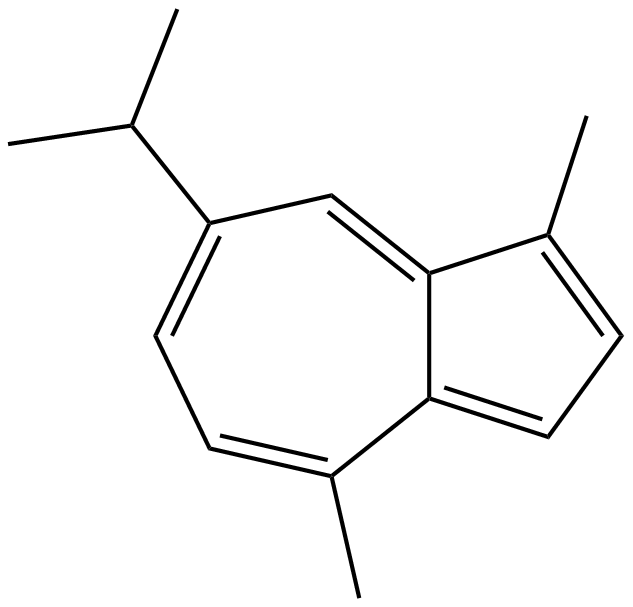
Guaiazulene (CAS number: 489-84-9) is a typical bicyclic sesquiterpene compound, named after its unique deep blue color. As a natural product, guaiacol is widely present in various plant essential oils, especially abundant in plants of the genus guaiaceae. In recent years, Yuchuang blue oil hydrocarbons have received widespread attention in the fields of pharmacology and natural product chemistry due to their diverse biological activities. Its multiple pharmacological effects such as anti-inflammatory, antioxidant, hepatoprotective, antibacterial, and anti-tumor make it an important candidate molecule for the development of natural medicines and functional cosmetics. In addition, Yuchuang blue oil hydrocarbon is widely used as a safe and effective cosmetic coloring agent in skin care products.
Although Yuchuang blue oil hydrocarbon has many potential clinical application values, its mechanism of action, molecular targets, and pharmacological parameters have not been systematically and deeply elucidated. This article aims to comprehensively review the chemical structure and physicochemical properties, plant sources and extraction methods, pharmacological activity and mechanism of action of guaiacol based on the latest literature. Combined with its pharmacological evaluation and pharmacokinetic characteristics, it explores its potential application prospects in skin repair and related diseases, providing theoretical basis and research direction for subsequent drug development and clinical translation.
Chemical structure and physicochemical properties
Yuchuang blue oil hydrocarbon is a typical bicyclic sesquiterpene compound with a molecular formula of C15H18 and a molecular weight of 198.3090. Its structure consists of two connected circular skeletons, with high hydrophobicity and strong lipid solubility. The LogP value of Yuchuang Blue hydrocarbon is 5.7097, indicating its high lipid solubility, which is beneficial for its penetration of cell membranes and the blood-brain barrier (BBB), and may play a role in the central nervous system. Its topological polar surface area (TPSA) is 0.0000, indicating a lack of polar functional groups in the molecule, further supporting its low water solubility (0.0003 mg/mL) characteristics.
The structure of Yuchuang Blue hydrocarbon is stable and does not contain functional groups that can cause hERG channel inhibition. The hERG inhibition test result is negative, indicating a low risk of cardiac toxicity. The Ames mutagenicity test score is 1.5, indicating low mutagenicity and good safety. Its blue color characteristic makes it used as a natural coloring agent in the cosmetics industry, and it has good photostability and chemical stability.
Plant sources and extraction methods
Yuchuang blue oil hydrocarbons mainly exist in the volatile oils of various plants, especially in the Yuchuang genus plants (such as Yuchuang wood, blue-green oil wood, etc.) and some Asteraceae plants as the main sources. There are significant differences in its content due to differences in plant species, growth environment, harvesting time, and extraction process.
The traditional extraction methods mainly rely on distillation (such as steam distillation) and organic solvent extraction. In recent years, supercritical CO2 extraction technology has become the preferred method for extracting hydrocarbons from Yuchuang blue oil due to its high efficiency, environmental friendliness, and protective effect on thermosensitive components. The extraction process usually involves the separation and purification of volatile oils, and high-purity guaiacol can be further purified by chromatographic techniques such as column chromatography and preparative high-performance liquid chromatography.
In addition, the diversity of plant sources and optimization of extraction processes have a significant impact on the yield and quality of Yuchuang blue oil hydrocarbons. Modern biotechnology methods, such as plant cell culture and metabolic engineering, have also provided new possibilities for the large-scale production of Yuchuang blue hydrocarbons.
Pharmacological activity research
Yuchuang blue oil hydrocarbons exhibit various significant biological activities, covering multiple fields such as anti-inflammatory, antioxidant, hepatoprotective, antibacterial, and anti-tumor.
anti-inflammatory effect
Yuchuang Blue Oil significantly reduces inflammatory response by inhibiting pro-inflammatory cytokines and related signaling pathways. In vitro and animal model studies have shown that Yuchuang Blue Oil can downregulate signaling pathways such as NF - κ B and MAPK, inhibit the expression of inflammatory mediators such as TNF - α, IL-1 β, and IL-6, and thus exert anti-inflammatory effects. It exhibits good repair and protective effects in skin inflammation models, promoting tissue recovery after inflammation.
Antioxidant effect
Yuchuang blue oil hydrocarbon has the ability to clear free radicals, inhibit lipid peroxidation, and protect cells from oxidative stress damage. Its antioxidant activity is closely related to the conjugated double bond system in its structure, which can effectively capture reactive oxygen species (ROS), reduce oxidative damage, and maintain cellular functional integrity.
Hepatoprotective effect
Yuchuang Blue Oil has shown significant hepatoprotective effects in various liver injury models. By regulating the liver antioxidant enzyme system, inhibiting inflammatory reactions and cell apoptosis, Yuchuang Blue Oil can alleviate liver cell damage, promote liver tissue repair, and has potential liver protective value.
Antibacterial activity
Yuchuang blue oil hydrocarbon exhibits antibacterial effects on various Gram positive and Gram negative bacteria. The mechanism may include disrupting bacterial cell membrane structure, interfering with bacterial metabolism, and inhibiting the expression of bacterial virulence factors. This feature makes it potentially applicable in the care of skin infections and injuries.
antitumor activity
In vitro studies have shown that Yuchuang Blue Oil has inhibitory effects on proliferation and induces apoptosis in various tumor cell lines. Especially in neuroblastoma cells (N2a), high concentrations exhibit cytotoxicity, suggesting that it may exert anti-tumor effects by regulating cell cycle and apoptosis related signaling pathways. However, its cytotoxicity also suggests caution in balancing safety in drug dosage design.
Mechanism of action and molecular targets
The mechanism of action of Yuchuang blue oil hydrocarbons in skin repair and related diseases involves multiple molecular targets and signaling pathways, mainly including:
-
Matrix metalloproteinases (MMPs)MMP1, MMP2, and MMP9 are key enzymes that regulate extracellular matrix (ECM) remodeling. Yuchuang Blue Oil Hydrocarbon regulates the expression and activity of MMPs, promotes the balance between collagen synthesis and degradation, and is beneficial for the repair and regeneration of skin tissue.
-
Epidermal growth factor receptor (EGFR)The EGFR signaling pathway plays a central role in skin cell proliferation and migration. Yuchuang blue oil hydrocarbon can activate or regulate EGFR signaling, promoting the repair ability of skin cells.
-
Fibroblast Growth Factor 2 (FGF2)FGF2 is involved in angiogenesis and tissue repair. Yuchuang Blue Oil Hydrocarbon promotes neovascularization and improves nutrient supply to damaged tissues by regulating FGF2 expression.
-
Transforming Growth Factor Beta 1 (TGFB1)TGFB1 is an important factor in regulating fibrosis and immune response. Yuchuang blue oil hydrocarbon regulates TGFB1 signaling, which helps to control inflammatory response and promote tissue repair.
-
Collagen genes (COL3A1, COL4A1)Yuchuang blue oil hydrocarbon promotes the synthesis of collagen, enhances the stability and elasticity of skin structure.
-
Vascular endothelial growth factor A (VEGFA)VEGFA regulates angiogenesis, and Yuchuang Blue Oil promotes VEGFA expression, thereby facilitating blood supply and repair of damaged tissues.
-
Integrin β 1 (ITGB1)ITGB1 is involved in cell adhesion and signal transduction, and Yuchuang Blue Oil Hydrocarbon promotes cell migration and tissue remodeling by regulating ITGB1.
Overall, Yuchuang Blue Oil Hydrocarbon regulates cell proliferation, migration, ECM remodeling, and angiogenesis through multi-target and multi pathway synergistic effects, promoting skin tissue repair and regeneration.
Evaluation of drug properties and pharmacokinetics
The pharmacological evaluation of Yuchuang Blue Oil Hydrocarbon shows that it has certain advantages and challenges:
-
Fat solubility and bioavailability A high LogP value (5.7097) indicates that guaiacol has good lipid solubility, which is beneficial for cell membrane penetration and blood-brain barrier passage, supporting its potential application in the central nervous system. However, its extremely low water solubility (0.0003 mg/mL) limits its oral absorption and in vivo distribution, and its solubility and bioavailability need to be improved through formulation technology.
-
safety The hERG channel inhibition test was negative, indicating a low risk of cardiac toxicity. The Ames mutagenicity test score is 1.5, indicating low mutagenicity and overall good safety. However, in vitro cytotoxicity studies have shown that high concentrations of guaiacol have toxicity to neuronal cells and neuroblastoma cells, suggesting the need for strict control of dosage ranges.
-
Blood-brain barrier penetrability Yuchuang blue hydrocarbon has a high blood-brain barrier permeability, which may give it an advantage in the treatment of neurological diseases, but at the same time, attention should be paid to the impact of its neurotoxicity on safety.
-
pharmacokinetics At present, research on the in vivo metabolism and excretion mechanism of Yuchuang blue oil hydrocarbons is relatively limited. It is speculated that it is mainly metabolized through the liver and may involve the CYP450 enzyme system. The activity and safety of metabolites still need further research.
In summary, Yuchuang Blue Oil has shown great potential in drug development, but it is necessary to optimize the formulation and dosage design to address its low water solubility and cytotoxicity issues, in order to ensure its safe and effective clinical application.
Clinical application prospects and prospects
Yuchuang Blue Oil has broad clinical application prospects due to its multiple biological activities, especially in the field of skin repair.
-
Skin repair and beauty Yuchuang Blue Oil Hydrocarbon promotes collagen synthesis and angiogenesis by regulating key targets such as MMPs, EGFR, FGF2, significantly promoting skin wound healing and tissue regeneration. Its anti-inflammatory and antioxidant properties help alleviate skin inflammation and oxidative damage, making it suitable for wound healing, burn repair, and anti-aging product development. In addition, as a natural coloring agent, its safety and stability make it widely used in the cosmetics industry.
-
Anti inflammatory and antibacterial therapy The anti-inflammatory and antibacterial activities of Yuchuang Blue Oil provide a theoretical basis for its adjuvant therapy in skin infections and inflammatory skin diseases such as eczema and psoriasis.
-
Liver protection The hepatoprotective effect of Yuchuang blue oil hydrocarbon suggests its potential application value in diseases such as hepatitis and drug-induced liver injury. In the future, it can be combined with modern drug delivery systems for clinical translation.
-
Anti tumor research Although Yuchuang blue oil hydrocarbon exhibits certain anti-tumor activity in vitro, its cytotoxicity and safety issues limit its direct application as an anti-cancer drug. In the future, structural modification or nanocarrier delivery may enhance its selectivity and efficacy.
Future research should focus on the pharmacokinetic characteristics, toxicological evaluation, and formulation optimization of Yuchuang blue oil hydrocarbons, combined with modern molecular biology techniques, to deeply analyze their mechanism of action and promote their transformation from laboratory research to clinical application.
Conclusion
Yuchuang blue oil hydrocarbon, as a natural bicyclic sesquiterpene with multiple biological activities, exhibits broad pharmacological potential, especially in the fields of skin repair, anti-inflammatory and antioxidant effects, and liver protection. Its unique chemical structure and physicochemical properties endow it with good lipid solubility and blood-brain barrier penetration ability, but low water solubility and cytotoxicity still need to be overcome. Through in-depth mechanism research and pharmacological optimization, Yuchuang blue oil hydrocarbon is expected to become an important active ingredient in the fields of natural medicine and functional cosmetics. Future research should be combined with modern drug development technologies to promote the clinical application of Yuchuang blue oil hydrocarbons and contribute new strength to the development of natural product pharmacology.