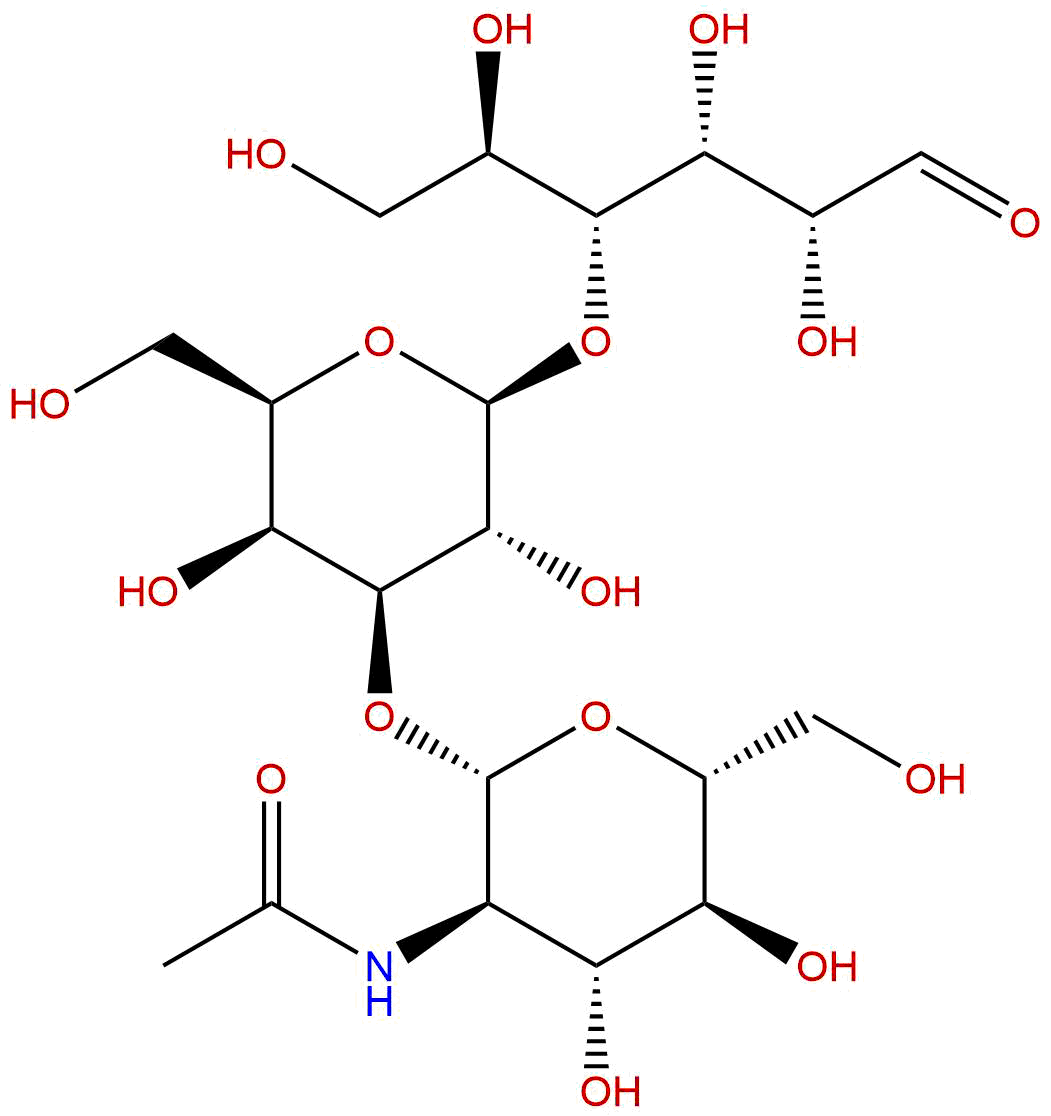


Product name: Lacto-N-triaose
Synonym name: Agalacto-N-neotetraose; Lacto-N-triose II; LNT-II
Catalogue No.: BP5474
Cas No.: 75645-27-1
Formula: C20H35NO16
Mol Weight: 545.491
Botanical Source:
Type of Compound: Oligoses
Purity: 95%~99%
Analysis Method: HPLC-DAD or/and HPLC-ELSD
Identification Method: Mass, NMR
Packing: Brown vial or HDPE plastic bottle
Storage: Store in a well closed container, protected from air and light. Put into refrigerate or freeze for long term storage.
Whenever possible, you should prepare and use solutions on the same day. However, if you need to make up stock solutions in advance, we recommend that you store the solution as aliquots in tightly sealed vials at -20℃. Generally, these will be useable for up to two weeks.
The product could be supplied from milligrams to grams
Inquire for bulk scale.
For Reference Standard and R&D, Not for Human Use Directly.
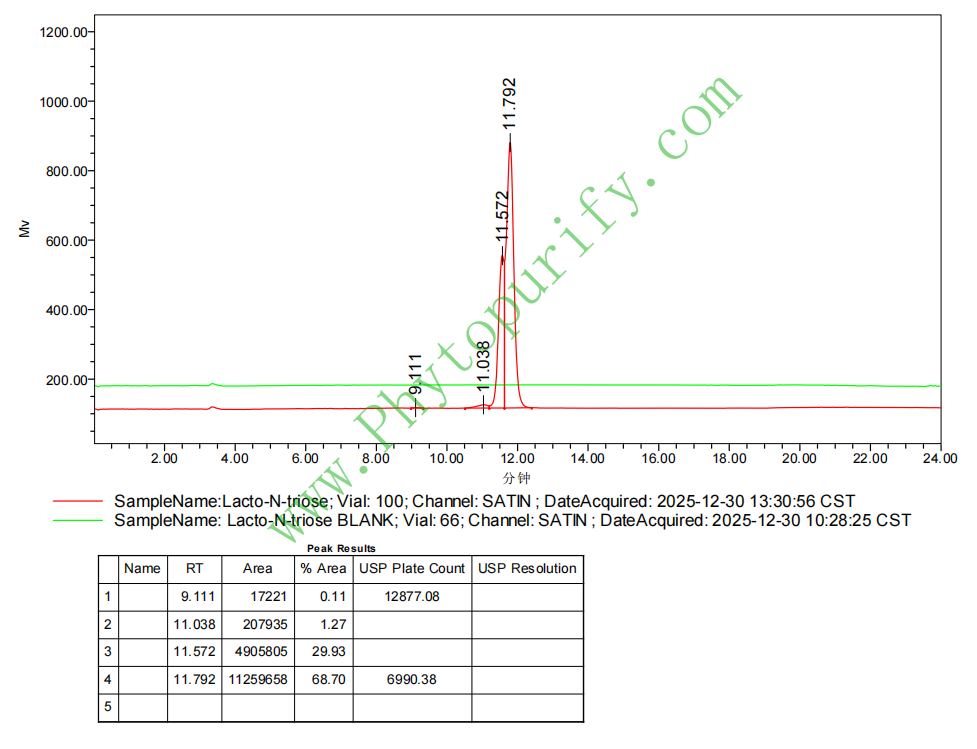
HPLC of Lacto-N-triose II
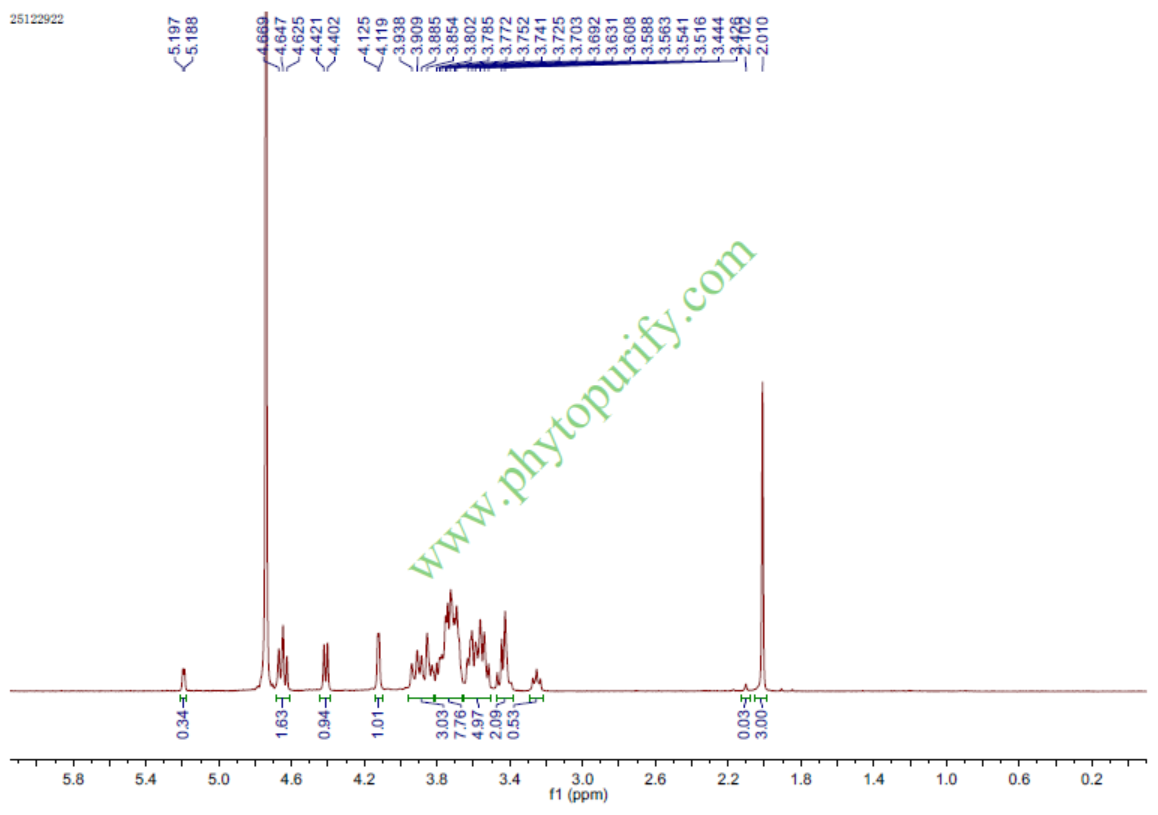
HNMR of Lacto-N-triose II
Storage conditions:Short-term storage at 2~8℃, long-term storage at -20 ~ -80℃
298.5300
-5.0000
-5.0000
No
No
No
No
No
No
No
Human Milk Oligosaccharides (HMOs) are the third largest solid component in breast milk, second only to lactose and lipids. They play an irreplaceable role in establishing the gut microbiota, developing the immune system, and defending against infections in newborns. Lacto-N-triose II (LNT II), as the core structural unit of HMOs, is a trisaccharide molecule composed of D-glucose, D-galactose, and N-acetyl-D-glucosamine connected by specific glycosidic bonds. This compound is not only a key precursor for the synthesis of various complex HMOs, such as lactose-N-tetrasaccharides and lactose-N-neotetrasaccharides, but also exhibits unique biological activity.
In recent years, with the deepening of research on the nutritional components of breast milk, LNT II has gradually shifted from its role as a "synthetic intermediate" to a natural product with independent pharmacological activity. The N-acetylglucosamine residue in its molecular structure endows the molecule with a unique ability to interact with gut microbiota and host cell surface receptors. Epidemiological studies have shown that the composition of HMOs in breast milk is closely related to the incidence of intestinal infections, allergic diseases, and autoimmune diseases in infants and young children. As a key node in the HMOs biosynthesis pathway, changes in the content of LNT II may directly affect the overall function of HMOs.
From a chemical classification perspective, LNT II belongs to oligosaccharides natural products, with a molecular weight of 533.49 Da. It has extremely high water solubility and extremely low fat solubility (LogP of -5.0). This physicochemical characteristic determines that after oral administration, it mainly acts locally in the gastrointestinal tract rather than systemically distributed. It is worth noting that this compound exhibits excellent characteristics in drug safety evaluation: no hepatotoxicity, no cardiotoxicity, no hERG inhibitory activity, and the Ames test result is negative, which lays a safety foundation for its development as a functional food ingredient or drug lead compound.
This review aims to systematically review the chemical structure characteristics, pharmacological activity research progress, mechanism of action, and pharmacological evaluation of LNT II, and explore its clinical application prospects in infant nutrition, prevention and treatment of intestinal diseases, and immune regulation, in order to provide theoretical basis for the in-depth research and translational application of this natural product.
The chemical name of Lacto-N-Lactose II is β - D-galactosyl - (1 → 3) - N-acetyl - β - D-glucosamine - (1 → 3) - β - D-galactosyl - (1 → 4) - D-glucose, which is composed of three monosaccharide units connected by specific glycosidic bonds. Specifically, the molecule contains a lactose core (Gal β 1-4Glc), which is connected to an N-acetylglucosamine (GlcNAc) residue at the C3 position of the lactose residue via a β -1,3 glycosidic bond. This connection method endows LNT II with a unique spatial conformation that distinguishes it from other HMOs.
From a stereochemical perspective, all glycosidic bonds in LNT II are in the beta configuration, which determines its ability to resist hydrolysis by human digestive enzymes. Unlike glycosidic bonds in the alpha configuration, β-1, The 3 and β -1,4-glycosidic bonds cannot be effectively hydrolyzed by salivary amylase, pancreatic amylase, and the sucrase isomaltase complex on the small intestine brush border membrane. Therefore, LNT II can pass through the upper gastrointestinal tract in its intact form and reach the colon to exert its biological functions.
The molecular formula of LNT II is C20H35NO16, with a molecular weight of 533.49 Da. Its extremely low LogP value (-5.0) and extremely high topological polar surface area (TPSA of 298.53 Å ²) reflect its strong hydrophilicity. This characteristic is due to the large number of hydroxyl (- OH) and amide (- NHCOCH3) groups in the molecule, which can form a wide range of hydrogen bonding networks with water molecules. The number of hydrogen bond acceptors is 17, further confirming its strong hydration ability.
In terms of physical form, LNT II is usually a white to off white amorphous powder that is easily soluble in polar solvents such as water and dimethyl sulfoxide (DMSO), and almost insoluble in organic solvents such as ethanol and ether. Its aqueous solution is neutral to slightly acidic and has good chemical stability in the pH range of 3-9. However, under strong acid (pH<2) or strong base (pH>11) conditions, glycosidic bonds may undergo hydrolysis, leading to molecular degradation. Thermal stability studies have shown that LNT II can maintain structural integrity below 100 ° C, but caramelization reactions may occur above 120 ° C.
It is worth noting that the reducing end of LNT II is a glucose residue, so the molecule has reducibility and can undergo color reactions with certain detection reagents such as 3,5-dinitrosalicylic acid. This characteristic can be used for its quantitative analysis. In addition, LNT II has no obvious absorption peak in the UV visible region, and its detection usually relies on mass spectrometry or evaporative light scattering detectors.
The biological activity of LNT II is closely related to its structural characteristics. Firstly, the N-acetylglucosamine residue at the end is a key structural domain for identifying gut microbiota surface lectins. Many probiotics, such as bifidobacteria, have specific sugar binding proteins on their surfaces that can recognize and uptake oligosaccharides containing GlcNAc. Secondly, β-1, The 3-glycosidic bond connection allows LNT II to mimic the sugar chain structure of cell surface glycoproteins or glycolipids, thereby competitively inhibiting pathogen adhesion. In addition, the presence of multiple hydroxyl groups in the molecule enables it to act as a free radical scavenger and exert antioxidant effects.
LNT II was initially isolated and identified from human milk as a structurally important HMO component with relatively low content in human milk. Research has shown that there are significant differences in the content of LNT II in breast milk among different lactation periods and individuals. The content of LNT II in colostrum is relatively high, reaching 0.5-1.0 g/L, and gradually decreases to 0.1-0.3 g/L with prolonged lactation. It is worth noting that LNT II is not unique to human milk, and can also be found in trace amounts in animal milk such as cow's milk and goat's milk, but the content is much lower than that in human milk. In addition, certain microorganisms (such as specific strains of lactic acid bacteria) can also produce LNT II or its structural analogues during the fermentation process.
Given the extremely limited production of LNT II from natural sources, chemical synthesis and enzymatic synthesis have become the main ways to obtain this compound. Chemical synthesis typically employs a protection deprotection strategy, constructing specific glycosidic bonds through glycosylation reactions. The commonly used synthetic routes include: (1) starting from lactose, selectively protecting the hydroxyl group, and then performing glycosylation reaction with N-acetylglucosamine donor; (2) Using solid-phase synthesis technology, gradually construct trisaccharide chains on the resin. However, chemical synthesis faces problems such as low selectivity, cumbersome steps, low yield, and requires the use of large amounts of organic solvents and toxic reagents, which is not conducive to large-scale production.
Enzymatic synthesis has become the mainstream method for the production of LNT II due to its advantages of high efficiency, high selectivity, and environmental friendliness. The key enzymes include: (1) β -1,3-galactosyltransferase, which can transfer the galactose group to the C3 position of lactose; (2) N-acetylglucosamine transferase is responsible for transferring GlcNAc to galactose residues. In recent years, researchers have successfully expressed these glycosyltransferases in microorganisms such as Escherichia coli and Bacillus subtilis through genetic engineering, achieving microbial fermentation production of LNT II.
A typical biotransformation process is as follows: lactose and N-acetylglucosamine are used as substrates, and the reaction is catalyzed by recombinant β -1,3-N-acetylglucosamine transferase. The reaction is carried out at 30-37 ° C and pH 7.0-8.0 for 12-24 hours, and the conversion rate can reach 60-80%. After the reaction is complete, the target product can be purified by activated carbon column chromatography, ion exchange chromatography, or membrane separation technology, with a purity of over 95%. In addition, using engineered lactobacilli or brewing yeast as whole cell catalysts can achieve continuous production of LNT II, significantly reducing production costs.
Whether extracting LNT II from natural sources or fermentation broth, multiple purification processes are required. Common purification strategies include: (1) activated carbon adsorption elution method, which utilizes the selective adsorption ability of activated carbon for oligosaccharides to obtain sugars with different degrees of polymerization through gradient ethanol elution; (2) Ion exchange chromatography is used to remove protein and nucleic acid impurities using anion exchange resins such as DEAE Sepharose or Q-Sepharose; (3) Gel filtration chromatography, such as Sephadex G-15 or Bio Gel P-2, separates LNT II from monosaccharides, disaccharides and other oligosaccharides according to the molecular weight; (4) Preparation type high-performance liquid chromatography (HPLC) is used to achieve high-purity separation using an amino column or C18 column, with acetonitrile water system as the mobile phase.
In recent years, membrane separation technologies such as nanofiltration and ultrafiltration have shown promising application prospects in the industrial purification of LNT II due to their easy operation and scalability. By selecting a membrane with appropriate molecular weight cutoff, small molecule impurities and salts can be effectively removed while retaining the target product.
The most notable pharmacological activity of LNT II is its regulatory effect on the gut microbiome. In vitro fermentation experiments have shown that LNT II can selectively promote the growth of bifidobacteria (especially Bifidobacterium infantis and Bifidobacterium longum) and lactobacilli (such as Lactobacillus rhamnosus), but has no significant growth promoting effect on potential pathogenic bacteria (such as Escherichia coli, Salmonella, and Clostridium difficile). This "prebiotic" effect originates from the molecular structure of LNT II: specific transporters and glycoside hydrolases are present on the surface of bifidobacteria, which can efficiently uptake and metabolize GlcNAc residues containing beta-1,3 glycosidic bonds.
Animal experiments further confirmed the in vivo probiotic activity of LNT II. In a newborn piglet model, after oral administration of LNT II (200 mg/kg/d) for 14 consecutive days, the number of bifidobacteria in feces increased by about 2 orders of magnitude, while the concentration of short chain fatty acids (especially acetic acid and butyric acid) significantly increased. It is worth noting that LNT II also promotes the proliferation of butyrate producing bacteria in the gut, such as Faecalibacterium prausnitzii, suggesting that it may affect a wider microbial community through cross feeding mechanisms.
LNT II, as a soluble carbohydrate analogue, can mimic the sugar receptors on the surface of intestinal epithelial cells and competitively inhibit the adhesion of pathogenic bacteria. In vitro adhesion inhibition experiments showed that LNT II (1-10 mg/mL) can significantly reduce the adhesion of pathogenic Escherichia coli (EPEC), Vibrio cholerae, and Campylobacter jejuni to Caco-2 intestinal epithelial cells, with inhibition rates of 40-70%. The mechanism is that the adhesins of these pathogens (such as FimH in Escherichia coli and TcpA in Vibrio cholerae) can recognize and bind to the GlcNAc residue in LNT II, thereby blocking its binding to host cell surface receptors.
In addition, LNT II also exhibits certain antiviral activity against rotavirus and norovirus. In the MA104 cell model, LNT II pretreatment can reduce rotavirus titers by approximately 1.5 logarithmic units. Molecular simulation studies have shown that LNT II may interfere with virus adsorption and entry into host cells by binding to viral coat proteins such as VP4 and VP7.
LNT II has a bidirectional regulatory effect on the intestinal immune system. On the one hand, it can promote the production of anti-inflammatory cytokines. In the RAW264.7 macrophage model stimulated by lipopolysaccharide (LPS), LNT II (100 μ g/mL) significantly reduced the secretion of TNF - α, IL-6, and IL-1 β, while increasing IL-10 levels. This effect may be related to the inhibition of TLR4/NF - κ B signaling pathway by LNT II. On the other hand, LNT II can enhance intestinal barrier function. In the Caco-2 monolayer cell model, LNT II treatment can upregulate the expression of tight junction proteins (such as occludin, ZO-1), reduce cell paracellular permeability, and thus decrease the transmembrane transport of antigens and pathogens.
In vivo studies further support the immunomodulatory effects of LNT II. In DSS induced mouse colitis model, oral administration of LNT II (100 mg/kg/d) can alleviate colon shortening, tissue damage, and inflammatory cell infiltration, while reducing MPO activity and TNF - α levels in colon tissue. In addition, LNT II promotes the differentiation of regulatory T cells (Tregs) and increases the expression of IL-10 and TGF - β in the intestine.
The antioxidant activity of LNT II originates from the hydrogen donating ability of multiple hydroxyl groups in its molecule. The DPPH radical scavenging experiment showed that the IC50 value of LNT II was about 2.5 mg/mL, which was weaker than vitamin C but better than other common oligosaccharides. In the oxidative stress model induced by hydrogen peroxide, LNT II pretreatment can reduce intracellular ROS levels by about 40% and upregulate the activity of antioxidant enzymes such as SOD, CAT, and GPx.
In terms of anti-inflammatory activity, LNT II can inhibit the expression of cyclooxygenase-2 (COX-2) and inducible nitric oxide synthase (iNOS), reduce the production of prostaglandin E2 and nitric oxide. In a mouse model of LPS induced acute lung injury, intraperitoneal injection of LNT II (50 mg/kg) can alleviate lung inflammation, reduce neutrophil count and protein exudation in bronchoalveolar lavage fluid.
Preliminary studies suggest that LNT II may also have anti-tumor activity. In HT-29 colon cancer cells, LNT II (0.5-2 mg/mL) can inhibit cell proliferation and induce apoptosis, and its mechanism may be related to the inhibition of the Wnt/β - catenin signaling pathway. In addition, LNT II can promote calcium ion absorption. In the Caco-2 cell model, LNT II treatment can upregulate the expression of calcium binding protein (calbindin-D9k), increase calcium transport efficiency, suggesting that it may be beneficial for bone health.
The prebiotic effect of LNT II mainly depends on its recognition and metabolism by gut microbiota. There are various sugar binding proteins (GBPs) on the surface of Bifidobacterium, such as Blon0346 and Blon0347, which can specifically recognize GlcNAc residues in LNT II. After binding, LNT II enters the bacterial cell through the ABC transport system and is gradually hydrolyzed into monosaccharides by intracellular glycoside hydrolases such as β - galactosidase and β - N-acetylglucosamine, entering the central metabolic pathway.
It is worth noting that the metabolites of LNT II, such as lactate and acetic acid, can lower intestinal pH and inhibit the growth of pathogenic bacteria. Meanwhile, short chain fatty acids such as butyric acid can serve as an energy source for intestinal epithelial cells, promoting cell proliferation and maintaining barrier function. In addition, certain signaling molecules produced during the metabolism of LNT II, such as indole-3-lactic acid, may regulate host immune responses by activating aromatic hydrocarbon receptors (AhR).
The mechanism of anti pathogen adhesion in LNT II is based on the principle of "sugar simulation". Many intestinal pathogens' adhesins, such as FimH in type I pili and PapG in type P pili, can recognize specific sugar chain structures in host cell surface glycoproteins. The Gal β 1-3GlcNAc structural unit in LNT II shares similarities with the sugar chains in certain glycoproteins, such as glycosphingolipids, and can therefore serve as a "bait" to competitively bind to the adhesins of pathogenic bacteria.
Taking E. coli FimH as an example, the sugar binding pocket of this protein has a high affinity for mannose residues, but can also recognize GlcNAc residues. The terminal GlcNAc residue of LNT II can embed into the binding pocket of FimH, forming hydrogen bonds and hydrophobic interactions, thereby blocking the binding of FimH to the host cell surface mannose receptor. Surface plasmon resonance (SPR) experiments showed that the binding constant (KD) of LNT II to FimH is approximately 10-5 M, which is lower than that of mannose (10-6 M), but sufficient to exert competitive inhibitory effects at physiological concentrations.
The immune regulatory effect of LNT II involves multiple signaling pathways. In macrophages, LNT II can inhibit the aggregation of TLR4 and the recruitment of downstream MyD88, thereby blocking the nuclear translocation of NF - κ B and the transcription of pro-inflammatory cytokines. This effect may be related to the sugar recognition domain of LNT II binding to TLR4, similar to the negative regulatory effect of certain carbohydrate molecules on TLR signaling.
In addition, LNT II can activate the PI3K/Akt signaling pathway, promote the expression of anti apoptotic protein Bcl-2, inhibit the activation of caspase-3, thereby protecting intestinal epithelial cells from inflammation induced apoptosis. In dendritic cells, LNT II can upregulate the expression of CD103 and IL-10, promoting the differentiation of Treg cells, which depends on the recognition of C-type lectin receptors (such as DC-SIGN).
The protective effect of LNT II on intestinal barrier function is mainly achieved through the following mechanisms: (1) upregulation of tight junction protein expression. LNT II can activate the AMPK signaling pathway, promote transcription and membrane localization of occludin and claudin-1; (2) Inhibit the activity of myosin light chain kinase (MLCK), reduce the phosphorylation of myosin light chain (MLC), and maintain the integrity of tight junctions; (3) Promote the secretion of mucin (MUC2), increase the thickness of the intestinal mucus layer, and reduce direct contact between pathogens and epithelial cells.
Based on the aforementioned physicochemical properties and preliminary safety data, LNT II exhibits good pharmacological characteristics. Its molecular weight (533.49 Da) conforms to the limit of molecular weight less than 500 Da in the "Five Rules for Similar Drugs", but slightly exceeds this range. The LogP value (-5.0) is much lower than the ideal range (0-3), indicating that the molecule has extremely low membrane permeability. The TPSA value (298.53 Å ²) is much higher than the threshold of 140 Å ², further confirming its difficulty in crossing the cell membrane through passive diffusion.
However, for drugs or functional food ingredients targeting the gut, these parameters are not unfavorable factors. The oral bioavailability of LNT II is extremely low (expected to be<1%), but it is precisely this low absorption characteristic that allows it to reach the colon in its intact form and exert local pharmacological effects. In terms of safety evaluation, LNT II showed excellent performance in multiple toxicity tests: no hepatotoxicity, no cardiotoxicity, no hERG inhibitory activity, and a negative Ames test, indicating no genetic toxicity risk.
Due to the strong hydrophilicity and high molecular weight of LNT II, its absorption is extremely limited after oral administration. Animal experiments have shown that after oral administration of LNT II (100 mg/kg) to rats, almost no prototype drug was detected in the plasma (Cmax<0.1 μ g/mL), indicating extremely low oral bioavailability. Most LNT II (about 80-90%) passes through the small intestine in its intact form and is metabolized by gut microbiota upon reaching the colon.
In the colon, LNT II is gradually degraded into monosaccharides and short chain fatty acids by probiotics such as bifidobacteria. Some of these metabolites are absorbed and utilized by colonic epithelial cells, while others are excreted with feces. It is worth noting that the metabolites of LNT II, such as acetic acid and butyric acid, can enter the systemic circulation and exert systemic effects. Therefore, the pharmacological activity of LNT II may be partially mediated by its metabolites.
Organizational distribution studies have shown that after intravenous injection of LNT II, it has a certain distribution in the liver, kidneys, and spleen, but is almost undetectable in brain tissue, which is consistent with the prediction results of the blood-brain barrier. The excretion pathway is mainly through the kidneys, and about 60% of the samples are excreted in urine within 24 hours after intravenous injection.
Given the physicochemical properties of LNT II, its formulation development needs to focus on improving stability, masking adverse taste (if any), and achieving colon targeted delivery. The commonly used formulation strategies currently include: (1) microencapsulation, using natural polymer materials such as sodium alginate and chitosan to embed LNT II, protecting it from degradation by gastric acid and digestive enzymes; (2) Liposomal encapsulation enhances the stability of LNT II and prolongs its retention time in the intestine; (3) Collaborate with probiotics to achieve a synergistic effect.
For infant formula, LNT II can be added directly in powder form, but attention should be paid to controlling moisture absorption and interactions with other nutrients. In drug development, colon targeted delivery systems such as pH sensitive coatings and enzyme sensitive carriers can further enhance the local concentration and efficacy of LNT II.
As the core structural unit of HMOs, LNT II has broad application prospects in infant formula foods. At present, some high-end infant formula milk powders have added HMOs mixtures (such as 2 '- fucosyllactose, lactose-N-neotetraose), but the commercial application of LNT II is still in its infancy. Clinical studies have shown that formula milk powder supplemented with HMOs can reduce the incidence of respiratory infections and diarrhea in infants, promote the colonization of bifidobacteria, and improve immune function.
The unique advantage of LNT II lies in its role as a precursor for HMOs biosynthesis. By adding LNT II, the synthesis of complex HMOs in the infant gut can be promoted, thereby simulating the prebiotic effects of breast milk. In addition, the anti adhesion and immune regulatory activities inherent in LNT II make it potentially valuable in preventing neonatal necrotizing enterocolitis (NEC). Animal experiments have confirmed that LNT II can alleviate intestinal injury in NEC models, but clinical research is still needed to verify.
Based on its anti-inflammatory, antioxidant, and intestinal barrier protective effects, LNT II has shown potential in the treatment of inflammatory bowel disease (IBD). In the DSS induced colitis model, the efficacy of LNT II is comparable to that of mesalazine, and there are no significant adverse reactions. In addition, LNT II may improve symptoms in patients with irritable bowel syndrome (IBS) by regulating the gut microbiome. A small-scale clinical trial showed that oral administration of LNT II (2 g/d) can alleviate abdominal pain and bloating in IBS patients, and increase the number of bifidobacteria in feces.
In the prevention of antibiotic associated diarrhea (AAD), LNT II may play a role by promoting probiotic growth and inhibiting the colonization of Clostridium difficile. It is worth noting that the "synbiotic" strategy of combining LNT II with probiotics may produce synergistic effects, which deserves further research.
The immunomodulatory activity of LNT II makes it potentially valuable for the prevention and treatment of allergic diseases. In the food allergy model, oral administration of LNT II can reduce the allergic response of mice to ovalbumin, decrease mast cell degranulation and histamine release. The mechanism may involve inducing oral tolerance and promoting Treg cell differentiation. In addition, LNT II may reduce the risk of atopic dermatitis and asthma by regulating the gut microbiome and affecting Th1/Th2 balance.
Although LNT II exhibits various pharmacological activities and good safety, its clinical application still faces several challenges. Firstly, the high cost of large-scale production is the main factor limiting its widespread application. At present, the cost of enzymatic synthesis and microbial fermentation is still high, and further optimization of the process and improvement of yield are needed. Secondly, further research is needed on the metabolic fate and long-term safety of LNT II in vivo, especially its long-term effects on infants and young children.
Future research directions include: (1) developing more efficient and low-cost biosynthetic technologies; (2) Elucidate the interaction mechanism between LNT II and different gut microbiota; (3) Conduct large-scale, multicenter clinical trials to validate its efficacy in specific diseases; (4) Explore the synergistic effects of LNT II with other HMOs or probiotics; (5) Develop new formulation technologies to improve their stability and targeting.
As the core structural unit of human milk oligosaccharides, Lactose-N-Propose II has unique chemical structure and physicochemical properties that endow it with various biological activities. From regulating gut microbiota to anti infection, immune regulation, anti-inflammatory and antioxidant effects, LNT II exhibits enormous potential as a functional food ingredient and drug lead compound. Its excellent pharmacological parameters (especially safety features) have laid a solid foundation for its translational application.
However, the path from laboratory research to clinical application is still full of challenges. We need to gain a deeper understanding of the mechanism of action of LNT II, optimize its production process, and validate its efficacy and safety through rigorous clinical trials. With the advancement of synthetic biology and green manufacturing technology, LNT II is expected to become a new generation of prebiotics and intestinal health regulators, providing new solutions for infant nutrition, prevention and treatment of intestinal diseases, and immune regulation.
In the context of precision nutrition and personalized medicine, the research of LNT II not only helps to reveal the secrets of breastfeeding, but also provides scientific basis for the development of innovative products that simulate the functions of breast milk. We look forward to this natural product benefiting more people in the near future, especially infants and patients with intestinal diseases who cannot access breastfeeding.
