Schisandrin: a multi-target neuroprotective natural compound derived from Schisandra chinensis
1. Overview
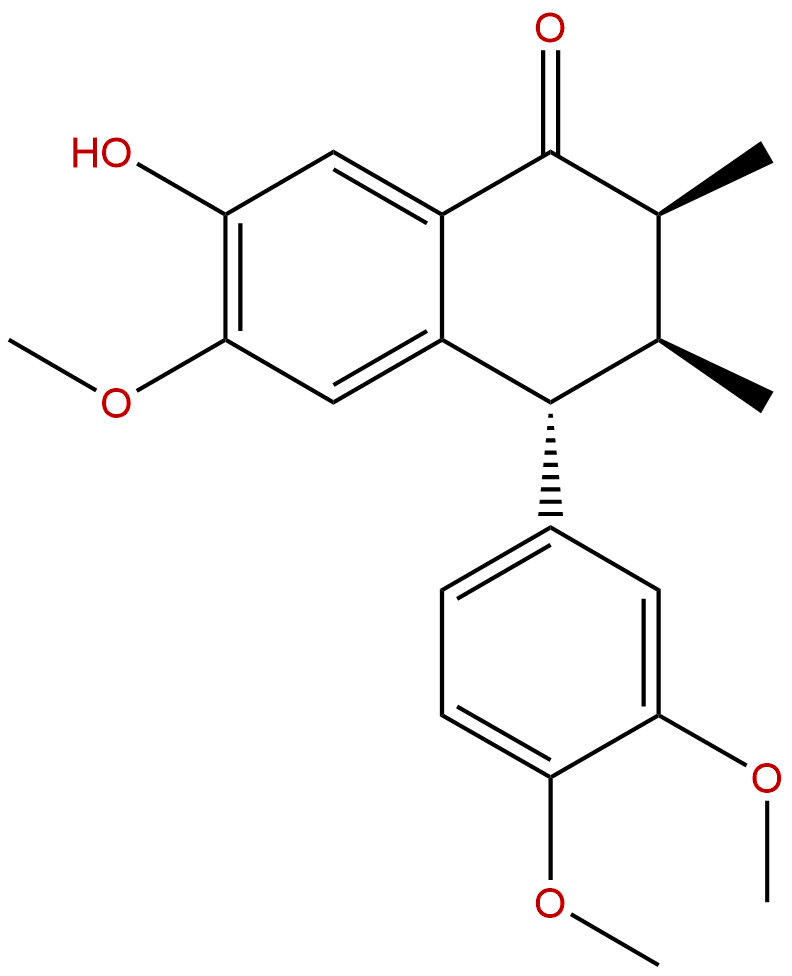
Schisandrone is a traditional medicinal plant derived from Schisandrone schisandra(Schisandra chinensis)Separated from dried and ripe fruits 4-aryltetrahydrofuran lignan Natural products. Its CAS number is 98619-25-1, molecular formula is C21H24O5, and molecular weight is 356.4180 g/mol. As one of the important active ingredients in Schisandra chinensis, schisandrin not only inherits the traditional medicinal value of Schisandra chinensis's "tonifying qi, generating fluids, tonifying kidney and calming heart", but also exhibits various biological activities in modern pharmacological research, especially in neuroprotection and anti-infection The field is highly concerned.
In recent years, with the deepening of research on neurodegenerative diseases (such as Alzheimer's disease) and drug-resistant bacterial infections (such as methicillin-resistant Staphylococcus aureus, MRSA), natural products have become an important source of new drug development due to their structural diversity and multi-target effects. The research on schisandrin is being conducted in this context. Existing research has shown that schisandrin not only has strong antioxidant capacity and can effectively eliminate hydroxyl radicals and superoxide anions, but also exerts neuroprotective effects by regulating multiple key targets such as SIRT1, MAPK1, CREB1, BDNF, NGF, etc. Meanwhile, it can also inhibit the key virulence factor alpha hemolysin (Hla) of Staphylococcus aureus, making it a potential inhibitor against MRSA pneumonia. These findings reveal the enormous potential of schisandrin as a lead compound in the development of treatments for neurodegenerative diseases and novel anti infective drugs. This article will provide a systematic and professional interpretation of this natural compound from its chemical structure, pharmacological activity, mechanism of action, and medicinal properties.
2. Chemical structure and physicochemical properties
The chemical structure of schisandrin belongs to the 4-aryltetrahydrofuran type lignans in the lignan class of compounds. The SMILES string is:COc1cc2c(cc1O)C(=O)[C@@H](C)[C@@H](C)[C@@H]2c1ccc(OC)c(OC)c1From this string, its structural features can be inferred: the molecule contains a tetrahydrofuran ring (composed of a C2-C3 bond and an oxygen atom), connected by two aromatic rings (one benzene ring has methoxy and hydroxyl groups, and the other benzene ring has two methoxy groups), and contains a ketone carbonyl group (C=O). Within the structure[C@@H]The annotation indicates that the molecule exists Chiral center It has a specific stereoconfiguration, which is crucial for its recognition and binding activity with biological targets.
Based on the analysis of the provided pharmacological parameters, the physicochemical properties of Schisandrin are as follows:
- Molecular weight (MW):356.4180 g/mol, Slightly higher than conventional small molecule drugs (usually<500 Da), but still within an acceptable range.
- Lipid water partition coefficient (LogP/LogD)LogP is 3.7495 and LogD is 3.7435. This indicates that schisandrin has Moderate to high lipophilicity It is beneficial for it to penetrate the cell membrane, but it may also affect its water solubility.
- Water solubility Only 0.0198 (usually measured in mg/mL or mol/L, not specified here, but the value is extremely low) confirms its poor hydrophilicity, which is consistent with a higher LogP value.
- Topological Polarity Surface Area (TPSA): 64.990 Å ². TPSA is an important parameter for predicting molecular permeability and oral absorption. Generally, compounds with TPSA<140 Å ² have good intestinal absorption. The TPSA of schisandrin is much lower than this threshold, indicating its good membrane permeability potential.
- Caco-2 permeability: 18.6028 (estimated unit to be 10 ⁻⁶ cm/s). The Caco-2 cell model is commonly used to simulate intestinal absorption. This high value indicates that schisandrin may have good passive diffusion and absorption ability in the intestine.
- Blood-brain barrier permeability (BBB)Annotated as' high '. This is closely related to its lipophilicity (LogP~3.75) and moderate TPSA, which enable it to exert its potential Central nervous system protective effect The key physical foundation enables it to effectively enter brain tissue and act on targets.
Overall, the chemical structure of schisandrin endows it with certain lipophilicity and good membrane permeability, especially excellent blood-brain barrier penetration ability, providing favorable physicochemical conditions for its development as a neuroprotective agent.
3. Plant sources and traditional applications
The plant source of schisandrin is single and clear, that is schisandra(Schisandra chinensis (Turcz.) Baill.), Belonging to the Schisandraceae family. Schisandra chinensis is mainly distributed in Northeast China, North China, South Korea, Japan, and the Far East of Russia. Its dried and ripe fruit is called "Schisandra chinensis" and is a famous traditional Chinese medicine with a long history.
In traditional Chinese medicine theory, Schisandra chinensis is named after its unique "five flavors" of sour flesh, hard core, and overall saltiness, which are associated with the lung, heart, and kidney meridians. Its traditional functions mainly include Converge astringency, nourish qi and produce fluids, nourish the kidneys and calm the heart It is commonly used to treat symptoms such as chronic cough, shortness of breath, nocturnal emission, frequent enuresis, persistent diarrhea, self sweating and night sweats, thirst caused by fluid damage, internal heat quenching, palpitations and insomnia. These effects are recorded in many classic medical books such as the "Shennong Bencao Jing" and the "Compendium of Materia Medica". Schisandra chinensis is listed as a top-grade herb, believed to be able to "nourish qi, cough and reverse qi, reduce fatigue and thinness, supplement deficiencies, strengthen yin, and benefit male essence".
Modern plant chemistry research has confirmed that Schisandra chinensis fruit is rich in various bioactive components, mainly including Lignans(such as schisandrin A, schisandrin ester A, schisandrin ketone, etc.), volatile oils, organic acids, polysaccharides, and vitamins. Among them, lignans are considered as the main material basis for the pharmacological effects of Schisandra chinensis, such as "tonifying the kidneys, calming the nerves, and protecting the liver". As a member of this group, although the content of schisandrin may not be as high as major lignans such as schisandrin A, its unique chemical structure and significant multi-target biological activity make it one of the modern scientific bases for explaining the neuroprotective effects of schisandrin, bridging the gap between traditional applications and modern pharmacological research.
4. Pharmacological activity and mechanism of action
Schisandrin has a wide range of pharmacological activities, and existing research mainly focuses on it neuroprotection and Toxicity against Staphylococcus aureus There are two aspects, and its mechanism of action is closely related to multiple key biological targets.
4.1 Neuroprotective effect and its multi-target mechanism
Neuroprotection is the core activity of Schisandrin that has received the most attention. Its mechanism of action is not through a single pathway, but involves multiple levels such as antioxidant, anti-inflammatory, inhibition of tau protein hyperphosphorylation, and regulation of neurotrophic factors, forming a synergistic network.
-
Powerful antioxidant and anti-inflammatory effects Schisandrin can effectively eliminate hydroxyl radicals and superoxide anions, and alleviate the damage of reactive oxygen species (ROS) stress to cells. In the Alzheimer's disease (AD) model, it can inhibit oxidative stress and inflammatory response induced by β - amyloid protein (A β). Its anti-inflammatory effect and impact Nuclear factor kappa B (NF - κ B) signaling pathway of NF - κ B is a key transcription factor that regulates the expression of inflammatory factors. Schisandrin inhibits its activation, thereby downregulating the production of downstream pro-inflammatory mediators and reducing neuroinflammation.
-
Regulating tau protein phosphorylation Abnormal hyperphosphorylation of tau protein is the main cause of neurofibrillary tangles (NFTs) formation in AD brains. Research has shown that schisandrin can significantly reduce the phosphorylation levels of tau protein at Ser396 and Ser262 sites. The phosphorylation of these two sites is closely related to the loss and aggregation of tau protein microtubule binding ability. The effect of schisandrin may be achieved by regulating related protein kinases (such as GSK-3 β) and phosphatase systems, thereby alleviating neuronal damage caused by it.
-
Acting on key neuroprotective target networks The database information reveals that schisandrin is associated with five important targets:
- SIRT1 A NAD+- dependent deacetylase involved in energy metabolism, stress resistance, and cell survival. Activation of SIRT1 can promote autophagy, reduce oxidative damage, inhibit inflammation, and may affect tau protein and memory related transcription factors (such as CREB) through deacetylation, making it an important neuroprotective target.
- MAPK1(ERK2)Extracellular signal regulated kinase is a core member of the MAPK signaling pathway. Moderate activation of ERK signaling is crucial for neuronal survival, synaptic plasticity, and learning and memory. Schisandrin may affect downstream transcription and cellular function by regulating the ERK pathway.
- CREB1 CAMP response element binding protein is a key transcription factor in the process of learning and memory. After phosphorylation activation, it can activate a series of genes related to neuronal survival, synaptic plasticity, and expression of neurotrophic factors (such as BDNF).
- BDNF (brain-derived neurotrophic factor) and NGF (nerve growth factor)Both are important neurotrophic factors that are indispensable for the growth, differentiation, survival, and maintenance of synaptic function of neurons. BDNF is particularly highly expressed in brain regions related to learning and memory, such as the hippocampus.
Mechanism integration Schisandrin may activate CREB1 by directly or indirectly acting on upstream targets such as SIRT1 and MAPK1. Activated CREB1 enters the nucleus, promoting transcription and expression of neurotrophic factor genes such as BDNF and NGF. The increased BDNF/NGF can activate downstream survival promoting pathways such as PI3K/Akt and MAPK/ERK through its receptors (such as TrkB), forming a positive feedback loop to jointly resist oxidative stress and inflammation, promote neuronal survival and functional repair, and may indirectly regulate tau protein phosphorylation balance. This multi-target, networked mode of action is precisely the advantage of natural products in treating complex multifactorial diseases such as AD.
4.2 Toxicity effect against Staphylococcus aureus
In addition to neuroprotection, schisandrin has also been found to be a potential Anti virulence factor Medication. It can inhibit the key virulence factor secreted by Staphylococcus aureus (including MRSA) - alpha hemolysin (Hla). Hla can form pores on the host cell membrane, leading to cell lysis, which is the key to bacterial pathogenicity.
- mechanism of action Schisandrin does not directly kill bacteria, but rather through Downregulate the transcription levels of HLA genes, agrA genes, and RNAIII To make an impact. The agr (auxiliary gene regulatory subunit) system is the core system for quorum sensing and virulence regulation of Staphylococcus aureus. AgrA is a transcription activator that responds to self induced peptides and promotes the expression of RNAIII (the main virulence effector molecule), thereby upregulating the production of virulence factors such as Hla. Schisandrin interferes with this regulatory pathway, thereby reducing the pathogenicity of bacteria without applying survival selection pressure. This provides a new strategy for treating MRSA infections, especially pneumonia, and may help reduce the development of antibiotic resistance.
5. Evaluation of drug properties
Based on the provided pharmacological parameters, we can conduct a preliminary evaluation of the potential of Schisandrin as a candidate drug and combine it with Lipinski's Five Rules(Rule of Five, Ro5) for analysis. Ro5 is an empirical rule for evaluating the oral bioavailability of small molecules, typically requiring: molecular weight<500, number of hydrogen bond donors<5, number of hydrogen bond acceptors<10, LogP < 5。
-
Lipinski Five Rule Compliance:
- Molecular weight (MW)356.4180 (<500), compliant.
- LogP 3.7495 (<5), compliant.
- Hydrogen bond donor (HBD)From the molecular formula C21H24O5 and structure, only one phenolic hydroxyl group (- OH) may serve as a strong hydrogen bond donor, with a quantity far less than 5, which is consistent.
- Hydrogen bond acceptor (HBA)There are 5 oxygen atoms in the molecule (2 methoxy-OCH3 oxygen, 1 phenolic hydroxyl oxygen, 1 carbonyl oxygen, 1 tetrahydrofuran cyclic ether oxygen), all of which can serve as hydrogen bond acceptors, with a quantity of 5 (<10).
- Conclusion Schisandrin fully conforms to Lipinski's five rules, indicating that it has good properties Oral absorption potential。
-
Absorption, distribution, metabolism, excretion (ADME) related parameters:
- absorb The high Caco-2 permeability (18.6028) and moderate Peff value (8.2034, speculated to be the effective permeability coefficient × 10 ⁻⁴ cm/s) both support its good intestinal absorption characteristics.
- distribution High BBB permeability is its use as a therapeutic drug for central nervous system diseases competitive advantage High plasma protein binding rate (PPB: 90.33%) means that it mainly exists in a bound form in the blood, which may affect the concentration and distribution volume of free drugs, and the relationship between efficacy and dosage needs to be considered.
- Metabolism and toxicity:
- Ames test The result is 0.0 (usually negative), indicating no mutagenicity.
- HERG inhibition Annotated as' No 'indicates a low risk of inhibition of cardiac potassium channels (hERG) and a low potential risk of cardiac toxicity.
- chromosome aberration Marked as' Yes', this is a Signals that require high vigilance This indicates that under specific experimental conditions, schisandrin may cause genetic damage, which will be a key safety issue that must be thoroughly evaluated and addressed in its drug development process.
- Respiratory sensitization (Resp_Sens)Annotated as' Yes', it indicates a possible risk of inducing respiratory allergic reactions.
- Liver and kidney function indicators (Ser_LK, etc.)All are 'no', indicating that no significant liver or kidney function abnormalities were observed under the testing conditions.
-
Comprehensive Assessment:
Schisandrin in Oral absorption, brain targeting It exhibits significant advantages in this regard, fully complies with the basic rules of drug likeness, and has no obvious warning of cardiac toxicity (hERG) and mutagenicity (Ames), which lays a good foundation for its development as an oral neuroprotective drug. However,Chromosomal aberration positive And potential Respiratory sensitization It is a major obstacle on its path to becoming a medicine. These toxic signals may be related to certain active groups or metabolites in their chemical structure, and need to be addressed in subsequent research Structural modification(such as synthesizing derivatives) to reduce toxicity while retaining or enhancing its pharmacological activity. In addition, high plasma protein binding rate may also affect its pharmacokinetics.
6. Research Status and Application Prospects
At present, research on schisandrin is still ongoing Preclinical stage Mainly focused on activity discovery, mechanism exploration, and preliminary pharmacological evaluation. The existing research has clearly depicted its dual potential as a multi-target neuroprotective agent and a novel antiviral antibacterial agent.
Summary Schisandrin is a natural product with great research value. It is like a multi toothed key, with the potential to simultaneously unlock multiple key lockholes in neuroprotection and anti infection treatment. Although safety issues such as chromosomal toxicity pose challenges for development, this is precisely the link that modern pharmaceutical chemistry and toxicology can focus on addressing. Through continuous and in-depth scientific research and technological innovation, schisandrin and its derivatives are expected to develop into new drugs for treating neurodegenerative diseases or assisting in anti infection treatment in the future, benefiting human health.