Introduction/Overview
Natural products, as an important source of drug discovery, play an irreplaceable role in the long history of human struggle against diseases. From ancient plant medicines to modern molecular medicines, the chemical diversity inherent in nature provides abundant lead compounds for treating various diseases. In the field of mental and neurological disorders, especially in the treatment of anxiety disorders, although existing drugs such as benzodiazepines and selective serotonin reuptake inhibitors (SSRIs) have been widely used, there are still limitations such as dependence, side effects, and slow onset of action. Therefore, exploring natural anti anxiety active molecules with new mechanisms of action and high efficiency and low toxicity has become a current research hotspot.
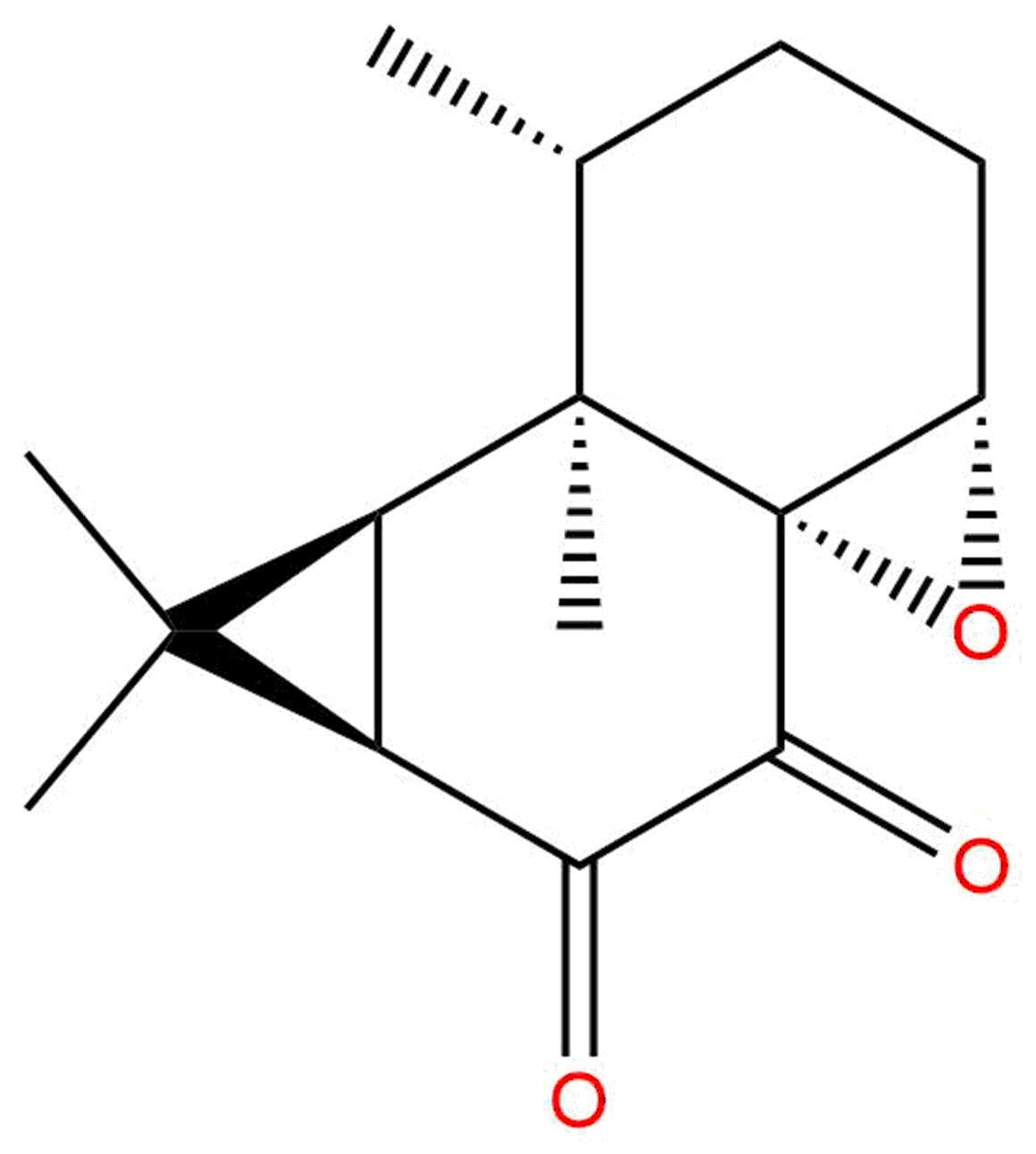
Kanshone C, as a traditional medicinal plant derived from the plant Gansong(Nardostachys chinensis The sesquiterpenes isolated from Batal. roots have attracted much attention in recent years due to their significant neuropharmacological activities. Gansong has a long history in traditional Chinese medicine theory and is commonly used to treat abdominal distension, headache, hysteria, etc. Its effects of "regulating qi and relieving pain, opening up depression and awakening the spleen" coincide with the treatment needs of anti anxiety and anti depression in modern medicine. The discovery of Gansongketone C provides a key molecular basis for elucidating the traditional pharmacological effects of Gansongong. This compound not only exhibits clear anti anxiety activity, but its mechanism of action also involves multiple classical neurotransmitter systems closely related to emotion regulation, such as the serotonergic, dopaminergic, and gamma aminobutyric acid (GABA) systems. In addition, its excellent pharmacokinetic parameters, especially high blood-brain barrier permeability and low toxicity prediction, make it a candidate molecule with great potential for development. This article will provide a systematic review of the research progress of Gansongxiangketone C from the aspects of chemical structure, plant origin, pharmacological activity, mechanism of action, pharmacological evaluation, and clinical application prospects, in order to provide reference for the in-depth research and development of this compound.
Chemical structure and physicochemical properties
Kanshone C belongs to the sesquiterpene class of compounds, and its chemical structure has typical terpenoid skeleton characteristics. Sesquiterpenes are fifteen carbon compounds (C ₁₅ H ₂₄) composed of three isoprene units (C ₅), widely present in nature, with diverse structures and rich biological activities. The specific structure of Gansongketone C is a bicyclic or tricyclic sesquiterpene containing ketone and hydroxyl functional groups. Its precise planar structure and stereoconfiguration have been confirmed by modern spectroscopic techniques such as nuclear magnetic resonance (NMR) and mass spectrometry (MS). The carbonyl (C=O) and hydroxyl (- OH) groups in the molecule are key pharmacophores that exert biological activity and may participate in hydrogen bonding interactions with target proteins.
From the perspective of physicochemical properties, the molecular weight of Gansongxiangketone C is 248.3220 g/mol, belonging to the category of small molecule compounds, which lays the foundation for its good biofilm permeability. The coefficient of lipid water partition (LogP) is 2.7533, indicating that the compound has moderate lipophilicity. According to the Lipinski Five Rules, a LogP value less than 5 is one of the prerequisites for good absorption of oral drugs, and a LogP value of 2.75 suggests that Gansongxiang Ketone C is easily able to penetrate biological membranes, including the blood-brain barrier (BBB). Its topological polar surface area (TPSA) is 46.67 Å ², far below the recommended upper limit of 140 Å ² for oral medications. TPSA reflects the ability of molecules to form hydrogen bonds, and a lower TPSA value further supports their high membrane permeability, especially for drugs that need to penetrate the blood-brain barrier to enter the central nervous system to exert their effects. This is an extremely favorable parameter. In terms of water solubility, the predicted value is 0.1664 mg/mL, which belongs to the category of slight solubility. Although its water solubility is not optimal, moderate lipid solubility is sufficient to ensure its absorption and distribution in the body, while its slightly soluble properties may also facilitate its binding with lipid bilayers and membrane proteins. Of particular importance is that drug prediction shows that Gansongxiangketone C has high blood-brain barrier permeability, which is crucial for the treatment of central nervous system diseases such as anxiety disorders. Meanwhile, hERG inhibition was predicted as' no ', and the Ames test result was 0.0, preliminarily ruling out the high risk of cardiac toxicity and genetic toxicity, demonstrating a good safety profile. These physical and chemical properties collectively outline the basic profile of glycyrrhetine C as an ideal candidate drug for the central nervous system.
Plant sources and extraction methods
Gansongketone C is mainly derived from the plant Gansong in the genus Gansong of the family Valerianaceae(Nardostachys chinensis Dry roots and rhizomes of Batal. Pinus species are mainly distributed in the the Himalayas and high altitude areas in southwest China, such as Sichuan, Yunnan, Xizang and other places. Except for N. chinensis, belonging to the same plant species, Quercus acutissima(Nardostachys jatamansi DC. is also commonly used as a medicinal herb in Gansong, and its chemical composition is related to N. chinensis Similarly, it also contains Gansongxiang ketone C. Gansongxiang herb has a special and rich aroma, and its roots are rich in volatile oils and various terpenoids. Gansongxiang ketone C is one of the important sesquiterpene active ingredients.
The extraction of Gansongxiang ketone C from plant materials usually follows the classic process of natural product chemistry. Firstly, crush the dried roots and stems of Gansong to increase the contact area between the extraction solvent and plant tissue. The extraction method often uses organic solvent extraction, and commonly used solvents include ethanol, methanol, or their mixed aqueous solutions. Due to the lipid solubility of Gansongxiang ketone C, high concentrations of ethanol (such as 95% ethanol) or methanol often achieve higher extraction efficiency. The extraction process is usually carried out at room temperature or under heating reflux conditions, with multiple extractions to ensure adequacy. After filtration and vacuum concentration of the extract, the total extract is obtained.
The total extract contains complex components, including volatile oils, other terpenes, flavonoids, coumarins, and other compounds. Therefore, the separation and purification of Gansongxiang ketone C is a key step in obtaining high-purity monomers. Modern chromatographic technology is the main means of separation and purification. Common methods include:
1. Silica gel column chromatography This is the most classic and widely used method. By utilizing the differences in adsorption capacity of different compounds on silica gel, preliminary separation can be achieved through elution using different polarity eluents (such as petroleum ether ethyl acetate, chloroform methanol gradient systems, etc.). Rosin ketone C is typically found in low to medium polarity fractions.
2. Preparation type high performance liquid chromatography (Prep HPLC)For fractions that still contain impurities after separation by silica gel column chromatography, preparative HPLC can be used for purification. By selecting a reverse phase C18 chromatographic column and using acetonitrile water or methanol water system as the mobile phase, and optimizing the gradient program, it is possible to obtain Gansongxiang ketone C monomer with a purity of over 98%.
3. Other chromatographic techniques: Sephadex gel (LH-20) column chromatography and medium pressure liquid chromatography (MPLC) are also often used for auxiliary separation to remove pigment or further purification.
The extraction and separation process requires real-time monitoring using thin-layer chromatography (TLC) or HPLC to track the target compound. The structure of the final pure Gansongxiangketone C needs to be confirmed by spectroscopic methods such as NMR, MS, infrared spectroscopy (IR), and ultraviolet spectroscopy (UV). In recent years, with the promotion of the concept of green chemistry, new extraction technologies such as supercritical fluid extraction (SFE) and microwave-assisted extraction (MAE) have also been applied to the extraction of active ingredients from Gansong. These methods have the advantages of high efficiency, low solvent consumption, and environmental friendliness, and are expected to be applied in the large-scale preparation of Gansong ketone C in the future.
Pharmacological activity research
The pharmacological activity research of Gansongketone C mainly focuses on its effects on the central nervous system, especially its anti anxiety effect. Multiple in vitro and in vivo experiments have confirmed its significant pharmacological effects.
1. Anti anxiety activity
The anti anxiety activity is the core pharmacological action of Gansongxiangketone C. Classic animal behavioral models are widely used to evaluate their anti anxiety effects. For example, in the Elevated Cross Maze (EPM) experiment, mice injected intraperitoneally or orally with Gansongxiang Ketone C showed a significant increase in their dwell time and number of entries in the open arm, indicating a decrease in their anxiety levels. In the light dark box experiment (LDB), the mice in the treatment group had a prolonged residence time and increased number of shuttles in the open box, further confirming its anti anxiety effect. In addition, in the Vogel Conflict Test (VCT), Gansongxiang Ketone C significantly increased the frequency of drinking water during electric shock punishment, demonstrating its anti anxiety effect similar to benzodiazepines, but may have different mechanisms of action. It is worth noting that compared with traditional anti anxiety drugs such as diazepam, Gansongxiangtong C did not show significant side effects such as sedation, muscle relaxation, or motor coordination disorders at effective doses, suggesting that it may be a safer candidate for anti anxiety drugs.
2. Antidepressant activity
Given the common comorbidity of anxiety and depression, and the fact that some anti anxiety drugs also have anti depressive effects, researchers have also explored the antidepressant potential of glycyrrhetine C. In the mouse tail suspension test (TST) and forced swimming test (FST), Gansongxiang ketone C can significantly shorten the immobility time of animals and exhibit antidepressant like effects. This effect may be related to the regulation of monoamine neurotransmitter levels, but its specific mechanism still needs further investigation.
3. Neuroprotective activity
Preliminary research suggests that Gansongxiangketone C may have neuroprotective effects. In vitro cell models, it can alleviate neuronal damage induced by glutamate or hydrogen peroxide and improve cell survival rate. This protective effect may be related to its antioxidant and anti apoptotic properties, providing potential applications in neurodegenerative diseases such as Alzheimer's disease and Parkinson's disease.
4. Other activities
In addition to the main activities mentioned above, Gansongxiangketone C has also been reported to have anti-inflammatory, analgesic, and antibacterial effects. For example, it can inhibit the production of nitric oxide (NO) and prostaglandin E ₂ (PGE ₂) in macrophages induced by lipopolysaccharide (LPS), demonstrating anti-inflammatory activity. These multiple pharmacological effects make Gansongxiangketone C a natural product with multiple therapeutic potentials.
Mechanism of action and molecular targets
The pharmacological activity of Gansongketone C, especially its anti anxiety effect, is achieved through the synergistic action of multiple targets and pathways. Its mechanism of action involves the regulation of multiple key neurotransmitter systems in the central nervous system, which is highly consistent with the given disease and target information.
1. Regulation of monoamine neurotransmitter system
Monoamine neurotransmitters such as serotonin, dopamine, and norepinephrine play a central role in emotion regulation. The anti anxiety and anti depression effects of Gansongketone C are closely related to regulating the levels of these neurotransmitters.
* MAOA (monoamine oxidase A)MAOA is a key enzyme for degrading monoamine neurotransmitters. Ganrosin ketone C may exert anti anxiety/depression effects by inhibiting the activity of MAOA, reducing the degradation of serotonin, norepinephrine, and dopamine, thereby increasing the concentration of these neurotransmitters in synaptic cleft. This is similar to the mechanism of action of MAOIs class antidepressants, but Gansongxiangketone C may have higher selectivity or fewer side effects.
* SLC6A4 (5-hydroxytryptamine transporter)SLC6A4 is responsible for reuptake of 5-hydroxytryptamine from the synaptic cleft back to presynaptic neurons. Ganrosin ketone C may increase the level of serotonin in synaptic cleft by inhibiting the function of SLC6A4, which is consistent with the mechanism of action of SSRIs drugs.
* HTR2A (5-hydroxytryptamine 2A receptor) and HTR1A (5-hydroxytryptamine 1A receptor)Serotonin functions by acting on multiple receptor subtypes. The activation of HTR1A receptors, especially presynaptic self receptors, can inhibit the release of serotonin, while postsynaptic activation of HTR1A receptors produces anti anxiety effects. The activation of HTR2A receptors is associated with anxiety and excitement. Ganrosin ketone C may act as a partial agonist of HTR1A receptors or an antagonist of HTR2A receptors, thereby finely regulating 5-hydroxytryptamine neurotransmission and producing anti anxiety effects.
* DRD2 (dopamine D2 receptor)The dopamine system is also involved in regulating emotions and rewards. Ganrosin ketone C may affect the dopaminergic pathway by regulating the activity of DRD2 receptors, which is related to its antidepressant and potential antipsychotic like effects.
2. Regulation of the GABAergic system
GABA is the most important inhibitory neurotransmitter in the central nervous system. Benzodiazepines exert their anti anxiety and sedative effects by enhancing the binding of GABA and GABAA receptors.
* GABRA1 (GABAA receptor alpha 1 subunit), GABRB2 (GABAA receptor beta 2 subunit), GABRG2 (GABAA receptor gamma 2 subunit)Gansongxiangketone C may directly or indirectly act on GABAA receptor complexes. It may act as a positive allosteric modulator, enhancing the binding of GABA to receptors, increasing the frequency of chloride channel opening, and thus enhancing inhibitory neurotransmission. Unlike benzodiazepines, Gansongxiangketone C may act on different binding sites or selectively target GABAA receptors containing specific subunits (such as α 2/α 3 subunits), which may explain its lack of significant sedative and muscle relaxant side effects while producing anti anxiety effects.
3. Effects on neurotrophic factors and transcription factors
* BDNF (brain-derived neurotrophic factor)BDNF plays a crucial role in neuronal survival, synaptic plasticity, and neurogenesis, and its downregulation is closely related to the pathophysiological processes of anxiety and depression. Ganrosin ketone C may promote neuroplasticity in emotion related brain regions such as the hippocampus and prefrontal cortex by upregulating BDNF expression, resulting in long-lasting anti anxiety/depression effects.
* CREB1 (cAMP response element binding protein 1)CREB is an important transcription factor that serves as a convergence point for various signaling pathways, such as cAMP PKA, CaMK, and MAPK. The expression of BDNF is regulated by CREB. Ganrosin ketone C may activate upstream signaling pathways, promote phosphorylation of CREB, and initiate transcription of target genes such as BDNF, forming a complete signal chain from cell surface receptors to gene expression regulation.
In summary, the anti anxiety effect of Gansongxiangketone C is not caused by a single target, but by simultaneously acting on MAOA, SLC6A4, 5-HT receptors, dopamine receptors, GABAA receptors, and upregulating the BDNF CREB pathway, forming a complex network regulatory mechanism. This multi-target mode of action may be superior to single target drugs in terms of efficacy, with fewer side effects, reflecting the characteristic of natural products' multi-target and multi pathway effects.
Evaluation of drug properties and pharmacokinetics
Based on the aforementioned physicochemical properties and pharmacological activity, Gansongxiangketone C exhibits good potential for medicinal properties. Its small molecular weight, moderate LogP, and low TPSA comply with the Lipinski Five Rules, indicating good oral bioavailability and membrane permeability. Especially its high blood-brain barrier permeability is its core advantage in the development of central nervous system drugs. In addition, the negative results of hERG inhibition and Ames test have preliminarily ruled out the risk of serious cardiac toxicity and genetic toxicity, indicating a high safety threshold.
However, the evaluation of drug properties not only relies on static physicochemical parameters, but also on dynamic pharmacokinetic (ADME) characteristics. At present, the pharmacokinetic studies of Gansongxiangketone C in vivo are not sufficient, but some reasonable inferences can be made based on its physicochemical properties:
* Absorption Its moderate lipid solubility and small molecular weight are beneficial for oral absorption. However, the slightly soluble water solubility may become the rate limiting step for absorption, and formulation techniques such as solid dispersions, nanoemulsions, etc. are expected to improve their solubility and bioavailability.
* Distribution High blood-brain barrier permeability enables it to effectively enter the central nervous system and reach therapeutic concentrations in brain tissue. Meanwhile, it may also be widely distributed in other organizations.
* Metabolism As an exogenous small molecule, Gansongxiang ketone C is likely to undergo oxidation, reduction, or binding reactions in the liver through the cytochrome P450 enzyme system (CYP450). The hydroxyl and ketone groups in its molecule are potential metabolic sites. The activity and toxicity of metabolites need further research.
* Excretion Metabolites may be excreted from the body through the kidneys (urine) or bile (feces).
In the future, systematic pharmacokinetic studies are needed, including blood concentration time curves after oral administration, bioavailability, tissue distribution, metabolic pathways, and excretion modes. These data are crucial for determining dosing regimens, predicting drug interactions, and evaluating potential toxicity. In addition, although the preliminary toxicity prediction is good, a systematic in vivo toxicological evaluation is still needed, including acute toxicity, long-term toxicity, reproductive toxicity, and neurotoxicity, to comprehensively assess its safety.
Clinical application prospects and prospects
Ganrosin ketone C, as a natural active molecule derived from traditional Chinese medicine, has shown promising clinical application prospects in the treatment of anxiety disorders and related mental illnesses.
1. Development of new anti anxiety drugs
Given its clear anti anxiety activity, unique multi-target mechanism of action, and initially demonstrated good safety (without side effects such as sedation and muscle relaxation), Gansongxiangketone C is expected to be developed as a new and safer anti anxiety drug. It may be particularly suitable for patients who are dependent on or unable to tolerate the side effects of traditional benzodiazepines. Its mechanism of action involves multiple systems such as 5-HT and GABA, which may provide a more balanced and comprehensive anti anxiety effect.
2. Treatment of comorbidity of anxiety and depression
The high comorbidity rate of anxiety and depression is a difficult point in clinical treatment. Ganrosin ketone C has dual activities of anti anxiety and anti depression, which may give it unique advantages in treating comorbid patients. By upregulating neurotrophic factors such as BDNF, it may not only alleviate symptoms but also promote nerve repair, achieving more fundamental treatment.
3. Functional foods or health supplements
Based on its preliminary safety assessment, Gansongxiangketone C or its extract rich in this ingredient has the potential to be developed into a functional food or health product for relieving stress and improving emotions. This meets the current demand for natural, safe, and effective emotional regulation products.
4. Challenges faced and future research directions
Despite the bright prospects, the clinical translation of Gansongxiangketone C still faces many challenges:
* Source issue At present, it mainly relies on plant extraction, with low yield and high cost. In the future, it is necessary to develop efficient chemical or biological synthesis methods to meet the needs of large-scale production and clinical research.
* Pharmacokinetic optimization Poor water solubility and potential metabolic instability are common obstacles in the development of oral medications. It is necessary to improve its pharmacokinetic properties through prodrug design, new formulation technology, and other means.
* In depth mechanism research Although multiple targets have been identified, their precise binding patterns, signaling pathway networks, and synergistic mechanisms between different targets still need further clarification. Especially its specific binding sites and subunit selectivity on GABAA receptors are the key to explaining its unique pharmacological spectrum.
* Toxicological evaluation of the system A comprehensive preclinical safety evaluation is required, including long-term toxicity, reproductive toxicity, neurotoxicity, and effects on CYP450 enzymes, to assess the risk of drug interactions.
* clinical trial Ultimately, it is necessary to validate its efficacy, safety, and optimal dosage in humans through rigorously designed clinical trials.
Conclusion
Gansongxiangketone C, a sesquiterpene compound derived from the traditional Chinese medicine Gansong, has become a remarkable new star in the field of natural product drug development due to its unique chemical structure, clear anti anxiety activity, multi-target mechanism of action, and good preliminary evaluation of medicinal properties. It not only provides valuable lead compounds for modern medicinal chemistry, but also provides powerful tools for a deeper understanding of the scientific connotation of traditional Chinese medicine. The process of Gansongxiang Ketone C, from ancient plant medicine to modern candidate drugs, vividly illustrates the core value of natural products in innovative drug discovery.
Although the road from laboratory to clinical translation is still long and challenging, the enormous potential demonstrated by Gansongxiangketone C, especially in developing safer and more effective anti anxiety drugs, deserves more research resources. Future research should focus on addressing its source issues, optimizing pharmacokinetic properties, elucidating precise mechanisms of action, and ultimately verifying its value through rigorous clinical evaluation. We have reason to believe that with the continuous deepening of research, Gansongxiang ketone C and its derivatives are expected to bring new treatment options to billions of anxiety patients worldwide in the future, and contribute to the cause of human health.