Introduction/Overview
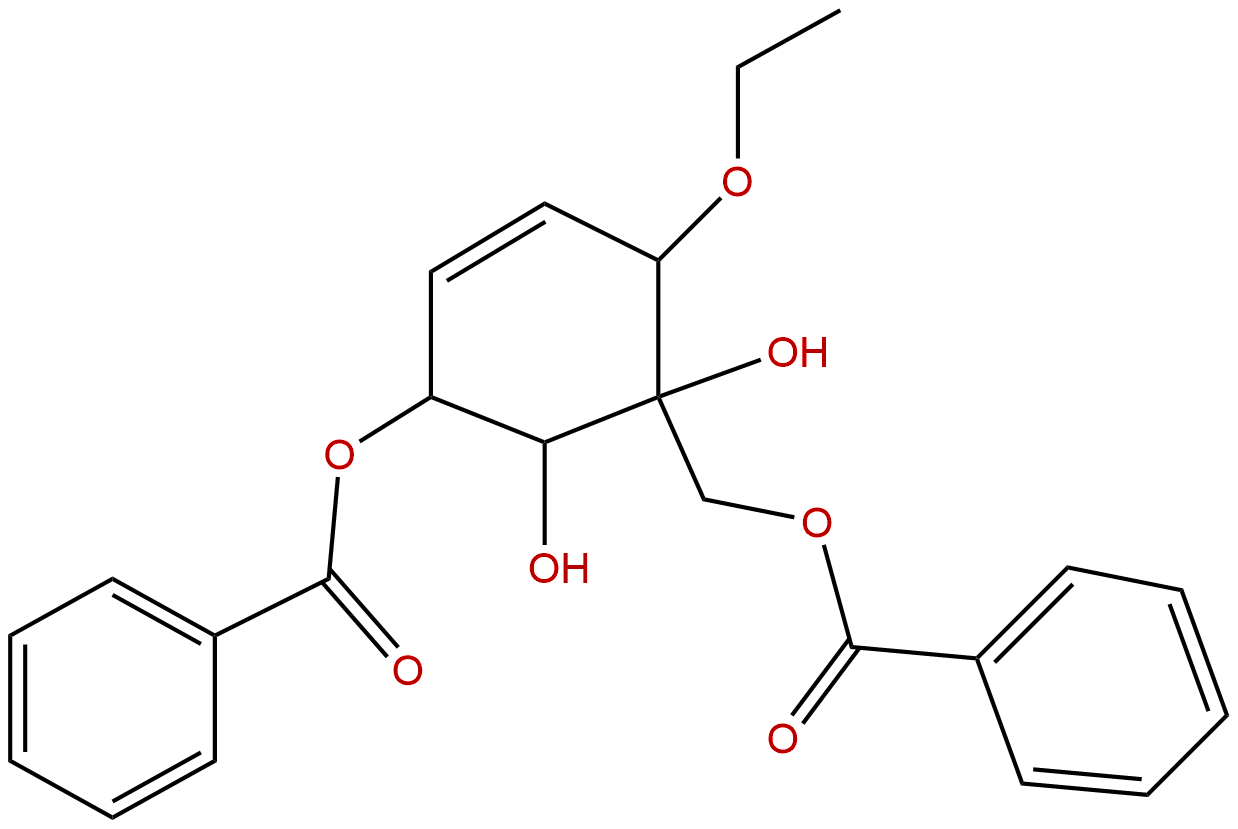
Natural products have always been an important source of innovative drug discovery, and their structural diversity and wide range of biological activities provide valuable lead compounds for the treatment of various diseases, especially malignant tumors. The plants of the purple jade plate genus in the Annonaceae family have a long history of application in traditional medicine, and modern pharmacological studies have confirmed that they are rich in various epoxidized cyclohexene compounds with significant biological activity. Da Hua Zi Yu Pan Chun C is derived from this genus of plants Uvaria boniana A representative polycyclohexene compound isolated from Finet. Since its structure was identified, it has attracted much attention due to its strong anti-tumor potential demonstrated in vitro and in vivo models. Its unique chemical structure enables it to interact with multiple key tumor development related targets, including key proteins that regulate processes such as cell apoptosis, signal transduction, angiogenesis, and cell cycle. This article aims to provide a systematic review of the chemical properties, plant sources, pharmacological activities, mechanism of action, pharmacological evaluation, and development prospects of Dahua Ziyupanol C as a candidate anti-tumor drug, in order to provide comprehensive academic references for the in-depth research and translational application of this compound.
Chemical structure and physicochemical properties
The chemical name of Dahua Purple Jade Pan Alcohol C is (1R, 2S, 3S, 4R, 5S, 6S) -2,3,4,5-tetrahydroxy-6- (6-methylhept-5-en-2-yl) cyclohex-1-en-1-carboxylic acid, and its CAS registration number is 172104-04-0. Structurally, it is a highly oxidized cyclohexene derivative with a core of a six membered ring containing one double bond, one carboxyl group, and four hydroxyl groups, forming a highly functional and polar skeleton. The side chain is a 6-methylhept-5-en-2-yl group with a double bond, and the presence of this hydrophobic chain contributes significantly to the overall lipophilicity of the molecule.
Its molecular weight is 412.4380 g/mol. The calculated LogP value of the lipid water partition coefficient is 2.5139, indicating that the compound has moderate lipophilicity, which is beneficial for its penetration of cell membranes but may also affect its water solubility. Its topological polar surface area (TPSA) is 102.29 Å ², reflecting the high polarity brought by multiple hydroxyl and carboxyl groups in the molecule. The predicted water solubility value is relatively low, about 0.0552 mg/mL, indicating that its solubility in pure water may be limited, which needs to be considered in formulation development. It is worth noting that its blood-brain barrier (BBB) penetration is predicted to be "high", indicating that it may enter the central nervous system, which may be a potential advantage for treating brain tumors or metastases, but may also pose a risk assessment need for central neurotoxicity. In early safety screening, Da Hua Zi Yu Pan Chun C did not show significant hERG potassium channel inhibitory activity (predicted as' no '), which reduced its risk of inducing QT interval prolongation and apical torsion type ventricular tachycardia. In addition, its Ames test predicted a value of 0.0, indicating that it may not have direct genetic toxicity, providing preliminary safety signals for subsequent development.
Plant sources and extraction methods
Da Hua Zi Yu Pan Chun C mainly comes from plants in the genus Zi Yu Pan of the family Annonaceae Uvaria boniana Finet.'s stem. This plant is mainly distributed in Southeast Asia and is often used in folk medicine to treat inflammation and related diseases. The extraction of natural active ingredients is usually carried out using organic solvent extraction method. The classic extraction process is as follows: first, the dried plant stem material is crushed, and then extracted with polar solvents such as methanol or ethanol at room temperature or under heating conditions. After merging the extracts, the crude extract was obtained by vacuum concentration.
Subsequently, the crude extract was subdivided using separation and purification strategies guided by activity tracking or chemical screening. The liquid-liquid distribution method is commonly used to extract crude extracts using solvents such as petroleum ether, ethyl acetate, and n-butanol in sequence. Due to its polarity and structural characteristics, Dahua Purple Jade Disk Alcohol C is usually enriched in the ethyl acetate extraction site. Further purification depends on various chromatographic techniques, including silica gel column chromatography, reverse phase silica gel column chromatography (such as ODS), dextran gel column chromatography (such as Sephadex LH-20), and high-performance liquid chromatography. By comparing the nuclear magnetic resonance spectra, mass spectrometry data, and literature reported values of the compound, its chemical structure was ultimately determined. Optimizing extraction and separation processes to improve the yield of target compounds is the foundation for future large-scale pharmacological evaluation and development.
Pharmacological activity research
The most notable pharmacological activity of Dahua Ziyu Panchun C is its extensive anti-tumor effect. A large number of in vitro studies have shown that this compound has significant proliferation inhibitory activity on a variety of human tumor cell lines, including but not limited to breast cancer, liver cancer, lung cancer, colon cancer and leukemia cells. Its half maximal inhibitory concentration is usually at the micromolar or even sub micromolar level, exhibiting strong cytotoxicity or cell growth inhibition ability.
In addition to its direct anti proliferative effect, the study also revealed multiple anti-tumor pharmacological properties of Dahua Ziyupanchun C: 1 Inducing cell apoptosis This compound can effectively induce programmed cell death in tumor cells, manifested as morphological changes, phosphatidylserine eversion, caspase enzyme activation, and DNA fragmentation. two Inhibit cell migration and invasion By affecting the activity of enzymes related to extracellular matrix degradation, Dahua Ziyu Panol C can inhibit the migration and invasion ability of tumor cells, suggesting its potential for anti-tumor metastasis. three Inhibit angiogenesis In an in vitro angiogenesis model, this compound can inhibit the luminal formation of human umbilical vein endothelial cells, indicating that it may cut off the nutritional supply to tumors through anti angiogenic pathways. four Collaborative sensitization effect Some studies suggest that when combined with certain commonly used chemotherapy drugs, Dahua Ziyu Panchun C may produce a synergistic effect and reverse the drug resistance of tumor cells. Although there is relatively little research on anti-tumor effects in vivo, existing animal model experiments have supported its in vitro activity, showing that it can inhibit the growth of transplanted tumors and has acceptable tolerance within a certain dose range.
Mechanism of action and molecular targets
The anti-tumor effect of Dahua Ziyu Panchun C is not achieved through a single pathway, but through a complex multi-target network, which may be related to the multivalent interactions brought about by its multifunctional group structure. At present, various technologies such as molecular docking, surface plasmon resonance, reporter gene detection, and Western blotting have been used to preliminarily verify or predict its interactions with multiple key tumor targets
- Apoptosis regulatory targets Da Hua Zi Yu Pan Chun C has been reported to bind to anti apoptotic proteins MCL1 and BCL2, which may interfere with their interaction with pro apoptotic proteins, thereby relieving inhibition of the mitochondrial apoptosis pathway, promoting cytochrome C release, and ultimately triggering cell apoptosis.
- Signal transduction targets Signal transduction and transcription activator 3 is a core regulatory factor for tumor cell survival, proliferation, and immune escape. Da Hua Zi Yu Pan Chun C can inhibit the phosphorylation of STAT3 and the transcription of downstream target genes, blocking this carcinogenic pathway. Meanwhile, it may also affect the activity of kinases such as MAPK1 and interfere with cell growth signals.
- Extracellular matrix degradation and transfer targets Matrix metalloproteinase-2 is a key enzyme in the process of tumor invasion and metastasis. This compound can inhibit the activity or expression of MMP2, thereby reducing the ability of tumor cells to degrade the basement membrane and extracellular matrix.
- DNA metabolic targets Topoisomerase I and Topoisomerase A are key enzymes involved in DNA replication and transcription, as well as targets for various chemotherapy drugs. Research has shown that Dahua Ziyu Panchun C may cause DNA damage and replication fork arrest, leading to cell death by inhibiting the activity of TOP1 and TOP2A.
- Hypoxia and metabolic adaptation targets Hypoxia inducible factor 1 alpha is a core transcription factor for tumors to adapt to the hypoxic microenvironment, regulating processes such as angiogenesis and glucose metabolism. Inhibiting the stability or transcriptional activity of HIF1A is one of the anti-tumor strategies, and Da Hua Zi Yu Pan Chun C shows regulatory potential in this pathway.
- Hormone related targets For hormone dependent tumors such as breast cancer, targeting estrogen receptor and aromatase is of great significance. The potential interaction of daphnol C with ESR1 and CYP19A1 provides a possible mechanism for its treatment of estrogen receptor positive breast cancer.
This multi-target action characteristic makes it possible for Da Hua Zi Yu Pan Chun C to overcome the problem of drug resistance caused by single target drugs, but it also makes its mechanism of action network more complex and requires more in-depth systems biology research to clarify.
Evaluation of drug properties and pharmacokinetics
Based on its calculated physicochemical parameters and preliminary biological data, a preliminary pharmacological analysis of Dahua Ziyu Panchun C was conducted. Its molecular weight is moderate, and its LogP value is around the ideal range (1-3), indicating that it has good membrane permeability. High TPSA and low water solubility are the main challenges for its pharmaceutical properties, which may require improvement in solubility and bioavailability through formulation techniques such as salt formation, use of solubilizers, nano formulations, etc.
The predicted high blood-brain barrier penetration is a double-edged sword, and its advantages and disadvantages need to be validated in specific disease models. The absence of hERG inhibition and Ames mutagenicity warning are good early safety indicators, but comprehensive toxicological evaluation (such as acute toxicity, long-term toxicity, reproductive toxicity, etc.) still needs to be completed in preclinical studies.
At present, there is a lack of reports on the pharmacokinetic studies of the Dahua Ziyu Panol C system. Future research requires the establishment of sensitive and reliable analytical methods (such as LC-MS/MS) to investigate their absorption, distribution, metabolism, and excretion characteristics in animal models. The key questions include: What is the oral bioavailability? What are the main distribution organs in the body? Is it easy to accumulate in tumor tissue? What CYP450 enzymes are involved in metabolism? What are the main metabolites? Is there any activity or toxicity? How long is the half-life of elimination? These pharmacokinetic parameters will directly affect their dosing regimen design and efficacy. In addition, its binding rate to plasma proteins and metabolic stability in vivo are also important components of drug evaluation.
Clinical application prospects and prospects
Da Hua Zi Yu Pan Chun C, as a natural compound with novel structure and multi-target anti-tumor activity, has shown broad development prospects. Its direct application direction is the development of anti-tumor candidate drugs, especially suitable for malignant tumors that are resistant to existing chemotherapy drugs or have relapsed and metastasized. Due to its multi target nature, it may be effective for tumor types with complex driving gene background (such as triple negative breast cancer, liver cancer, etc.). Its potential anti angiogenic and anti metastatic activity also makes it possible for adjuvant therapy to prevent tumor recurrence and distant metastasis.
In terms of drug development strategy, there are several main directions: 1 Direct drug development Conduct systematic preclinical pharmacological, pharmacokinetic, and toxicological studies on lead compounds, optimize their drug properties, and ultimately push them towards clinical trials. two Structural modification and optimization Based on its parent nucleus structure, reasonable chemical modifications are carried out to improve its activity, selectivity, water solubility, or metabolic stability, reduce potential toxicity, and thus obtain better candidate drugs. three Combination therapy research Exploring its combined application with existing standard therapies (chemotherapy, radiotherapy, targeted therapy, immunotherapy) may produce synergistic effects, improve efficacy, and reduce individual doses to reduce toxic side effects. four Development of new formulations Using nanotechnology (such as liposomes, polymer micelles, nanoparticles) or prodrug strategies to improve their water solubility and targeting, achieving precise delivery and controlled release to tumor sites.
However, there are still many challenges in pushing it from the laboratory to clinical practice: it requires a significant investment of funds to complete a complete preclinical development package; It is necessary to clarify its clear main target and precise molecular mechanism; Need to address potential issues such as rapid metabolism in the body and poor oral absorption; It is necessary to evaluate its long-term safety for use. Future research should focus on filling these knowledge gaps and accelerating their transformation process through interdisciplinary collaboration.
Conclusion
Da Hua Zi Yu Pan Chun C is derived from traditional medicinal plants Uvaria boniana The discovery of natural products of epoxidized cyclohexene with significant anti-tumor potential. Its unique chemical structure endows it with the ability to act on multiple key tumor targets such as MCL1, STAT3, MMP2, TOP1/2A, and exert anti-tumor effects through multiple pathways such as inducing apoptosis, inhibiting proliferation, blocking metastasis, and anti angiogenesis. Preliminary analysis of pharmacological parameters shows that it has the potential to be developed as a central nervous system penetrant drug, with low early safety warnings, but issues such as poor water solubility need to be addressed. Although there is still a lot of work to be done in the in-depth analysis of the mechanism of action, systematic pharmacokinetic evaluation, and preclinical development, Dahua Ziyupanol C is undoubtedly a highly valuable anti-tumor lead compound. With the continuous deepening of research and the application of modern drug development technology, it is expected to add a new multi-target weapon to the anti-tumor drug library, bringing new treatment hope to cancer patients.