4-p-coumaroyl quinic acid: a review of pharmacological activity and pharmacological properties of a natural polyphenolic compound
Introduction/Overview
Natural products, as important sources of lead compounds for drugs, play an irreplaceable role in drug discovery and development. Plant secondary metabolites, especially phenolic compounds, have received sustained attention from researchers due to their wide range of biological activities and relatively low toxicity. Among numerous phenolic acid compounds, hydroxycinnamic acid derivatives have become a research hotspot due to their widespread presence in the plant kingdom and diverse pharmacological activities. 4-p-Coumaroylquinic acid (CAS number: 1108200-72-1), as a typical hydroxycinnamic acid quinic acid ester compound, has gradually entered the field of researchers in recent years.
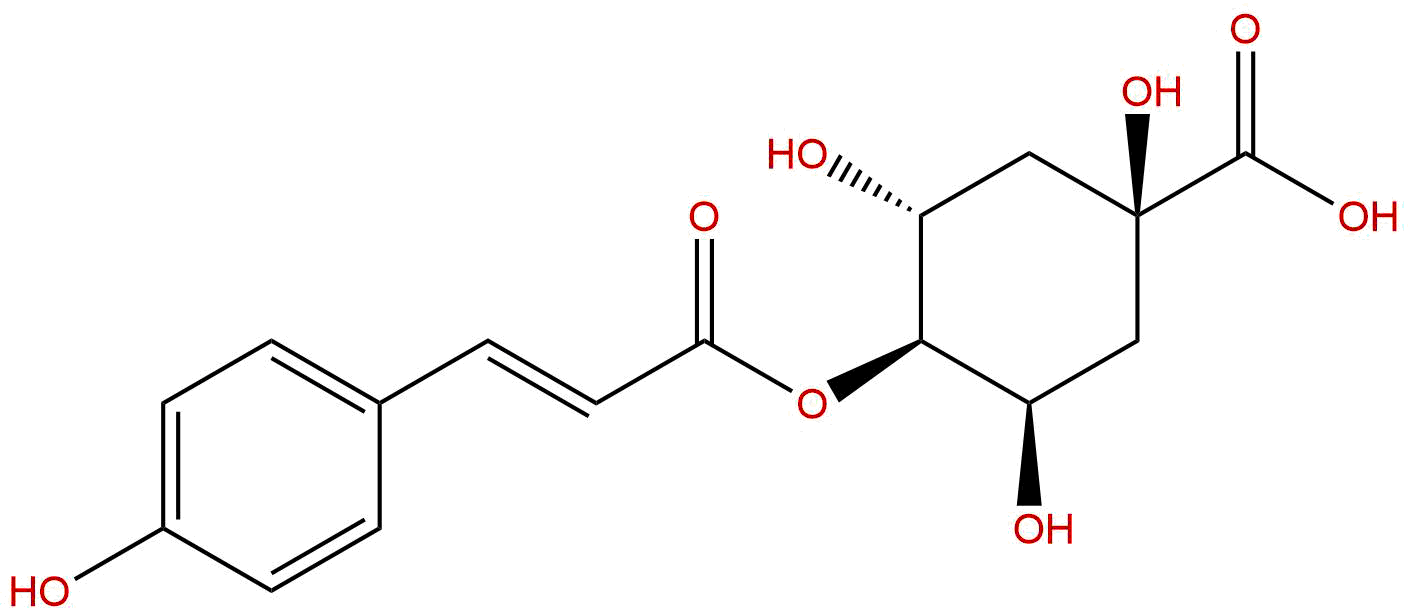
4-p-tocoumaric acid is a cinnamic acid ester compound formed by the condensation of the carboxyl group of 4-coumaric acid and the 4-hydroxy group of (-) - quinic acid through esterification reaction. In terms of chemical classification, it belongs to the complex of cinnamic acid esters and cyclic alcohol carboxylic acids, and is closely related in function to (-) - quinic acid and 4-coumaric acid. As a plant metabolite, 4-p-ocoumaroyl quinic acid is widely present in various medicinal and edible plants, such as coffee plants, Asteraceae plants, and certain fruits.
In recent years, with the deepening understanding of the role of oxidative stress in the pathogenesis of various diseases, natural compounds with antioxidant activity have received increasing attention. 4-p-coumaroyl quinic acid, as a natural polyphenolic compound with potential antioxidant activity, has gradually revealed its pharmacological activities in antioxidant damage, anti-inflammatory, neuroprotective, and other aspects. Especially by regulating the nuclear factor E2 related factor 2 (NFE2L2/NRF2) signaling pathway, it affects the molecular mechanism of downstream antioxidant enzymes such as superoxide dismutase (SOD1, SOD2), catalase (CAT), glutathione peroxidase 1 (GPX1), and heme oxygenase 1 (HMOX1) expression, providing important theoretical basis for the development of new antioxidant drugs.
This article will provide a comprehensive and systematic review of the research progress of 4-p-p-p-changoylquinic acid from the aspects of chemical structure and physicochemical properties, plant sources and extraction methods, pharmacological activity research, mechanism of action and molecular targets, drug evaluation and pharmacokinetics, as well as clinical application prospects, in order to provide reference for the in-depth research and development of this compound.
Chemical structure and physicochemical properties
Chemical structural characteristics
The chemical structure of 4-p-ocoumaroyl quinic acid consists of two parts: the 4-p-ocoumaric acid part and the quinic acid part. 4-coumaric acid is a hydroxycinnamic acid characterized by a hydroxyl substituent at position 4 on the benzene ring and an acrylic acid group on the side chain. Quinic acid is a cyclic alcohol carboxylic acid with a cyclic structure of six carbon atoms, containing four hydroxyl groups and one carboxyl group on the ring. In 4-phenylcoumaric acid, the carboxyl group of 4-phenylcoumaric acid undergoes esterification with the hydroxyl group at the 4-position of quinic acid, forming an ester bond connection.
From the perspective of stereochemistry, naturally occurring (-) - quinic acid has a specific configuration, with hydroxyl groups on the ring located at positions 1, 3, 4, and 5, with the hydroxyl group at position 4 being in the axial position. This specific stereoconfiguration determines the recognition and interaction mode of 4-p-p coumaroyl quinic acid in vivo. The molecular formula of this compound is C16H18O8, with a molecular weight of 338.3120 g/mol.
Physical and chemical property parameters
According to the results of computational chemistry and experimental measurements, 4-p-tocoumaroyl quinic acid has the following key physicochemical properties:
Lipid water partition coefficient (LogP): -0.0710. This negative value indicates that the compound has good water solubility and relatively low lipid solubility. The characteristic of LogP value approaching zero enables it to have a moderate distribution balance between the aqueous and lipid phases, which is beneficial for transport and distribution in organisms.
Topological Polarity Surface Area (TPSA): 144.5200 Å ². TPSA is an important parameter for evaluating the polarity and oral bioavailability of compounds. According to the extended rule of 'Rule of 5', compounds with TPSA greater than 140 Å ² typically have lower oral absorption rates, but also imply higher water solubility and lower membrane permeability. The TPSA value of 4-p coumaroyl quinic acid is relatively high, which is consistent with its structural characteristics of containing multiple polar groups such as hydroxyl and carboxyl groups in its molecule.
Water solubility 3.4059 (LogS). This value indicates that 4-p-p coumaroyl quinic acid has good solubility in water, which provides favorable conditions for its dissolution and transport in organisms.
Blood-brain barrier permeability: Low. This characteristic suggests that the compound is difficult to enter the central nervous system through the blood-brain barrier, which may limit its application in the treatment of neurological diseases, but also reduce the risk of central nervous system toxicity.
HERG inhibition: No. The inhibition of hERG (human Ether - à - go Related Gene) potassium channels is closely related to drug-induced cardiac toxicity. 4-p-coumaroyl quinic acid has no inhibitory effect on hERG channels, indicating a low risk of cardiac toxicity.
Ames test: 0.0. The Ames test is a classic method for detecting the mutagenicity of compounds. The result of 0.0 indicates that the compound did not exhibit mutagenicity in the bacterial recovery mutation test, suggesting a low risk of genetic toxicity.
These physical and chemical properties provide important basis for the pharmacological evaluation of 4-p-tocoumaroyl quinic acid, and also provide guidance for its subsequent drug development strategies.
Plant sources and extraction methods
Plant-based
4-p-coumaroyl quinic acid, as a plant secondary metabolite, is widely distributed in nature. Currently, the plants reported to contain this compound mainly include the following categories:
Coffee plants Coffee beans from Coffea Arabica and Coffea canephora are rich in various quinic acid ester compounds, among which 4-p-tocoumaroyl quinic acid is one of the important components. In coffee beans, this compound coexists with other chlorogenic acid compounds and makes important contributions to the flavor and biological activity of coffee.
Asteraceae plants Many species of Asteraceae plants, such as Echinacea purpurea, Matricaria chamomilla, and Taraxacum officinale, all contain 4-p-p coumaroyl quinic acid. These plants are commonly used in traditional medicine for anti-inflammatory and antioxidant treatments.
Rosaceae plants Some fruits such as apples (Malus domestica), pears (Pyrus communis), and strawberries (Fragaria × ananassa) also contain this compound. In these fruits, 4-p-p-changoylquinic acid usually coexists with other phenolic acid compounds, contributing to the antioxidant activity of the fruit.
Other plants In addition, this compound has also been reported in green tea (Camellia sinensis), honeysuckle (Lonicera japonica), and certain traditional Chinese medicinal herbs.
extraction method
The extraction method of 4-phenylcoumarinic acid is mainly based on its polarity characteristics and chemical stability. Common extraction techniques include:
Solvent extraction method This is the most commonly used extraction method. Due to its good water and alcohol solubility, commonly used extraction solvents include water, methanol, ethanol, and their mixed solvents. Usually, heating reflux extraction or room temperature soaking extraction is used, and the extraction temperature and time need to be optimized according to the characteristics of the plant material. Research has shown that a 50% -70% ethanol aqueous solution has a higher extraction efficiency for this compound.
Ultrasonic assisted extraction Ultrasonic technology destroys plant cell walls through cavitation effect, promotes the release of target compounds, and thus improves extraction efficiency. This method has the advantages of short extraction time, low solvent dosage, and easy operation. Ultrasonic assisted extraction has been proven to be an efficient method for the extraction of 4-polycoumarinic acid.
Microwave assisted extraction Microwave heating can quickly increase the temperature of the extraction system, accelerate the dissolution and diffusion of the target compound. This method is suitable for compounds with good thermal stability, and 4-p-tocoumaroyl quinic acid can maintain good stability under microwave-assisted extraction conditions.
Supercritical fluid extraction Supercritical CO2 extraction is a green extraction technology suitable for extracting thermosensitive compounds. Due to the high polarity of 4-phenylcoumarinic acid, the extraction efficiency using supercritical CO2 alone is relatively low. Therefore, polar modifiers such as methanol or ethanol are usually added to improve the extraction efficiency.
Purification and Separation
The crude extract after extraction contains various impurities, which require further purification to obtain high-purity 4-p-p-changoylquinic acid. Common purification methods include:
Column chromatography Separation of target compounds is achieved through gradient elution using stationary phases such as silica gel, C18 reverse phase silica gel, or polyamide. This method is easy to operate and suitable for laboratory scale preparation.
Preparation type high-performance liquid chromatography By using a C18 reverse phase chromatography column with methanol water or acetonitrile water as the mobile phase, high-purity 4-p-p-changoylquinic acid can be obtained by optimizing the elution conditions. This method has high purity and good reproducibility, but it is costly and suitable for small-scale preparation.
High-speed countercurrent chromatography This is a separation technology based on liquid-liquid distribution principle, which has the advantages of high sample recovery rate and low solvent consumption, and is suitable for the separation and purification of natural products.
Pharmacological activity research
antioxidant activity
Antioxidant activity is one of the most highly regarded pharmacological activities of 4-p-p-changoylquinic acid. Numerous studies have shown that this compound has significant antioxidant capacity and can effectively scavenge various free radicals, including hydroxyl radicals, superoxide anion radicals, DPPH radicals, and ABTS cation radicals.
In vitro antioxidant experiments showed concentration dependent free radical scavenging activity of 4-p-tocoumaroyl quinic acid. Its antioxidant mechanism is mainly based on the phenolic hydroxyl groups in the molecular structure, especially the phenolic hydroxyl groups in the 4-coumaric acid portion, which can neutralize free radicals through hydrogen atom transfer or single electron transfer mechanisms. In addition, multiple hydroxyl groups in the quinic acid moiety may also exert indirect antioxidant effects by chelating transition metal ions (such as Fe ² ⁺, Cu ² ⁺).
In cell models, 4-p-p-p-choumaroylquinic acid can protect various cells from oxidative stress damage. For example, in human umbilical vein endothelial cells (HUVECs), this compound can alleviate oxidative damage induced by hydrogen peroxide (H ₂ O ₂), improve cell survival, and reduce lactate dehydrogenase (LDH) release and malondialdehyde (MDA) levels. In neuronal cells, 4-p-tocoumaroyl quinic acid also exhibits a similar protective effect, which can alleviate oxidative stress and cell apoptosis induced by glutamate or β - amyloid protein.
anti-inflammatory activity
Inflammatory response is a defense response of the body against injury and infection, but excessive or sustained inflammatory response can lead to tissue damage and the occurrence of various diseases. Research has shown that 4-p-tocoumaroyl quinic acid has significant anti-inflammatory activity.
In a macrophage model stimulated by lipopolysaccharides (LPS), 4-p-p-p-choumaroylquinic acid can inhibit the production of pro-inflammatory factors such as tumor necrosis factor - α (TNF - α), interleukin-6 (IL-6), and interleukin-1 β (IL-1 β). Meanwhile, the compound can also reduce the levels of nitric oxide (NO) and prostaglandin E2 (PGE2), which is related to its inhibition of the expression of inducible nitric oxide synthase (iNOS) and cyclooxygenase-2 (COX-2).
In animal models, 4-p-tocoumaroyl quinic acid exhibits protective effects against various inflammatory models. For example, in the carrageenan induced toe swelling model, the compound can alleviate inflammation and edema. In the colitis model induced by dextran sulfate sodium (DSS), 4-p-p-changoylquinic acid can alleviate inflammatory infiltration and damage in colon tissue.
Neuroprotective activity
Oxidative stress and inflammatory response play key roles in the pathogenesis of neurodegenerative diseases such as Alzheimer's disease, Parkinson's disease, etc. 4-p-coumaroyl quinic acid has shown potential application value in neuroprotection through its antioxidant and anti-inflammatory activities.
In an in vitro neural cell model, 4-p-tocoumaroyl quinic acid can protect neurons from oxidative stress-induced damage. For example, in SH-SY5Y human neuroblastoma cells, the compound can alleviate 6-hydroxydopamine (6-OHDA) - induced cytotoxicity, reduce reactive oxygen species (ROS) levels, inhibit the decrease in mitochondrial membrane potential and cell apoptosis.
In animal models, 4-p-tocoumaroyl quinic acid exhibits a protective effect against cerebral ischemia-reperfusion injury. In the middle cerebral artery occlusion (MCAO) model, this compound can reduce cerebral infarction volume, improve neurological function scores, alleviate brain edema and oxidative damage. These effects are related to their inhibition of inflammatory response, alleviation of oxidative stress, and protection of blood-brain barrier integrity.
Other pharmacological activities
In addition to the main activities mentioned above, 4-p-tocoumaroyl quinic acid also exhibits various other pharmacological activities:
Liver protective activity In the liver injury model induced by carbon tetrachloride (CCl ₄) and acetaminophen, 4-p-p-p-choumaroylquinic acid can reduce serum transaminase levels and alleviate liver tissue damage, and its mechanism is related to antioxidant and anti-inflammatory effects.
Cardiovascular protective activity This compound can inhibit the oxidative modification of low-density lipoprotein (LDL), reduce the formation of foam cells, and has a potential inhibitory effect on the occurrence and development of atherosclerosis. In addition, 4-p-tocoumaroyl quinic acid can improve endothelial function and promote vasodilation.
Antidiabetic activity Research has shown that 4-p-p coumaroyl quinic acid can inhibit alpha glucosidase activity, delay carbohydrate absorption, and lower postprandial blood glucose levels. Meanwhile, the compound can also improve insulin resistance and enhance insulin sensitivity.
Antibacterial activity Some studies have reported the inhibitory effects of 4-p-p coumaroyl quinic acid on certain bacteria and fungi, but its antibacterial activity is relatively weak, which may be related to the synergistic effects of other active ingredients.
Mechanism of action and molecular targets
Activation of NRF2/ARE signaling pathway
One of the core mechanisms by which 4-hydroxycoumarinic acid exerts antioxidant effects is through the activation of the nuclear factor E2 related factor 2 (NRF2)/antioxidant response element (ARE) signaling pathway. NRF2 is a key transcription factor that regulates the cellular antioxidant defense system. Under normal circumstances, it binds to Kelch like ECH related protein 1 (KEAP1) and is in an inactive state. When cells are stimulated by oxidative stress or electrophilic compounds, NRF2 dissociates from KEAP1, translocates into the nucleus, forms heterodimers with small Maf proteins, binds to the ARE sequence of the target gene promoter region, and initiates the expression of a series of antioxidant and detoxifying enzymes.
Research has shown that 4-p-p-changoylquinic acid can promote nuclear translocation of NRF2 and enhance its transcriptional activity. The specific mechanism may involve the interaction between the compound and the cysteine residue of KEAP1, leading to a conformational change in KEAP1 and the release of NRF2. In addition, 4-p-tocoumarinic acid may also promote phosphorylation and activation of NRF2 by activating upstream kinases such as protein kinase C (PKC), mitogen activated protein kinases (MAPKs), or phosphatidylinositol 3-kinase (PI3K)/protein kinase B (Akt) signaling pathways.
Regulation of downstream antioxidant enzyme expression
By activating the NRF2/ARE signaling pathway, 4-p-tocoumaroyl quinic acid can upregulate the expression of various antioxidant enzymes, including:
Superoxide dismutase (SOD1 and SOD2)SOD is a key enzyme for clearing superoxide anion radicals. SOD1 (Cu/Zn SOD) mainly exists in the cytoplasm, while SOD2 (Mn SOD) mainly exists in mitochondria. 4-p-coumarinic acid can upregulate the expression of SOD1 and SOD2, enhancing the ability of cells to clear superoxide anions.
Catalase (CAT)CAT can decompose hydrogen peroxide into water and oxygen, and is an important enzyme for removing hydrogen peroxide. This compound can enhance the activity of CAT and alleviate the damage of hydrogen peroxide to cells.
Glutathione peroxidase 1 (GPX1)GPX1 uses glutathione (GSH) as a reducing agent to reduce hydrogen peroxide and organic peroxides to water and alcohol. 4-p-coumarinic acid can upregulate the expression of GPX1 and enhance the antioxidant defense ability of cells.
Heme oxygenase 1 (HMOX1)HMOX1 is a key enzyme that catalyzes the degradation of heme into biliverdin, carbon monoxide, and free iron. Bilibilin is further converted into bilirubin, which has antioxidant activity. 4-p-coumaroyl quinic acid can significantly upregulate the expression of HMOX1, which is considered one of the important mechanisms by which it exerts cell protective effects.
Regulation of other signaling pathways
In addition to the NRF2 signaling pathway, 4-p-tocoumaroyl quinic acid may also exert pharmacological effects by regulating other signaling pathways:
NF - κ B signaling pathway Nuclear factor kappa B (NF - κ B) is a key transcription factor that regulates inflammatory responses. Research has shown that 4-p-p-changoylquinic acid can inhibit the phosphorylation and degradation of I κ B α, thereby preventing nuclear translocation and activation of NF - κ B and reducing the expression of pro-inflammatory cytokines.
MAPK signaling pathway Mitogen activated protein kinases (MAPKs), including ERK, JNK, and p38 MAPK, are involved in regulating cell proliferation, differentiation, and apoptosis. 4-p-coumarinic acid can regulate the phosphorylation level of MAPKs and exhibit differential regulatory effects in different cell types.
PI3K/Akt signaling pathway The phosphatidylinositol 3-kinase (PI3K)/protein kinase B (Akt) signaling pathway plays a critical role in cell survival and metabolic regulation. This compound can activate the PI3K/Akt signaling pathway, promote cell survival, and inhibit apoptosis.
Integrated analysis of molecular targets
Based on the above research, the main molecular targets of 4-p-tocoumarinic acid can be summarized as NRF2 (NFE2L2), KEAP1, NF - κ B, MAPKs (ERK, JNK, p38), PI3K, Akt, and downstream antioxidant enzymes (SOD1, SOD2, CAT, GPX1, HMOX1). These targets form a complex signaling network that collectively mediates the pharmacological activity of the compound.
It is worth noting that NRF2, as a core target, not only directly regulates the expression of antioxidant enzymes, but also has cross dialogue with other signaling pathways. For example, there is a mutual inhibitory effect between NRF2 and NF - κ B, and the activation of NRF2 can inhibit the activity of NF - κ B, thereby synergistically exerting anti-inflammatory effects. In addition, the PI3K/Akt signaling pathway can phosphorylate and activate NRF2, enhance its transcriptional activity, and form positive feedback regulation.
Evaluation of drug properties and pharmacokinetics
Drugability assessment
Based on the aforementioned physicochemical property parameters, a comprehensive evaluation of the pharmacological properties of 4-p-p coumaroyl quinic acid can be conducted.
Analysis of drug properties According to Lipinski's "Rule of 5" rule, the molecular weight of 4-p-tocoumaroyl quinic acid (338.31 Da) is less than 500 Da, which meets the requirements; LogP value (-0.071) is less than 5, meeting the requirements; The number of hydrogen bond donors (6 hydroxyl groups) is greater than 5, exceeding the rule; The number of hydrogen bond acceptors (8 oxygen atoms) is greater than 10, exceeding the rule. Therefore, the compound violates Rule of 5 in terms of the number of hydrogen bond donors and acceptors, suggesting that its oral bioavailability may be low.
Absorption characteristics The high TPSA value (144.52 Å ²) and low LogP value indicate that the compound has good water solubility, but poor membrane permeability. This may result in lower absorption rate in the intestine and suboptimal oral bioavailability. However, the compound may be actively transported through transporters in the intestine, such as monocarboxylate transporters (MCTs), thereby improving absorption.
distribution characteristics Low blood-brain barrier permeability indicates that the compound is difficult to enter the central nervous system, which limits its application in the treatment of neurological diseases, but also reduces the risk of central nervous system toxicity. This compound is mainly distributed in blood and peripheral tissues.
metabolic properties As a phenolic acid compound, 4-p-tocoumaroyl quinic acid may undergo various metabolic pathways in the body, including ester hydrolysis, glucuronic acid binding, sulfuric acid binding, and methylation. Ester bond hydrolysis may occur in the intestine or liver, producing 4-coumaric acid and quinic acid. These metabolites may retain some biological activity or be further metabolized and excreted from the body.
Excretion characteristics The compound and its metabolites are mainly excreted through urine and bile. Due to its small molecular weight and high polarity, glomerular filtration may be the main excretion pathway.
Pharmacokinetic characteristics
At present, there is relatively limited systematic research on the pharmacokinetics of 4-phenylcoumarinic acid. However, based on the pharmacokinetic characteristics of its structural analogues (such as chlorogenic acid), it can be inferred that this compound may have the following characteristics:
absorb After oral administration, the absorption of 4-p-p coumaroyl quinic acid in the intestine may be incomplete, and some compounds may be metabolized by gut microbiota. The absorbed compounds mainly enter the bloodstream in the form of prototypes or metabolites.
distribution This compound may bind to plasma proteins (such as albumin) in the blood, with a moderate binding rate. Due to its high polarity, its distribution volume may be small and mainly distributed in the extracellular fluid.
Metabolism The liver and intestines are the main metabolic organs. The main metabolic pathways include: hydrolysis of ester bonds to produce 4-coumaric acid and quinic acid; Phenolic hydroxyl glucuronic acid binding or sulfuric acid binding; And methylation reaction.
eliminate The half-life of plasma may be short, usually within a few hours. Mainly excreted through the kidneys in the form of prototypes or metabolites.
Formulation Strategy and Optimization
The following formulation strategies can be adopted to optimize the oral bioavailability of 4-p-p coumaroyl quinic acid:
Prodrug design By esterifying or amidating phenolic hydroxyl or carboxyl groups, lipid solubility is improved and membrane permeability is enhanced. The prodrug releases active parent compounds after enzymatic or chemical hydrolysis in the body.
nano-formulation Encapsulate the compound using nanocarriers such as liposomes, nanoparticles, or micelles to enhance its solubility and stability, prolong circulation time, and improve bioavailability.
Absorption enhancer Used in combination with absorption enhancers (such as surfactants, bile salts, etc.) to increase intestinal permeability and promote absorption.
Optimization of administration route For situations that require rapid onset of action or extremely low oral bioavailability, non oral administration routes such as intravenous injection, transdermal administration, or nasal administration can be considered.
Clinical application prospects and prospects
Potential indications
Based on the pharmacological activity study of 4-p-p coumaroyl quinic acid, this compound has potential clinical application prospects in the following disease fields:
Oxidative stress-related diseases Including cardiovascular diseases, complications of diabetes, neurodegenerative diseases, liver diseases and aging related diseases. By activating the NRF2 signaling pathway and enhancing the body's antioxidant defense capabilities, this compound may exert a protective effect against these diseases.
Inflammatory diseases Such as inflammatory bowel disease, arthritis, dermatitis, and chronic obstructive pulmonary disease. Its anti-inflammatory activity may help alleviate inflammatory reactions and tissue damage.
Metabolic diseases: Including type 2 diabetes, obesity and non-alcoholic fatty liver disease. By improving insulin resistance and regulating glucose and lipid metabolism, this compound may have therapeutic potential for these diseases.
Ischemia-reperfusion injury Such as myocardial infarction, stroke, and reperfusion injury after organ transplantation. Its antioxidant and anti-inflammatory activities may help alleviate tissue damage caused by ischemia-reperfusion.
Development Strategy
In order to promote the clinical translation of 4-p-p coumaroyl quinic acid, the following development strategies need to be adopted:
In depth mechanism research Further elucidate the molecular targets and signaling pathways of the compound, particularly the activation mechanism of the NRF2 signaling pathway, as well as its cross dialogue with other signaling pathways. Verify the specificity of the target using gene knockout and knock in animal models.
Pharmacokinetic optimization Systematically study the absorption, distribution, metabolism, and excretion characteristics of the compound, and clarify its pharmacokinetic parameters. Improve its oral bioavailability through structural modification or formulation techniques.
safety evaluation Conduct systematic toxicology studies, including acute toxicity, chronic toxicity, reproductive toxicity, and carcinogenicity. Although the Ames test result is negative, a comprehensive safety assessment is still required.
preclinical research Validate its efficacy and safety in various animal models, determine the optimal dosage and administration regimen. Conduct integrated research on pharmacodynamics, pharmacokinetics, and toxicokinetics.
clinical trial After completing sufficient preclinical studies, phase I, II, and III clinical trials will be gradually conducted to evaluate their safety, tolerability, and efficacy in humans.
Challenges and Prospects
Despite the multiple pharmacological activities and good safety characteristics of 4-p-p-changoylquinic acid, its clinical development still faces the following challenges:
The issue of bioavailability Low oral bioavailability is the main obstacle limiting its clinical application. This defect needs to be improved through structural modification or formulation techniques.
Target specificity The NRF2 signaling pathway is widely expressed in various cell types, and systemic activation of NRF2 may produce non-specific effects. It is necessary to develop delivery systems targeting specific tissues or cells.
Metabolic stability This compound may be rapidly metabolized in the body, resulting in a short half-life and limited duration of efficacy. We need to develop metabolically stable derivatives or long-acting formulations.
Interactions with other drugs As a multi-target compound, 4-p-tocoumaroyl quinic acid may interact with other drugs and requires a systematic evaluation of its drug interaction risk.
Looking ahead to the future, with the continuous deepening of research on 4-p-tocoumaroyl quinic acid, especially the further elucidation of its molecular mechanism and pharmacokinetic characteristics, this compound is expected to become a lead compound for the development of new antioxidant and anti-inflammatory drugs. Through structural optimization and formulation innovation, the drug defects of 4-p-p coumaroyl quinic acid and its derivatives have broad application prospects in the treatment of oxidative stress-related diseases.
Conclusion
4-p-p coumaroyl quinic acid, as a naturally occurring hydroxycinnamic acid quinic acid ester compound, is widely distributed in nature and has significant pharmacological activities such as antioxidant, anti-inflammatory, and neuroprotective effects. Its mechanism of action mainly involves activating the NRF2/ARE signaling pathway, upregulating the expression of downstream antioxidant enzymes such as SOD1, SOD2, CAT, GPX1, and HMOX1, while regulating signaling pathways such as NF - κ B, MAPK, and PI3K/Akt, exerting a synergistic protective effect on multiple targets.
From the perspective of drug development, 4-p-p-changoylquinic acid has good water solubility, low cardiac toxicity, and low genetic toxicity, but its oral bioavailability may be low and needs to be optimized through structural modification or formulation techniques. This compound has potential clinical application value in oxidative stress-related diseases, inflammatory diseases, metabolic diseases, and ischemia-reperfusion injury.
Although research on 4-p-tocoumaroyl quinic acid is still in its early stages, its unique pharmacological activity and good safety characteristics make it a highly promising natural product lead compound for development. In the future, with the deepening of research and advances in technology, especially the in-depth elucidation of its molecular mechanism and optimization of its pharmacokinetic characteristics, 4-p-tocoumaroyl quinic acid is expected to make breakthrough progress in drug development and contribute to human health.