


Synonym name:
Catalogue No.: BP0684
Cas No.: 62956-48-3
Formula: C30H32O9
Mol Weight: 536.577
Botanical Source: Schizandra chinensis
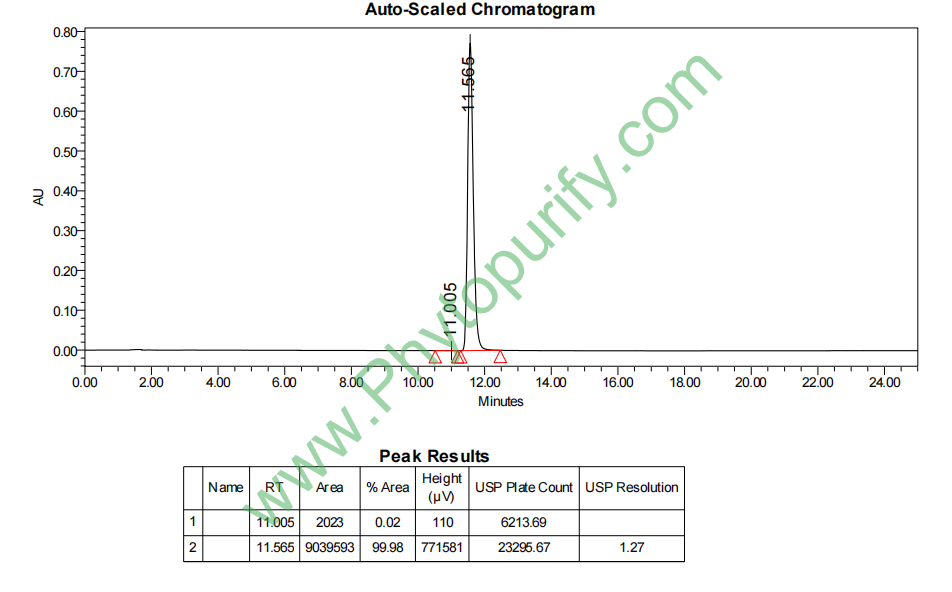
Purity: 95%~99%
Analysis Method: HPLC-DAD or/and HPLC-ELSD
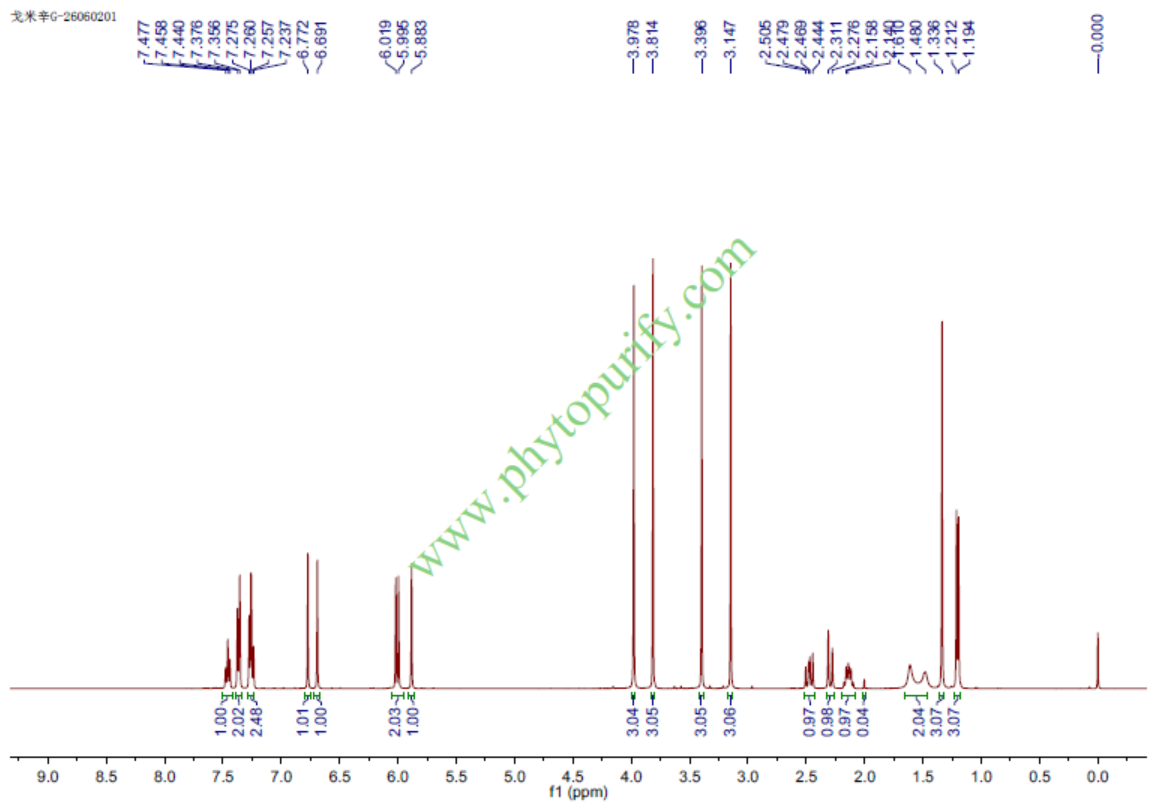
Identification Method: Mass, NMR
Packing: Brown vial or HDPE plastic bottle
Can be supplied from milligrams to grams.
For Reference Standard and R&D, Not for Human Use Directly.
Inquire for bulk scale.
HPLC of Gomisin G
HNMR of Gomisin G
Storage conditions:Short-term storage at 2~8℃, long-term storage at -20 ~ -80℃
101.9100
3.9931
3.9929
.0018
2.5546
9.8748
High
93.8369
3.8646
No
No
No
No
No
Yes
0.0
Yes
Yes
Yes
Yes
Natural products, as an important treasure trove for drug discovery, have played an irreplaceable role in the long history of human fight against diseases. Schisandraceae plants, especially Schisandra chinensis(Schisandra chinensis)As an important component of traditional Chinese medicine, it is widely used for its effects of "tonifying qi, generating fluids, nourishing the kidneys, and calming the heart". Modern pharmacological research has revealed that one of its core active ingredients is biphenyl cyclooctadiene lignin, which exhibits diverse and significant biological activities. Gomisin G is one of the representative biphenyl cyclooctadiene lignin monomers, with a CAS number of 62956-48-3. Early research has found that Gomesin G has extremely strong in vitro anti human immunodeficiency virus (HIV) activity, which has attracted widespread attention from researchers. With the deepening of research, its pharmacological activity spectrum continues to expand, especially in the field of anti-tumor, it shows the potential to inhibit many kinds of malignant tumors, such as liver cancer, triple negative breast cancer (TNBC). Its unique mechanism of action, such as inducing cell cycle arrest rather than direct apoptosis through the AKT cyclin D1 dependent pathway, provides a new approach to overcome the resistance of traditional chemotherapy drugs. This article aims to provide a systematic review of the chemical structure, plant origin, pharmacological activity, mechanism of action, medicinal properties, and clinical application prospects of Gomixin G, in order to provide comprehensive scientific references for the in-depth research and development of this compound.
Gomisin G belongs to the biphenyl cyclooctadiene lignin class, with a molecular formula of C28H32O9 and a molecular weight of 536.5770. Its core structure consists of two benzene rings (A ring and B ring) connected by a C-C bond to form a biphenyl skeleton, which is fused with an oxygen-containing eight membered ring (cyclooctadiene). This multi ring system, which combines rigidity and flexibility, is the structural foundation of its biological activity. Its structure usually has multiple substituents such as methoxy (- OCH3) and methylenedioxy (- O-CH2-O -), which have important effects on its lipophilicity, binding ability to targets, and biological activity.
From the analysis of parameters related to drug properties, the lipid water partition coefficient (LogP) of Gomixin G is 3.9931, indicating that it has good lipid solubility, which is beneficial for its penetration of cell membranes, but may also affect its water solubility. Its topological polar surface area (TPSA) is 101.9100 Å ², which is relatively high and reflects the polarity characteristics brought by multiple oxygen atoms in the molecule. The calculated water solubility is relatively low (about 0.0018 mg/mL), indicating that when developing it into oral or injectable formulations, it may be necessary to improve solubility and bioavailability through formulation techniques such as making cyclodextrin inclusion complexes, nanocrystals, or liposomes. It is worth noting that the predictive model shows that Gomisin G has high blood-brain barrier permeability, which provides the possibility for its potential therapeutic research in central nervous system related diseases such as neuroprotection or brain tumors. In addition, preliminary toxicity predictions indicate that the risk of hERG inhibition is "no", and the Ames test result is 0.0 (indicating no mutagenic signal). These data provide preliminary computer simulation support for its relatively good safety, but further experimental verification is still needed.
Gomisin G mainly comes from plants of the Schisandra genus in the Schisandra family, and its model plant is Schisandra chinensis(Schisandra chinensis (Turcz.) Baill.), In addition, Schisandra chinensis in Central China(S. sphenanthera)It has also been found in closely related species. These plants are mainly distributed in East Asia, including China, South Korea, Japan, and the Russian Far East. Lignin components are mainly enriched in the fruits and seeds of plants.
The extraction of gomisin G from plant materials usually follows the conventional process of natural product chemistry. Firstly, the dried Schisandra fruit is crushed and extracted using organic solvents. Common solvents include methanol, ethanol, or ethanol water mixtures in different proportions, which can effectively dissolve lignin components with a wide range of polarities. Soxhlet extraction, reflux extraction, and modern technologies such as ultrasound assisted extraction and microwave-assisted extraction can all be applied, the latter of which can improve extraction efficiency, shorten time, and reduce solvent usage.
After obtaining the crude extract, a series of separation and purification steps are required to obtain high-purity gomisin G. Liquid liquid extraction (such as extraction with petroleum ether, ethyl acetate, and n-butanol in sequence) is commonly used for preliminary fractionation of the crude extract, and gomisin G is mostly concentrated in the ethyl acetate fraction. Further purification relies on column chromatography techniques, including normal phase silica gel column chromatography, reverse phase silica gel (such as ODS) column chromatography, and high performance liquid chromatography (HPLC). Gel filtration chromatography (such as Sephadex LH-20) is also commonly used for separation according to molecular size. Finally, the purity of the GOMIXIN G monomer compound that meets the research requirements can be obtained through methods such as preparative HPLC or recrystallization. Structural identification involves the comprehensive use of spectroscopic techniques such as nuclear magnetic resonance (NMR, including 1H-NMR, 13C-NMR, 2D-NMR), mass spectrometry (MS), infrared spectroscopy (IR), and ultraviolet spectroscopy (UV).
Gomisin G exhibits broad and potent pharmacological activity, particularly in the fields of antiviral and anti-tumor effects.
1. Antiviral activity:
The most notable activity of Gomisin G is its strong anti-HIV-1 effect. Early studies have found that it has strong inhibitory activity against HIV-1 infected cells in vitro, with a half effective concentration (EC50) as low as 0.006 μ g/mL, demonstrating extremely high efficacy. Its mechanism of action may involve interfering with one or more stages of the virus replication cycle, but the specific targets have not been fully elucidated and may be related to the inhibition of viral reverse transcriptase or integrase activity. This activity makes it an important candidate for anti AIDS lead compounds.
2. Antitumor activity:
Gomisin G exhibits growth inhibition and cytotoxicity against various tumor cell lines.
* Anti liver cancer activity: Research has shown that Gomixin G can effectively inhibit the proliferation of liver cancer cells such as HepG2 and SMMC-7721. Its function may be related to inducing cell cycle arrest, promoting apoptosis, and inhibiting migration and invasion.
* Anti breast cancer activity: Gomicin G has significant anti proliferation effect on triple negative breast cancer (TNBC) cells. TNBC has limited treatment options and poor prognosis due to its lack of estrogen receptor, progesterone receptor, and HER2 expression. Gomesin G provides a new potential candidate for the treatment of TNBC.
* Anti lung cancer potential: Although the provided compound information does not directly list the activity data of Gomixin G for lung cancer, based on its association with multiple lung cancer related targets (such as STAT3, BCL2, MMP2, etc.), it can be reasonably inferred that Gomixin G has research potential in lung cancer treatment. It may inhibit the growth, survival, and metastasis of lung cancer cells by regulating these key targets.
3. Anti inflammatory activity:
Inflammation is a common pathological basis for many chronic diseases, including cancer and metabolic disorders. Gomisin G has been proven to have anti-inflammatory effects and can inhibit the excessive production of inflammatory mediators such as nitric oxide (NO) and prostaglandin E2 (PGE2) in macrophages induced by inflammatory stimuli such as lipopolysaccharide (LPS). Its anti-inflammatory mechanism may be related to the inhibition of inflammatory signaling pathways such as nuclear factor kappa B (NF - κ B) and mitogen activated protein kinase (MAPK).
4. Other potential activities:
Based on the research of its structural analogues (such as Gomisin A and Gomisin N), Gomisin G may also have activities such as hepatoprotective, neuroprotective, and antioxidant properties, which need further exploration.
The mechanism of anti-tumor action of GOMIXIN G has been extensively studied, characterized by its ability to exert effects through multiple targets and pathways.
1. Core mechanism: AKT cyclin D1 dependent cell cycle arrest
In TNBC cells, Gomesin G exhibits a unique mode of action: it mainly inhibits cell proliferation by inducing cell cycle arrest in the G1 phase, rather than directly triggering strong cell apoptosis. In depth research reveals that this process relies on the AKT cyclin D1 signaling axis.
* Inhibition of AKT phosphorylation: AKT (protein kinase B) is a core node in the PI3K/AKT/mTOR signaling pathway, and its phosphorylation activation (p-AKT) is closely related to cell survival, proliferation, and metabolism. Gomisin G can significantly inhibit the phosphorylation of AKT at Ser473 site, thereby reducing its kinase activity.
* Downregulation of Cyclin D1 expression: Cyclin D1 is a key cyclin that drives cells from the G1 phase to the S phase. Activated AKT typically stabilizes and promotes the expression of Cyclin D1 through downstream effector molecules such as GSK-3 β and mTOR. Gomisin G leads to a decrease in the protein level of Cyclin D1 by inhibiting AKT activity.
* Inducing G1 phase arrest: The downregulation of Cyclin D1 reduces the activity of cyclin dependent kinase 4/6 (CDK4/6), leading to the maintenance of low phosphorylation of retinoblastoma protein (Rb). Low phosphorylation Rb binds to E2F transcription factors, preventing transcription of S phase genes and ultimately blocking cells in the G1 phase, preventing them from entering the DNA synthesis phase (S phase).
2. Interactions with other key targets
In addition to the core pathways mentioned above, Gomesin G may also exert its effects by affecting other targets closely related to cancer progression, which are also associated with various cancers such as lung cancer
* STAT3: Signal transducer and activator of transcription factor 3 (STAT3) is an important oncogenic transcription factor. Its sustained activation promotes tumor cell proliferation, survival, angiogenesis, and immune escape. Gomisin G may block STAT3 phosphorylation and nuclear translocation by inhibiting the activity of JAK or upstream receptor tyrosine kinases.
* BCL2: B-cell lymphoma 2 (BCL2) is a key anti apoptotic protein. Gomisin G may promote mitochondrial pathway apoptosis by regulating BCL2 family proteins, such as reducing the BCL2/BAX ratio, especially in certain cell types or in combination with other drugs.
* MMP2: Matrix metalloproteinase-2 (MMP2) is involved in the degradation of extracellular matrix and plays a crucial role in tumor invasion and metastasis. Gomisin G may weaken the metastatic ability of cancer cells by inhibiting its expression or activity.
* NFE2L2 (NRF2): Nuclear factor E2 related factor 2 is the main regulator of cellular antioxidant stress response. In cancer, sustained activation of NRF2 may help cancer cells resist oxidative stress and chemotherapy drugs. Gomisin G may regulate the NRF2 pathway and affect the redox balance of cancer cells.
* TLR4/ESR2/PIK3CG, etc.: Gomisin G may also play a role in regulating the tumor microenvironment, hormone related cancers, and signal transduction by modulating targets such as Toll like receptor 4 (TLR4, involved in inflammation and immunity), estrogen receptor beta (ESR2), or phosphatidylinositol 3-kinase catalytic subunit gamma (PIK3CG).
Although Gomixin G exhibits excellent biological activity in vitro, its successful development as a drug largely depends on its drug like and pharmacokinetic (PK) properties in vivo.
1. Preliminary evaluation of drug properties:
Based on the physical and chemical parameters mentioned earlier, GOMIXIN G basically meets most of the requirements of the Rule of Five (molecular weight<500, hydrogen bond donor<5, hydrogen bond acceptor<10, LogP<5), although its molecular weight slightly exceeds 500. Its high LogP value and low predicted water solubility are the main challenges that need to be addressed in formulation development. Good prediction of blood-brain barrier permeability is its characteristic advantage. The preliminary computer toxicity prediction (without hERG inhibition and Ames mutagenic signals) provides positive clues for subsequent safety studies, but must be confirmed through comprehensive in vitro and in vivo toxicology experiments (such as acute toxicity, long-term toxicity, reproductive toxicity, etc.).
2. Current status and challenges of pharmacokinetic research:
At present, there are relatively limited public reports on the pharmacokinetic studies of the G system of Gomixin, which is often a key bottleneck for the development of natural product monomers. Based on its structural characteristics and research on similar compounds, it can be inferred that it may face PK challenges:
* Absorption: Good lipid solubility is beneficial for its passive transmembrane absorption, but extremely low water solubility may limit its dissolution rate in the gastrointestinal tract, thereby affecting oral bioavailability.
* Distribution: A higher LogP and blood-brain barrier permeability prediction suggest a wide tissue distribution, which may be easily enriched in adipose tissue and able to enter the central nervous system.
* Metabolism: Lignin compounds are typically substrates and/or regulators of the cytochrome P450 (CYP) enzyme system, particularly CYP3A4. Gomisin G is likely to undergo extensive phase I (such as oxidation, demethylation) and phase II (such as glucuronidation, sulfation) metabolism in the liver. This may lead to significant first pass effects, reduced systemic exposure, and potential risks of drug drug interactions.
* Excretion: Metabolites are mainly excreted through bile and urine.
Future research requires the use of in vitro CYP enzyme inhibition/induction experiments, liver microsomal metabolic stability experiments, and complete PK studies (including absolute bioavailability measurements) in rats, dogs, and other animals to comprehensively elucidate the ADME (absorption, distribution, metabolism, excretion) characteristics of GOMIXIN G. Developing suitable drug delivery systems (such as self microemulsions, solid dispersions, phospholipid complexes) or modifying prodrugs based on PK shortcomings is a necessary strategy to improve their drug properties.
Gomisin G, as a natural lead compound with multiple targets and activities, has broad clinical application prospects, but the road ahead is long and full of challenges.
1. Potential therapeutic areas:
* Tumor treatment: Especially for triple negative breast cancer (TNBC) and liver cancer that lack effective targeted therapy. Its unique cell cycle arrest mechanism provides a new approach to overcome apoptosis resistance. The combination application with existing chemotherapy drugs (such as paclitaxel, platinum) or targeted drugs may produce synergistic effects, reduce dosage and toxic side effects, which is a highly promising research and development direction.
* Antiviral therapy: As a highly efficient anti HIV lead compound, its structure can be further optimized to develop novel non nucleoside reverse transcriptase inhibitors (NNRTI) or integrase inhibitors. Given its activity intensity, it is also worth exploring its inhibitory effects on other viruses such as HBV and HCV.
* Inflammatory related diseases: Its anti-inflammatory activity can be used to treat chronic inflammatory diseases such as non-alcoholic steatohepatitis (NASH), arthritis, inflammatory bowel disease (IBD), etc.
2. Future research directions and challenges:
* In depth mechanism research: It is necessary to use techniques such as gene knockout/knockdown, chromatin immunoprecipitation (ChIP), proteomics, etc. to accurately elucidate its direct molecular targets (AKT itself or its upstream regulatory factors)? )And the functional networks in different types of cancer.
* Comprehensive pharmacokinetic and toxicological evaluation: This is the core task of advancing its preclinical research. Reliable in vivo PK/PD (pharmacodynamic) data and safety window data must be obtained.
* Structural optimization and derivative development: Based on the core skeleton of GOMIXIN G, structural modification is carried out through medicinal chemical methods to improve its water solubility, metabolic stability, efficacy, and selectivity, thereby obtaining candidate drugs with better drug properties.
* Research on a new drug delivery system: To address the issue of poor solubility, nano formulations and targeted delivery systems have been developed to improve their bioavailability and tumor targeting.
* Explore combination therapy regimens: Systematically evaluate the efficacy and mechanism of the combination of Gomixin G with existing standard therapies, providing a basis for future clinical trial design.
Gomisin G, as a biphenyl cyclooctadiene lignin isolated from Schisandra chinensis, has become a highlight molecule in the pharmacological research of natural products due to its excellent anti HIV activity and unique anti-tumor mechanism. It inhibits the growth of tumor cells such as triple negative breast cancer by inhibiting AKT phosphorylation and down-regulation of Cyclin D1, with cell cycle arrest as the main way. At the same time, its multi target characteristics suggest a broader pharmacological application potential. However, its low solubility and unclear pharmacokinetic properties are key bottlenecks that constrain its conversion into drugs. Future research needs to focus on solving the problem of drug formation on the basis of deepening the explanation of the mechanism of action. Through structural optimization, formulation innovation, and joint strategy exploration, the therapeutic value of this natural lead compound should be fully explored, providing more possibilities for the development of new drugs for difficult to treat diseases such as cancer and viral infections. The research process of Gomisin G once again confirms the eternal vitality of the path of discovering modern drug lead compounds from traditional medicinal plants.
