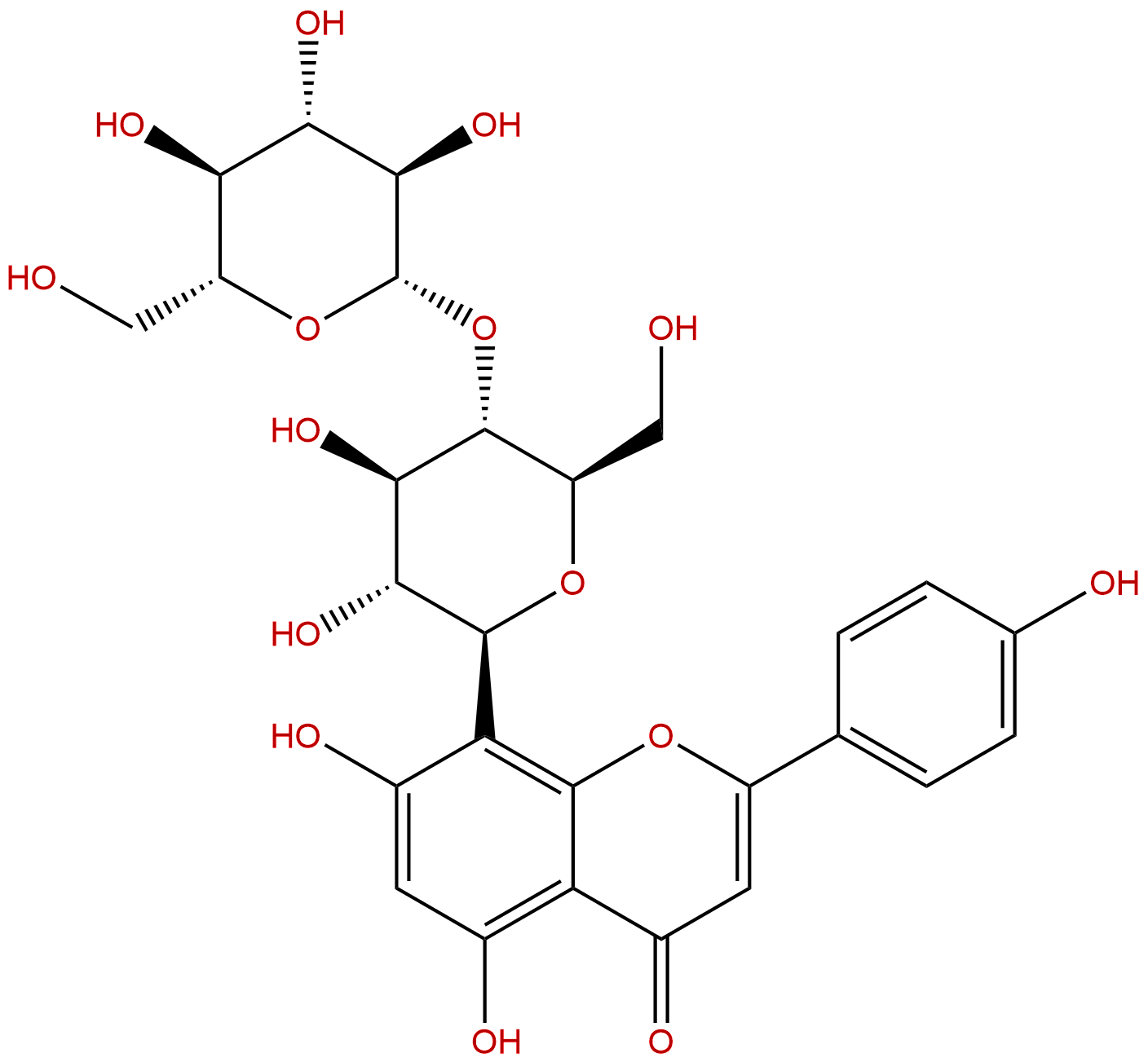


Product name: 4''-O-Glucosylvitexin
Synonym name: Vitexin-4''-O-Glucoside
Catalogue No.: BP0078
Cas No.: 178468-00-3
Formula: C27H30O15
Mol Weight: 594.522
Botanical Source: Crataegi fructus
Physical Description:
Type of Compound: Flavonoids
Purity: 95%~99%
Analysis Method: HPLC-DAD or/and HPLC-ELSD
Identification Method: Mass, NMR
Packing: Brown vial or HDPE plastic bottle
Storage: Store in a well closed container, protected from air and light. Put into refrigerate or freeze for long term storage.
Whenever possible, you should prepare and use solutions on the same day. However, if you need to make up stock solutions in advance, we recommend that you store the solution as aliquots in tightly sealed vials at -20℃. Generally, these will be useable for up to two weeks.
The product could be supplied from milligrams to grams
Inquire for bulk scale.
Chengdu Biopurify Phytochemicals Ltd. is a leading company in the research, development, manufacture and marketing of High Quality Phytochemicals and Extracts(especially Active Ingredients from Traditional Chinese Medicine,TCM), Natural Active Pharmaceutical Ingredients worldwide.
The main services:
A. Supply active ingredients and reference standards of TCM, from mgs to kgs scale
B. Custom extraction and purification, target Herb Active Ingredients
C. Custom synthesis and semi-synthesis for Natural Active Ingredients
D. CR(contract research), CM(contract manufacture) and PD(process development) services from lab scale, pilot scale to commercial scale(GMP is also available)
E. TCM compounds library for drug screen,more than 3000 compounds available, many of them are rare and unique.
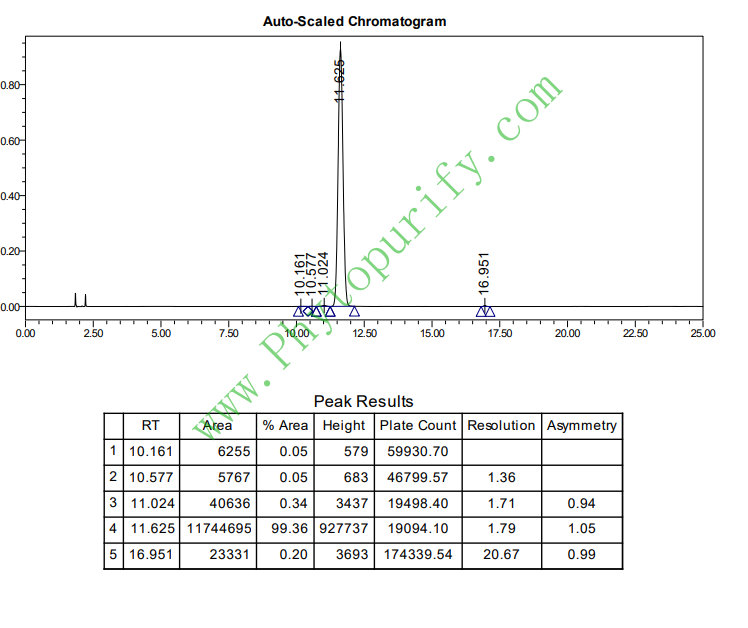
HPLC of 4''-O-Glucosylvitexin
Storage conditions:Short-term storage at 2~8℃, long-term storage at -20 ~ -80℃
260.2000
-.7452
-.8247
2.7476
.4977
.1056
Low
76.1961
4.7328
Yes
No
No
No
Yes
No
1.2
Yes
Yes
Yes
No
Natural products, as an important source of drug discovery, play an irreplaceable role in the long history of human fight against diseases. Flavonoids, as one of the most widely distributed polyphenolic secondary metabolites in nature, have attracted much attention due to their structural diversity and extensive biological activity. Among numerous flavonoids, C-glycosylated flavonoids have become a hot topic in natural product chemistry and pharmacology research in recent years due to their unique chemical stability and metabolic characteristics. Vitexin glucoside (4 '' - O-Glucosylvitexin, CAS number: 178468-00-3), as a typical C-glycosylated flavonoid compound, contains both vitexin skeleton and glucose substituent in its molecular structure, endowing the molecule with unique physicochemical properties and biological functions.
From the perspective of chemical taxonomy, vitexin glucoside belongs to the C-glycosidic subclass of flavonoids, with its core structure being apigenin, where the C-8 position is connected to a glucose group, and the 4 '' - hydroxyl site of this glucose group is further replaced by another glucose group. The structural characteristics of this disaccharide based compound make it relatively rare in nature, while also laying the foundation for its diverse biological activities. In recent years, with the advancement of separation and purification technology and structural identification methods, researchers have successfully isolated and identified vitexin glucoside from various medicinal plants, and gradually revealed its pharmacological potential in multiple fields such as anti-tumor, antioxidant, anti-inflammatory, and neuroprotective effects.
Of particular note is the remarkable potential of vitexin glucoside in the treatment of Sarcoma. Sarcoma is a type of malignant tumor originating from mesenchymal tissue, with high heterogeneity and invasiveness. Traditional chemotherapy drugs often have limited efficacy due to toxic side effects and drug resistance issues. Through systems pharmacology and molecular docking techniques, researchers have found that vitexin glucoside can interact with multiple target proteins closely related to the occurrence and development of sarcoma, including tyrosinase (TYR), ATP binding cassette subfamily B member 1 (ABCB1), depurine/demethylated endonuclease 1 (APEX1), RecQ like helicase (RECQL), synaptic binding protein 2 (SYNJ2), P-selectin (SELP), acid alpha glucosidase (GAA), estrogen receptor 1 (ESR1), galectin 1 (LGALS1), and platelet-derived growth factor receptor alpha (PDGFRA). These targets involve multiple key biological processes such as tumor cell proliferation, apoptosis, DNA damage repair, drug efflux, angiogenesis, and immune escape, suggesting that vitexin glucoside may exert its anti-tumor activity through multi-target regulatory mechanisms.
This article will systematically review the research progress of vitexin glucoside from multiple dimensions, including chemical structure and physicochemical properties, plant sources and extraction methods, pharmacological activity research, mechanism of action and molecular targets, drug evaluation and pharmacokinetics, clinical application prospects and prospects, in order to provide scientific basis for the in-depth development and clinical translation of this natural product.
The chemical name of vitexin glucoside is 4 '' - O-glucosyl vitexin, with a molecular formula of C ₂₇ H ∝₀ O ₁₅ and a molecular weight of 594.5220. From the perspective of structural chemistry, this compound belongs to the apigenin derivative of flavonoids. Its core skeleton is 2-phenylchromen-4-one, which is a typical flavonoid core structure composed of three ring systems: A ring, C ring, and B ring. At the C-8 site of the A ring, a β - D-glucopyranose group is connected through a carbon carbon bond (C-C bond) to form a C-glycosidic bond; And the 4 '' - hydroxyl group of the glucose group is further connected to another β - D-glucopyranose group through an O-glycosidic bond, forming a disaccharide substitution mode.
The complex connection between C-glycosides and O-glycosides is particularly unique in natural flavonoids. Compared with common O-glycosides, C-glycosidic bonds have higher stability against acid hydrolysis and enzymatic hydrolysis, which allows vitexin glucoside to maintain structural integrity in the digestive tract environment and may be absorbed into the systemic circulation in its original form. In addition, multiple phenolic hydroxyl groups in the molecule (5,7-position hydroxyl group in ring A, 4 '- position hydroxyl group in ring B) and multiple hydroxyl groups on the sugar group endow the compound with excellent hydrogen bond donor and acceptor abilities, providing a structural basis for its interaction with biomolecules such as proteins and nucleic acids.
According to computational chemistry and experimental measurement data, the physicochemical properties of vitexin glucoside are as follows:
Lipid water partition coefficient (LogP)-0.7452. This negative value indicates that vitexin glucoside has strong hydrophilicity, which is consistent with the presence of multiple hydroxyl and sugar groups in the molecule. The hydrophilic characteristics determine that the compound has good solubility in aqueous environments, but may also limit its ability to passively diffuse through biofilms.
Topological Polarity Surface Area (TPSA): 260.2000 Å ². TPSA is an important parameter for evaluating the oral bioavailability and blood-brain barrier penetration ability of compounds. Generally speaking, compounds with TPSA greater than 140 Å ² have poor oral absorption and are difficult to penetrate the blood-brain barrier. The TPSA value of vitexin glucoside is as high as 260.2 Å ², far exceeding this threshold, indicating that its oral bioavailability may be low and its distribution in the central nervous system may be limited.
Water solubility: 2.7476 (LogS). This value indicates that the solubility of vitexin glucoside in water is at a moderate level and can form a homogeneous solution within a certain concentration range, meeting the basic requirements of in vitro pharmacological experiments.
Blood-brain barrier penetrability: Low. Combining TPSA and LogP data, the ability of vitexin glucoside to penetrate the blood-brain barrier is poor, which to some extent limits its application in the treatment of central nervous system diseases, but also reduces the risk of central nervous system toxicity.
HERG inhibition: No. HERG (human ether - à - go related gene) potassium channel inhibition is an important predictor of drug cardiac toxicity. Vitexin glucoside has no inhibitory activity on hERG channels, indicating its good cardiac safety.
Ames test 1.2. The Ames test is used to evaluate the mutagenicity of compounds, with a value of 1.2 indicating weak positive or borderline mutagenic activity under standard testing conditions. Further in vivo experiments and more comprehensive genotoxicity assessments are needed to confirm its safety.
The distribution of vitexin glucoside in nature is relatively limited, mainly found in medicinal plants of certain specific families and genera. According to existing literature reports, this compound has been successfully isolated and identified in the following plants:
Leguminous plants Some leguminous plants such as Pueraria lobata and Glycyrrhiza uralensis contain vitexin glucoside in their rhizomes. As a traditional Chinese medicine, kudzu root has the effects of relieving external heat, generating fluids, and quenching thirst. Its flavonoid components (including puerarin, daidzein, etc.) have been widely studied, and vitexin glucoside, as a trace component, has gradually received attention.
Rosaceae plants The fruit and leaves of hawthorn (Crataegus Pinnatifida) are rich in various flavonoids, among which vitexin glucoside is one of the important active ingredients. Hawthorn has a long history of application in the prevention and treatment of cardiovascular diseases, and its flavonoids are considered the main pharmacological substances.
Mulberry plants Morus alba, as a traditional medicinal and edible plant, contains abundant flavonoids, alkaloids, and polysaccharides. In recent years, researchers have isolated vitexin glucoside from mulberry leaves and found that it has significant hypoglycemic and antioxidant activities.
Asteraceae plants The presence of vitexin glucoside has also been detected in certain Asteraceae plants such as chrysanthemums (Chrysanthemum morifolium) and Artemisia capillaris. These plants are commonly used in traditional medicine for clearing heat and detoxifying, protecting the liver and promoting bile flow.
Other sources In addition, there have been sporadic reports in Scutellaria baicalensis, Curcuma longa, and certain ferns in the family Lamiaceae.
It is worth noting that the content of vitexin glucoside in plants is usually low and often exists as a secondary component. Its biosynthetic pathway involves the construction of flavonoid parent nuclei, C-glycosylation, and subsequent O-glycosylation modifications, which are jointly regulated by plant growth and development stages, environmental factors (light, temperature, water), and genetic factors.
Given the low content and complex matrix interference of vitexin glucoside in plant materials, establishing efficient and selective extraction and purification methods is crucial for the research and application of this compound.
extraction method:
Solvent extraction method The most commonly used extraction method. Due to the moderate polarity of vitexin glucoside, ethanol water mixed solvents (such as 50% -80% ethanol) are usually used for extraction. The extraction conditions (temperature, time, material to liquid ratio) need to be optimized based on the characteristics of the plant material. For example, for hawthorn leaves, using 70% ethanol for reflux extraction at 60 ℃ for 2 hours can achieve a higher extraction rate.
Ultrasonic assisted extraction By utilizing the cavitation effect and mechanical vibration of ultrasound, extraction efficiency can be significantly improved, extraction time can be shortened, and solvent dosage can be reduced. Research has shown that ultrasound assisted extraction (frequency 40 kHz, power 300 W, temperature 50 ℃) can increase the extraction rate of vitexin glucoside by 30% -50% compared to traditional reflux extraction.
Microwave assisted extraction Microwave radiation can rapidly heat up polar molecules inside plant cells, causing cell wall rupture and promoting the release of target components. This method has the advantages of short extraction time (usually 5-15 minutes) and low solvent consumption, but attention should be paid to controlling the microwave power to avoid degradation of thermosensitive components.
Enzyme assisted extraction By adding hydrolytic enzymes such as cellulase and pectinase to disrupt the structure of plant cell walls, the dissolution of target components can be increased. Enzyme assisted extraction is usually carried out under mild conditions (pH 4.5-5.5, temperature 40-50 ℃), which is beneficial for maintaining the chemical stability of vitexin glucoside.
Purification Method:
Macroporous adsorption resin chromatography This is currently one of the most commonly used methods for separating and purifying flavonoids. The commonly used resin types include HPD-100, D101, AB-8, etc. By gradient elution (ethanol water system), it is possible to effectively enrich vitexin glucoside and remove impurities such as sugars, proteins, and polar pigments.
Polyamide chromatography Polyamide has a special adsorption selectivity for flavonoids, which is based on the hydrogen bonding between the amide group and the phenolic hydroxyl group of flavonoids. By using methanol water or ethanol water gradient elution, high-purity vitexin glucoside can be obtained.
Preparation type high-performance liquid chromatography For pharmacological studies that require high-purity (>98%) samples, preparative HPLC is the most effective purification method. Usually, C18 reverse phase chromatography column is used, with acetonitrile water or methanol water as the mobile phase, to achieve the separation of target components through isocratic or gradient elution.
High-speed countercurrent chromatography This is a chromatographic technique based on the liquid-liquid distribution principle, which does not require a solid stationary phase and avoids irreversible adsorption and sample loss. The commonly used solvent system for the separation of vitexin glucoside is n-butanol ethyl acetate water (4:1:5, v/v/v).
The anti-tumor activity of vitexin glucoside is one of its most concerned pharmacological effects. In vitro experiments have shown that the compound has a significant inhibitory effect on the proliferation of human tumor cell lines, such as osteosarcoma MG-63 and U2OS cells, with an IC ₅₀ value in the range of 10-50 μ M. Further research has found that vitexin glucoside can induce G2/M phase cell cycle arrest in sarcoma cells, while activating caspase-3 and caspase-9, promoting mitochondrial pathway apoptosis. In addition, the compound can also inhibit the migration and invasion ability of sarcoma cells, reduce the expression and activity of matrix metalloproteinases (MMP-2 and MMP-9).
In addition to sarcoma, vitexin glucoside also exhibits certain inhibitory effects on other types of malignant tumors. For example, in human liver cancer HepG2 cells, this compound can induce cell apoptosis by upregulating the expression of p53 and Bax, downregulating the expression of Bcl-2; In human breast cancer MCF-7 cells, vitexin glucoside can inhibit estrogen receptor signaling pathway and play an anti proliferative effect.
The antioxidant activity of vitexin glucoside is closely related to its multiple phenolic hydroxyl groups in its molecular structure. In the DPPH radical scavenging experiment, the compound exhibited concentration dependent free radical scavenging ability, with an EC ₅₀ value of approximately 20 μ M, comparable to the positive control vitamin C. In the ABTS ⁺ radical scavenging experiment, the Trolox equivalent antioxidant capacity (TEAC) value of vitexin glucoside was 2.5-3.0, indicating its strong antioxidant activity.
At the cellular level, vitexin glucoside can significantly reduce H ₂ O ₂ - induced oxidative stress damage, decrease intracellular reactive oxygen species (ROS) levels, increase the activity of superoxide dismutase (SOD), glutathione peroxidase (GPx), and catalase (CAT), while reducing malondialdehyde (MDA) content. These results indicate that vitexin glucoside may exert antioxidant effects through a dual mechanism of directly scavenging free radicals and enhancing the endogenous antioxidant enzyme system.
Inflammatory response plays an important role in the occurrence and development of tumors and various chronic diseases. The anti-inflammatory activity of vitexin glucoside has been confirmed in multiple experimental models. In the macrophage RAW264.7 model stimulated by lipopolysaccharide (LPS), this compound can significantly inhibit the production of nitric oxide (NO) and prostaglandin E ₂ (PGE ₂), and reduce the expression of inducible nitric oxide synthase (iNOS) and cyclooxygenase-2 (COX-2). Meanwhile, vitexin glucoside can also inhibit the release of pro-inflammatory cytokines such as tumor necrosis factor - α (TNF - α), interleukin-1 β (IL-1 β), and interleukin-6 (IL-6).
In an in vivo inflammatory model, vitexin glucoside (50-100 mg/kg, intraperitoneal injection) can significantly alleviate carrageenan induced paw swelling in rats, reduce myeloperoxidase (MPO) activity and MDA content in inflammatory tissues. These results suggest that vitexin glucoside may exert anti-inflammatory effects by inhibiting the nuclear factor kappa B (NF - κ B) and mitogen activated protein kinase (MAPK) signaling pathways.
Based on the application background of traditional cardiovascular medicinal plants such as hawthorn, the cardiovascular protective activity of vitexin glucoside has also received attention. Research has shown that this compound can relax the isolated rat aortic rings, and its mechanism of action may be related to the activation of the nitric oxide cyclic guanosine monophosphate (NO cGMP) pathway and inhibition of voltage dependent calcium channels. In addition, vitexin glucoside can also inhibit the oxidative modification of low-density lipoprotein (LDL) and reduce the formation of foam cells, suggesting that it may have anti atherosclerosis potential.
In the myocardial ischemia-reperfusion injury model, pretreatment with vitexin glucoside can significantly reduce myocardial infarction area, decrease the release of lactate dehydrogenase (LDH) and creatine kinase (CK), and improve cardiac function. Its protective mechanism involves inhibiting oxidative stress, reducing endoplasmic reticulum stress, and inhibiting cardiomyocyte apoptosis.
Although the ability of vitexin glucoside to penetrate the blood-brain barrier is limited, there are still studies reporting its neuroprotective activity. In the glutamate induced PC12 cell injury model, this compound can alleviate cytotoxicity, reduce intracellular calcium ion concentration, and inhibit caspase-3 activation. In the Alzheimer's disease model, vitexin glucoside can inhibit the aggregation of β - amyloid protein (A β), reduce the excessive phosphorylation of tau protein, and improve cognitive function. These effects may be partially achieved by regulating the expression of neurotrophic factors (such as BDNF) in the brain and activating the PI3K/Akt signaling pathway.
Based on systems pharmacology and molecular docking analysis, the anticancer effect of vitexin glucoside involves multiple molecular targets and signaling pathways. The following focuses on its interaction with sarcoma related targets:
TYR (Tyrosinase)Tyrosinase is a key rate limiting enzyme in the synthesis of melanin and is highly expressed in pigmented tumors such as melanoma. Vitexin glucoside can bind to the active center of TYR and competitively inhibit its enzymatic activity, thereby reducing melanin synthesis. This mechanism not only explains the inhibitory effect of the compound on melanoma, but also provides the possibility for treating hyperpigmentation related diseases.
ABCB1 (P-glycoprotein)The P-glycoprotein (P-gp) encoded by ABCB1 is an important drug efflux transporter, and its overexpression is one of the main mechanisms of multidrug resistance (MDR) in tumors. The molecular docking results showed that vitexin glucoside can interact with the nucleotide binding domain (NBD) of P-gp, which may reverse P-gp mediated drug efflux by competitively inhibiting ATP binding or changing the conformation of transporters. This discovery suggests that vitexin glucoside may serve as a chemotherapy sensitizer, increasing the sensitivity of sarcoma cells to traditional chemotherapy drugs.
APEX1 (Depurine/Depyrimidine endonuclease 1)APEX1 is a key enzyme in the base excision repair (BER) pathway, involved in the repair of DNA oxidative damage. Overexpression of APEX1 in sarcoma cells is associated with genomic instability and chemotherapy resistance. Vitexin glucoside can inhibit the endonuclease activity of APEX1, weaken DNA damage repair ability, and enhance the efficacy of radiotherapy and DNA damage chemotherapy drugs.
RECQL (RecQ like helicase)RECQL belongs to the RecQ helicase family and plays an important role in maintaining genomic stability. The mutation of this gene is associated with genetic diseases such as Bloom syndrome and is related to the occurrence and development of various tumors. Vitexin glucoside can bind to the ATPase domain of RECQL, inhibiting its helicase activity, leading to increased DNA replication stress and genomic instability, ultimately inducing tumor cell death.
SYNJ2 (Synaptic Binding Protein 2)SYNJ2 is a phosphatidylinositol phosphatase that participates in cell membrane transport and signal transduction. In tumor cells, abnormal expression of SYNJ2 is associated with enhanced cell migration and invasion ability. Vitexin glucoside may inhibit the metastasis of sarcoma cells by suppressing the phosphatase activity of SYNJ2 and interfering with the phosphatidylinositol signaling pathway.
SELP (P-selectin)P-selectin is a cell adhesion molecule that plays a crucial role in inflammatory response and tumor metastasis. The P-selectin ligand on the surface of tumor cells binds to P-selectin on vascular endothelial cells, promoting tumor cell extravasation and metastasis. Vitexin glucoside can bind to the lectin domain of P-selectin, blocking its interaction with ligands and thereby inhibiting hematogenous metastasis of sarcoma cells.
GAA (Acidic α - Glucosidase)GAA is a lysosomal enzyme involved in the degradation of glycogen. GAA deficiency can lead to glycogen storage disorders such as Pompey disease. The expression changes of GAA in tumor cells are related to energy metabolism reprogramming. The regulatory effect of vitexin glucoside on GAA may affect the glucose metabolism of tumor cells, but its specific mechanism still needs further research.
ESR1 (estrogen receptor alpha)ESR1 is expressed in some sarcomas (such as uterine leiomyosarcoma) and participates in the regulation of tumor cell proliferation. As a flavonoid compound, vitexin glucoside has phytoestrogenic activity and can bind to the ligand binding domain of ESR1, exerting a selective estrogen receptor modulator (SERM) effect and inhibiting the growth of estrogen dependent sarcoma cells.
LGALS1 (galectin 1)LGALS1 is a β - galactoside binding protein that exerts immunosuppressive and pro angiogenic effects in the tumor microenvironment. Vitexin glucoside can bind to the sugar recognition domain (CRD) of LGALS1, blocking its interaction with cell surface glycoproteins, thereby reversing tumor immune escape and enhancing anti-tumor immune response.
PDGFRA (platelet-derived growth factor receptor alpha)PDGFRA is a receptor tyrosine kinase, and its mutation or overactivation is closely related to the occurrence of various sarcomas such as gastrointestinal stromal tumors (GISTs). Vitexin glucoside can bind to the ATP binding site of PDGFRA, inhibiting its self phosphorylation and activation of downstream signaling pathways such as PI3K/Akt and RAS/MAPK, thereby suppressing the proliferation and survival of sarcoma cells.
The above targets do not function in isolation, but are interconnected through a complex signal network. Vitexin glucoside can produce synergistic effects by acting on multiple targets simultaneously, achieving the therapeutic advantage of "one drug, multiple targets". For example, inhibiting ABCB1 can increase intracellular drug concentration, while inhibiting APEX1 and RECQL can weaken DNA damage repair ability, and the two synergistically enhance chemotherapy sensitivity; Inhibition of SELP and LGALS1 can simultaneously block tumor metastasis and immune escape; Inhibiting PDGFRA and ESR1 can simultaneously inhibit multiple pro proliferative signaling pathways.
This multi-target regulation mode is in line with the concept of "polypharmacology" in modern drug discovery, especially suitable for malignant tumors such as sarcomas with high heterogeneity and complex signaling networks.
Based on computational chemistry and early experimental data, the pharmacological characteristics of vitexin glucoside can be summarized as follows:
Drug Evaluation According to Lipinski's five rules (molecular weight<500, LogP<5, hydrogen bond donor<5, hydrogen bond acceptor<10), the molecular weight (594.5) and number of hydrogen bond donors/acceptors (9 and 15, respectively) of vitexin glucoside exceed the rule range, indicating that its oral bioavailability may be low. However, for natural products, many active compounds do not fully comply with Lipinski's rules, but can still be clinically applied through non oral routes or prodrug strategies.
Water solubility The LogS value is 2.75, indicating that the compound has moderate solubility in water and can meet the basic requirements for injection administration. However, when administered orally, its solubility may become one of the limiting factors for absorption.
Metabolic stability The stability of C-glycosidic bonds makes vitexin glucoside difficult to be hydrolyzed by glycosidase in the gastrointestinal tract and liver, and may enter the systemic circulation in its original form. However, multiple phenolic hydroxyl groups in the molecule may undergo phase II metabolism (glucuronidation, sulfation), leading to a decrease in bioavailability.
safety evaluation A negative hERG inhibition indicates a low risk of cardiac toxicity; The Ames test result is 1.2 (weakly positive), indicating the need for further assessment of genetic toxicity risk. In addition, as a flavonoid compound, vitexin glucoside may have estrogen like activity, and long-term use should pay attention to endocrine related side effects.
At present, there is insufficient systematic research on the pharmacokinetics of vitexin glucoside, but based on studies of similar compounds, its basic characteristics can be inferred
absorb After oral administration, due to its high molecular weight and polarity, the passive diffusion and absorption of vitexin glucoside in the intestine are poor. Its absorption may depend on active transport by intestinal transporters such as glucose transporters GLUTs or sodium dependent glucose transporters SGLTs. In addition, the gut microbiota may modify its structure to produce metabolites (such as the deglycosylated product vitexin) that are then absorbed.
distribution After intravenous administration, vitexin glucoside is mainly distributed in plasma and extracellular fluid, with widespread tissue distribution but low concentration. Due to low blood-brain barrier penetration, the distribution of the central nervous system is limited.
Metabolism The main metabolic pathways include: (1) II binding reaction: phenolic hydroxyl groups bind with glucuronic acid or sulfuric acid; (2) Deglycosylation: Under the action of gut microbiota or liver enzymes, O-glycosidic bonds may be hydrolyzed, releasing vitexin; (3) Methylation: Some phenolic hydroxyl groups may be methylated by catechol-O-methyltransferase (COMT).
excretion Mainly excreted in the form of metabolites through bile and urine. Due to its high molecular weight and polarity, bile excretion may be the main clearance pathway.
In response to the shortcomings in the pharmacological properties of vitexin glucoside, the following formulation strategies can be considered:
Nano drug delivery system The use of liposomes, polymer nanoparticles, or solid lipid nanoparticles to encapsulate vitexin glucoside can improve its water solubility, stability, and bioavailability. For example, polylactic acid hydroxyacetic acid copolymer (PLGA) nanoparticles can achieve sustained release and targeted delivery of drugs.
Phospholipid complex The formation of a complex between vitexin glucoside and phospholipids can improve their lipid solubility and promote transmembrane absorption. Research has shown that the oral bioavailability of flavonoid phospholipid complexes can be increased by 2-5 times.
Prodrug design Esterification or etherification modification of phenolic hydroxyl groups in molecules can reduce polarity and improve membrane permeability. The prodrug releases the active prototype drug after enzymatic or chemical hydrolysis in the body.
Injection administration For acute treatment (such as anti-tumor), intravenous or intraperitoneal injection can bypass absorption barriers and directly enter the systemic circulation to ensure effective blood drug concentration.
The application prospects of vitexin glucoside in the treatment of sarcoma are particularly promising. Its multi-target mechanism enables it to simultaneously intervene in multiple key processes such as tumor cell proliferation, apoptosis, metastasis, drug resistance, and immune escape, which is in line with the concept of "combined targeting" and "immunotherapy" in modern tumor treatment. Specifically, the compound may have value in the following scenarios:
Chemosensitizer By inhibiting ABCB1 (P-gp) and enhancing DNA damage, vitexin glucoside can be used in combination with traditional chemotherapy drugs such as doxorubicin, cisplatin, and paclitaxel to reverse multidrug resistance and improve chemotherapy efficacy.
Anti metastatic therapy By inhibiting SELP mediated tumor cell endothelial cell adhesion and SYNJ2 regulated cell migration, this compound may be used for the prevention and treatment of distant metastasis of sarcoma.
Immunomodulatory therapy By blocking the immunosuppressive function of LGALS1, vitexin glucoside may enhance the anti-tumor immune response in the tumor microenvironment, and its combination with immune checkpoint inhibitors (such as PD-1/PD-L1 antibodies) may produce a synergistic effect.
targeted therapy For sarcomas carrying PDGFRA mutations (such as GIST), vitexin glucoside may act as a multi-target tyrosine kinase inhibitor or be used in combination with targeted drugs such as imatinib to overcome resistance.
In addition to its anti-tumor activity, vitexin glucoside has also shown potential application value in the following disease areas:
cardiovascular disease Based on its vasodilation, antioxidant and anti atherosclerosis activities, this compound may be used as an adjuvant treatment for hypertension, coronary heart disease and heart failure.
Metabolic diseases It can reduce blood sugar, improve insulin resistance and regulate lipid metabolism, which makes it have development potential in the treatment of type 2 diabetes and non-alcoholic fatty liver disease (NAFLD).
Neurodegenerative diseases Although the blood-brain barrier penetration is limited, vitexin glucoside may be used for the treatment of Alzheimer's disease and Parkinson's disease through strategies such as nanomedicine or nasal administration.
Inflammatory diseases Its anti-inflammatory activity makes it possible for the treatment of chronic inflammatory diseases such as rheumatoid arthritis, inflammatory bowel disease, and dermatitis.
Although vitexin glucoside exhibits various pharmacological activities and good safety characteristics, its clinical translation still faces many challenges:
Pharmacokinetic optimization The low oral bioavailability is the main bottleneck limiting its clinical application. It is necessary to systematically study its absorption mechanism, develop efficient formulation strategies, and increase in vivo exposure.
In depth analysis of the mechanism of action Although multiple molecular targets have been identified, their relative contributions in vivo, the synergistic/antagonistic relationships between targets, and the dynamic regulatory mechanisms of signal networks still need further clarification.
Comprehensive Security Assessment The weak positive results of Ames test need to be taken seriously, and in vivo genetic toxicity experiments, long-term toxicity experiments, and reproductive toxicity experiments should be conducted to comprehensively evaluate its safety.
Study on Structure Activity Relationship By synthesizing structural analogues of vitexin glucoside, the effects of the number of sugar groups, connection positions, and substituent types on activity were systematically studied to provide guidance for structural optimization.
Preclinical pharmacodynamic validation Validate its anti-tumor activity in various sarcoma animal models, such as xenograft models and genetically engineered mouse models, and explore the optimal dosing regimen and combination therapy strategy.
Quality Control and Standardization Establish a qualitative and quantitative analysis method for vitexin glucoside based on high-resolution mass spectrometry and nuclear magnetic resonance, establish quality standards for medicinal materials and extracts, and ensure the reproducibility of research results.
Vitexin glucoside, as a structurally unique C-glycosylated flavonoid natural product, has shown remarkable potential in the treatment of various diseases such as sarcoma due to its multi-target mechanism of action and extensive pharmacological activity. The disaccharide substitution mode in its molecular structure not only endows the compound with excellent chemical stability, but also provides a structural basis for its interaction with various biological targets. From TYR, ABCB1 to PDGFRA, vitexin glucoside can simultaneously regulate multiple key proteins closely related to the occurrence and development of sarcoma, reflecting the overall regulatory advantage of natural products with multiple targets and pathways.
However, the journey from laboratory discovery to clinical application remains a challenging one. There are still many unsolved mysteries regarding the oral bioavailability, metabolic stability, and safety evaluation of this compound. Future research needs to be based on a thorough analysis of its mechanism of action, utilizing modern medicinal chemistry and nanotechnology to overcome its drug defects and promote its transformation into clinical candidate drugs.
Natural products are the treasure trove of drug discovery, and vitexin glucoside is a shining pearl in this treasure trove. With the continuous deepening of research and the continuous advancement of technology, we have reason to believe that this ancient natural molecule will shine with new vitality in modern medicine, bringing new hope for the treatment of sarcoma patients and even more disease patients.
