

Storage conditions:Short-term storage at 2~8℃, long-term storage at -20 ~ -80℃
20.2300
8.1248
8.1248
.0001
8.1937
6.3823
High
93.7302
4.4981
No
No
No
No
No
No
0.0
No
No
No
No
Hypercholesterolemia, as the core risk factor of atherosclerotic cardiovascular disease (ASCVD), its global prevalence continues to rise, and has become a major public health problem threatening human health. Despite the milestone success of statins as HMG CoA reductase inhibitors in lipid-lowering therapy, some patients still face issues such as intolerance, residual risks, and drug interactions, prompting researchers to continuously explore natural lipid-lowering candidate molecules with new mechanisms of action. In this context, plant sterols and their derivatives have received widespread attention due to their structural similarity to cholesterol and their ability to exert lipid-lowering effects by competitively inhibiting intestinal cholesterol absorption. However, the plant sterol family has numerous members, and their pharmacological activities and targets go far beyond inhibiting absorption. Many members exhibit more complex multi-target regulatory potential.
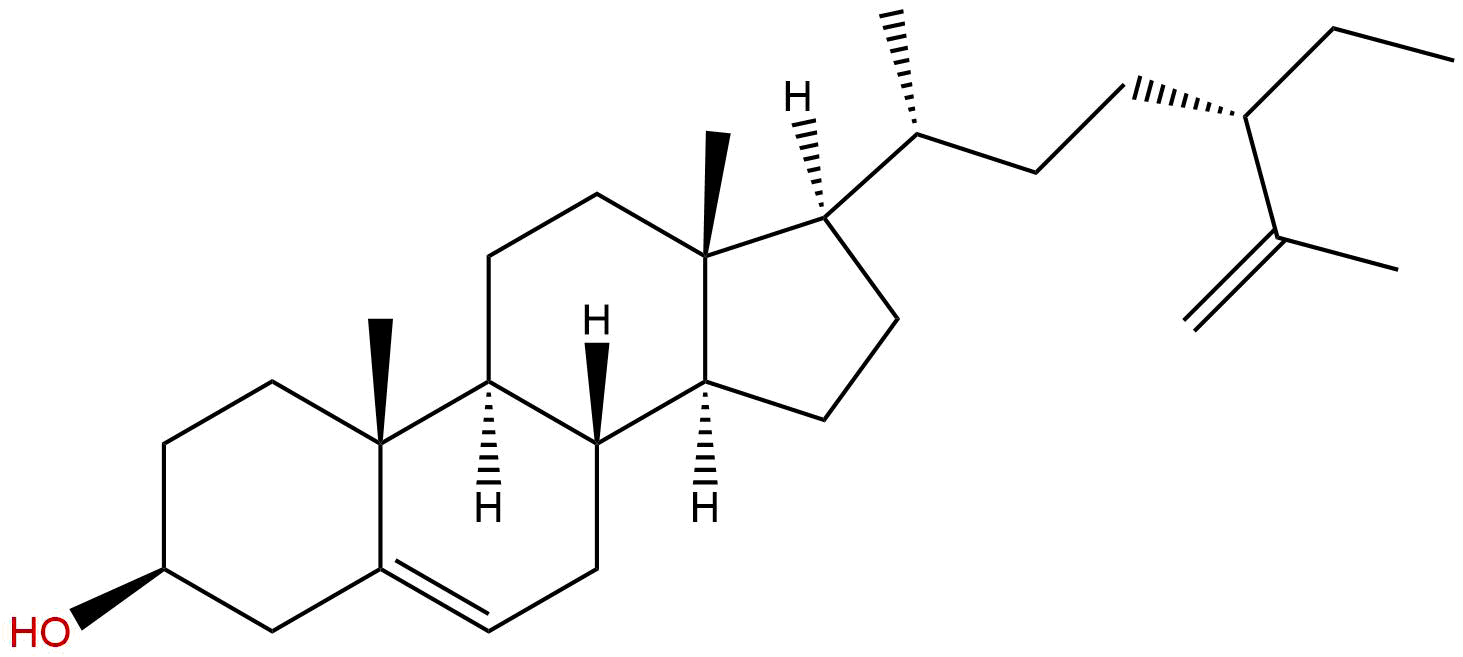
Clerosterol, also known as (24S) - ethylcholestan-5,22,25-triene-3 β - ol, is a naturally occurring C29 plant sterol. Its name comes from its primary plant source, the red paulownia tree, which was originally discovered(Clerodendrum Belonging to plants, such as Clerodendrum trichotomum or Clerodendrum inerme). As a unique sterol with conjugated double bond side chains, sitosterol differs structurally from common β - sitosterol and stigmasterol. In recent years, with the deep exploration of natural product libraries, the biological activity spectrum of sitosterol has gradually been revealed, especially in regulating lipid metabolism, intervening in inflammatory signaling pathways, and affecting nuclear receptor activity, showing unique potential. This article aims to systematically review the chemical properties, plant sources, pharmacological activities, molecular mechanisms, and pharmacological characteristics of sitosterol, and evaluate its potential as a lead compound for the treatment of hypercholesterolemia and related metabolic diseases.
The chemical structure of tung sterols belongs to the sterol class compounds, with a core skeleton of cyclopentane dihydrophenanthrene (steroid nucleus). The C-3 position is connected to a β - hydroxyl group, and the C-17 position is connected to a side chain containing 8 carbon atoms. Its uniqueness lies in the structural features of the side chain: the C-24 position is ethyl (rather than the common methyl or ethylidene), and the side chain contains two double bonds, located at C-22 (trans configuration) and C-25 positions, respectively. This conjugated diene structure endows tung sterols with chemical reactivity and spatial conformation different from saturated side chain plant sterols. Its system is named (3 β, 22E, 24S) - stigmast-5,22,25-triene-3-ol, with a molecular formula of C29H48O.
From the perspective of physical and chemical properties, the molecular weight of sitosterol is 412.7020 g/mol, which belongs to the medium size lipophilic molecule. Its lipid water partition coefficient (LogP) is as high as 8.1248, indicating that it has strong lipophilicity and is easily soluble in organic solvents such as chloroform, ether, and ethyl acetate, while its solubility in water is extremely low (0.0001 mg/mL). This property determines that its absorption, distribution, and metabolic behavior in the body will be highly dependent on the transport of lipoproteins or bile acid micelles. The topological polar surface area (TPSA) is only 20.23 Å ², far below the recommended upper limit of 140 Å ² for oral drugs, indicating its good cell membrane penetration ability. In fact, its blood-brain barrier (BBB) permeability has been evaluated as "high", which means that sitosterol may enter the central nervous system, bringing potential therapeutic opportunities while also increasing concerns about central toxicity. It is worth noting that hERG inhibition prediction is "no", and the Ames test result is 0.0, preliminarily ruling out the high risk of cardiac toxicity and genotoxicity, which provides a favorable safety window for its further development.
Tongsterol was originally derived from the genus Vernenaceae in the family Verbenaceae(Clerodendrum)Isolation and identification in plants, which is also the origin of its name "Clerosterol". The red tung tree genus is widely used in traditional medicine, such as C. trichotomum(Haizhou Changshan) is used in East Asia to treat hypertension and rheumatism, and C. inerme(Kudou tree) is used in India and Southeast Asia to treat skin diseases and inflammation. In these plants, tung sterols usually exist in the form of free sterols or glycosides (such as sterol glycosides).
Subsequent studies have found that tung sterols are also present in plants of other families and genera, including certain species of Lamiaceae, Solanaceae, and Apocynaceae. For example, in Solanum Genus plants (such as okra) and Nerium It has been detected in plants of the genus (such as oleander). This indicates that the distribution of sitosterol in the plant kingdom may be more widespread than initially expected, but its content is usually lower and it is mostly present as a minor component.
The classic process for extracting tung sterols usually includes the following steps: first, dry plant materials (such as leaves or stem bark) are crushed, and low polarity organic solvents (such as n-hexane, petroleum ether, or chloroform) are used for cold soaking or Soxhlet extraction to enrich lipophilic components. After the extraction solution is concentrated under reduced pressure, a total fat soluble extract is obtained. Subsequently, preliminary separation was performed by silica gel column chromatography, using n-hexane ethyl acetate or chloroform methanol gradient elution to collect the fraction containing sterols. Due to the similar polarity of common plant sterols such as β - sitosterol and stigmasterol, further purification often requires the use of high-performance liquid chromatography (HPLC), with a reverse phase C18 column and acetonitrile water or methanol water as the mobile phase for isocratic or gradient elution. Given that the content of sitosterol in plants is often low, and the separation and purification steps are cumbersome, the yield is usually low. In recent years, supercritical fluid extraction (SFE) technology has been attempted for the extraction of plant sterols due to its high efficiency and environmental friendliness. However, its application in the specific extraction of phytosterols is still in the exploratory stage.
The pharmacological activity research of sitosterol is still in its early stages, but existing evidence has revealed its multifaceted biological effects, particularly in the fields of lipid metabolism regulation and anti-inflammatory effects.
1. Lowering cholesterol and regulating lipid metabolism
This is the most studied direction of tung sterols. As a plant sterol, its basic mechanism of action is believed to reduce the absorption of intestinal cholesterol by competing with cholesterol to mix micelles. However, cell and animal experiments targeting sitosterol suggest that its effects may be more complex. In vitro experiments have shown that sitosterol can upregulate the expression of ABCA1 (ATP binding cassette transporter A1) in liver cells, promote cholesterol efflux to apolipoprotein A-I, and enhance reverse cholesterol transport. In addition, studies have observed that sitosterol can inhibit the activity of HMGCR (3-hydroxy-3-methylglutaryl-CoA reductase), directly reducing the synthesis of endogenous cholesterol. This dual mode of action of "inhibiting synthesis+promoting efflux" may make it superior to traditional plant sterols that only inhibit absorption in terms of lipid-lowering potential.
2. Anti inflammatory and antioxidant activity
Inflammation is the core of atherosclerosis. Tongsterol has been shown to reduce the release of downstream inflammatory factors such as IL-6 and TNF - α by inhibiting the phosphorylation of STAT3 (signal transducer and activator of transcription 3). At the same time, it can activate the NFE2L2 (nuclear factor E2 related factor 2, Nrf2) signaling pathway, upregulate the expression of antioxidant enzymes such as heme oxygenase-1 (HO-1), thereby reducing oxidative stress damage to vascular endothelium. This ability to simultaneously interfere with inflammation and oxidative stress is of great significance for delaying the progress of atherosclerotic plaque.
3. Regulation of nuclear receptors and bile acid metabolism
Tongsterol exhibits regulatory effects on members of the nuclear receptor family. It can serve as a ligand or modulator for NR1H4 (farnesol X receptor, FXR) and NR1H3 (liver X receptor alpha, LXR alpha). Activation of LXR α can induce the expression of ABCA1 and ABCG1, promoting cholesterol efflux; Activating FXR can regulate the synthesis and secretion of bile acids, affecting the metabolism and clearance of cholesterol. In addition, the inhibitory activity of sitosterol on CETP (cholesterol ester transfer protein) is also worth noting. Inhibiting CETP can increase high-density lipoprotein cholesterol (HDL-C) levels, which is currently an important intervention strategy in lipid-lowering therapy.
4. Other potential activities
Preliminary studies also suggest that sitosterol may have anti-tumor activity by inhibiting tumor angiogenesis by affecting the stability of HIF1A (hypoxia inducible factor 1 alpha). In addition, its inhibitory activity against TOP1 (topoisomerase I) also suggests potential cytotoxicity, which requires caution in development.
The pharmacological effects of sitosterol are the result of the synergistic action of multiple targets and pathways, and its core mechanism revolves around the regulation of cholesterol metabolism homeostasis.
1. Regulating cholesterol efflux and reverse transport
Tongsterol upregulates the expression of its target gene ABCA1 by activating LXR α (NR1H3). ABCA1 is a key transporter that mediates the transport of intracellular cholesterol and phospholipids to apolipoprotein A-I, and is the rate limiting step in reverse cholesterol transport. By enhancing this process, tungsterol helps to reduce macrophage foam, which is a key cellular event in anti atherosclerosis. In addition, direct or indirect regulation of ABCA1 may also affect cholesterol metabolism in other tissues such as the liver and intestines.
2. Inhibit cholesterol synthesis
Tongsterol can directly or indirectly inhibit the activity of HMGCR. HMGCR is the rate limiting enzyme in the cholesterol biosynthesis pathway. Although plant sterols are generally believed to primarily act by inhibiting absorption, the inhibitory effect of tung sterols on HMGCR suggests that they may have a statin like effect, but their binding sites and inhibition intensity may differ. This dual inhibitory mechanism (synthesis and absorption) theoretically can produce a synergistic lipid-lowering effect.
3. Regulating inflammation and oxidative stress signals
Tongsterol inhibits the phosphorylation of STAT3 and blocks the JAK-STAT signaling pathway, thereby reducing the transcription of pro-inflammatory cytokines. At the same time, it activates NFE2L2, causing it to dissociate from Keap1 and translocate into the nucleus, binding to antioxidant response elements (ARE) and initiating the expression of a series of antioxidant genes. These two pathways are intertwined in atherosclerosis. Over activation of STAT3 will inhibit the activity of NFE2L2, while tungsterol can correct this imbalance at the same time, showing a unique advantage.
4. Intervention in cholesterol esterification and transport
The inhibitory effect of sitosterol on CETP is an important characteristic that distinguishes it from other plant sterols. CETP mediates the exchange of cholesterol esters in HDL with triglycerides in very low-density lipoprotein (VLDL) and low-density lipoprotein (LDL). Inhibiting CETP can delay the clearance of HDL, thereby increasing HDL-C levels. In addition, regulation of FXR (NR1H4) can affect the composition and size of the bile acid pool, thereby feedback regulating cholesterol metabolism.
5. Potential effects on cell proliferation and hypoxia signaling
The effect of sitosterol on HIF1A and TOP1 suggests that it may affect cellular adaptation to hypoxic environments and DNA topology. These mechanisms are more common in tumor biology, but may also affect the stability of atherosclerotic plaques in the hypoxic microenvironment. Therefore, the roles of these targets need to be interpreted in conjunction with specific pathological and physiological backgrounds.
Based on the provided pharmacological parameters, sitosterol exhibits typical complex characteristics of coexistence of "drug like" and "non drug like" properties.
1. Absorption and bioavailability
The LogP of sitosterol is as high as 8.12, and its water solubility is extremely low (0.0001 mg/mL), which severely limits its solubility and release in aqueous environments, making it the primary challenge for oral bioavailability. According to the Lipinski Five Rules, LogP greater than 5 usually indicates malabsorption. However, the absorption mechanism of plant sterols is unique, as they rely on mixed micelles formed by bile acids for solubilization and intestinal absorption. Therefore, its absorption is highly dependent on the secretion of dietary fat and bile. However, the absolute bioavailability of plant sterols is usually less than 5%. The high lipophilicity of sitosterol may lead to its easier integration into chylomicrons, but it also increases its retention and first pass metabolism in the lymphatic system.
2. Distribution and Organizational Penetration
The TPSA is only 20.23 Å ², indicating its extremely high membrane penetration ability. The blood-brain barrier (BBB) permeability assessment is "high", indicating that sitosterol can enter the central nervous system. This may be beneficial for treating central nervous system diseases such as neuroinflammation or Alzheimer's disease, but for lipid-lowering therapy, potential central side effects such as interference with steroid metabolism need to be monitored. In addition, its high lipophilicity also indicates that it has a large distribution volume and may accumulate in adipose tissue and cell membranes.
3. Metabolism and excretion
As a plant sterol, sitosterol has a metabolic pathway similar to cholesterol in the body, mainly occurring in the liver. The double bonds on its side chains (C-22 and C-25) may become sites for oxidative metabolism of cytochrome P450 enzymes (such as CYP3A4), generating hydroxylated or epoxidized metabolites. These metabolites may have different biological activities. In addition, sitosterol and its metabolites are mainly excreted into the intestine through bile, and some can be further metabolized by the gut microbiota. Due to its high lipophilicity, renal excretion is not the main pathway.
4. Security assessment
The preliminary safety data is relatively optimistic. HERG inhibition is predicted as' no ', reducing the risk of prolonged QT interval in the heart. The Ames test result was 0.0, indicating no mutagenicity in the bacterial recovery mutation test. However, these are only early predictions and preliminary experimental data. Long term toxicology research, reproductive toxicity research, and carcinogenicity research are still blank. Although its inhibitory activity against HIF1A and TOP1 may be a therapeutic mechanism in certain contexts, it also suggests that it may have cytotoxicity and requires strict evaluation at high doses.
5. Challenges and strategies for drug development
The main obstacles to the pharmacological development of sitosterol are its extremely poor water solubility and low bioavailability. To overcome this challenge, the following strategies can be considered: firstly, using formulation techniques, such as preparing phospholipid complexes, cyclodextrin inclusion complexes, or nanoliposomes, to improve their dissolution and intestinal absorption; Secondly, structural modifications can be carried out, such as introducing phosphate or amino acid ester prodrugs at the C-3 position to improve water solubility while utilizing intestinal esterase hydrolysis to release the original drug; The third is to explore non oral administration routes, such as transdermal or inhalation administration, but specific indications need to be considered.
As a plant sterol with a unique side chain structure, the clinical application prospects of sitosterol are mainly reflected in the following aspects:
1. Adjuvant treatment for hypercholesterolemia
Given its multiple mechanisms of inhibiting HMGCR, upregulating ABCA1, and inhibiting CETP, sitosterol has the potential to be developed as a novel lipid-lowering dietary supplement or drug. Especially for patients who are intolerant to statins or require combination therapy to further reduce LDL-C and increase HDL-C, sitosterol may provide a natural source of supplementation. However, its extremely low bioavailability is the biggest bottleneck for clinical translation. Future research needs to focus on how to achieve effective therapeutic concentrations in vivo through formulation methods or structural optimization.
2. Non alcoholic fatty liver disease (NAFLD)
The dual regulatory effect of sitosterol on FXR and LXR makes it promising for the treatment of NAFLD. FXR agonists can improve bile acid metabolism and hepatic steatosis, while activation of LXR requires caution as overactivation of LXR in the liver promotes de novo fat synthesis (via SREBP-1c). Therefore, sitosterol may be a partial agonist or biased ligand, and its ultimate effect depends on the signal integration between different nuclear receptors. Pharmacodynamic studies in animal models are key to verifying this hypothesis.
3. Multi target intervention of atherosclerosis
Tongsterol has the ability to reduce lipid, anti-inflammatory, antioxidant and regulate cholesterol efflux at the same time, making it an ideal candidate molecule for anti atherosclerosis treatment. Its ability to enter the central nervous system also suggests that it may have potential benefits for cerebral atherosclerosis or vascular dementia. But this characteristic also requires strict neurotoxicity assessment.
4. Expansion of research direction
Future research should focus on the following aspects: firstly, establishing efficient and scalable extraction or synthesis processes to solve the problem of raw material sources; The second is to use gene knockout or transgenic animal models to clarify the contribution of various targets (such as ABCA1, STAT3, NFE2L2) in vivo; Thirdly, carry out systematic pharmacokinetic studies, especially on its fate in lymphatic absorption and liver first pass metabolism; The fourth is to conduct in-depth toxicological evaluations, especially on the effects of long-term administration on the liver, nervous system, and reproductive system.
Tongsterol, as a natural C29 sterol derived from plants such as paulownia, has demonstrated unique research value in the field of natural product pharmacology due to its unique side chain conjugated diene structure and multi-target pharmacological activity. Through regulating multiple targets such as ABCA1, HMGCR, STAT3, NFE2L2, CETP and nuclear receptor LXR/FXR, it has synergistic effects in cholesterol lowering, anti-inflammatory, antioxidant and regulation of cholesterol reverse transport, providing a new molecular template for the treatment of hypercholesterolemia and related atherosclerotic diseases.
However, the pharmacological properties of sitosterol face severe challenges. Its extremely high lipophilicity and low water solubility result in extremely low oral bioavailability, while high blood-brain barrier permeability poses potential central safety risks. Although the preliminary in vitro toxicological evaluations (hERG, Ames) yielded good results, comprehensive in vivo pharmacokinetic and toxicological data are still lacking. Therefore, sitosterol should currently be regarded as a "lead compound" with a unique mechanism of action rather than a "candidate drug". The focus of future research should be on overcoming absorption barriers through modern medicinal chemistry methods such as prodrug design and nano formulations, and validating their efficacy and safety in appropriate animal models. Only in this way can this ancient plant metabolite be revitalized in modern drug development and contribute new strength to human cardiovascular health.
Batch can search by a CAS number,one per line
