Introduction/Overview
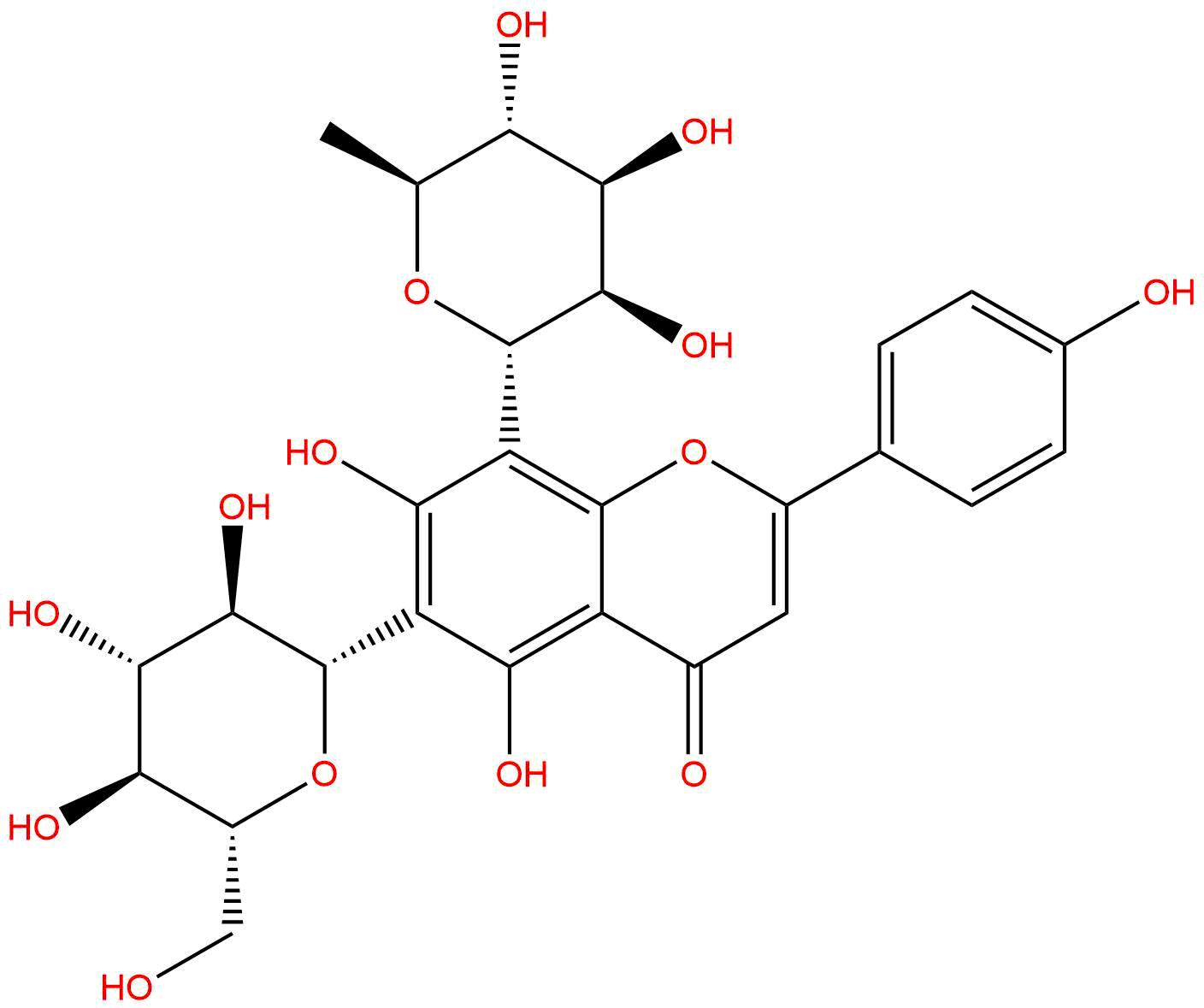
Violanthin (CAS number: 40581-17-7), as a natural flavonoid C-glycoside, has attracted widespread attention in recent years due to its multiple biological activities. This compound was initially isolated from the traditional Chinese medicinal herb Dendrobium officinale and exhibited significant antioxidant and antibacterial activities, as well as acetylcholinesterase (AChE) inhibition. Acetylcholinesterase is a key enzyme in the process of neural transmission, and its inhibitors are of great significance in the treatment of neurodegenerative diseases such as Alzheimer's disease. In addition, tricolor glycoside has shown potential pharmacological value in regulating inflammatory responses and related signaling pathways, especially in the treatment of chronic inflammatory diseases such as asthma.
This article aims to comprehensively review the chemical structure and physicochemical properties, plant sources and extraction methods, pharmacological activity and mechanism of action, pharmacological evaluation and pharmacokinetic characteristics of tricolor glycoside, and explore its potential and future development directions in clinical applications. By systematically reviewing existing literature, provide scientific basis and research references for the fields of natural product pharmacology and new drug development.
Chemical structure and physicochemical properties
Tripterygium wilfordii glycoside is a typical flavonoid C-glycoside with a complex chemical structure and diverse functional groups. Its molecular formula is C27H30O14 and its molecular weight is 578.5230. Structurally, tricolor glycoside is a trihydroxyflavonoid backbone, with hydroxyl groups replacing positions 5, 7, and 4 ', a β - D-glucopyranose residue at position 6, and a 6-deoxy-alpha-L-mannopyranose residue at position 8. This type of C-glycosidic structure endows it with strong water solubility (approximately 1.9848), but its LogP value is -0.4781, indicating a certain hydrophilicity that may affect its in vivo absorption and distribution characteristics.
The topological polar surface area (TPSA) of tricolor violet glycoside is as high as 250.97 Å ², indicating its strong molecular polarity, which is usually associated with its low ability to penetrate cell membranes. Its low blood-brain barrier penetration suggests that its direct role in the central nervous system may be limited. The hERG channel inhibition experiment showed a negative result, indicating a low risk of cardiac toxicity. The Ames mutagenicity test score is 0.6, indicating a low risk of genotoxicity and a good safety basis.
Plant sources and extraction methods
Tripterygium wilfordii glycoside is mainly isolated from Dendrobium officinale. Dendrobium officinale, as an important medicinal resource of the Dendrobium genus in the Orchidaceae family, contains abundant flavonoids and polysaccharide active ingredients. Its traditional applications include nourishing yin and moistening lungs, anti-inflammatory and antioxidant effects, etc. Modern research has confirmed that its chemical composition is diverse and its biological activity is significant.
The common methods for extracting tricolor violet glycoside include:
-
Solvent extraction Using ethanol or methanol as the main solvent, crude extract is obtained through reflux or ultrasound assisted extraction. Solvent polarity adjustment helps improve the extraction efficiency of flavonoids.
-
Separation and purification The crude extract was separated and purified using techniques such as silica gel column chromatography and reverse phase high-performance liquid chromatography (RP-HPLC) to obtain high-purity tricolor glycoside.
-
Structural Identification Confirm the structure of the compound through methods such as nuclear magnetic resonance (NMR), mass spectrometry (MS), and infrared spectroscopy (IR).
In recent years, green extraction methods such as supercritical fluid extraction and membrane separation technology have also been gradually applied to the extraction of tricolor glycoside, aiming to improve extraction efficiency, reduce the use of organic solvents, and promote its industrialization process.
Pharmacological activity research
The pharmacological activities of tricolor glycoside include antioxidant, antibacterial, anti-inflammatory, and neuroprotective aspects, as follows:
antioxidant activity
As a polyhydroxyflavonoid compound, tricolor glycoside has significant free radical scavenging ability. Both in vitro DPPH radical scavenging experiments and ABTS+radical scavenging experiments showed that it has concentration dependent antioxidant effects. The synergistic effect of its hydroxyl and sugar groups enhances the molecule's ability to capture oxygen free radicals, effectively inhibiting oxidative stress-related cell damage.
Antibacterial activity
Tripterygium wilfordii glycoside exhibits certain inhibitory effects on various Gram positive and Gram negative bacterial strains. Research has shown that it has antibacterial effects on pathogenic bacteria such as Staphylococcus aureus and Streptococcus pneumoniae, and the mechanism may involve interference with bacterial cell wall synthesis and changes in membrane permeability. The specific target of action still needs further clarification.
Anti acetylcholinesterase activity
Tripterygium wilfordii glycoside has an inhibitory effect on acetylcholinesterase (AChE) with an IC50 value of approximately 79.80 μ M. AChE, as a degradation enzyme of the neurotransmitter acetylcholine, has therapeutic potential as an inhibitor in cognitive disorders such as Alzheimer's disease. Tripterygium wilfordii glycoside improves nerve conduction function by inhibiting AChE and prolonging the action time of acetylcholine in synaptic cleft.
Anti inflammatory and asthma related activities
Given the potential association between tricolor glycoside and various inflammation related molecular targets, its role in chronic inflammatory diseases such as asthma is increasingly being studied. Related targets include ALOX5, PLA2G2A, ADORA2B, MAPK1, TNF, PDE4D, PTGS2, CHRM3, NFKB1, and ADRB2, all of which are involved in the synthesis of inflammatory mediators, signal transduction, and regulation of airway hyperresponsiveness. Tripterygium wilfordii glycoside may regulate the above targets, inhibit the release of inflammatory factors, and alleviate airway inflammation and spasms.
Mechanism of action and molecular targets
The mechanism of action of tricolor glycoside is diverse, involving multiple molecular targets and signaling pathways:
-
Acetylcholinesterase inhibition
By directly binding to the active site of AChE, tricolor glycoside blocks the hydrolysis of acetylcholine and enhances cholinergic neurotransmission. Molecular docking and dynamic simulations show that its sugar and hydroxyl groups form hydrogen bonds with key amino acid residues of the enzyme, stabilizing the binding conformation.
-
Antioxidant mechanism
Tripterygium wilfordii glycoside reduces oxidative damage and protects cell membranes and DNA from oxidative stress by clearing reactive oxygen species (ROS) and free radicals. Its hydroxyl structure facilitates electron supply and terminates free radical chain reactions.
-
Regulation of anti-inflammatory signaling pathway
Tripterygium wilfordii glycoside may inhibit the nuclear factor kappa B (NF - κ B) signaling pathway and reduce the expression of pro-inflammatory cytokines such as TNF - α and IL-6. In addition, by inhibiting phospholipase A2 (PLA2G2A) and lipoxygenase 5 (ALOX5), the synthesis of inflammatory mediator leukotrienes is reduced, thereby alleviating airway inflammation.
-
Asthma related target regulation
By regulating adenosine A2B receptor (ADORA2B) and phosphodiesterase 4D (PDE4D), tricolor glycoside may affect airway smooth muscle relaxation and inflammatory cell activation. The regulation of β 2 adrenergic receptors (ADRB2) and cholinergic receptors (CHRM3) can help alleviate airway spasms and excessive secretion.
-
MAPK signaling pathway
As a key pathway in cellular stress response, the regulation of MAPK1 helps to regulate cell proliferation, apoptosis, and inflammatory response. Tripterygium wilfordii glycosides exert cell protective effects by affecting this pathway.
Evaluation of drug properties and pharmacokinetics
From the perspective of medicinal properties, tricolor glycoside exhibits certain advantages and challenges:
-
Molecular weight and polarity
The molecular weight is 578.5230, slightly higher than the ideal oral drug molecular weight range (<500 Da), which may affect its oral bioavailability. A high TPSA value (250.97 Å ²) suggests limited ability to penetrate cell membranes, especially the blood-brain barrier, which limits the direct action of the central nervous system.
-
Fat solubility and water solubility
LogP is -0.4781, indicating its strong hydrophilicity, which is beneficial for dissolution and distribution in the blood, but may reduce the passive diffusion ability of the cell membrane. The water solubility index (1.9848) is moderate and helpful for formulation development.
-
safety
HERG channel inhibition is negative, indicating a low risk of cardiac toxicity. The Ames test results showed no significant mutagenicity and good safety.
-
Pharmacokinetic characteristics
At present, there is limited data on the in vivo absorption, distribution, metabolism, and excretion (ADME) of tricolor glycoside. Its glycosidic structure may be hydrolyzed in the intestine, releasing flavonoid nuclei that affect the bioavailability of active ingredients. The low blood-brain barrier permeability limits its direct therapeutic potential for central nervous system diseases, but pharmacokinetic performance can be optimized through structural modification or nanocarrier technology.
Clinical application prospects and prospects
Due to its multiple biological activities, especially its potential in antioxidant, anti-inflammatory, and AChE inhibition, tricolor violet glycoside has provided new ideas for the treatment of various diseases.
-
Neurodegenerative diseases
Its AChE inhibitory effect makes it a candidate drug for cognitive impairment diseases such as Alzheimer's disease. In the future, structural optimization and drug delivery systems can be combined to enhance its brain concentration and efficacy.
-
Chronic inflammatory diseases and asthma
By regulating multiple inflammation related targets, tricolor glycoside has the potential to become an adjuvant therapy for asthma and other chronic inflammatory diseases. Its dual regulatory effect on airway inflammation and spasm is particularly important.
-
Antibacterial and antioxidant applications
In infectious diseases and oxidative stress related diseases, pansy glycoside can be used as a natural antibacterial agent and antioxidant, with good safety and tolerance.
Future research should focus on:
-
In vivo efficacy and safety evaluation
Systematic animal model validation and toxicology studies to clarify its pharmacological dose window and potential side effects.
-
Pharmacokinetic optimization
By structural modification, nanocarriers, or combination therapy strategies, its oral bioavailability and targeting can be enhanced.
-
Clinical trial design
Based on the characteristics of the disease, design a reasonable clinical trial plan to verify its therapeutic effect in related diseases.
-
In depth analysis of molecular mechanisms
By utilizing multi omics techniques and molecular simulations, further elucidate its targets and signaling pathways, and promote precision medication.
Conclusion
As a natural flavonoid C-glycoside with multiple biological activities, tricolor violet glycoside has shown broad pharmacological application prospects. Its unique chemical structure endows it with excellent antioxidant, antibacterial, and anti-inflammatory properties, especially showing potential advantages in acetylcholinesterase inhibition and asthma related inflammation regulation. Although there are certain limitations to its pharmacological properties, with the assistance of modern drug design and delivery technologies, it is expected to overcome the problems of insufficient bioavailability and targeting.
In the future, combined with systematic pharmacological research and clinical validation, tricolor glycoside is expected to become an important candidate molecule in the development of natural product drugs, providing new strategies and choices for the treatment of related diseases. The multi-target regulatory properties of natural products also provide a theoretical basis for the comprehensive treatment of complex diseases, promoting the precise and diversified development of natural medicine research.