Research progress on the natural anti osteoarthritis product derived from traditional Chinese medicine, Xuduan Glycoside B
1. Overview
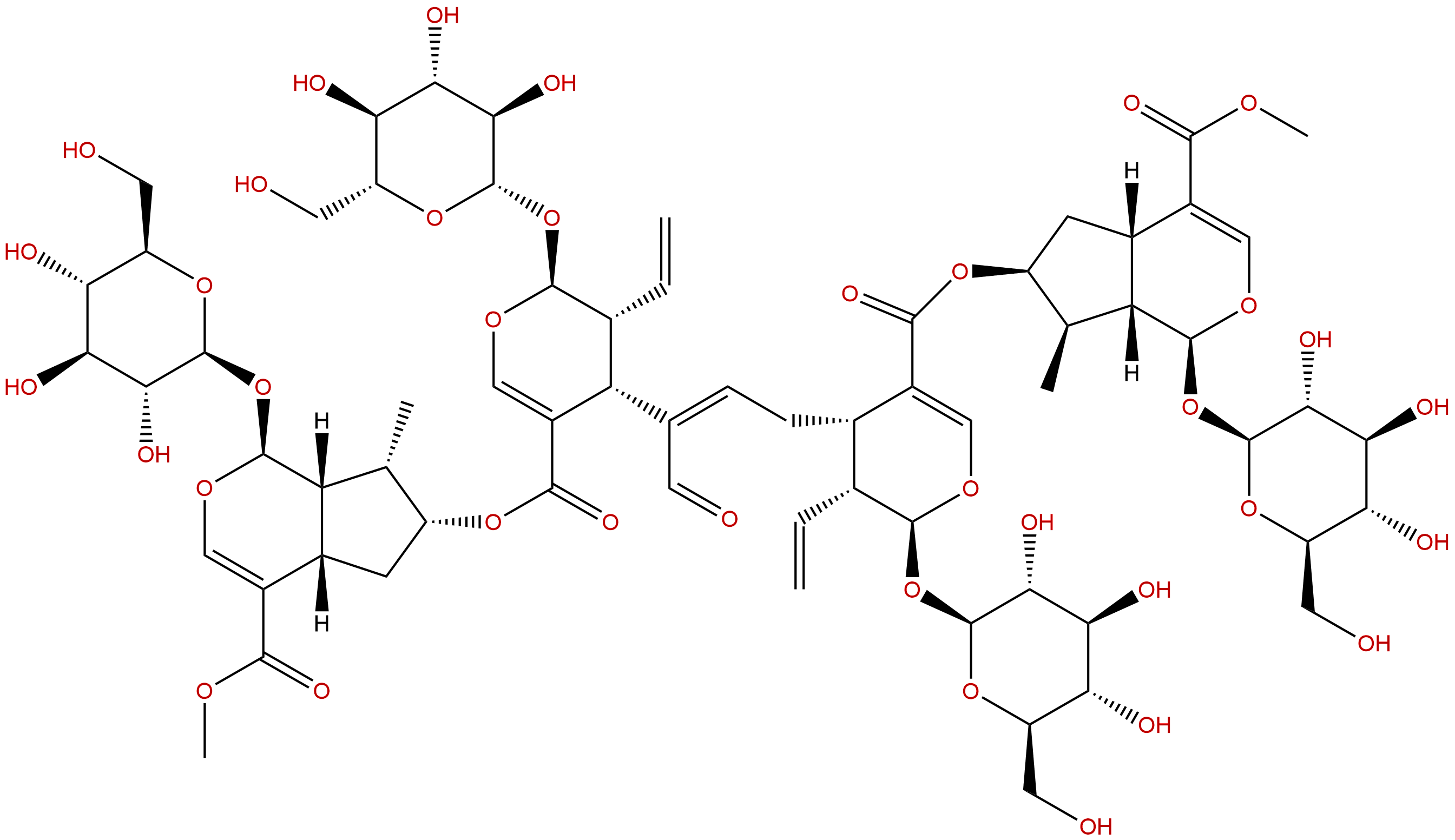
Dipsanoside B (CAS number: 889678-64-2) is a traditional medicinal plant derived from the Chinese medicinal plant, Dipsanoside B(Dipsacus asper)A novel tetracyclic glucoside compound was isolated from the middle. Its molecular formula is C66H90O37, with a molecular weight of up to 1475.4100 g/mol, belonging to the complex structure of large molecule natural products. In modern pharmacological research, dipyridamole B has significant effects due to its Anti osteoarthritis activity And it has attracted much attention, becoming an important bridge connecting the wisdom of traditional Chinese medicine with modern disease treatment.
Osteoarthritis is a chronic degenerative joint disease characterized by degenerative changes in articular cartilage, synovitis, and osteophyte formation. The global prevalence continues to rise with aging populations. At present, clinical treatment mainly focuses on relieving symptoms, and there is a lack of disease modifying drugs that can effectively delay or reverse the progression of the disease. In this context, exploring active ingredients with cartilage protection, anti-inflammatory, and matrix metabolism regulation effects from the treasure trove of traditional Chinese medicine has become an important strategy for new drug development. Chuanxuduan is commonly used in the clinical practice of traditional Chinese medicine to strengthen muscles and bones, and to treat fractures, rheumatism, and pain. Its historical records provide a traditional basis for the anti osteoarthritis research of xuxuduan glycoside B. In recent years, with the advancement of separation and identification techniques and molecular pharmacology, the specific molecular targets and mechanisms of action of Dipsacoside B, as one of the key active ingredients of Chuanxuduan, have gradually been revealed, providing valuable lead compounds and scientific basis for the development of new drugs for the treatment of osteoarthritis.
2. Chemical structure and physicochemical properties
The chemical structure of Xuduan Glycoside B is complex, and from its SMILES expression, it can be inferred that it is a compound composed of Glycogen core and multiple glycosyl units Tetracyclic glycosides formed by glycosidic bonds. The glycoside part may contain functional groups such as unsaturated bonds, ester groups, and carboxyl groups, while the sugar part is connected to multiple glucose units, which explains its enormous molecular weight and highly hydrophilic properties.
From the analysis of pharmacological parameters, the molecular weight (MW) of dipyridamole B is 1475.41, far exceeding the range of conventional small molecule drugs (usually<500 Da). Its topological polar surface area (TPSA) is as high as 556.71 Å ², indicating the presence of numerous hydrogen bond donors and acceptors (mainly from multiple hydroxyl and sugar rings) on the molecular surface, which determines its Extremely strong hydrophilicity The calculated LogP value (0.0455) and LogD value (0.0458) are both close to zero, further confirming that the compound has a strong tendency to distribute in the aqueous phase and poor lipid solubility. Its theoretical water solubility value is 4.3091 (usually measured in mg/mL or log mol/L, with higher values inferred from context), indicating good water solubility.
However, the enormous molecular weight and extremely high polarity also pose challenges in terms of membrane permeability. The permeability data (0.7293 × 10 ⁻⁶ cm/s) and effective permeability (Peff, 0.4443) of Caco-2 cells are both at a low level, indicating its poor ability to passively absorb through the intestine. The blood-brain barrier (BBB) penetration is predicted to be "low", which is consistent with the characteristics of high TPSA and low fat solubility, meaning it is difficult to enter the central nervous system. However, for the treatment of peripheral joint diseases, this is not a disadvantage, but may reduce the risk of central side effects. The plasma protein binding rate (PPB) is about 52.21%, which is at a moderate level, meaning that about half of the compounds in the blood bind to plasma proteins, affecting their free concentration and distribution.
3. Plant sources and traditional applications
Xuduan glycoside B mainly comes from plants of the genus Chuanduan. The database information clearly lists its plant source as' Xuduan ', scientific name Dipsacus japonicus It belongs to the Caprifoliaceae family. It is worth noting that in Chinese literature and the market, 'Chuanxuduan'(Dipsacus asper)It is a more commonly used and recognized medicinal variety. The two are closely related plants with high similarity in chemical composition and medicinal efficacy.
The medicinal history of Chuanxuduan has a long and rich history in China. Its roots and stems are used as medicine and were first recorded in the "Shennong Bencao Jing", which is classified as a top-grade herb. According to traditional Chinese medicine theory, the intermittent mild temperature, bitter and pungent taste, and the liver and kidney meridians are associated with it Tonifying liver and kidney, strengthening muscles and bones, continuing injuries, stopping collapse and leakage The efficacy. In clinical practice, it is widely used in the following areas:
1. Muscle and bone injuries To treat fractures and injuries, promote bone healing and soft tissue repair, it is often combined with bone fragments and natural copper.
2. Rheumatic arthralgia Used for waist and knee soreness, rheumatoid joint pain caused by liver and kidney deficiency, often used interchangeably with Eucommia ulmoides, Achyranthes Achyranthes, and Mulberry Parasitic.
3. Restless fetal movement, collapse and leakage Using its nourishing effects on the liver and kidneys, as well as its ability to strengthen the Chong and Ren meridians, to treat threatened miscarriage, excessive menstruation, and other conditions.
The traditional applications of "strengthening muscles and bones" and "treating rheumatism and pain" are highly consistent with the anti osteoarthritis activity discovered in modern research, reflecting the ideas of "traditional Chinese medicine for disease prevention" and "multi-target regulation". This suggests that the effect of Xuduan Glycoside B may not only be simple anti-inflammatory, but also involve overall regulation of chondrocyte and extracellular matrix metabolism, thereby intervening in the pathological process of osteoarthritis from multiple aspects. Research on the modern chemical composition of Chuanxuduan indicates that its main active ingredients include saponins, iridoid glycosides, alkaloids, and flavonoids. Xuxuduan glycoside B is one of the structurally unique derivatives of iridoid glycosides.
4. Pharmacological activity and mechanism of action
The pharmacological activity research of Xuduan glycoside B is currently highly focused on Anti osteoarthritis field Its mechanism of action is not through a single target, but through multi-target and multi pathway intervention in the core pathological process of osteoarthritis, mainly including inhibition of inflammatory response, protection of chondrocytes, and maintenance of extracellular matrix homeostasis. The five target information provided by the database (IL1B, MMP13, ADAMTS5, COL2A1, ACAN) clearly outline their functional network.
1. Inhibition of pro-inflammatory cytokine IL-1 β (IL1B): IL-1 β is a key initiating factor for osteoarthritis synovitis and cartilage destruction. It can strongly induce chondrocytes to produce matrix degrading enzymes and inhibit cartilage matrix synthesis. Xuduan glycoside B can downregulate the expression or activity of IL1B, thereby reducing the inflammatory cascade reaction in the joint from the source and protecting chondrocytes from the attack of inflammatory factors.
2. Inhibition of matrix degrading enzymes (MMP13 and ADAMTS5): The excessive degradation of cartilage matrix is the direct cause of cartilage destruction in osteoarthritis. MMP13 (matrix metalloproteinase 13) mainly degrades type II collagen, while ADAMTS5 (disintegrin metalloproteinase 5 containing platelet reactive protein motif) is the main degrading enzyme of polysaccharides (encoded by ACAN gene). Xuduan glycoside B can inhibit the activity or expression of these two key degradation enzymes, effectively reducing the loss of type II collagen and proteoglycans in the extracellular matrix of chondrocytes, and maintaining the structural and functional integrity of cartilage.
3. Promote cartilage matrix synthesis (COL2A1 and ACAN): At the same time as inhibiting damage, dipyridamole B can also play a "constructive" role. The COL2A1 gene encodes the type II collagen alpha 1 chain, which is the most important structural collagen in articular cartilage; The ACAN gene encodes the core protein of polysaccharides, which is a key component in maintaining cartilage elasticity and compressive strength. Xuduan glycoside B can upregulate the expression of COL2A1 and ACAN, promote the synthesis and secretion of new type II collagen and proteoglycans in chondrocytes, and achieve the repair and regeneration of cartilage matrix.
Comprehensive mechanism model: In the pathological environment of osteoarthritis, the level of pro-inflammatory cytokine IL-1 β increases, activating signaling pathways such as NF - κ B in chondrocytes, resulting in upregulation of MMP13 and ADAMTS5 expression, while inhibiting the expression of COL2A1 and ACAN, ultimately leading to matrix degradation greater than synthesis and cartilage network disintegration. Xuduan glycoside B may achieve bidirectional regulation by intervening in upstream inflammatory signaling pathways such as NF - κ B and MAPK, while inhibiting the effect of IL-1 β: on the one hand, it downregulates MMP13 and ADAMTS5, reducing matrix breakdown; On the other hand, upregulating COL2A1 and ACAN enhances matrix synthesis. This "open source and throttling" multi-target regulation mode theoretically has a more comprehensive cartilage protection potential than single target inhibitors, and is also more in line with the treatment concept of holistic regulation in traditional Chinese medicine.
5. Evaluation of drug properties
Based on the provided pharmacological parameters, we can conduct a preliminary evaluation of the potential for the development of dipyridamole B as an oral medication. The most commonly used evaluation tool is Lipinski's Rule of Five, which predicts drug like properties based on empirical rules including MW<500, LogP<5, hydrogen bond donor number (HBD)<5, and hydrogen bond acceptor number (HBA)<10. The MW (1475) of Xuduan Glycoside B far exceeds 500, and HBD and HBA (inferred from its structure, far more than 10) also severely exceed the standard. Therefore Completely inconsistent Lipinski rule. This clearly indicates that its oral bioavailability will be very low, mainly due to the large size and strong polarity of the molecule, making it difficult for it to penetrate the intestinal epithelial cell membrane through passive diffusion.
Other parameters confirm this judgment: lower Caco-2 permeability and Peff value directly reflect its difficulty in intestinal absorption. This usually means that if developed as an oral formulation, its absorption level may be extremely low, requiring extremely high dosages or the use of special delivery techniques (such as nano formulations, prodrug modifications, absorbents, etc.) to improve.
In safety In terms of aspect, the data provides mixed signals:
- Positive signal The AMES test result is 0.0 (usually indicating no mutagenicity), hERG inhibition is "no" (indicating low risk of QT interval prolongation in the heart), and there is no risk of skin sensitization, respiratory sensitization, or phototoxicity. These are crucial early safety indicators in drug development.
- Potential risk signals The result of the chromosomal aberration test is' yes', indicating that the compound may have a genetic toxicity risk under the testing conditions. This needs to be highly valued and further research should be conducted in subsequent development to confirm its level of risk. In addition, serological indicators showed an impact on alkaline phosphatase (ALK), gamma glutamyltransferase (GGT), aspartate aminotransferase (AST), and alanine aminotransferase (ALT) ("Yes"), which may suggest potential Hepatotoxicity The impact on liver function is another safety aspect that needs to be carefully examined.
Overall, as a Clear activity but significant challenges in drug development Natural products. Its extremely high molecular weight and polarity make oral absorption the main bottleneck. Future development strategies may include:
1. Non oral administration route Consider developing it as an intra-articular injection that directly acts on the lesion to avoid absorption issues. This is currently the administration method for many large molecule biologics to treat osteoarthritis.
2. structural optimization Using it as the mother nucleus, simplify or modify the structure, while retaining the core pharmacophore, reduce molecular weight and polarity, and improve drug properties.
3. As a lead compound In depth study of its mode of action with targets such as MMP13 and ADAMTS5 provides inspiration for designing novel structures of small molecule inhibitors.
4. Modern Formulation Technology Using carriers such as liposomes and polymer micelles to improve their delivery efficiency.
6. Research Status and Application Prospects
At present, research on dipyridamole B is still ongoing Preclinical stage Mainly focused on activity screening, preliminary exploration of mechanism of action, and compound isolation and purification. Existing research has preliminarily confirmed its anti-inflammatory and cartilage protective effects in cell and animal models, and predicted its potential interactions with targets such as IL1B and MMP13 through network pharmacology or molecular docking methods. However, most of these findings are based on in vitro experiments and lack systematic in vivo pharmacological, pharmacokinetic, and toxicological evaluation data.
Future research directions Emphasis should be placed on the following aspects:
1. In depth mechanism research Using techniques such as gene knockout and RNA interference, verify its direct regulatory effect on the above targets in more complex cell models or tissue-engineered cartilage, and elucidate its upstream signaling pathways (such as NF - κ B, Wnt/β - catenin, etc.).
2. Comprehensive in vivo evaluation Establish a stable animal model of osteoarthritis (such as a rat DMM model), systematically evaluate the efficacy, pharmacokinetics, and long-term toxicity of dipyridamole B after intra-articular injection or other routes of administration, with particular attention to its potential genetic toxicity and hepatotoxicity signals.
3. Research on Structure Activity Relationship Systematically study the relationship between the chemical structure and target activity of dipyridamole B and its analogues, providing guidance for structural optimization.
4. Delivery strategy development To explore new delivery systems suitable for macromolecular and highly polar compounds, such as developing temperature sensitive or sustained-release intra-articular injection hydrogels to achieve local long-term drug release.
Application Prospects In terms of application, the most direct application of Xuduan Glycoside B may be as Joint cavity injection preparation Developed for the treatment of moderate to severe osteoarthritis. If its safety and efficacy are fully validated, it will provide patients with a new treatment option derived from natural, multi-target effects. In addition, it can also be used as a raw material for functional foods or health supplements for joint health, but its dosage and safety need to be strictly defined. From a broader perspective, the study of Dipsacoside B not only contributes to the development of new drugs, but also deepens the scientific understanding of the traditional efficacy of Chuan Dipsacus in strengthening muscles and bones, promotes the modernization and internationalization of traditional Chinese medicine, and provides a successful example for discovering complex disease treatment drugs from traditional medicines.
In short, Xuduan glycoside B is a highly distinctive natural product that bridges the gap between traditional Chinese medicine experience and modern molecular pathology. Despite the challenges on the path towards drugs, its unique multi-target mechanism of action provides new ideas for solving the complex disease of osteoarthritis, which is worth further and systematic exploration.