Introduction/Overview
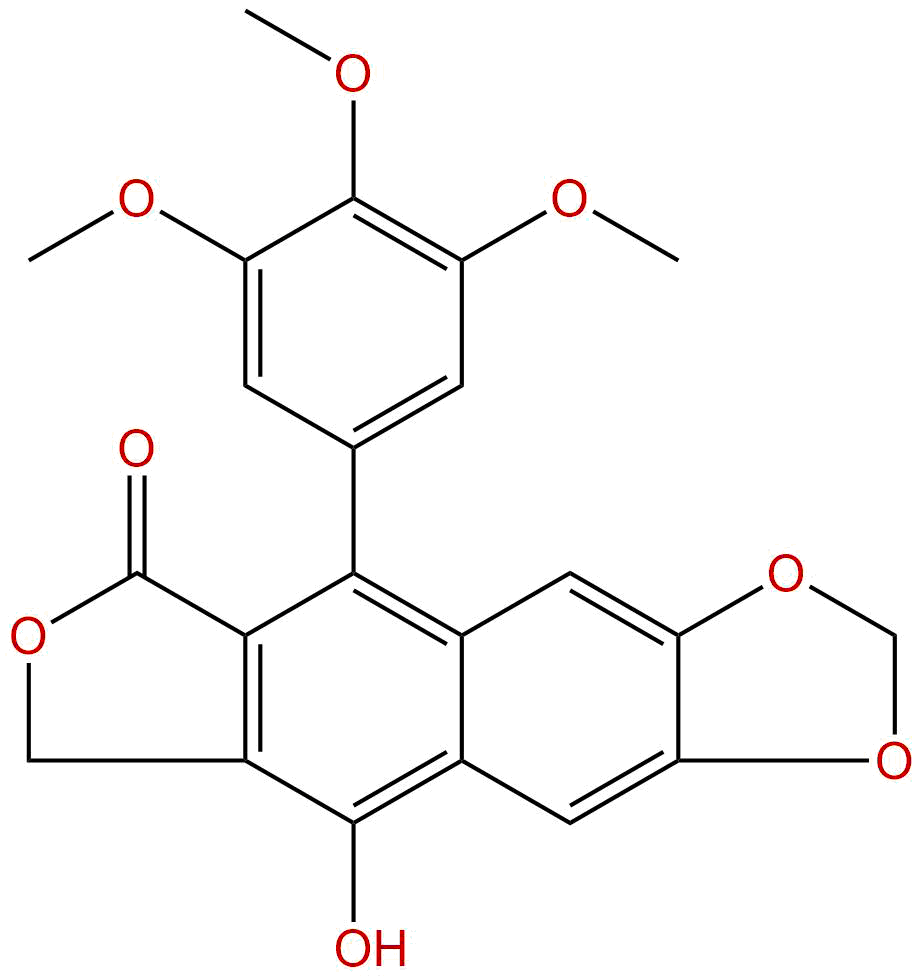
Natural products, as an important treasure trove for drug discovery, have played an irreplaceable role in the long history of human fight against diseases. Podophyllotoxin and its derivatives, as a class of lignans with significant biological activity, have been a hot topic in medicinal chemistry and pharmacology research since their anti-tumor activity was discovered. Dehydropodophyllotoxin (DPT), as a structural analogue of podophyllotoxin, has shown superior or differentiated pharmacological activity due to its unique chemical modifications, and has received widespread attention in recent years. Its CAS number is 42123-27-3, molecular formula is C22H18O8, and molecular weight is 410.38. Research has shown that dehydropodophyllotoxin has great potential in the field of anti-tumor treatment. Its effects involve inducing cell apoptosis, inhibiting cell proliferation, blocking cell cycle, anti angiogenesis, and inhibiting tumor invasion and metastasis. Its mechanism of action is closely related to multiple key targets such as MCL1, BCL2, STAT3, TOP1/2A, etc. This article aims to systematically review the chemical structure, plant origin, pharmacological activity, molecular mechanism of action, pharmacological evaluation, and clinical application prospects of dehydropodophyllotoxin, in order to provide comprehensive scientific references for the in-depth research and development of this compound.
Chemical structure and physicochemical properties
Dehydropodophyllotoxin belongs to the aromatic tetrahydronaphthalene lignans, and its core structure is similar to that of podophyllotoxin, but an additional double bond (dehydrogenation) is formed between C-2 and C-3 positions. This structural change is the origin of its name and significantly affects its physicochemical properties and biological activity. Its basic skeleton consists of two benzene rings (A ring and E ring) and one oxygen-containing heterocyclic ring (D ring, lactone ring), with the C ring being an aromatized tetrahydronaphthalene structure.
The key physicochemical parameters are as follows: molecular weight of 410.3780, calculated lipid water partition coefficient (LogP) of 3.1769, indicating that the compound has moderate lipophilic properties. The topological polar surface area (TPSA) is 92.68 Å ², reflecting the contribution of oxygen atoms (such as methoxy, hydroxyl, lactone carbonyl) that can form hydrogen bonds in the molecule. Its water solubility is poor, with a predicted value of approximately 0.0404 mg/mL, which is consistent with its high LogP value. In drug prediction, its blood-brain barrier permeability is evaluated as "high", indicating its potential therapeutic value for central nervous system related tumors or diseases. Importantly, preliminary toxicity predictions indicate that it does not significantly inhibit hERG potassium channels (hERG inhibition: No), reducing the likelihood of causing QT interval prolongation in the heart; But its Ames test predicted a value of 1.8, indicating a possible mutagenic risk that needs to be rigorously validated through experiments in subsequent development. These physical, chemical, and pharmacological parameters together outline the basic profile of hydrogen podophyllotoxin as a candidate drug: a lead compound with good lipid solubility, potential to penetrate the blood-brain barrier, but water solubility and potential genetic toxicity are areas that need attention and optimization.
Plant sources and extraction methods
Dehydropodophyllotoxin is not widely present in the plant kingdom, and its main source is similar to that of podophyllotoxin, concentrated in the family Berberidaceae and genus Podophyllum(Podophyllum)And related plants, such as Taoerqi(Sinopodophyllum hexandrum Also known as Guijiu, octagonal lotus(Dysosma versipellis)Wait. In addition, in some other families and genera of plants such as Cupressaceae Juniperus There have also been reports of isolation in the genus plants. In plants, it often coexists with toxins such as podophyllotoxin and 4 '- demethylated podophyllotoxin, and is a member of the plant's secondary metabolic network.
The extraction and separation method follows the conventional process of natural product chemistry. Firstly, the dried rhizomes and other parts of the plant are crushed and subjected to extraction or reflux extraction using organic solvents such as methanol, ethanol, or acetone to obtain the crude extract. Subsequently, preliminary enrichment was carried out using solvent partitioning methods such as chloroform water or ethyl acetate water partitioning. Further purification mainly relies on column chromatography technology, often using silica gel column chromatography with different ratios of petroleum ether ethyl acetate or chloroform methanol gradient elution. According to specific needs, the final monomer compound can be prepared in combination with reversed-phase silica gel (such as C18) column chromatography, Sephadex gel column chromatography and high performance liquid chromatography (HPLC). In recent years, modern separation techniques such as high-speed countercurrent chromatography (HSCCC) have also been applied to the efficient separation of such lignin. It is worth noting that due to limited natural sources and usually low content, obtaining dehydropodophyllotoxin through chemical synthesis or biosynthetic pathways is also an important research direction. Semi synthetic methods using podophyllotoxin as a precursor for structural modification are common strategies.
Pharmacological activity research
The most notable pharmacological activity of dehydropodophyllotoxin is its broad-spectrum and highly effective anti-tumor effect. A large number of in vitro studies have confirmed that it has significant proliferation inhibitory activity on a variety of human tumor cell lines, including but not limited to lung cancer, liver cancer, breast cancer, colon cancer, cervical cancer, glioma and leukemia cells.
- Cytotoxicity and Proliferation Inhibition Dehydropodophyllotoxin can dose dependently inhibit the growth of tumor cells, with IC50 values typically at the micromolar or even nanomolar level, and its activity is sometimes superior to its parent compound, podophyllotoxin. This inhibitory effect is time-dependent and concentration dependent.
- cell cycle arrest This compound can interfere with the normal progression of the cell cycle. Research has shown that it can block tumor cells in the G2/M phase, which is a common feature of many anti mitotic agents. The expression and phosphorylation status of key cell cycle regulatory proteins such as Cyclin B1 and Cdc2 may be altered as a result.
- Inducing cell apoptosis Dehydrotoxin can effectively induce programmed cell death in tumor cells. Manifested as morphological changes in cells (such as chromatin agglutination, nuclear fragmentation), phosphatidylserine eversion, decreased mitochondrial membrane potential, activation of Caspase family proteases (such as Caspase-3, -8, -9), and cleavage of poly (ADP ribose) polymerase (PARP).
- Anti invasion and anti metastasis In addition to directly killing tumor cells, dehydropodophyllotoxin can also inhibit the invasion and metastasis ability of tumors. This is closely related to its downregulation of the expression and activity of matrix metalloproteinases such as MMP2 and MMP9, thereby weakening the ability of tumor cells to degrade extracellular matrix and break through the basement membrane barrier.
- Angiogenesis inhibition As a key step in tumor growth and metastasis, angiogenesis is also one of the targets of dehydropodophyllotoxin. It can inhibit the proliferation, migration, and luminal formation of human umbilical vein endothelial cells (HUVECs), and its mechanism may be related to the inhibition of the vascular endothelial growth factor (VEGF) signaling pathway and downregulation of hypoxia inducible factor HIF1A.
- Other activities In addition to anti-tumor effects, there are also research reports that dehydropodophyllotoxin has antiviral, anti-inflammatory, and immunomodulatory activities, but the depth and breadth of related research are far from the field of anti-tumor.
Mechanism of action and molecular targets
The anti-tumor effect of dehydropodophyllotoxin is the result of multi-target and multi pathway synergy, and its molecular mechanism is complex and refined, mainly involving the following aspects:
- Microtubule inhibition As a derivative of podophyllotoxin, dehydropodophyllotoxin retains the ability to bind to microtubules. It can interact with the colchicine binding site of microtubule proteins, inhibit microtubule polymerization, disrupt the normal formation of mitotic spindles in cells, leading to cell cycle arrest in the G2/M phase and ultimately causing cell death. This is one of its early recognized core mechanisms.
- Topoisomerase inhibition Similar to etoposide (a semi synthetic derivative of podophyllotoxin), dehydropodophyllotoxin has also been shown to be an effective inhibitor of topoisomerase II (TOP2A). It can stabilize the "cleavable complex" formed between TOP2A and DNA, prevent reconnection after DNA breakage, lead to the accumulation of DNA double strand breaks, trigger DNA damage response and cell apoptosis. There may also be a certain inhibitory effect on topoisomerase I (TOP1).
- Regulation of apoptotic pathway Dehydrotoxin can profoundly affect the mitochondrial mediated endogenous apoptosis pathway. It downregulates the expression of anti apoptotic proteins Bcl-2 and Mcl-1, and may upregulate the expression of pro apoptotic proteins such as Bax, disrupting mitochondrial membrane stability and leading to the release of cytochrome C, thereby activating Caspase-9 and effector Caspase-3, and executing the apoptotic program. The targeting effect on MCL1 and BCL2 is the key to inducing apoptosis.
- STAT3 signaling pathway inhibition Signal transducer and activator of transcription factor 3 (STAT3) is an important oncogenic transcription factor that is continuously activated in various tumors. Dehydropodophyllotoxin can effectively inhibit the phosphorylation (activation) of STAT3 and the expression of downstream target genes (such as Survivor, Bcl xl, Cyclin D1), thereby inhibiting cell proliferation, promoting apoptosis, and enhancing chemotherapy sensitivity.
- The impact of MAPK/ERK pathway The mitogen activated protein kinase (MAPK) pathway, especially the ERK (MAPK1) sub pathway, is involved in the transmission of cell proliferation and survival signals. The effect of dehydropodophyllotoxin on this pathway varies depending on cell type and context, and may manifest as inhibition of its overactivation, thereby contributing to its anti proliferative effect.
- Hormone related target regulation For hormone dependent tumors such as breast cancer, dehydrodopodophyllotoxin shows a potential interference effect on estrogen receptor alpha (ESR1) signal and aromatase (CYP19A1) activity, which provides additional mechanism support for its treatment of estrogen receptor positive breast cancer.
- HIF1A and tumor microenvironment By inhibiting the stability and transcriptional activity of hypoxia inducible factor HIF1A, dehydropodophyllotoxin can weaken the adaptability of tumor cells in hypoxic environments and inhibit its mediated angiogenesis (such as VEGF expression) and glucose metabolism reprogramming.
In summary, dehydropodophyllotoxin forms a multidimensional and networked anti-tumor mechanism by acting on microtubule systems, DNA topoisomerases, key apoptosis regulatory proteins, oncogenic signaling pathways (STAT3, MAPK), and tumor microenvironment regulatory factors (HIF1A, MMPs).
Evaluation of drug properties and pharmacokinetics
Although dehydropodophyllotoxin has shown excellent anti-tumor activity in vitro and some in vivo models, its drug like and pharmacokinetic (PK) properties are the key bottlenecks that determine whether it can be successfully converted into clinical drugs.
- Absorption and distribution As mentioned earlier, its high LogP value and low TPSA indicate good membrane permeability and oral absorption potential, but its extremely low water solubility may limit its oral bioavailability, and the dissolution rate may be the rate limiting step of absorption. Its high blood-brain barrier permeability prediction is a significant advantage, providing the possibility for treating brain tumors (such as glioblastoma) or brain metastases. The distribution of tissues in the body may be widespread, but specific data needs to be clarified through experiments.
- Metabolism and excretion Lignin compounds typically undergo extensive liver metabolism, including phase I metabolism (such as oxidation, reduction, and hydrolysis of cytochrome P450 enzymes) and phase II binding reactions (such as glucuronidation and sulfation). The structure of dehydropodophyllotoxin is rich in methoxy and phenolic hydroxyl groups, which are potential sites for metabolic modification. Further research is needed on its metabolites, major metabolic enzymes (such as CYP450 subtypes), and metabolic rate. The main pathways of excretion may be through bile and urine.
- Toxicity Challenge One of the biggest concerns in drug efficacy evaluation is its potential toxicity. The positive prediction of Ames test suggests that it may have genetic toxicity, which is consistent with its ability to interfere with DNA topoisomerase and cause DNA damage. Although the risk of hERG inhibition is low, other organ toxicities (such as hepatotoxicity, bone marrow suppression) need to be comprehensively evaluated in systematic preclinical toxicology studies (acute toxicity, long-term toxicity, reproductive toxicity, etc.). The typical toxicity of podophyllotoxin compounds, such as severe gastrointestinal reactions and bone marrow suppression, is a cautionary tale that requires caution.
- Formulation and administration strategy The development of novel drug delivery systems is crucial in order to improve their water solubility and bioavailability, and potentially reduce toxic side effects. For example, preparing it into nanocrystals, liposomes, polymer micelles, nanoemulsions, or cyclodextrin inclusion complexes can improve solubility and stability, achieve targeted delivery and controlled release, enhance tumor site accumulation (EPR effect), and reduce exposure to normal tissues.
- Gap in pharmacokinetic research At present, there are still limited public reports on the dehydropodophyllotoxin system and complete preclinical pharmacokinetic studies (such as absolute bioavailability, half-life, clearance rate, distribution volume, protein binding rate, etc. in animal models such as rats and dogs). Filling this knowledge gap is an indispensable step in advancing it towards clinical development.
Clinical application prospects and prospects
As a lead compound with multi-target anti-tumor activity, dehydropodophyllotoxin has broad clinical application prospects, but the road is also full of challenges.
- As a novel anti-tumor candidate drug The most direct application prospect is to develop it into a new generation of small molecule anti-tumor chemical drugs. Given its multi-target mechanism of action, it may be effective against tumor types that are resistant or difficult to treat with existing chemotherapy drugs such as paclitaxel and etoposide. Especially with its ability to penetrate the blood-brain barrier, it has unique potential in the treatment of primary brain tumors and brain metastases.
- Combination therapy strategy The combination of dehydropodophyllotoxin and other anti-tumor drugs with different mechanisms of action (such as DNA damaging agents, targeted drugs, immune checkpoint inhibitors) may produce synergistic effects and may overcome or delay the development of drug resistance. For example, combination therapy with STAT3 inhibitors or Bcl-2 family inhibitors may be more effective in inducing apoptosis.
- Structural optimization and derivative development Reasonable drug chemical modification based on the core structure of dehydropodophyllotoxin is the core strategy to enhance its pharmacological properties. By introducing water-soluble groups (such as phosphate esters, amino acid esters, polyethylene glycol chains), modifying easily metabolized sites, or designing assembly principles, the aim is to obtain derivatives with higher activity, lower toxicity, and better pharmacokinetic properties. Previous studies have reported progress in the activity and selectivity of a series of semi synthetic derivatives.
- Application of new delivery system As mentioned earlier, the use of advanced delivery systems such as nanotechnology can achieve targeted and controlled release administration of dehydropodophyllotoxin, which is expected to significantly improve its therapeutic index (efficacy/toxicity ratio). This is a highly promising technological path for its clinical application.
- Expand the field of treatment In addition to tumor, based on its preliminary reported antiviral and anti-inflammatory activities, dehydrodopodophyllotoxin and its derivatives may also have exploration value in viral infectious diseases (such as HPV, HIV), autoimmune diseases and other fields.
- challenges faced Future research needs to focus on addressing the following issues: ① Verify its efficacy in animal models that are closer to human diseases (such as PDX models) through systematic in vivo pharmacodynamics; ② Complete a comprehensive preclinical pharmacokinetic and toxicological evaluation to clarify its safety window; ③ Elucidate its exact metabolic fate in vivo and potential drug drug interactions; ④ Optimize the synthesis process or biosynthetic pathway to solve the problem of raw material sources.
Conclusion
Dehydropodophyllotoxin, as a natural lignan compound derived from plants, has become an attractive lead molecule in the field of anti-tumor drug development due to its unique chemical structure and multi-target, multi pathway anti-tumor mechanism. It exhibits comprehensive efficacy in inducing apoptosis, inhibiting proliferation, blocking the cell cycle, anti angiogenesis, and anti metastasis. Its targets cover a wide range from the cytoskeleton (microtubules), genetic material (topoisomerases) to key signaling pathways (STAT3, MAPK) and apoptosis regulatory proteins (MCL1, BCL2). However, its inherent poor water solubility and potential genetic toxicity, among other drug defects, pose important obstacles to its clinical translation. Future research should focus on overcoming these bottlenecks through structural optimization and advanced delivery technologies, and conducting systematic preclinical efficacy, pharmacokinetics, and toxicology evaluations. With the continuous deepening of research and the development of technology, dehydropodophyllotoxin is expected to provide new weapons for tumor treatment in the form of its derivatives or innovative formulations, continuing the glorious chapter of natural products in the history of drug discovery.