| Catalog No | Package | Original Price | Price | Inventory | Quantity | Operating |
|---|---|---|---|---|---|---|
| SBP01125-100mg | 100mg | $20.00 | Sign in |
|


Product name: Xanthoxylin
Synonym name:
Catalogue No.: SBP01125
Cas No.: 90-24-4
Formula: C10H12O4
Mol Weight: 196.202
Botanical Source:
Physical Description: Powder
Type of Compound: Phenols
Purity: 95%~99%
Analysis Method: HPLC-DAD or/and HPLC-ELSD
Identification Method: Mass, NMR
Packing: Brown vial or HDPE plastic bottle
The product could be supplied from milligrams to grams. Inquire for bulk scale.
We provide solution to improve the water-solubility of compounds, thereby facilitating the variety of activity tests and clinic uses.
For Reference Standard and R&D, Not for Human Use Directly.
Storage conditions:Short-term storage at 2~8℃, long-term storage at -20 ~ -80℃
55.7600
1.8165
1.7227
1.0085
6.1893
31.1946
High
67.1858
1.9300
Yes
No
Yes
No
Yes
Yes
0.6
Yes
No
Yes
No
Natural products, as an important source of drug discovery, play an irreplaceable role in the long history of human struggle against diseases. From ancient medicinal plants to modern medicinal chemistry, plant secondary metabolites continue to provide valuable lead compounds for the development of innovative drugs due to their unique chemical diversity and biological activity. Among numerous natural phenolic compounds with pharmacological activity, 2-hydroxy-4,6-dimethoxyacetophenone (Xanthoxylin) has attracted widespread attention from natural product chemists and pharmacologists in recent years due to its unique chemical structure and extensive biological activity.
2-Hydroxy-4,6-dimethoxyacetophenone, also known as Xanthoxylin, is a naturally occurring compound of multiple methoxyacetophenones. Its name comes from the plant genus that first isolated the compound - the Sichuan pepper genus(Zanthoxylum). This compound originated from wild Sichuan pepper(Zanthoxylum simulans)It was separated and named after it. As a relatively simple phenolic ketone compound, Xanthoxylin molecules contain functional groups such as phenolic hydroxyl, methoxy, and acetyl groups, and the combination of these groups endows them with unique chemical reactivity and biological activity. Research has shown that Xanthoxylin has significant antifungal and antioxidant effects against Cryptococcus neoformans(Cryptococcus neoformans)And Aspergillus fumigatus(Aspergillus fumigatus)The pathogenic fungi showed good inhibitory activity, with minimum inhibitory concentrations (MIC) of 50 µ g/mL and 75 µ g/mL, respectively. In addition, preliminary studies suggest that the compound may have the potential to have antiepileptic effects, providing a new research direction for the treatment of neurological diseases.
From a chemical classification perspective, Xanthoxylin belongs to the benzophenone derivatives and is an important secondary metabolite in plants. These compounds are typically used as defense molecules in plants, participating in their resistance against pathogenic microorganisms, insects, and herbivores. At the same time, they are also one of the material foundations for many traditional medicinal plants to exert their medicinal effects. With the advancement of modern separation and analysis techniques and biological activity screening methods, research on Xanthoxylin has gradually progressed from simple isolation and identification to multiple levels such as pharmacological activity, mechanism of action, and drug efficacy evaluation. This article aims to provide a systematic review of the chemical structure, plant origin, extraction methods, pharmacological activity, mechanism of action, and pharmacological characteristics of Xanthoxylin. It also looks forward to its future research directions and clinical application prospects, in order to provide a comprehensive scientific basis for the in-depth development and utilization of this natural product.
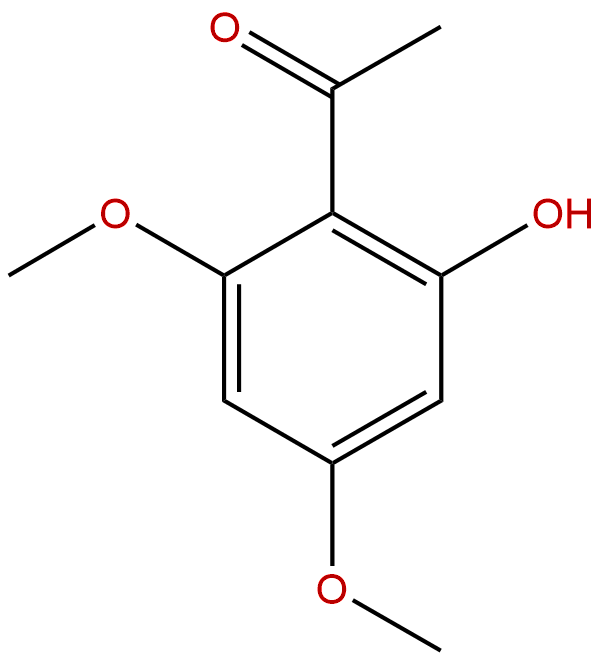
The chemical structure of 2-hydroxy-4,6-dimethoxyacetophenone is relatively simple. Its core skeleton is a benzene ring, with an acetyl group (- COCH3) attached at position 1, a hydroxyl group (- OH) attached at position 2, and two methoxy groups (- OCH3) attached at positions 4 and 6, respectively. According to the IUPAC nomenclature, its system is named 1- (2-hydroxy-4,6-dimethoxyphenyl) ethanone. The molecular formula of this compound is C ₁₀ H ₁₂ O ₄, with a molecular weight of 196.2020 g/mol.
From the perspective of structural chemistry, the phenolic hydroxyl group (2-OH) in Xanthoxylin molecule can form intramolecular hydrogen bonds with the adjacent acetyl group (1-COCH ∝). The presence of intramolecular hydrogen bonds not only stabilizes the conformation of the molecule, but also significantly affects its physicochemical properties and biological activity. For example, the formation of intramolecular hydrogen bonds reduces the acidity of phenolic hydroxyl groups, making them more inclined to exist in molecular form under physiological pH conditions, thereby affecting their interaction with biological targets. In addition, two methoxy groups (4-OCH ∝ and 6-OCH ∝) as electron donating groups can increase the electron cloud density of the benzene ring, thereby affecting its antioxidant activity and binding ability with certain enzymes. This unique substitution pattern results in Xanthoxylin exhibiting a distinct biological activity spectrum among numerous acetophenone compounds.
The physicochemical properties of Xanthoxylin are important criteria for evaluating its pharmacological properties and potential for drug development. According to the results of computational chemistry and experimental measurements, the main physicochemical parameters are as follows:
Lipid water partition coefficient (LogP): 1.8165. The LogP value reflects the lipophilicity of the compound. The LogP value of Xanthoxylin is approximately 1.82, indicating its moderate lipophilicity. This value is within the recommended LogP range of Lipinski's "Five Rules" of ≤ 5, indicating good membrane permeability, which is beneficial for oral absorption and transmembrane transport. Moderate lipophilicity also enables it to achieve a good balance between lipid and aqueous environments, which is crucial for the distribution of drugs in the body and their binding to targets.
Topological Polarity Surface Area (TPSA): 55.7600 Å ². TPSA is a parameter used to measure the polarity and hydrogen bonding ability of compounds. The TPSA of Xanthoxylin is approximately 55.76 Å ², which is lower than the commonly believed passive transport upper limit (approximately 140 Å ²), indicating its good oral bioavailability and blood-brain barrier penetration potential. A low TPSA value means less exposure of polar atoms (such as oxygen atoms) in the molecule, which facilitates their passage through the lipid bilayer of the cell membrane.
Water solubility:1.0085 mg/mL。 The water solubility of Xanthoxylin is about 1 mg/mL, which belongs to the category of slight solubility. Although its water solubility is not particularly ideal, considering its moderate LogP value, this solubility is usually acceptable for oral administration. In drug development, the water solubility and bioavailability can be improved through formulation techniques such as solid dispersions, liposomes, cyclodextrin inclusion complexes, etc.
Blood-brain barrier penetrability: High. According to calculations, Xanthoxylin has a high blood-brain barrier (BBB) penetration ability. This characteristic is closely related to its low TPSA, moderate LogP, and smaller molecular weight. The high BBB penetration makes it potential for treating central nervous system (CNS) diseases, which is consistent with literature reports that it may have antiepileptic activity. However, high BBB penetration may also bring potential central nervous system side effects, which need to be addressed and evaluated during drug development.
HERG inhibition: No. The hERG (human Ether - à - go Related Gene) potassium channel is an important target for drug cardiotoxicity. The prediction results show that Xanthoxylin does not inhibit hERG channels, which means its risk of causing QT interval prolongation and arrhythmia is low, and it has good cardiac safety.
Ames test: 0.6. The Ames test is a classic method for evaluating the mutagenicity of compounds. The Ames test result for Xanthoxylin is 0.6, which is generally considered to be below 1, indicating a low risk of mutagenicity and low genetic toxicity.
Based on the above physical and chemical properties, Xanthoxylin exhibits good drug like characteristics: moderate lipophilicity, small polar surface area, acceptable water solubility, high blood-brain barrier penetration, low risk of cardiac toxicity, and low risk of mutagenicity. These characteristics lay a solid foundation for its further development as a candidate drug.
Xanthoxylin was originally derived from the Rutaceae family in the genus Zanthoxylum(Zanthoxylum)It is isolated from plants, which is also the origin of its name. There are about 250 species of Sichuan pepper plants worldwide, widely distributed in tropical and subtropical regions of Asia, Africa, America, and Oceania. Many Zanthoxylum plants have a long history of application in traditional medicine, commonly used to treat rheumatic pain, toothache, abdominal pain, skin diseases and infectious diseases.
Wild Sichuan pepper(Zanthoxylum simulans) It is one of the main sources of Xanthoxylin. This plant is distributed in the eastern and southern regions of China, and its skin and root bark are commonly used as analgesic and anti-inflammatory drugs in folk medicine. Research has shown that the skin and root bark of wild Sichuan pepper contain abundant alkaloids, lignans, coumarins, and acetophenones, among which Xanthoxylin is one of its main active ingredients.
In addition to wild Sichuan pepper, Xanthoxylin is also found in other Sichuan pepper plants, such as:
- Double-sided needle(Zanthoxylum nitidum)Widely distributed in southern China, its roots and stems are used in traditional medicine to treat rheumatic pain, traumatic injuries, and toothache.
- Sichuan pepper(Zanthoxylum bungeanum)As a common seasoning and traditional Chinese medicine, its skin also contains Xanthoxylin.
- American Sichuan pepper(Zanthoxylum americanum)Distributed in North America, its bark is used in folk medicine to treat rheumatism and fever.
In addition, Xanthoxylin has also been found in other families and genera of plants, such as certain plants in the Asteraceae family, but its main source is still mainly from the Sichuan pepper genus. The content of Xanthoxylin varies in different plant sources and parts (such as seeds, root bark, stem bark, leaves), depending on the plant species, growth environment, harvest season, and extraction method.
The extraction of Xanthoxylin usually adopts classic natural product chemical methods, mainly including solvent extraction, liquid-liquid extraction, and chromatographic separation.
1. Solvent extraction:
Due to the moderate polarity of Xanthoxylin, organic solvents with moderate polarity are usually chosen for extraction. Common extraction solvents include methanol, ethanol, ethyl acetate, and acetone. In order to improve extraction efficiency, methods such as cold soaking, percolation, or reflux extraction are usually used. For example, dry and crushed plant materials (such as pepper peels) are soaked in 95% ethanol or methanol at room temperature for 24-48 hours, and extracted 2-3 times. The extracts are combined and concentrated under reduced pressure to obtain the total extract.
2. Liquid liquid extraction:
The total extract is usually suspended in water and then subjected to fractional extraction using solvents of different polarities such as petroleum ether, ethyl acetate, and n-butanol. Xanthoxylin is mainly enriched in the ethyl acetate extraction site due to its moderate polarity. Through this step, Xanthoxylin can be preliminarily separated from impurities with strong polarity (water-soluble) and weak polarity (lipophilic).
3. Chromatographic separation:
After initial purification of the ethyl acetate extraction site, further chromatographic separation is required to obtain high-purity Xanthoxylin. Common chromatographic methods include:
- Silica gel column chromatography This is the most commonly used method. Usually, different ratios of petroleum ether ethyl acetate or chloroform methanol are used as the mobile phase for gradient elution. The retention behavior of Xanthoxylin on a silica gel column is related to its polarity, and effective separation can be achieved by optimizing the elution conditions.
- Prepared Thin Layer Chromatography (PTLC)PTLC is a simple and effective method for rapid separation of small amounts of samples.
- High performance liquid chromatography (HPLC)For occasions that require high-purity products, especially for compounds with low content or similar structures, preparative HPLC is the preferred method. Usually, a reverse phase C18 chromatography column is used, with methanol water or acetonitrile water as the mobile phase for isocratic or gradient elution.
4. Structural identification:
The isolated pure compound needs to be structurally identified through spectroscopic methods. Common methods include:
- Nuclear Magnetic Resonance Spectroscopy (NMR)H NMR and C NMR can determine the hydrogen and carbon skeletons of compounds, especially the positions and connection modes of substituents can be determined through chemical shifts and coupling constants. The typical NMR characteristics of Xanthoxylin include: phenolic hydroxyl protons (δ~12-13 ppm, significantly low field shifted due to intramolecular hydrogen bonding), methoxy protons (δ~3.8-3.9 ppm), acetyl methyl protons (δ~2.5-2.6 ppm), and characteristic signals of aromatic protons on the benzene ring.
- Mass spectrometry (MS)High resolution mass spectrometry (HR-MS) can provide precise molecular weights to determine the molecular formula. Electron impact mass spectrometry (EI-MS) or electrospray spray mass spectrometry (ESI-MS) can provide fragment information, which is helpful for structural analysis.
Through the above extraction, separation, and identification processes, high-purity Xanthoxylin can be obtained, providing a material basis for its subsequent pharmacological activity research and drug evaluation.
One of the most notable pharmacological activities of Xanthoxylin is its significant antifungal activity. Multiple studies have shown that this compound has good inhibitory activity against various pathogenic fungi.
Activity against Cryptococcus neoformans: Cryptococcus neoformans(Cryptococcus neoformans)It is an opportunistic pathogenic fungus that mainly infects people with low immune function, such as AIDS patients and organ transplant recipients, and can cause fatal cryptococcal meningitis. Research has found that Xanthoxylin exhibits strong inhibitory effects on Cryptococcus neoformans, with a minimum inhibitory concentration (MIC) of 50 µ g/mL. This activity level indicates the potential of Xanthoxylin to be developed as an anti cryptococcal drug, especially considering the toxicity or resistance issues of currently available anti cryptococcal drugs in clinical practice, such as amphotericin B and fluconazole.
Activity of Aspergillus fumigatus: Aspergillus fumigatus(Aspergillus fumigatus)It is the main pathogen of invasive aspergillosis, commonly found in patients with severe immune dysfunction, and has a very high mortality rate. Xanthoxylin also exhibits inhibitory activity against Aspergillus fumigatus, with a MIC of 75 µ g/mL. Although its activity is slightly lower than that against Cryptococcus neoformans, considering the increasing resistance of Aspergillus fumigatus to existing antifungal drugs such as azoles and echinocandins, Xanthoxylin, as a natural product with a new mechanism of action, deserves further research on its anti fungal activity.
Activity against other fungi: In addition to the two main pathogenic fungi mentioned above, Xanthoxylin also exhibits varying degrees of inhibitory activity against other fungi, including Candida albicans(Candida albicans)Trichophyton fungus(Trichophyton mentagrophytes)Waiting for dermatophytes. These studies suggest that Xanthoxylin may have broad-spectrum antifungal activity.
Oxidative stress is an important pathological mechanism in the occurrence and development of many diseases, including inflammation, cardiovascular disease, neurodegenerative diseases, and cancer. The phenolic hydroxyl group in Xanthoxylin molecule is the key structural basis for its antioxidant activity.
Research has shown that Xanthoxylin can effectively scavenge various free radicals, including 1,1-diphenyl-2-trinitrophenylhydrazine (DPPH) free radical, 2,2 '- diazo-bis-3-ethylbenzothiazoline-6-sulfonic acid (ABTS) free radical, and hydroxyl free radical. Its antioxidant activity may be achieved through the following mechanisms:
- Directly eliminate free radicals: Phenolic hydroxyl groups can provide hydrogen atoms or electrons to free radicals, converting them into stable molecules and interrupting the chain reaction of free radicals.
- Chelate transition metal ions: Xanthoxylin's phenolic hydroxyl and carbonyl groups can chelate transition metal ions such as iron and copper ions, inhibiting metal catalyzed free radical generation processes such as Fenton reactions.
- Activate endogenous antioxidant enzymes: Certain phenolic compounds can upregulate the expression of endogenous antioxidant enzymes such as superoxide dismutase (SOD), glutathione peroxidase (GPx), and catalase (CAT) by activating the Nrf2/ARE signaling pathway, thereby enhancing cellular antioxidant defense capabilities.
The antioxidant activity of Xanthoxylin may be closely related to its anti-inflammatory, hepatoprotective, and neuroprotective effects, and is one of the important foundations of its pleiotropic pharmacological effects.
In addition to antifungal and antioxidant activities, preliminary studies also suggest that Xanthoxylin may have antiepileptic effects. Epilepsy is a common central nervous system disease with approximately 50 million patients worldwide. The current clinical use of antiepileptic drugs has problems such as multiple side effects and drug resistance, so the development of new antiepileptic drugs is of great significance.
The antiepileptic activity of Xanthoxylin may be related to its ability to penetrate the blood-brain barrier. Its high BBB penetration allows it to enter the central nervous system and act on specific targets on neurons or glial cells. Although the specific mechanism of Xanthoxylin's antiepileptic effect is not fully understood at present, it is speculated that it may involve the following aspects:
- Regulating the neurotransmitter system: It may exert antiepileptic effects by enhancing gamma aminobutyric acid (GABA) neurotransmission or inhibiting glutamatergic neurotransmission.
- Blocking ion channels: May act on voltage-gated sodium, calcium, or potassium channels to regulate neuronal excitability.
- Antioxidant and anti-inflammatory effects: Epilepsy seizures are accompanied by oxidative stress and neuroinflammation, and the antioxidant and potential anti-inflammatory activity of Xanthoxylin may help alleviate neuronal damage caused by seizures.
It should be pointed out that current research on the antiepileptic activity of Xanthoxylin is still in its early stages, mostly conducted through in vitro experiments or animal models. Further in-depth research is needed to confirm its exact antiepileptic effect, mechanism of action, and safety.
In addition to the main activities mentioned above, Xanthoxylin has also been reported to have other pharmacological effects, including:
- Anti inflammatory activity: It exerts anti-inflammatory effects by inhibiting the production of pro-inflammatory cytokines (such as TNF - α, IL-6, IL-1 β) and the release of inflammatory mediators (such as nitric oxide, prostaglandin E2).
- Antibacterial activity: In addition to its antifungal effect, Xanthoxylin also exhibits certain inhibitory activity against certain bacteria such as Staphylococcus aureus and Escherichia coli.
- Antitumor activity: Preliminary studies show that Xanthoxylin may have cytotoxic effects on some cancer cell lines (such as liver cancer cells and breast cancer cells), but its anti-tumor activity and selectivity need further evaluation.
The antifungal mechanism of Xanthoxylin has not been fully elucidated, but existing research suggests that it may exert its effects through multiple targets and pathways, which is consistent with the typical characteristics of natural products.
1. Destruction of cell membrane integrity: The fungal cell membrane is the target of many antifungal drugs, such as azoles and polyenes. Xanthoxylin, as a phenolic compound, may disrupt the fluidity and permeability of fungal cell membranes by inserting into the lipid bilayer, leading to leakage of intracellular substances and cell death. The phenolic hydroxyl groups in its molecules may form hydrogen bonds with the polar heads of membrane phospholipids, while the hydrophobic benzene rings and methoxy groups interact with fatty acid chains, thereby disrupting the membrane structure.
2. Inhibit cell wall synthesis: The fungal cell wall is an important structure for maintaining cell morphology and resisting external pressure. Certain phenolic compounds can inhibit key enzymes involved in cell wall synthesis, such as β -1,3-glucan synthase and chitin synthase. Whether Xanthoxylin works through a similar mechanism still needs experimental verification.
3. Interference with mitochondrial function: Mitochondria are the center of energy metabolism in fungal cells. Xanthoxylin may inhibit the activity of mitochondrial respiratory chain complexes or induce a decrease in mitochondrial membrane potential, resulting in reduced ATP synthesis and increased production of reactive oxygen species (ROS), ultimately leading to cell apoptosis or necrosis.
4. Inhibit nucleic acid and protein synthesis: Certain phenolic compounds can bind to DNA or RNA, interfere with nucleic acid replication and transcription, or inhibit key enzymes in protein synthesis.
According to the provided target information, Xanthoxylin may act on multiple molecular targets related to antibacterial (including antifungal) activities. These targets involve multiple key biological processes such as DNA replication, cell division, fatty acid synthesis, folate metabolism, and cell wall synthesis.
GYRA (DNA gyrase A subunit) and GYPB (DNA gyrase B subunit)DNA gyrase is a type II topoisomerase essential for bacterial DNA replication. GYRA and GYPB respectively constitute their catalytic core and ATP binding domain. Inhibiting DNA gyrase can lead to abnormal DNA supercoiled structure, thereby inhibiting DNA replication and transcription. Although the antibacterial activity of Xanthoxylin is not as significant as its antifungal activity, its potential effects on GYRA and GYPB deserve attention.
FTSZ (cell division protein FtsZ)FtsZ is a key protein that forms the Z-ring during bacterial cell division and is a homolog of the prokaryotic cytoskeletal protein microtubule protein. FtsZ inhibitors can prevent bacterial cell division and are a novel target for antibacterial drugs. Further research is needed to determine whether Xanthoxylin can bind to FtsZ and inhibit its polymerization activity.
FABI (acyl ACP reductase)FABI is a key enzyme in the bacterial fatty acid synthesis pathway, catalyzing the reduction reaction of acyl ACP. Inhibiting FABI can block the synthesis of bacterial fatty acids, thereby affecting the formation and function of cell membranes. Isoniazid and other anti tuberculosis drugs work by inhibiting FABI.
DHFR (dihydrofolate reductase)DHFR is a key enzyme in the folate metabolism pathway, catalyzing the reduction of dihydrofolate to tetrahydrofolate, which is an essential cofactor for nucleic acid synthesis. Inhibiting DHFR can block the synthesis of DNA and RNA, thereby inhibiting cell proliferation. Methotrexate and trimethoprim are DHFR inhibitors.
MECA (Penicillin Binding Protein 2a, PBP2a)MECA is the gene encoding PBP2a in methicillin-resistant Staphylococcus aureus (MRSA). PBP2a is a penicillin binding protein with low affinity for β - lactam antibiotics and is the main mechanism of MRSA resistance. It is currently unclear whether Xanthoxylin can directly inhibit the activity or downregulate the expression of PBP2a.
PENA (Penicillin Binding Protein)PENA is a key enzyme involved in peptidoglycan cross-linking during bacterial cell wall synthesis and is the main target of β - lactam antibiotics.
ERG11 (lanosterol 14 α - demethylase)ERG11 is a key enzyme in the biosynthesis pathway of ergosterol in fungal cell membranes, catalyzing the 14 α - demethylation of lanosterol. ERG11 is the main target of azole antifungal drugs such as fluconazole and itraconazole. Inhibition of ERG11 can lead to obstruction of ergosterol synthesis, accumulation of toxic intermediates, and thus damage the structure and function of fungal cell membranes. The inhibitory effect of Xanthoxylin on Aspergillus fumigatus may be partially related to the inhibition of ERG11.
CYP51A1 (Cytochrome P450 51A1)CYP51A1 is a homolog of fungal ERG11 in humans, involved in cholesterol biosynthesis. Although Xanthoxylin has a potential inhibitory effect on ERG11, its selectivity towards CYP51A1 and whether it causes cholesterol metabolism disorders in humans are important aspects for evaluating its safety.
CDR1 (Candida resistance protein 1)CDR1 is an ABC transporter protein in Candida albicans, responsible for pumping drugs (including azole antifungal drugs) out of the cell and is one of the important mechanisms leading to fungal resistance. Whether Xanthoxylin can inhibit the activity of CDR1 and reverse fungal drug resistance is a direction worth exploring.
In summary, Xanthoxylin may exert its antifungal and antibacterial activities by acting on multiple molecular targets. This multi-target mode of action is both an advantage of natural products (less likely to develop drug resistance) and a challenge for further research on their mechanisms of action. In the future, experimental techniques such as molecular docking, surface plasmon resonance (SPR), thermal stability analysis (TSA), and gene knockout will be needed to verify the direct interaction between Xanthoxylin and the aforementioned targets one by one.
Drug likelihood is an important criterion for evaluating whether a compound has the potential to become an oral medication. According to Lipinski's "Rule of Five", an ideal candidate drug should meet the following conditions: molecular weight ≤ 500 LogP≤5、 The number of hydrogen bond donors is ≤ 5, and the number of hydrogen bond acceptors is ≤ 10. The molecular weight of Xanthoxylin is 196.2, the LogP is 1.82, the number of hydrogen bond donors is 1 (one phenolic hydroxyl group), and the number of hydrogen bond acceptors is 4 (oxygen atoms of two methoxy groups, one carbonyl group, and one phenolic hydroxyl group). These parameters fully comply with the requirements of the "Five Rules", indicating their good potential for oral bioavailability.
In addition, the TPSA of Xanthoxylin is 55.76 Å ², far below the upper limit of 140 Å ², further supporting its good oral absorption and membrane permeability. Although its high BBB penetration is beneficial for the development of CNS drugs, potential central side effects also need to be considered.
In terms of safety, the predicted results showed that Xanthoxylin does not inhibit hERG channels, and the Ames test result was 0.6 (low mutagenic risk), indicating that it has good preliminary safety. However, these predicted results need to be validated through systematic in vitro and in vivo toxicology experiments, including acute toxicity, subchronic toxicity, genetic toxicity, reproductive toxicity, and carcinogenicity.
Pharmacokinetics (PK) studies the absorption, distribution, metabolism, and excretion (ADME) processes of drugs in vivo. Although there is currently limited in vivo PK data on Xanthoxylin, its PK behavior can be preliminarily predicted based on its physicochemical properties and structural characteristics.
Absorption: Due to its moderate LogP and low TPSA, Xanthoxylin is expected to have good oral absorption. Its small molecular weight facilitates passive diffusion through intestinal epithelial cells. However, its water solubility (about 1 mg/mL) may become a limiting factor for absorption, especially at high doses. In addition, the phenolic hydroxyl group in Xanthoxylin molecules may undergo phase II metabolic reactions such as glucuronidation and sulfation in the intestine, affecting its bioavailability.
Distribution: Xanthoxylin has high BBB penetration, indicating that it can be widely distributed in various tissues throughout the body, including the central nervous system. Its moderate lipophilicity may allow it to bind to plasma proteins (such as albumin) to a certain extent, but the binding rate may not be high. Its apparent distribution volume (Vd) is expected to be relatively large.
Metabolism: The metabolism of Xanthoxylin mainly involves phase I and phase II reactions. Phase I metabolism may include oxidation of phenolic hydroxyl groups (forming quinone intermediates), O-demethylation of methoxy groups (generating hydroxyl metabolites), reduction of acetyl groups (generating alcohol metabolites), etc. These reactions are mainly catalyzed by cytochrome P450 enzyme systems (such as CYP1A2, CYP2E1, CYP3A4). Phase II metabolism mainly includes glucuronidation and sulfation of phenolic hydroxyl groups, as well as possible glutathione binding. Metabolites are usually more polar than the original drug and are more easily excreted through urine or bile.
Excretion: Xanthoxylin and its metabolites are mainly excreted through the kidneys (urine) and liver (bile). Due to its small molecular weight, Xanthoxylin may be partially excreted in its original form through glomerular filtration, but most of it may be excreted in the form of metabolites. Its half-life (t ₁/₂) depends on the metabolic rate and excretion rate, and is expected to be relatively short, requiring multiple administrations to maintain effective blood drug concentration.
In order to comprehensively evaluate the pharmacokinetic characteristics of Xanthoxylin, systematic in vivo PK studies are needed in the future, including determination of blood concentration time curves after oral and intravenous administration in animal models such as rats, mice, or dogs, and calculation of key PK parameters such as bioavailability, half-life, clearance rate, and distribution volume. At the same time, metabolite identification and excretion pathway research are also required.
The most promising application direction of Xanthoxylin is as a novel antifungal drug, especially targeting opportunistic pathogenic fungi such as Cryptococcus neoformans and Aspergillus fumigatus. The antifungal drugs currently used in clinical practice have many limitations: amphotericin B is highly toxic, azole drug resistance is becoming increasingly severe, and echinocandins are ineffective against Cryptococcus. Therefore, the development of natural antifungal drugs with new mechanisms of action has important clinical significance.
The advantages of Xanthoxylin are:
- New mechanism of action: It may work through multiple targets and is less likely to develop drug resistance.
- Low toxicity: Preliminary safety evaluation shows that the risk of cardiac toxicity and genetic toxicity is low.
- Rich sources: It can be extracted from plants of the Sichuan pepper genus or obtained through chemical synthesis.
Future research directions include:
- Structural optimization: Using Xanthoxylin as the lead compound, a series of derivatives were synthesized through chemical modifications (such as introducing halogens, alkyl groups, heterocycles, etc.) to screen for candidate compounds with stronger activity, higher selectivity, and lower toxicity.
- Combination therapy: Study the synergistic effect of Xanthoxylin with existing antifungal drugs such as fluconazole and amphotericin B, in order to reduce dosage, decrease toxicity, and overcome drug resistance.
- Formulation development: Develop dosage forms suitable for clinical application, such as oral capsules, topical ointments, intravenous liposomes, etc., to improve bioavailability and targeting.
The high BBB penetration of Xanthoxylin gives it a unique advantage in treating central nervous system diseases. In addition to antiepileptic effects, its antioxidant and anti-inflammatory activities also suggest that it may have potential therapeutic effects on neurodegenerative diseases such as Alzheimer's disease, Parkinson's disease, stroke, and cerebrovascular diseases.
Future research directions include:
- Validation of antiepileptic effect: Systematically evaluate the antiepileptic effect of Xanthoxylin in various animal models of epilepsy, such as the pentylenetetrazole model, maximal electroconvulsive shock model, and amygdala ignition model, and explore its mechanism of action.
- Research on neuroprotective effects: Evaluate the neuroprotective effect of Xanthoxylin in neuronal injury models induced by neurotoxic substances such as glutamate, β - amyloid protein, and MPTP.
- Research on anti-inflammatory effects: Study the effect of Xanthoxylin on the activation of microglia and astrocytes, as well as its regulatory role in neuroinflammatory signaling pathways such as NF - κ B, MAPK, and NLRP3 inflammasome.
In addition to the two main directions mentioned above, the antioxidant activity of Xanthoxylin also makes it potentially valuable for applications in food preservation, cosmetic additives, and health product development. For example, it can be added as a natural antioxidant to food to extend its shelf life; Alternatively, it can be added to skincare products for anti-aging and whitening purposes.
Although Xanthoxylin has many advantages and broad application prospects, its development still faces some challenges:
- Activity intensity: Although its antifungal activity (MIC of 50-75 µ g/mL) is meaningful, it is still insufficient compared to clinically used antifungal drugs (such as fluconazole, whose MIC against Cryptococcus is usually<8 µ g/mL), and requires structural optimization to improve activity.
- The mechanism of action is unclear: At present, the understanding of its mechanism of action is still incomplete, especially the lack of experimental evidence for its direct interaction with molecular targets. The lag in mechanism research limits the design and optimization of structure based drugs.
- Lack of PK data in vivo: At present, there is a lack of systematic pharmacokinetic and pharmacodynamic data in vivo, which makes it difficult to accurately evaluate its behavior and efficacy in vivo.
- Security verification: Although the preliminary safety evaluation is good, comprehensive toxicological studies are still needed, especially regarding the safety of long-term use.
Looking ahead to the future, with the continuous deepening of research on Xanthoxylin, especially the combination of modern medicinal chemistry, molecular pharmacology, systems biology, and computational chemistry, it is expected to overcome the above challenges and promote its transformation from a natural product to a clinical candidate drug. Xanthoxylin, as a natural product with a simple structure, diverse activities, and good medicinal properties, its research and development not only have important scientific value, but also may provide new options for clinical treatment of fungal infections and neurological diseases.
2-Hydroxy-4,6-dimethoxyacetophenone (Xanthoxylin), as a natural benzophenone compound isolated from Sichuan pepper plants, has shown important research value in the field of natural product pharmacology due to its unique chemical structure and diverse biological activities. This article provides a systematic review of the chemical structure and physicochemical properties, plant sources and extraction methods, pharmacological activity, mechanism of action, pharmacological evaluation, and clinical application prospects of Xanthoxylin.
The chemical structure of Xanthoxylin is simple and intricate, with unique physicochemical properties and biological activity attributed to its intramolecular hydrogen bonds and specific substitution patterns. Its moderate LogP, low TPSA, high BBB penetration, and good preliminary safety evaluation results all indicate that it has excellent drug like characteristics and has the potential to become a lead compound or even a candidate drug.
In terms of pharmacological activity, Xanthoxylin exhibits significant antifungal (especially against Cryptococcus neoformans and Aspergillus fumigatus) and antioxidant effects, and has shown preliminary potential for antiepileptic effects. Its mechanism of action may involve multiple targets and pathways, including disrupting cell membrane integrity, inhibiting key enzyme activities (such as ERG11, DHFR, FABI, etc.), and regulating oxidative stress. This multi-target mode of action is both advantageous and challenging for the study of its mechanisms.
Although research on Xanthoxylin has made some progress, it still faces challenges such as insufficient activity intensity, unclear mechanism of action, and lack of in vivo data. Future research should focus on improving activity and selectivity through structural optimization; Using various experimental techniques to elucidate its interaction with molecular targets; Conduct systematic in vivo pharmacokinetic and pharmacodynamic studies; Conduct a comprehensive toxicological evaluation; Explore its potential application in the treatment of central nervous system diseases.
In summary, Xanthoxylin is a natural product with significant research value and development prospects. With the continuous deepening of research, especially the application of modern medicinal chemistry and molecular biology techniques, Xanthoxylin and its derivatives are expected to provide new ideas and candidate drugs for antifungal therapy and the treatment of neurological diseases, contributing to the cause of human health.
Batch can search by a CAS number,one per line
