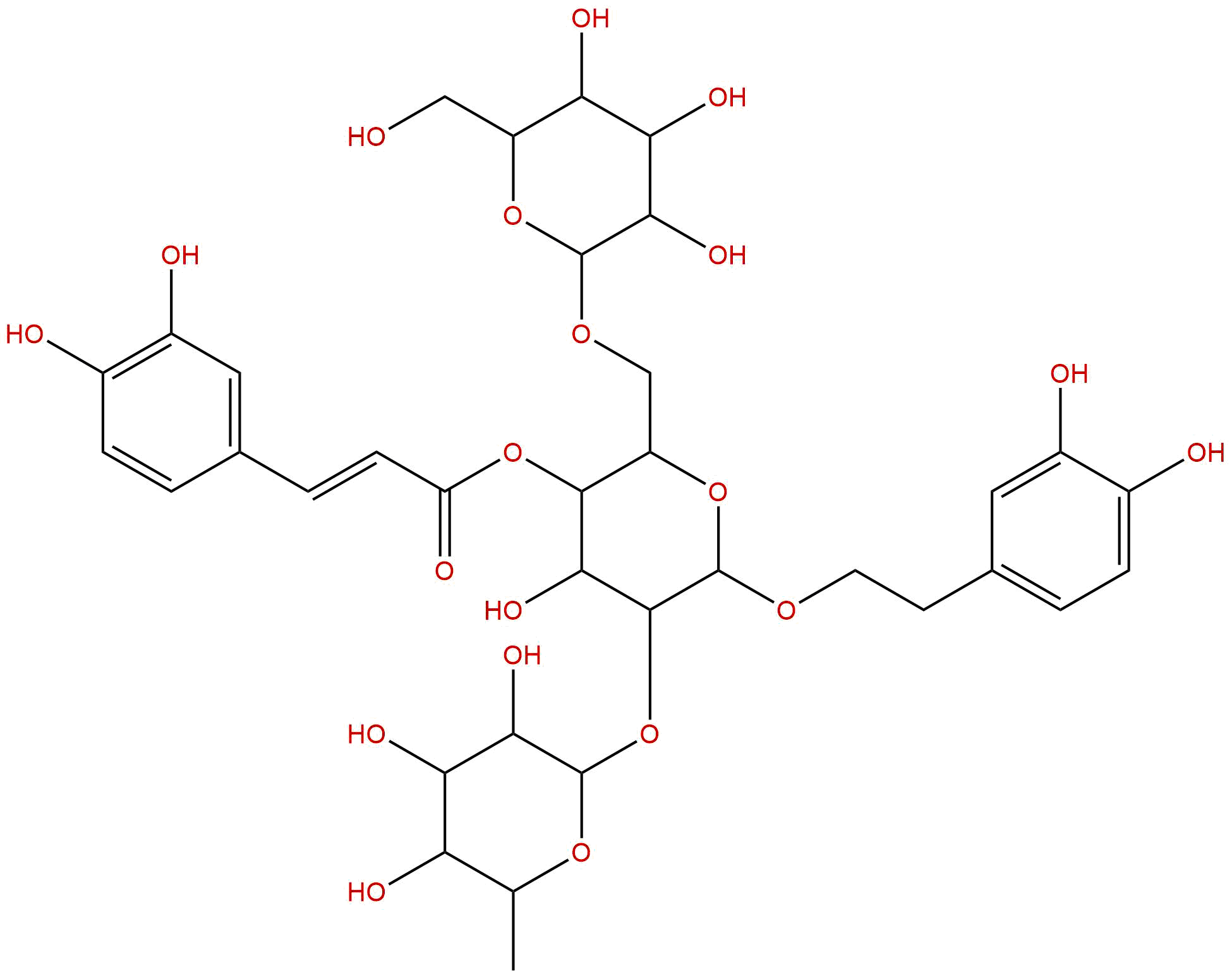


Product name: Magnoloside F
Synonym name: Magnoloside IIb
Catalogue No.: BP2261
Cas No.: 1945997-27-2
Formula: C35H46O20
Mol Weight: 786.733
Botanical Source:
Type of Compound:
Purity: 95%~99%
Analysis Method: HPLC-DAD or/and HPLC-ELSD
Identification Method: Mass, NMR
Packing: Brown vial or HDPE plastic bottle
Storage: Store in a well closed container, protected from air and light. Put into refrigerate or freeze for long term storage.
Whenever possible, you should prepare and use solutions on the same day. However, if you need to make up stock solutions in advance, we recommend that you store the solution as aliquots in tightly sealed vials at -20℃. Generally, these will be useable for up to two weeks.
The product could be supplied from milligrams to grams
Inquire for bulk scale.
For Reference Standard and R&D, Not for Human Use Directly.
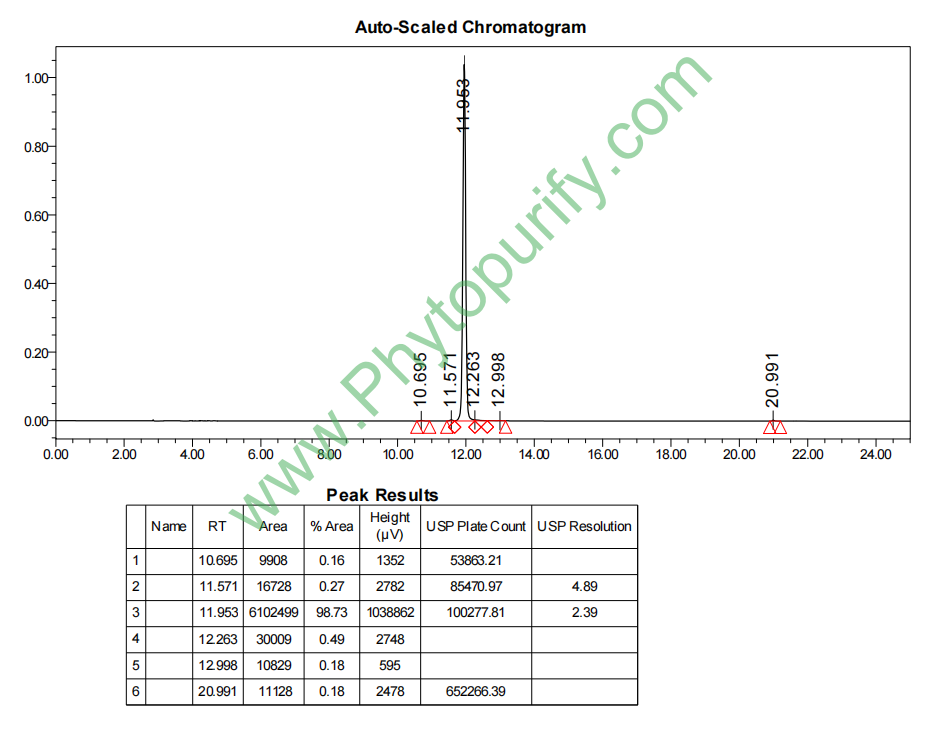
HPLC of Magnoloside F
Storage conditions:Short-term storage at 2~8℃, long-term storage at -20 ~ -80℃
324.4400
-.7240
-.7328
9.7059
.4427
.0540
Low
70.1215
5.3838
No
No
No
No
No
No
0.0
Yes
No
Yes
Yes
Natural products, as an important source of drug discovery, play an indispensable role in the long history of human struggle against diseases. The continuous deepening of research in plant chemistry and pharmacology has revealed more and more natural small molecules with unique biological activities. Magnolia officinalis(Magnolia officinalis Rehd. et Wils.), As an important qi regulating medicine in traditional Chinese medicine, it has the effects of drying dampness, eliminating phlegm, and removing excess qi. Its pharmacological activity is mainly attributed to the lignans (such as magnolol and honokiol) and phenylethanolic glycosides it contains. In recent years, with the advancement of separation technology, a series of structurally novel phenylethanoid glycosides, especially magnolosides, have gradually entered the field of researchers, demonstrating pharmacological value different from traditional active ingredients.
Magnoloside F, as a natural phenylethanoid glycoside isolated from Magnolia officinalis, has attracted widespread attention for its unique chemical structure and potential biological activity. Compared with the high content of lignans in Magnolia officinalis, the research on magnolol F started relatively late, but existing studies have preliminarily revealed its potential in antioxidant and neuroprotective aspects, especially in the field of cerebral ischemia, a serious threat to human health, showing remarkable application prospects. Cerebral ischemia, also known as ischemic stroke, is a clinical syndrome caused by local cerebral tissue ischemia and hypoxic necrosis due to impaired blood supply to the brain, leading to a series of neurological deficits. Its pathological and physiological mechanisms are extremely complex, involving multiple links such as energy metabolism disorders, excitotoxicity of excitatory amino acids, oxidative stress, inflammatory response, and cell apoptosis. At present, the treatment methods for cerebral ischemia in clinical practice are very limited, mainly relying on thrombolytic therapy and neuroprotection. However, problems such as narrow treatment time window and large side effects urgently need to be solved. Therefore, the search for efficient and low toxicity multi-target neuroprotective agents from natural products has become a research hotspot in this field.
This article aims to provide a systematic professional review of magnolol F, a natural product. The article will first introduce its chemical structure and physicochemical properties, explain its plant origin and extraction and separation methods, then focus on summarizing its pharmacological activity, especially the mechanism of action against cerebral ischemia and related targets, and evaluate its pharmacokinetic characteristics based on drug parameters. Finally, the clinical application prospects are discussed. By comprehensively reviewing existing research results, this article aims to provide scientific basis for the in-depth development and utilization of magnolol F, and explore its research value in the field of natural product pharmacology.
Magnolia glycoside F belongs to the phenylethanoid glycosides (PhGs) class of compounds. Phenylethanol glycosides are a class of natural glycosides composed of phenylethanol aglycones (such as hydroxytyrosol, 3,4-dihydroxyphenylethanol), caffeoyl (or feruloyl) groups, and glycosides (usually glucose, rhamnose, etc.) connected by glycosidic and ester bonds. These compounds generally have various biological activities such as antioxidant, anti-inflammatory, neuroprotective, etc. The strength of their activity is closely related to the number and position of phenolic hydroxyl groups in the molecule.
The chemical structural characteristics of magnolol F are its complex multi substituted glycosidic skeleton. Specifically, its molecule is connected to a core β - D-glucopyranose group through a β - glycosidic bond by a phenylethanolic glycoside (usually 3,4-dihydroxyphenylethanol). In addition, a caffeoyl group (3,4-dihydroxycinnamoyl) is connected to a specific position of the glucose group (usually the C-4 'or C-6' position) through an ester bond, and an α - L-rhamnopyranose group is connected to another position of the glucose group (such as the C-3 'position). The typical structural pattern of "disaccharide caffeoyl" endows magnolol F with abundant hydrogen bond donors and acceptors, which is the structural basis for its biological activity.
From the perspective of physical and chemical properties, the molecular weight of magnolol F is 786.7330 Da, which is a medium to large molecule. Its lipid water partition coefficient (LogP) is -0.7240, indicating that the compound has strong hydrophilicity and good water solubility (water solubility parameter is 9.7059). This characteristic is closely related to the presence of multiple hydroxyl and sugar units in its molecular structure. Higher water solubility is beneficial for its absorption and distribution in organisms, but it may also limit its transmembrane transport capacity. The topological polar surface area (TPSA) is as high as 324.4400 Å ², much higher than the typical threshold for oral drugs (about 140 Å ²), indicating that its oral bioavailability may be low and difficult to penetrate the blood-brain barrier (BBB). In fact, the pharmacological parameters clearly indicate that its blood-brain barrier penetration ability is "low". This characteristic is both a challenge and an opportunity for treating central nervous system diseases. The challenge lies in designing special drug delivery systems to directly target brain targets; The opportunity lies in the fact that for certain peripheral target mediated diseases, low BBB penetration can reduce central side effects. In addition, the hERG inhibition assessment was negative, and the Ames test result was 0.0, indicating that magnolol F does not have cardiotoxicity or genotoxicity and has good safety.
The main plant source of magnolol F is Magnoliaceae plant Magnolia officinalis(Magnolia officinalis)And it belongs to closely related species. Magnolia officinalis is mainly distributed in the Yangtze River Basin and southern provinces of China, and its bark, root bark, and branch bark can all be used as medicine. Except for Magnolia officinalis, other Magnolia plants such as Magnolia officinalis with concave leaves(Magnolia officinalis var. biloba)Japanese Magnolia officinalis(Magnolia obovata)It may also contain this ingredient, but the content may vary depending on the species, place of origin, harvest season, and processing method. It is worth noting that the content of magnolol F in Magnolia officinalis is usually much lower than its lignans (such as magnolol and paeonol), which belong to trace or secondary metabolites. This places high demands on its extraction and purification processes.
For the extraction of magnolol F, a combination of modern chromatographic techniques and traditional solvent extraction is commonly used. Due to the high polarity and good water solubility of the compound, commonly used extraction solvents are ethanol water or methanol water mixed solvents with different ratios. The typical extraction process is as follows: after crushing the dried Magnolia officinalis medicinal materials, a certain concentration (such as 50% -70%) of ethanol aqueous solution is used for percolation or reflux extraction at room temperature or heating conditions. After the extraction solution is concentrated under reduced pressure, crude extract is obtained. In order to enrich the phenylethanolic glycosides, the crude extract usually needs to undergo preliminary liquid-liquid extraction, such as sequential extraction with petroleum ether, ethyl acetate, and n-butanol. Due to the high polarity of magnolol F, it is mainly enriched in the n-butanol extraction layer.
Further separation and purification are highly dependent on modern chromatographic techniques. Positive phase silica gel column chromatography is a commonly used preliminary separation method, which uses solvent systems such as chloroform methanol water or ethyl acetate methanol water for gradient elution. Subsequently, reverse phase silica gel (such as ODS-C18) column chromatography was widely used for fine separation, using methanol water or acetonitrile water systems for elution, which can effectively remove impurities with similar polarity. In recent years, high-speed countercurrent chromatography (HSCCC) and preparative high-performance liquid chromatography (Pre HPLC) have become ideal choices for the separation and purification of trace components such as magnolol F due to their high resolution and recovery rate. Especially Pre HPLC, by optimizing the composition of the mobile phase (such as acetonitrile 0.1% formic acid aqueous solution) and the detection wavelength (usually around 330 nm, which is the characteristic absorption of caffeoyl groups), can efficiently separate high-purity magnolol F monomer from complex mixtures. In addition, macroporous adsorption resins such as HPD-100 and D101 are commonly used for the enrichment and preliminary purification of phenylethanolic glycosides, which have the advantages of low cost, easy operation, and reusability.
At present, the pharmacological activity research of magnolol F is still in its infancy, but existing research results have preliminarily revealed its various biological effects, among which antioxidant activity is its most core and deeply studied pharmacological effect.
1. Antioxidant activity:
The antioxidant activity of magnolol F is the basis of all its pharmacological effects. Its molecular structure contains multiple phenolic hydroxyl groups, especially the ortho dihydroxy group on the caffeoyl group, which is an efficient hydrogen atom donor and can directly scavenge various free radicals, such as 1,1-diphenyl-2-trinitrophenylhydrazine (DPPH) free radical, 2,2 '- diazobis (3-ethylbenzothiazoline-6-sulfonic acid) cationic free radical, hydroxyl free radical (• OH), and superoxide anion free radical (O ₂⁻ •). In vitro chemical experiments have shown that the scavenging ability of magnolol F on DPPH free radicals is concentration dependent, and its IC ₅₀ value is usually lower than the positive control vitamin C or Trolox, demonstrating strong direct antioxidant capacity. In addition, it can also inhibit the Fenton reaction by chelating transition metal ions (such as Fe ² ⁺, Cu ² ⁺), thereby reducing the generation of hydroxyl radicals. At the cellular level, magnolol F can significantly reduce the levels of intracellular reactive oxygen species (ROS) in oxidative stress models induced by hydrogen peroxide (H ₂ O ₂), 6-hydroxydopamine (6-OHDA), or glutamate, and increase the activity of endogenous antioxidant enzymes such as superoxide dismutase (SOD), catalase (CAT), and glutathione peroxidase (GSH Px), while increasing the content of reduced glutathione (GSH). This dual mechanism - directly clearing free radicals and indirectly enhancing the endogenous antioxidant defense system - makes it a highly promising antioxidant.
2. Neuroprotective activity (against cerebral ischemia):
Due to its strong antioxidant activity, the protective effect of magnolol F in the field of neuroprotection, especially in cerebral ischemic injury, has attracted much attention. One of the core pathological processes of cerebral ischemia-reperfusion injury is the outbreak of oxidative stress. Under conditions of ischemia and hypoxia, mitochondrial dysfunction leads to the production of a large amount of ROS, causing lipid peroxidation, protein oxidation, and DNA damage, ultimately resulting in neuronal death. Research has shown that magnolol F can effectively alleviate neuronal damage induced by oxygen glucose deprivation/reoxygenation (OGD/R) model. Its mechanism of action is closely related to inhibiting oxidative stress, reducing mitochondrial damage, and suppressing cell apoptosis. Specifically, treatment with magnolol F can significantly reduce the lactate dehydrogenase (LDH) release rate of neurons after OGD/R, improve cell survival rate, and reduce the number of apoptotic cells. In animal models, a rat model of middle cerebral artery occlusion (MCAO) was established using the suture method. Administration of magnolol F (usually via intraperitoneal or tail vein injection) can significantly reduce the volume of cerebral infarction, improve neurological deficit scores, and alleviate brain edema. These effects are related to reducing the content of malondialdehyde (MDA) in brain tissue, increasing the activity of SOD and GSH Px, inhibiting the activation of caspase-3, and regulating the expression of apoptosis related proteins Bax/Bcl-2.
3. Other potential activities:
In addition to its antioxidant and neuroprotective effects, based on its chemical structure, magnolol F may also have anti-inflammatory activity. Phenylethanoid glycosides generally have the ability to inhibit the release of inflammatory mediators such as nitric oxide NO, prostaglandin E ₂ PGE ₂, tumor necrosis factor - α TNF - α, and interleukin-1 β IL-1 β. Although there are few reports on the anti-inflammatory effects of magnolol F, it can be reasonably speculated that it can exert anti-inflammatory effects by inhibiting signaling pathways such as nuclear factor kappa B (NF - κ B) or mitogen activated protein kinase (MAPK). In addition, the phenolic hydroxyl groups in its structure also suggest that it may have slight antibacterial or antiviral activity, but this aspect still needs experimental verification.
The pharmacological effects of magnolol F cannot be explained by a single mechanism, but rather by acting on multiple molecular targets and regulating complex signaling networks, thereby exerting its overall biological effects. Especially in the multifactorial disease of cerebral ischemia, its multi-target characteristics are particularly prominent. Based on existing research and relevant targets provided in compound information, we can conduct in-depth analysis of its mechanism of action.
1. Regulating energy metabolism and oxidative stress: AMPK and APEX1
- AMPK (PRKAA1)AMP activated protein kinase (AMPK) is a key sensor for cellular energy metabolism. During cerebral ischemia, ATP is depleted, the AMP/ATP ratio increases, and AMPK is activated. Although AMPK activation may have a protective effect during the acute phase (promoting energy production), excessive or sustained activation may also lead to autophagic cell death. Magnolia glycoside F may achieve a balance between maintaining energy homeostasis and inhibiting excessive autophagy by regulating the phosphorylation level of AMPK, thereby protecting neurons. Its antioxidant activity may also indirectly affect the activity status of AMPK.
- APEX1 (APEX1)Purine/pyrimidine endonuclease 1 (APEX1) is a key enzyme in the base excision repair (BER) pathway, responsible for repairing DNA damaged by oxidation. At the same time, APEX1 also has redox activity and can regulate the DNA binding ability of various transcription factors (such as p53, NF - κ B, AP-1). After cerebral ischemia, a large amount of ROS leads to DNA oxidative damage, and the expression and activity of APEX1 are upregulated. Magnolia glycoside F may alleviate DNA damage load by clearing ROS, thereby indirectly reducing the excessive demand for APEX1. In addition, its antioxidant activity may directly protect APEX1 protein from oxidative inactivation and maintain its repair function.
2. Intervention in amyloid cascade reaction: APP and BACE1
- APP (APP) and BACE1 (BACE1)β - amyloid precursor protein (APP) and β - secretase 1 (BACE1) are core molecules in the pathogenesis of Alzheimer's disease (AD). Cerebral ischemia is an important risk factor for AD, which can lead to upregulation of APP expression and increased BACE1 activity, thereby promoting the generation and aggregation of A β and forming a vicious cycle. Magnolia glycoside F may reduce the abnormal splicing of APP by inhibiting the activity or downregulating the expression of BACE1, thereby reducing the production of A β. This mechanism is closely related to the improvement of cognitive dysfunction after cerebral ischemia, suggesting that magnolol F may have the potential to intervene in both ischemic stroke and AD pathological processes simultaneously.
3. Regulating inflammation and immune response: CLEC4E and PTGS1
- CLEC4E (CLEC4E)The C-type lectin domain family 4 member E (CLEC4E, also known as Mincle) is a pattern recognition receptor primarily expressed on macrophages and dendritic cells, capable of recognizing damage associated molecular patterns (DAMPs), such as SAP130 released from necrotic cells. After cerebral ischemia, CLEC4E is activated, triggering downstream inflammatory signaling pathways (such as Syk-Card9), inducing the production of pro-inflammatory cytokines, and exacerbating brain damage. Magnolia glycoside F may alleviate aseptic inflammatory response after ischemia by inhibiting the activation of CLEC4E or its downstream signaling.
- PTGS1 (PTGS1)Prostaglandin endoperoxide synthase 1 (PTGS1, also known as cyclooxygenase-1 COX-1) is a key enzyme that catalyzes the conversion of arachidonic acid to prostaglandins. COX-1 is constitutively expressed in normal brain tissue, but its expression and activity also change after ischemia, participating in inflammation and thrombus regulation. Magnolia glycoside F may exert anti-inflammatory and antiplatelet aggregation effects by inhibiting the activity of PTGS1 and reducing the synthesis of prostaglandins.
4. Affects neurotransmitters and cytoskeleton: PRKCA and MAPT
- PRKCA (PRKCA)Protein kinase C alpha (PKC alpha) is a serine/threonine kinase involved in regulating various cellular processes, including synaptic plasticity, neurotransmitter release, and cell survival. In cerebral ischemia, abnormal activation of PKC can lead to excitotoxicity, increased vascular permeability, and cell apoptosis. Magnolia glycoside F may inhibit the harmful effects caused by excessive activation of PKC α by regulating its activity.
- MAPT (MAPT)The microtubule associated protein Tau (MAPT) is responsible for stabilizing microtubules in neurons. The excessive phosphorylation of Tau protein causes it to detach from microtubules and aggregate to form neurofibrillary tangles, which is a hallmark pathological feature of AD and can also be seen in the chronic phase after cerebral ischemia. Magnolia glycoside F may reduce the excessive phosphorylation of Tau protein by inhibiting the activity of certain kinases (such as GSK-3 β, CDK5) or activating phosphatases (such as PP2A), thereby protecting the integrity of the cytoskeleton.
5. Impact on drug transport and metabolism: ABCB1 and PTPN1
- ABCB1 (ABCB1)P-glycoprotein (P-gp) is an important drug efflux transporter encoded by the ABCB1 gene, widely expressed in the blood-brain barrier, gut, and liver. It can pump various lipophilic drugs and toxins out of the cell, limiting their distribution in the brain. Magnolia glycoside F itself is not easily able to penetrate the BBB, but it may act as a substrate or inhibitor of P-gp, affecting the brain concentration of other drugs. This requires special attention when using combination therapy.
- PTPN1 (PTPN1)Protein tyrosine phosphatase non receptor type 1 (PTPN1, PTP1B) is a negative regulator of insulin and leptin signaling. In recent years, studies have found that PTP1B also plays an important role in cerebral ischemia. Its deficiency or inhibition can alleviate ischemic brain injury, which may be related to improving insulin signaling, reducing endoplasmic reticulum stress, and inhibiting inflammation. Magnolia glycoside F may enhance downstream pro survival signaling pathways (such as PI3K/Akt) by inhibiting the activity of PTP1B.
In summary, magnolol F forms a complex regulatory network involving energy metabolism, oxidative stress, A β metabolism, inflammatory response, cytoskeletal stability, and drug transport by acting on multiple targets such as AMPK, APP, BACE1, PTPN1, ABCB1, APEX1, PRKCA, CLEC4E, MAPT, and PTGS1. This multi-target and multi pathway mode of action gives it unique advantages in treating complex diseases such as cerebral ischemia.
From the perspective of drug development, whether a candidate compound can ultimately become a clinical drug depends on its drug like and pharmacokinetic properties. Based on the provided parameters, we conducted a preliminary evaluation of the pharmacological properties of magnolol F.
1. Analysis of pharmacological parameters:
- Molecular weight (MW: 786.73 Da)Far exceeding the threshold of molecular weight less than 500 in Lipinski's "Five Rules". High molecular weight typically means poor oral absorption and low permeability, which are the main challenges it faces.
- Lipid water partition coefficient (LogP: -0.724)A negative value indicates that its hydrophilicity is much greater than its lipophilicity. This is consistent with its good water solubility (9.7059 mg/mL). High water solubility is beneficial for formulation development, but extremely low LogP values also indicate difficulty in crossing biological membranes, especially the blood-brain barrier.
- Topological Polarity Surface Area (TPSA: 324.44 Å ²): Far above the threshold of 140 Å ². High TPSA means that the molecule contains a large number of polar atoms (O, N) and hydrogen bond donors/acceptors, which further explains its low permeability and low oral bioavailability.
- Blood-brain barrier (BBB) penetrability (low)This is one of the most critical parameters. For drugs to treat cerebral ischemia, theoretically they need to be able to enter the brain parenchyma in order to directly act on neurons. The low BBB penetration of magnolol F is its biggest bottleneck as a central nervous system drug. However, this does not mean that it is completely worthless. It may exert its effect through the following ways: a) acting on cerebral vascular endothelial cells to improve blood-brain barrier function; b) Acting on peripheral immune cells, reducing systemic inflammatory response, indirectly protecting brain tissue; c) When the BBB is damaged in the early stage of ischemia, it passively diffuses into the brain.
- HERG inhibition (No) and Ames test (0.0)These two parameters are very ideal. HERG negative indicates low risk of cardiac toxicity, while Ames negative indicates no genetic toxicity and good safety.
2. Speculation on pharmacokinetic characteristics:
Based on the above physicochemical properties, it can be reasonably inferred that the pharmacokinetic characteristics of magnolol F are:
- Absorption Oral absorption is extremely poor, and bioavailability may be very low (<1%). This is mainly due to its high polarity, high molecular weight, and strong water solubility, making it difficult to passively diffuse through gastrointestinal epithelial cells. It may mainly rely on active transport mediated by cellular bypass pathways or transporters, but with low efficiency. Therefore, in animal experiments and future clinical applications, intravenous or intraperitoneal injection may be the main route of administration.
- Distribution After intravenous administration, due to its strong hydrophilicity, magnolol F is mainly distributed in plasma and extracellular fluid, and the tissue distribution volume may be relatively small. Due to the limitations of BBB, its concentration in brain tissue is very low. It may bind to plasma proteins (such as albumin) to a certain extent, but the binding rate may not be high.
- Metabolism Magnolia glycoside F contains multiple ester and glycosidic bonds, which are easily hydrolyzed by esterases and glycosidases in the body. In the intestine and liver, it may be metabolized into smaller fragments such as caffeic acid, hydroxytyrosol, and glucose/xylose. These metabolites may have their own biological activity, thereby contributing to the overall pharmacological effect. In addition, its phenolic hydroxyl group may also undergo phase II metabolism (such as glucuronidation and sulfation).
- Excretion Due to its high water solubility and low permeability, magnolol F and its metabolites are likely to be primarily excreted from urine through the kidneys in their original form or in combination. Bile excretion may also be a secondary pathway.
3. Optimization strategy for drug properties:
Given the shortcomings of magnolol F in drug development, particularly its low BBB penetration and low oral bioavailability, future drug development needs to adopt corresponding optimization strategies
- Prodrag Design Esterification, etherification, or phosphorylation of phenolic hydroxyl or carboxyl groups in molecules to enhance their lipid solubility, improve oral absorption, and BBB penetration. After entering the body, the prodrug is interpreted by enzymes to release the parent drug.
- Nanocarrier Delivery System Using carriers such as liposomes, polymer nanoparticles, solid lipid nanoparticles, or micelles to encapsulate magnolol F can protect it from metabolism, prolong circulation time, and achieve brain delivery through passive targeting (EPR effect) or active targeting (surface modified ligands).
- Structural Modification Simplify or replace the sugar moiety, or introduce specific lipophilic groups, while maintaining the core pharmacophores such as caffeoyl and ortho dihydroxy groups, to balance hydrophilicity and lipophilicity and optimize ADME properties.
- Development of non oral administration routes Due to poor oral absorption, priority can be given to developing intravenous injections, nasal formulations (which can bypass the BBB and enter the brain directly), or transdermal formulations.
Although there are challenges in the pharmacological development of magnolol F, its unique pharmacological activity, especially its multi-target neuroprotective effect, has shown promising clinical application prospects in the treatment of specific diseases, especially cerebral ischemia and its related complications.
1. Adjuvant treatment for acute ischemic stroke:
The strong antioxidant and anti-inflammatory activities of magnolol F make it a promising adjuvant drug for thrombolytic therapy or endovascular thrombectomy in acute stroke. At the same time as reperfusion therapy, administration of magnolol F can clear excess ROS generated during reperfusion, inhibit inflammatory cascade reactions, protect the blood-brain barrier, thereby prolonging the treatment window, reducing reperfusion injury, and improving patient prognosis. Its low BBB penetration may not be a disadvantage in the acute phase, as the BBB has been disrupted and drugs can passively enter the brain. In addition, its potential inhibitory effect on P-gp may help increase the concentration of other neuroprotective agents in the brain.
2. Intervention for vascular cognitive impairment and Alzheimer's disease:
Cerebral ischemia is an important risk factor for vascular dementia (VaD) and Alzheimer's disease (AD). Magnolia glycoside F can simultaneously intervene in ischemic injury and A β pathology (by regulating APP/ACE1), as well as Tau protein phosphorylation (through MAPT), making it a potential candidate drug for the treatment of "mixed dementia". Long term administration of magnolol F may help delay the transition from mild cognitive impairment (MCI) to dementia.
3. Other oxidative stress-related diseases:
Given its strong antioxidant activity, the application prospects of magnolol F can also be expanded to other oxidative stress-induced diseases, such as:
- cardiovascular disease Such as myocardial ischemia reperfusion injury and atherosclerosis. Its antioxidant and anti-inflammatory effects may protect cardiomyocytes and inhibit the formation of foam cells.
- Metabolic diseases Such as diabetes and its complications. By regulating PTPN1, insulin resistance may be improved; Through antioxidant effect, it may reduce complications such as diabetes nephropathy and retinopathy.
- liver disease Such as non-alcoholic fatty liver disease (NAFLD) and liver fibrosis. Its antioxidant and anti-inflammatory effects may alleviate liver cell damage and inflammation.
Future research directions:
In order to promote the transition of magnolol F from laboratory to clinical use, future research should focus on the following key directions:
Magnoloside F, as a natural phenylethanoid glycoside compound isolated from traditional Chinese medicine Magnolia officinalis, provides a new candidate molecule for the treatment of complex diseases such as cerebral ischemia due to its unique chemical structure and multi-target pharmacological activity, especially its strong antioxidant and neuroprotective effects. Although its high polarity and high molecular weight result in low oral bioavailability and low blood-brain barrier penetration, which are significant obstacles to its development as a drug, they also provide opportunities for modern pharmaceutical chemistry and pharmaceutical technologies such as prodrug design and nano delivery systems.
At present, research on magnolol F is still in its early stages, and there are still many unknown fields waiting to be explored from chemistry, pharmacology to pharmacokinetics. However, existing research results have clearly outlined its important position in natural product pharmacology. It is not only a promising lead compound, but also an ideal model for studying the relationship between the structure and activity of phenylethanolic glycosides and exploring the multi-target mechanism of natural products. With the deepening of research, especially breakthroughs in drug delivery technology, magnolol F is expected to overcome its drug defects and ultimately transform into innovative drugs that can benefit patients, contributing the wisdom of natural products to overcome neurodegenerative diseases such as cerebral ischemia. The continuous research on magnolol F is not only an exploration of a single compound, but also a vivid practice of modernizing and scientifically interpreting the treasure trove of traditional Chinese medicine.
