


Synonym name:
Catalogue No.: BP1243
Cas No.: 2957-21-3
Formula: C16H14O5
Mol Weight: 286.283
Botanical Source: Widespread in the Compositae (Baccharis, Eupatorium, Gymnopentzia, Polymnia), also in Iris, Betula, Notholaena, Prunus, Eucalyptus, Juglans, Poecilanthe and other genera
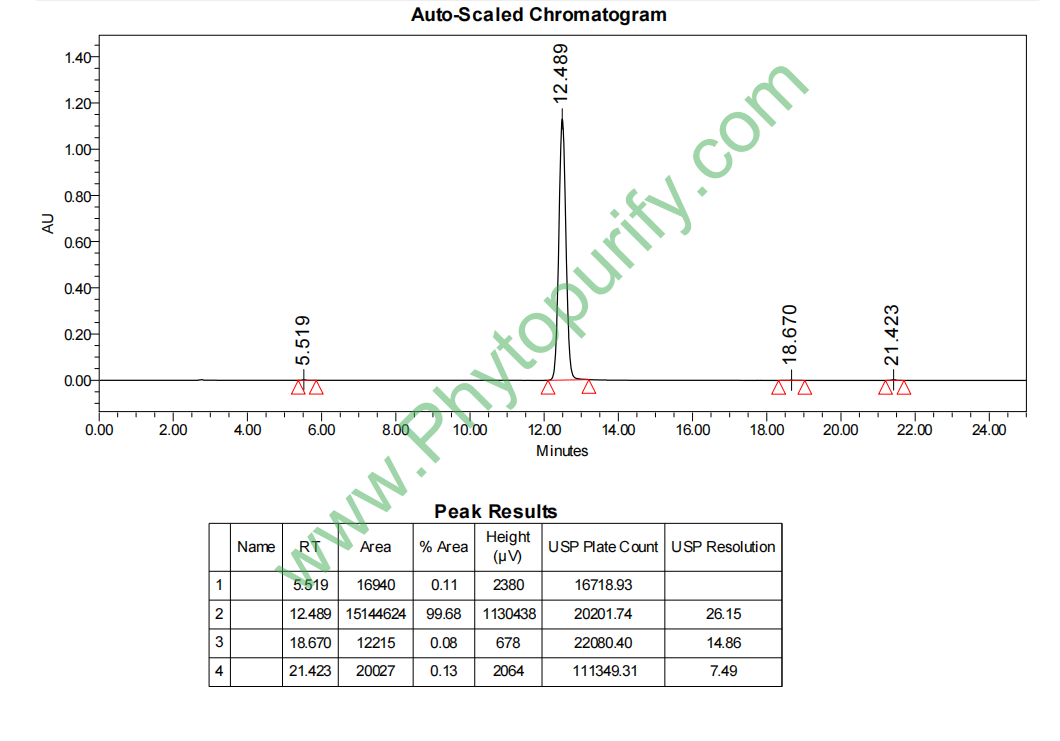
Purity: 95%~99%
Analysis Method: HPLC-DAD or/and HPLC-ELSD
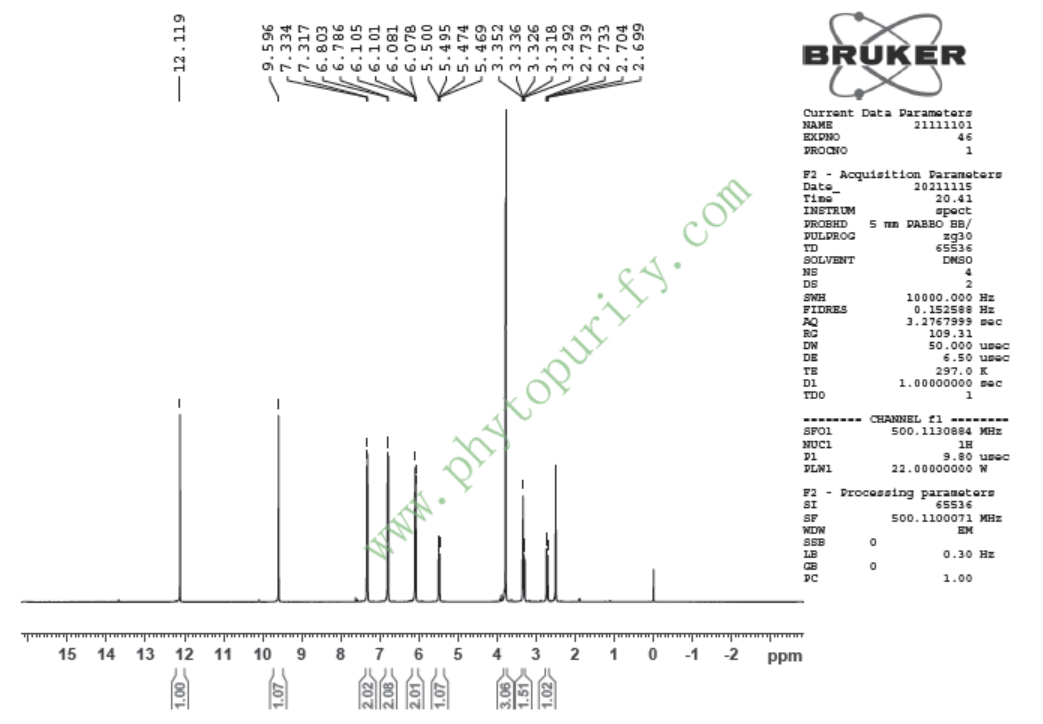
Identification Method: Mass, NMR
Packing: Brown vial or HDPE plastic bottle
Can be supplied from milligrams to grams.
For Reference Standard and R&D, Not for Human Use Directly.
Inquire for bulk scale.
Description:
Sakuranetin, a flavanone phytoalexin from ultraviolet-irradiated rice leaves, it has antifungal, antimutagenic, anti-inflammatory and antioxidant effects, it shows a suppressive effect on umu gene expression of SOS response in Salmonella typhimurium TA1535/pSK1002 against the mutagen furylfuramide. Sakuranetin may contribute to maintain glucose homeostasis in animals, it can strongly induce differentiation of 3T3-L1 preadipocytes, stimulate glucose uptake in differentiated 3T3-L1 adipocytes.Sakuranetin stimulates melanogenesis in B16 melanoma cells via inhibition of ERK1/2 and PI3K/AKT signaling pathways, which lead to upregulation of Tyr, TRP1, and TRP2.
References:
Molecules. 2014 Aug 4;19(8):11404-18.
Analysis on blast fungus-responsive characters of a flavonoid phytoalexin sakuranetin; accumulation in infected rice leaves, antifungal activity and detoxification by fungus.
To understand the role of the rice flavonoid phytoalexin (PA) Sakuranetin for blast resistance, the fungus-responsive characteristics were studied.
METHODS AND RESULTS:
Young rice leaves in a resistant line exhibited hypersensitive reaction (HR) within 3 days post inoculation (dpi) of a spore suspension, and an increase in Sakuranetin was detected at 3 dpi, increasing to 4-fold at 4 dpi. In the susceptible line, increased Sakuranetin was detected at 4 dpi, but not at 3 dpi, by which a large fungus mass has accumulated without HR. Induced expression of a PA biosynthesis gene OsNOMT for naringenin 7-O-methyltransferase was found before accumulation of Sakuranetin in both cultivars. The antifungal activity of Sakuranetin was considerably higher than that of the major rice diterpenoid PA momilactone A in vitro and in vivo under similar experimental conditions. The decrease and detoxification of Sakuranetin were detected in both solid and liquid mycelium cultures, and they took place slower than those of momilactone A. Estimated local concentration of Sakuranetin at HR lesions was thought to be effective for fungus restriction, while that at enlarged lesions in susceptible rice was insufficient.
CONCLUSIONS:
These results indicate possible involvement of Sakuranetin in blast resistance and its specific relation to blast fungus.
Biochem Biophys Res Commun. 2008 Aug 8;372(4):835-9.
Sakuranetin induces adipogenesis of 3T3-L1 cells through enhanced expression of PPARgamma2.
Sakuranetin (5,4'-dihydroxy-7-methoxyflavone) belongs to the flavanone class of polyphenols predominantly known as phytoalexin in rice plant.
METHODS AND RESULTS:
In this study, we demonstrate that Sakuranetin strongly induces differentiation of 3T3-L1 preadipocytes, as evidenced by increased triglyceride accumulation and glycerol-3-phosphate dehydrogenase (GPDH) activity. In addition, even in the absence of adipogenic hormonal stimuli, Sakuranetin strongly induced adipogenesis and expression of genes that are critical for the adipocytes phenotype. Time-course analyses indicated that Sakuranetin induces PPARgamma2 expression without prior induction of C/EBPbeta, a transcriptional regulator of PPARgamma2 in adipogenesis. In 3T3-L1 preadipocytes, the transcriptional factors GATA-2 and GATA-3 are known to down-regulate adipogenesis by direct binding to the C/EBPbeta protein and to the GATA-binding site on the PPARgamma2 promoter. We found that Sakuranetin significantly reduced the expression of GATA-2. Moreover, we observed that Sakuranetin stimulated glucose uptake in differentiated 3T3-L1 adipocytes.
CONCLUSIONS:
These results suggest that Sakuranetin may contribute to maintain glucose homeostasis in animals.
J. Food Sci., 2003, 68(68):52-6.
Antimutagenic Activity of Sakuranetin from Prunus Jamasakura.
Sakuranetin (compound 1) from bark of Prunus jamasakura showed a suppressive effect on umu gene expression of SOS response in Salmonella typhimurium TA1535/pSK1002 against the mutagen furylfuramide.
METHODS AND RESULTS:
Gene expression was suppressed 83% at a concentration of 0.70 μmol/mL. The ID50 value of compound 1 was 0.30 μmol/mL. This compound showed the suppression of 4NQO, MNNG, Trp-P-1, AfB1, activated Trp-P-1, and UV irradiation-induced SOS response. The methylated derivative (compound 2) of compound 1 showed less suppressive effect against all mutagens than compound 1. The antimutagenic activities of compounds 1 and 2 against furylfuramide, Trp-P-1, and activated Trp-P-1 were assayed by the Ames test using the S. typhimurium TA100 strain.
Acta Histochem. 2016 Jul;118(6):615-624.
Sakuranetin reverses vascular peribronchial and lung parenchyma remodeling in a murine model of chronic allergic pulmonary inflammation.
Asthma is a disease of high prevalence and morbidity that generates high costs in hospitalization and treatment. Although the airway is involved in the physiopathology of asthma, there is also evidence of the importance of vascular and lung parenchyma inflammation and remodeling, which can contribute to the functional pulmonary alterations observed in asthmatic patients. Our aim was to evaluate treatment using Sakuranetin, a flavone isolated from the twigs of Baccharis retusa (Asteraceae), on vascular and lung parenchyma alterations in an experimental murine model of asthma.
METHODS AND RESULTS:
Male BALB/c mice were subjected to a sensitization protocol with ovalbumin for 30days and were treated with or without Sakuranetin (20mg/kg/mice) or dexamethasone (5mg/kg/mice); then, the lungs were collected for histopathological analysis. We evaluated extracellular matrix remodeling (collagen and elastic fibers), inflammation (eosinophils and NF-kB) and oxidative stress (8-isoprostane) in the pulmonary vessels and lung parenchyma. The thickness of the vascular wall was quantified, as well as the vascular endothelial growth factor (VEGF) levels. We demonstrated that Sakuranetin reduced the number of eosinophils and elastic fibers in both the pulmonary vessels and the lung parenchyma, probably due to a reduction of oxidative stress and of the transcription factor NF-kB and VEGF levels in the lung. In addition, it reduced the thickness of the pulmonary vascular wall. The treatment had no effect on the collagen fibers. In most of the parameters, the effect of Sakuranetin was similar to the dexamethasone effect.
CONCLUSIONS:
Sakuranetin had anti-inflammatory and antioxidant effects, preventing vascular and distal parenchyma changes in this experimental model of asthma.
HPLC of Sakuranetin
HNMR of Sakuranetin
Storage conditions:Short-term storage at 2~8℃, long-term storage at -20 ~ -80℃
75.9900
2.6526
2.5701
.2279
4.4532
23.2093
Low
88.6253
2.7370
No
No
Yes
No
Yes
No
0.6
Yes
No
Yes
No
Sakuranin, also known as 5,4 '- dihydroxy-7-methoxydihydroflavone, is a flavonoid plant antitoxin with significant biological activity. Since its first isolation and identification from the cherry tree (Prunus spp.), this compound has attracted much attention due to its unique chemical structure and extensive pharmacological activity. As a secondary metabolite produced by plants in response to pathogen infection or environmental stress, cherry blossom extract plays a key role in the plant's own defense system. In recent years, with the deepening of pharmacological research on natural products, the potential of cherry blossom extract in anti-inflammatory, antioxidant, and antimicrobial aspects has been continuously revealed, especially in the fight against oxidative stress-related diseases, showing significant application prospects. Oxidative stress is one of the core pathological mechanisms of various chronic diseases, such as neurodegenerative diseases, cardiovascular diseases, metabolic syndrome, and acute lung injury, involving excessive production of intracellular reactive oxygen species (ROS) and imbalance of the antioxidant defense system. Sakura extract exerts a strong cell protective effect by regulating the antioxidant signaling pathway centered around nuclear factor E2 related factor 2 (NRF2). This article aims to systematically review the chemical properties, plant sources, pharmacological activities, molecular mechanisms of action, and medicinal properties of cherry blossom extract, and to provide prospects for its future clinical applications.
The chemical formula of cherry blossom extract is C16H14O5, with a molecular weight of 286.2830 g/mol. Its chemical structure belongs to the class of dihydroflavones, specifically a derivative of (S) - Naringenin where the hydroxyl group at position 7 is replaced by a methoxy group. Its basic skeleton is composed of two benzene rings (A ring and B ring) connected by an oxygen-containing heterocyclic ring (C ring, dihydropyran ring). There are 5-hydroxy and 7-methoxy groups on the A ring, and 4 '- hydroxyl groups on the B ring. This specific substitution pattern of hydroxyl and methoxy groups is crucial for its biological activity, especially its ability to resist oxidation and bind to target proteins.
In terms of physicochemical properties, the lipid water partition coefficient (LogP) of cherry blossom extract is 2.6526, indicating that it has a certain degree of lipophilicity, but not highly hydrophobic. Its topological polar surface area (TPSA) is 75.99 Å ², reflecting the surface area occupied by polar atoms (oxygen atoms) in the molecule. The water solubility data is 0.2279 mg/mL, which belongs to the category of slightly soluble to poorly soluble, which to some extent limits its bioavailability. In terms of crystal morphology, cherry blossom extract is usually colorless to pale yellow needle shaped crystals. The phenolic hydroxyl group in its structure gives it typical flavonoid reaction characteristics, such as the ability to undergo color reaction with ferric chloride. In terms of stability, it is relatively stable to light and heat, but under strong acid or strong base conditions, its glycoside structure may undergo hydrolysis or degradation.
Sakura extract, as a plant antitoxin, is widely present in plants of the Rosaceae family, especially in plants of the Prunus genus such as Prunus serrulata and Prunus avium, which are the direct sources of its name. In addition, it has also been found in various medicinal plants such as Andrographis paniculata, Artemisia argyi, and some grasses. Plants typically experience a significant upregulation of cherry blossom hormone synthesis as part of their defense response when subjected to biotic or abiotic stresses such as fungal infection, ultraviolet radiation, or mechanical damage.
The extraction of cherry blossom extract from plant materials mainly relies on solvent extraction method. Common solvents include methanol, ethanol, acetone, and their aqueous solutions in different proportions. In order to improve extraction efficiency, modern extraction techniques such as ultrasound assisted extraction (UAE), microwave-assisted extraction (MAE), and supercritical fluid extraction (SFE) have been widely used. For example, using a 70-80% ethanol solution to extract dried cherry bark or leaves under ultrasound conditions can efficiently dissolve cherry blossom extract. After filtration and concentration of the extract, further separation and purification steps are usually required. Column chromatography technology is the mainstream method, often using silica gel, polyamide or macroporous adsorption resin as the stationary phase, and using gradient elution systems such as chloroform methanol and petroleum ether ethyl acetate for separation. High performance liquid chromatography (HPLC), especially preparative HPLC, is the final key step in obtaining high-purity cherry blossom extract monomers. In addition, the analysis of the biosynthetic pathway also provides the possibility for the production of cherry blossom extract through synthetic biology methods. Its precursors are p-coumaroyl CoA and malonyl CoA, which are catalyzed by enzymes such as chalcone synthase (CHS) and chalcone isomerase (CHI) to produce naringin, which is then methylated at position 7 by a specific O-methyltransferase (OMT) to ultimately form naringin.
Numerous in vitro and in vivo pharmacological studies have shown that cherry blossom extract has multiple biological activities, with its core revolving around anti-inflammatory, antioxidant, and antimicrobial effects.
anti-inflammatory activity Sakura extract has shown strong anti-inflammatory effects in various inflammatory models. In the lipopolysaccharide (LPS) - induced macrophage (such as RAW264.7) inflammation model, cherry blossom extract can dose dependently inhibit the production of nitric oxide (NO), prostaglandin E2 (PGE2), and pro-inflammatory cytokines (such as tumor necrosis factor - α (TNF - α), interleukin-6 (IL-6), IL-1 β). In animal models, cherry blossom extract has a clear improvement effect on LPS induced acute lung injury (ALI), reducing lung tissue edema, inflammatory cell infiltration, and alveolar structural damage. Its mechanism is closely related to the inhibition of inflammatory signaling pathways such as NF - κ B.
antioxidant activity This is one of the most highly regarded pharmacological activities of cherry blossom extract. Through in vitro chemical analysis (such as DPPH, ABTS free radical scavenging assay, FRAP iron reduction assay), it has been confirmed that cherry blossom extract has direct free radical scavenging ability. More importantly, at the cellular and animal levels, cherry blossom extract can significantly counteract oxidative damage induced by oxidants such as hydrogen peroxide (H ₂ O ₂), tert butyl hydroperoxide (t-BHP), or paraquat. It can not only reduce intracellular ROS and malondialdehyde (MDA) levels, but also increase the content of reduced glutathione (GSH) and the activity of endogenous antioxidant enzymes such as superoxide dismutase (SOD), catalase (CAT), and glutathione peroxidase (GPX).
Antimicrobial activity As a plant antitoxin, cherry blossom extract has significant inhibitory activity against various plant pathogenic fungi, such as Botrytis cinerea. In recent years, research has found that it also has effects on certain human pathogenic microorganisms, such as exhibiting certain anti mycobacterial activity, providing clues for the development of new anti infective drugs.
Other activities The study also suggests that cherry blossom extract may have potential activities in neuroprotection, anti allergy, antiviral (such as anti respiratory syncytial virus), and regulation of glucose and lipid metabolism, but further research is needed to confirm these aspects.
The multiple pharmacological activities of cherry blossom extract, especially its core antioxidant and anti-inflammatory effects, stem from its precise regulation of key signaling pathways within cells. Its mechanism of action mainly revolves around activating the cell's own antioxidant defense system and inhibiting excessive inflammatory reactions.
Activate NRF2/ARE antioxidant pathway This is the core molecular mechanism by which cherry blossom extract exerts antioxidant effects. In the resting state, the transcription factor NRF2 (encoded by the NFE2L2 gene) binds to its negative regulatory protein Keap1 in the cytoplasm and is degraded by ubiquitination. When cherry blossom extract enters cells, its active structure may interfere with the Keap1-NRF2 interaction by modifying cysteine residues on Keap1, leading to NRF2 dissociation and transfer to the nucleus. In the nucleus, NRF2 binds to antioxidant response elements (ARE) and initiates gene transcription of a series of downstream phase II detoxifying enzymes and antioxidant proteins. The target genes significantly upregulated by cherry blossom extract include:
Inhibition of inflammatory pathways such as NF - κ B The anti-inflammatory effect of cherry blossom extract is closely related to its inhibition of the nuclear factor kappa B (NF - κ B) signaling pathway. It can inhibit the degradation and phosphorylation of I κ B α protein caused by LPS and other stimuli, thereby preventing the translocation of NF - κ B p65 subunit to the nucleus, ultimately reducing the expression of downstream inflammatory mediators such as TNF - α, IL-6, IL-1 β, inducible nitric oxide synthase (iNOS), and cyclooxygenase-2 (COX-2). In addition, cherry blossom extract has been reported to regulate signaling pathways such as MAPK (such as p38, JNK, ERK) and PI3K/Akt, which are closely related to inflammation and cell survival.
Direct interaction and enzyme regulation In addition to exerting regulatory effects through signaling pathways, cherry blossom extract may also directly interact with certain enzymes or proteins. For example, its structure may allow it to directly scavenge free radicals or bind to the active sites of certain pro oxidant enzymes (such as xanthine oxidase), inhibiting their activity.
Preliminary drug like analysis of cherry blossom extract can help evaluate its potential for development as a drug. According to the provided parameters, the molecular weight (286) is less than 500, the LogP value (2.65) is around the ideal range (0-3), and the TPSA (75.99 Å ²) is moderate. These indicators basically meet the general requirements of Lipinski's "Five Rules" for oral drugs, indicating that they have a good drug like basis. However, its poor water solubility (0.23 mg/mL) is the main limiting factor affecting its oral absorption and bioavailability.
In the preliminary safety screening, cherry blossom extract showed no significant inhibitory effect on hERG potassium channels (hERG inhibition: No), indicating a low risk of causing QT interval prolongation in the heart. The Ames test result is 0.6, which is generally considered to indicate that there is no significant mutagenicity under the test conditions when the value is close to or less than 1. However, more genetic toxicity tests need to be combined to make a comprehensive judgment. The predicted blood-brain barrier permeability is' low ', which means it may be difficult to enter the central nervous system through passive diffusion, which is a disadvantageous factor for treating central nervous system diseases, but can reduce potential central side effects for peripheral system diseases.
The pharmacokinetic research on cherry blossom extract is currently relatively limited. Based on the characteristics of its flavonoids, it can be inferred that after oral administration, cherry blossom extract may undergo extensive phase II metabolism in the intestine (such as glucuronidation and sulfation), and its glycoside form absorption may be limited. Its distribution in the body, specific metabolic pathways, half-life, and main excretion modes (possibly via bile or urine) still need to be elucidated through systematic pharmacokinetic studies. Improving its bioavailability is a key focus of future formulation development, with possible strategies including the production of nanocrystals, liposomes, cyclodextrin inclusion complexes, or the development of water-soluble prodrugs.
Sakura extract, as a natural small molecule with multiple targets and functions, has shown broad application prospects in the prevention and treatment of various oxidative stress and inflammation related diseases.
However, pushing cherry blossom extract into clinical practice still faces many challenges: firstly, systematic and standardized preclinical studies are needed, including comprehensive pharmacological, toxicological, and pharmacokinetic evaluations, to clarify its safety window. Secondly, it is necessary to address the issues of low water solubility and bioavailability, which depend on the development of novel drug delivery systems. Furthermore, it is necessary to further elucidate its mechanism of action network in different pathological models and explore its possible drug interactions. Finally, a stable supply of raw materials is crucial. In addition to extracting from plants, utilizing synthetic biology or chemical synthesis methods to achieve large-scale production is the only way for future industrialization.
Sakura extract, a natural flavonoid compound derived from cherry trees, has become a highlight in natural product pharmacology research due to its unique chemical structure and excellent pharmacological activities such as antioxidant and anti-inflammatory. It activates the core cellular defense pathway NRF2/ARE, upregulates the expression of a series of endogenous antioxidant proteins such as HMOX1, SOD, CAT, GPX, etc., thereby constructing a strong cellular protective barrier to combat the pathological processes of various oxidative stress-related diseases. Despite facing challenges in drug formulation such as poor water solubility and the need to improve bioavailability, these challenges are expected to be gradually overcome with the rapid development of modern pharmaceutical, medicinal chemistry, and molecular biology technologies. In the future, through interdisciplinary and in-depth research, cherry blossom extract is highly likely to transform from an interesting plant antitoxin into a candidate drug or health supplement material for treating important human diseases such as acute lung injury, metabolic disorders, and cardiovascular diseases, contributing its unique value to the human health cause. Continuous and in-depth research on it will not only enrich our understanding of the pharmacological effects of natural products, but also provide valuable sources for the discovery of innovative drugs.
