Introduction/Overview
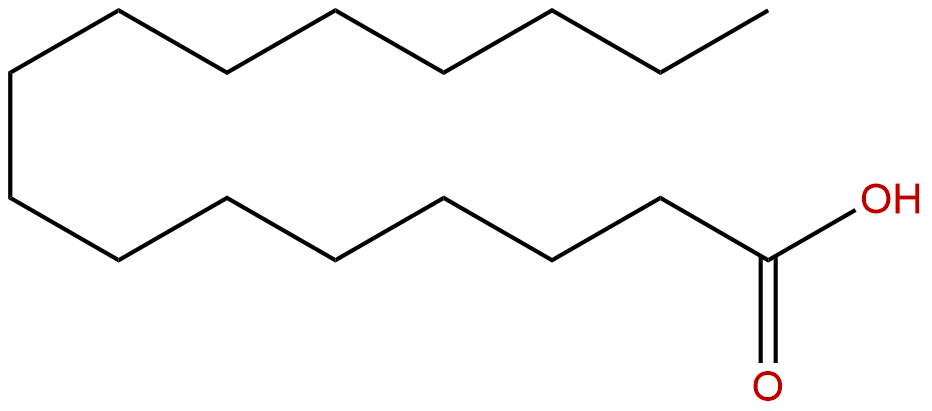
Palmitic acid (CAS number: 57-10-3) is a long-chain saturated fatty acid widely present in the bodies of animals and plants, with the chemical formula C16H32O2. As one of the most common saturated fatty acids, palmitic acid is not only an important component of cell membrane lipids, but also plays a crucial role in energy metabolism and signal transduction. In recent years, with the increasing incidence rate of metabolic diseases, the role of palmitic acid in metabolic syndrome, fatty liver, diabetes and other diseases has gradually attracted attention. Especially its regulatory role in cellular stress response, such as inducing the expression of glucose regulatory protein 78 (GRP78) and CCAAT/enhancer binding protein homologous protein (CHOP), suggests its possible involvement in endoplasmic reticulum stress (ER stress) related pathological processes.
This article aims to systematically review the chemical structure and physicochemical properties, plant sources, and extraction methods of palmitic acid, deeply explore its pharmacological activity and mechanism of action, evaluate its pharmacological properties and pharmacokinetic characteristics, and prospect its potential clinical application value, providing theoretical basis and research direction for natural product pharmacology and metabolic disease research.
Chemical structure and physicochemical properties
Palmitic acid is a saturated fatty acid with a molecular formula of C16H32O2 and a molecular weight of 256.43. Its structural feature is a straight chain fatty acid composed of 16 carbon atoms, with a carboxyl group (- COOH) at the end and no double bonds, belonging to the category of saturated fatty acids. The saturation of chemical structure determines its stability under physiological conditions and high melting point (about 63 ° C).
In terms of physical and chemical properties, the LogP value of palmitic acid is as high as 7.3123, indicating its high hydrophobicity and extremely low water solubility (about 0.0037 mg/mL), which affects its distribution and absorption in organisms. Its topological polar surface area (TPSA) is 37.3 Å ², indicating its low polarity and favorable penetration of the cell membrane. The high permeability of the blood-brain barrier suggests that palmitic acid can enter the central nervous system and participate in neurometabolic processes. The hERG channel inhibition test was negative, indicating a low risk of cardiac toxicity. The Ames mutagenicity test result is 0, indicating a low risk of genetic toxicity.
Plant sources and extraction methods
Palmitic acid is widely present in various vegetable oils and animal fats, especially abundant in palm oil, coconut oil, and animal fats. Palm oil contains up to 40-50% palmitic acid, which is the main source of industrial extraction of palmitic acid. Other plants such as cottonseed oil and olive oil also contain a certain amount of palmitic acid.
The extraction methods mainly include:
-
Solvent extraction method Extraction of vegetable oil using organic solvents such as hexane and ethanol, followed by separation and purification of palmitic acid through saponification and acidification processes.
-
Fat hydrolysis method Using alkaline hydrolysis or enzymatic hydrolysis methods, triglycerides in vegetable oil are hydrolyzed to release free fatty acids, which are then purified by distillation or crystallization.
-
Supercritical CO2 extraction By utilizing the high permeability and selectivity of supercritical carbon dioxide, palmitic acid can be gently extracted to maintain its structural integrity without solvent residue.
-
membrane separation technology Combining nanofiltration or reverse osmosis technology to achieve efficient separation and concentration of palmitic acid.
The selection of extraction process depends on the types of raw materials, production requirements, and purity requirements. Modern green extraction technology has gradually become a trend in research and industrial applications.
Pharmacological activity research
Palmitic acid is involved in various physiological and pathological processes in the body, and its pharmacological activities are mainly reflected in the following aspects:
1. Metabolic regulatory effect
Palmitic acid, as an important substrate for energy metabolism, can affect energy balance by regulating fatty acid oxidation and synthesis pathways. Research has shown that palmitic acid can activate the AMP kinase (AMPK) signaling pathway, promote fatty acid beta oxidation, inhibit fat synthesis, and thus regulate lipid metabolism abnormalities to a certain extent.
2. Inducing cellular stress response
Palmitic acid can induce the expression of glucose regulated protein 78 (GRP78) and CCAAT/enhancer binding protein homologous protein (CHOP) in mouse granulosa cells, activating the endoplasmic reticulum stress pathway. GRP78 serves as a molecular partner for endoplasmic reticulum stress, involved in protein folding and quality control; CHOP is a transcription factor that promotes apoptosis, and its upregulation is closely related to cell apoptosis. Palmitic acid-induced ER stress is considered an important mechanism for lipid degeneration and pancreatic beta cell dysfunction.
3. Establishment of fat degeneration model
Sodium palmitate is often used to construct in vitro models of cellular lipid degeneration, simulating lipid accumulation and metabolic disorders in cells under lipid overload conditions. This model is widely used in the study of metabolic pathological mechanisms of liver cells, pancreatic islet cells, and nerve cells.
4. Regulation of inflammatory response
Palmitic acid can activate inflammation related signaling pathways, such as NF - κ B, induce the expression of pro-inflammatory cytokines (such as TNF - α), participate in the formation of chronic low-grade inflammation, and exacerbate the pathological process of metabolic syndrome and related diseases.
5. Other biological effects
Palmitic acid has also been reported to affect the fluidity and signal transduction of cell membranes, participate in cell proliferation, differentiation, and apoptosis processes, and have a certain regulatory effect on the nervous system.
Mechanism of action and molecular targets
The biological functions of palmitic acid are mainly achieved through multiple signaling pathways and molecular targets, involving multiple levels such as metabolic regulation, inflammatory response, and cellular stress.
1. AMPK signaling pathway
AMP kinase (AMPK) is a key sensor of cellular energy status, regulating fatty acid oxidation and glucose metabolism. Palmitic acid can activate AMPK (PRKAA1 subunit), promote the breakdown metabolism of fatty acids, improve energy metabolism imbalance, and reduce fat accumulation.
2. Lipoxygenase (ALOX) family
Palmitic acid is associated with lipoxygenase 15 (ALOX15) and lipoxygenase 5 (ALOX5), and is involved in lipid peroxidation and the generation of inflammatory mediators. The lipid metabolites mediated by ALOX play an important role in inflammation and oxidative stress, and palmitic acid may affect the inflammatory response by regulating ALOX activity.
3. Nuclear factor E2 related factor 2 (NFE2L2)
NFE2L2 is a transcription factor that regulates antioxidant responses. Palmitic acid induced oxidative stress can activate the NFE2L2 pathway, promote antioxidant enzyme expression, and exert cellular protective effects.
4. Cannabinoid receptor 1 (CNR1)
CNR1 plays an important role in energy metabolism and appetite regulation. Palmitic acid may regulate lipid metabolism and inflammatory status by affecting the CNR1 signaling pathway.
5. Sex hormone binding globulin (SHBG)
SHBG regulates the biological activity of sex hormones and participates in endocrine regulation related to metabolic syndrome. Further research is needed to investigate the effect of palmitic acid on SHBG expression.
6. Tumor necrosis factor (TNF)
TNF is the main pro-inflammatory cytokine, and palmitic acid can induce TNF expression, promote inflammatory response, and participate in the formation of metabolic inflammation.
7. Peroxisome proliferator activated receptor gamma (PPARG)
PPARG is a key regulatory factor for adipocyte differentiation and lipid metabolism. Palmitic acid, as a fatty acid ligand, can regulate PPARG activity and affect adipose tissue function.
8. Nuclear receptor subfamily 1 member I2 (NR1I2)
NR1I2 is involved in drug metabolism and lipid metabolism regulation, and palmitic acid may affect metabolic homeostasis through this target.
In summary, palmitic acid participates in the pathological and physiological processes of metabolic syndrome and other diseases by synergistically regulating metabolism and inflammatory responses through multiple targets and pathways.
Evaluation of drug properties and pharmacokinetics
The pharmacological evaluation of palmitic acid requires a comprehensive assessment of its physicochemical properties, biological activity, and safety indicators.
1. Physical and chemical properties
The high hydrophobicity (LogP=7.3123) and extremely low water solubility of palmitic acid limit its oral bioavailability, and its in vivo distribution and absorption need to be improved through liposomes, nanoparticles, or other drug delivery systems. Its low TPSA and high blood-brain barrier permeability suggest potential central nervous system effects, but at the same time, attention should also be paid to the risk of neurotoxicity.
2. Security
The hERG channel inhibition test was negative, indicating a low risk of cardiac toxicity. The Ames test result is 0, indicating no significant mutagenicity and good safety. However, long-term high-dose exposure may cause metabolic disorders and inflammatory reactions, and dose-dependent toxicity needs to be carefully evaluated.
3. Pharmacodynamics
Palmitic acid mainly exists in the form of free fatty acids in the body, which are absorbed by tissues through blood circulation and participate in energy metabolism. The main metabolic pathway is β - oxidation, which generates acetyl CoA and enters the tricarboxylic acid cycle. Due to its high lipid solubility, palmitic acid is prone to accumulate in adipose tissue and has a long half-life. The liver is its main metabolic organ, with the kidneys involved in minor excretion.
At present, detailed pharmacokinetic data on palmitic acid are not yet complete. In the future, it is necessary to conduct in-depth research on its absorption, distribution, metabolism, and excretion characteristics by combining internal and external models.
Clinical application prospects and prospects
Palmitic acid, as a naturally occurring long-chain saturated fatty acid, has attracted widespread attention for its dual role in metabolic diseases. On the one hand, palmitic acid is an important substrate for energy metabolism, involved in fatty acid oxidation and cellular energy balance; On the other hand, excessive palmitic acid can induce endoplasmic reticulum stress and inflammatory response, promoting pathological processes such as metabolic syndrome, fatty liver, and insulin resistance.
1. Intervention targets for metabolic syndrome
Palmitic acid related targets such as AMPK, PPARG, and TNF provide potential directions for the treatment of metabolic syndrome. By regulating palmitic acid metabolism and its signaling pathways, it is expected to develop novel therapeutic strategies for metabolic diseases.
2. Fatty liver and steatosis model
Sodium palmitate, as a standard reagent for in vitro steatosis models, is helpful in screening and evaluating anti fatty liver drugs, providing an experimental platform for new drug development.
3. Neurological disorders
Given the high blood-brain barrier permeability of palmitic acid, its role in neurometabolism and neuroinflammation deserves further exploration, which may provide new ideas for the study of neurodegenerative diseases.
4. Drug carriers and modifications
The use of nanotechnology and drug delivery systems to improve the bioavailability and targeting of palmitic acid may expand its clinical application scope.
5. Safety and dose control
Given that excessive palmitic acid may cause metabolic disorders, clinical application requires strict dosage control and personalized treatment plans based on individual metabolic characteristics.
Future research should focus on the systematic pharmacological evaluation, structural modification, and interaction mechanism with key metabolic disease targets of palmitic acid, in order to promote its clinical translation.
Conclusion
As an important natural long-chain saturated fatty acid, palmitic acid plays a complex and critical role in physiological and pathological processes. Its multi-target regulatory mechanism in metabolic syndrome, fatty liver, and inflammatory response provides a new molecular basis for the prevention and treatment of related diseases. Although the high hydrophobicity and low water solubility of palmitic acid limit its direct medicinal value, it is expected to overcome these shortcomings and exert its potential pharmacological activity through drug carrier technology and structural optimization.
In the future, by combining modern molecular biology, pharmacology, and medicinal chemistry techniques, a deep analysis of the mechanism of action of palmitic acid and its interaction with key targets of metabolic diseases will open up new paths for natural product pharmacology research and metabolic disease treatment. Palmitic acid is not only an important component of lipid metabolism, but also a natural molecular resource that cannot be ignored in metabolic disease research and drug development.