Introduction/Overview
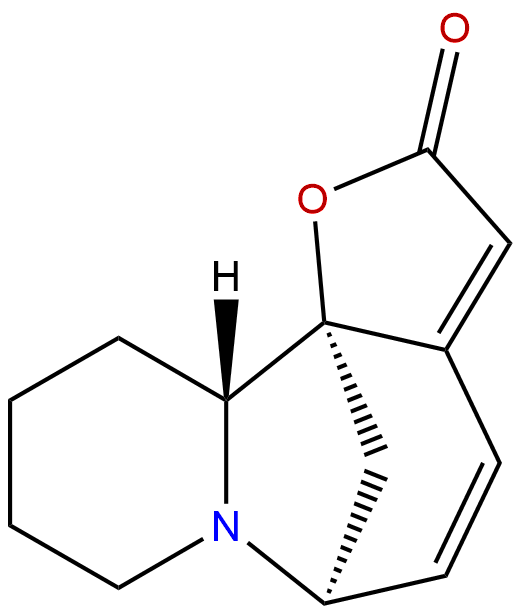
Securitine, CAS number 5610-40-2, is a four ring alkaloid with a unique indolizine skeleton, mainly derived from plants of the Euphorbiaceae family in the genus Securitine. Since its isolation and identification in the mid-20th century, this compound has continuously attracted widespread attention in the fields of natural product chemistry, pharmacology, and neuroscience due to its unique chemical structure and extensive biological activity, especially its bidirectional regulatory effect on the central nervous system. Traditionally, Yi Ye Hagi and its alkaloids have been used in folk medicine to treat conditions such as neurasthenia, facial paralysis, and sequelae of infantile paralysis. Modern pharmacological studies have revealed its potential in various aspects such as neural excitation, antidepressant, neuroprotection, and immune regulation. With the development of modern molecular biology technology, the target network of the action of Ichthyine is becoming increasingly clear, involving multiple neurotransmitter receptors, transporters, and intracellular signaling molecules, laying a solid foundation for its transformation from traditional medicinal plant active ingredients to modern drug lead compounds. This article aims to systematically review the chemical characteristics, plant sources, pharmacological activities, mechanisms of action, pharmacological evaluation, and clinical application prospects of Polygonatum sibiricum, in order to provide comprehensive academic references for the in-depth research and development of this important natural product.
Chemical structure and physicochemical properties
The molecular formula of Ichthyine is C13H15NO2, with a molecular weight of 217.2680. Its core structure belongs to the indole alkaloids, specifically a four ring system that combines pyridone and pyridine rings to form a unique rigid skeleton. This structure endows it with a specific stereochemical and pharmacological activity basis.
In terms of physical and chemical properties, the lipid water partition coefficient (LogP) of Ichthyine is 1.3096, indicating that it has a certain lipophilicity, but not highly hydrophobic. Its topological polar surface area (TPSA) is 29.5400 Å ², which is relatively small, indicating low molecular polarity. The water solubility data is 2.2166 (usually measured in mg/mL or log mol/L, which is a calculated value indicating slight to soluble solubility). These physical and chemical parameters collectively determine the excellent membrane permeability of Ichthyine, especially its "blood-brain barrier penetration" is predicted to be "high", which is highly consistent with its main pharmacological characteristics on the central nervous system and is a key advantage for the development of central nervous system drugs.
In addition, preliminary safety screening of the drug indicates that berberine has no significant inhibitory effect on hERG potassium channels (hERG inhibition: no), suggesting a lower risk of causing QT interval prolongation in the heart. In the preliminary assessment of genetic toxicity, the Ames test result is 0.6 (usually referring to the ratio of the number of revertant mutant colonies to the control, which is close to 1, indicating a low risk of mutagenicity under the experimental conditions), but further in vitro and in vivo experiments need to be combined for comprehensive evaluation. These properties provide a favorable starting point for its subsequent development.
Plant sources and extraction methods
The main source of Polygonatum alkaloids is from plants in the Euphorbiaceae family, specifically the Securinega genus Securinega suffrutiosa It is the most important and well-known source. This plant is widely distributed in East Asia, including China, Japan, South Korea, and the Far East of Russia. Its leaves, roots, and stem bark all contain alkaloids, but the content is higher in the leaves and tender branches.
Traditional extraction methods mainly rely on solvent extraction. The common process is to soak or reflux the dried and crushed one leaf Hagia plant material (usually leaves or whole plants) in a suitable polar solvent (such as methanol, ethanol, or acidic water) for extraction, and concentrate to obtain the crude extract. Subsequently, the characteristics of alkaloids are utilized for purification: they are often dissolved in acidic water (such as dilute hydrochloric acid), alkalized (such as ammonia or sodium hydroxide) to free the alkaloids, and then extracted with organic solvents (such as chloroform, dichloromethane, or ethyl acetate) to obtain the total alkaloid fraction. The further separation and purification of berberine usually rely on column chromatography technology. In the early days, silica gel column chromatography was commonly used, and gradient elution was carried out using solvent systems such as chloroform methanol in different ratios. Modern separation methods combine reverse phase silica gel (C18), medium pressure preparative chromatography, and high performance liquid chromatography (HPLC) to efficiently and high-purity obtain the monomer of berberine.
In addition to traditional extraction, research on plant tissue culture, microbial transformation, and chemical total synthesis is also underway, aiming to address the issue of plant resource dependence and provide a foundation for structural modification. At present, there have been multiple reports on the chemical total synthesis route of Ichthyine, which provides the possibility for the construction of its derivative library and the study of structure-activity relationships.
Pharmacological activity research
Yiye Hagian exhibits diverse pharmacological activities, with its most prominent and complex effects on the central nervous system.
-
Central excitation and antidepressant effects The most significant feature of one leaf schisandrin is its bidirectional regulatory effect. At lower doses, it exhibits clear Central excitatory effect It can counteract the hypnotic effect of barbiturates, shorten the sleep time of mice induced by pentobarbital sodium, and improve the animal's autonomous activity ability. This excitatory effect is not a typical convulsant, making it different from strong stimulants such as Tu Di Ning. Meanwhile, numerous studies have confirmed that it has Antidepressant like activity In various animal models of depression, such as forced swimming test, tail suspension test, and chronic unpredictable mild stress model, berberine can significantly shorten the immobility time of animals, increase sugar water preference, and improve depressive like behavior. Its onset speed may be better than some traditional antidepressants.
-
Neuroprotective effect Research has shown that berberine has a protective effect on neuronal damage induced by various factors. In vitro cell models such as PC12 cells and primary cortical neurons, it can alleviate β - amyloid protein (A β), glutamate excitotoxicity, hydrogen peroxide or hypoxia induced apoptosis and oxidative damage. In animal models of Alzheimer's disease, Parkinson's disease, and cerebral ischemia-reperfusion injury, intervention with berberine can improve learning and memory impairment, protect dopaminergic neurons, reduce cerebral infarction volume, and promote neurological function recovery.
-
Immune regulation and anti-inflammatory effects Yiye Hagian also has a certain regulatory effect on the immune system. It can inhibit excessive proliferation of T lymphocytes, regulate the secretion of cytokines such as IL-2, IFN - γ, IL-4, etc., and has shown therapeutic potential in autoimmune disease models such as experimental autoimmune encephalomyelitis. Its anti-inflammatory effect is related to the inhibition of excessive activation of microglia and the reduction of pro-inflammatory factors (such as TNF - α, IL-1 β, NO) release, which complement its neuroprotective effect.
-
Other activities In addition, it has been reported that Yiye Hagian has antibacterial, anti malaria, mild analgesic, and skeletal muscle excitatory activities, but its research depth and clarity are not as good as its effects on the central nervous system.
Mechanism of action and molecular targets
The pharmacological effects of berberine, especially its complex effects on the central nervous system, stem from its regulation of multiple targets and pathways. Existing research has revealed that its role involves multiple key neurotransmitter systems and intracellular signaling molecules.
-
Monoamine energy system regulation This is one of the core mechanisms of its antidepressant effect. Yiye Hagian can inhibit Monoamine oxidase A (MAOA) Reduce the degradation of monoamine neurotransmitters such as norepinephrine (NE), serotonin (5-HT), and dopamine (DA), thereby increasing the concentration of synaptic neurotransmitters. At the same time, it can also inhibit 5-hydroxytryptamine transporter (SLC6A4) The function is to block the reuptake of 5-HT, similar to the effect of selective 5-HT reuptake inhibitors (SSRIs). Regarding dopamine D1 receptor (DRD1) and D2 receptor (DRD2) The regulation of (possibly as a partial agonist or regulator) also participates in the process of improving motivation and reward related behaviors.
-
Regulation of amino acid neurotransmitter receptors Yeyeqie alkaloid is GABAA receptor (GABAAR) Non competitive antagonists. It can bind to non benzodiazepine sites of GABAA receptors, weakening GABA mediated chloride ion influx and thereby reducing central inhibitory tension, which is considered the main molecular basis of its central excitatory effect. On the other hand, it has an impact on Nicotinic acetylcholine receptor (NACH) and Glutamate receptor (GLUR) It also has a regulatory effect and may participate in cognitive function improvement and neuroprotection by affecting excitatory synaptic transmission.
-
Activation of neurotrophic signaling pathway Yiye Hagian can significantly upregulate brain-derived neurotrophic factor(BDNF)Phosphorylation of downstream effect molecules CREB (cAMP response element binding protein) The expression. The BDNF/CREB pathway is a critical pathway for neuronal survival, synaptic plasticity, and neural regeneration, and its activation plays a crucial role in the antidepressant and neuroprotective effects of berberine.
-
The action of 5-HT1A receptor (HTR1A)Yiye Hagian has excitatory or partial excitatory activity on 5-HT1A receptors. This receptor is an important presynaptic and postsynaptic receptor involved in regulating emotions, anxiety, and cognition. The activation of 5-HT1A receptors may be related to their anti anxiety, anti depression, and promotion of neurogenesis effects.
In summary, the action of Yi Ye Xia alkaloid is achieved through a "multi-target synergistic" mode: on the one hand, it produces moderate excitation by antagonizing GABAAR, and increases monoamine levels by antagonizing MAOA and SLC6A4; On the other hand, by activating the BDNF/CREB pathway and receptors such as HTR1A, it promotes neural plasticity and repair. This multi-channel integration mechanism gives it a unique advantage in regulating neural circuit function.
Evaluation of drug properties and pharmacokinetics
Based on its physical and chemical properties, Yiyeqie alkaloid exhibits good potential for drug like properties. Its small molecular weight, moderate LogP, and low TPSA indicate good oral absorption and permeability, especially outstanding Blood-brain barrier penetration ability This is a prerequisite for it to play a central role. The negative results of hERG inhibition and Ames test provide preliminary support for its safety assessment.
In terms of pharmacokinetics, animal studies (mainly conducted in rodents) have shown that berberine is rapidly absorbed after oral administration, but there may be first pass effects, and the absolute bioavailability needs to be accurately determined. It is widely distributed in the body and can quickly enter brain tissue. The metabolic pathway mainly involves the oxidative metabolism of cytochrome P450 enzymes in the liver, and various metabolites such as hydroxylation and desaturation have been identified. The excretion pathway is mainly through the kidneys, with some also excreted through bile, and the elimination half-life is relatively short.
However, in order to push it into clinical practice, the following drug formulation challenges still need to be systematically addressed:
1. Pharmacokinetic optimization Its shorter half-life may require frequent administration, and improving metabolic stability and prolonging action time through structural modification are important directions.
2. therapeutic window The bidirectional effects of excitation and inhibition are closely related to dosage, and it is necessary to accurately define the safe and effective dosage range for different indications to avoid excessive excitation or inhibition.
3. Comprehensive toxicological evaluation It is necessary to conduct preclinical safety pharmacology, repeated administration toxicity, reproductive toxicity, and other research on the system, especially the potential impact of long-term medication on the central nervous system.
4. Formulation development To improve bioavailability, achieve sustained release or targeted delivery, it may be necessary to develop novel drug delivery systems.
Clinical application prospects and prospects
The clinical application prospects of Yi Ye Hagian mainly focus on the field of neurological diseases, and its multi-target action characteristics are consistent with the understanding of the complex pathological mechanisms of modern neurological and psychiatric diseases.
- depression As a multi-target antidepressant candidate drug with the potential for rapid onset of action, Ichigonine is particularly suitable for patients with refractory depression who have poor response to existing monoamine reuptake inhibitors. It has a dual mechanism of increasing monoamine levels and promoting neural nutrition, which may lead to more comprehensive symptom improvement and functional recovery.
- Neurodegenerative diseases In the treatment of Alzheimer's disease and Parkinson's disease, the neuroprotective, anti-inflammatory, and potential cognitive improvement effects of berberine have shown application value. It may be used as part of disease modifying therapy to delay the progression of the disease.
- Post stroke rehabilitation and neurological deficits By utilizing its ability to excite the spinal cord and lower brainstem, and improve nerve conduction, berberine may be used to treat motor and sensory function recovery after stroke, spinal cord injury, or facial nerve paralysis.
- Cognitive impairment and fatigue syndrome Its moderate central excitation and cognitive promoting effects may have an improving effect on mild cognitive impairment, brain fog after chemotherapy, or chronic fatigue syndrome.
Future research prospects include:
* In depth mechanism exploration Using chemical biology, proteomics, and neural circuit technology, further accurately depict its target map and cellular signaling network.
* Structural modification and optimization A systematic structural modification was carried out using natural berberine as the lead compound, aiming to enhance activity, selectivity, improve pharmacokinetic properties (such as prolonging half-life, increasing oral bioavailability), and reduce potential side effects.
* Development of a new delivery system Explore new technologies such as nanomedicine, liposomes, or transdermal delivery to achieve brain targeting, controlled release, or more convenient drug delivery methods.
* Clinical translational research On the basis of completing sufficient preclinical research, actively promote standardized clinical trials to verify its effectiveness and safety in the above indications.
Conclusion
As a natural alkaloid with unique structure and diverse mechanisms of action, Yiyeqie alkaloid has moved from traditional medicinal plants to the forefront of modern pharmacological research, reflecting the sustained value of natural products in drug discovery. It exerts bidirectional regulation and repair effects on the central nervous system by cleverly regulating multiple pathways such as GABAergic inhibition, monoamine transmission, and neurotrophic signals, providing new ideas and candidate molecules for the treatment of various complex brain diseases such as depression and neurodegenerative diseases. Although there are still challenges in optimizing drug properties and clinical translation, with the continuous deepening of understanding of its molecular mechanism and the advancement of medicinal chemistry technology, Yiyeqie alkaloid and its derivatives are expected to develop into a class of innovative neurological drugs with Chinese original characteristics in the future, bringing new treatment options for patients with neurological and psychiatric disorders worldwide. The continuous and in-depth research on it not only has important scientific significance, but also contains broad clinical application prospects.