Research progress on 2 '- O-methylquercetin: a natural dihydrochalcone with multiple pharmacological activities
Introduction/Overview
Natural products, as an important source of drug discovery, have long played an irreplaceable role in human health maintenance and disease treatment. Among numerous natural product families, chalcone and its derivatives have attracted much attention due to their structural diversity and wide range of biological activities. Chalcone is a precursor of flavonoids, characterized by two aromatic rings connected by an α, β - unsaturated carbonyl system. This unique molecular skeleton endows this class of compounds with rich chemical reactivity and biological functions.
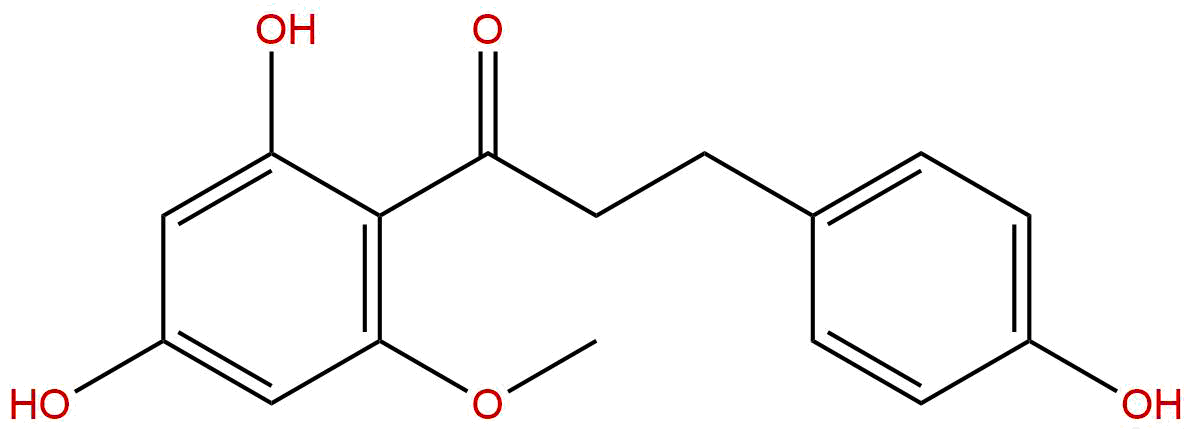
2 '- O-Methylchalcotin, also known as 4,2', 4 '- trihydroxy-6' - methoxydihydrochalcone, is a naturally occurring dihydrochalcone compound. As a methylated derivative of resveratrol, this compound is widely distributed in the plant kingdom, especially abundant in Rosaceae plants. Compared with the parent compound resveratrol, 2 '- O-methyl resveratrol introduces a methoxy group at the C-6' site, which significantly alters its physicochemical properties and biological activity characteristics.
In recent years, with the deepening of research on natural product chemistry and pharmacology, 2 '- O-methylresveratrol has gradually demonstrated various pharmacological potentials, including antioxidant, anti-inflammatory, anti-tumor, hypoglycemic, and neuroprotective activities. These findings have sparked widespread interest in academia and the pharmaceutical industry. This article aims to systematically review the chemical structure characteristics, plant sources, extraction and separation methods, pharmacological activity, mechanism of action, pharmacological evaluation, and clinical application prospects of 2 '- O-methyl root bark extract, in order to provide comprehensive references for the in-depth research and development of this natural product.
Chemical structure and physicochemical properties
Chemical structural characteristics
The chemical name of 2 '- O-methylquercetin is 4,2', 4 '- trihydroxy-6' - methoxydihydrochalcone, which belongs to the dihydrochalcone subclass. Its molecular formula is C ₁₆ H ₁₆ O ₆, and its molecular weight is 288.2990 g/mol. Structurally, the compound is composed of two benzene rings (ring A and ring B) connected by a propan-1-one bridge (- CO-CH ₂ - CH ₂ -), where ring A is 2,4,6-trihydroxy-3-methoxyphenyl and ring B is 4-hydroxyphenyl.
Specifically, there are three hydroxyl substituents on the A ring, located at positions C-2 ', C-4', and C-6 ', respectively, and there is also a methoxy (- OCH ∝) substituent at position C-6'. The B ring only has one hydroxyl substitution at the C-4 position. This substitution pattern results in 2 '- O-methylquercetin having a typical triphenylphenol type A-ring structure, which is a common feature of many bioactive chalcones and dihydrochalcones.
Compared with the parent compound resveratrol (4,2 ', 4', 6 '- tetrahydroxydihydrochalcone), the hydroxyl group of 2' - O-methylresveratrol at the C-6 'position is replaced by a methoxy group. This structural change not only affects the polarity of the molecule, but may also alter its interaction mode with biological targets. It is worth noting that the introduction of methoxy groups increases the lipophilicity of the molecule, which may affect its membrane permeability and bioavailability.
Physical and chemical property parameters
According to computational chemistry and experimental data, the key physicochemical property parameters of 2 '- O-methylquercetin are as follows:
-
Lipid water partition coefficient (LogP): 2.5184. This value indicates that the compound has moderate lipophilicity and meets the requirement of LogP less than 5 in Lipinski's rule, suggesting that it has good membrane permeability potential.
-
Topological Polarity Surface Area (TPSA): 86.9900 Å ². This value is below 100 Å ², indicating that the compound may have good oral absorption properties. TPSA is an important parameter for predicting drug intestinal absorption and blood-brain barrier permeability.
-
Water solubility:0.3346 mg/mL。 This compound exhibits a certain degree of water solubility, but belongs to the low solubility category. This characteristic may limit its application at high concentrations, but it can be improved through appropriate formulation techniques.
-
Blood-brain barrier permeability: Low. This prediction suggests that 2 '- O-methylresveratrol is not easily able to cross the blood-brain barrier, which may limit its therapeutic application in central nervous system diseases, but also reduce the risk of central nervous system toxicity.
-
HERG inhibition: No. HERG potassium channel inhibition is an important predictor of drug cardiac toxicity, and negative results indicate that the compound has a low risk of cardiac toxicity.
-
Ames test: 0.0. The Ames test result is negative, indicating that the compound does not have significant mutagenicity and has a low risk of genetic toxicity.
These physicochemical property parameters collectively indicate that 2 '- O-methylresveratrol has good drug like characteristics and meets the basic requirements of drug development. Its moderate lipophilicity and polarity, low risk of cardiac toxicity, and non mutagenicity lay the foundation for further drug development.
Plant sources and extraction methods
Plant-based
2 '- O-methylresveratrol is mainly found in Rosaceae plants in nature, especially in Malus and Pyrus plants. In addition, the presence of this compound has also been detected in plant families such as Moraceae, Fabaceae, and Asteraceae.
The main sources of plants include:
-
Apple (Malus domestica)Apples are one of the most abundant sources of 2 '- O-methylresveratrol. This compound is mainly present in the skin, flesh, and leaves of apples, especially in apple peels where the content is relatively high. There are significant differences in the content of 2 '- O-methyl resveratrol among different varieties of apples, with red meat apple varieties typically having higher levels.
-
Pear (Pyrus communis)Pear skin and flesh also contain 2 '- O-methyl resveratrol, but the content is usually lower than that of apples.
-
Strawberry (Fragaria × ananassa)The presence of this compound has also been detected in strawberry fruits and leaves.
-
Malus halliana The flowers and leaves of crabapple are an important source of 2 '- O-methylresveratrol, traditionally used for medicinal purposes in East Asia.
-
Mulberry tree (Morus alba): Mulberry leaves and mulberry root bark contain 2 '- O-methylphloretin. Mulberry leaves are used to treat diabetes in traditional Chinese medicine.
-
Glycyrrhiza uralensis Licorice roots contain various chalcone compounds, including analogues of 2 '- O-methylquercetin.
It is worth noting that the content of 2 '- O-methyl root bark extract in plants is influenced by various factors, including variety, growth conditions, harvest season, storage conditions, etc. Generally speaking, the content in immature fruits is higher than that in mature fruits, and the content in the skin is higher than that in the flesh.
extraction method
The extraction of 2 '- O-methylquercetin is usually carried out using solvent extraction combined with modern separation and purification techniques. Common extraction methods include:
-
Organic solvent extraction method This is the most commonly used extraction method. After crushing the dried plant materials, soak or reflux extract them using organic solvents such as methanol, ethanol, or acetone. Usually, 70% -80% ethanol aqueous solution is used as the extraction solvent, and the extraction temperature is controlled at 50-70 ° C for 2-4 hours. To improve extraction efficiency, multiple extractions or ultrasound assisted extraction can be used.
-
Ultrasound assisted extraction Utilizing the cavitation effect and mechanical vibration of ultrasound to accelerate the destruction of plant cell walls and the dissolution of active ingredients. This method has the advantages of short extraction time, low solvent dosage, and high extraction rate. Usually, the ultrasound power is 200-500 W, the frequency is 20-40 kHz, and the extraction time is 30-60 minutes.
-
Microwave assisted extraction By utilizing the heating effect of microwaves, the water inside plant cells evaporates rapidly, creating a pressure difference and promoting the release of active ingredients. This method has high extraction efficiency, but may cause degradation of some thermosensitive components.
-
Supercritical fluid extraction Using supercritical CO ₂ as the extraction solvent, the solubility can be changed by adjusting the pressure and temperature. This method has the advantages of no solvent residue, good selectivity, and environmental friendliness, but the equipment cost is relatively high.
Separation and purification methods
The crude extract obtained requires further separation and purification to obtain high-purity 2 '- O-methyl resveratrol. Common separation and purification methods include:
-
Column chromatography Using silica gel, polyamide, macroporous adsorption resin, etc. as the stationary phase, separation is carried out by gradient elution. Silica gel column chromatography is the most commonly used method, and the eluent is usually chloroform methanol or petroleum ether ethyl acetate system.
-
High performance liquid chromatography method Using a reverse phase C18 column with methanol water or acetonitrile water as the mobile phase, high-purity separation is achieved through gradient elution. This method is suitable for preparation grade purification, but the cost is relatively high.
-
High-speed countercurrent chromatography Separation is achieved by utilizing the difference in distribution coefficients of solutes in a two-phase solvent system. This method has the advantages of high sample recovery rate and good separation effect.
-
Recrystallization method By utilizing the solubility differences of 2 '- O-methylquercetin in different solvents, high-purity products were obtained through recrystallization. Common solvents for recrystallization include methanol, ethanol, and ethyl acetate.
In practical applications, multiple methods are usually used in combination. For example, plant materials are first extracted with ethanol, then purified through a macroporous adsorption resin column, further separated by silica gel column chromatography, and finally high-purity 2 '- O-methyl root bark extract is obtained through recrystallization.
Pharmacological activity research
antioxidant activity
2 '- O-methylquercetin exhibits significant antioxidant activity, mainly attributed to multiple phenolic hydroxyl groups in its molecular structure. Phenolic hydroxyl groups can clear free radicals through hydrogen atom transfer or single electron transfer mechanisms, thereby protecting cells from oxidative damage.
Research has shown that 2 '- O-methylquercetin can effectively scavenge 1,1-diphenyl-2-trinitrophenylhydrazine (DPPH) free radicals, 2,2' - bis (3-ethylbenzothiazoline-6-sulfonic acid) (ABTS) cationic free radicals, and superoxide anion free radicals. Its DPPH free radical scavenging activity is comparable to the positive control vitamin C, with an IC ₅₀ value in the range of 10-20 μ M.
In cell models, 2 '- O-methylresveratrol can significantly reduce oxidative stress induced by hydrogen peroxide (H ₂ O ₂), decrease intracellular reactive oxygen species (ROS) levels, and increase the activity of antioxidant enzymes such as superoxide dismutase (SOD), glutathione peroxidase (GPx), and catalase (CAT). In addition, the compound can increase the content of reduced glutathione (GSH) and enhance the antioxidant defense ability of cells.
anti-inflammatory activity
Inflammation is the body's defense response to harmful stimuli, but excessive or sustained inflammation can lead to tissue damage and the occurrence of various diseases. 2 '- O-methylresveratrol exhibits significant anti-inflammatory activity in various inflammatory models.
In a macrophage model stimulated by lipopolysaccharide (LPS), 2 '- O-methylresveratrol can significantly inhibit the production of nitric oxide (NO) and prostaglandin E ₂ (PGE ₂), and reduce the expression levels of inducible nitric oxide synthase (iNOS) and cyclooxygenase-2 (COX-2). Meanwhile, the compound can also inhibit the release of pro-inflammatory cytokines such as tumor necrosis factor - α (TNF - α), interleukin-1 β (IL-1 β), and interleukin-6 (IL-6).
In animal models, 2 '- O-methylresveratrol can alleviate carrageenan induced toe swelling in rats and inhibit acetic acid-induced increase in peritoneal capillary permeability in mice, demonstrating good in vivo anti-inflammatory effects. In addition, in chronic inflammation models, this compound can also alleviate collagen induced arthritis symptoms and reduce the levels of inflammatory markers in serum.
Antitumor activity
2 '- O-methylphloretin has cytotoxic effects on many tumor cell lines, including breast cancer, liver cancer, colon cancer, lung cancer and melanoma. Its anti-tumor mechanism involves multiple aspects:
-
Inducing cell apoptosis 2 '- O-methylresveratrol can induce tumor cell apoptosis by activating the mitochondrial apoptosis pathway. Research has shown that this compound can upregulate Bax protein expression and downregulate Bcl-2 protein expression, leading to a decrease in mitochondrial membrane potential, release of cytochrome c, and activation of caspase-9 and caspase-3, ultimately causing cell apoptosis.
-
Inhibit cell proliferation By regulating the expression of cell cycle related proteins, 2 '- O-methylresveratrol can block tumor cells in the G ₀/G ₁ phase or G ₂/M phase, thereby inhibiting cell proliferation. The specific mechanism involves downregulating the expression of Cyclin D1 and Cyclin dependent kinase 4 (CDK4).
-
Inhibit angiogenesis In the chicken embryo chorioallantoic membrane (CAM) model, 2 '- O-methylresveratrol can inhibit the formation of new blood vessels. At the molecular level, this compound can reduce the expression of vascular endothelial growth factor (VEGF), inhibit the proliferation and migration of vascular endothelial cells.
-
Reverse multidrug resistance For drug-resistant tumor cells, 2 '- O-methylresveratrol can partially reverse their resistance to chemotherapy drugs. Mechanism studies have shown that this compound can inhibit the function of P-glycoprotein (P-gp) and increase the accumulation of chemotherapy drugs in cells.
Hypoglycemic activity
2 '- O-methylphloretin shows potential application value in the treatment of diabetes. It mainly exerts its hypoglycemic effect through the following mechanisms:
-
Inhibition of alpha glucosidase activity Alpha glucosidase is an enzyme located at the brush border of the small intestine, responsible for breaking down oligosaccharides into monosaccharides. 2 '- O-methylresveratrol can competitively inhibit the activity of α - glucosidase, delay carbohydrate digestion and absorption, and thus lower postprandial blood glucose levels. Its inhibitory activity is comparable to that of acarbose used clinically.
-
Inhibition of sodium glucose cotransporter 2 (SGLT2)SGLT2 is a glucose transporter located in the proximal tubules of the kidney, responsible for reabsorbing and filtering glucose. 2 '- O-methylresveratrol can inhibit the activity of SGLT2, promote urinary glucose excretion, and thus lower blood glucose levels. This mechanism is similar to SGLT2 inhibitors used clinically, such as dapagliflozin.
-
Improve insulin sensitivity In a cell model of insulin resistance, 2 '- O-methylresveratrol can enhance the activity of the insulin signaling pathway, increase the membrane translocation of glucose transporter 4 (GLUT4), and promote glucose uptake and utilization.
Neuroprotective activity
Although the blood-brain barrier permeability of 2 '- O-methylresveratrol is low, studies have shown that the compound still has a certain neuroprotective effect. In neural cell models, 2 '- O-methylresveratrol can protect neurons from glutamate induced excitotoxic damage, reduce intracellular calcium overload, inhibit oxidative stress and apoptosis.
In the Alzheimer's disease model, 2 '- O-methylresveratrol can inhibit the aggregation of β - amyloid protein (A β) and reduce A β - induced neurotoxicity. In addition, the compound can inhibit the activity of acetylcholinesterase (AChE), increase the level of acetylcholine in the brain, and improve cognitive function.
Other pharmacological activities
In addition to the main activities mentioned above, 2 '- O-methylresveratrol also exhibits various other pharmacological activities:
-
Antibacterial activity It has inhibitory effects on pathogenic microorganisms such as Staphylococcus aureus, Escherichia coli, and Candida albicans.
-
Antiviral activity In vitro experiments have shown inhibitory effects on influenza virus and herpes simplex virus.
-
Hepatoprotective activity Can alleviate liver damage induced by carbon tetrachloride and acetaminophen, and reduce serum transaminase levels.
-
Whitening activity By inhibiting tyrosinase activity and reducing melanin synthesis, it has potential skin whitening application value.
Mechanism of action and molecular targets
Signal pathway regulation
The various pharmacological activities of 2 '- O-methylresveratrol are closely related to its regulation of intracellular signaling pathways. Research has shown that this compound primarily exerts its biological effects through the following signaling pathways:
-
Nuclear factor kappa B (NF - κ B) signaling pathway NF - κ B is the core transcription factor of inflammatory response. 2 '- O-methylresveratrol can inhibit the phosphorylation and degradation of I κ B α, prevent the nuclear translocation of NF - κ B, and thus suppress the expression of downstream inflammatory genes. This is one of the main molecular mechanisms underlying its anti-inflammatory activity.
-
Mitogen activated protein kinase (MAPK) signaling pathway The MAPK pathway includes three main branches: ERK, JNK, and p38, which are involved in regulating cell proliferation, differentiation, and apoptosis. 2 '- O-methylresveratrol can inhibit LPS induced phosphorylation of JNK and p38, but has little effect on ERK phosphorylation.
-
Phosphatidylinositol 3-kinase/protein kinase B (PI3K/Akt) signaling pathway The PI3K/Akt pathway is a key pathway for insulin signaling transduction. 2 '- O-methylresveratrol can enhance insulin stimulated Akt phosphorylation, promote GLUT4 membrane translocation, and improve insulin sensitivity.
-
Nuclear factor E2 related factor 2 (Nrf2) signaling pathway Nrf2 is the main transcription factor for antioxidant stress. 2 '- O-methylresveratrol can promote nuclear translocation of Nrf2, increase gene expression driven by antioxidant response elements (ARE), and enhance antioxidant enzyme activity.
Molecular target recognition
Through techniques such as molecular docking, surface plasmon resonance (SPR), and drug affinity responsive target stability (DARTS), researchers have identified multiple potential molecular targets for 2 '- O-methylresveratrol
-
Alpha glucosidase 2 '- O-methylresveratrol can bind to the active site of α - glucosidase, forming stable hydrogen bonds and hydrophobic interactions, thereby inhibiting enzyme activity. Molecular docking studies have shown that the A-ring hydroxyl group of the compound forms hydrogen bonds with amino acid residues such as Asp215, Glu277, and Asp357 at the enzyme active site.
-
SGLT2 2 '- O-methylresveratrol can interact with the glucose binding site of SGLT2 and competitively inhibit glucose transport. Its binding mode is similar to the natural substrate glucose, but with a higher affinity.
-
tyrosinase 2 '- O-methylresveratrol can coordinate with copper ions of tyrosinase and inhibit enzyme activity. This is the molecular basis of its whitening activity.
-
COX-2 and iNOS 2 '- O-methylresveratrol can directly bind to the active sites of COX-2 and iNOS, inhibit the activity of these enzymes, and reduce the production of inflammatory mediators.
Structure performance relationship analysis
The biological activity of 2 '- O-methylresveratrol is closely related to its molecular structure. By comparing the activity differences of this compound with other chalcones and dihydrochalcones, the following structure-activity relationship can be summarized:
-
A-ring replacement mode The substitution of hydroxyl and methoxy groups on the A ring is crucial for activity. The methoxy substitution at the C-6 'position increases the lipophilicity of the molecule, which may enhance its hydrophobic interaction with the target protein. Compared with resveratrol, 2 '- O-methyl resveratrol exhibits enhanced or attenuated effects in certain activities, indicating a dual effect of introducing methoxy groups.
-
B-cyclic hydroxyl group The hydroxyl group at position C-4 is a key functional group for antioxidant activity, providing hydrogen atoms to scavenge free radicals. Removing the hydroxyl group will significantly reduce antioxidant activity.
-
Dihydrochalcone skeleton Compared with chalcone, the C=C double bond of dihydrochalcone is saturated, resulting in a more flexible molecular conformation. This structural feature may affect its binding mode with target proteins.
-
carbonyl The α, β - unsaturated carbonyl system is the active center of chalcone compounds, but in dihydrochalcone, the carbonyl group remains an important hydrogen bond receptor involved in interactions with target proteins.
Evaluation of drug properties and pharmacokinetics
Drug Evaluation
Based on Lipinski's Five Rules and Veber's Rules, a systematic evaluation of the drug like properties of 2 '- O-methylresveratrol was conducted
- molecular weight 288.2990 Da (<500 Da, meets requirements)
- LogP 2.5184 (<5, meets requirements)
- Hbond donor 3 phenolic hydroxyl groups (<5, meets requirements)
- Number of hydrogen bond acceptors 6 oxygen atoms (<10, meets requirements)
- Number of rotatable keys: 4 (<10, meets requirements)
- TPSA 86.9900 Å ² (<140 Å ², compliant)
The comprehensive evaluation results show that 2 '- O-methylresveratrol fully complies with Lipinski's five rules and Veber's rules, and has good oral drug potential. In addition, the compound has a low risk of hERG inhibition and a negative Ames test, indicating a low risk of cardiac and genetic toxicity.
Pharmacokinetic properties
Although the pharmacokinetic studies of 2 '- O-methylresveratrol are not yet sufficient, based on its physicochemical properties and preliminary research, it can be inferred that its pharmacokinetic characteristics are:
-
absorb Due to its moderate lipophilicity and small molecular weight, 2 '- O-methylresveratrol may have good oral absorption properties. However, its low water solubility may limit its absorption rate. The expected oral bioavailability is moderate, and formulation optimization may be necessary to improve absorption.
-
distribution The plasma protein binding rate of this compound is not yet clear, but based on its lipophilicity, it may have a moderate degree of protein binding. Due to its low blood-brain barrier permeability, it is mainly distributed in the blood and peripheral tissues, making it difficult to enter the central nervous system.
-
Metabolism 2 '- O-methylresveratrol may undergo extensive phase II metabolism, including glucuronidation and sulfation. Phenolic hydroxyl groups are the main metabolic sites. In addition, the methoxy group at C-6 'position may be metabolized to resveratrol through O-demethylation. Cytochrome P450 enzymes may be involved in its phase I metabolism.
-
excretion Metabolites are mainly excreted through urine and bile. Due to its small molecular weight, some prototype drugs may also be excreted through glomerular filtration.
safety evaluation
The preliminary safety evaluation results indicate that 2 '- O-methylresveratrol has good safety:
- acute toxicity In animal experiments, the oral LD ₅₀ value of 2 '- O-methylresveratrol was higher, indicating lower acute toxicity.
- Genotoxicity The Ames test result is negative and does not show mutagenicity.
- cardiotoxicity The hERG inhibition test was negative, indicating a low risk of cardiac toxicity.
- cytotoxicity Low toxicity to normal cells, selectively acting on tumor cells.
However, safety data on long-term toxicity and reproductive toxicity are still lacking, and further research is needed to comprehensively evaluate their safety.
Clinical application prospects and prospects
Potential therapeutic areas
Based on existing pharmacological activity studies, 2 '- O-methylresveratrol has potential clinical application value in the following therapeutic areas:
-
Metabolic diseases As a dual inhibitor of α - glucosidase and SGLT2, 2 '- O-methylphloretin has unique advantages in the treatment of type 2 diabetes. Its hypoglycemic mechanism is complementary to existing drugs and may be developed into new hypoglycemic drugs or functional food ingredients.
-
Inflammatory diseases Its anti-inflammatory activity makes it potentially valuable in the treatment of inflammatory bowel disease, arthritis, dermatitis and other diseases.
-
neoadjuvant therapy As a multi-target anti-tumor compound, 2 '- O-methylresveratrol may serve as a chemotherapy sensitizer, improving the efficacy of existing chemotherapy drugs and reducing the occurrence of drug resistance.
-
Oxidative stress-related diseases Its antioxidant activity makes it potentially applicable in the prevention and treatment of cardiovascular diseases, neurodegenerative diseases, and age-related diseases.
-
skin care Its whitening and antioxidant activities make it promising for application in cosmetics and skin care products.
Development Challenges and Strategies
Despite the multifaceted pharmacological activities and good drug like properties of 2 '- O-methylresveratrol, its development still faces some challenges:
-
Low water solubility Low water solubility may limit its oral bioavailability and formulation development. The solution strategies include: preparing salt forms, using cyclodextrin inclusion complexes, developing novel drug delivery systems such as nano formulations or liposomes.
-
Metabolic stability The extensive II phase metabolism of phenolic hydroxyl groups may lead to rapid clearance. The solution strategies include: structural modification to reduce metabolic rate, development of prodrugs, or use of metabolic inhibitors.
-
bioavailability Oral bioavailability may not be ideal. The solution strategy includes optimizing the formulation, developing transdermal drug delivery systems or inhalation administration routes.
-
Target selectivity Multi targeted effects may lead to off target effects. The solution strategy includes: conducting in-depth research on its molecular mechanism and developing derivatives with higher selectivity.
Future research directions
In order to promote the clinical translation of 2 '- O-methylresveratrol, future research should focus on the following directions:
-
Pharmacokinetic study Conduct systematic pharmacokinetic studies in vivo, including absorption, distribution, metabolism, and excretion characteristics, as well as food drug interactions.
-
Toxicity evaluation Conduct a comprehensive toxicological evaluation, including long-term toxicity, reproductive toxicity, and carcinogenicity studies.
-
structural optimization Based on structure-activity relationship research, design and synthesize derivatives with higher activity and selectivity to improve their pharmacokinetic properties.
-
Formulation development Develop formulations suitable for clinical applications to improve bioavailability and patient compliance.
-
clinical trial After completing sufficient preclinical research, conduct clinical trials to verify its safety and efficacy.
-
Research on the mechanism of action Utilizing modern molecular biology techniques to elucidate its molecular targets and signaling pathways, providing a basis for precision medicine.
Conclusion
2 '- O-methylquercetin, as a naturally occurring dihydrochalcone compound, has attracted widespread research interest due to its unique chemical structure and multifaceted pharmacological activities. This compound exhibits significant activity in antioxidant, anti-inflammatory, anti-tumor, hypoglycemic, and neuroprotective aspects, and its mechanism of action involves multiple key signaling pathways such as NF - κ B, MAPK, PI3K/Akt, and Nrf2.
From the perspective of drug development, 2 '- O-methylresveratrol has good drug like characteristics and meets the basic requirements of drug development. Its low risk of cardiac toxicity and low genetic toxicity further enhance its development potential. However, low water solubility and potential metabolic instability are the main obstacles limiting its clinical translation.
With the continuous development of natural product chemistry, pharmacology, and pharmaceutical formulation technology, the development prospects of 2 '- O-methylquercetin are worth looking forward to. Through structural optimization, formulation innovation, and in-depth mechanism research, this natural product is expected to play an important role in the treatment of metabolic diseases, inflammatory diseases, and tumors. Future research should focus on addressing its pharmacokinetic deficiencies and promoting its transition from laboratory studies to clinical applications.
In summary, 2 '- O-methylquercetin is a natural product with multiple pharmacological activities and promising development prospects, and its potential applications in drug discovery and functional food development are worth further exploration. With further research, this compound is expected to contribute to human health.