| Catalog No | Package | Original Price | Price | Inventory | Quantity | Operating |
|---|---|---|---|---|---|---|
| BP0518-20mg | 20mg | $30.00 | Sign in |
|


Storage conditions:Short-term storage at 2~8℃, long-term storage at -20 ~ -80℃
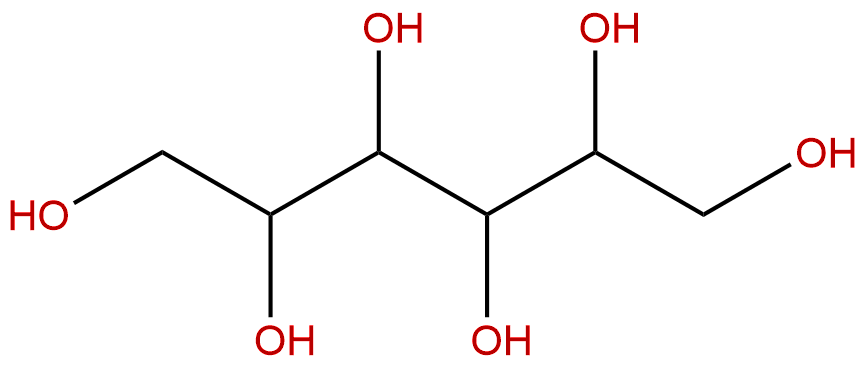
Dulcitol, also known as galactol, is a naturally occurring optically inactive hexitol with a racemic configuration. Its molecular formula is C6H14O6, with a molecular weight of 182.1720, and it belongs to polyhydroxy alcohol compounds. Weimaochun has been found in various organisms and exists as a metabolite in mice, Escherichia coli, and humans, demonstrating its important role in the biological metabolic network. In recent years, with the continuous development of natural product pharmacology, berberine has received widespread attention due to its potential biological activity, especially in the field of anti-inflammatory applications.
Anti inflammatory response is the core pathological process of the occurrence and development of various diseases, involving complex signaling pathways and multiple molecular targets. Weimaochun exhibits significant anti-inflammatory activity by regulating key inflammation related targets including IL-6, STAT3, CASP1, TRPV1, PTGS1, TNF, TRPA1, NOS2, PTGS2, and NFKB1, suggesting its potential application value in the treatment of inflammatory diseases. In addition, the good water solubility (350.1195 mg/mL) and low lipid solubility (LogP-2.6494) of berberine provide a basis for its in vivo distribution and pharmacokinetic properties.
This article aims to systematically review the chemical structure and physicochemical properties, plant sources and extraction methods, pharmacological activity and mechanism of action, pharmacological evaluation and pharmacokinetic characteristics of berberine, and explore its clinical application prospects and development directions, in order to provide theoretical basis and reference for subsequent research and drug development.
Weimaool is a type of hexanol compound, structurally belonging to polyhydroxy alcohols, with a molecular formula of C6H14O6. Its chemical structure is characterized by multiple hydroxyl groups connected to a six carbon chain skeleton, giving it a high degree of hydrophilicity and polarity. Euonymus alcohol has a racemic configuration, therefore it exhibits an inactive state in terms of optical activity. Its CAS number is 608-66-2 and its molecular weight is 182.1720.
In terms of physical and chemical properties, the LogP value of berberine is -2.6494, indicating its low lipid solubility and excellent water solubility. The measured water solubility is as high as 350.1195 mg/mL, demonstrating good water solubility. The extremely high polarity is also reflected in its topological polar surface area (TPSA) of 121.38 Å ², indicating that its molecular surface contains a large number of polar functional groups, which are conducive to non covalent interactions such as hydrogen bonding with biomolecules.
The low blood-brain barrier penetration ability of berberine limits its direct application in central nervous system diseases, but also reduces the risk of central side effects. In terms of safety, berberine did not exhibit hERG channel inhibitory activity, and the Ames test result was 0.6, indicating that its genotoxicity risk is low and has a good safety basis.
Euonymus alcohol is widely present in various plants, especially in certain Euonymus family plants and other plant tissues rich in sugar alcohols. As a natural polyol, it is often involved in carbohydrate metabolism and osmotic regulation as a plant metabolite. Common plant sources include leaves, rhizomes, and fruits of plants in the genus Euonymus.
The method of extracting berberine mainly relies on its high water solubility, usually using a combination of water extraction and alcohol solvent separation. The specific steps include:
In recent years, modern green extraction techniques such as ultrasound assisted extraction and microwave-assisted extraction have also been applied to the extraction of berberine, improving extraction efficiency and purity, reducing solvent consumption and environmental pollution.
The pharmacological activity research of berberine mainly focuses on its anti-inflammatory effect. Inflammation is the body's defense response to harmful stimuli, and excessive or chronic inflammation is an important pathological basis for various diseases such as autoimmune diseases, metabolic syndrome, neurodegenerative diseases, and tumor development. Weimaochun exhibits excellent anti-inflammatory potential by regulating inflammatory responses through multiple targets and pathways.
Experimental studies have shown that berberine can significantly inhibit the expression of pro-inflammatory cytokines such as tumor necrosis factor alpha (TNF - α), interleukin-6 (IL-6), and nitric oxide synthase type 2 (NOS2), reducing the release of inflammatory mediators. Its regulation of key transcription factors such as inflammatory signaling molecule STAT3 and nuclear factor kappa B (NFKB1) further inhibits the transcriptional activity of inflammatory genes.
In addition, berberine has a regulatory effect on inflammation related ion channels TRPV1 and TRPA1, reducing neuroinflammation and pain response. Its inhibitory effect on caspase 1 (CASP1) helps to block the activation of inflammasomes and reduce the maturation and release of pro-inflammatory cytokine IL-1 β.
In addition to its anti-inflammatory effect, some studies suggest that berberine may be involved in regulating oxidative stress response, possessing certain antioxidant capacity and protecting cells from free radical damage. In addition, as a metabolite, berberine may play an auxiliary role in energy metabolism and cell osmotic regulation, but related research is still in the preliminary stage.
The anti-inflammatory mechanism of berberine involves multiple signaling pathways and molecular targets, reflecting its multi-target regulatory characteristics.
Weimaochun reduces inflammation by downregulating the expression of pro-inflammatory cytokines IL-6 and TNF - α. IL-6, as a classic pro-inflammatory cytokine, promotes the expression of inflammatory genes by activating the JAK/STAT3 signaling pathway. Weimaochun inhibits the phosphorylation and activation of STAT3, blocks the transcription of downstream inflammatory genes, and weakens the inflammatory response.
CASP1 is a key enzyme in inflammasome activation, catalyzing the maturation of pro-inflammatory cytokines IL-1 β and IL-18. The inhibitory effect of berberine on CASP1 blocks the activation of inflammasomes, reduces the release of pro-inflammatory factors, and alleviates inflammatory damage.
TRPV1 and TRPA1 are important ion channels in inflammation and pain transmission. Weimaochun exhibits dual analgesic and anti-inflammatory effects by regulating the activity of these two channels, reducing neuroinflammation and related pain symptoms.
Weimaochun inhibits cyclooxygenase-1 (PTGS1) and cyclooxygenase-2 (PTGS2), reduces prostaglandin synthesis, and lowers levels of inflammatory mediators. Its inhibition of NOS2 reduces the excessive production of nitric oxide, preventing oxidative stress and inflammatory damage. As the core transcription factor of inflammatory response, NFKB1 is inhibited by berberine, which blocks the expression of inflammatory genes.
In summary, berberine achieves comprehensive regulation of inflammatory response through multi-target and multi pathway synergistic effects, demonstrating its potential as a natural anti-inflammatory agent.
The pharmacological evaluation of berberine shows that it has certain potential for drug development. The molecular weight of 182.1720 conforms to the ideal range of Lipinski's rule, and its extremely high water solubility (350.1195 mg/mL) is beneficial for the preparation and in vivo absorption of oral formulations. A negative LogP (-2.6494) indicates strong hydrophilicity but low lipid solubility, which may limit its cell membrane penetration ability and oral bioavailability.
The topological polar surface area (TPSA) of berberine is 121.38 Å ², indicating that it has good polarity and is conducive to binding to the aqueous environment and target proteins. However, it may limit its ability to pass through the blood-brain barrier, which is consistent with its low blood-brain barrier penetration evaluation.
In terms of safety, berberine did not exhibit hERG channel inhibition, reducing the risk of cardiac toxicity. The Ames test result is 0.6, indicating a low risk of genotoxicity and good safety.
Pharmacokinetic studies are not yet sufficient, but based on its physicochemical properties, berberine may be mainly excreted through the kidneys and has high metabolic stability in vivo. Further research on in vivo absorption, distribution, metabolism, and excretion (ADME) is needed in the future to optimize administration routes and dosage form design.
As a natural polyol, berberine has shown broad application prospects in the treatment of inflammation related diseases due to its multi-target anti-inflammatory effects. It can regulate various inflammatory mediators and signaling pathways, providing new treatment ideas for chronic inflammation, autoimmune diseases, metabolic diseases, and neuroinflammation.
The key to future clinical applications lies in thoroughly elucidating its pharmacological mechanisms, optimizing pharmacokinetic properties and dosage form design, and improving bioavailability and targeting. At the same time, it is necessary to conduct systematic toxicological evaluations and preclinical safety studies to lay the foundation for clinical trials.
In addition, the potential of berberine in combination therapy deserves attention. Its synergistic effect with other anti-inflammatory drugs or natural products may enhance therapeutic efficacy, reduce adverse reactions, and expand its clinical application scope.
Modern drug development technologies such as nanocarriers, drug modification, and targeted delivery can further enhance the efficacy and safety of berberine, promoting its clinical translation.
As a natural source of polyhydroxyhexitol, berberine has significant anti-inflammatory activity and good safety, demonstrating broad potential for drug development. It provides a new molecular basis for the treatment of inflammation related diseases by regulating inflammatory responses through multiple targets and pathways. Although research on its pharmacokinetics and clinical applications is still limited, with the development of natural product pharmacology and modern drug development technology, berberine is expected to become an important candidate molecule for novel anti-inflammatory drugs.
Future research should focus on in-depth analysis of its mechanism of action, optimization of drug properties, and systematic preclinical evaluation to promote the clinical translational application of berberine and contribute new natural drug resources to the field of anti-inflammatory therapy.
