Introduction/Overview
Natural products, as an important source of drug discovery, play an irreplaceable role in the long history of human struggle against diseases. From traditional plant-based medicines to modern innovative drugs, the chemical diversity inherent in nature provides endless inspiration for tackling complex diseases. Among numerous natural products with biological activity, alkaloids derived from plants of the Rutaceae family and the Zanthoxylum genus have attracted much attention due to their significant pharmacological activities. Schiniforine, as a unique derivative of 4-quinolone, is an increasingly shining star molecule in this family.
Qinghuajiao alkaloid was originally derived from Sichuan peppercorns(Zanthoxylum schinifolium)Through isolation and identification, its chemical structure belongs to 4-quinolone alkaloids. These types of compounds are relatively rare in nature, but their skeletons form the core of many synthetic drugs and natural active molecules. The discovery of Qinghuajiao alkaloid not only enriched the chemical composition library of Sichuan pepper plants, but also aroused widespread interest among pharmaceutical researchers due to its multiple pharmacological activities, especially anti-tumor and antifungal effects. Preliminary studies have shown that berberine can effectively inhibit the proliferation of various cancer cells, exerting its anti-tumor effect by inducing cell cycle arrest in the G2/M phase and triggering cell apoptosis. More importantly, it can enhance the sensitivity of tumor cells to radiation therapy, which provides the possibility of developing it as a radiosensitizer. At the same time, its antifungal activity, especially against the common clinical pathogen Candida albicans(Candida albicans)The inhibitory effect has also opened up prospects for its application in the field of anti infection.
However, from laboratory discoveries to clinical applications, natural products often face many challenges, and berberine is no exception. Its relatively complex chemical structure, potential pharmacokinetic properties, and toxicological characteristics all require systematic and in-depth research. This paper aims to comprehensively review the research progress of piperine, starting with its chemical structure and physical and chemical properties, plant origin and extraction methods, deeply analyze its pharmacological activity, mechanism of action and molecular targets, and objectively evaluate its pharmaceutical properties and pharmacokinetic characteristics, and finally look forward to its clinical application prospects in the treatment of cancer and infectious diseases. Through this systematic review, we expect to provide a solid theoretical foundation for the subsequent research and development of piperidine, and reveal the potential value of this natural product in the fields of medicinal chemistry and pharmacology.
Chemical structure and physicochemical properties
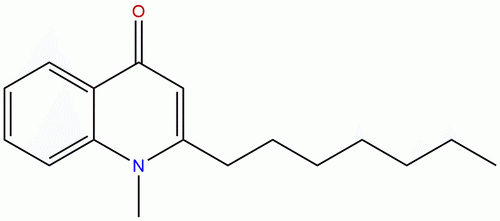
The chemical structure of Qinghuajiao alkaloid is the basis of its biological activity. From a chemical classification perspective, it belongs to 4-Quinolone derivatives. The 4-quinolone skeleton is composed of a benzene ring fused with a pyridone ring, with the carbonyl group located at position 4. Qinghuajiao alkaloid has a specific substitution pattern on the mother nucleus, and its structure is generally believed to be 1-methyl-2-undecyl-4-quinolone. This structural feature endows it with unique physicochemical properties, which in turn affect its biological activity, pharmacokinetic behavior, and potential for drug development.
From the molecular formula, the molecular weight of Qinghuajiao alkaloid is 257.3770 Da, which is within the ideal range for small molecule drugs (usually<500 Da), providing favorable conditions for its oral absorption and cell membrane penetration. Its lipid water partition coefficient (LogP) is 4.5441, indicating that the compound has high lipid solubility. High LogP values are usually associated with good membrane permeability, which facilitates the penetration of compounds through biological membranes, including the blood-brain barrier and cell membranes. However, excessive lipid solubility may also lead to poor water solubility, metabolic instability, and increased non-specific binding. The calculated water solubility (LogS) of piperidine is 0.0082 mg/mL, confirming its extremely poor water solubility, which will be one of the main challenges for its formulation development and oral bioavailability.
Topological Polarity Surface Area (TPSA) is an important parameter for predicting drug oral absorption and blood-brain barrier penetration ability. The TPSA of Qinghuajiao alkaloid is only 22.0000 Å ², far below the usual threshold for oral medication (140 Å ²) and the threshold for blood-brain barrier penetration (60-90 Å ²). The extremely low TPSA value is mainly attributed to the presence of only one carbonyl oxygen atom as a polar group in its molecule, and the lack of donors such as hydroxyl and amino groups that can form hydrogen bonds. This feature, together with a high LogP value, predicts that berberine has extremely high blood-brain barrier penetration ability. This feature is advantageous for developing drugs for central nervous system diseases, but may pose a risk of central nervous system toxicity for treating peripheral tumors or infections.
In addition, the chemical stability of green pepper alkaloids is also worth paying attention to. The 4-quinolone skeleton is relatively stable under conventional conditions, but its long alkyl side chain (undecyl) may make it prone to oxidative metabolism. There are no typical easily hydrolyzed groups (such as ester bonds and amide bonds) in its molecule, so its chemical hydrolysis stability may be better. Overall, the physicochemical properties of Qinghuajiao alkaloid exhibit characteristics of "high lipid solubility, low water solubility, and high membrane permeability", which determine its advantages and disadvantages in pharmacokinetic behavior and provide direction for its subsequent structural optimization and drug development.
Plant sources and extraction methods
Qinghuajiao alkaloid was originally derived from the Rutaceae family's Sichuan pepper plant, Qinghuajiao(Zanthoxylum schinifolium)Obtained through separation. There are about 250 species of Sichuan pepper plants worldwide, widely distributed in tropical and subtropical regions of Asia, America, and Africa. In China, the Sichuan pepper genus is rich in plant resources, and the fruits of many species are used as traditional spices and Chinese medicine, with effects such as warming and relieving pain, insecticidal and itching. Green Sichuan pepper (also known as cliff pepper or fragrant pepper seed) is an important medicinal and edible plant, with its skin, roots, stems, and leaves used in folk medicine. Except for green Sichuan pepper, other Sichuan pepper plants, such as Sichuan pepper(Zanthoxylum bungeanum)And double-sided needles(Zanthoxylum nitidum)Wait, it may also contain berberine or its structural analogues, but Sichuan pepper is considered its main source.
The content of berberine in plants is usually low and belongs to trace active ingredients. Its biosynthetic pathway is believed to originate from the phenylalanine and acetic acid/malonic acid pathways, which generate 4-quinolone parent nuclei through a series of enzymatic reactions, followed by methylation and alkylation modifications. Efficient extraction and purification of berberine from plant materials is a prerequisite for conducting biological research and drug development. The classic extraction method usually includes the following steps:
-
Raw material preparation and extraction Usually, dried and crushed green and white pepper root bark, stem bark, or fruit are used as raw materials. Due to the lipid solubility of blue pepper alkaloids, organic solvent soaking or reflux extraction methods are often used. Common solvents include methanol, ethanol, chloroform, ethyl acetate, or their mixed solvents. To improve extraction efficiency, ultrasound assisted extraction or microwave-assisted extraction techniques can be used to accelerate the dissolution of target components through cavitation or thermal effects. The crude extract is obtained by filtering and concentrating the extract under reduced pressure.
-
Preliminary separation The crude extract contains a large amount of lipophilic impurities, pigments, and other alkaloids. Usually, liquid-liquid extraction is used for preliminary purification. For example, the crude extract is dispersed in an acidic aqueous solution (such as dilute hydrochloric acid) to dissolve alkaloids into salts in the aqueous phase, and then extracted with organic solvents (such as petroleum ether, ether) to remove neutral and acidic impurities. Subsequently, the aqueous phase is alkalized (such as adjusting the pH to 9-10 with ammonia water) to free the alkaloid from the green pepper, and then extracted with organic solvents such as chloroform or ethyl acetate to obtain the total alkaloid fraction.
-
Chromatographic Separation and Purification The total alkaloid fraction still needs further purification to obtain high-purity Qinghuajiao alkaloid. Silica gel column chromatography is the most commonly used separation method. Gradient elution with different ratios of chloroform methanol or petroleum ether acetone solvent systems, combined with thin-layer chromatography (TLC) detection, can be used to preliminarily enrich berberine. For alkaloids with similar structures, it may be necessary to combine other chromatographic techniques, such as preparative high-performance liquid chromatography (Prep HPLC), high-speed countercurrent chromatography (HSCCC) or gel column chromatography (such as Sephadex LH-20), to achieve the final high-purity separation. The structure of piperidine is usually confirmed by spectroscopic techniques such as nuclear magnetic resonance (NMR) and mass spectrometry (MS).
In recent years, with the promotion of green chemistry concepts, researchers have also been exploring more environmentally friendly and efficient extraction methods, such as using low melting point solvents (DES) or supercritical fluid extraction (SFE) technology. These methods are expected to reduce the use of organic solvents, improve extraction selectivity and safety. However, current laboratory research still mainly relies on traditional solvent extraction combined with chromatographic separation. Establishing an efficient and scalable extraction and purification process is a key step in promoting the entry of berberine into preclinical and clinical research.
Pharmacological activity research
The pharmacological activity research of Qinghuajiao alkaloid mainly focuses on its anti-tumor and antifungal effects, while its potential analgesic activity has also attracted attention due to its traditional use in plant sources.
Antitumor activity
The most notable pharmacological activity of Qinghuajiao alkaloid is its inhibitory effect on various cancer cells. Research has confirmed that berberine can significantly inhibit the proliferation of lung cancer cells (such as A549 and H1299 cell lines), and its mechanism of action involves cell cycle regulation and induction of apoptosis.
-
Inhibition of cell proliferation and induction of G2/M phase arrest Multiple in vitro experiments have shown that the cell viability of cancer cells treated with berberine decreases in a dose - and time-dependent manner. Through flow cytometry analysis of cell cycle distribution, it was found that berberine can block cancer cells in the G2/M phase. The G2/M phase is a critical checkpoint for cell division, and blockade during this phase means that cells cannot enter the mitotic stage normally, thereby inhibiting tumor proliferation. This cycle arrest effect may be related to regulating the expression of cyclins and cyclin dependent kinases (CDKs), such as downregulating the activity of Cyclin B1 and CDK1.
-
Inducing cell apoptosis In addition to inhibiting proliferation, berberine can also effectively induce cancer cell apoptosis. Apoptosis is a programmed cell death and an important way for anti-tumor drugs to exert their therapeutic effects. Research has found that treatment with green pepper alkaloids can lead to typical morphological changes of apoptosis in cancer cells, such as cell shrinkage, chromatin condensation, and the formation of apoptotic bodies. Molecular mechanism studies have shown that berberine can activate the mitochondrial apoptosis pathway (endogenous pathway), manifested as a decrease in mitochondrial membrane potential (Δ PSI m), release of cytochrome c from mitochondria to cytoplasm, and activation of Caspase-9 and downstream effector Caspase-3/7, ultimately leading to DNA fragmentation and cell death. In addition, berberine may also exert its effects through the death receptor pathway (exogenous pathway), upregulating the expression of death receptors such as Fas and TRAIL.
-
Radiosensitization effect One of the highly potential conversion activities of Qinghua pepper alkaloids is their radiosensitizing effect. Radiotherapy is an important treatment for solid tumors such as lung cancer, but the radiation resistance of tumor cells is the main cause of treatment failure and recurrence. Research has shown that berberine can significantly enhance the sensitivity of lung cancer cells to ionizing radiation. Pre treatment of cells with berberine before radiation exposure can exacerbate radiation-induced DNA damage (such as increased formation of gamma H2AX foci) and more effectively inhibit DNA damage repair pathways, thereby enhancing radiation-induced cell death. This radiosensitizing effect may be related to the inhibition of the expression or activity of key DNA repair proteins (such as ATM, ATR, Rad51) by berberine. This discovery suggests that berberine may be used as a novel radiosensitizer in combination with radiotherapy to improve the treatment efficacy of locally advanced lung cancer.
Antifungal activity
Green pepper alkaloid affects the common pathogenic fungus in clinical practice, Candida albicans(Candida albicans)Has a significant inhibitory effect. Candida albicans is the main pathogen causing oral, vaginal, and systemic candidiasis, particularly posing a significant threat in immunocompromised patients. With the widespread use of antifungal drugs, the problem of drug resistance is becoming increasingly severe, and the search for new antifungal drugs is urgent.
Research has shown that berberine has bactericidal activity against floating Candida albicans, with its minimum inhibitory concentration (MIC) and minimum bactericidal concentration (MFC) at the micromolar level. More importantly, berberine can effectively inhibit the formation of biofilms of Candida albicans. Biofilm is a microbial community attached to biological or non biological surfaces, enveloped by its own secreted extracellular matrix, and exhibiting strong resistance to antifungal drugs. Qinghuajiao alkaloid can not only inhibit the early formation of biofilms, but also disrupt the structure of mature biofilms that have already formed. Its antifungal mechanism may be related to the destruction of fungal cell membrane integrity, interference with ergosterol synthesis or function, and induction of intracellular reactive oxygen species (ROS) accumulation. In addition, berberine also exhibits inhibitory effects on the virulence factors of Candida, such as hyphal formation and adhesion ability.
Analgesic activity
Given that plants of the Sichuan pepper genus are commonly used in traditional medicine to treat pain, the analgesic activity of berberine has also attracted the interest of researchers. Although there are relatively few modern pharmacological studies directly targeting the analgesic activity of piperidine, its predicted targets (such as TRPV1, OPRM1, PTGS2, etc.) strongly suggest its analgesic potential. TRPV1 is a capsaicin receptor involved in the transmission of thermal pain and inflammatory pain; OPRM1 is a μ - opioid receptor and the target of the classic analgesic morphine; PTGS2 (COX-2) is a key enzyme in the synthesis of prostaglandins, playing a central role in inflammation and pain. Qinghuajiao alkaloid may exert its analgesic effect by acting on one or more of these targets. However, the specific analgesic effect, mechanism of action, and whether there is central or peripheral selectivity still need to be elucidated through systematic animal behavioral experiments and molecular pharmacology studies.
Mechanism of action and molecular targets
The multiple pharmacological activities of Qinghuajiao alkaloid stem from its interactions with multiple molecular targets within cells. A deep understanding of its mechanism of action is crucial for optimizing its activity, reducing toxic side effects, and developing new therapeutic strategies. Current research has revealed partial mechanisms of its anti-tumor and antifungal effects, while the molecular basis of its analgesic effect is mainly based on target prediction.
Antitumor mechanism and targets
The anti-tumor effect of Qinghuajiao alkaloid is the result of a synergistic effect of multiple targets and pathways.
-
cell cycle regulation The G2/M phase arrest induced by berberine is the core of its anti proliferative effect. The molecular mechanism may involve:
- Inhibition of CDK1/Cyclin B1 complex activity The binding of CDK1 to Cyclin B1 is crucial for initiating mitosis. Qinghuajiao alkaloid may inhibit the activity of the complex by downregulating the protein expression levels of Cyclin B1 and CDK1, or by increasing CDK1 inhibitory phosphorylation (such as Thr14/Tyr15 sites).
- Regulating checkpoint kinases Cyanine may activate G2/M checkpoint kinases such as Chk1 and Chk2, which can inactivate Cdc25 phosphatase by phosphorylating it, thereby preventing Cdc25 from removing the inhibitory phosphate group on CDK1, ultimately leading to cell cycle arrest.
-
Inducing apoptosis pathway:
- Mitochondrial pathway (endogenous)This is the main pathway through which capsaicin induces apoptosis. The upstream signals may include:
- ROS mediated Cyanine may cause a sharp increase in intracellular ROS levels by disrupting mitochondrial electron transport chains or inhibiting antioxidant enzyme activity. High levels of ROS can directly damage mitochondrial membranes, leading to the opening of their permeability transition pores (mPTP) and loss of membrane potential.
- Regulation of Bcl-2 family proteins Qinghuajiao alkaloid can downregulate the expression of anti apoptotic proteins (such as Bcl-2, Bcl xL), while upregulating the expression of pro apoptotic proteins (such as Bax, Bak) or promoting their translocation to the mitochondrial membrane. The oligomerization of Bax/Bak is key to the formation of mitochondrial outer membrane permeable pores, leading to the release of apoptotic factors such as cytochrome c.
- Death receptor pathway (exogenous)Some studies suggest that berberine may also upregulate the expression of death receptors (such as Fas and DR5), enhance sensitivity to death ligands (such as FasL and TRAIL), and activate exogenous apoptotic pathways through Caspase-8 activation. It can also cross talk with endogenous pathways by cleaving Bid proteins (forming tBids).
-
Radiosensitization mechanism:
- Inhibit DNA damage repair Ionizing radiation mainly causes DNA double strand breaks (DSBs). Cells mainly repair DSBs through two pathways: homologous recombination (HR) and non homologous terminal junction (NHEJ). Blue pepper alkaloids may inhibit the expression or activity of key repair proteins such as ATM, ATR, DNA PKcs, Rad51, Ku70/80, hinder DNA damage repair, preserve radiation-induced lethal damage, and enhance cell killing.
- Enhance apoptotic signaling Qinghuajiao alkaloid may make cancer cells more sensitive to radiation-induced apoptosis signals through the above-mentioned apoptosis mechanism, thereby reducing cell survival rate.
Antifungal mechanism and targets
The antifungal mechanism of berberine is still under exploration, but existing evidence points to the following aspects:
- Disrupting the integrity of the cell membrane Similar to many antifungal drugs such as azoles and polyenes, berberine may act on fungal cell membranes. It may directly disrupt the physical structure of the membrane by inserting into the lipid bilayer, leading to increased permeability, leakage of intracellular ions (such as K ⁺) and important metabolites, ultimately resulting in cell death. Alternatively, it may disrupt membrane function by inhibiting the biosynthesis of ergosterol (such as inhibiting C14 α - demethylase, the target of azole drugs), altering membrane composition and fluidity.
- Inducing oxidative stress Cyanine may cause a significant accumulation of ROS in fungal cells by interfering with mitochondrial function or inhibiting the antioxidant defense system. Excessive ROS can oxidize lipids, proteins, and DNA, causing severe oxidative damage and ultimately inducing fungal cell apoptosis or necrosis.
- Inhibition of virulence factors Cyanine can inhibit the morphological transition of Candida albicans from yeast phase to hyphal phase, as well as its adhesion and biofilm formation ability. The inhibition of these virulence factors weakens the pathogenicity of fungi, making them easier to be cleared by the host immune system.
Analgesic mechanism and potential targets
Based on its traditional use from plant sources and computer-aided target prediction, the analgesic effect of green pepper alkaloids may involve the following targets:
- TRPV1 As a capsaicin receptor, TRPV1 plays a crucial role in thermal pain and inflammatory pain. Qinghuajiao alkaloid may act as an agonist or antagonist of TRPV1, exerting analgesic effects by desensitizing or blocking its activity.
- Opioid receptors (OPRM1, OPRD1, OPRK1)Qinghuajiao alkaloid may directly or indirectly act on μ, δ, and κ opioid receptors, activate G protein coupled signaling pathways, inhibit cAMP production and calcium ion influx, thereby producing central or peripheral analgesic effects.
- Cyclooxygenase (PTGS1/PTGS2)Qinghuajiao alkaloid may inhibit the activity of COX-1 and/or COX-2, reduce the synthesis of pain inducing substances such as prostaglandins, and thus exert analgesic and anti-inflammatory effects similar to nonsteroidal anti-inflammatory drugs (NSAIDs).
- Dopamine receptor 2 (DRD2) and serotonin transporter 4 (SLC6A4)These targets are related to pain regulation and emotion. Cyanine may affect the perception and emotional dimensions of pain by regulating the dopaminergic and serotonergic systems.
Evaluation of drug properties and pharmacokinetics
To convert green pepper alkaloids from active natural products into clinically usable drugs, a systematic evaluation of their pharmacological properties is required. The evaluation of drug properties includes multiple aspects such as physicochemical properties, pharmacokinetic (ADME) characteristics, safety (toxicology), etc. Based on existing data and computational predictions, we can make a preliminary assessment of the medicinal properties of Qinghuajiao alkaloid.
Physical and chemical properties and the "Five Rules of Similar Drugs"
The molecular weight (257.4 Da), LogP (4.54), and number of hydrogen bond donors/acceptors (0/2) of Qinghuajiao alkaloid basically conform to Lipinski's "Rule of Five", indicating its good oral bioavailability potential. However, its extremely poor water solubility (0.0082 mg/mL) is a significant shortcoming. Low water solubility not only affects oral absorption, but also poses difficulties for in vitro experiments and formulation development. High LogP values also increase the risk of binding to non target proteins, metabolic instability, and toxicity.
Pharmacokinetic (ADME) prediction
- absorb High lipid solubility and low molecular weight are beneficial for the passive diffusion of camptothecin through intestinal epithelial cells. However, its extremely poor water solubility may result in incomplete dissolution in the gastrointestinal tract, thereby limiting its absorption rate and degree. Therefore, the oral bioavailability of piperidine may be low, and formulation techniques such as solid dispersions, lipid nanoparticles, cyclodextrin inclusion complexes, etc. need to be used to improve its dissolution and bioavailability.
- distribution High LogP and low TPSA indicate that berberine has extremely high blood-brain barrier penetration ability. This makes it possible to use it for the treatment of brain tumors or central nervous system diseases, but also brings potential risks of central neurotoxicity. In addition, its high lipid solubility also tends to distribute it to adipose tissue, resulting in a larger apparent distribution volume (Vd) and possible accumulation in the body.
- Metabolism The long alkyl side chain of camptothecin is a potential site for oxidative metabolism mediated by cytochrome P450 enzyme (CYP450), which may undergo ω - or ω -1 hydroxylation, followed by further oxidation to carboxylic acid. Quinolone parent nuclei may also undergo aromatic ring hydroxylation. The rapid metabolic clearance may be the main reason for its short half-life in the body. In addition, its metabolites may have different pharmacological activities or toxicity.
- excretion Qinghuajiao alkaloid and its metabolites may mainly enter the intestine through bile excretion, and some may circulate through the liver and intestine, prolonging their retention time in the body. Due to its high lipid solubility, the reabsorption rate after glomerular filtration may be high, so renal excretion may not be its main clearance pathway.
safety assessment
- HERG inhibition HERG (human Ether - à - go Related Gene) potassium channel inhibition is the main cause of drug-induced QT interval prolongation and fatal arrhythmias, such as apical torsion ventricular tachycardia. The prediction results show that berberine has no inhibitory effect on hERG channels ("no"), which is a very favorable safety signal and reduces the risk of cardiac toxicity.
- Ames test Ames test is used to evaluate the mutagenicity (genotoxicity) of compounds. The predicted result shows that the Ames test result of Qinghuajiao alkaloid is 0.6, which is generally considered negative (non mutagenic) if the value is below 0.5, and suspicious positive if the value is between 0.5-0.8. Therefore, there is a certain potential genetic toxicity risk associated with green pepper alkaloids, and further detailed in vitro and in vivo genetic toxicity tests are needed to confirm.
- Other toxicities Given its high lipid solubility and potential for central nervous system penetration, it is necessary to focus on its neurotoxicity, such as sedation and motor coordination disorders. In addition, the liver and kidney toxicity that may be caused by long-term medication also need to be systematically evaluated in animal experiments.
Clinical application prospects and prospects
As a natural product with multiple pharmacological activities, piperine shows promising clinical application prospects in the treatment of cancer and infectious diseases, but also faces many challenges.
cancer treatment
The most prominent application prospect of green pepper alkaloid lies in its anti-tumor activity, especially its potential as a radiosensitizer.
- Radiosensitization therapy for lung cancer For locally advanced non-small cell lung cancer (NSCLC), concurrent chemoradiotherapy is the standard treatment regimen, but the efficacy is limited by the tumor's radiation resistance. If Qinghuajiao alkaloid can be used as a radiosensitizer in combination with radiotherapy, it is expected to improve the local control rate of tumors and improve patient prognosis without increasing normal tissue damage. Future research directions include: validating its in vivo radiosensitizing effect and safety in animal models; Explore the optimal dosing regimen (such as timing, dosage, and route of administration); Develop formulations suitable for clinical use, such as intravenous liposomes or inhaled formulations.
- combined chemotherapy The pro apoptotic and cell cycle arrest effects of berberine make it potentially synergistic with various chemotherapy drugs such as paclitaxel, cisplatin, gemcitabine, etc. Through combination therapy, it is possible to reduce the dosage of chemotherapy drugs, thereby alleviating their toxic side effects and overcoming tumor resistance.
- targeted therapy Although berberine itself is not a typical targeted drug, by studying its mechanism of action, new therapeutic targets may be discovered. For example, if its radiosensitization is achieved by inhibiting DNA damage repair kinases such as ATM/ATR, it may become a new type of DNA damage repair inhibitor, which can be used together with PARP inhibitors to treat tumors with specific DNA repair defects (such as BRCA mutant breast cancer and ovarian cancer).
Antifungal infection
The anti Candida activity of Qinghuajiao alkaloid, especially its anti biofilm effect, provides a new idea for the development of novel antifungal drugs.
- Treatment of drug-resistant Candida infections Given that its mechanism of action may differ from existing azole and polyene drugs, berberine is expected to be used for the treatment of Candida infections resistant to traditional drugs. Its anti biofilm activity is particularly important because biofilm is the main cause of chronic and recurrent infections such as catheter-related infections and oral candidiasis that are difficult to cure.
- Local application preparation In view of its potential systemic toxicity, piperine may be more suitable for development as a local drug preparation, such as oral gel, vaginal suppository, skin ointment or eye drops, for the treatment of superficial candidiasis. This can maximize its local therapeutic effect while avoiding systemic toxic side effects.
- Combined with existing antifungal drugs Cyanine may have a synergistic effect with existing antifungal drugs such as fluconazole and amphotericin B, especially against biofilms. This combination therapy may become an effective strategy for combating drug-resistant strains.
Analgesic application
Although the analgesic activity still needs to be verified, based on the prediction of its target of action, Qinghuajiao alkaloid or its structural analogues may develop into a new type of analgesic drug. If its analgesic effect is mainly achieved through peripheral mechanisms such as inhibition of TRPV1 or COX-2, it may avoid serious side effects such as opioid addiction and respiratory depression. However, its high blood-brain barrier penetration ability also suggests its potential for central analgesia, but at the same time, it also brings the risk of central side effects.
Challenges and Future Directions Faced
Despite the bright prospects, the clinical translation of berberine still faces severe challenges:
- Poor water solubility and low bioavailability This is the biggest obstacle to its medicinal development. The future research focus should be on developing advanced drug delivery systems, such as liposomes, nanoparticles, phospholipid complexes, self microemulsifying drug delivery systems (SMEDS), etc., to significantly improve their solubility and oral bioavailability.
- Unclear pharmacokinetic properties Currently, there is a lack of systematic pharmacokinetic data in vivo. Comprehensive animal experiments are needed to clarify its absorption, distribution, metabolism, and excretion (ADME) characteristics, especially its metabolites and metabolic pathways.
- Toxicological safety Systematic acute and chronic toxicology studies are needed to evaluate their potential toxicity to major organs (liver, kidney, heart, brain). Especially to clarify the suspected positive results of its Ames test and conduct in vivo genetic toxicity tests.
- The mechanism of action needs to be further elucidated Although preliminary research has been conducted, the exact molecular targets still need to be identified and validated through chemical biology methods such as drug affinity reaction target stability DARTS, thermal proteomic analysis TPP, etc. Identifying the target is crucial for optimizing lead compounds and predicting potential side effects.
- structural optimization The fundamental way to solve the problem of medicinal properties of green pepper alkaloids is to modify their structure through medicinal chemical methods based on the mother nucleus structure of green pepper alkaloids. For example, introducing hydrophilic groups (such as hydroxyl, amino, carboxyl) onto the quinolone core to enhance water solubility; Modifying alkyl side chains to regulate lipid solubility and metabolic stability; Alternatively, a series of derivatives can be synthesized for structure-activity relationship (SAR) studies in order to obtain candidate compounds with stronger activity, lower toxicity, and better pharmacokinetic properties.
Conclusion
Qinghuajiao alkaloid, a 4-quinolone alkaloid derived from the traditional Chinese medicine Qinghuajiao, occupies a unique position in the field of natural product research due to its unique chemical structure and remarkable multiple pharmacological activities. From inhibiting cancer cell proliferation, inducing G2/M phase arrest and apoptosis, to enhancing tumor radiosensitivity, to combating Candida albicans and its biofilm, berberine has shown great potential as a lead compound for anti-tumor and antifungal drugs. Its potential analgesic activity has also added new research dimensions to it.
However, the clinical transformation of berberine is not a smooth road. The pharmacokinetic challenges and potential safety risks posed by its extremely poor water solubility and high lipid solubility are the main obstacles between laboratory discovery and clinical application. Future research must focus on addressing these core issues: improving its bioavailability through advanced formulation technology, evaluating its safety through systematic toxicology studies, and clarifying its target of action through in-depth mechanism research. More importantly, drug chemistry optimization based on its parent nucleus structure will be the key to developing novel derivatives with better drug properties.
The research process of Qinghuajiao alkaloid is a microcosm of the discovery of natural product drugs. It not only showcases the precious chemical resources bestowed upon us by nature, but also reminds us that transforming natural active molecules into good medicines for the benefit of humanity requires collaborative efforts from multiple disciplines such as chemistry, biology, pharmacology, and pharmacy. With the continuous deepening of research, we have reason to believe that berberine and its derivatives have the potential to bring new treatment options for cancer and fungal infection patients in the future, and contribute to the cause of human health.