| Catalog No | Package | Original Price | Price | Inventory | Quantity | Operating |
|---|---|---|---|---|---|---|
| BP4947-5mg | 5mg | $590.00 | Sign in |
|


Storage conditions:Short-term storage at 2~8℃, long-term storage at -20 ~ -80℃
217.2200
2.5982
2.5981
.0234
.5429
.5466
Low
75.0248
7.5035
No
No
No
No
No
No
0.0
Yes
No
No
No
Cognitive impairment is one of the major health challenges facing modern society, involving various neurological diseases such as Alzheimer's disease, vascular dementia, and mild cognitive impairment. With the acceleration of global population aging, the search for safe and effective cognitive enhancement drugs has become a research hotspot in the field of neuropharmacology. Natural products play an important role in the development of cognitive impairment treatment drugs due to their structural diversity, multi-target action characteristics, and relatively low toxicity and side effects.
Fake purslane(Bacopa monnieri (L.) Wettst.), Also known as Brahmi or Indian coriander, it is a perennial creeping herbaceous plant in the family Plantago, belonging to the genus Pseudopurslane. It has been used in the Ayurvedic medical system in India for thousands of years and is known as a "brain tonic" and a "memory enhancing herb". Modern pharmacological research has confirmed that extracts of Portulaca oleracea have significant pharmacological activities such as cognitive enhancement, neuroprotection, anti anxiety, and anti depression. Its active ingredients are mainly a class of structurally unique damaane type triterpenoid saponins, collectively known as Bacoids or Bacopasaponins.
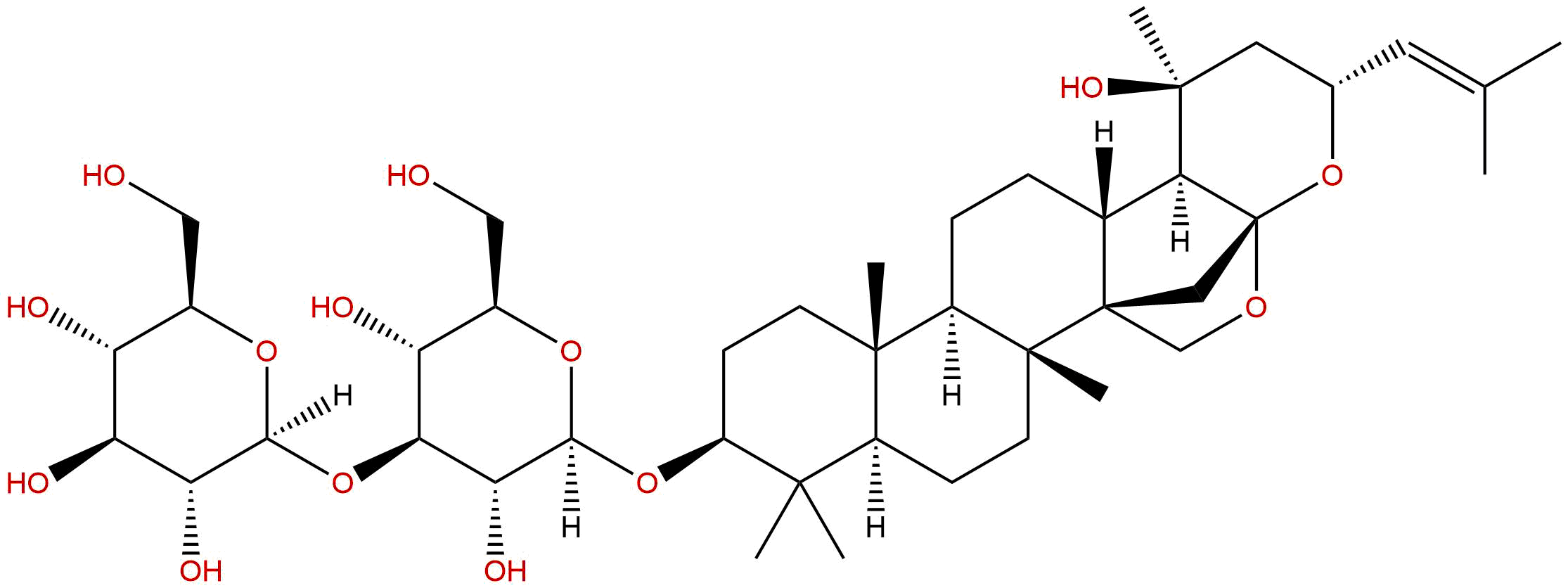
Bacopaside N1 (CAS number: 871706-74-0) is a novel disaccharide saponin isolated and identified from Bacopaside in recent years. Compared with the classic Bacoside A and Bacoside B of Portulaca oleracea, Bacoside N1 of Portulaca oleracea has unique characteristics in terms of sugar composition and connectivity. Its biological activity research is still in its infancy, but preliminary studies have shown its remarkable potential in cognitive enhancement. This article will provide a systematic review of the research progress on the saponin N1 of Portulaca oleracea from the aspects of chemical structure, physicochemical properties, plant origin, pharmacological activity, mechanism of action, pharmacological evaluation, and clinical application prospects, in order to provide reference for the further development of this natural product.
Pseudopurslane saponin N1 belongs to the Damane type tetracyclic triterpenoid saponin, and its glycoside skeleton is Bacogenin, which has typical 20 (S) - protopanaxadiol type structural characteristics. Compared with other saponin components in Portulaca oleracea, the unique feature of Portulaca oleracea saponin N1 is that its sugar chain is composed of two sugar units, belonging to the diglycoside category.
Specifically, the hydroxyl group at position C-3 of the saponin N1 in Portulaca oleracea is connected to a disaccharide chain, which is typically composed of glucose and arabinose or galactose linked by specific glycosidic bonds. The connection order and configuration of sugar groups determine the unique identity of this compound in the family of saponins in Portulaca oleracea. High resolution mass spectrometry (HR-MS) and nuclear magnetic resonance spectroscopy (NMR) analysis showed that the molecular formula of N1 saponins from Portulaca oleracea is C ₄₁ H ₆₈ O ₁₅, with an accurate molecular weight of 796.9920 Da.
From the perspective of structure-activity relationship (SAR) analysis, the cognitive enhancing activity of saponin N1 in Portulaca oleracea is closely related to its Damane type triterpenoid skeleton and specific sugar substitution patterns. The Damaran type skeleton provides a hydrophobic core for interacting with cell membranes and receptors, while the glycosyl portion affects the water solubility, bioavailability, and binding specificity of compounds to target proteins. Compared with mono - or tri glycosides, the dual glycosidic structure may have unique advantages in maintaining molecular conformational stability and regulating blood-brain barrier permeability.
According to the results of computational chemistry and experimental measurements, the key physicochemical property parameters of N1 saponins from Portulaca oleracea are as follows:
molecular weight:796.9920 Da, Belonging to medium molecular weight natural products, it falls within the general range of drug like molecules.
Lipid water partition coefficient (LogP): 2.5982. This value indicates that the saponin N1 from Portulaca oleracea has moderate lipophilicity and can achieve a certain balance between hydrophilic and lipid environments. A LogP value in the range of 2-3 is generally considered favorable for oral absorption and transmembrane transport, but it also suggests that the compound may be affected by some first pass metabolism.
Polarized surface area (TPSA): 217.2200 Å ². TPSA is an important parameter for predicting oral absorption and blood-brain barrier permeability. It is generally believed that compounds with TPSA greater than 140 Å ² have difficulty crossing the blood-brain barrier. The TPSA value of N1 saponins from Portulaca oleracea is significantly higher than this threshold, which is related to the multiple hydroxyl and glycosyl oxygen atoms in its structure, indicating that the compound has limited ability to cross the blood-brain barrier through passive diffusion.
Water solubility 0.0234 mg/mL (approximately 23.4 μ g/mL). This compound has low solubility in water and belongs to insoluble substances. Low water solubility may limit the bioavailability of oral formulations, which needs to be improved through pharmaceutical methods such as nanocarriers, cyclodextrin inclusion complexes, phospholipid complexes, etc.
Blood-brain barrier permeability Predicted as low. This result is consistent with TPSA analysis, suggesting that the saponin N1 from Portulaca oleracea may mainly enter the central nervous system through active transport or receptor-mediated endocytosis, rather than simple passive diffusion.
HERG inhibition: Negative. HERG potassium channel inhibition is an important warning indicator of drug cardiac toxicity, and negative results indicate that the risk of QT interval prolongation caused by pseudopurslane saponin N1 at therapeutic concentrations is low.
Ames test The result is 0.0, indicating that the compound has no significant mutagenicity and a low risk of genetic toxicity.
Based on the above physical and chemical properties, the saponin N1 from Portulaca oleracea has certain pharmacological characteristics, but its water solubility and blood-brain barrier permeability are the key bottlenecks restricting its pharmacological development.
The main source of N1 saponin in Portulaca oleracea is from the genus Portulaca in the Plantago family(Bacopa monnieri). This plant is widely distributed in wetlands, swamps, and shallow water areas in tropical and subtropical regions such as the Indian subcontinent, Southeast Asia, southern China, and Australia. In China, it is mainly distributed in rice paddies, water ditches, and moist grasslands in provinces such as Yunnan, Guangxi, Guangdong, Fujian, and Taiwan.
The whole plant of fake purslane is used as medicine, traditionally harvested during the flowering period when the content of active ingredients is relatively high. Research has shown that the content of saponins in Portulaca oleracea is influenced by various factors, including growth environment, harvest season, plant age, and genetic variation. Under artificial cultivation conditions, the yield of saponins in Portulaca oleracea can be significantly increased by optimizing light, water, and nutrient conditions.
The extraction and purification of N1 saponin from Portulaca oleracea is a key step in obtaining this compound for pharmacological research. The commonly used extraction methods currently include traditional solvent extraction, modern assisted extraction techniques, and chromatographic separation and purification techniques.
Traditional solvent extraction method Using methanol, ethanol, or a mixture of methanol and water as extraction solvents, reflux extraction or percolation extraction is employed. Usually, the dried whole plant of Portulaca oleracea is crushed and extracted with 70% -80% ethanol under reflux at 60-80 ℃ for 2-3 times, each time for 2-3 hours. After vacuum concentration, the extract was sequentially extracted with petroleum ether, ethyl acetate, and water saturated n-butanol. The n-butanol extraction phase is rich in saponin components, and the crude extract of total saponins is obtained by vacuum drying.
Modern assisted extraction technology To improve extraction efficiency and selectivity, techniques such as ultrasound assisted extraction, microwave-assisted extraction, and enzyme assisted extraction have been applied to extract saponins from Portulaca oleracea. Ultrasound assisted extraction utilizes cavitation effect to destroy cell walls, accelerate solvent permeation, and achieve higher extraction rates in a shorter period of time. Microwave assisted extraction utilizes the rapid vibration of polar molecules in a microwave field to generate heat and promote the dissolution of active ingredients. Enzyme assisted extraction improves the accessibility of saponins by degrading cell wall polysaccharides through cellulase, pectinase, and other enzymes.
Chromatographic separation and purification The separation and purification of saponin N1 from crude extract of total saponins in Portulaca oleracea usually requires multi-step chromatographic techniques. Common methods include silica gel column chromatography (gradient elution with chloroform methanol water system), ODS reverse phase column chromatography (gradient elution with methanol water system), Sephadex LH-20 gel column chromatography (elution with methanol) and preparative high performance liquid chromatography (Pre HPLC). Among them, preparative HPLC is a key step in obtaining high-purity vacation purslane saponin N1 (purity>98%), usually using a C18 reverse phase column with acetonitrile water or methanol water as the mobile phase, and monitoring with ultraviolet detector (detection wavelength 205-210 nm) or evaporative light scattering detector (ELSD).
In recent years, new separation methods such as high-speed countercurrent chromatography (HSCCC) and molecular imprinting technology have also been applied to the separation of saponins from Portulaca oleracea, demonstrating their advantages of high efficiency and environmental friendliness.
The cognitive enhancing activity of N1 saponins from Portulaca oleracea is its most widely studied pharmacological effect. The current research is mainly based on in vitro cell models and animal behavioral experiments.
In vitro research In a neural cell model, the saponin N1 from Portulaca oleracea can significantly promote synaptic growth and dendritic branching of hippocampal neurons, increase the expression levels of synaptophysin (SYP) and synaptosome associated protein 25 (SNAP25). SYP and SNAP25 are important proteins in the presynaptic membrane, involved in neurotransmitter release and synaptic plasticity regulation. In addition, the saponin N1 from Portulaca oleracea can protect neurons from toxic damage induced by β - amyloid protein (A β), reduce the production of reactive oxygen species (ROS), and maintain mitochondrial membrane potential stability.
Animal Behavior Experiment In various animal models of cognitive impairment, the saponin N1 from Portulaca oleracea has shown significant cognitive improvement effects. In the Morris water maze experiment, the saponin N1 from Portulaca oleracea (orally administered at 10-30 mg/kg/d for 14-28 consecutive days) significantly shortened the latency period for mice to search for hidden platforms and increased the time spent in the target quadrant, indicating that it can improve spatial learning and memory abilities. In the passive avoidance experiment, the N1 treated group of mice with fake purslane saponins showed a significant prolongation of the onset latency, indicating its enhanced effect on the consolidation and retrieval of fear memories. In the experiment of new object recognition, the N1 treated group of mice with fake purslane saponins showed a significant increase in exploration time for new objects, indicating that it can improve recognition memory.
It is worth noting that the cognitive enhancing effect of N1 saponins from Portulaca oleracea is also demonstrated in normal animals, suggesting that it may have nootropic activity, rather than just reversing cognitive deficits.
In addition to cognitive enhancement, the saponin N1 from Portulaca oleracea also exhibits extensive neuroprotective activity. In the glutamate excitotoxicity model, pretreatment with N1 saponins from Portulaca oleracea can significantly reduce neuronal mortality, inhibit intracellular calcium overload, and reduce the production of nitric oxide (NO). In the oxidative stress model, the saponin N1 of Portulaca oleracea can upregulate the activities of superoxide dismutase (SOD), glutathione peroxidase (GPx), and catalase (CAT), reduce the content of malondialdehyde (MDA), and enhance the antioxidant defense ability of cells.
Neuroinflammation is one of the important pathological mechanisms of cognitive impairment. Pseudopurslane saponin N1 can significantly inhibit the release of pro-inflammatory factors such as tumor necrosis factor - α (TNF - α), interleukin-1 β (IL-1 β), and interleukin-6 (IL-6) in microglia activated by lipopolysaccharide (LPS), while increasing the expression of anti-inflammatory factor interleukin-10 (IL-10). Mechanism studies have shown that the anti-inflammatory effect of N1 saponins from Portulaca oleracea is related to the inhibition of the nuclear factor kappa B (NF - κ B) signaling pathway and mitogen activated protein kinase (MAPK) signaling pathway.
The cognitive enhancement effect of N1 saponins from Portulaca oleracea involves the synergistic regulation of multiple molecular targets and signaling pathways. Based on existing research, its core mechanism of action can be summarized as follows:
Cyclic adenosine response element binding protein 1 (CREB1) is a key transcription factor for learning and memory formation. Pseudopurslane saponin N1 can promote the phosphorylation of CREB1 at Ser133 site by activating upstream kinases such as protein kinase A (PKA) and calcium/calmodulin dependent protein kinase II (CaMKII). Phosphorylated CREB1 binds to intracellular cAMP response elements (CRE) to initiate transcription of downstream target genes, including brain-derived neurotrophic factor (BDNF), c-Fos, and presenilin. Research has shown that treatment with N1 saponins from Portulaca oleracea can significantly increase the levels of phosphorylated CREB1 (p-CREB1) in the hippocampus and cortex, and this effect can be blocked by PKA inhibitor H89, suggesting that the PKA-CREB1 pathway is an important signaling axis for the cognitive enhancement effect of N1 saponins from Portulaca oleracea.
Brain derived neurotrophic factor (BDNF) is an important member of the neurotrophic factor family, playing a crucial role in synaptic plasticity, neuronal survival, and neurogenesis. Pseudopurslane saponin N1 can upregulate the mRNA and protein expression levels of BDNF in the hippocampus and cortex. After binding to its high affinity receptor TrkB, BDNF activates downstream phosphatidylinositol 3-kinase/protein kinase B (PI3K/Akt) and mitogen activated protein kinase/extracellular signal regulated kinase (MAPK/ERK) signaling pathways, thereby promoting synaptic protein synthesis and dendritic spine formation. The increase in BDNF expression is closely related to the phosphorylation of CREB1 induced by N1 saponins in Portulaca oleracea, as the BDNF gene promoter region contains CRE sites, which are direct transcriptional targets of CREB1.
Glutamate is the main excitatory neurotransmitter in the central nervous system, and its receptors play a central role in synaptic plasticity and learning and memory. GRIN2B encodes the NR2B subunit of N-methyl-D-aspartate receptor (NMDAR), which is of particular importance in synaptic plasticity, long-term potentiation (LTP), and cognitive function. Pseudopurslane saponin N1 can upregulate the mRNA and protein expression levels of GRIN2B in the hippocampus, increase the number of functional NMDAR, thereby enhancing synaptic transmission efficiency and LTP induction. It is worth noting that the regulation of NMDAR by N1 saponins from Portulaca oleracea has subunit selectivity, mainly affecting the NR2B subunit, while the effect on the NR2A subunit is relatively small. This selectivity may be beneficial for enhancing cognitive function without causing excitotoxicity.
The presynaptic membrane proteins SYP and SNAP25 are key regulatory factors for neurotransmitter release and synaptic vesicle circulation. Pseudopurslane saponin N1 can significantly increase the expression levels of SYP and SNAP25, promote the fusion of synaptic vesicles and presynaptic membranes, and enhance the release efficiency of neurotransmitters. In addition, the saponin N1 from Portulaca oleracea can upregulate the expression of postsynaptic dense protein 95 (PSD95) and glutamate receptor 1 (GluR1), enhancing the responsiveness of the postsynaptic membrane to neurotransmitters. The synergistic upregulation of these synaptic proteins helps to enhance synaptic transmission efficiency and improve the information processing ability of neural networks.
From the perspective of systems pharmacology, the cognitive enhancement effect of N1 saponins from Portulaca oleracea is not achieved through a single target, but through the synergistic action of multiple targets such as the CREB1 BDNF TrkB signaling axis, glutamate receptor system, and synaptic protein network, forming a multi-level regulatory network that promotes synaptic plasticity and neuroprotection. This multi-target mode of action is consistent with the characteristic of "multi-target, multi pathway" action of natural products, and is also one of the reasons why the saponin N1 of Portulaca oleracea may have advantages in the treatment of cognitive impairment.
Based on the Lipinski Rule of Five and Veber Rule, a comprehensive evaluation of the pharmacological properties of N1 saponins from Portulaca oleracea was conducted.
Lipinski Rule Molecular weight (796.99 Da)>500, LogP (2.60)<5, number of hydrogen bond donors (approximately 8 hydroxyl groups)>5, number of hydrogen bond acceptors (approximately 15 oxygen atoms)>10. This compound violates two rules (molecular weight and number of hydrogen bond donors), indicating that its oral bioavailability may be poor and it belongs to the category of "non class drug" molecules. However, many successfully marketed drugs in natural products, such as cyclosporine A, also violate the drug classification rules, indicating that this rule has certain limitations on natural products.
Veber rules The polar surface area (217.22 Å ²) is greater than 140 Å ², and the number of rotatable bonds (approximately 10) is greater than 10, indicating that oral bioavailability may be limited.
Comprehensive Assessment The physicochemical properties of N1 saponins from Portulaca oleracea indicate that its oral absorption and brain delivery face challenges, but its safety advantages in hERG inhibition and genotoxicity provide a basis for its pharmacological development. Through formulation strategies such as prodrug design, nano formulations, and phospholipid complexes, it is expected to improve its pharmacokinetic properties.
At present, the systematic study on the pharmacokinetics of N1 saponins in Portulaca oleracea is not sufficient, but research based on total saponins and structural analogues of Portulaca oleracea can provide some reference.
absorb The poor absorption of N1 saponins from Portulaca oleracea in the gastrointestinal tract is mainly attributed to its high molecular weight, high polarity surface area, and low water solubility. After oral administration, most drugs may be excreted in their original form through feces. Small amounts of absorbed drugs may enter the systemic circulation through active transport mechanisms of intestinal epithelial cells, such as monocarboxylate transporters (MCTs) or organic anion transporters (OATPs).
distribution The absorption of N1 saponins from Portulaca oleracea into the bloodstream mainly binds to plasma proteins, especially albumin, with a high binding rate. Due to the low permeability of the blood-brain barrier, the distribution of this compound in the central nervous system is limited. However, the saponin N1 from Portulaca oleracea may enter brain tissue through receptor-mediated endocytosis (such as low-density lipoprotein receptor associated protein LRP) or carrier mediated transport (such as glucose transporter GLUT1), although with lower efficiency.
Metabolism Pseudopurslane saponin N1 may undergo metabolism mediated by gut microbiota, where the glycosyl portion is gradually hydrolyzed to produce secondary glycosides or aglycones. The cytochrome P450 enzyme system in the liver may also be involved in its oxidative metabolism. Metabolites may have different pharmacological activities, and some metabolites may have better blood-brain barrier permeability than the prototype compound.
excretion Pseudopurslane saponin N1 and its metabolites are mainly excreted through bile and feces, with less excretion in urine. The enterohepatic circulation may prolong its retention time in the body.
The following strategies may help improve the pharmacokinetic properties of the medicinal properties of N1 saponins from Portulaca oleracea:
Nano carrier system Liposomes, polymer nanoparticles, solid lipid nanoparticles, etc. can enhance the water solubility of Portulaca oleracea saponin N1, protect it from gastrointestinal degradation, and improve oral bioavailability through lymphatic transport pathways.
Phospholipid complex After forming a complex with phospholipids, the saponin N1 from Portulaca oleracea can improve its lipid solubility, enhance transmembrane transport capacity, and improve oral absorption.
Prodrug design Introducing hydrolysable groups (such as acetyl and phosphate groups) onto the hydroxyl or sugar groups of N1 saponins from Portulaca oleracea can alter their physicochemical properties, increase membrane permeability, and release the prototype drug after enzymatic hydrolysis in vivo.
Cyclodextrin inclusionβ - cyclodextrin and its derivatives can encapsulate the saponin N1 of Portulaca oleracea, improving its water solubility and stability.
Intranasal administration By bypassing the blood-brain barrier and directly delivering drugs to the central nervous system through the olfactory and trigeminal pathways, the concentration of drugs in the brain can be significantly increased.
Based on the pharmacological activity of N1 saponins from Portulaca oleracea, it has potential application prospects in the following disease fields:
Alzheimer disease By enhancing the CREB1-BDNF signaling pathway, promoting synaptic plasticity, and neuroprotective effects, pseudopurslane saponin N1 may delay cognitive decline in Alzheimer's disease. Its multi-target action characteristics are consistent with the complex pathological mechanism of Alzheimer's disease.
Mild cognitive impairment As a cognitive enhancer, pseudo purslane saponin N1 may be used to improve memory and attention in patients with mild cognitive impairment, and delay disease progression.
vascular dementia By improving cerebral blood flow, antioxidant and anti-inflammatory effects, pseudopurslane saponin N1 may have therapeutic potential for vascular dementia.
Age related cognitive decline As a cognitive enhancer, the saponin N1 from Portulaca oleracea may be used to improve cognitive function and enhance quality of life in healthy elderly individuals.
Adjuvant therapy for neurodegenerative diseases Combined use with other therapeutic drugs may produce synergistic effects.
Pseudopurslane saponin N1 has shown good safety in existing studies. A negative Ames test indicates no genetic toxicity, while a negative hERG inhibition indicates a low risk of cardiac toxicity. However, there is still a lack of research on long-term toxicity, reproductive toxicity, and carcinogenicity, and a systematic preclinical safety evaluation is needed.
The development of pseudo purslane saponin N1 faces the following main challenges:
The issue of bioavailability Low oral bioavailability and low blood-brain barrier permeability are the core bottlenecks restricting its clinical application, and effective delivery systems need to be developed.
Lack of pharmacokinetic data Currently, there is a lack of systematic pharmacokinetic studies, including absorption, distribution, metabolism, excretion (ADME) characteristics and bioavailability data.
The mechanism of action still needs to be further explored Although multiple targets have been identified, the direct molecular target of Portulaca oleracea saponin N1 has not been clearly identified, and chemical biological methods such as drug affinity reaction target stability DARTS and cell thermal transition analysis CETSA need to be used for target discovery.
Insufficient research on structure-activity relationship The comparative study of the structure-activity relationship between N1 and other saponins from Portulaca oleracea is limited, making it difficult to guide structural optimization.
Clinical research gap At present, there is no human clinical trial data on the saponin N1 of Portulaca oleracea, and its clinical efficacy and safety need to be verified.
Future research directions should focus on: (1) developing efficient synthetic or semi synthetic methods to solve the problem of limited natural sources; (2) Using computer-aided drug design for structural optimization and improving drug properties; (3) Establish reliable biological analysis methods and conduct systematic pharmacokinetic studies; (4) Using multi omics techniques (proteomics, metabolomics) to reveal its functional network; (5) Conduct preclinical toxicology evaluation and early clinical trials.
As a novel dual glycoside saponin isolated from the traditional cognitive enhancing herb Portulaca oleracea, N1 has shown unique pharmacological activities in cognitive enhancement and neuroprotection. It forms a multi-target network that promotes synaptic plasticity and neuroprotection by regulating the CREB1-BDNF TrkB signaling axis, upregulating GRIN2B expression, and enhancing the function of synaptic proteins SYP and SNAP25. Despite facing challenges in oral bioavailability and blood-brain barrier permeability, its excellent safety features and multi-target advantages make it a promising candidate molecule for the development of cognitive impairment therapy drugs.
The research process of N1 saponins from Portulaca oleracea reflects the classic paradigm of natural product drug discovery, from traditional herbs to modern medicine. In the future, through pharmaceutical innovation, structural optimization, and in-depth mechanism research, the N1 saponin from Portulaca oleracea is expected to break through the bottleneck of drug development and provide new treatment options for patients with cognitive impairment. Meanwhile, the study of this compound also provides important reference and inspiration for the cognitive enhancement activity research of other natural saponin components. Guided by the concepts of precision medicine and systems pharmacology, the in-depth development of N1 saponins from Portulaca oleracea will open up new avenues for the application of natural products in the treatment of neurological and psychiatric disorders.
Batch can search by a CAS number,one per line
