Introduction/Overview
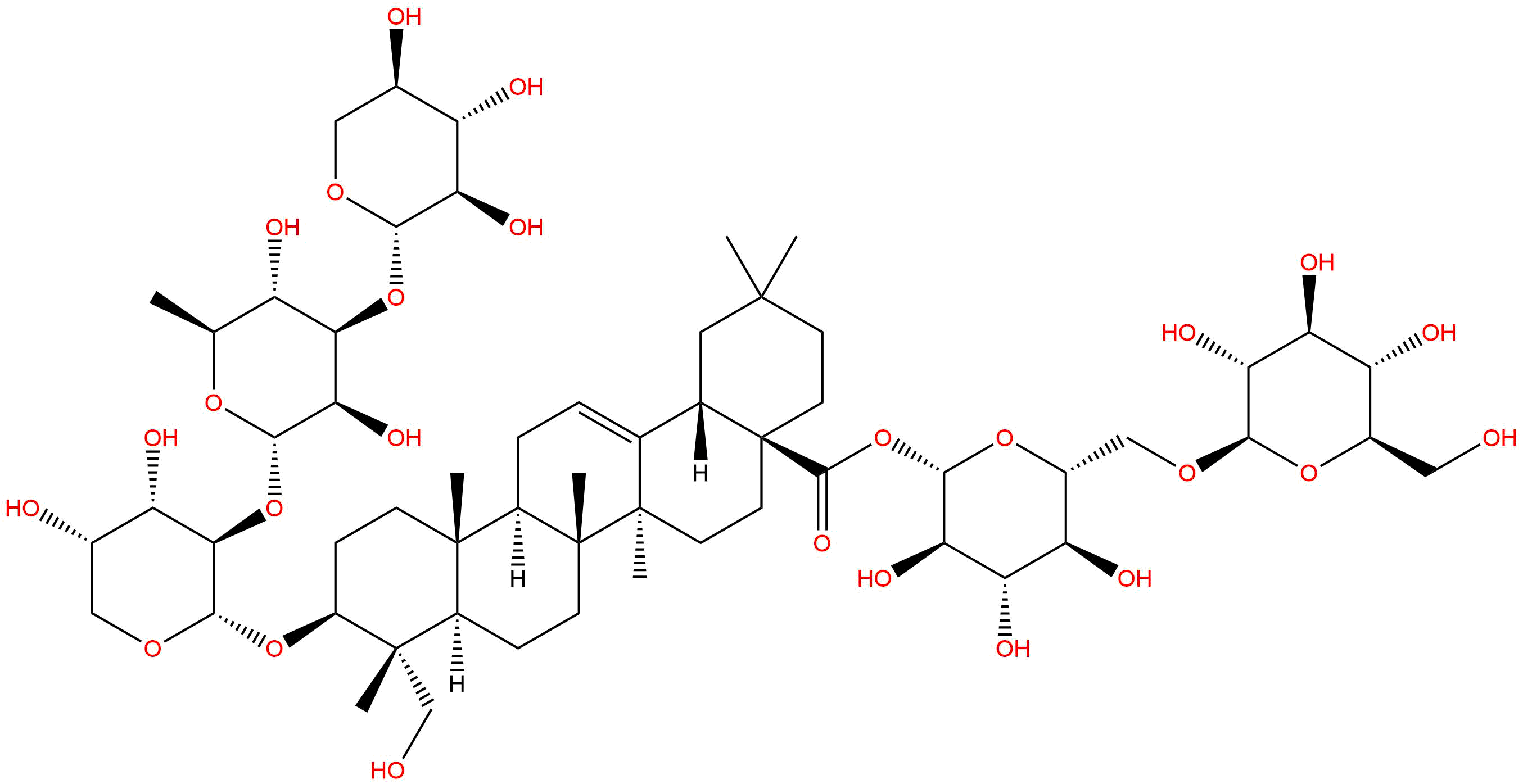
Natural products have always been an important source of innovative drug discovery, among which triterpenoid saponins have attracted much attention due to their structural diversity and wide range of biological activities. Fulvotomontoside A (CAS number: 150107-44-1), also reported as Decaioside E, is derived from the Lonicera japonica plant in the family Lonicera(Lonicera fulvotomentosa A triterpenoid saponin isolated from the flowers of Hsu et S.C. Cheng. As a closely related species of traditional Chinese medicinal plant Lonicera japonica (honeysuckle), Lonicera japonica has a certain medicinal history in folk culture, mainly used for clearing heat and detoxifying. With the development of modern separation and identification techniques, its unique chemical composition has gradually been revealed, and Lonicera japonica saponin A is one of the representative active ingredients.
Early research mainly focused on the analysis of the basic chemical components of the plant. However, in recent years, with the increasing demand for the treatment of viral diseases and the exploration of new antiviral targets, Lonicera japonica saponins A have shown significant antiviral potential and become an emerging hotspot in the study of natural product pharmacology. Its pharmacological activity spectrum is not limited to antiviral, and preliminary studies suggest that it may also have value in anti-inflammatory, immune regulation, and other aspects. However, antiviral activity is currently the most concentrated area of research with relatively sufficient data. This review aims to systematically summarize the chemical characteristics, plant sources, pharmacological activities, especially the antiviral effect and molecular mechanism of Lonicera japonica saponin A, and to preliminarily evaluate its pharmacological properties, in order to provide comprehensive scientific references for the in-depth research and potential drug development of this compound.
Chemical structure and physicochemical properties
Yellow brown honeysuckle saponin A is a structurally complex high molecular weight triterpenoid saponin. Its molecular formula is C ₅₉ H ₉₂ O ₂₆, with a molecular weight of up to 1207.3640 Da. The core skeleton of this compound is an oleane type pentacyclic triterpene, which is usually linked to oligosaccharide chains at its C-3 and/or C-28 positions, forming a disaccharide or monosaccharide chain saponin structure, which is also the main reason for its strong hydrophilicity. The specific sugar composition, connection positions, and order need to be determined based on more accurate nuclear magnetic resonance (NMR) and mass spectrometry (MS) data, but it is known that its structure endows the compound with unique physicochemical properties.
From the analysis of parameters related to medicinal properties, Lonicera japonica saponin A exhibits typical polar macromolecular saponin characteristics. Its topological polar surface area (TPSA) is as high as 412.820 Å ², mainly attributed to the numerous hydroxyl and glycosidic oxygen atoms in the molecule, indicating its strong ability to form hydrogen bonds and high polarity. The calculated lipid water partition coefficient (LogP) value is 1.5870, indicating that the molecule exhibits a certain degree of amphiphilicity overall, but due to its large TPSA, its hydrophilicity dominates. This prediction is consistent with the water solubility data (0.4524 mg/mL), indicating that it has moderate to low water solubility. In practical applications, it may be necessary to improve the solubility and bioavailability through formulation modifications (such as making cyclodextrin inclusion complexes, nano formulations, etc.).
In addition, the ability of the compound to penetrate the blood-brain barrier (BBB) is predicted to be "low", which may be a limitation for the treatment of central nervous system viral infections, but also reduces the potential risk of neurotoxicity. In the early safety warning indicators, the predicted risk of hERG inhibition is "no", indicating a low potential risk of causing QT interval prolongation in the heart; The Ames test predicted a value of 0.0, indicating that it has no mutagenic risk within the prediction framework of this model, providing preliminary positive signals for subsequent safety studies.
Plant sources and extraction methods
Yellow brown honeysuckle saponin A mainly comes from the Lonicera genus of the Lonicera family(Lonicera fulvotomentosa). This plant is mainly distributed in southwestern China, such as Yunnan and Guizhou. Its dry flower buds or newly bloomed flowers have medicinal habits in some areas. Authentic honeysuckle listed in the pharmacopoeia(Lonicera japonica)Compared to other species, Lonicera japonica has differences in morphology and chemical composition, making it a valuable resource for discovering new structural compounds.
The extraction and isolation of Lonicera japonica saponin A from plant materials usually follow the conventional process of natural product chemistry, but optimization is needed for its high polarity and macromolecular properties. Firstly, a solvent system with moderate polarity is used for extraction. Common methods include: 1) alcohol extraction method: using methanol or ethanol (such as 70% -95% concentration) to heat reflux or ultrasound assisted extraction of dried flower materials, which has a high efficiency in extracting saponin components; 2) Water extraction and alcohol precipitation method: First, boil with water, concentrate, and then add high concentration ethanol to precipitate and remove impurities such as proteins and polysaccharides, while retaining saponins. The crude extract obtained is rich in various saponins, flavonoids, organic acids, and other components.
The subsequent separation and purification are key steps. Due to the high polarity and molecular weight of Lonicera japonica saponins A, multiple chromatographic techniques are often used in combination. The crude extract is usually initially enriched by macroporous adsorption resin (such as D101, AB-8 type), and eluted with water and different concentrations of ethanol gradient. Saponins are mostly concentrated in the 30% -70% ethanol elution site. This part is further separated repeatedly by normal phase silica gel column chromatography, reverse phase silica gel column chromatography (such as ODS, C18 packing), and high performance liquid chromatography (HPLC, often using C18 column with methanol water or acetonitrile water as mobile phase). Preparative HPLC is the ultimate commonly used method for obtaining high-purity monomers. Thin layer chromatography (TLC) and liquid chromatography-mass spectrometry (LC-MS) are commonly used to track target compounds throughout the entire process. Nuclear magnetic resonance (NMR, including ¹ H-NMR, ¹ ³ C-NMR, 2D-NMR) and mass spectrometry (such as ESI-MS, HR-ESI-MS) techniques are ultimately used to identify its chemical structure.
Pharmacological activity research
The pharmacological activity research of Lonicera japonica saponin A mainly focuses on its antiviral effect, and in vitro experimental evidence has shown that it has inhibitory activity against various viruses.
1. Antiherpesvirus activity Research has shown that Lonicera japonica saponins A have inhibitory effects on herpes simplex virus (HSV). In cell models such as Vero cells, it can effectively reduce the viral titers of HSV-1 and HSV-2, and its effect may occur at multiple stages of virus replication. In addition to directly inhibiting virus replication, its anti HSV activity may also be partially attributed to the regulation of host cell immune response.
2. Anti human immunodeficiency virus (HIV) activity This is one of the most popular active directions of Lonicera japonica saponins A. In vitro experiments have shown that it can inhibit the replication of HIV-1 in host cells such as MT-4 cells. Its function is not singular and may involve interference with multiple processes such as virus entry, reverse transcription, integration, or protease processing. In particular, it has been predicted or preliminarily validated to potentially act on the key co receptors CCR5 and CXCR4 involved in HIV entry into host cells, as well as the protease (HIV1-PR) and integrase (INT) necessary for virus replication, demonstrating the potential for multi-target action.
3. Broad spectrum antiviral potential In addition to the above-mentioned viruses, based on the diversity of their target sites, Lonicera japonica saponins A may also have inhibitory activity against other viruses that rely on similar mechanisms or targets. For example, the mechanism acting on viral DNA polymerases (such as speculated UL42, UL54, TK targets) may be effective against other DNA viruses such as cytomegalovirus (CMV) and varicella zoster virus (VZV). However, these speculations require more experimental data to support them.
4. Other potential activities As a triterpenoid saponin, Lonicera japonica saponin A may also have common biological activities such as anti-inflammatory, antioxidant, and immunomodulatory saponins. For example, the sugar groups in its structure may be involved in regulating immune cell function. There are studies suggesting that certain Lonicera saponins can alleviate inflammatory reactions by inhibiting myeloperoxidase (MPO) activity. It is worth exploring whether Lonicera japonica saponin A has a similar effect. These activities may synergize with their antiviral effects, such as reducing tissue damage by inhibiting the excessive inflammatory response caused by the virus ("cytokine storm").
Mechanism of action and molecular targets
The antiviral mechanism of Lonicera japonica saponin A is complex, showing the characteristics of multi-target and multi link intervention. Based on existing research and target prediction information, its mechanism of action may involve the following aspects:
1. Inhibit virus entry into host cells Entering the virus is the first step towards infection. Yellow brown honeysuckle saponin A may block virus entry by interfering with the binding of virus envelope proteins to host cell receptors. For example, for HIV-1, it may act as an antagonist or allosteric modulator of CCR5 and/or CXCR4 co receptors, preventing the virus gp120 protein from binding to these co receptors, thereby inhibiting the fusion of the virus with the cell membrane. For HSV, its target gD is a glycoprotein necessary for virus entry, and Lonicera japonica saponin A may directly interact with gD or interfere with its binding to host cell receptors such as nectin-1 or HVEM.
2. Inhibit viral gene replication and expression After entering the cell, the virus needs to replicate its genetic material and synthesize viral proteins. Yellow brown honeysuckle saponin A may target multiple key viral replication enzymes.
* DNA virus For DNA viruses such as HSV, their potential targets include virus DNA polymerase helper protein UL42, catalytic subunit UL54, and thymidine kinase (TK). TK is a key enzyme activated by nucleoside analogue drugs and an important factor for virus latency and reactivation in ganglia. Interfering with the functions of these targets can effectively inhibit the synthesis of viral DNA.
* RNA virus (HIV)The reverse transcription and integration processes during the replication cycle of HIV are crucial. Yellow brown honeysuckle saponin A may inhibit the activity of reverse transcriptase or integrase (INT), preventing the reverse transcription of viral RNA into cDNA and its integration into the host genome. In addition, it may also affect the post transcriptional regulation of viral genes, for example, by acting on the ICP27 protein of HSV (an important post transcriptional regulator) or HIV's Rev protein equivalent functional protein, it affects the splicing, transport and stability of viral mRNA.
3. Inhibit virus protein processing and assembly After virus protein synthesis, it needs to be processed to mature and assemble into new virus particles. HIV1-PR (HIV-1 protease) is a key enzyme that cleaves HIV precursor proteins (Gag and Gag Pol) into functional proteins and is a classic target for anti HIV drugs. Yellow brown honeysuckle saponin A may act as an inhibitor of HIV1-PR, blocking the maturation process of the virus.
4. Regulating host immunity and inflammatory response In addition to direct antiviral effects, Lonicera japonica saponins A may also combat infections by regulating host responses. For example, myeloperoxidase (MPO) is an enzyme released by neutrophils at the site of inflammation, involved in the production of reactive oxygen species to kill pathogens, but excessive release can lead to tissue damage. Inhibiting MPO activity may help control the excessive inflammatory response associated with viral infection and alleviate tissue pathological damage. This host directed therapy (HDT) may have the advantage of not easily inducing viral resistance.
In summary, Lonicera japonica saponin A may exert antiviral effects through one or more of the above-mentioned targets, but its exact main target, binding mode, and structure-activity relationship still need to be accurately elucidated through molecular docking, surface plasmon resonance (SPR), enzyme activity inhibition experiments, gene knockout/knockdown, and other in-depth studies.
Evaluation of drug properties and pharmacokinetics
Although Lonicera japonica saponin A has shown good antiviral activity in vitro, its development into a drug largely depends on its pharmacological properties, including pharmacokinetic (absorption, distribution, metabolism, excretion, ADME) properties and safety.
1. Absorption and oral bioavailability The compound has a large molecular weight (>1200 Da) and high polarity (TPSA>400 Å ²), which usually hinder its passive diffusion across intestinal epithelial cell membranes. It is predicted that its oral absorption is poor and its bioavailability may be low. Saponins may also be partially hydrolyzed or transformed by the microbiota in the intestine, further affecting the absorption of their original form drugs. Therefore, non oral routes of administration (such as injection, inhalation, local administration) may be more worthy of exploration.
2. Distribution As mentioned earlier, its ability to penetrate the blood-brain barrier is predicted to be "low", which limits its therapeutic application for central nervous system viral infections. However, its distribution in organs with abundant blood flow such as the liver, kidneys, and spleen, as well as in inflammatory sites, is not yet clear. In vivo distribution studies need to be conducted using radioactive labeling or high-sensitivity LC-MS/MS methods.
3. Metabolism and excretion The metabolic pathways of triterpenoid saponins in the body are complex. They may undergo extensive phase I (such as oxidation and reduction) and phase II (such as glucuronidation and sulfation) metabolism in the intestine and liver, and the glycosyl portion may be hydrolyzed. The liver may be its main metabolic site, while the kidneys and bile may be its main excretion pathways. It is crucial to clarify its main metabolites and their activities for a comprehensive evaluation of its efficacy and safety.
4. Preliminary safety assessment Based on computational predictions, the yellow brown honeysuckle saponin A has no hERG inhibition or Ames mutagenic risk, which is a positive preliminary signal. However, saponin compounds often cause hemolysis due to their surface activity, which is a safety indicator that needs to be strictly examined when administered intravenously. In addition, its potential acute toxicity, long-term toxicity, reproductive toxicity, etc. need to be evaluated through systematic preclinical toxicology studies.
5. Challenges in Pharmaceutical Science Due to its limited water solubility, developing suitable formulations is the key to improving its efficacy. Possible strategies include developing novel drug delivery systems such as phospholipid complexes, self microemulsions, liposomes, or nanoparticles to improve solubility, stability, and targeting, particularly for local administration (such as skin HSV infections, lung viral infections), which may have advantages.
At present, there is a lack of reports on the in vivo pharmacokinetics and toxicology of the saponin A system in Lonicera japonica, which is a key data gap that must be filled in the process of drug development.
Clinical application prospects and prospects
Yellow brown honeysuckle saponin A, as a natural product with multi-target antiviral activity, has both clinical application prospects and challenges.
Potential application directions:
1. Development of antiviral drugs Especially for viral diseases where existing drugs have resistance, toxicity, or insufficient efficacy. For example, as a novel HIV entry inhibitor or protease inhibitor, used in combination with antiretroviral therapy (cART); As a local medication for the treatment of HSV infections in the skin and mucous membranes, especially HSV strains resistant to acyclovir; Or explore its activity against other viruses such as human cytomegalovirus, EB virus, etc.
2. Combination medication components Given its multi-target nature, when used in combination with existing single mechanism antiviral drugs, it may produce synergistic effects, reducing their respective dosages, minimizing toxic side effects, and delaying the development of drug resistance.
3. Host directed therapy (HDT) drugs If it is confirmed that it exerts anti-inflammatory and immune regulatory effects by regulating host factors such as MPO, it may be developed to control excessive immunopathological damage caused by viral infections, such as cytokine storms in severe influenza or COVID-19, which has broader application potential.
Challenges faced and future research directions:
1. Accurate analysis of the mechanism of action Currently, most targets are based on prediction or indirect evidence, and there is an urgent need to use chemical biology methods (such as affinity fishing, photo crosslinking probes) to identify their direct target proteins and elucidate binding details through eutectic structure analysis.
2. Systematic evaluation of drug properties Comprehensive preclinical ADME and toxicology studies must be conducted to clarify its in vivo fate and safety window. Focus on addressing issues such as poor oral absorption and potential hemolysis.
3. Structural optimization and derivative development Using it as a lead compound, structural modifications (such as simplifying sugar chains and modifying aglycones) are carried out through medicinal chemical methods, aiming to enhance activity, improve pharmacokinetic properties, and reduce toxicity, which is an important pathway to promote its conversion into drugs.
4. Resources and Sustainability The content of Lonicera japonica saponin A in plants is usually low, and the complete chemical synthesis route is complex. In the future, it is necessary to develop efficient extraction and purification processes or explore synthetic biology methods (such as using yeast cell factories for production) to ensure sustainable supply of raw materials.
Conclusion
Yellow brown honeysuckle saponin A is a structurally unique triterpenoid saponin compound isolated from the traditional medicinal plant Yellow brown honeysuckle. The current research, especially its in vitro antiviral activity, has revealed its potential in various aspects such as anti HSV and anti HIV, and its multi-target mechanism of action is particularly noteworthy. The calculation prediction suggests that it has relatively good early safety warning characteristics. However, the challenges posed by its high molecular weight and polarity, as well as the lack of data on its mechanism of action, in vivo efficacy, and safety, are the main obstacles on its path from active natural products to candidate drugs.
In the future, through interdisciplinary collaboration, in-depth elucidation of its molecular mechanism of action, systematic evaluation of its pharmacokinetic and toxicological properties, and based on this, rational structural optimization and formulation development will be the key to exploring the clinical application value of Lonicera japonica saponin A. Regardless of whether it can ultimately be successfully developed into a new drug, in-depth research on this compound will provide new ideas and valuable scientific basis for the design of triterpenoid saponin antiviral drugs, further highlighting the immortal charm of natural products in innovative drug discovery.