Platyconic acid A: Research progress from natural saponins to anti-inflammatory drug precursors
Introduction/Overview
Natural products, as an important source of drug discovery, play an irreplaceable role in the long history of human fight against diseases. Among numerous natural compounds with biological activity, triterpenoid saponins have attracted much attention due to their structural diversity and extensive pharmacological activities. Platycodon grandiflorus(Platycodon grandiflorus (Jacq.) A.DC., as a traditional Chinese medicine with a long history of application, is recorded in the "Shennong Bencao Jing" as having the effects of promoting the lungs, clearing the throat, removing phlegm, and expelling pus. It is commonly used to treat respiratory diseases such as cough, phlegm, sore throat, and lung abscess. Modern pharmacological research has revealed that the main active ingredients of Platycodon grandiflorus are a series of oleanane type pentacyclic triterpenoid saponins, among which Platyconic acid A, as one of the representative compounds, has become a research hotspot in recent years due to its significant anti-inflammatory activity.
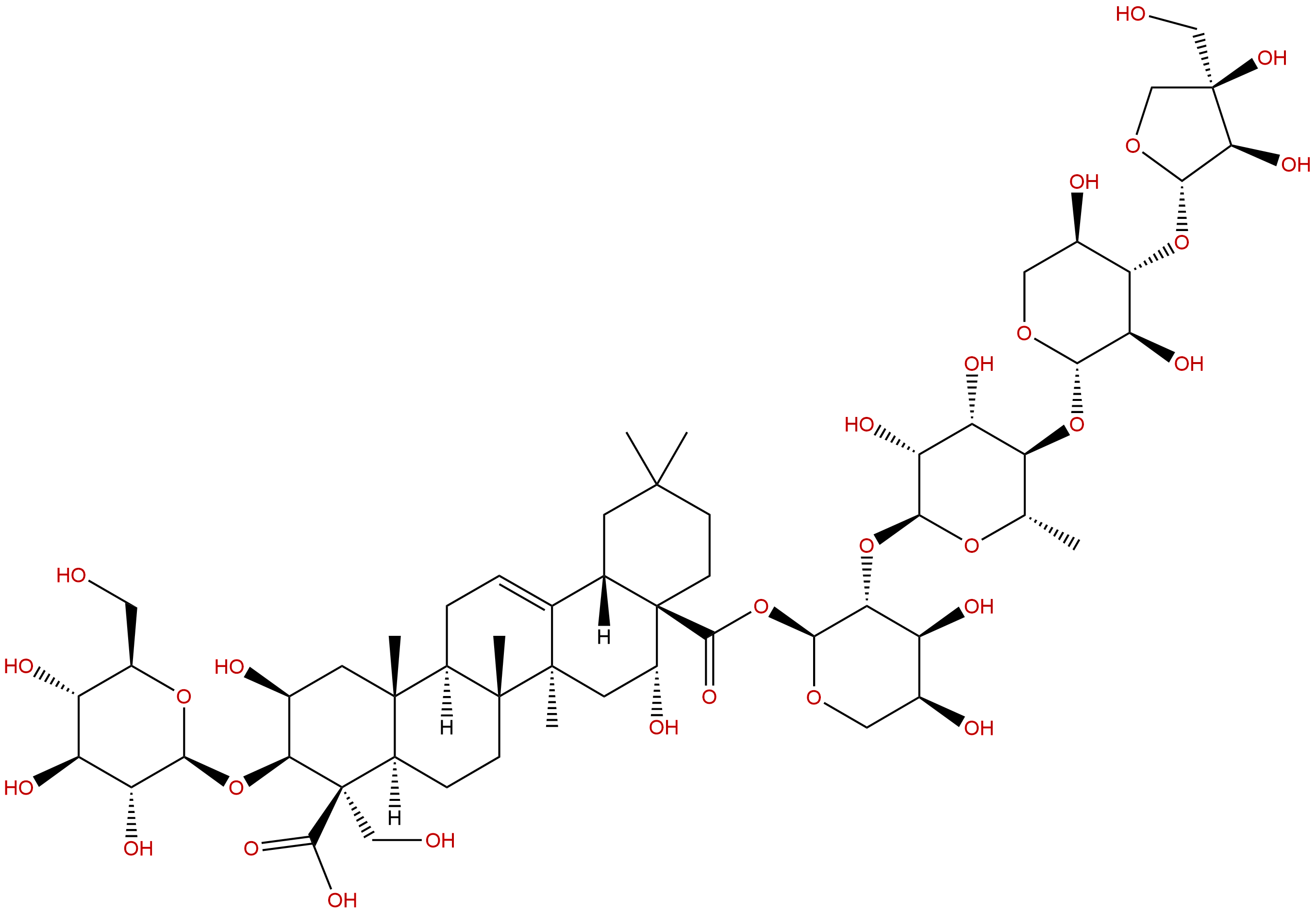
Platycodon grandiflorus acid A (CAS number: 68051-23-0) is a naturally occurring triterpenoid saponin, whose chemical structure is composed of triterpenoid glycosides connected to sugar chains through glycosidic bonds. With the continuous deepening of understanding of the pathogenesis of airway inflammatory diseases (such as asthma, chronic obstructive pulmonary disease, acute lung injury, etc.), key molecular targets in the inflammatory pathway are gradually being elucidated, and the ability of platycodon A to regulate inflammatory responses through multiple targets makes it a highly promising natural anti-inflammatory lead compound. This article will provide a systematic review of the research progress of Platycodon grandiflorum acid A from the aspects of chemical structure, plant origin, pharmacological activity, molecular mechanism, pharmacological evaluation, and clinical application prospects, in order to provide reference for the in-depth research and development of this compound.
Chemical structure and physicochemical properties
Chemical structural characteristics
Platycogenic acid A belongs to the oleanane type pentacyclic triterpenoid saponins, and its glycoside is a derivative of Platycogenic acid. Structurally, the mother nucleus of Platycodon grandiflorum A is a oleagine-12-ene skeleton, with sugar chains connected at positions C-3 and C-28, respectively. Specifically, the C-3 hydroxyl group forms an O-glycosidic bond with an oligosaccharide chain composed of monosaccharides such as glucose and xylose, while the C-28 carboxyl group forms an ester glycosidic bond with another sugar chain. This disaccharide chain structure is a more complex type of triterpenoid saponin and an important structural basis for its biological activity.
The molecular formula of Campanulate A is C ₅₇ H ₉₀ O ₂ ₉, with a molecular weight of 1239.3180 Da, belonging to high molecular weight natural products. Its structure contains multiple polar groups such as hydroxyl and carboxyl, endowing the compound with unique physicochemical properties. Compared with other saponin components in Platycodon grandiflorus (such as Platycodon grandiflorus saponin D, Platycodon grandiflorus acid B, etc.), Platycodon grandiflorus acid A has differences in sugar chain composition and connection mode, which directly affect its water solubility, membrane permeability, and interaction mode with biological targets.
Physical and chemical property parameters
According to the results of computational chemistry and experimental measurements, the key physicochemical parameters of Platycodon grandiflorum acid A are as follows:
- Lipid water partition coefficient (LogP)0.0599 indicates that the compound has extremely low lipid solubility and strong hydrophilicity. This characteristic is closely related to the sugar chain structure containing a large number of hydroxyl and carboxyl groups in its molecule.
- Polarized surface area (TPSA)470.3500 Å ², much higher than the upper limit of 140 Å ² typically required for oral medications, suggests that the compound has poor ability to cross cell membranes through passive diffusion.
- Water solubility:1.2944 mg/mL, It exhibits good water solubility, which is beneficial for its dissolution and distribution in biological fluids.
- Blood-brain barrier penetrability Low indicates that Campanulate A is not easily able to penetrate the blood-brain barrier and enter the central nervous system. This characteristic can reduce potential central nervous system side effects, but also limits its application in the treatment of brain diseases.
- HERG inhibition Negative, indicating that the compound has a low risk of inhibiting cardiac potassium ion channels and a low risk of cardiac toxicity.
- Ames test The result is 0.0, indicating that no mutagenicity was observed in the bacterial recovery mutation test, and the risk of genetic toxicity is low.
These physical and chemical properties provide important basis for the pharmacological evaluation of Platycodon grandiflorum A. It is worth noting that its high polarity, high molecular weight, and low fat solubility are both advantages (such as good water solubility and low blood-brain barrier penetration) and challenges (such as low oral bioavailability and weak cell membrane penetration ability), which need to be fully considered in subsequent drug development strategies.
Plant sources and extraction methods
Plant-based
Platycodon acid A mainly comes from the Campanulaceae plant Campanulaceae(Platycodon grandiflorus)Dry roots. Platycodon grandiflorus is a perennial herbaceous plant widely distributed in East Asian countries such as China, Japan, South Korea, and the Russian Far East. In China, the main production areas of Platycodon grandiflorum include Anhui, Jiangsu, Shandong, Henan, Hebei and other places, among which Bozhou in Anhui and Sheyang in Jiangsu are famous authentic production areas. The medicinal part of Platycodon grandiflorum is the root, which is usually harvested in spring and autumn. After removing the fibrous roots, it is dried or dried for use.
Except for Platycodon grandiflorus, Platycodon grandiflorus acid A is also distributed in small amounts in other Platycodon grandiflorus plants, but its content is much lower than that of Platycodon grandiflorus roots. Research has shown that the total saponin content in the roots of Platycodon grandiflorus is about 2% -6%, with the content of Platycodon grandiflorus acid A varying depending on factors such as origin, harvest season, and processing methods, typically ranging from 0.1% to 0.5%. It is worth noting that the composition and content of saponins in Platycodon grandiflorum are influenced by both genetic and environmental factors, and there are significant differences between different germplasm resources.
extraction method
The extraction of Platycodon grandiflorum acid A usually adopts classical natural product chemical methods, combined with modern separation and purification techniques. The main process includes three steps: extraction, enrichment, and purification.
Extraction stage Due to the good water solubility of Platycodon grandiflorum acid A, traditional extraction methods often use water or ethanol of different concentrations as extraction solvents. Common extraction methods include:
- Water decoction method Slice the root of Platycodon grandiflorum, boil it in water, filter it, and collect the filtrate. This method is easy to operate, but the extraction efficiency is low and there are many impurities.
- Ethanol reflux extraction method Using 50% -80% ethanol reflux extraction can improve the dissolution rate of saponin components and reduce the dissolution of water-soluble impurities such as starch and polysaccharides. Research has shown that 70% ethanol reflux extraction for 2-3 times, each time lasting 1-2 hours, can achieve a higher extraction rate of Campanulate A.
- Ultrasound assisted extraction By utilizing the cavitation effect and mechanical vibration of ultrasound, the extraction time can be significantly shortened and the extraction efficiency can be improved. Ultrasonic power of 200-400 W, temperature of 40-60 ℃, extraction time of 30-60 minutes can achieve extraction rates comparable to traditional reflux extraction.
- Microwave assisted extraction By utilizing the penetrability and selective heating properties of microwaves, the cell wall structure can be rapidly disrupted, promoting the dissolution of target components. This method has the advantages of short extraction time and low solvent dosage.
Enrichment stage The content of Campanulate A in the crude extract is relatively low and needs to be enriched. Common enrichment methods include:
- Macroporous adsorption resin method Selective adsorption of saponin components using non-polar or weakly polar macroporous resins (such as D101, AB-8, HPD100, etc.) can achieve preliminary enrichment of platycodon acid A through ethanol gradient elution at different concentrations. Usually, 30% -50% ethanol elution can be used to obtain a component rich in Campanulate A.
- N-butanol extraction method Utilizing the high distribution coefficient of saponins in the n-butanol water system, enrichment is achieved through liquid-liquid extraction. This method is simple to operate, but requires a large amount of organic solvent and has emulsification issues.
Purification stage After obtaining the enriched components, further purification is required to obtain high-purity platycodon A. Common purification techniques include:
- silica gel column chromatography Gradient elution can be performed using solvent systems such as chloroform methanol water or ethyl acetate methanol water to separate platycodon acid A from other saponin components.
- Reverse phase column chromatography By using ODS (C18) reverse phase silica gel and methanol water or acetonitrile water as the mobile phase, high-purity platycodon A can be obtained.
- Preparation type high-performance liquid chromatography As the final purification method, a C18 column was used, and acetonitrile water (containing 0.1% formic acid) was used as the mobile phase to prepare the standard product of Campanulate A with a purity of over 98%.
- High-speed countercurrent chromatography By utilizing the difference in distribution coefficients of solutes in a two-phase solvent system, separation can be achieved, which has the advantages of high sample recovery and irreversible adsorption. It is suitable for the large-scale preparation of Platycodon grandiflorum acid A.
Pharmacological activity research
anti-inflammatory activity
The most notable pharmacological activity of Platycodon grandiflorum acid A is its anti-inflammatory effect, particularly demonstrated in airway inflammation related diseases. A large number of in vitro and in vivo studies have confirmed that Platycodon grandiflorum A can effectively inhibit the production of various inflammatory mediators and cytokines, and alleviate inflammatory reactions.
In vitro research In the macrophage RAW264.7 model stimulated by lipopolysaccharide (LPS), platycodon A (10-100 μ M) concentration dependently inhibited the production of nitric oxide (NO) and prostaglandin E ₂ (PGE ₂), while reducing the protein expression levels of inducible nitric oxide synthase (iNOS) and cyclooxygenase-2 (COX-2). In LPS stimulated human bronchial epithelial cells BEAS-2B, platycodon A significantly inhibits the secretion of interleukin-6 (IL-6), tumor necrosis factor - α (TNF - α), and interleukin-1 β (IL-1 β), and reduces the expression of chemokines such as MCP-1 and IL-8.
In vivo research In a mouse model of acute lung injury induced by LPS, intraperitoneal injection of platycodon A (10-30 mg/kg) can significantly alleviate pathological damage to lung tissue, reduce the total number of inflammatory cells and the proportion of neutrophils in bronchoalveolar lavage fluid, decrease the levels of pro-inflammatory cytokines (TNF - α, IL-6, IL-1 β), and inhibit the activity of myeloperoxidase (MPO) in lung tissue. In a mouse model of asthma induced by ovalbumin (OVA), oral administration of platycodon A (20-50 mg/kg) can alleviate airway hyperresponsiveness, reduce serum OVA specific IgE levels, inhibit the production of Th2 cytokines (IL-4, IL-5, IL-13), and reduce airway eosinophil infiltration.
Other pharmacological activities
In addition to anti-inflammatory effects, Platycodon grandiflorum acid A also exhibits various other pharmacological activities:
- antioxidant activity Platycodon grandiflorum acid A can scavenge DPPH free radicals and ABTS cationic free radicals, reduce intracellular reactive oxygen species (ROS) levels, and enhance the activity of superoxide dismutase (SOD) and glutathione peroxidase (GSH Px).
- Antitumor activity In many tumor cell lines (such as lung cancer A549, liver cancer HepG2, breast cancer MCF-7), platycodonic acid A can inhibit cell proliferation, induce cell apoptosis, and enhance the sensitivity of chemotherapy drugs.
- Immune regulatory activity Platycodon grandiflorum acid A can regulate the phagocytic function of macrophages, affect the maturation and antigen presentation ability of dendritic cells, and have certain regulatory effects on humoral and cellular immunity.
- Expectorant and antitussive activity As one of the main active ingredients of Platycodon grandiflorum, Platycodon grandiflorum acid A can promote the secretion of respiratory mucus, dilute sputum, and have a certain cough suppressing effect, which is consistent with its traditional efficacy.
Mechanism of action and molecular targets
The anti-inflammatory effect of Platycodon grandiflorum acid A involves multiple signaling pathways and molecular targets, exhibiting characteristics of multi-target and multi pathway action. The following will elaborate on the main signaling pathways and key targets.
Main signaling pathways
NF - κ B signaling pathway NF - κ B is the core transcription factor of inflammatory response, regulating the expression of various pro-inflammatory cytokines, chemokines, and adhesion molecules. Research has shown that Campanulate A can inhibit the phosphorylation and degradation of I κ B α under LPS or TNF - α stimulation, prevent nuclear translocation of NF - κ B p65 subunit (RELA), and thus inhibit the transcriptional activity of NF - κ B. This effect is closely related to the inhibition of the activity of I κ B kinase (IKK, encoded by IKBKB). Platycodon grandiflorum A can directly interact with the ATP binding site of IKK β, blocking its kinase activity.
STAT3 signaling pathway Signal transducer and activator of transcription factor 3 (STAT3) plays an important regulatory role in inflammation and immune response. Platycodon grandiflorum acid A can inhibit IL-6-induced STAT3 phosphorylation (Tyr705 site), reduce STAT3 dimerization and nuclear translocation, thereby downregulating the expression of downstream target genes such as IL-6, VEGF, Cyclin D1, etc. Molecular docking studies suggest that Campanulate A may bind to the SH2 domain of STAT3, interfering with its interaction with upstream kinases such as JAK2.
MAPK signaling pathway The mitogen activated protein kinase (MAPK) family includes ERK, JNK, and p38 MAPK, which play important roles in inflammatory signal transduction. Platycodon grandiflorum acid A can inhibit the phosphorylation of p38 MAPK and JNK under LPS stimulation, but has little effect on the phosphorylation of ERK. This selective inhibitory effect may be related to its regulation of upstream kinases MKK3/6 and MKK4/7.
Key molecular targets
Inflammation related enzymes:
- CASP1(Caspase-1)Caspase-1 is a key effector enzyme for inflammasome activation, responsible for the maturation and secretion of IL-1 β and IL-18. Platycodon grandiflorum A can inhibit the assembly of NLRP3 inflammasomes, reduce the activation of Caspase-1, and thus decrease the production of mature IL-1 β. This effect may be achieved by inhibiting the oligomerization of ASC protein.
- NOS2(iNOS)Inducible nitric oxide synthase (iNOS) catalyzes the production of a large amount of NO, which participates in inflammatory reactions and tissue damage. Platycodon grandiflorum acid A inhibits the expression of iNOS and reduces the excessive production of NO.
- PTGS1 (COX-1) and PTGS2 (COX-2)Cyclooxygenase is a key enzyme in prostaglandin synthesis. The inhibitory effect of Platycodon grandiflorum acid A on COX-2 is stronger than COX-1, showing a certain selectivity, which is beneficial for reducing gastrointestinal side effects.
Cytokines and receptors:
- TNF(TNF-α)Tumor necrosis factor - α is a key initiating factor in inflammatory response. Platycodon grandiflorum acid A can inhibit the transcription and translation of TNF - α, reducing its levels in the inflammatory microenvironment.
- IL-6 Interleukin-6 is a core pathogenic factor in various inflammatory diseases. Platycodon grandiflorum acid A regulates the expression of IL-6 by inhibiting the NF - κ B and STAT3 signaling pathways, effectively reducing its levels.
- TRPV1 and TRPA1 Transient receptor potential channels TRPV1 and TRPA1 are nociceptors involved in inflammatory pain and airway hyperresponsiveness. Campanulate A can inhibit the activation of TRPV1 and TRPA1, reduce calcium ion influx, and alleviate inflammation related pain and cough reflex.
Molecular mechanism integration
Based on the above research, the anti-inflammatory mechanism of Platycodon grandiflorum A can be summarized as follows: by directly interacting with key signaling proteins such as IKK β and STAT3, it inhibits the activation of the three main inflammatory signaling pathways of NF - κ B, STAT3, and MAPK, thereby downregulating the expression of pro-inflammatory cytokines (TNF - α, IL-6, IL-1 β), inflammatory enzymes (iNOS, COX-2), and chemokines; At the same time, by inhibiting NLRP3 inflammasome activation and TRP channel function, the inflammatory cascade reaction is blocked from multiple levels. This multi-target synergistic mechanism gives Platycodon grandiflorum acid A unique advantages in anti-inflammatory treatment, but also increases the complexity of its mechanism of action research.
Evaluation of drug properties and pharmacokinetics
Drugability assessment
Based on the physicochemical properties and preliminary pharmacological data of Platycodon grandiflorum acid A, a systematic evaluation of its pharmacological properties is conducted
Advantage:
-Clear anti-inflammatory activity and multi-target mechanism of action, in line with the demand for multi-target drugs in complex diseases
-Good water solubility, beneficial for formulation development
-Low blood-brain barrier penetration, reducing central nervous system side effects
-No risk of hERG inhibition, good cardiac safety
-Ames test negative, low risk of genetic toxicity
challenge:
-Excessive molecular weight (1239 Da), far exceeding the usual "five rules" (MW<500) for oral drugs, may lead to low oral bioavailability
-High polarity (LogP ≈ 0.06) and a large number of hydrogen bond donors/acceptors affect the cell membrane penetration ability
-Excessive TPSA (470 Å ²) is not conducive to passive diffusion absorption
-As a saponin compound, it may have hemolytic activity and gastrointestinal irritation
Pharmacokinetic characteristics
At present, there is insufficient systematic research on the pharmacokinetics of Platycodon grandiflorum A, but some studies have provided preliminary information:
absorb The oral bioavailability of Platycodon grandiflorum acid A is expected to be low, mainly due to its high molecular weight, high polarity, and instability in the gastrointestinal tract. Saponin compounds may undergo hydrolysis in acidic gastric environments and may be metabolized by gut microbiota in the intestine. Research has shown that after oral administration, some of the saponins from Platycodon grandiflorus are absorbed in their original form, while others are metabolized into secondary glycosides or aglycones in the intestine and absorbed into the bloodstream. The study using Caco-2 cell monolayer model showed that the apparent permeability coefficient of Campanulate A was low, indicating its limited transmembrane transport ability.
distribution After intravenous administration, Platycodon grandiflorum A is mainly distributed in blood and blood rich tissues (such as liver, kidney, lung), with very little distribution in brain tissue, consistent with its low blood-brain barrier penetration. The plasma protein binding rate is high, which may affect its free drug concentration and efficacy.
Metabolism The metabolism of Campanulate A mainly occurs in the liver and intestines. In the liver, cytochrome P450 enzymes (especially CYP3A4) may be involved in its oxidative metabolism; In the intestine, glycosidases from the gut microbiota can hydrolyze its sugar chains to produce secondary glycosides or aglycones. Metabolites may retain some biological activity or have different pharmacological profiles.
excretion Platycodon grandiflorum acid A and its metabolites are mainly excreted into the intestine through bile, partially excreted through feces, and a small amount excreted from urine in its original form or metabolite form through the kidneys. Due to its large molecular weight and high polarity, the glomerular filtration rate is low, and bile excretion is its main clearance pathway.
Drug development strategy
The following development strategies can be considered to address the challenges in the medicinal properties of Platycodon grandiflorum acid A:
- Structural modification Simplify or modify sugar chains to reduce molecular weight and polarity, and improve membrane permeability. For example, removing some sugar groups to obtain secondary glycosides may retain activity while improving pharmacokinetic properties.
- New drug delivery system By utilizing carrier technologies such as nanoliposomes, polymer micelles, and phospholipid complexes, the oral bioavailability and targeting of Platycodon grandiflorum acid A can be improved.
- Prodrug design Esterification or etherification modification of carboxyl or hydroxyl groups to improve lipid solubility, and enzymatic interpretation of the original drug in vivo.
- combination therapy Combined with absorption enhancers (such as surfactants, bile salts) or P-glycoprotein inhibitors to improve oral absorption rate.
Clinical application prospects and prospects
Potential indications
Based on the anti-inflammatory activity and mechanism of action of Campanulate A, it has potential clinical application value in the following disease fields:
Respiratory system diseases:
- asthma By inhibiting Th2 immune response and airway inflammation, reducing airway hyperresponsiveness, it is expected to be used as an adjuvant therapy for asthma.
- Chronic obstructive pulmonary disease (COPD)By inhibiting neutrophil inflammation and oxidative stress, it slows down the decline of lung function.
- Acute lung injury/acute respiratory distress syndrome By inhibiting excessive inflammatory response and pulmonary edema, improve oxygenation function.
- Inflammation associated with novel coronavirus infection Given its multi-target anti-inflammatory effect, it may have a regulatory effect on the cytokine storm associated with COVID-19.
Inflammatory bowel disease By inhibiting intestinal inflammation and repairing the intestinal mucosal barrier, it may have therapeutic effects on ulcerative colitis and Crohn's disease.
Rheumatoid arthritis Reduce joint swelling and pain by inhibiting synovitis and bone destruction.
neuroinflammation Although Campanulate A is not easily able to cross the blood-brain barrier, it can indirectly affect central nervous system inflammation by regulating peripheral immune cell function, or achieve brain targeted delivery through nanocarriers.
Current status of clinical research
At present, clinical research on Platycodon grandiflorum acid A is still in its early stages. There have been some clinical trials of total saponins or extracts of Platycodon grandiflorum, but clinical studies on monomers of Platycodon grandiflorum acid A are extremely limited. The main obstacles include:
-The large-scale preparation and purification technology of monomer compounds needs to be improved
-Poor pharmacokinetic properties require the development of suitable administration routes and dosage forms
-Lack of systematic toxicological evaluation data
Future research directions
In terms of basic research:
-Thoroughly elucidate the binding modes and structure-activity relationships between Platycodon grandiflorum acid A and various molecular targets, providing a basis for structural optimization
-Using omics techniques (proteomics, metabolomics) to comprehensively reveal its functional network
-Study the synergistic and interactive effects of Platycodon grandiflorum acid A with other anti-inflammatory drugs such as glucocorticoids and nonsteroidal anti-inflammatory drugs
In terms of application development:
-Develop efficient and green extraction and purification processes to reduce production costs
-Design a reasonable structural modification strategy to balance activity and pharmacokinetic properties
-Exploring new drug delivery systems (such as inhalation formulations, nanoemulsions) to improve lung targeting
-Conduct systematic pharmacological, pharmacokinetic, and toxicological studies to lay the foundation for clinical trials
Industrialization aspect:
-Establish a germplasm resource bank and standardized planting base for Platycodon grandiflorum to ensure stable supply and controllable quality of raw materials
-Development of Content Determination Method and Quality Control Standards for Platycodon grandiflorum Acid A
-Exploring the feasibility of using Platycodon grandiflorum acid A as a functional food additive or health product ingredient
Conclusion
As a representative triterpenoid saponin component in Platycodon grandiflorum, Platycodon grandiflorum acid A has shown important academic value and development potential in the field of natural product medicine research due to its significant anti-inflammatory activity and multi-target mechanism of action. This article provides a systematic review of the compound from the aspects of chemical structure, plant origin, pharmacological activity, molecular mechanism, and pharmacological evaluation, revealing its application prospects in the treatment of airway inflammation and other diseases.
However, we must also be aware that the transformation of Platycodon grandiflorum A from a natural active ingredient to a clinical drug still faces many challenges. The pharmacokinetic defects such as high molecular weight, high polarity, and low oral bioavailability, as well as the lack of systematic safety evaluation data, are the main bottlenecks restricting its clinical development. Future research needs to overcome these obstacles through structural modifications, novel formulation technologies, and other means based on a deeper understanding of its mechanism of action, while strengthening systematic studies in pharmacology, pharmacokinetics, and toxicology.
Natural products are an important source of drug discovery, and the research process of Platycodon grandiflorum A is a vivid embodiment of this concept. With the continuous advancement of modern medicinal chemistry, pharmacology, and pharmaceutical technology, we have reason to believe that Campanulate A and its derivatives have the potential to become new drug candidate molecules for the treatment of inflammatory diseases in the future, contributing to human health. At the same time, this study also provides useful references for the development of other natural saponin compounds, promoting the modernization and internationalization of traditional Chinese medicine active ingredients.