Tea saponin E1: research progress from natural tea saponins to multi-target anti-tumor and lipid-lowering candidate molecules
Introduction/Overview
Natural products, as an important source of drug discovery, play an irreplaceable role in the long history of human fight against diseases. China is the hometown of tea, tea trees(Camellia sinensis)Its closely related species not only provide popular beverages for the world, but also the saponin compounds rich in its seeds, such as tea saponins, have received widespread attention in recent years due to their significant biological activity. Tea saponin is a complex triterpenoid saponin mainly found in tea seeds, tea flowers, and tea leaves. It has various pharmacological effects such as surface activity, hemolysis, anti-inflammatory, antibacterial, and anti-tumor. Among numerous tea saponin homologs, Theasaponin E1 has become a highlight in natural product pharmacology research due to its unique chemical structure and multifaceted biological activities, particularly its cytotoxic activity against tumor cell lines and chemopreventive potential as a quinone reductase (QR) inducer.
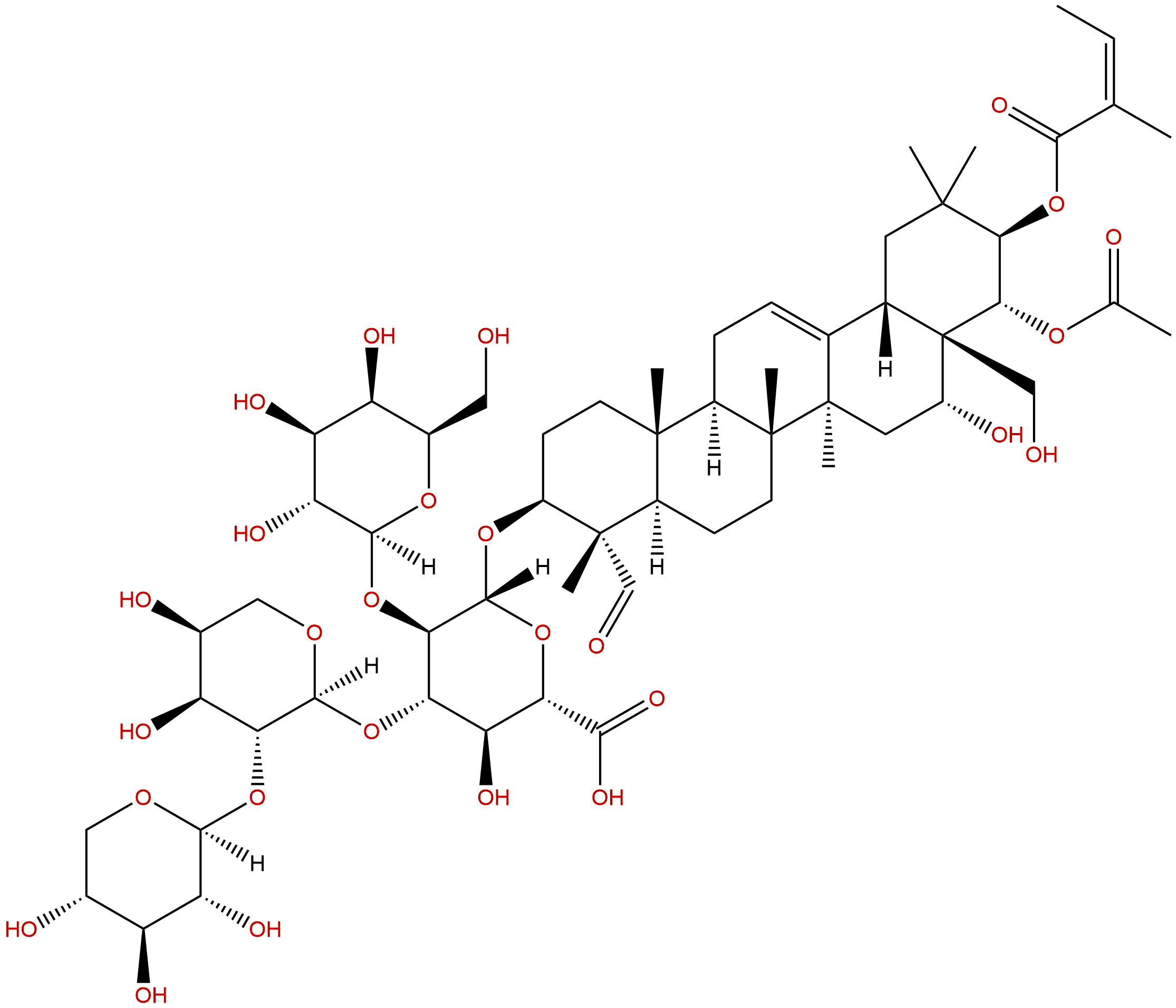
Tea saponin E1 (CAS number: 220114-28-3) is a monomeric saponin isolated from tea seeds. Early research mainly focused on its basic physicochemical properties as a member of the tea saponin family. However, in the past decade, with the advancement of separation and purification technology and the improvement of biological activity screening systems, the potential of tea saponin E1 in anti-tumor, lipid-lowering, and metabolic disease intervention has gradually been revealed. It is worth noting that existing evidence suggests that tea saponin E1 not only directly inhibits the proliferation of human chronic myeloid leukemia cells K562 and promyelocytic leukemia cells HL60, but also exerts cancer chemopreventive effects by inducing quinone reductase activity. In addition, based on its molecular structure characteristics and preliminary pharmacological data, tea saponin E1 also shows potential application prospects in regulating lipid metabolism, involving multiple key targets such as CETP, HMGCR, LDLR, etc.
This article aims to systematically review the chemical structure, plant origin, extraction process, pharmacological activity, mechanism of action, and pharmacological characteristics of tea saponin E1, and explore its development value and future research directions as a lead compound in the fields of anti-tumor and lipid-lowering drugs, in combination with the current trend of natural product drug research and development.
Chemical structure and physicochemical properties
Tea saponin E1 belongs to the Oleanane type pentacyclic triterpenoid saponin, and its glycoside is Theasapogenol. Compared with other tea saponin analogues (such as tea saponin B1, E2, etc.), the uniqueness of tea saponin E1 lies in the composition of its sugar chains, connection methods, and differences in substituents on its glycosides. According to existing literature reports, the glycoside of tea saponin E1 usually carries multiple hydroxyl groups and is connected to a complex oligosaccharide chain at position C-28, while at position C-3 it is connected to another sugar chain or a specific acyl group. This bisdesmosidic structure is a relatively complex configuration in triterpenoid saponins and is also the structural basis for their biological diversity.
From the perspective of physical and chemical properties, the molecular weight of tea saponin E1 is as high as 1231.3420 Da, which belongs to the category of large molecule natural products. The LogP of its lipid water partition coefficient is 0.9147, indicating that the compound has moderate lipophilicity, neither completely hydrophobic nor completely hydrophilic. This amphiphilic characteristic allows it to interact with the cell membrane, which may be an important reason for its hemolytic activity and cytotoxicity. The topological polar surface area (TPSA) is 423.5700 Å ², which is much higher than the recommended upper limit of 140 Å ² for oral drugs. This suggests that the membrane permeability of tea saponin E1 may be poor, and oral bioavailability is facing challenges. The water solubility parameter is 0.6713 mg/mL, indicating that it has a certain solubility in water, but is not easily soluble. It is worth noting that the blood-brain barrier (BBB) penetration ability of tea saponin E1 has been evaluated as "low", which is a favorable feature for the development of non central nervous system targeted drugs and can reduce the potential risk of neurotoxicity. In addition, the risk assessment of hERG inhibition is "no", and the Ames test result is 0.0, indicating that the compound has low risks in terms of cardiac toxicity and genetic toxicity, providing a safety basis for its further development.
Plant sources and extraction methods
Tea saponin E1 mainly comes from the Camellia genus(Camellia)Plant seeds, especially Camellia oleifera(Camellia oleifera)And tea(Camellia sinensis)The seeds. Tea seed cake is the main byproduct of tea seed oil extraction, which contains abundant tea saponin with a content of up to 10% -15%. Tea saponin E1, as a trace or medium component in tea saponin mixtures, requires modern chromatographic techniques for its separation and purification.
Traditional extraction methods usually use water or alcohol solvents (such as methanol, ethanol) for extraction. Because tea saponins have surface activity, water extraction is easy to produce a large number of foam, and the extraction efficiency is greatly affected by temperature and time. In order to improve extraction efficiency and selectivity, researchers often adopt the following steps:
- Defatting pretreatment Extract the dried tea seed powder by refluxing with petroleum ether or n-hexane to remove oil and some pigments, and obtain defatted tea seed powder.
- Solvent extraction Using methanol water or ethanol water mixed solvents (such as 70% -80% ethanol) for reflux extraction under heating conditions, the crude extract is obtained after concentration.
- Liquid-liquid extraction The crude extract is suspended in water and extracted sequentially with petroleum ether, ethyl acetate, and n-butanol. Tea saponin is mainly enriched in the n-butanol layer.
- Column chromatography separation The n-butanol extract can be preliminarily enriched in saponin components by column chromatography using macroporous adsorption resins (such as D101, AB-8) and elution with a water ethanol gradient. Subsequently, fine separation was performed using silica gel column chromatography, ODS reverse phase column chromatography, and preparative high-performance liquid chromatography (Pre HPLC). The separation of tea saponin E1 usually requires the combination of multiple chromatographic techniques and structural identification through nuclear magnetic resonance (NMR) and mass spectrometry (MS).
In recent years, some green extraction techniques such as ultrasound assisted extraction, microwave-assisted extraction, and enzyme assisted extraction have also been applied to the extraction of tea saponin. These methods can shorten extraction time, improve yield, and reduce solvent usage. However, the efficient and low-cost preparation process for tea saponin E1 monomer still needs further optimization to meet the needs of subsequent large-scale pharmacological research and preclinical evaluation.
Pharmacological activity research
Antitumor activity
One of the most notable pharmacological activities of tea saponin E1 is its inhibitory effect on tumor cells. Existing studies have shown that tea saponin E1 exhibits significant cytotoxicity towards both the human chronic myeloid leukemia cell line K562 and the human promyelocytic leukemia cell line HL60. This anti-tumor activity exhibits dose - and time-dependent effects. Compared with traditional chemotherapy drugs, the mechanism of action of tea saponin E1 may be more complex, involving not only direct cell killing, but also inducing differentiation or apoptosis to exert its effect.
It is worth noting that tea saponin E1 has also been reported to have quinone reductase (QR) induction activity. Quinone reductase is an important phase II detoxifying enzyme that can catalyze the reduction of quinone compounds, thereby reducing their conversion to cytotoxic semiquinone free radicals and protecting cells from oxidative damage. Inducing QR activity is considered one of the important strategies for cancer chemoprevention. Tea saponin E1 can upregulate the activity of QR, suggesting that it may prevent the occurrence and development of cancer by enhancing the body's detoxification ability. This "dual effect" - both directly inhibiting formed tumor cells and preventing normal cell carcinogenesis by inducing detoxifying enzymes - makes tea saponin E1 have unique development value in the field of tumor prevention and treatment.
Hypolipidemic activity
In addition to its anti-tumor effect, the potential of tea saponin E1 in regulating lipid metabolism has also attracted the interest of researchers. Although there is insufficient in vivo experimental data directly targeting the lipid-lowering effects of tea saponin E1, based on its family of tea saponins and computational pharmacology studies such as molecular docking, it is believed that tea saponin E1 may exert lipid-lowering effects by acting on multiple lipid metabolism related targets.
Specifically, tea saponin E1 may affect blood lipid levels through the following pathways:
- Inhibit HMGCR HMG CoA reductase (HMGCR) is the rate limiting enzyme in cholesterol biosynthesis. Tea saponin E1 may reduce endogenous cholesterol synthesis by competitively inhibiting or downregulating the expression of this enzyme.
- Regulating LDLR expression Low density lipoprotein receptor (LDLR) is responsible for clearing low-density lipoprotein (LDL) from plasma. Tea saponin E1 may enhance liver uptake and clearance of LDL by upregulating the expression of LDLR, thereby reducing plasma LDL-C levels.
- Inhibit PCSK9 Pre protein convertase subtilisin 9 (PCSK9) can promote the degradation of LDLR. Tea saponin E1 may indirectly increase the quantity of LDLR by inhibiting the activity or expression of PCSK9.
- Regulating APOB and APOE Apolipoprotein B (APOB) is the main structural protein of LDL, while Apolipoprotein E (APOE) is involved in the metabolism and clearance of lipoproteins. Tea saponin E1 may affect the synthesis or function of these lipoproteins.
- Activate PPARA Peroxisome proliferator activated receptor alpha (PPARA) is a key nuclear receptor that regulates fatty acid oxidation and lipoprotein metabolism. Tea saponin E1 may act as an agonist of PPARA, promoting β - oxidation of fatty acids and reducing triglyceride levels.
- Inhibit CETP Cholesterol ester transfer protein (CETP) mediates the transfer of cholesterol esters from high-density lipoprotein (HDL) to very low-density lipoprotein (VLDL) and LDL. Inhibition of CETP can increase the level of HDL-C and has the potential of anti atherosclerosis.
This multi-target synergistic mode of action may make tea saponin E1 superior to single target statins in the treatment of complex hyperlipidemia, but it also increases the complexity of mechanism of action research.
Mechanism of action and molecular targets
The pharmacological mechanism of tea saponin E1 is multi-layered and multi-target. In terms of anti-tumor effects, its mechanisms may include:
- Cell cycle arrest and apoptosis induction Tea saponin E1 may induce tumor cell apoptosis by activating mitochondrial apoptosis pathways (such as upregulating Bax/Bcl-2 ratio, releasing cytochrome c, activating Caspase-3/9) or death receptor pathways (such as Fas/FasL). At the same time, it may also arrest the cell cycle in the G0/G1 or G2/M phase, inhibiting cell proliferation.
- Induction mechanism of quinone reductase Tea saponin E1 may induce the expression of QR by activating the nuclear factor E2 related factor 2 (Nrf2) - antioxidant response element (ARE) signaling pathway. Nrf2 is a key transcription factor in cellular oxidative stress response, which normally binds to Keap1 and is degraded by ubiquitination. When stimulated by an inducer, Nrf2 dissociates from Keap1, translocates into the nucleus, binds to ARE, and initiates transcription of various phase II detoxifying enzymes and antioxidant enzyme genes, including QR. Tea saponin E1 may activate this pathway by modifying key cysteine residues on Keap1 or by generating mild oxidative stress.
- Membrane action mechanism As an amphiphilic saponin, tea saponin E1 can bind to cholesterol in the cell membrane, forming a complex that destroys membrane integrity, increases membrane permeability, and leads to leakage of cellular contents, thereby exerting cytotoxic effects. This membrane activity may be one of the bases for its selective killing of tumor cells, as the cholesterol content and fluidity of tumor cell membranes are usually different from those of normal cells.
In terms of lowering blood lipids, its molecular mechanism may involve:
- transcriptional regulation: By activating PPARA, up regulate the expression of fatty acid oxidation related genes (such as CPT-1A, ACOX1), and down regulate the expression of atherogenic genes such as APOC3.
- Regulation of protein-protein interactions By inhibiting the binding of PCSK9 to LDLR, the degradation of LDLR is reduced.
- Enzyme activity inhibition Directly bind and inhibit the catalytic activity of HMGCR and CETP.
It should be pointed out that most of the current research on the mechanism of action of tea saponin E1 is based on in vitro experiments or computational simulations. Its exact molecular targets and signaling pathways in vivo still need to be further validated through systems biology methods such as gene knockout, proteomics, and transcriptomics.
Evaluation of drug properties and pharmacokinetics
The evaluation of drug properties is a crucial step in determining whether natural products can be transported from the laboratory to clinical practice. Based on existing data, the pharmacological properties of tea saponin E1 exhibit a combination of opportunities and challenges.
Advantage aspects:
- Preliminary good safety The hERG inhibition risk is low, and the Ames test is negative, indicating a low risk of cardiac toxicity and genetic toxicity.
- Clear and diverse targets It has dual potential for anti-tumor and lipid-lowering effects, and involves multiple known drug targets, which is beneficial for the development of multi indication drugs.
- Rich natural sources Tea seed cake is a waste product from the tea oil industry, with abundant raw material sources and relatively low costs.
Challenge aspect:
- Excessive molecular weight The molecular weight of 1231 Da far exceeds the Lipinski's Rule of Five for oral drugs, and compounds with a molecular weight greater than 500 Da are generally considered difficult to absorb orally. The high TPSA value further confirms the problem of poor membrane permeability.
- Metabolic stability unknown Saponins are easily hydrolyzed by acids or enzymes in the gastrointestinal tract, leading to the separation of glycosides and sugar chains, thereby altering their pharmacological activity. The metabolic pathways, first pass effects, and activity of metabolites of tea saponin E1 in the body are still unclear.
- Low bioavailability Due to its high molecular weight and strong hydrophilicity, the oral bioavailability of tea saponin E1 is expected to be very low. This may be the biggest obstacle limiting its clinical application.
- hemolytic activity The tea saponin family generally has hemolytic activity, and tea saponin E1 is no exception. Although hemolytic activity may be utilized in certain anti-tumor applications (such as through local administration), systemic administration may cause severe hemolytic anemia, which is a toxicity issue that needs to be carefully evaluated.
In response to these challenges, future pharmacokinetic research should focus on:
1. Absorption, distribution, metabolism, and excretion (ADME) characteristics after oral administration Establish a sensitive LC-MS/MS method to determine the drug time curve of tea saponin E1 in animals.
2. Metabolism of gut microbiota Study the metabolic transformation of tea saponin E1 by gut microbiota and identify active metabolites.
3. Formulation strategy Explore novel drug delivery systems such as liposomes, nanoparticles, and phospholipid complexes to improve their oral bioavailability and reduce hemolytic toxicity.
4. Structural modification Simplify or modify the structure of tea saponin E1, such as removing some sugar chains or introducing specific functional groups, to reduce molecular weight, improve membrane permeability, and retain or enhance its pharmacological activity.
Clinical application prospects and prospects
Although tea saponin E1 faces many challenges in developing medicinal properties, its unique pharmacological activity spectrum still has broad development prospects in specific therapeutic fields.
1. Tumor chemoprevention and adjuvant therapy
The QR induction activity of tea saponin E1 makes it an ideal candidate for cancer chemopreventive agents. Developing a health product or medication that can be taken orally for a long time, has low toxicity, and can induce detoxifying enzymes is of great significance for high-risk populations such as patients with familial adenomatous polyposis and chronic hepatitis. In addition, the direct killing effect of tea saponin E1 on leukemia cells suggests that it may serve as an adjuvant drug for leukemia treatment, especially for drug-resistant leukemia patients. Local administration (such as skin cancer, oral cancer) or interventional therapy (such as hepatic artery embolization in liver cancer) may be effective ways to avoid its systemic hemolytic toxicity.
2. Comprehensive intervention for metabolic syndrome
Given that tea saponin E1 may regulate cholesterol, triglyceride, and lipoprotein metabolism through multiple targets (HMGCR, PCSK9, PPARA, CETP), it is expected to be developed as a comprehensive therapeutic drug for metabolic syndrome (hyperlipidemia, obesity, fatty liver). Compared to single target statins, this multi-target effect may lead to a more comprehensive improvement in blood lipid profile and may reduce the common side effects of statins, such as muscle pain and elevated liver enzymes. However, this requires first addressing the issue of low oral bioavailability.
3. Optimize the structure as a lead compound
Given the poor pharmacological properties of natural tea saponin E1, a more realistic approach is to use it as a lead compound and modify its structure through medicinal chemical methods. For example:
- Simplification of sugar chains Retain key sugar groups (such as glucuronic acid), remove redundant sugar chains to reduce molecular weight and polarity.
- Glycoside modification Introducing hydrophobic groups such as methyl and halogen on the aglycone to improve the LogP value.
- Prodrug design Esterify or phosphorylate the hydroxyl group of tea saponin E1 to make a prodrug, which can be orally absorbed and then converted into its active form in the body.
4. Combination therapy strategy
Tea saponin E1 may have a synergistic effect with other drugs. For example, when used in combination with chemotherapy drugs such as doxorubicin and paclitaxel, it may enhance chemotherapy efficacy and reduce toxic side effects by inducing QR or regulating the cell cycle. In terms of lowering blood lipids, the combination with low-dose statins may achieve a synergistic effect of "statins+PCSK9 inhibitors" at a much lower cost than monoclonal antibody drugs.
Conclusion
As a naturally occurring triterpenoid saponin with a unique structure in tea seeds, tea saponin E1 has shown promising prospects in transitioning from a natural product to a multifunctional drug lead due to its direct cytotoxicity against K562 and HL60 leukemia cells, chemopreventive potential in inducing quinone reductase activity, and potential multi-target lipid-lowering effects. Its complex chemical structure endows it with rich biological activity, but also brings about challenges such as high molecular weight, low oral bioavailability, and potential hemolytic toxicity in drug development.
Currently, research on tea saponin E1 is still in its early stages. Future research should focus on the following aspects: firstly, to thoroughly elucidate its pharmacokinetic characteristics and metabolic fate in vivo; The second is to use modern medicinal chemistry methods to conduct systematic structure-activity relationship research, searching for derivatives with stronger activity, lower toxicity, and better pharmacokinetic properties; The third is to validate its lipid-lowering and anti-tumor effects through in vivo pharmacological models, such as hyperlipidemic mice and xenograft tumor models; The fourth is to explore new drug delivery systems to overcome their oral absorption barriers.
In short, tea saponin E1 is a natural product molecule worth exploring in depth. The discovery of this active ingredient from tea seed waste not only provides a new perspective for understanding the biological functions of tea saponin, but also provides valuable lead structures for the development of natural anti-tumor and lipid-lowering drugs. With the continuous deepening of research, tea saponin E1 and its derivatives are expected to occupy a place in future precision medicine and chronic disease prevention and treatment.