| Catalog No | Package | Original Price | Price | Inventory | Quantity | Operating |
|---|---|---|---|---|---|---|
| SBP00729-20mg | 20mg | $20.00 | Sign in |
|


Product name: Methyl syringate
Synonym name:
Catalogue No.: SBP00729
Cas No.: 884-35-5
Formula: C10H12O5
Mol Weight: 212.201
Botanical Source:
Physical Description: Powder
Type of Compound: Phenols
Purity: 95%~99%
Analysis Method: HPLC-DAD or/and HPLC-ELSD
Identification Method: Mass, NMR
Packing: Brown vial or HDPE plastic bottle
The product could be supplied from milligrams to grams. Inquire for bulk scale.
We provide solution to improve the water-solubility of compounds, thereby facilitating the variety of activity tests and clinic uses.
For Reference Standard and R&D, Not for Human Use Directly.
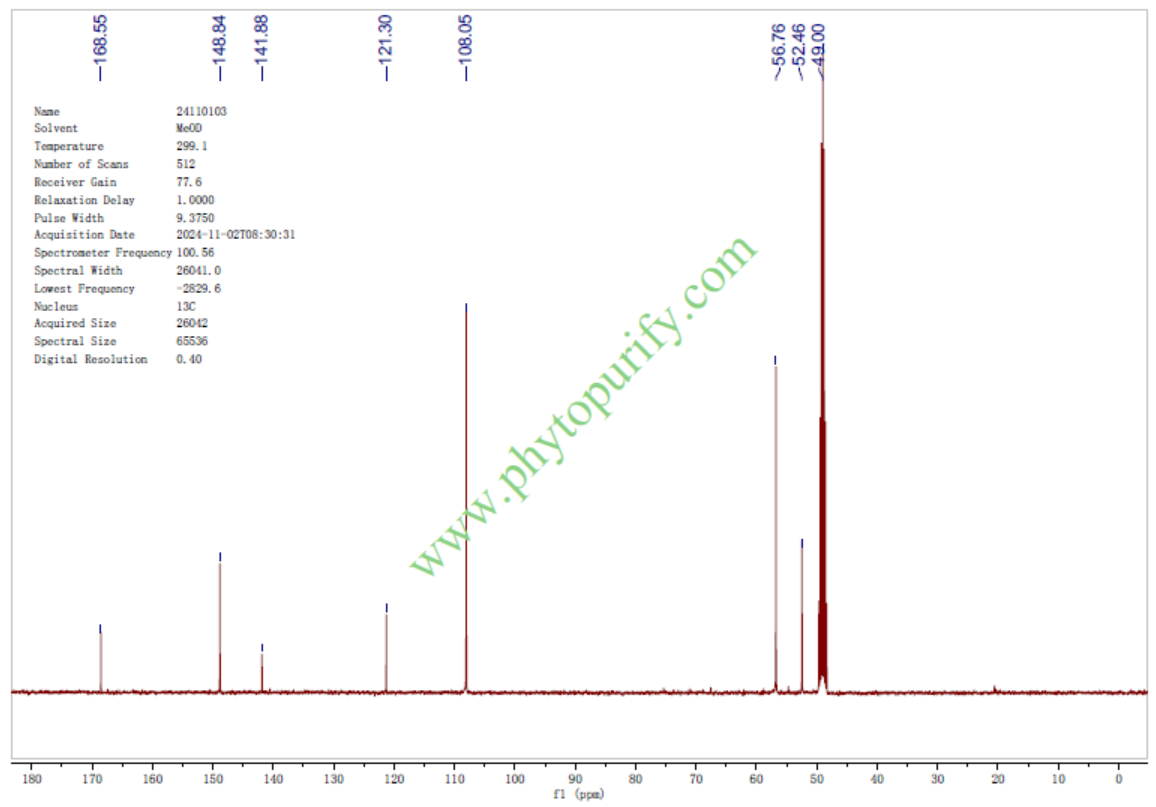
NMR of Methyl syringate
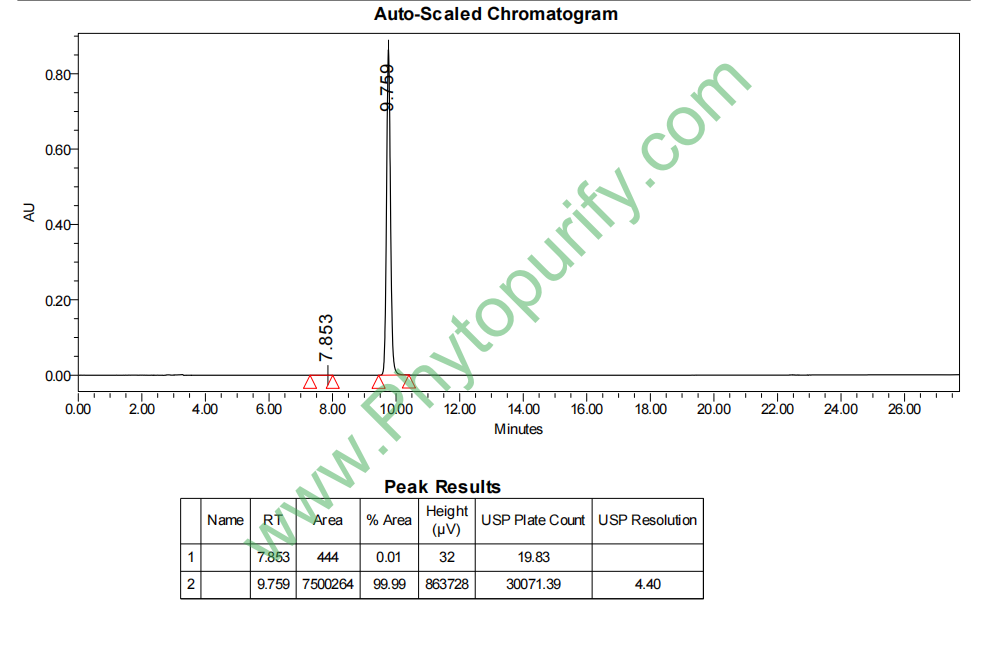
HPLC of Methyl syringate
Storage conditions:Short-term storage at 2~8℃, long-term storage at -20 ~ -80℃
64.9900
1.7028
1.6755
2.1851
5.6397
3.9421
High
71.6935
1.7277
Yes
No
No
No
Yes
No
0.6
Yes
No
Yes
Yes
Natural products have always been an important source of drug discovery and development, and their structural diversity and unique biological activity provide rich molecular templates for modern pharmacological research. Among numerous bioactive phenolic acid derivatives, methyl syringate (MS) has attracted widespread attention in recent years. As a naturally occurring phenolic compound, methyl syringate is not only a characteristic component of certain plants and honey, but also a research hotspot in the field of natural product pharmacology due to its multi-target pharmacological activity.
Methyl syringic acid, also known as 3,5-dimethoxy-4-hydroxybenzoic acid methyl ester, is a methyl esterification product of syringic acid. This compound was initially isolated and identified from plants, and later found to be widely present in various plant-based foods and traditional medicines, especially in narcissus honey, which is abundant and considered a chemical marker for this type of honey. Structurally, methyl syringate belongs to the class of benzoic acid derivatives, which contain both phenolic hydroxyl and methoxy groups in their molecules. This structural feature endows it with unique physicochemical properties and biological activity.
From a pharmacological perspective, methyl syringate exhibits remarkable multifunctionality. Firstly, it has been identified as a selective transient receptor potential anchor protein 1 (TRPA1) agonist, which can regulate food intake and gastric emptying processes by activating TRPA1 channels, providing new ideas for interventions in obesity and related metabolic diseases. Secondly, methyl syringate exhibits significant antibacterial activity, particularly in inhibiting various pathogenic bacteria and fungi. Its targets include bacterial DNA gyrase (GYRA/GYPB), cell division protein FtsZ, acyl ACP reductase (FABI), dihydrofolate reductase (DHFR), as well as key molecules such as fungal lanosterol 14 α - demethylase (ERG11/CYP51A1) and resistance related protein (CDR1). In addition, methyl syringate is also an effective laccase mediator that can promote bacterial and fungal laccase catalyzed oxidation reactions, and has potential application value in the fields of biotechnology and environmental remediation.
It is worth noting that methyl syringate has also shown potential in cancer prevention and inflammation regulation. Research has shown that this compound can inhibit the production of aflatoxin, which is related to its antifungal activity and possible detoxification mechanism. Meanwhile, methyl syringate has shown positive effects in inhibiting the inflammatory response and tumor occurrence caused by hypoxia, especially in lung cancer prevention research, showing promising prospects. These findings suggest that methyl syringate may exert its biological effects through synergistic effects of multiple pathways and targets.
Based on the above background, this article aims to systematically review the chemical structure and physicochemical properties, plant sources and extraction methods, pharmacological activity research, mechanism of action and molecular targets, pharmacological evaluation and pharmacokinetic characteristics of methyl syringate, and prospects its clinical application prospects, in order to provide comprehensive scientific references for the in-depth research and development of this natural product.
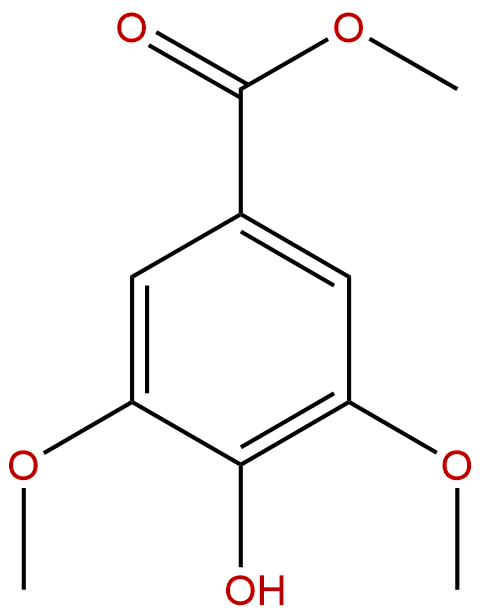
The chemical structure of methyl syringate (MS) belongs to benzoic acid derivatives. Its core skeleton is a benzene ring, which is connected to a methyl ester group (- COOCH ∝) at position 1, a hydroxyl group (- OH) at position 4, and methoxy groups (- OCH ∝) at positions 3 and 5, respectively. Under the system naming convention, its chemical name is 3,5-dimethoxy-4-hydroxybenzoic acid methyl ester, with a molecular formula of C ₁₀ H ₁₂ O ₅ and a molecular weight of 212.2010 g/mol. The CAS registration number is 884-35-5, which ensures the uniqueness of the compound in chemical literature and databases.
From the perspective of structural characteristics, methyl syringate molecule contains both phenolic hydroxyl and two methoxy groups, which endows it with unique electron distribution and reactivity due to this substitution mode. Phenolic hydroxyl groups, as hydrogen bond donors, can participate in intermolecular hydrogen bonding interactions, affecting their solubility and interactions with biological targets. The methoxy group affects the electron cloud density of the benzene ring through the electron donating effect, thereby regulating the acidity and redox properties of the phenolic hydroxyl group. The presence of methyl ester groups increases the lipophilicity of the molecule, facilitating its transmembrane transport and binding to hydrophobic biological targets.
In terms of physicochemical properties, the oil-water partition coefficient (LogP) of methyl cinnamate is 1.7028, indicating its moderate lipophilicity and ability to achieve a balance between lipid and aqueous environments. This lipophilic characteristic facilitates its passive diffusion through biological membranes, including the blood-brain barrier. The topological polar surface area (TPSA) is 64.9900 Å ², which is lower than the commonly assumed passive membrane permeability threshold (approximately 140 Å ²), further supporting its good membrane permeability. The water solubility parameter is 2.1851 (possibly expressed in logS or similar units), indicating that it has a certain solubility in water, but is more inclined to dissolve in organic solvents.
It is worth noting that the pharmacological evaluation results show that the blood-brain barrier penetration ability of methyl syringate is "high", indicating that the compound may enter the central nervous system to exert pharmacological effects, such as regulating appetite and energy metabolism by activating TRPA1 channels in the brain. Meanwhile, the prediction result of hERG inhibition is' no ', indicating a low risk of causing QT interval prolongation in the heart, which is an important indicator in drug safety evaluation. The Ames test result is 0.6, which usually indicates that the compound is negative or weakly positive in the bacterial recovery mutation test, suggesting a low risk of genetic toxicity, but it needs to be interpreted in conjunction with specific experimental conditions.
From the perspective of chemical stability, methyl syringate is relatively stable under conventional storage conditions (avoiding light, drying, low temperature). The phenolic hydroxyl group may undergo deprotonation under alkaline conditions, forming a phenolic anion, which affects its solubility and reactivity. Methyl ester groups may undergo hydrolysis under strong acid or strong base conditions, producing syringic acid and methanol. Therefore, in biological activity testing and formulation development, attention needs to be paid to the impact of pH value on compound stability.
Overall, the chemical structure of methyl syringate determines its hydrophilic and lipophilic characteristics, with a moderate molecular weight (212.20 Da), which meets the basic requirements of Lipinski's Rule of Five and has good potential for drug development. Its moderate LogP and high blood-brain barrier penetration ability provide a structural basis for the development of central nervous system active drugs. Meanwhile, the lower risk of hERG inhibition and acceptable genetic toxicity prediction results further enhance its feasibility as a lead compound for drug development.
Methyl syringate is widely distributed in nature and mainly exists in various plants and their processed products. The word 'lilac' in its name originated from the genus Syringa(Syringa)It was isolated from plants, but subsequent studies have found that the compound is not limited to this genus of plants.
In terms of plant origin, methyl syringic acid is a characteristic chemical marker of Narcissus monofloral honey. Narcissus flowers(Narcissus The nectar of narcissus contains a high concentration of methyl syringate, which bees collect and introduce into honey, making it an important indicator for identifying the authenticity and quality of narcissus honey. In addition, methyl syringate is also present in various other plants, including but not limited to: Syringa plants (such as...)Syringa vulgaris)Eucalyptus plants(Eucalyptus spp.)、 Some medicinal plants, such as Rhododendron Spp.) and some edible plants. In traditional medicinal plants, methyl syringate is often used as one of the phenolic acid components to exert pharmacological effects together with other active substances.
In addition to plant sources, methyl syringate is also a product of certain microbial metabolism. Research has shown that certain bacteria and fungi can produce methyl syringate under specific culture conditions, which is closely related to their biological function as laccase mediators. Microbial sources provide a potential biosynthetic pathway for the industrial production of methyl syringate.
In terms of extraction methods, methyl syringate is usually extracted using organic solvent extraction, utilizing its moderate lipophilicity to separate it from plant materials. Common extraction solvents include methanol, ethanol, ethyl acetate, chloroform, etc. Due to the good solubility of methyl syringate in methanol and ethanol, and their strong permeability to plant materials, alcohol solvents are the most commonly used extraction medium. The extraction process usually includes the following steps: after the plant material is dried and crushed, it is soaked or refluxed with a certain concentration of methanol or ethanol at room temperature or heating conditions for extraction. After concentration, the extraction solution is further purified through liquid-liquid extraction or solid-phase extraction.
For liquid samples such as honey, the extraction method is more convenient. Usually, honey samples are diluted with an appropriate amount of water and subjected to liquid-liquid extraction using ethyl acetate or ether. The organic phase is concentrated to obtain a crude extract rich in methyl syringate. Due to the high content of polar impurities such as sugars in honey, liquid-liquid extraction can effectively remove these interfering substances and improve the purity of target compounds.
In terms of purification, column chromatography is a commonly used method for separating methyl syringate. Silica gel column chromatography is the most classic method, which uses different ratios of petroleum ether ethyl acetate or chloroform methanol as the mobile phase for gradient elution. For more precise separation, preparative high-performance liquid chromatography (Prep HPLC) can be used, using a reverse phase C18 column with methanol water or acetonitrile water as the mobile phase, and monitoring and collecting the target peak at a specific wavelength (usually 254 nm or 280 nm) through a UV detector.
In recent years, with the promotion of green chemistry concepts, some new extraction technologies have also been applied to the extraction of methyl syringate. For example, ultrasound assisted extraction (UAE) utilizes the cavitation effect of ultrasound to destroy plant cell walls, improve extraction efficiency, and shorten extraction time. Microwave assisted extraction (MAE) utilizes the heating effect of microwaves to accelerate solvent penetration and target substance dissolution. Supercritical fluid extraction (SFE) uses carbon dioxide as the extractant and achieves selective extraction by adjusting pressure and temperature. It has the advantages of no solvent residue and environmental friendliness. These methods have shown advantages in improving extraction efficiency and reducing energy consumption, but the equipment cost is high, and currently traditional solvent extraction methods are still the main method.
In terms of quality control, the qualitative and quantitative analysis of methyl syringate mainly relies on chromatographic techniques. High performance liquid chromatography (HPLC) combined with ultraviolet detector or mass spectrometry detector (LC-MS) is the most commonly used analytical method. Gas chromatography-mass spectrometry (GC-MS) is also suitable for the analysis of methyl syringate, especially for volatile derivatives. Nuclear magnetic resonance spectroscopy (NMR) is used for structural confirmation and purity identification.
In summary, methyl syringate has a wide range of plant sources and mature and diverse extraction methods. With the advancement of separation and purification technology, it has become possible to efficiently obtain high-purity methyl syringate from natural resources, laying a material foundation for its in-depth pharmacological research and application development.
The pharmacological activity research of methyl syringate covers multiple fields such as antibacterial, antifungal, anti-inflammatory, anticancer, and metabolic regulation, exhibiting multiple pharmacological characteristics. In recent years, with the in-depth exploration of its mechanism of action, the pharmacological activity spectrum of this compound has been continuously expanded.
Antibacterial activity It is one of the most concerned pharmacological effects of methyl syringate. Research has shown that methyl syringate has inhibitory effects on various pathogenic bacteria, including Gram positive and Gram negative bacteria. Its antibacterial mechanism involves multiple essential bacterial targets: interfering with DNA replication by inhibiting bacterial DNA gyrases (GYRA and GYPB); Binding to the cell division protein FtsZ hinders bacterial division; Inhibit acyl ACP reductase (FABI) and block fatty acid biosynthesis; And inhibit dihydrofolate reductase (DHFR), interfere with folate metabolism. This multi-target mode of action makes methyl syringate less likely to induce bacterial resistance and has the potential to be developed into a new type of antibacterial drug. In addition, methyl syringate also exhibits activity against methicillin-resistant Staphylococcus aureus (MRSA), and its target may involve MECA gene products, providing a new candidate molecule for combating clinical drug-resistant bacterial infections.
Antifungal activity On the one hand, methyl syringate has inhibitory effects on various pathogenic fungi, especially those that produce aflatoxins. Research has confirmed that methyl syringate can inhibit the production of aflatoxins, which may be related to its interference with secondary metabolic pathways in fungi. Its antifungal targets include lanosterol 14 α - demethylase (ERG11/CYP51A1), which is a key enzyme in the biosynthesis of ergosterol on fungal cell membranes and a classic target for clinical antifungal drugs such as azole drugs. In addition, methyl syringate may enhance the activity against drug-resistant fungal strains by affecting the expression or function of the fungal resistance protein CDR1. These findings suggest that methyl syringate can serve as a lead compound for the development of antifungal drugs or as a enhancer for existing antifungal drugs.
anticancer activity It is another important direction in the research of methyl syringate. Multiple in vitro and in vivo studies have shown that this compound has potential in the prevention and treatment of lung cancer. Methyl syringate can inhibit the proliferation of lung cancer cells, induce cell apoptosis, and may inhibit tumor development by regulating signaling pathways related to hypoxia. Hypoxia inducible factor (HIF) plays a crucial role in tumor adaptation to hypoxic environments, and methyl syringate has been shown to inhibit the inflammatory response and tumor progression caused by hypoxia. In addition, the compound may also exert chemopreventive effects by reducing DNA damage induced by carcinogens through antioxidant and anti-inflammatory mechanisms.
Metabolic regulatory activity It is a research hotspot of methyl syringate in recent years. As a selective TRPA1 agonist, methyl syringate can activate TRPA1 channels on sensory neurons, thereby regulating food intake and gastric emptying processes. Animal experiments have shown that oral administration of methyl syringate can reduce food intake, delay gastric emptying, and thus help control body weight. This discovery provides new intervention strategies for the treatment of obesity and metabolic syndrome. TRPA1 channel is expressed in both the gut and central nervous system, and methyl syringate may affect both peripheral and central appetite regulatory networks by activating this channel.
anti-inflammatory activity In terms of inflammation, methyl syringate exhibits inhibitory effects in various inflammatory models. Its anti-inflammatory mechanism may involve inhibiting the nuclear factor kappa B (NF - κ B) signaling pathway, reducing the production of pro-inflammatory cytokines (such as TNF - α, IL-6, IL-1 β), and regulating oxidative stress response. In the hypoxia induced inflammation model, methyl syringate can alleviate the inflammatory response and protect tissues from damage. These anti-inflammatory effects may have a synergistic relationship with their anti-cancer and metabolic regulatory activities.
Other activities It also includes antioxidant effects, and the phenolic hydroxyl structure of methyl syringate gives it the ability to scavenge free radicals, which can alleviate oxidative stress damage to cells. In addition, as an effective phenolic mediator of laccase, methyl syringate has application value in the field of biotechnology, which can promote the oxidative degradation of various substrates by laccase and play a role in environmental pollutant treatment and biotransformation.
Overall, the pharmacological activity spectrum of methyl syringate is extensive, covering multiple aspects such as antibacterial, antifungal, anticancer, metabolic regulation, anti-inflammatory, etc. This pleiotropy reflects both its universal characteristics as a natural phenolic compound and its selective action on specific targets such as TRPA1 channels. It is worth noting that there may be interrelationships between different pharmacological activities, for example, anti-inflammatory effects may partially contribute to their anti-cancer and metabolic regulatory effects. Future research needs to further elucidate the intrinsic connections between these activities and their dominant mechanisms of action under different physiological and pathological conditions.
The pharmacological activity of methyl syringate stems from its interactions with multiple molecular targets, which involve different signaling pathways and biological processes. A deep understanding of its mechanism of action is of great significance for rational drug design and predicting potential side effects.
TRPA1 channel activation It is the most characteristic molecular mechanism of action of methyl syringate. Transient receptor potential anchor protein 1 (TRPA1) is a non selective cation channel primarily expressed in sensory neurons and involved in physiological processes such as pain, inflammation, and chemosensitivity. Methyl syringate, as a selective TRPA1 agonist, can directly bind to channel proteins, causing conformational changes that lead to channel opening and promote calcium ion influx. This process plays a key role in regulating food intake and gastric emptying: activating TRPA1 channels in the gut and stomach can trigger satiety signals and reduce food intake; Simultaneously delaying gastric emptying, prolonging the residence time of food in the stomach, and further enhancing satiety. In addition, TRPA1 channels are also expressed in the central nervous system, and the high blood-brain barrier penetration ability of methyl syringate may directly act on TRPA1 channels in the brain, participating in central regulation of appetite and energy metabolism.
Antibacterial target network It is the basis for the antibacterial effect of methyl syringate. This compound achieves broad-spectrum antibacterial effects by acting on multiple essential bacterial proteins. Specifically:
- DNA gyrases (GYRA and GYPB)Bacterial DNA gyrase is a type II topoisomerase responsible for introducing negative supercoils into DNA, which is crucial for DNA replication and transcription. Methyl syringate may inhibit enzyme activity by binding to GYRA or GYPB subunits, leading to abnormal DNA supercoiled state and ultimately hindering bacterial proliferation.
- Cell division protein FtsZ FtsZ is a key protein for bacterial cell division, forming a Z loop at the division site to guide cell wall synthesis and membrane formation. The binding of methyl syringate to FtsZ may interfere with its polymerization or localization, thereby inhibiting bacterial division.
- Acyl ACP Reductase (FABI)FABI is a key enzyme in the bacterial fatty acid synthesis pathway, catalyzing the reduction reaction of acyl ACP. Inhibiting FABI can block fatty acid biosynthesis and disrupt cell membrane integrity.
- Dihydrofolate reductase (DHFR)DHFR is a key enzyme in the folate metabolism pathway, catalyzing the reduction of dihydrofolate to tetrahydrofolate, which is an essential cofactor for nucleic acid synthesis. Inhibition of DHFR can interfere with DNA and RNA synthesis, exerting antibacterial effects.
- MECA gene product MECA is the gene encoding penicillin binding protein 2a (PBP2a), which is the main mechanism of MRSA resistance to beta lactam antibiotics. Methyl syringate may restore MRSA sensitivity to beta lactam drugs by directly or indirectly affecting the expression or function of PBP2a.
Antifungal target In terms of aspects, methyl syringate mainly acts on the biosynthesis pathway and resistance mechanism of ergosterol in fungal cell membranes:
- Wool sterol 14 α - demethylase (ERG11/CYP51A1)This enzyme is a member of the cytochrome P450 family and catalyzes the key demethylation step in the biosynthesis of ergosterol. Methyl syringate may inhibit enzyme activity by coordinating with heme iron or interfering with substrate binding, leading to ergosterol deficiency and accumulation of toxic intermediates, disrupting fungal cell membrane function.
- Drug resistant protein CDR1 CDR1 is a member of the ATP binding cassette (ABC) transporter family, responsible for pumping antifungal drugs out of the cell and is an important mechanism of fungal resistance. Methyl syringate may overcome drug resistance by inhibiting the activity or downregulating the expression of CDR1, increasing drug concentration in fungal cells.
Anti cancer mechanism Involving multiple signaling pathways:
- Hypoxic signaling pathway Methyl syringate can inhibit the stabilization and transcriptional activity of hypoxia inducible factor (HIF), reduce the expression of downstream target genes (such as vascular endothelial growth factor VEGF, erythropoietin EPO, etc.), thereby inhibiting tumor angiogenesis and the ability to adapt to low oxygen environments.
- Inflammatory signaling pathway By inhibiting the NF - κ B signaling pathway, reducing the production of pro-inflammatory cytokines and chemokines, alleviating the inflammatory response in the tumor microenvironment, and inhibiting tumor growth and metastasis.
- Apoptosis pathway Methyl syringate may induce tumor cell apoptosis by activating mitochondrial pathways (upregulation of Bax, downregulation of Bcl-2) or death receptor pathways.
Anti inflammatory mechanism Mainly involving:
- Inhibition of NF - κ B pathway Prevent phosphorylation and degradation of I κ B α, inhibit NF - κ B nuclear translocation, and reduce transcription of inflammatory genes.
- MAPK pathway regulation It may affect the inflammatory response by regulating the phosphorylation levels of mitogen activated protein kinases such as p38, JNK, and ERK.
- Antioxidant effect Directly eliminate reactive oxygen species (ROS) and alleviate oxidative stress-induced inflammatory responses.
In summary, methyl syringate exerts its broad pharmacological activity through a multi-target and multi pathway mechanism of action. The characteristic of this "multi-target drug" gives it unique advantages in treating complex diseases such as cancer, metabolic syndrome, and drug-resistant bacterial infections, but it also increases the complexity of predicting side effects and drug design. Future research needs to further clarify the relative contributions of each target in specific pharmacological effects, as well as the synergistic or antagonistic relationships between different targets.
The evaluation of drug properties is a crucial step in determining whether natural products can be successfully converted into clinical drugs. The pharmacological parameters of methyl syringate show that it has good drug like properties, but there are also some aspects that need to be optimized.
Physical and chemical properties and drug like properties The molecular weight of methyl syringate is 212.20 Da, which is much lower than the upper limit of the five rules for class drugs at 500 Da. LogP is 1.7028, which falls within the ideal lipophilic range (0-3) and is beneficial for oral absorption and membrane permeability. The TPSA is 64.99 Å ², below the threshold of 140 Å ², indicating its good passive membrane permeability. The water solubility parameter is 2.1851, indicating that its solubility in water is moderate and may meet the basic requirements for oral administration. Overall, methyl syringate meets all the criteria of the five rules for class drugs (molecular weight<500, LogP<5, hydrogen bond donor<5, hydrogen bond acceptor<10), and has the basic conditions to become an oral medication.
Blood-brain barrier penetrability Drug evaluation shows that methyl syringate has high blood-brain barrier penetration ability. This characteristic is crucial for its central role as a TRPA1 agonist, but it may also bring about central nervous system related side effects. In drug development, it is necessary to balance the efficacy of central targets with potential neurotoxicity.
safety evaluation The prediction result of hERG inhibition is' no ', indicating that methyl syringate has a lower risk of causing QT interval prolongation and arrhythmia in the heart, which is an important safety advantage. The Ames test result is 0.6, usually interpreted as weakly positive or negative, indicating a low risk of genetic toxicity, but more comprehensive genetic toxicity evaluation is still needed (such as in vivo micronucleus test, chromosome aberration test, etc.). In addition, systematic safety evaluations such as acute toxicity, chronic toxicity, and reproductive toxicity are also required.
Pharmacokinetic characteristics At present, there is insufficient systematic research on the pharmacokinetics of methyl syringate, but based on its physicochemical properties and existing literature, the following characteristics can be inferred:
- absorb After oral administration, methyl syringate is expected to be well absorbed in the gastrointestinal tract through passive diffusion. Its moderate lipophilicity and small molecular weight facilitate transmembrane transport. Food may affect its absorption rate and degree.
- distribution Due to its high blood-brain barrier penetration ability, methyl syringate may reach high concentrations in brain tissue. Meanwhile, its distribution in other tissues such as liver, kidney, and adipose tissue is also worth paying attention to. The plasma protein binding rate is currently unknown, but phenolic compounds typically have a moderate degree of protein binding.
- Metabolism The metabolism of methyl syringic acid may involve esterase catalyzed hydrolysis reactions, producing syringic acid and methanol. In addition, phenolic hydroxyl groups may undergo glucuronic acid or sulfuric acid binding reactions, while methoxy groups may undergo demethylation. The liver is the main metabolic organ, and the cytochrome P450 enzyme system may be involved in its oxidative metabolism.
- excretion Metabolites are mainly excreted through urine and bile. The excretion ratio of the prototype drug depends on its metabolic rate and degree.
Formulation development considerations Based on the physicochemical properties of methyl syringate, the development of oral solid formulations (such as tablets, capsules) or liquid formulations (such as oral solutions, suspensions) can be considered. Its moderate water solubility makes the preparation of rapid release formulations more feasible. For situations that require improved bioavailability, solubilization techniques (such as cyclodextrin inclusion, solid dispersion) or nanoformulations (such as liposomes, nanoemulsions) can be used. For local application (such as antibacterial and antifungal), external preparations (such as cream and gel) can be developed.
Structural optimization direction Although methyl syringate has good pharmacological properties, there is still room for optimization. For example, improving its selectivity towards specific targets through structural modifications (such as TRPA1 vs. other TRP channels), enhancing metabolic stability (such as introducing fluorine atoms or methylation sites), or improving water solubility (such as introducing polar groups). The prodrug strategy can also be used to improve pharmacokinetic properties, such as esterifying phenolic hydroxyl groups to enhance lipid solubility, or preparing amino acid ester prodrugs to enhance water solubility.
Overall, the pharmacological evaluation of methyl syringate is positive and has the potential to develop into a drug. Its excellent physicochemical properties, low risk of cardiac toxicity, and acceptable genetic toxicity prediction have laid the foundation for subsequent development. However, systematic pharmacokinetic studies and comprehensive safety evaluations are still necessary, especially regarding its metabolic pathways, tissue distribution, and long-term toxicity data. In addition, the development of formulations for specific indications and preclinical pharmacological studies will promote their translation into clinical applications.
Based on the unique pharmacological activity and good drug properties of methyl syringate, it has shown broad clinical application prospects in multiple therapeutic fields.
Treatment of metabolic diseases As a selective TRPA1 agonist, methyl syringate has unique advantages in the treatment of obesity and metabolic syndrome. By regulating food intake and gastric emptying, this compound may become a candidate molecule for novel weight loss drugs. Compared with existing weight loss drugs such as GLP-1 receptor agonists, the mechanism of action of methyl syringate is different, which may provide alternative or combination treatment options for different patient populations. In addition, its potential regulatory effects on blood glucose and lipid metabolism are also worth further exploration. Future clinical trials are needed to validate its efficacy and safety in obese patients.
Treatment of infectious diseases The multi-target antibacterial mechanism of methyl syringate gives it potential in combating drug-resistant bacterial infections. Especially its activity against clinically challenging pathogens such as MRSA makes it a lead compound for the development of new antibacterial drugs. In terms of antifungal activity, its inhibitory effect on aflatoxin production can not only be used to treat fungal infections, but also for the prevention and control of fungal toxins in food and feed. In the future, it may be considered to develop methyl syringate as a local antibacterial agent (such as for skin infections, oral infections) or as a synergistic agent in combination with existing antibiotics.
Cancer Prevention and Treatment The potential of methyl syringate in the prevention of lung cancer is particularly prominent. Its mechanism of inhibiting the inflammatory response and tumorigenesis caused by hypoxia provides a new idea for the development of cancer chemopreventive drugs. For high-risk populations such as smokers and occupational exposures, long-term use of low-dose methyl syringate may reduce the risk of lung cancer. In addition, the combination application of this compound with other anticancer drugs is also worth exploring, as it may enhance efficacy and reduce side effects through synergistic effects.
Inflammatory diseases The anti-inflammatory activity of methyl syringate makes it potentially applicable in the treatment of chronic inflammatory diseases such as inflammatory bowel disease, rheumatoid arthritis, and asthma. Its characteristic of inhibiting inflammatory responses through multiple pathways may have a wider range of therapeutic effects and lower resistance risks compared to single target anti-inflammatory drugs.
Application of Biotechnology As an effective phenolic mediator of laccase, methyl syringate has application value in the field of environmental biotechnology. It can be used to promote the degradation of environmental pollutants such as dyes, polycyclic aromatic hydrocarbons, and pesticides by laccase, and play a role in wastewater treatment, soil remediation, and other fields. In addition, it can be used as a natural preservative or antioxidant in the food industry.
Challenges and Prospects Despite its broad prospects, the clinical application of methyl syringate still faces many challenges. Firstly, its pharmacokinetic properties require systematic research, particularly in terms of oral bioavailability, metabolic pathways, and potential first pass effects. Secondly, the safety of long-term medication needs to be comprehensively evaluated, including potential impacts on the central nervous system. Thirdly, it is necessary to develop efficient and controllable synthesis or extraction processes to meet the demands of large-scale production. Fourthly, the development of formulations for different indications needs to be optimized to improve efficacy and patient compliance.
Future research directions should include: improving target selectivity and metabolic stability through structural optimization; Using nanotechnology to improve bioavailability and targeted delivery; Conduct systematic preclinical pharmacological and toxicological studies; Explore synergistic effects with other drugs; And develop compound formulations based on methyl syringate.
In conclusion, methyl syringate, as a multifunctional natural product, has important development value in metabolic diseases, infectious diseases, cancer prevention and treatment of inflammatory diseases. With a deeper understanding of its pharmacological mechanism and advances in formulation technology, methyl syringate is expected to become an important candidate molecule for clinical drug development, contributing to human health.
As a naturally occurring phenolic acid derivative, methyl syringate has shown significant research value and application potential in the field of natural product pharmacology due to its unique chemical structure and multi effect pharmacological activity. This article systematically reviews the chemical structure and physicochemical properties, plant sources and extraction methods, pharmacological activity research, mechanism of action and molecular targets, pharmacological evaluation and pharmacokinetic characteristics of the compound, and prospects its clinical application prospects.
From a chemical perspective, methyl syringate has both hydrophilicity and lipophilicity, with a moderate molecular weight that conforms to the five rules of generic drugs and has a good pharmaceutical foundation. Its high blood-brain barrier penetration ability and low hERG inhibition risk provide support for its potential as a central nervous system active drug and a safe candidate molecule. From a pharmacological perspective, methyl syringate exerts multiple pharmacological effects, including antibacterial, antifungal, anticancer, metabolic regulation, and anti-inflammatory effects, by activating TRPA1 channels, inhibiting various essential targets of bacteria and fungi, and regulating hypoxia and inflammatory signaling pathways. This multi-target mode of action gives it unique advantages in treating complex diseases.
However, the clinical translation of methyl syringate still faces many challenges. Systematic pharmacokinetic studies, comprehensive safety evaluations, efficient synthesis or extraction processes, and development of formulations for different indications are all key issues that need to be addressed in the future. In addition, structural optimization to improve target selectivity and metabolic stability is also an important direction for promoting drug development.
Looking into the future, with the in-depth understanding of the pharmacological mechanism of methyl syringate and the progress of drug development technology, this natural product is expected to play an important role in metabolic diseases, infectious diseases, cancer prevention and treatment of inflammatory diseases. Especially its potential in obesity treatment and lung cancer prevention is worth further exploration. At the same time, the biotechnological application of laccase as a mediator also provides possibilities for its utilization in environmental remediation and the food industry.
In summary, methyl syringate is a natural product with significant research value and development prospects. There is still a long way to go from basic research to clinical application, but its demonstrated pleiotropic pharmacological activity and good drug properties have laid a solid foundation for subsequent research. We have reason to believe that in the near future, methyl syringate and its derivatives will make positive contributions to human health.
